64 Types of Purple Flowers to Grow in Your Garden
Explore 64 purple flowers for sun, shade, containers, and cutting gardens, with bloom seasons, growing notes, pollinator value, and safety cautions.
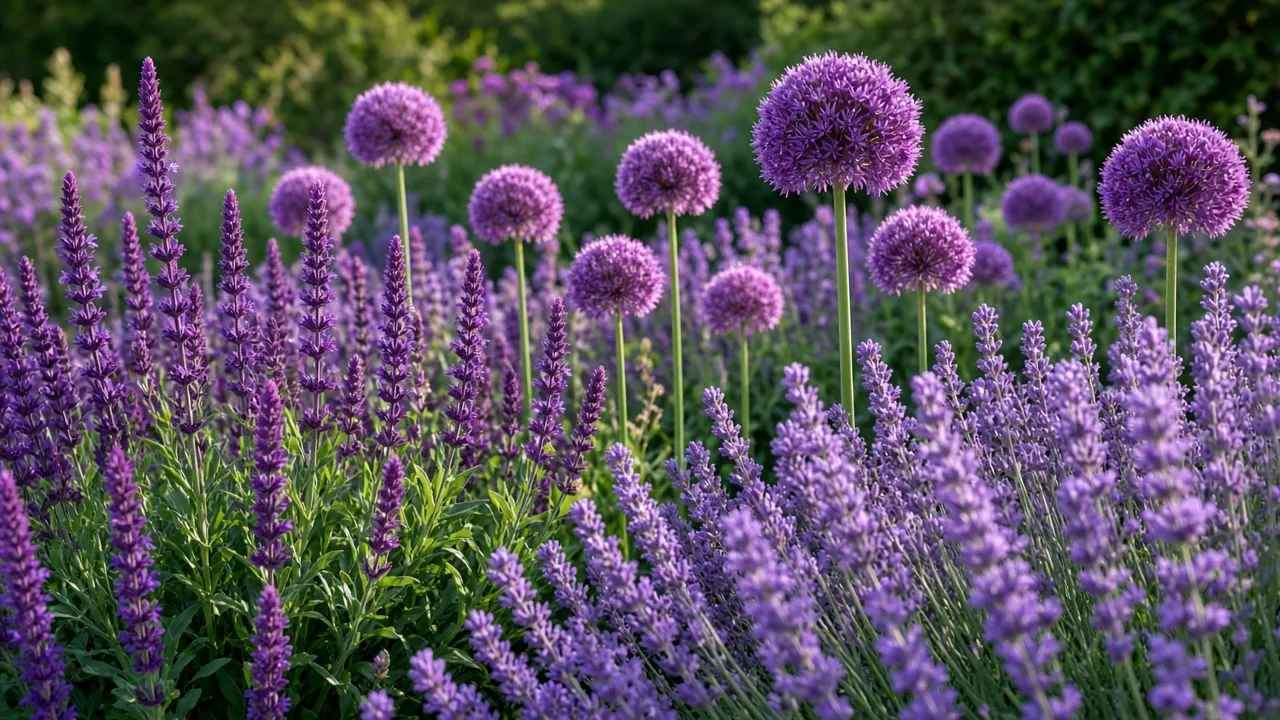
Purple flowers are easiest to choose when you treat color as the final filter, not the first one. Start with the bed’s light, drainage, moisture, winter temperature, and available height; then choose the purple flower that fits those conditions.
This list includes compact annuals for pots, spring bulbs, long-lived perennials, shrubs, vines, and warm-climate orchids. The color range runs from blue violet to lavender, plum, wine, and magenta.
Choose your purple flowers by site, not color
Write down four facts before you buy: hours of direct sun, whether water lingers after rain, the approximate mature height you can accommodate, and whether you want one season of color or a plant that returns. A lavender that thrives in a hot, dry border can fail beside a downspout, while a hydrangea that loves steady moisture may sulk in a gravel bed.
Use the same rule for hardiness: a perennial may only survive in warmer zones, while a bulb may need chilling, summer heat, or winter storage. Check the cultivar label for your local climate.
Design a purple garden that blooms in waves
One purple plant rarely carries a garden for the whole year. A better plan is to overlap plants with different bloom windows and flower shapes. The Royal Horticultural Society’s blue-and-purple pollinator guidance recommends a succession of flowers and a range of shapes, which also makes a border look less like a single-color blob.
Spring: bulbs and woodland color
Begin with crocus, reticulated iris, windflower, grape hyacinth, tulips, and bluebells. Add columbine, woodland phlox, or azalea after the bulbs fade, and let bulb foliage yellow naturally so it can refuel underground storage.
Summer: long-blooming borders and containers
Salvias, lavender, catmint, verbena, coneflower, phlox, roses, petunias, and million bells cover summer. Deadhead for repeat bloom, but leave some seed heads for birds and winter structure.
Late summer and fall: keep the color going
Use asters, chrysanthemums, dahlias, blue beard, heliotrope, zinnias, cosmos, and late phlox for fall color. Heather and winter heath add structure after herbaceous stems disappear.
64 purple flowers, organized by garden job
Full-sun border, pollinator, and cut-flower perennials
These choices suit sunny borders, meadow edges, pollinator patches, and cutting gardens. Most need drainage that keeps rain from sitting around the crown.
1. May Night salvia (Salvia × sylvestris ‘May Night’). Deep violet-blue flower spikes make this a strong front- or mid-border perennial. Give it full sun, lean-to-average soil, and a trim after the first flush for a tidier second show.
2. Caradonna salvia (Salvia nemorosa ‘Caradonna’). Dark stems sharpen the contrast around slender purple flowers. It is a good drought-tolerant-leaning choice once established, but regular moisture during bud formation keeps the spikes fuller.
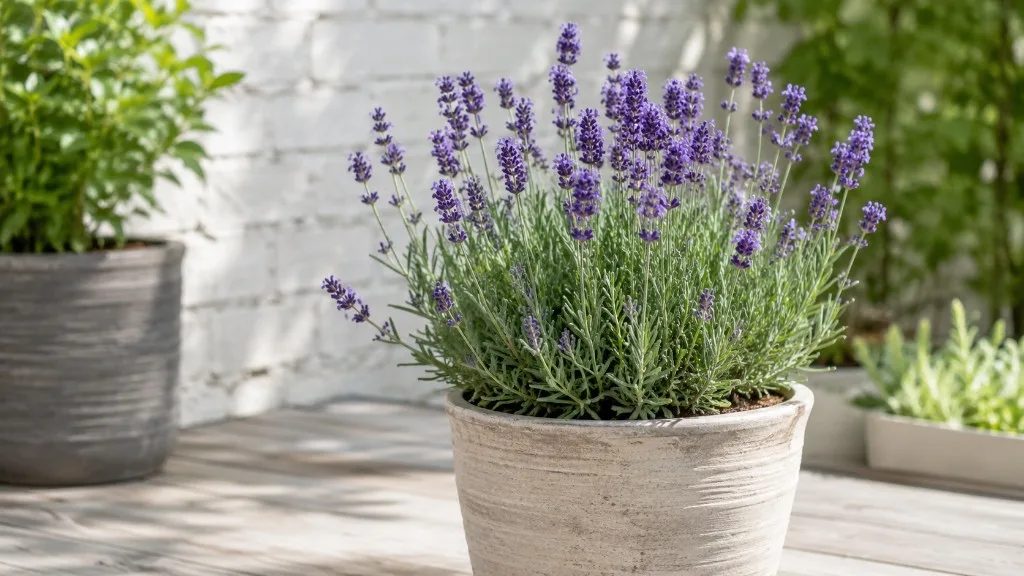
3. Lavender (Lavandula spp.). Choose lavender for fragrance, gray foliage, bees, and dry sunny beds. Its most common failure is wet winter soil, so use a raised or sharply drained site and avoid crowding plants where air cannot move.
4. Verbena (Verbena spp.). Upright or trailing forms carry small flowers in airy clusters, making verbena useful between heavier blooms. Many types handle heat well, but sprawling stems need room and some cultivars self-sow more freely than expected.
5. Purple coneflower (Echinacea purpurea). This durable prairie-style perennial offers daisy-shaped flowers and seed heads that can remain after bloom. It suits full sun and average, well-drained soil and is one of the easiest anchors for a wildlife-friendly border.
6. Catmint (Nepeta spp.). Gray-green foliage and soft lavender spikes form a relaxed edge around roses, paths, or dry borders. Shear it after flowering to refresh the mound; choose a sterile or less-seeding cultivar if you want a very tidy bed.
7. Tall phlox (Phlox paniculata). Fragrant flower clusters fill the gap between early-summer bulbs and fall asters. Give it morning sun, good air circulation, and enough spacing to reduce mildew pressure, especially in humid climates.
8. Cranesbill geranium (Geranium spp.). True perennial geraniums make spreading mounds rather than the upright annuals sold as “geraniums.” Cultivars such as ‘Rozanne’ offer blue-purple flowers and useful groundcover, while a trim after the first flush can restart the foliage.
9. Lupine (Lupinus hybrids). Tall spires bring a strong vertical note to a sunny, cool-summer border. Lupines dislike heavy, waterlogged soil and often perform best where drainage is excellent; treat them as short-lived if your summer is hot and humid.
10. Wood’s Purple aster (Symphyotrichum ‘Wood’s Purple’). This compact aster is useful at the front of a border, where its light-purple flowers and yellow centers add late-season color without the height of taller New England asters.
11. Balloon flower (Platycodon grandiflorus). The round buds are a visual bonus before the star-shaped violet blooms open. It is a patient perennial that resents root disturbance, so plant it where it can stay for years in sun or light shade.
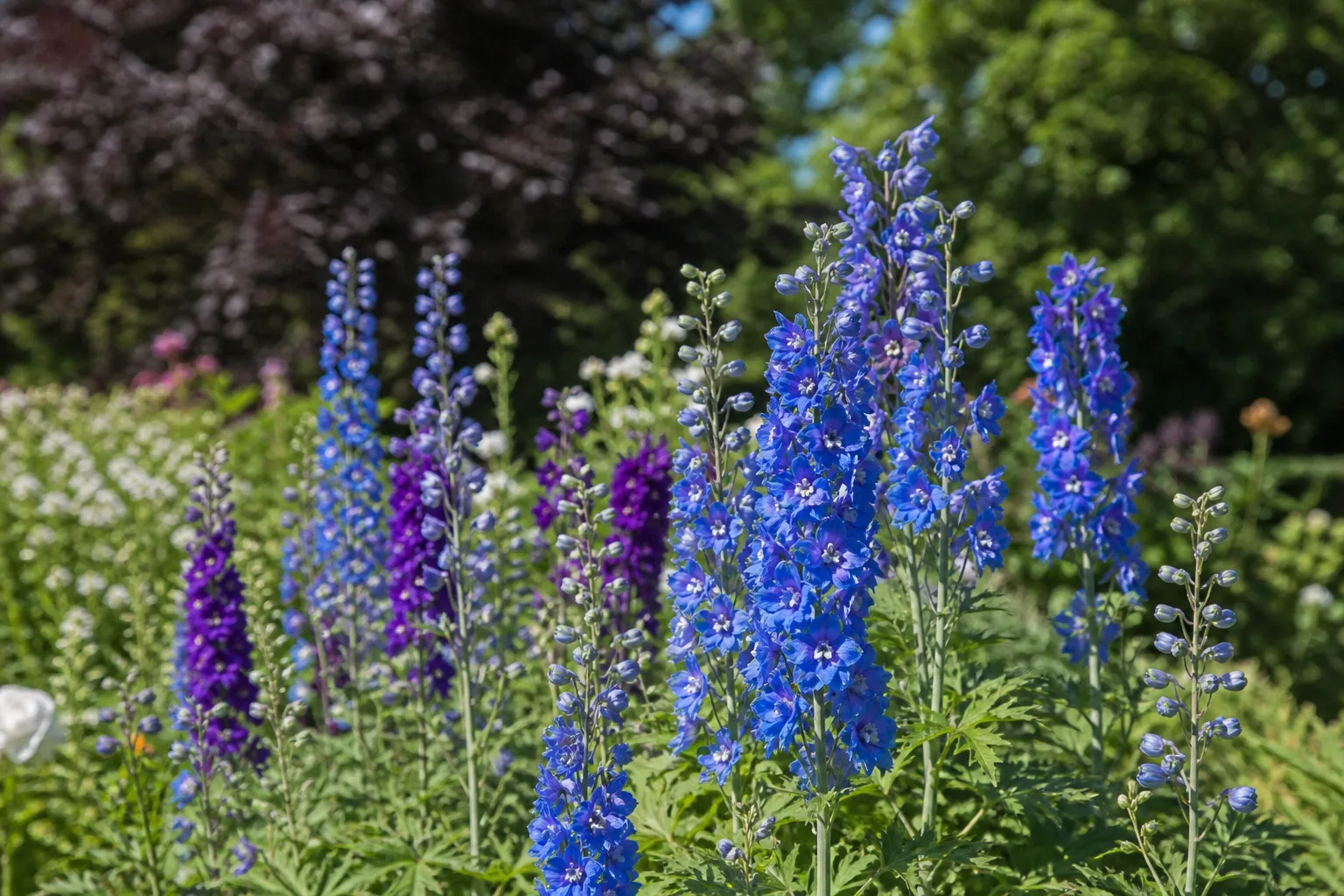
12. Larkspur (Consolida ajacis). This fast annual produces tall spikes and is excellent for a cutting row or cottage-garden drift. It can self-sow, and all larkspur species deserve a serious safety check around grazing animals, children, and pets.
13. Black Knight delphinium (Delphinium hybrids). Choose this for dramatic, tall flower spires rather than low maintenance. It needs rich, consistently moist but well-drained soil, staking, and protection from wind; NC State Extension also classifies delphinium as poisonous if eaten. NC State’s plant profile explains the support, drainage, and toxicity concerns.
14. Sweet William (Dianthus barbatus). Flat clusters of pink-purple and bicolored flowers have a clove-like scent and work well at the front of a mixed border. It is often grown as a biennial or short-lived perennial, so let a few seed heads mature if you want replacements.
15. Hollyhock (Alcea spp.). Purple hollyhocks turn a fence line or the back of a cottage bed into a vertical display. They are biennial or short-lived perennials and can be prone to rust, so give them airflow and avoid treating dense, damp foliage as a design problem you can solve with more water.
16. Blue ageratum (Ageratum houstonianum). Fluffy violet-blue flowers make this an easy edging plant or container filler. It prefers evenly moist soil while establishing and may need afternoon protection in very hot climates; trim lightly rather than letting it become leggy.
17. Monkshood (Aconitum spp.). Hood-shaped violet flowers suit a cool, moist, part-shade border and add late-season drama. This is not a casual choice for a pet- or child-accessible garden: every part is poisonous if eaten, so label it and wear gloves when handling.
18. Purple ice plant (Delosperma cooperi). Use this low succulent perennial in a rock garden, gravel edge, or sunny pot where drainage is sharp. Its vivid flowers can cover the plant in summer, but wet winter soil is a more serious threat than drought.
Annual color and containers
Annuals give immediate color and fill new beds; containers also make drainage and weather protection easier to control.
19. Petunia (Petunia hybrids). Petunias give the longest color in hanging baskets, window boxes, and sunny beds when watered consistently. Choose a spreading type for a pot, remove exhausted flowers or trim lanky stems, and use a free-draining mix rather than heavy garden soil.
20. Chrysanthemum (Chrysanthemum spp.). Purple mums are a reliable fall container purchase, but they can return in the ground when the cultivar and climate cooperate. Plant early enough for roots to establish, pinch young plants for branching, and expect bloom timing to be controlled partly by day length.
21. Lobelia (Lobelia erinus). Trailing lobelia softens the rim of a pot with small blue-purple flowers. It prefers moisture and cooler weather; in summer heat, cutting it back and watering deeply can be more successful than trying to keep every flower stem intact.
22. Heliotrope (Heliotropium spp.). Fragrant purple clusters are worth growing in a container where moisture can be monitored closely. Heliotrope dislikes both drought and saturated soil, and NC State Extension lists it as poisonous to people and animals. Read the extension profile before placing it near pets or children.
23. Pansy (Viola × wittrockiana). Pansies are cool-season color machines for fall, winter in mild climates, and spring. Plant them when nights are cool, give them sun to part shade, and replace them when summer heat turns the foliage thin and flowers sparse.
24. Million bells (Calibrachoa spp.). This trailing relative of petunia is a strong choice for a sunny container with excellent drainage. It flowers heavily when fed lightly and watered before the mix becomes bone dry, but it is generally treated as an annual outside warm climates.
25. Zinnia (Zinnia elegans). Start zinnias from seed after the soil warms for a low-cost cut-flower patch. Purple cultivars keep producing when cut regularly, and spacing helps foliage dry after rain.
26. Snapdragon (Antirrhinum majus). Orchid, magenta, and burgundy snapdragons bring purple-adjacent color to cool-season beds and bouquets. They often perform best in spring or fall rather than the hottest part of summer, and spent spikes can be removed to encourage branching.
27. Stock flowers (Matthiola incana). Stock offers spicy fragrance and sturdy stems in cool weather. It is particularly useful near a door or in a cutting garden, but it may stop blooming when temperatures rise, so sow or transplant it for the season your climate supports.
28. Bachelor’s button (Centaurea cyanus). This easy annual thrives in a sunny, well-drained spot and can be direct-sown. Purple and wine-colored forms suit informal beds, but deadhead before seed ripens if you want to prevent a generous reseeding habit.
29. Cosmos (Cosmos spp.). Purple-pink cosmos create a light, airy screen for a sunny border and provide flowers for cutting. They tolerate lean soil better than rich, lush soil; check local invasive-plant guidance because garden cosmos is listed in some regional invasive records.
Bulbs, corms, tubers, and early spring flowers
Bulbs, corms, and tubers make strong seasonal accents, but they have different rules: drainage, warmth, winter lifting, or time to recharge after bloom.
30. Allium (Allium spp.). Round purple flower heads rise above strappy foliage in late spring or early summer. Plant bulbs in full sun and well-drained soil, and place them among perennials that can hide the fading leaves after the flowers pass.
31. Tall bearded iris (Iris germanica). The ruffled standards and falls make tall bearded iris a classic purple focal point. Set rhizomes shallowly with the top exposed to sun, keep them out of wet soil, and divide crowded clumps when flowering declines.
32. Crocus (Crocus spp.). Crocuses deliver low, early flowers before many trees leaf out. They are ideal in lawns, rock gardens, and bulb drifts, provided the site drains well; plant enough to create a group because individual flowers are small.
33. Reticulated iris (Iris reticulata). This small bulb iris is an excellent answer for a sunny rock garden or the front of a border. It blooms early, disappears into dormancy after its foliage ripens, and looks best planted in repeating groups rather than as scattered singles.
34. Grecian windflower (Anemone blanda). Daisy-like violet flowers naturalize beneath deciduous trees or along a spring path. Give the tubers well-drained soil and avoid summer irrigation that keeps the dormant planting constantly wet.
35. Grape hyacinth (Muscari spp.). Dense little clusters look like beads or grapes and multiply readily in a spring bed. Use them to edge tulips or shrubs, but remove unwanted offsets if a formal design matters because they can gradually travel through loose soil.
36. Dutch hyacinth (Hyacinthus orientalis). Choose this for intense fragrance in a bed, pot, or cutting display. The bulbs are toxic to dogs, cats, and horses according to the ASPCA plant toxicity database, so keep bulbs and digging areas away from animals.
37. Tulip (Tulipa spp.). Purple tulips range from near-black plum to pale lilac and are easy to combine with white, silver, or chartreuse foliage. In warm climates they may not return reliably without the right winter chill, so treat them as seasonal color unless the cultivar is known to perennialize.
38. Gladiolus (Gladiolus spp.). Purple gladiolus corms make tall, sequentially blooming stems for bouquets. Plant in batches a few weeks apart for a longer cutting window, stake exposed rows, and lift or protect corms where winter freezes are severe.
39. Dahlia (Dahlia spp.). Dahlias supply some of the richest plum and wine colors and keep producing when flowers are cut. They need sun, regular moisture, and fertile soil; in cold climates, lift the tubers after frost and store them dry but not desiccated.
40. Lily of the Nile (Agapanthus spp.). Rounded clusters of blue-purple flowers rise from strap-like leaves and tolerate dry spells after establishment. It is a dependable warm-climate perennial or container plant, while colder gardeners can grow it in a pot and protect the crown over winter.
41. English bluebell (Hyacinthoides non-scripta). Plant this bulb for a woodland carpet of blue-violet bells in dappled light. It needs time to naturalize and should not be confused casually with every “bluebell” sold under the common name; verify the species and local spread concerns.
42. Mr. Fokker anemone (Anemone coronaria ‘Mr. Fokker’). Deep cobalt-purple flowers with dark centers bring a jewel tone to a spring cutting garden. It performs best in mild climates or as a seasonal planting elsewhere, with sun and sharply drained soil.
43. Pasque flower (Pulsatilla vulgaris). This early perennial has silky foliage and nodding violet flowers that suit a dry, sunny rock garden. It dislikes wet winter soil and resentful transplanting, so place it carefully and let the seed heads add a second season of texture.
Shade, woodland, cool-season, and acid-soil choices
Purple also works in dappled light, acidic soil, or beds that stay evenly moist without becoming waterlogged.
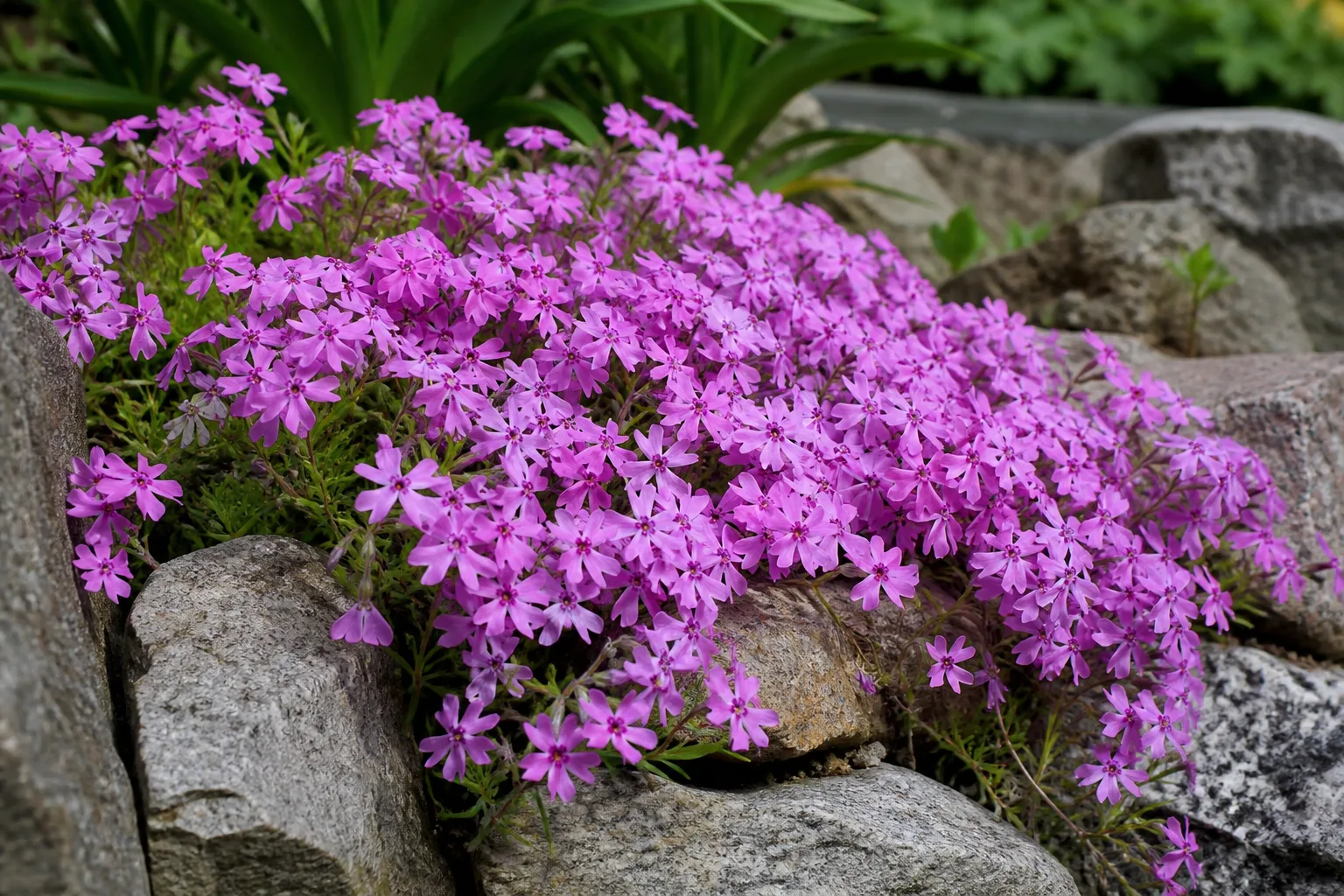
44. Blue Waterfall bellflower (Campanula poscharskyana ‘Blue Waterfall’). This creeping bellflower spills over walls, slopes, and rock gardens. Its lavender-blue flowers are charming where a soft edge is welcome, but trim runners if they begin overtaking slower neighboring plants.
45. Wild violets (Viola spp.). Wild violets tolerate part shade and can form a living groundcover under trees or in a lawn. Decide first whether you want that naturalizing habit; removing them from turf is much harder than allowing a contained patch to spread.
46. Purple Dragon lamium (Lamium maculatum ‘Purple Dragon’). Silver-marked foliage brightens a shaded edge while small purple flowers appear above it. Protect lamium from hot afternoon sun and foot traffic, and use it where its runners can be watched.
47. Azalea (Rhododendron spp.). Purple azaleas bring a woody framework and spring color to acidic, humus-rich soil. They prefer reliable moisture and good drainage, and their mature size ranges from compact foundation plants to substantial shrubs, so read the cultivar label before spacing.
48. Pacific rhododendron (Rhododendron macrophyllum). This evergreen shrub suits mild climates and a woodland-style setting with acidic, well-drained soil. It is a poor choice for a hot, exposed, alkaline bed; choose a locally adapted rhododendron instead if those are your conditions.
49. Winter heath (Erica spp.). Winter heath keeps a low evergreen shape and can bloom when much of the garden is dormant. Give it acidic, well-drained soil and sun; pruning immediately after flowering keeps the mound compact without cutting into old wood unnecessarily.
50. Heather (Calluna spp.). Heather is valuable on sunny slopes, rock gardens, and low-maintenance beds where acidic soil is available. Plant several together for visual weight, keep the root zone evenly moist while establishing, and shear lightly after bloom rather than hard-cutting into bare stems.
51. Hydrangea (Hydrangea spp.). Bigleaf hydrangeas can produce purple flowers under certain soil and cultivar conditions, but color is not a guaranteed soil-pH switch. Give them morning sun, afternoon protection in hot regions, steady moisture, and drainage that prevents roots from sitting in water.
52. Woodland phlox (Phlox divaricata). This fragrant spring phlox spreads through a woodland edge or part-shade perennial bed. It is softer and lower than tall garden phlox, making it useful beneath shrubs where the soil is rich, cool, and not constantly wet.
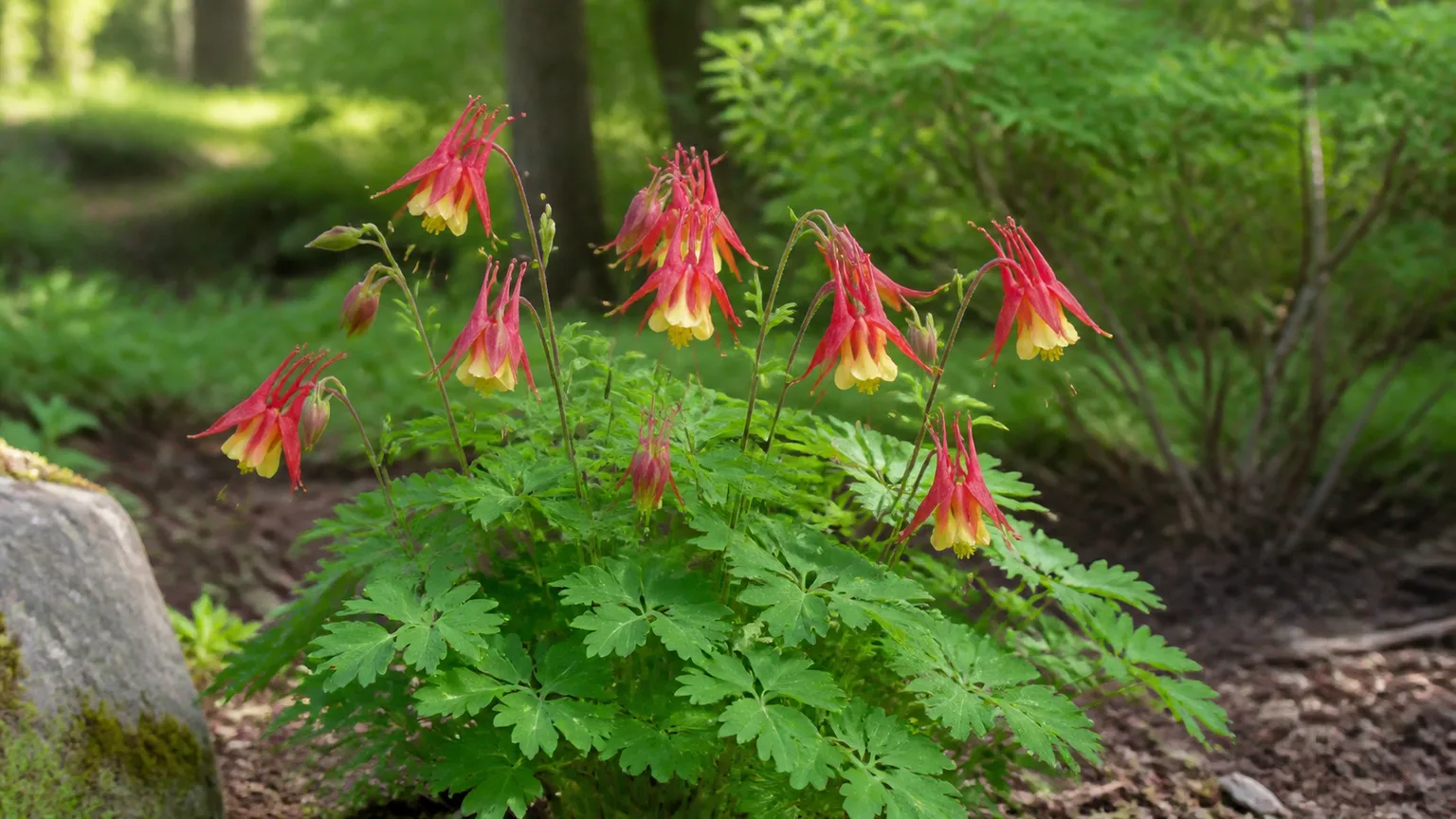
53. Columbine (Aquilegia spp.). Columbines bridge spring and early summer with nodding, often bicolored flowers that hummingbirds can reach. They handle part shade well, especially in hot climates, and will self-sow into gaps if seed heads are left to mature.
Shrubs, roses, and vines
Woody plants and climbers provide structure but need planning. Check support, mature spread, thorns, and local regulations before planting near paths or fences.
54. Lilac (Syringa vulgaris). Fragrant spring panicles make lilac a classic shrub for a sunny, well-drained border. It needs room for mature growth and should be pruned just after flowering because next year’s buds form on older wood.
55. Midnight Blue rose (Rosa ‘Midnight Blue’). This shrub rose brings velvety deep-purple flowers and fragrance to a sunny bed. Give it air circulation, water at the root zone, and regular deadheading if repeat bloom matters; remember that thorns change where it belongs in a family garden.
56. Wisteria (Wisteria spp.). Wisteria creates spectacular hanging clusters but is a vigorous woody vine, not a casual trellis annual. Use a truly strong support, prune deliberately, and confirm the species and local behavior before allowing it near structures.
57. Jackman’s clematis (Clematis ‘Jackmanii’). Large purple flowers cover this summer vine when its stems reach sun and its root zone stays cool. Mulch the base, train new growth early, and learn the cultivar’s pruning group so you do not remove the buds you want.
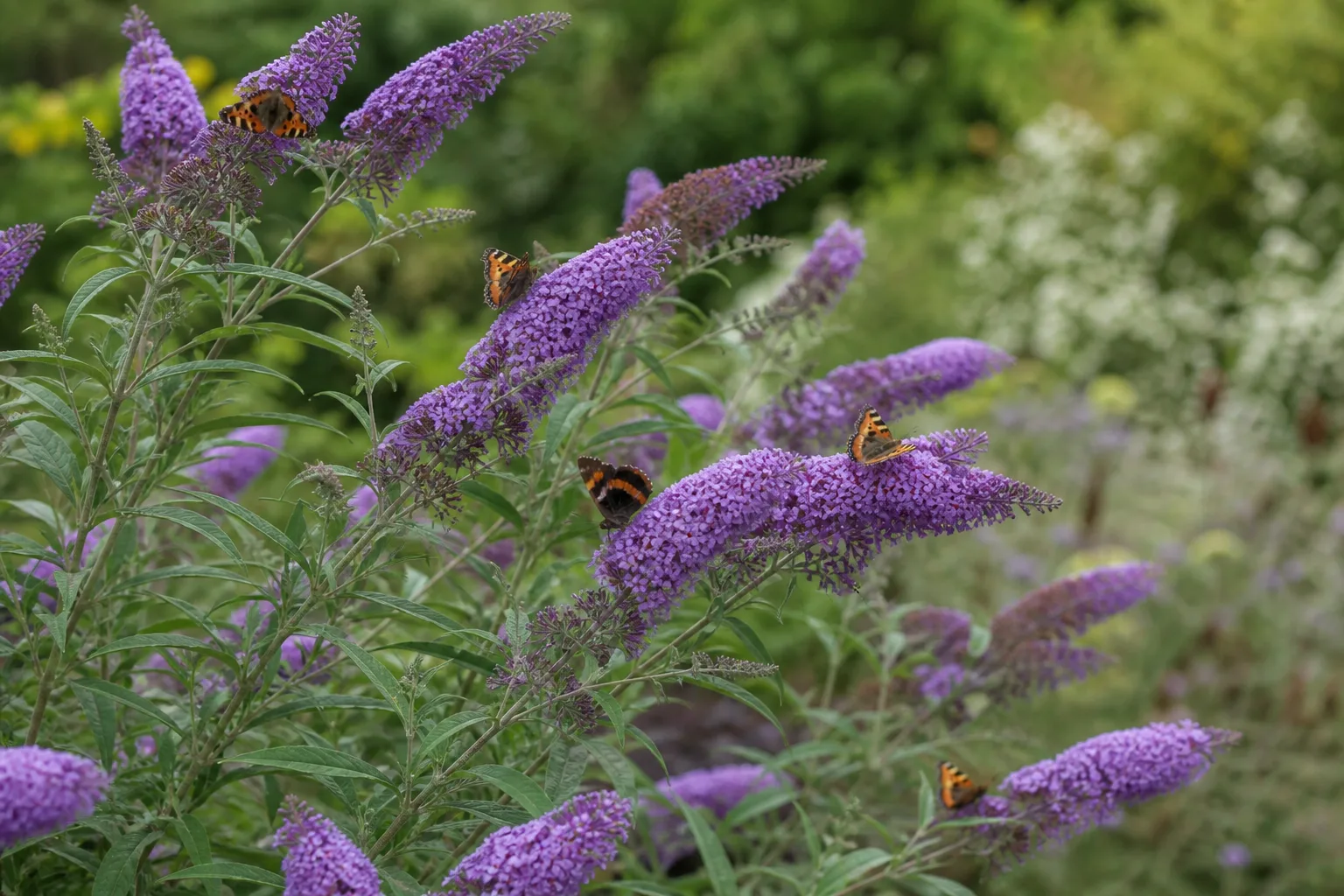
58. Butterfly bush (Buddleja davidii). The long flower spikes attract butterflies, but the shrub has been recorded as invasive in parts of the United States. Check your state or regional list and prefer a documented sterile or non-invasive alternative where restrictions apply; the Invasive Plant Atlas shows why a local check matters.
59. Bougainvillea (Bougainvillea spp.). In warm climates, bougainvillea can cover a wall, trellis, or large container with purple bracts. It needs full sun, excellent drainage, and room for thorns; in cold climates, grow it as a movable container plant rather than pretending it is hardy outdoors.
60. Rhapsody in Blue rose (Rosa ‘Rhapsody in Blue’). This rose opens in vivid purple tones and fades toward mauve, giving a border changing color over the bloom cycle. Plant it where fragrance and thorny stems are welcome, and deadhead to encourage repeat flowers.
61. Blue beard (Caryopteris × clandonensis). Also called blue mist shrub, blue beard is a compact late-summer shrub with aromatic foliage and blue-violet flower clusters. It is a useful drought-aware choice for full sun and sharp drainage, and it flowers on new growth, so late-winter pruning is usually straightforward.
62. Morning glory (Ipomoea purpurea). Fast annual vines cover a trellis with trumpet flowers, but their speed is the point and the challenge. Provide a support before sowing, give them sun, and check local guidance because self-seeding can make them unwelcome outside the space you planned.
Warm-climate and indoor choices
These last two suit warm climates or protected indoor collections rather than cold-climate perennial beds.
63. Dendrobium orchid (Dendrobium spp.). Dendrobiums offer elegant purple flowers for bright filtered light, airy orchid media, and careful watering. They are epiphytes or epiphytic-style growers, so ordinary waterlogged potting soil is usually a worse choice than a chunky, fast-draining medium.
64. Cattleya orchid (Cattleya spp.). Cattleyas bring large, often fragrant purple blooms to a bright indoor window or frost-free patio. Give them strong filtered light, a drying interval between thorough waterings, and ventilation; they are a collection plant, not a low-light houseplant.
Quick comparison: match flower to garden condition
| Garden condition or goal | Purple flowers to start with | Watch for |
|---|---|---|
| Hot, sunny, dry, and sharply drained | Lavender, catmint, salvia, purple ice plant, blue beard | Wet winter soil can be more damaging than summer drought |
| Sunny bed with average moisture | Purple coneflower, aster, balloon flower, zinnia, allium | Give tall plants room or support |
| Part shade or dappled light | Columbine, woodland phlox, wild violet, lamium, bellflower | Too much afternoon sun can scorch foliage |
| Cool-season containers | Pansy, stock, snapdragon, chrysanthemum | Heat may end the show earlier than expected |
| Spring bulb display | Crocus, reticulated iris, grape hyacinth, tulip, Dutch hyacinth | Drainage and post-bloom foliage care matter |
| Cutting garden | Dahlia, gladiolus, zinnia, delphinium, stock, sweet William | Staking, succession planting, and regular cutting help |
| Trellis or fence | Clematis, morning glory, wisteria, bougainvillea | Support strength and pruning behavior are not optional |
| Pet-accessible garden | Check every plant label first; start with non-toxic local options | Toxicity is species-specific, and ingestion needs professional advice |
Safety and spread checks before planting
“Purple flower” is not a safety category. Larkspur and delphinium contain toxic compounds; the USDA Agricultural Research Service notes that all parts of larkspur species are poisonous, with seeds and new growth among the highest-risk parts. Heliotrope also has documented poisoning concerns, and hyacinth bulbs are listed as toxic to dogs, cats, and horses by the ASPCA.
Keep plant tags, bulbs, seeds, and prunings away from children and animals when a plant is flagged as poisonous. If a pet may have eaten a toxic plant, contact a veterinarian or an animal poison-control service promptly rather than waiting for symptoms; the correct response depends on the plant, amount, and animal.
Spread is a separate issue from toxicity. Butterfly bush and garden cosmos have regional invasive records, while violets, grape hyacinth, morning glory, columbine, and some verbena can self-sow or travel in favorable conditions. Check your local invasive-plant list, prefer sterile or native alternatives where appropriate, and avoid planting an enthusiastic spreader beside a natural area.
How to plant and combine purple flowers
Start with soil rather than fertilizer. Improve compact soil with organic matter over time, but do not “fix” a wet site for lavender or ice plant by adding a little compost to the planting hole; choose a better-drained location or raised bed. Match watering to the root zone: newly planted perennials need consistent establishment moisture, while drought-adapted plants should dry between waterings once rooted.
Use contrast instead of making every flower the same purple
Pair dark violet with silver foliage, pale yellow, white, lime green, or soft apricot so individual flowers remain visible. Purple coneflower beside ornamental grass has a different effect from purple petunias beside white alyssum, even though both use the same color family. Repeating one or two purple shades across a bed usually looks more intentional than buying every purple plant available.
Layer height, texture, and bloom timing
Put crocus, reticulated iris, or lamium at the edge; place salvia, lavender, coneflower, and phlox in the middle; reserve delphinium, hollyhock, lilac, or a trained vine for the back. Then add one spring layer, one summer layer, and one late-season layer so the bed does not collapse into bare foliage after a single spectacular flush.
The RHS planting guidance also emphasizes varied flower forms and overlapping bloom times for pollinators. That is a useful design test: if every flower has the same shallow, flat shape and blooms for one week, add a spike, a daisy, a cluster, or a late-season plant.
Conclusion
The best purple flowers are the ones that fit the place you have. Choose lavender, salvia, catmint, or ice plant for a sunny dry edge; columbine, woodland phlox, or lamium for dappled shade; bulbs for spring punctuation; annuals for immediate container color; and shrubs or vines when you need structure.
Before planting, verify the mature size, drainage needs, winter behavior, and any toxicity or invasive-plant warning. A small, well-matched palette of purple flowers will give you more reliable color—and a healthier garden—than a much larger collection chosen only from a paint chart.



