7 Plants to Mulch in Fall (and How to Do It Right)
Learn which plants to mulch in fall, when to apply it, how deep to go, and which materials protect trees, vegetables, roses, hydrangeas, bulbs, and strawberries.
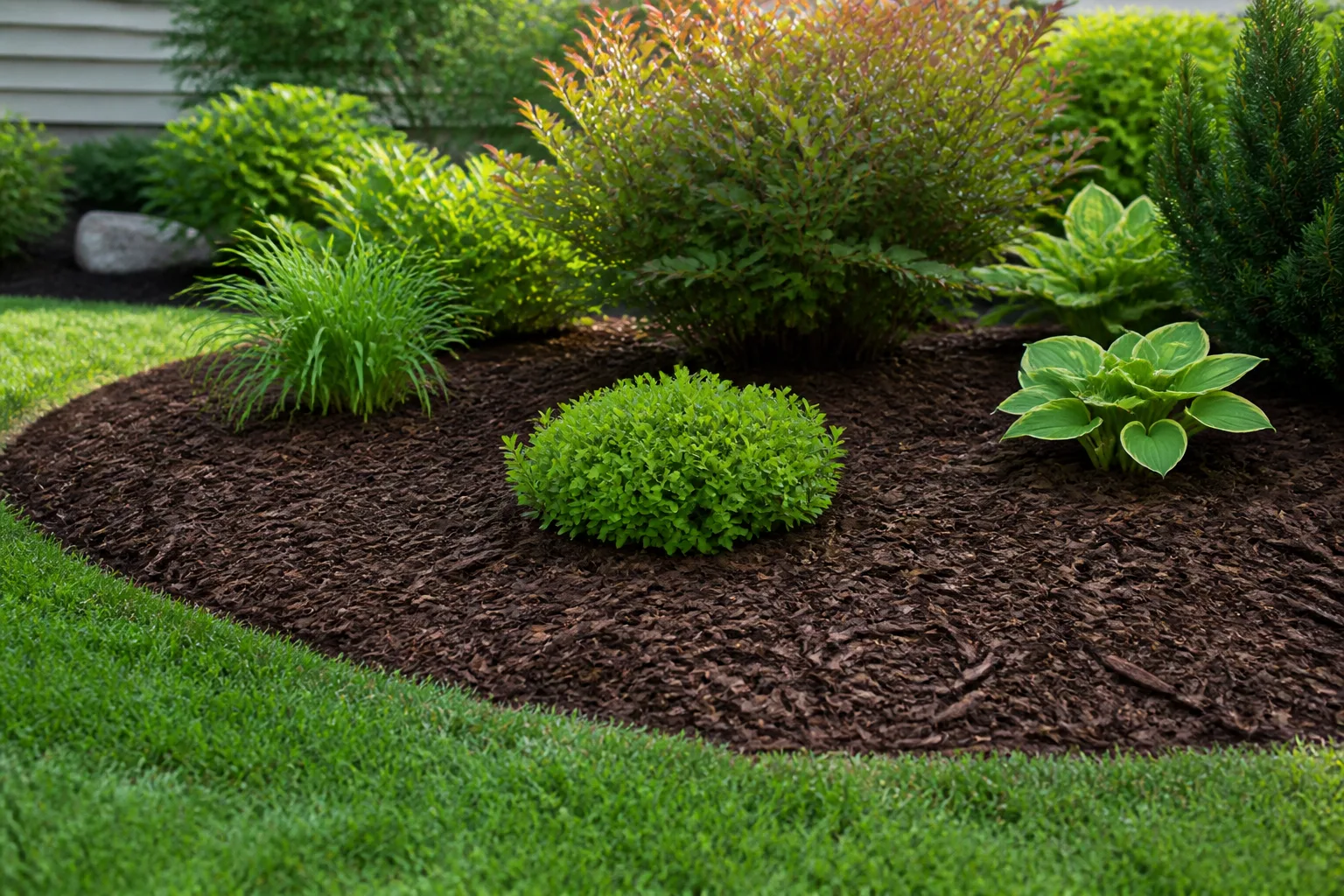
Fall mulch is less about making a garden look finished and more about buffering the living root zone from rapid temperature swings. A good layer can slow moisture loss, suppress late weeds, reduce soil compaction, and keep roots from repeatedly freezing and thawing. It is especially useful for plants with shallow roots, newly planted roots, exposed crowns, or flower buds that need to survive until spring.
But mulch is not a blanket to throw over every plant at the same time. The right depth depends on the material, drainage, plant size, snow cover, and local winter. A thick, wet layer packed against a trunk or crown can create the very problems you are trying to prevent. The practical rule is simple: choose a suitable organic material, apply a measured layer after the soil or plant reaches the right seasonal cue, and leave breathing room around living stems.
Why fall mulch helps plants make it through winter
Organic mulch works as a temperature and moisture buffer. It slows the rate at which soil freezes in a cold snap and warms during a midwinter thaw, which helps reduce frost heaving and the fine root damage caused by repeated expansion and contraction. It also protects the upper soil from drying winter winds and keeps bare soil from crusting or eroding.
The benefits continue after the first freeze. Shredded leaves, compost, aged bark, and other organic materials gradually break down and add carbon to the soil food web. Mulch also blocks some late-season weed seedlings, which otherwise compete for water just when newly planted trees, shrubs, and perennials are trying to establish roots.
Extension guidance for landscape trees emphasizes that mulch should be broad rather than piled high. A properly mulched root zone can conserve moisture and protect soil structure, while a mulch volcano around the trunk can trap moisture against bark, limit oxygen, encourage pests, and hide the root flare. See the Penn State Extension guide to mulching landscape trees for the root-zone and trunk-gap principles that apply throughout this article.
When to mulch in fall
Fall mulching is usually best after the heat of summer has passed and plants have begun slowing down, but before the ground is locked solid. That broad window gives the mulch time to settle while avoiding a warm, damp cover over plants that are still actively growing.
Use plant and soil cues instead of a calendar date
Look for a consistent cool-down, declining growth, and soil that is moist but not waterlogged. For most established beds, late fall is a useful time to spread a light layer once weeds are removed. Newly planted trees and shrubs can be mulched earlier if their root zones are exposed, but the layer should still be kept away from the trunk.
Strawberries have a more specific cue: wait until the soil is consistently around 40°F or colder and the plants have entered dormancy. Cornell’s berry specialists recommend applying straw after that cooling period rather than covering actively growing plants too soon. Roses and some tender shrubs likewise benefit from waiting until several hard frosts have slowed growth.
If your garden has poor drainage, lean toward a thinner layer and a coarser material. A wet, heavy blanket can keep the root zone saturated and reduce oxygen. In a snowy climate, snow itself may supply much of the insulation, so the goal is to stabilize the soil rather than build the deepest possible pile.
The 7 plants to mulch in fall at a glance
The seven groups below all benefit from fall mulch, but they do not all want the same material or timing.
| Plant group | Main reason to mulch | Typical fall material and depth | Best timing cue |
|---|---|---|---|
| New trees and shrubs | Insulate new roots and reduce competition | Bark, wood chips, or compost, about 2–4 inches | After summer heat; before hard ground freeze |
| Vegetable gardens | Protect roots and extend soil moisture | Straw or finished compost, about 2–4 inches | After harvest or frost, depending on crop |
| Spring bulbs and hardy tubers | Buffer shallow planting zones | Loose leaves, compost, or fine bark, about 2–3 inches | After the soil cools; before deep freeze |
| Herbaceous perennials | Protect crowns from heaving and drying | Leaf mold, compost, or fine bark, about 1–3 inches | After tops fade and soil cools |
| Roses | Protect roots and, for tender roses, graft unions | Soil mound plus straw or leaves for tender types | After hard frosts, before ground freezes |
| Hydrangeas | Stabilize roots and protect vulnerable flower buds | Leaves, compost, or bark, about 2–3 inches | Late fall, once growth has stopped |
| Strawberries | Reduce desiccation and crown heaving | Clean grain straw, about 2–3 inches | Soil at or below 40°F for several days |
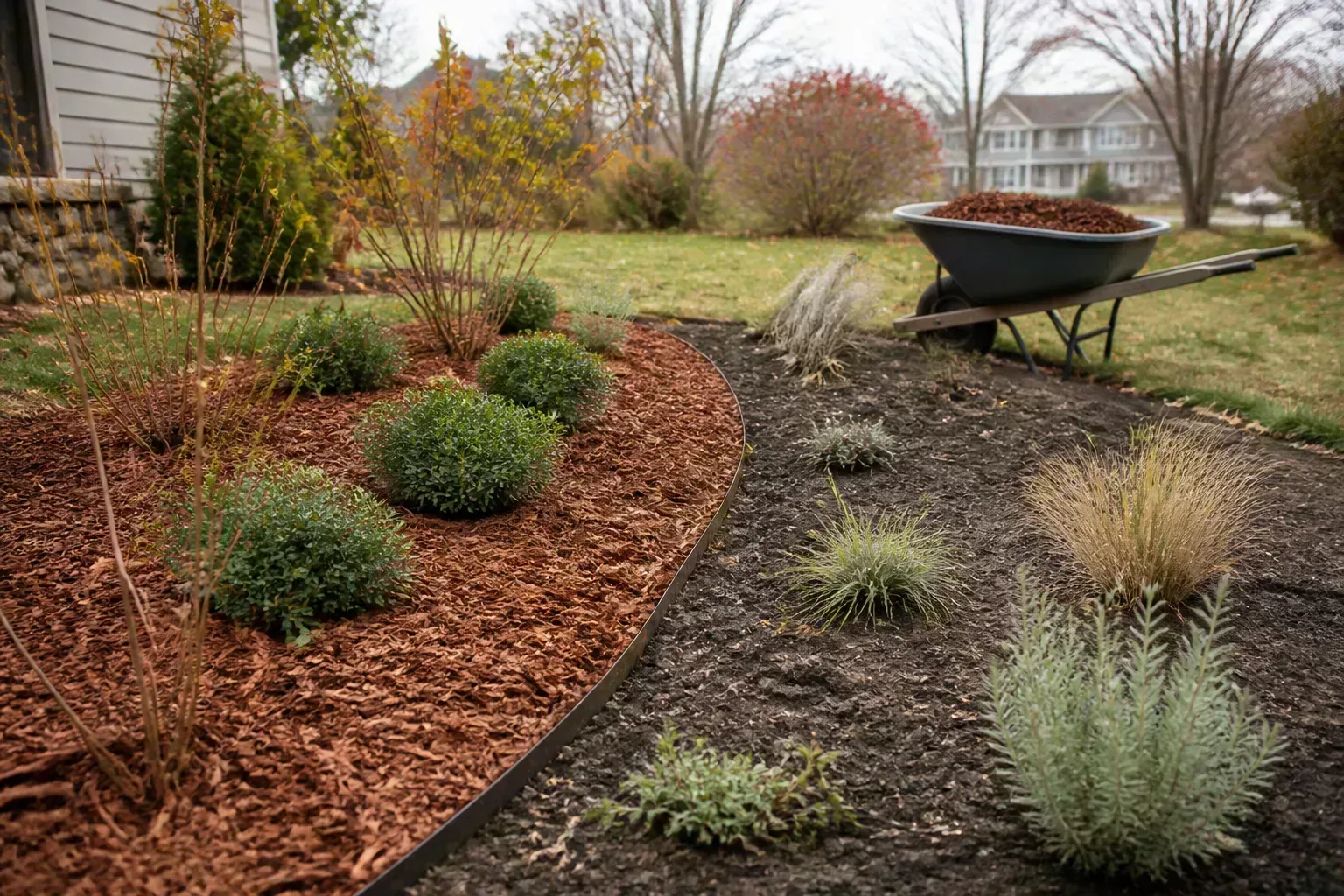
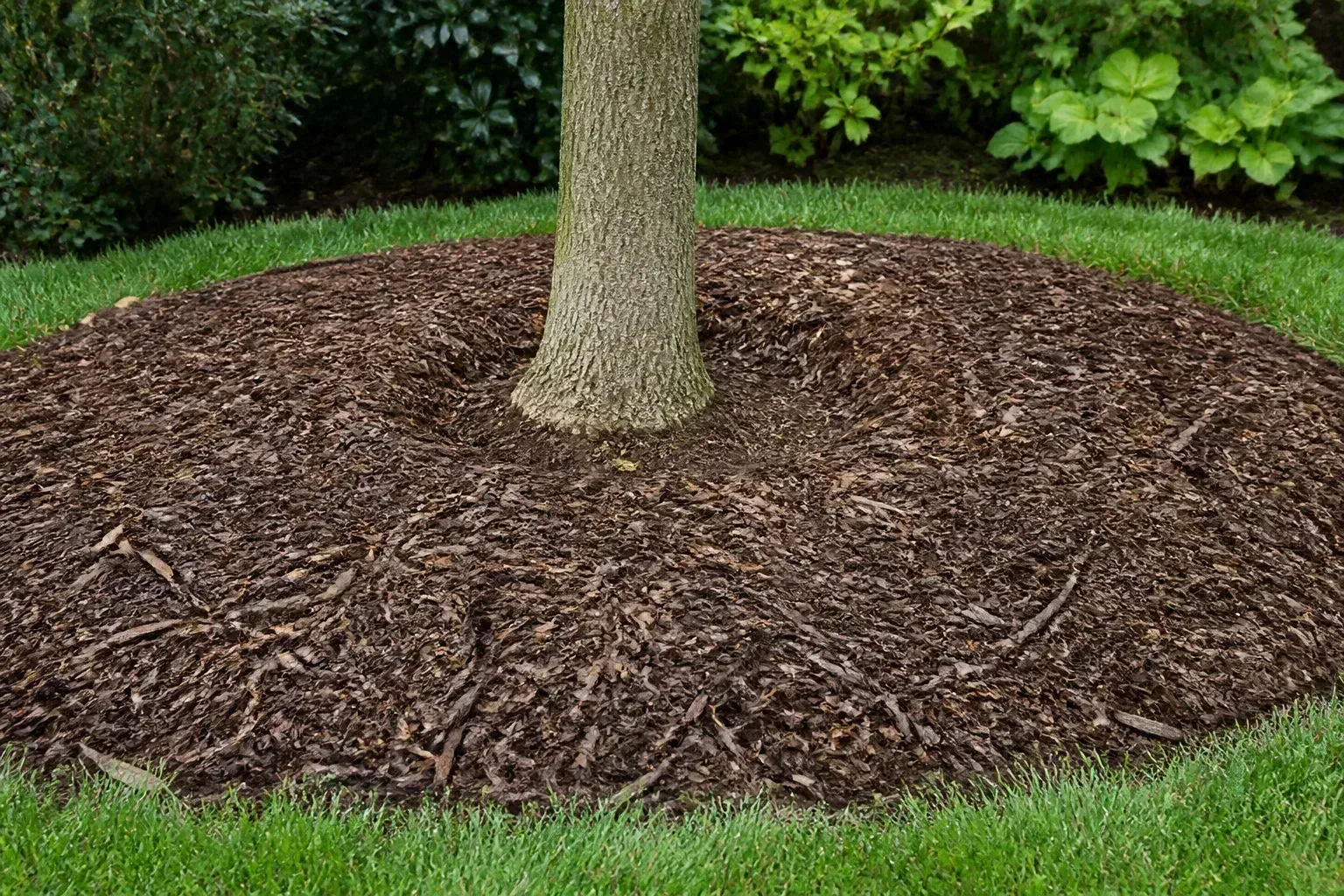
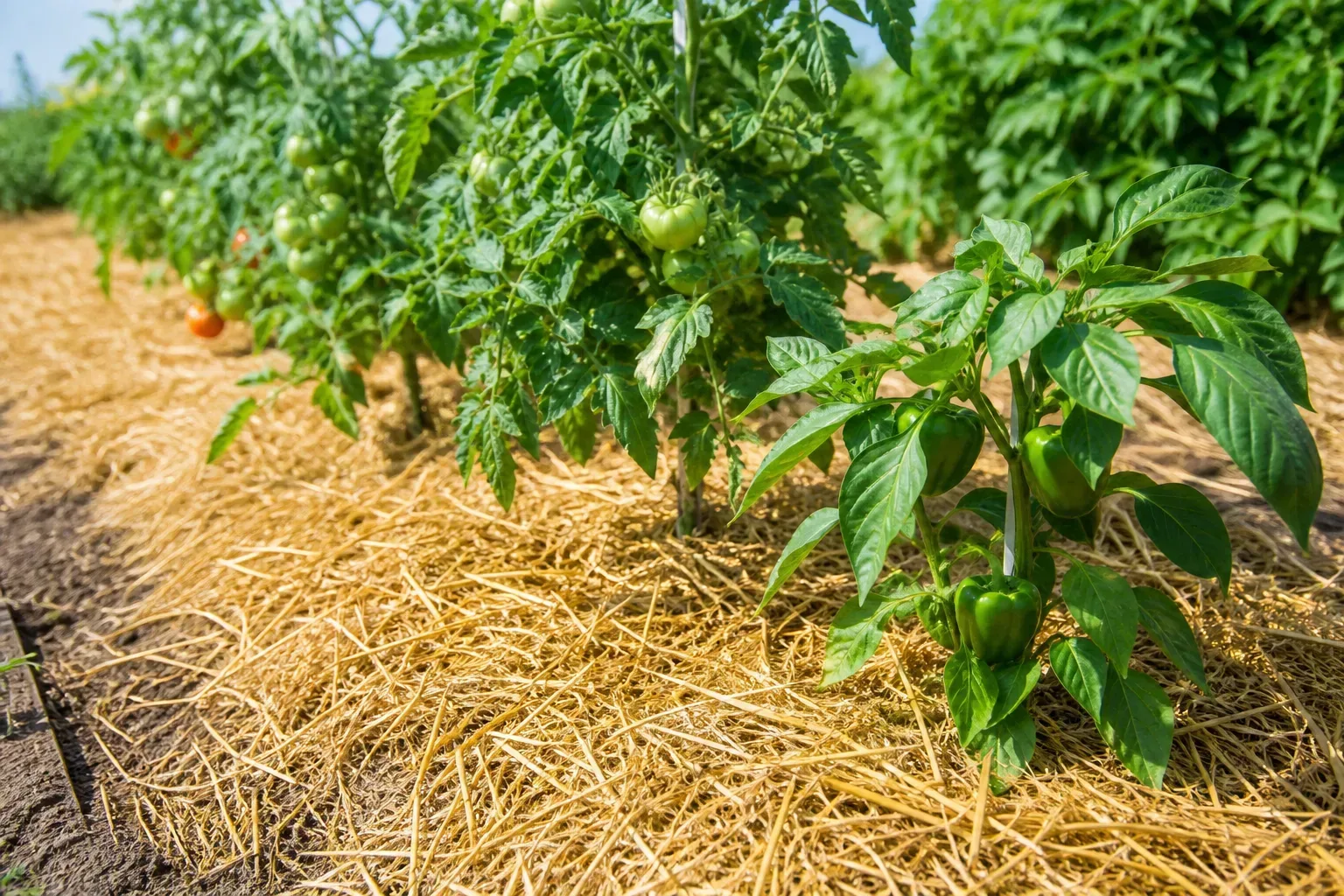
The measurements are starting points, not permission to bury a plant. Spread the material evenly over the root zone, then check that crowns, stems, and trunks remain visible. The photographs in the sections below show the most important differences: a wide tree ring, airy straw around vegetables, and winter protection concentrated around plants that truly need it.
New trees and shrubs
Newly planted trees and shrubs are among the best candidates for fall mulch because their root systems have not yet spread far into the surrounding soil. Mulch helps hold moisture through the first winter, limits competition from grass, and softens abrupt temperature changes around roots that are still establishing.
Create a wide ring rather than a tall mound. For a tree, the mulched area should extend well beyond the planting hole when possible, because roots grow outward. A layer of about 2–4 inches is usually enough for coarse bark or wood chips; finer material should be shallower, and poorly drained sites need less.
The planting hole itself should not become a bathtub. Do not pile mulch over the root ball or raise the soil level against the trunk. Colorado State University Extension’s guidance for recently planted trees recommends a broad mulch ring and warns against placing mulch directly on the root ball. The Penn State tree-mulching guide also stresses keeping the root flare visible and avoiding thick layers that deprive roots of oxygen.
For shrubs, keep the same principle at a smaller scale. Pull mulch a few inches back from the main stems, leave room for air movement, and avoid creating a damp collar where bark meets soil. If the shrub was planted late in the season, water it deeply before the ground freezes; mulch conserves that moisture but cannot replace it.
Vegetable gardens
Fall mulch serves two different purposes in a vegetable garden. Around crops that remain in the bed, it protects soil and roots while extending the harvest. Over an empty bed, it suppresses winter weeds and reduces erosion so the soil is easier to work in spring.
Clean straw is a versatile choice around vegetables because it is light, airy, and easy to move. A 3–4 inch layer can insulate root crops and reduce splashing on leafy greens, but keep it loose around stems instead of packing it into a wet collar. Savvy Gardening’s straw-mulch guidance likewise recommends leaving space around plant stems and avoiding straw on saturated soil.
Finished compost is useful where soil improvement is the priority. Spread it over an empty bed or around established plants without burying their crowns. Shredded leaves can also work, especially after being chopped so they do not form a dense, water-shedding mat. Avoid thick layers of whole leaves over small evergreen vegetables; they can block light and retain too much moisture.
Remove diseased plant debris before mulching. Do not use straw or leaves that are visibly moldy, full of weed seed, or contaminated with herbicide residue. If the soil is dry, water first and then mulch; if it is already saturated, wait for a drier surface so the covering does not seal in excess moisture.
Spring bulbs and hardy tubers
Spring bulbs such as tulips, daffodils, crocuses, and alliums are planted in fall and need time to root before winter. A loose organic layer helps moderate the soil temperature, limits drying, and reduces the chance that a midwinter thaw will be followed by severe root-zone freezing.
Use about 2–3 inches of chopped leaves, leaf mold, finished compost, or airy fine bark after the soil has cooled. The material should be loose enough for shoots to push through. If the bulb bed is already planted at the recommended depth, do not compensate for mulch by digging bulbs deeper; the mulch is a surface buffer, not part of the bulb’s planting-depth measurement.
The BBC Gardeners’ World guide to mulches and mulching notes that organic mulches can be used around bulbs and perennials, while overly thick layers may smother emerging growth. That is the key distinction: cover the soil, not the growing points.
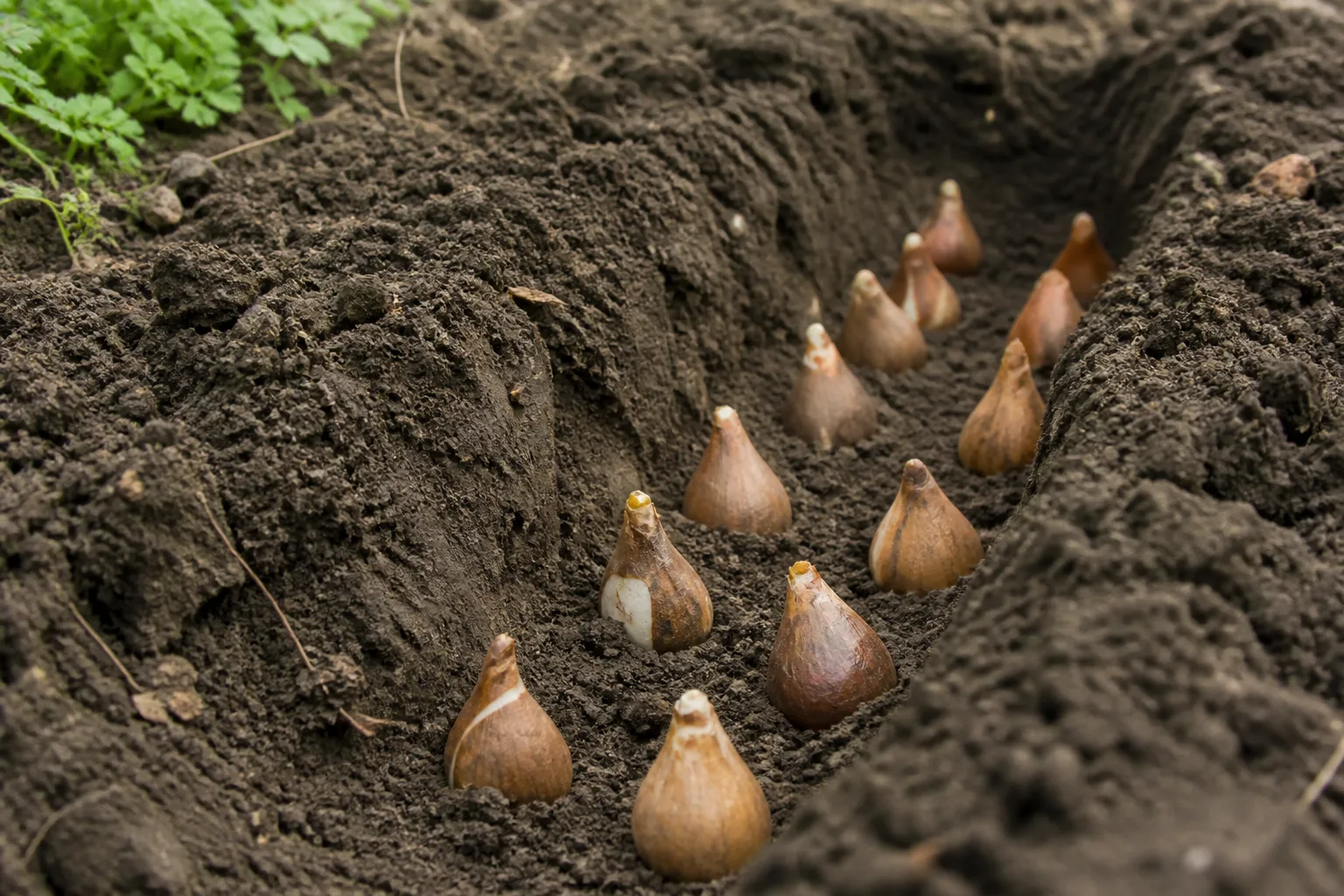
Hardy tubers and crowns need a similar approach, but check the plant’s individual requirements. Some dormant crowns tolerate a little extra insulation, while others rot when held in cold, wet material. If a plant is prone to crown rot, use a thinner layer and choose a coarse, fast-draining mulch rather than wet leaves.
Herbaceous perennials
Many perennials do not need a thick winter blanket, but they benefit from a modest layer around the crown. The goal is to reduce frost heaving and desiccation without keeping the crown continually wet. Peonies, daylilies, coneflowers, hostas, and similar plants usually need the soil covered more than the foliage covered.
After the tops have browned or been cut back, remove weeds and spread about 1–3 inches of compost, leaf mold, or shredded leaves. Leave a small opening around each crown. If fall foliage is healthy, you can leave some stems standing for winter habitat and visual interest, then tuck mulch around the base rather than covering the entire plant.
Leaf mulch is especially helpful in perennial beds because it breaks down into organic matter. Chop it first if possible. A thick, slick layer of whole leaves can mat, shed water, and create a cold wet pocket over crowns; a fluffy layer of chopped leaves is much easier for rain and air to move through.
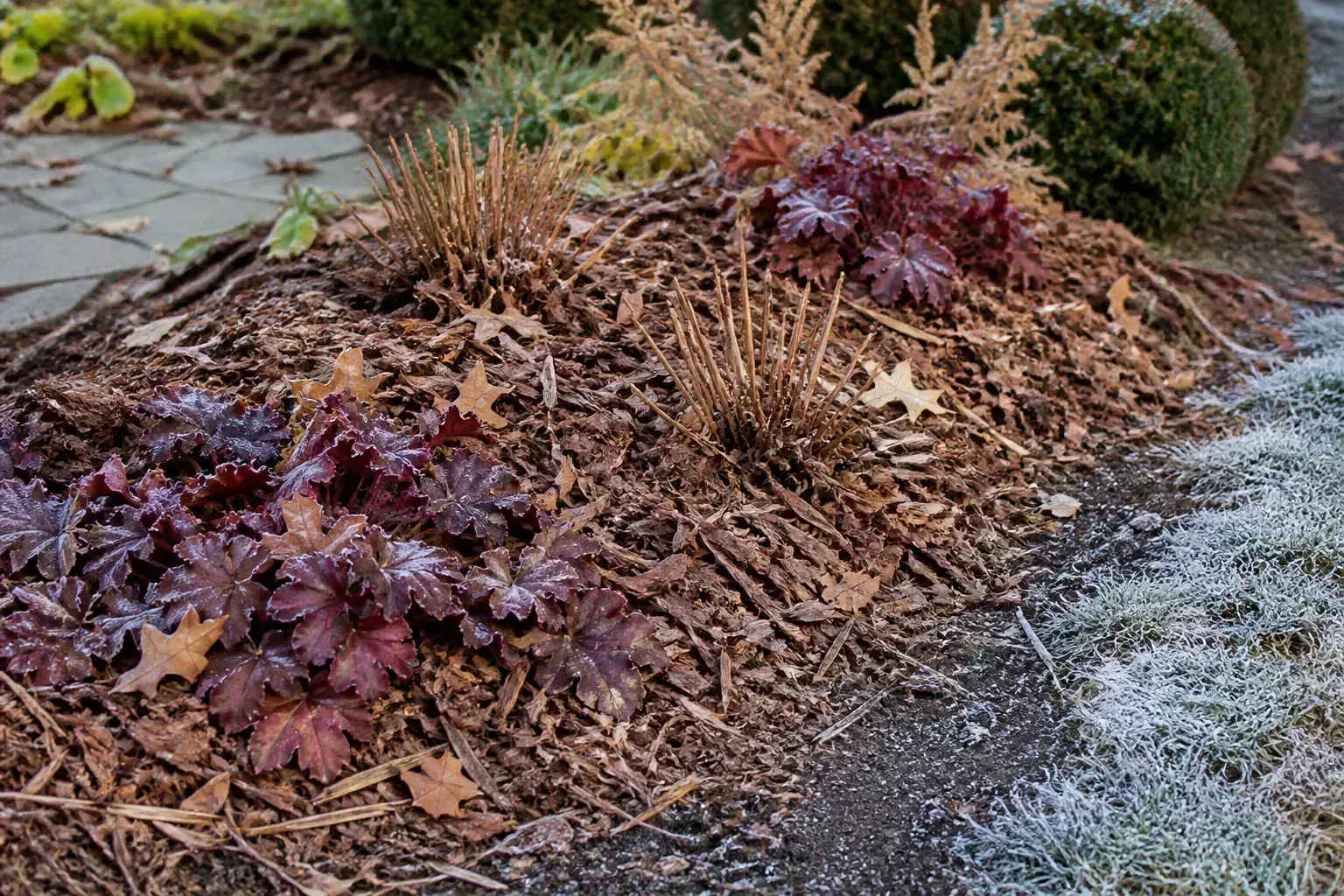
Be cautious with newly divided or newly planted perennials. Their crowns and roots may be shallow, so a light layer is useful, but covering tender stems all the way to their tips can trap moisture. Check the bed after a windy storm and redistribute mulch that has blown onto the crowns.
Roses
Roses benefit from a protected root zone, but not every rose needs the same winter treatment. Hardy landscape roses may only need 2–3 inches of organic mulch spread around the base. Grafted hybrid teas and other tender roses may need additional protection around the graft union, especially in cold or exposed gardens.
Wait until several hard frosts have slowed the plant and the rose is entering dormancy. Mulching too early can keep stems warm and damp, encouraging soft growth or disease. Kansas State University Extension’s winterizing guidance recommends protecting roses after several hard frosts but before the ground freezes solid.
For a tender grafted rose, gardeners often mound loose soil or compost around the graft union, then add a breathable layer of straw or leaves after the mound has settled and the ground is frozen. Do not use a heavy, wet pile of leaves directly against the canes. In spring, uncover gradually after the worst freezes have passed, and do not leave a soil mound around the graft once active growth resumes.
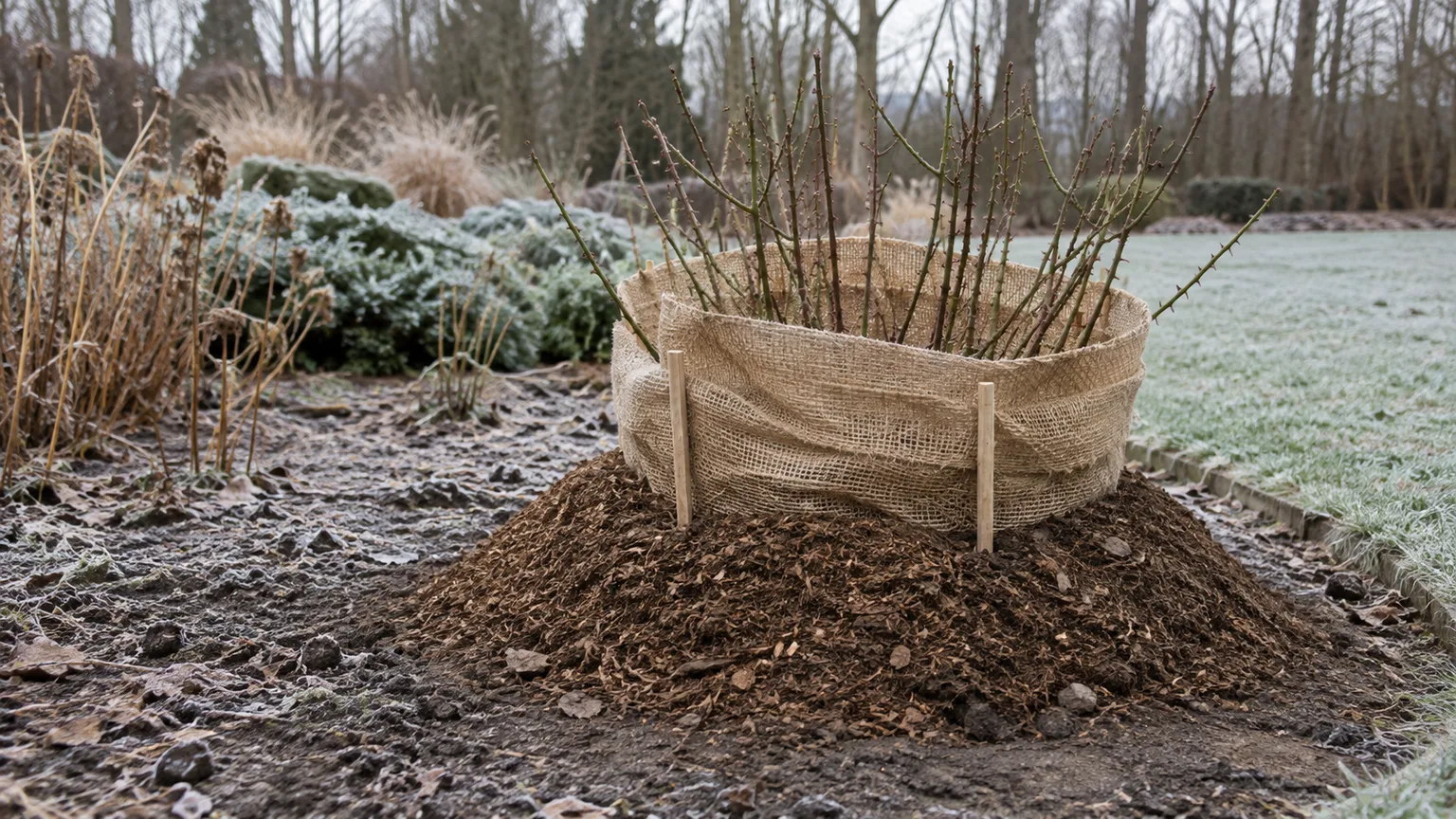
The exact treatment depends on the cultivar, rootstock, exposure, and local minimum temperatures. If you grow roses in a mild climate, a wide, shallow root-zone mulch may be all they need. In a colder climate, protect the graft union rather than simply piling more mulch over the whole plant.
Hydrangeas
Hydrangeas appreciate a 2–3 inch layer of mulch over the root zone, particularly after a dry summer or in a garden exposed to winter wind. Use compost, shredded leaves, or bark, and keep it a few inches away from the main stems. The mulch stabilizes soil moisture and temperature, but it cannot guarantee flowers if the cultivar’s buds are winter-tender.
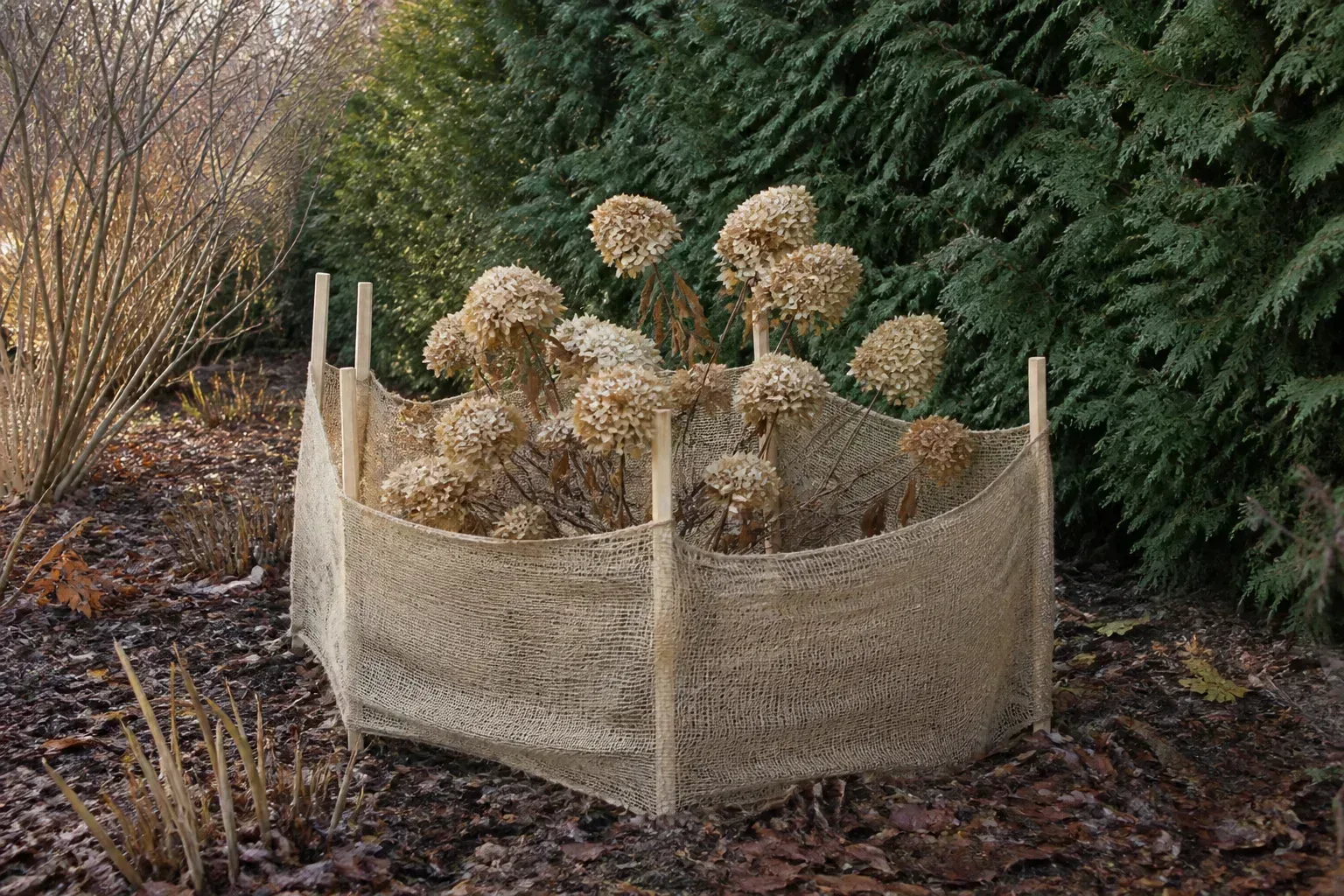
Bigleaf hydrangeas deserve special attention because they set flower buds on older wood and can begin breaking dormancy early. Those buds are vulnerable to late freezes, so a fall mulch layer can help insulate the root zone while a temporary cage or breathable cover may be needed in exposed sites. Arkansas Extension’s hydrangea guidance recommends 2–3 inches of mulch and explains why bigleaf types are more vulnerable to freeze damage than hydrangeas that bloom on new growth.
Panicle hydrangeas are generally more forgiving because their flower buds form on new season growth, but their roots still benefit from moisture conservation and protection from abrupt soil temperature changes. Do not mound mulch over the crown or pack it into the stems. If the bed stays wet, use less mulch and improve drainage rather than adding a deeper layer.
Strawberries
Strawberries are the plant group in this list with the clearest fall-mulch timing. They are semi-dormant in winter, and their shallow crowns can be damaged by cold wind, repeated freeze-thaw cycles, and soil heaving. A loose straw cover protects the crown without forming the dense, wet layer that leaves or compost can create.
Wait until the soil has stayed at or below about 40°F for several days and the plants have stopped active growth. Spread roughly 2–3 inches of clean wheat or oat straw over and around the plants. The layer should be thick enough to block wind and moderate the crown, but loose enough to allow air movement and spring growth.
Cornell’s winter-mulch recommendations for strawberries explain that straw helps prevent desiccation and crown injury, and that the cover should be removed or pulled back when new green growth begins in spring. Leaving it in place too long can delay growth and reduce fruit size or number. Snow can provide excellent insulation, but straw is useful where snow is unreliable or wind exposes the bed.
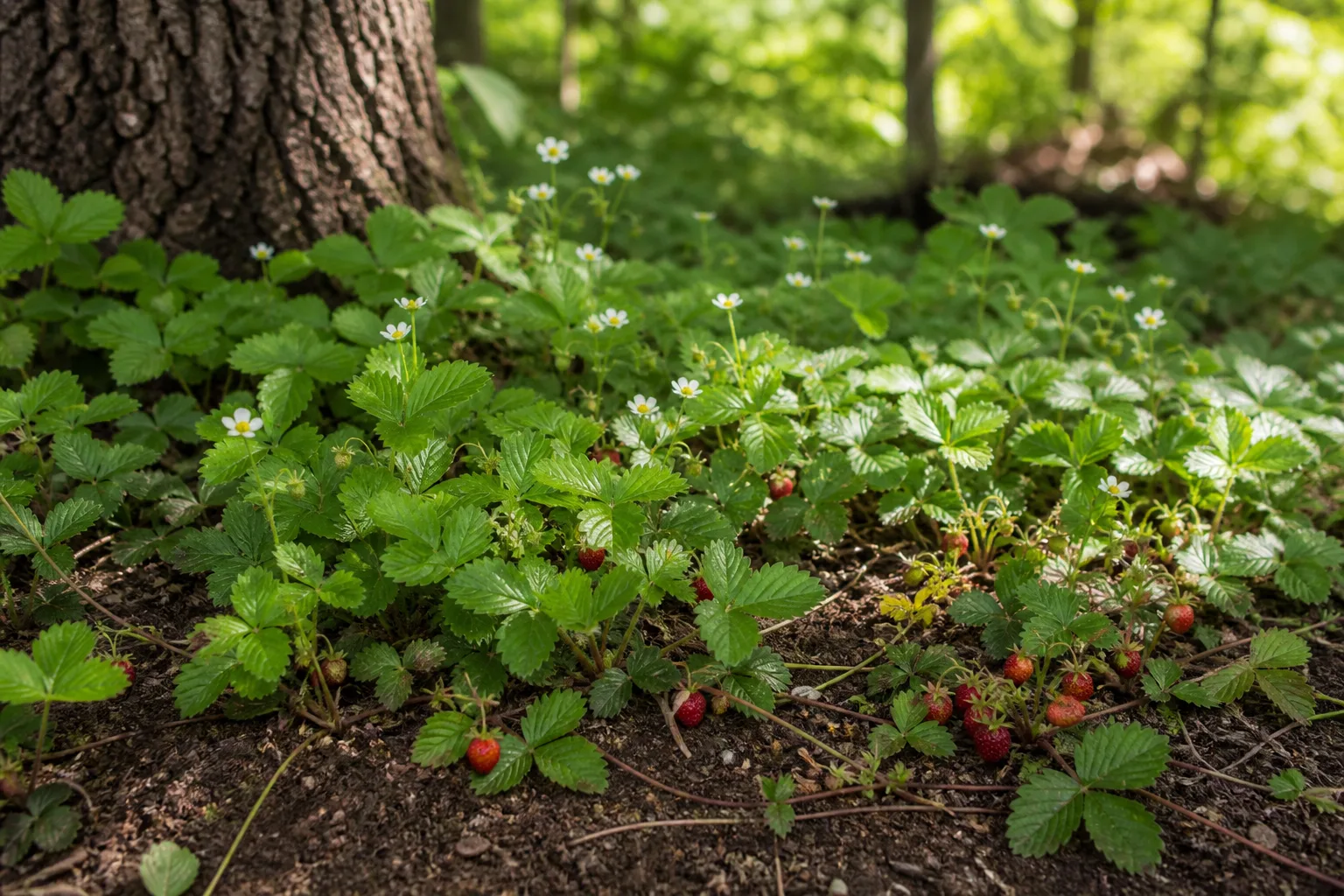
Straw can blow away from raised beds and exposed gardens, so check the bed after windy weather. Do not substitute hay unless you are certain it is clean and weed-free; hay commonly contains seeds that can turn spring maintenance into a second crop. In spring, pull straw between rows or leave a thin layer as a clean fruiting mulch once the plants resume growth.
Choose mulch by the job
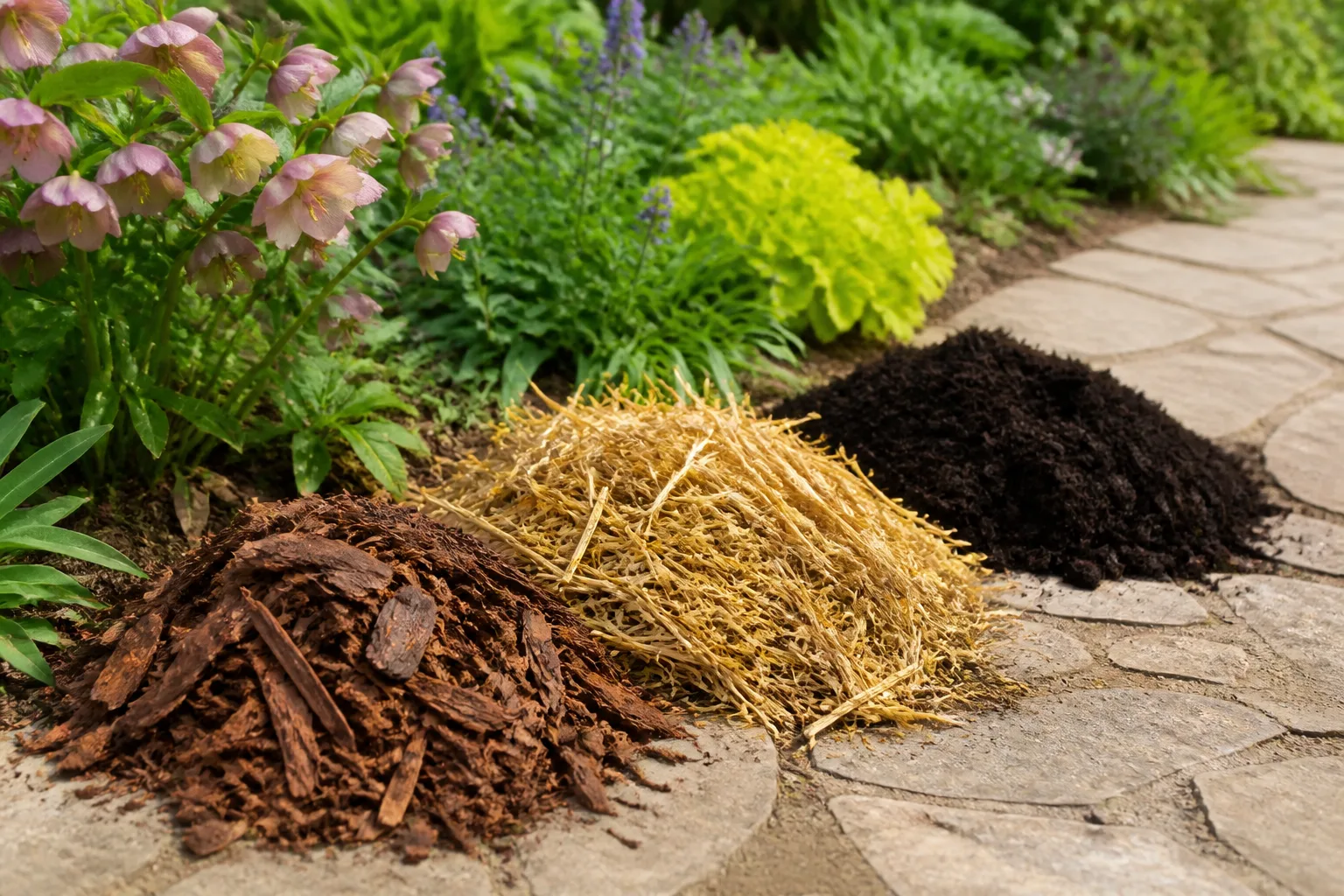
The best fall mulch is the one that gives the plant the protection it needs without staying too wet or becoming difficult to remove. Bark and wood chips are durable around trees and shrubs. Chopped leaves and leaf mold are excellent for perennial beds. Finished compost adds nutrients and soil organic matter, while clean straw is especially useful for strawberries and vegetables.
| Material | Good fall uses | Watch-outs |
|---|---|---|
| Shredded bark or wood chips | Trees, shrubs, paths, established perennial beds | Keep away from trunks; use a thinner layer if pieces are fine |
| Chopped leaves or leaf mold | Perennials, bulbs, shrubs, empty beds | Whole leaves can mat; avoid diseased foliage |
| Finished compost | Vegetable beds, perennials, hydrangeas, shrubs | Do not use unfinished compost against crowns or stems |
| Clean straw | Strawberries, vegetables, tender rose protection | Hay can contain weed seed; wind can move straw |
| Gravel or stone | Dry, well-drained beds where it is already part of the design | It adds no organic matter and can increase surface heat |
Avoid using fresh grass clippings as a thick winter layer. They collapse, heat, and become slimy as they decompose. Fresh manure can also scorch plants and introduce weed seed; if manure is part of your soil-building plan, use it well aged and keep it away from plant crowns.
How to apply fall mulch without causing problems
Start by pulling weeds and removing diseased foliage. Water the bed if the soil is dry, because mulch is most effective when it covers a properly hydrated root zone. Then spread the material evenly with a rake or gloved hands, measuring the depth in several places rather than judging the pile from one angle.
For established beds, a thin, even layer is safer than a deep mound. If last year’s mulch is still present, loosen and inspect it first; adding a fresh full layer on top can quickly create excess depth. In wet climates, favor coarse material and leave more exposed soil around crowns.
Keep the trunk, crown, and stems visible
The most important application rule is to create a gap around living wood. Pull mulch away from tree trunks so the root flare can be seen. Leave space around shrub stems, rose canes, hydrangea crowns, strawberry crowns, and perennial growth points. The gap does not make the mulch ineffective; it prevents a wet collar where insects, rodents, and decay can gain a foothold.
After spreading, inspect the bed from the side. The layer should look like a low, broad blanket, not a cone. A useful final check is to push a hand into the mulch: it should feel loose and airy, with soil underneath that is moist but not sour-smelling or waterlogged.
When to use less mulch
Use less mulch around plants that prefer sharp drainage, in beds that stay wet, and in regions where winter snow reliably insulates the soil. Rock gardens, succulent beds, Mediterranean herbs, and plants with rot-prone crowns often need only a thin mineral cover or no added winter mulch at all.
Reduce the layer around small evergreen plants that need winter light. Do not cover the foliage of low rosettes or evergreen groundcovers with heavy leaves unless the plant’s care instructions specifically call for it. Likewise, do not assume that a tender plant becomes hardy just because it has a deeper mulch pile; the roots may survive while stems or flower buds still freeze.
Newly planted bulbs, trees, and shrubs are exceptions to the “less is more” instinct because their root systems are vulnerable, but the same drainage rule applies. A broad 2-inch layer over a wide root zone is usually more helpful than a 6-inch mound in a small circle.
What to do with winter mulch in spring
Winter mulch is seasonal protection, not a permanent layer. As temperatures moderate and new growth appears, pull mulch back from trunks and crowns. Straw around strawberries can be moved into the row middles, where it keeps fruit off the soil and suppresses weeds.
Remove compacted or moldy material and top up only if the remaining layer is too thin for summer moisture conservation. Do not expose a tender plant to a sudden cold night by uncovering it too early; instead, reduce the layer gradually when the forecast and soil conditions support active growth.
Spring is also the moment to look for damage. Check tree trunks for rodent activity, inspect rose graft unions, look for hydrangea bud loss, and make sure perennial crowns are firm rather than soft. If the soil smells sour or stays saturated, remove excess mulch and address drainage before adding anything else.
Common fall mulching mistakes
The most common mistake is piling mulch against a trunk. It looks tidy in a photo, but bark needs air and a dry transition zone. The second is applying a deep layer because more seems safer; excessive mulch can keep soil wet, reduce oxygen, delay spring warming, and encourage shallow roots.
Another mistake is mulching on a rigid schedule rather than reading the plant. Covering strawberries while they are still growing can delay dormancy, while covering roses before hard frosts can retain soft growth. Conversely, waiting until frozen ground and strong winds have already exposed roots leaves less time for the mulch to settle.
Avoid treating all organic matter as interchangeable. Straw is airy and removable; chopped leaves break down quickly; bark lasts longer; compost is biologically active. Use the material that matches the job, and do not use diseased foliage, fresh manure, or weedy hay as a shortcut.
Finally, forget the “set it and forget it” approach. Wind, rain, rodents, and settling change a mulch layer over winter. A quick inspection after storms and another check in spring prevent a helpful winter covering from becoming a crown-rot or trunk-damage problem.
Conclusion
The plants gardeners most often mulch in fall are new trees and shrubs, vegetables, spring bulbs, herbaceous perennials, roses, hydrangeas, and strawberries. They share a need for steadier soil conditions, but the best timing and material vary: broad bark rings for new woody plants, airy straw for vegetables and strawberries, light organic cover for bulbs and perennials, and targeted protection for tender rose grafts or bigleaf hydrangea buds.
Apply mulch to the root zone, not onto the plant. Measure the layer, leave a visible gap around trunks and crowns, adjust for drainage and snow, and plan to pull winter mulch back as spring growth begins. Done that way, fall mulch becomes a quiet form of insurance: less winter stress now and healthier, easier-to-manage plants when the garden wakes up.



