5 Popular Plants Gardeners Are Tired of Seeing
Tired of the same five plants in every yard? Learn which popular picks disappoint experienced gardeners and which lower-maintenance alternatives actually perform.
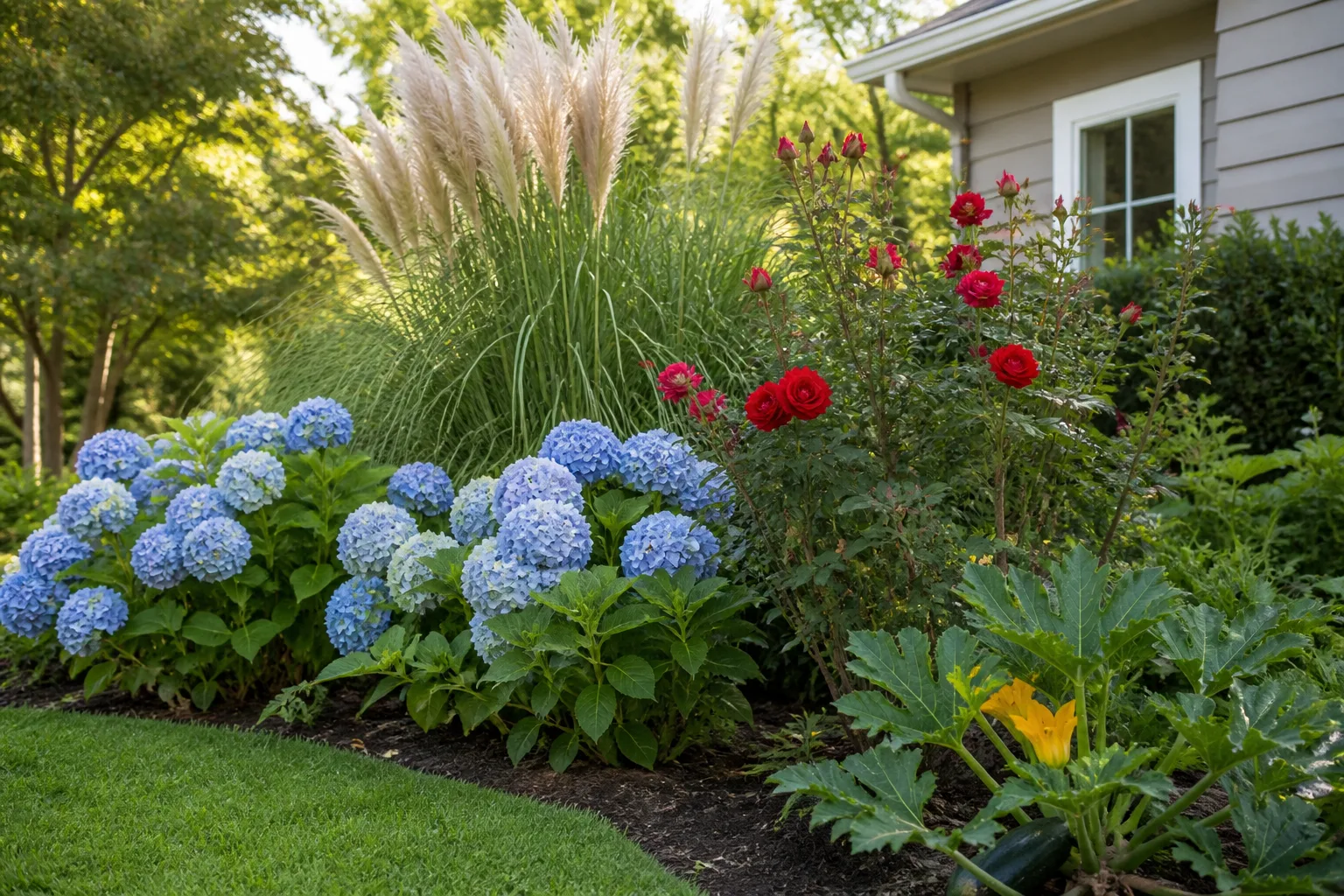
Walk through any nursery in spring and you will spot the same five plants on repeat: mop-head hydrangeas in gallon pots, bare-root rose bundles, ranunculus corms in impulse-buy displays, zucchini seedlings by the checkout, and pampas grass tucked into the ornamental-grass aisle. They photograph beautifully. They sell quickly. And a surprising number of experienced gardeners quietly regret planting them—or never would in the first place.
That frustration is not always about taste. More often it is about mismatch: the plant everyone else grows versus the climate, soil, time budget, or yard size you actually have. The five plants below top the “tired of seeing them” list for good reasons. None are worthless. Each one can shine in the right hands. The goal here is to help you decide whether you are that gardener—or whether a smarter swap will save you years of disappointment.
Why These Plants Feel Overused (and When the Complaint Is Fair)
Social media and big-box merchandising push the same visual hits every season. Hydrangea borders. Rose arches. Ranunculus bouquets. Zucchini mountains. Pampas plumes waving behind a white fence. The repetition makes them feel generic, but the deeper complaint is practical: these plants often demand more than their marketing suggests.
The Difference Between a Bad Plant and a Bad Fit
A plant earns its spot when its needs match your site and your tolerance for upkeep. Bigleaf hydrangeas (Hydrangea macrophylla) are not “bad”—they are spectacular in mild, partially shaded gardens with acidic soil and gardeners who understand old-wood blooming. Hybrid tea roses are glorious if you enjoy pruning, feeding, and scouting for black spot. Ranunculus rewards growers who can pre-sprout corms in cool, bright conditions. Zucchini is a gift if you love summer squash and have neighbors who will take extras. Pampas grass makes sense on a large coastal property where you want a dramatic specimen and can manage annual cutback.
The regret sets in when you buy the Instagram version and inherit the maintenance reality. Before you dig another hole, ask three questions:
- Climate: Will winter or late frost kill flower buds or tubers?
- Space: Will the mature size swallow a walkway, window, or vegetable bed?
- Labor: Am I willing to prune, spray, pre-sprout, harvest daily, or wrestle sharp foliage every year?
If the answer to any of those is no, you are not failing as a gardener—the plant may simply be the wrong hire.
Quick Reference: Keep, Skip, or Swap
| Plant | Main complaint | Keep it if… | Swap for… |
|---|---|---|---|
| Bigleaf hydrangea | No blooms after frost; finicky pH | Mild climate, afternoon shade, acidic soil, willing to protect buds | Panicle or smooth hydrangea; see our Limelight pruning guide |
| Hybrid tea / shrub rose | Disease, thorns, heavy feeding | You enjoy rose care; kids/pets stay clear | Disease-resistant shrub rose, rugosa, or trellised climbing rose |
| Persian ranunculus | Cool pre-sprout, rot risk | You have greenhouse space and cutting-garden discipline | Zinnias, cosmos, or peonies for easier blooms |
| Zucchini | Overproduction, powdery mildew | You cook/freeze/share squash; daily harvest habit | One pattypan plant, trellised cucumbers, or leafy greens |
| Pampas grass | Size, sharp leaves, winter mess | Large lot, full sun, coastal salt, annual cutback OK | Pink muhly, switchgrass, or compact evergreen shrubs |
Use the table as a gut check. The sections below explain the why—and the how—for each decision.
Hydrangeas — Gorgeous on Instagram, Finicky in Real Gardens
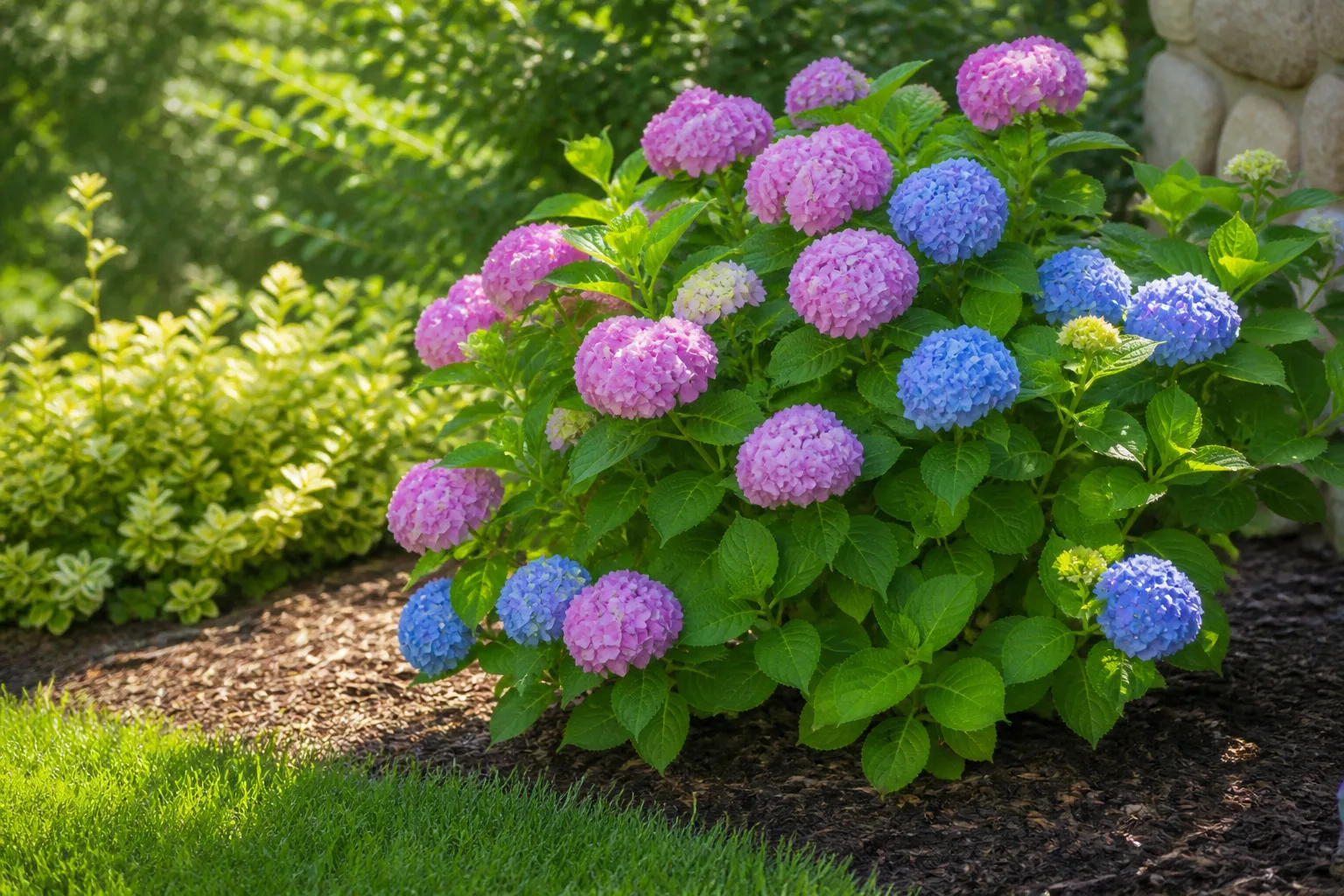
Hydrangeas may be the most photographed shrub in American yards, and bigleaf types (Hydrangea macrophylla) are the ones that break hearts. Their massive mop-head or lacecap blooms sell the dream. Then March delivers a late freeze, and the shrub leafs out beautifully while flowers never appear.
Why Gardeners Burn Out on Bigleaf Hydrangeas
NC State Extension notes that traditional bigleaf hydrangeas bloom on old wood—flower buds form in late summer and fall on the previous season’s growth. A harsh winter or late spring frost can kill those buds while the plant itself survives. You get lush green foliage all summer and zero blooms, which feels like personal failure even when the weather is the culprit.
Color adds another layer of confusion. Blue flowers need acidic soil (often pH 5.2–5.5) with available aluminum; alkaline soil pushes blooms toward pink regardless of what the tag promised. Bigleaf hydrangeas also want dappled sun or afternoon shade, consistent moisture, and pruning before August 1 so you do not remove next year’s buds. That is a lot of conditions to align in one border—especially in USDA zones 5 and 6, where bud loss is common.
None of this means hydrangeas are overrated everywhere. In the right microclimate they are stunning. The fatigue comes from seeing the same struggling shrubs in every foundation planting where full afternoon sun and neutral clay soil set them up to sulk.
Smarter Hydrangea Choices for Reliable Blooms
If you want hydrangea vibes without the bloom lottery, shift species:
- Panicle hydrangeas (Hydrangea paniculata) bloom on new wood and tolerate more sun. Cultivars like ‘Limelight’ and ‘Quick Fire’ are dependable performers; see our guide on when and how to prune Limelight hydrangeas for timing that protects next year’s show.
- Smooth hydrangeas (Hydrangea arborescens), including ‘Annabelle’ and ‘Incrediball’, also flower on new growth and handle cold better than bigleaf types.
- Reblooming bigleaf cultivars flower on both old and new wood, which helps—but they still need appropriate shade and soil pH.
Match the species to your site before you match it to a Pinterest board. A panicle hydrangea in full sun will out-bloom a stressed bigleaf hydrangea baking against a south-facing wall almost every time. If you are unsure whether your soil can support blue blooms, run a simple pH test before you buy aluminum sulfate or lime—you may discover the problem was never the plant, just the chemistry under it.
Keep bigleaf hydrangeas when: you live in a mild zone with reliable bud survival, have afternoon shade, and enjoy tweaking soil pH for color. Skip them when: late frosts are common, your bed bakes in full sun, or you want flowers without a weather lottery every spring.
Rose Bushes — Beauty With a Maintenance Invoice
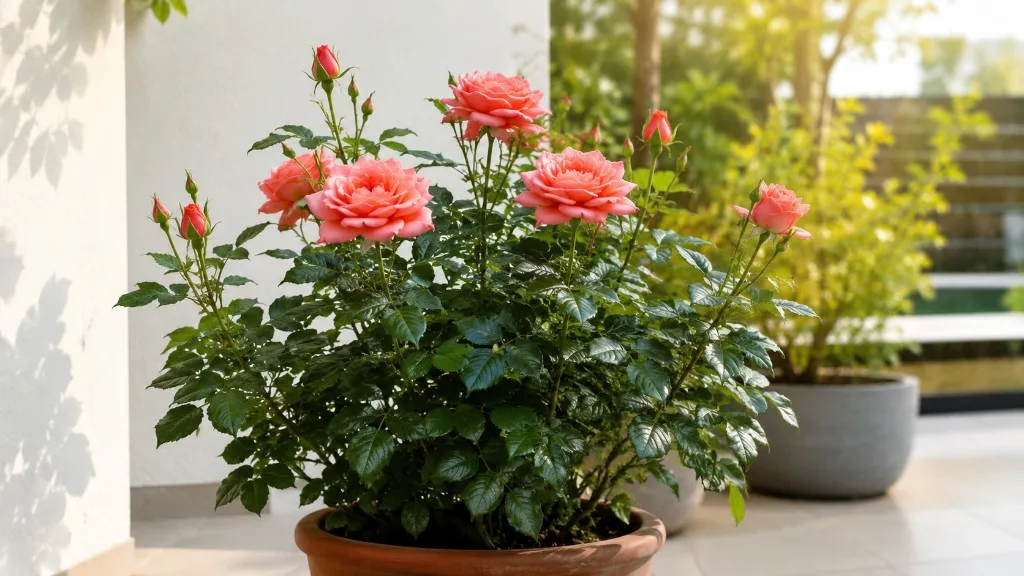
Roses are timeless for a reason. They are also one of the fastest ways to turn a relaxing weekend into a thorny chore list—literally, if you have kids who treat the yard like a playground.
Thorny Paths and Disease Pressure
The RHS rose growing guide is clear: roses want sun, rich moist but well-drained soil, annual pruning, and deadheading to keep flowers coming. That is baseline care before disease enters the chat.
Heavily bred hybrid tea roses—those florist-perfect spiraled blooms—often trade disease resistance for flower form. Humidity brings black spot, powdery mildew, and rose rust. Many gardeners end up on a spray schedule or accept bare canes by August. Thorns turn pruning into armor-required work, and low branches along paths become hazards for children and pets.
Climbing roses on a trellis solve part of the problem by lifting thorny growth out of traffic lanes. That is a legitimate compromise if you love roses but need safer circulation zones.
Roses That Earn Their Bed Space
You do not have to abandon roses—you can change categories:
- Shrub and landscape roses (including Knock Out and similar series) flower repeatedly with far less spraying. Our fall pruning guide for Knock Out roses covers simple seasonal cutback without hybrid-tea complexity.
- Species roses like Rosa rugosa tolerate tough conditions, produce hips, and feed pollinators with accessible flowers—unlike many double hybrids where bees cannot reach nectar.
- Climbing roses on sturdy trellises keep thorns away from play areas while delivering vertical drama.
If you will not enjoy annual pruning and occasional disease scouting, a disease-resistant shrub rose beats a hybrid tea every time. If you will enjoy the ritual, plant the roses you love and ignore the trend pieces. Own-root roses (grown on their own roots rather than grafted onto a different understock) can survive harder winters because regrowth comes from the same variety—not a surprise rootstock shoot below the graft union.
Keep traditional roses when: you have full sun, good air circulation, time for winter pruning, and realistic expectations about summer foliage. Skip them when: the bed is a play zone, humidity is high and you will not scout for disease, or you want set-and-forget color.
Ranunculus — Cutting-Garden Glam With Hidden Labor
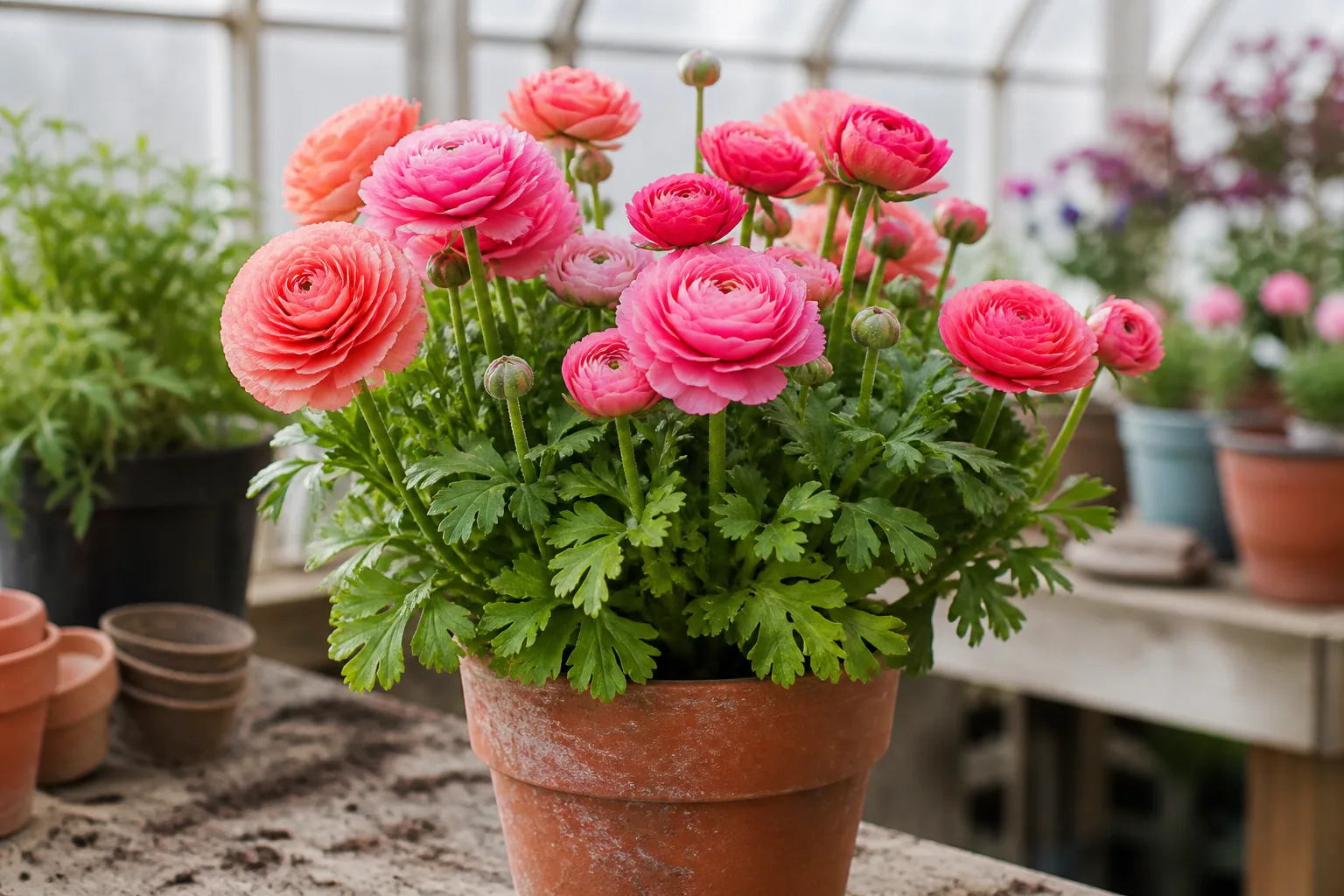
Persian buttercups (Ranunculus asiaticus) exploded in popularity thanks to florist-style Instagram reels: layered petals, saturated color, perfect for spring bouquets. Growing them at home is a different story.
What Makes Persian Buttercups So Demanding
The RHS ranunculus guide treats Persian buttercups as specialist plants. Tubers (often called claws) benefit from soaking, cool greenhouse or cold-frame culture, excellent drainage, and careful moisture management to avoid rot and grey mould. They flower in spring and early summer, dislike drying out, and need bright light without overheating.
That is a scheduling puzzle: pre-sprout in cool conditions, harden off after frost, plant in free-draining soil, and protect from heat spikes that shut down bloom. One wet week at the wrong time can wipe out a tray. For casual gardeners who want “plant and forget” color, ranunculus feels like a part-time job.
Easier Cut Flowers for Bouquet Gardens
If you want bouquet material without tuber gymnastics:
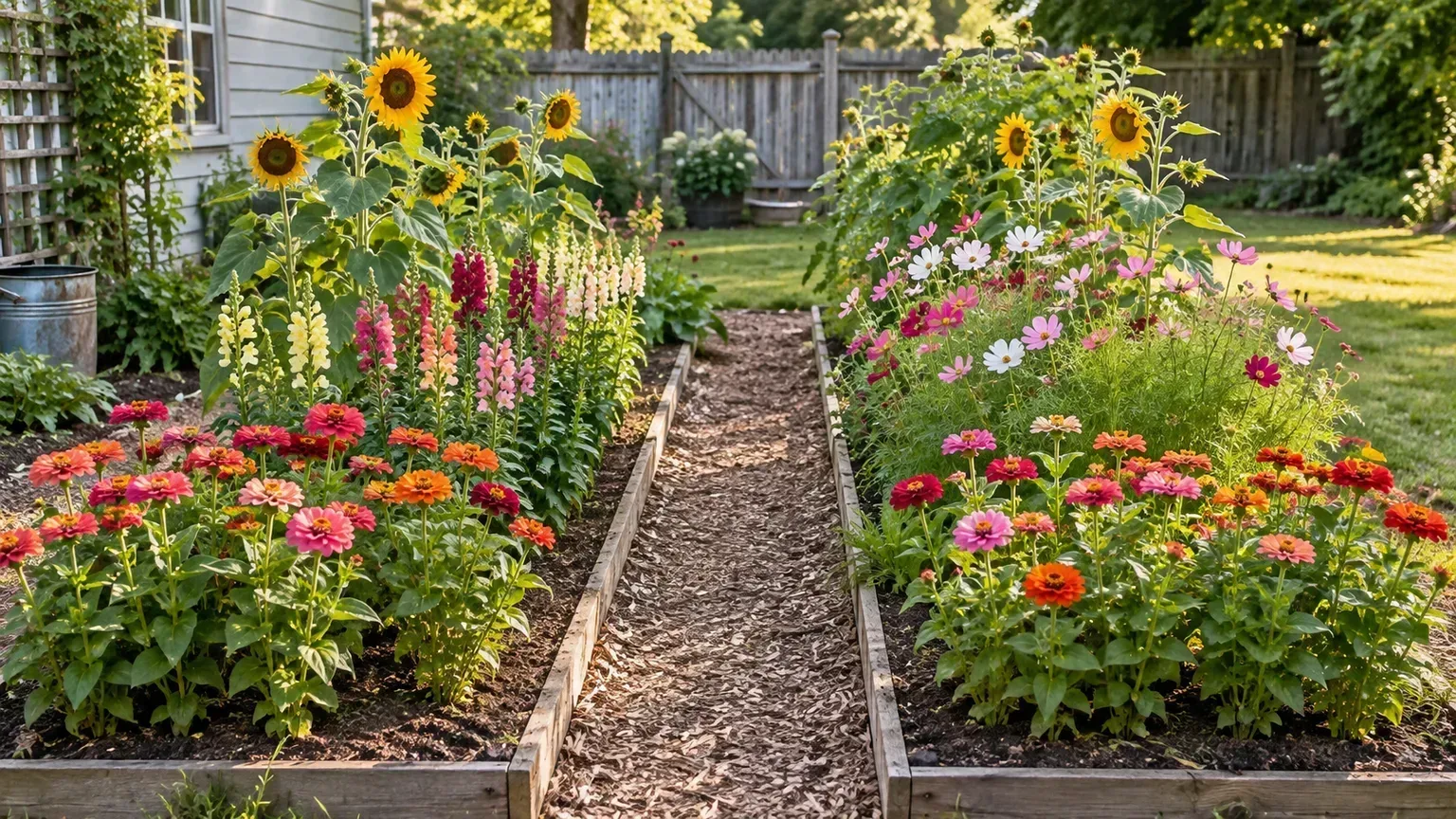
- Zinnias and cosmos sow directly after frost, bloom all summer, and tolerate heat.
- Snapdragons offer vertical spikes with simpler culture from nursery packs.
- Peonies take a year to settle but return for decades with minimal care once established—far less seasonal micromanagement than ranunculus corms.
Reserve ranunculus for growers who already run a cool greenhouse or cold frame and treat cut flowers as a hobby, not a single impulse buy at the garden center. A realistic timeline looks like this: soak tubers for several hours, plant in gritty compost in autumn or late winter, grow cool (below about 59°F / 15°C for compact plants), harden off after frost, then plant out in free-draining soil for spring bloom. Miss the cool-start window in a warm house and you get leggy, disease-prone plants that never match the florist photo.
Keep ranunculus when: you already manage a cool bright propagation space and want boutique spring stems. Skip it when: you direct-sow everything else successfully but do not want tuber babysitting.
Zucchini — The Beginner Crop That Never Stops Producing
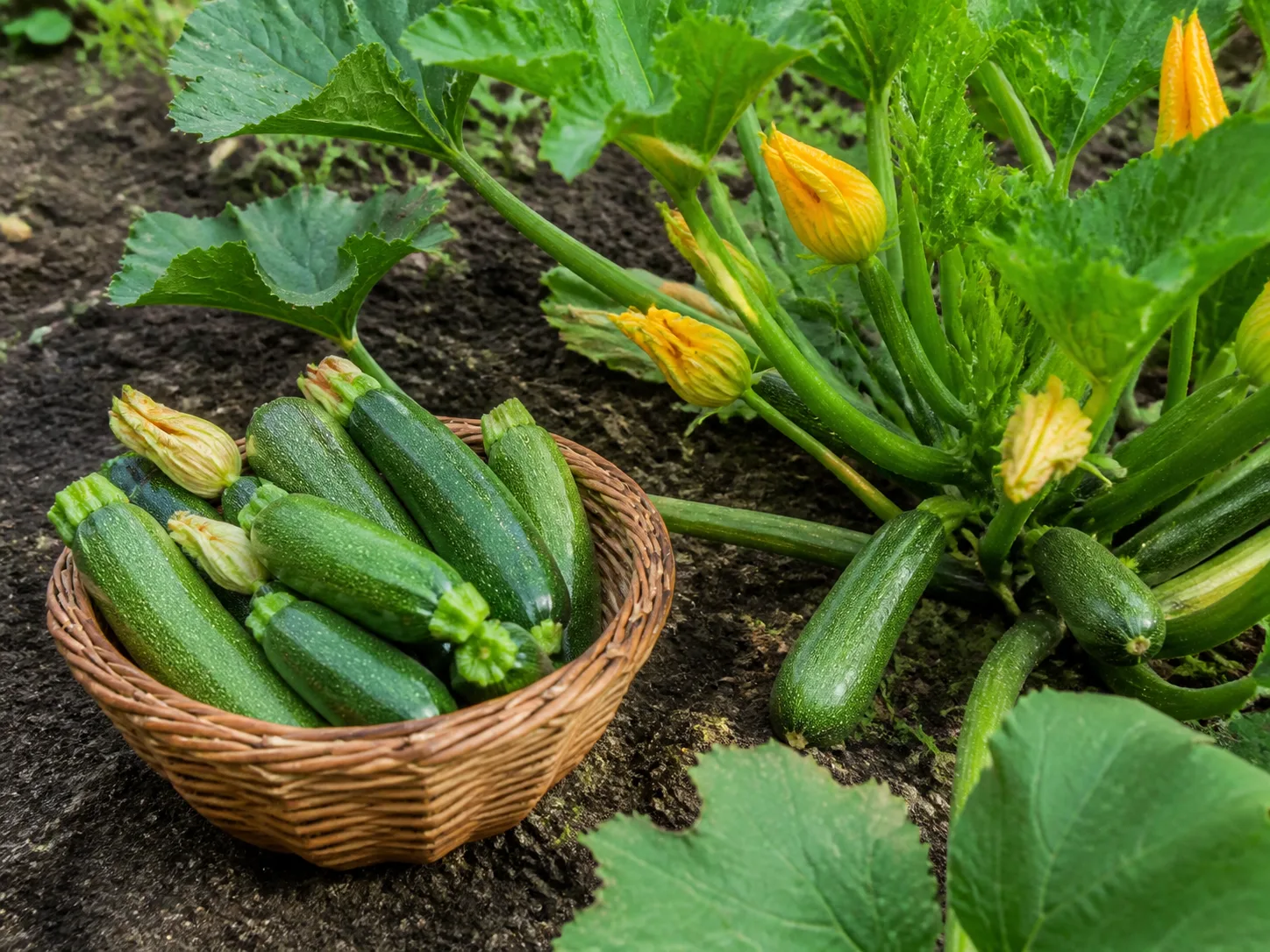
Zucchini lands on every “easy vegetables” list, which is why it also lands on every gardener regret list by mid-July. The plant is not difficult. Its output is.
Managing Glut Without Dreading August
UF/IFAS Gardening Solutions recommends spacing summer squash plants about two feet apart in full sun and notes that four to six plants can supply a family of four. One enthusiastic plant can still bury a small household. Fruits go from perfect to baseball-bat size in days if you skip a morning check-in.
The glut creates real stress: guilt over wasted food, frantic recipe searches, and the awkward porch-drop diplomacy with neighbors who already have three bags on their steps. Powdery mildew, squash bugs, and vine borers add mid-season frustration in humid regions—turning a “beginner win” into a sprawling mess by August.
Zucchini is still a smart first crop if you plan for volume:
- Plant one bush-type plant unless you actively preserve squash.
- Harvest young fruits every one to two days; frequent picking keeps plants producing.
- Swap half the bed for cucumbers on a trellis, bush beans, or greens if you want variety without the avalanche.
See our guide to easy vegetables to grow for crops that match different appetite levels. Zucchini belongs on that list—with an asterisk for portion control. Freeze shredded squash in measured bags if you do cook with it; otherwise honesty about how much your household eats saves you from the August guilt pile on the counter.
Keep zucchini when: you harvest daily, preserve or share squash, and have room for sprawling vines. Skip it when: one or two fruits per week is plenty—grow something you will actually finish.
Pampas Grass — Trendy Texture, Messy Reality
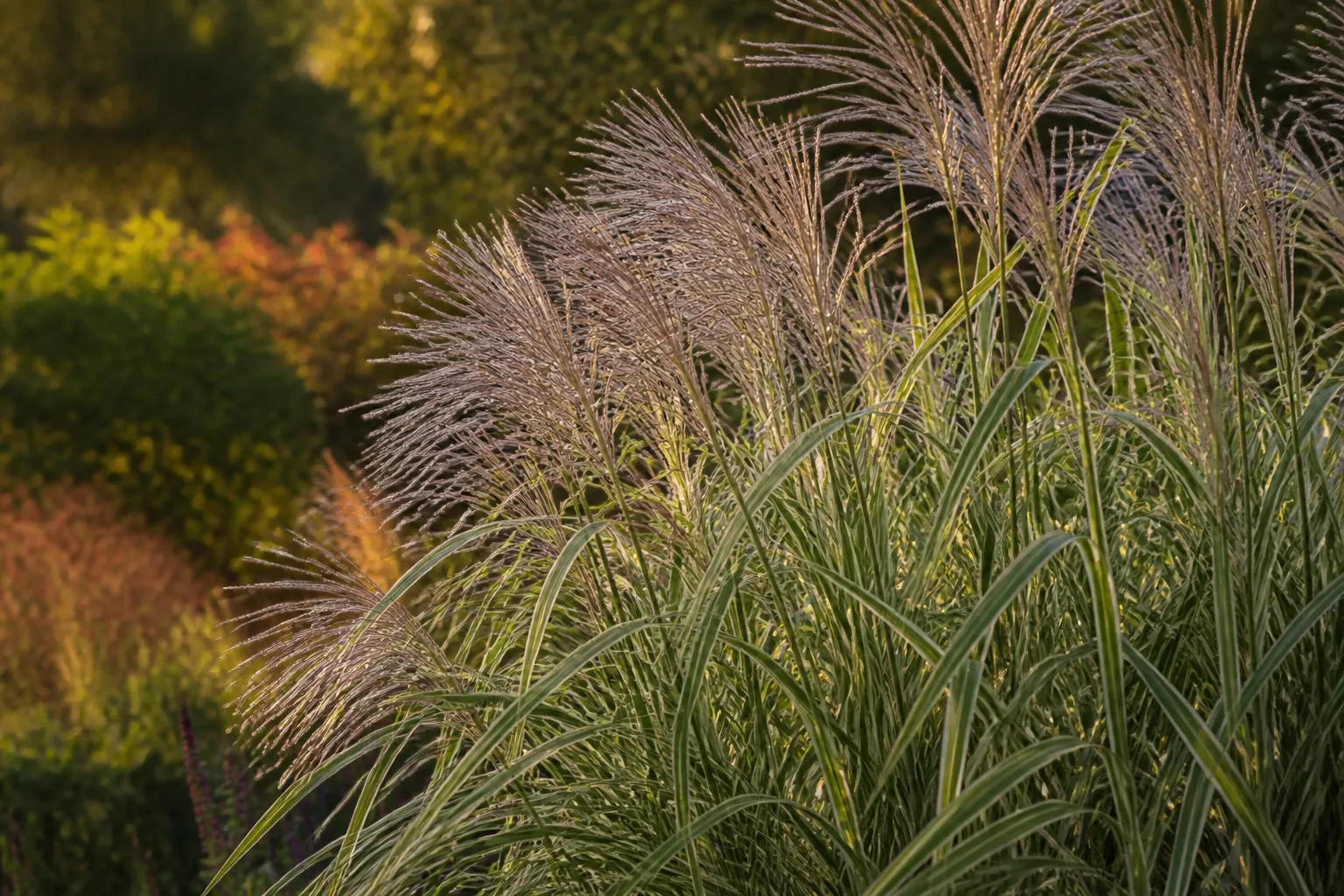
Pampas grass (Cortaderia selloana) rode a décor wave into front yards: tall silvery plumes, drought tolerance, instant architecture. Landscapers and homeowners who inherited one often describe a different experience by fall.
Ornamental Grasses That Look Good Year-Round
NC State Extension describes pampas grass as a 6–10 foot mound with whip-like leaves that are very sharp on the edges. It can be weedy and is highly invasive in some parts of the United States. Plumes are showy in late summer and fall, but foliage dies back messily; winter leaves a large brown clump unless you cut it hard in spring—while wearing gloves, long sleeves, and eye protection.
Proper spacing is about ten feet between plants, which tells you how large a specimen wants to become. In a typical suburban bed near a walkway or picture window, one clump quickly blocks sight lines and turns pruning into a minor medical event. The “bare spot all winter” complaint is real: you trade four months of drama for months of dormant stubble.
Pampas can work as a single specimen on a large property with full sun, well-drained soil, and room to stand back. It is a poor default filler for small yards chasing a trend.
For texture without blood draw:
- Pink muhly grass (Muhlenbergia capillaris) offers airy fall color at a manageable size; see our roundup of low-maintenance ornamental grasses.
- Switchgrass (Panicum virgatum) and little bluestem stay upright with softer foliage and strong native-wildlife value.
- Evergreen shrubs (holly, juniper, compact arborvitae) hold structure through winter without annual slash-and-burn cleanup.
If sharp blades, invasiveness risk, or winter bald spots bother you, any of the above will feel like a upgrade—not a compromise. Cut pampas back in late winter before new shoots emerge, and treat the job like brush clearing: long sleeves, eye protection, and a sharp saw or hedge shears—not casual hand snips.
Keep pampas grass when: you have a large sunny lot, coastal exposure, or need a single dramatic specimen with ten feet of clearance. Skip it when: the bed is near paths, windows, or property lines where sharp leaves and winter stubble become daily annoyances.
Conclusion
The five plants gardeners are tired of seeing everywhere are not failures. They are frequently misassigned: bigleaf hydrangeas in the wrong zone, disease-prone roses in humid corners, ranunculus in gardens without cool-start infrastructure, zucchini in quantities meant for a farm stand, and pampas grass in beds built for perennials.
Before you plant what everyone else is planting, run the climate–space–labor check. Keep the plants you will genuinely maintain. Swap the ones that fight your site for species that bloom on new wood, resist disease, respect your square footage, or produce food at a scale you can eat. Your yard will look less like a catalog and more like something you actually enjoy tending—and that is the whole point.