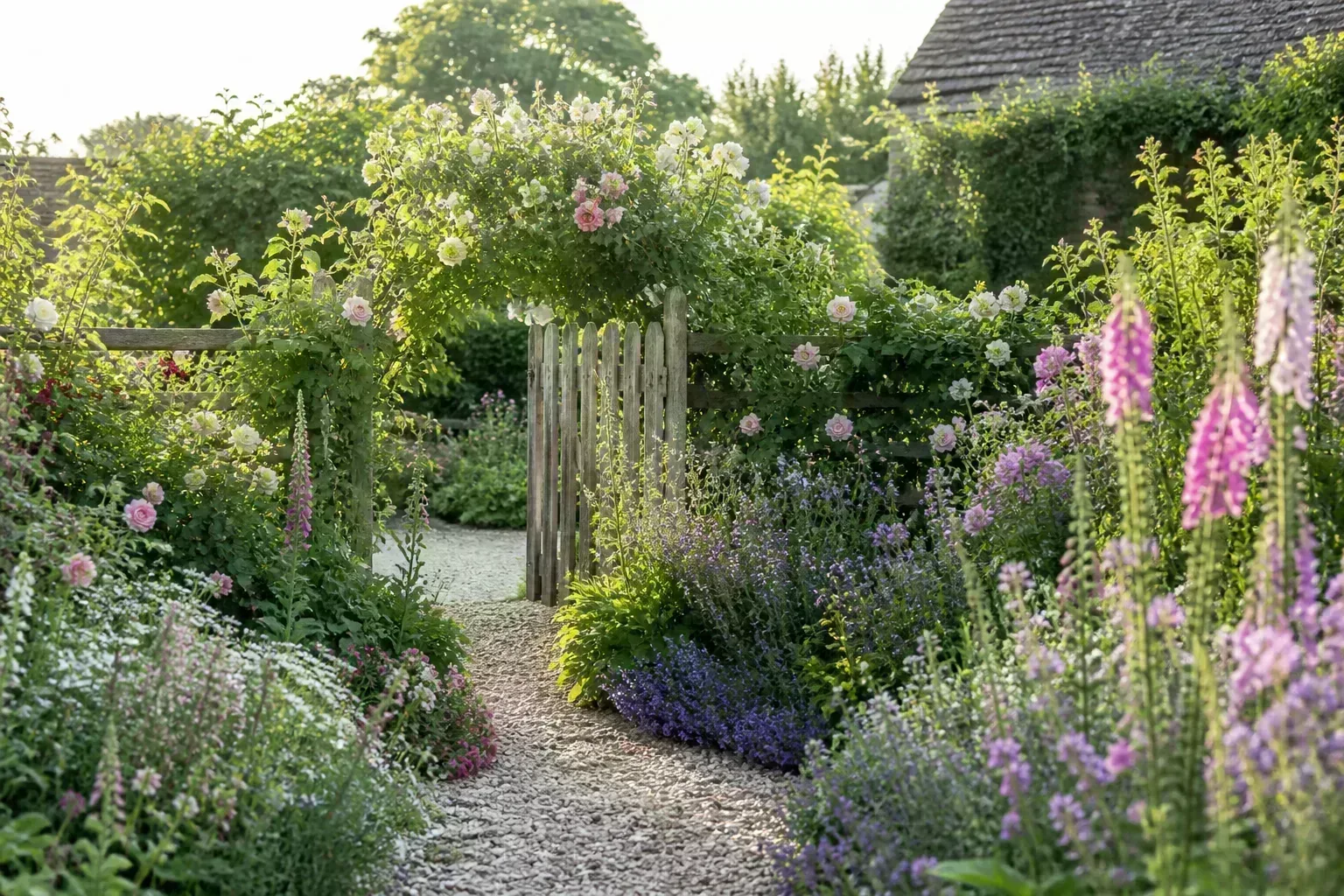
25 Easy Vegetables to Grow in Your Garden
Twenty-five vegetables, herbs, and fruits that reward beginners—with timing, spacing, and honest notes on which crops need patience versus which pay off in weeks.
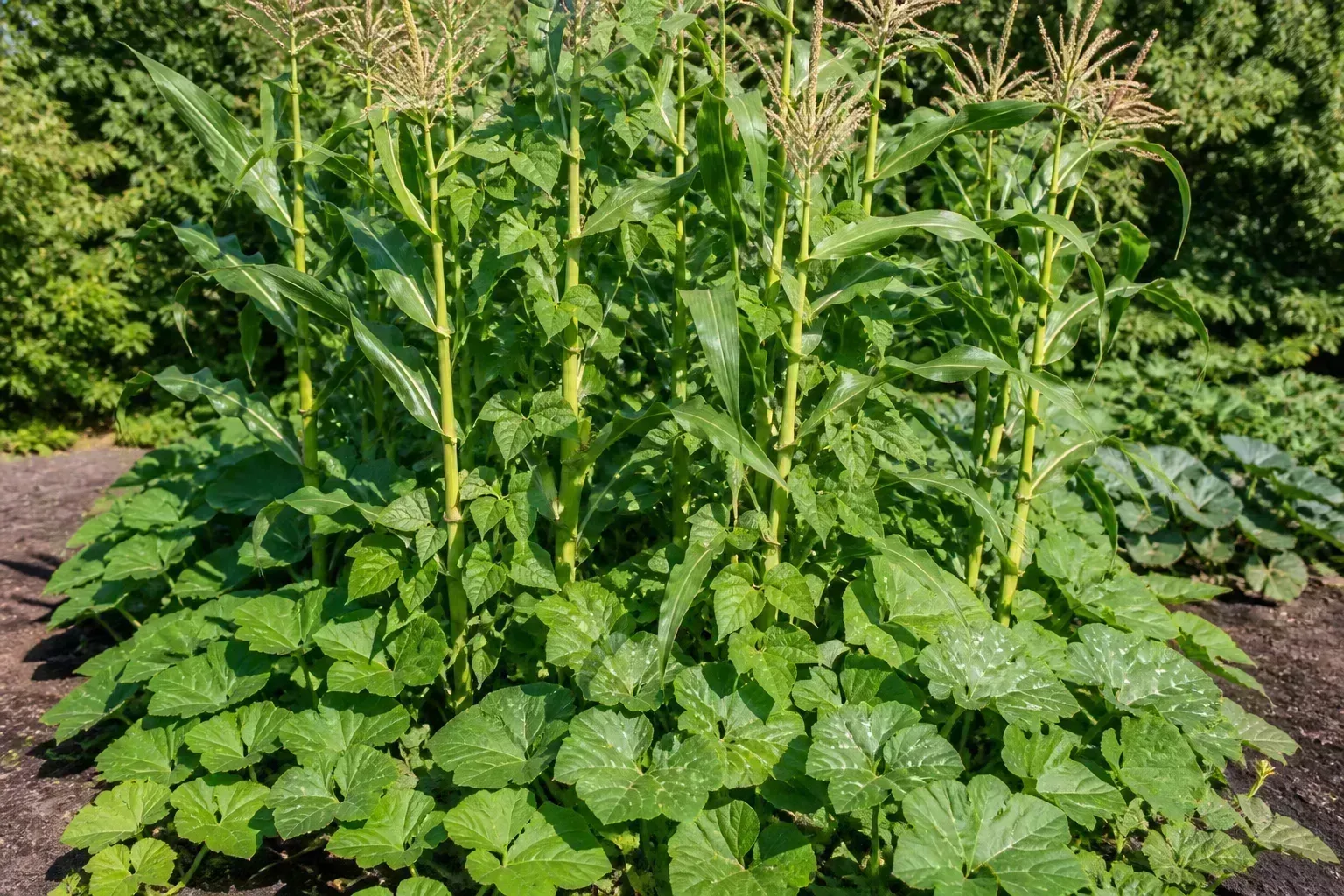
The seed rack promises miracles. The nursery bench looks easier. By August, half the yard is crispy and the other half is one zucchini plant staging a takeover. Easy vegetables are not magic—they are crops that germinate reliably, tolerate normal beginner mistakes, and reward you on a timeline you can actually wait for. Some ready in three weeks. Some need three years. Both can be “easy” if you know which clock you are buying.
This guide covers 25 vegetables, herbs, and fruits that belong on a first backyard list—not because experts say so, but because they forgive uneven watering, average soil, and the learning curve every new gardener rides. You will get grouping by season, spacing numbers, direct-sow versus transplant rules, and honest notes on slow perennials so you do not quit before the good years arrive.
What Makes a Vegetable “Easy” for Beginners
Easy here means four things working together: the seed or start establishes without fuss, the plant tolerates minor care mistakes, pests are manageable with basic hygiene, and you harvest something edible before you lose interest. Radishes check every box in cool soil. Apple trees check the last three boxes—but not the timeline—so they belong on the list with a different label: easy maintenance, slow reward.
Sprinkle your first garden across three speed tiers instead of planting everything at once:
| Speed tier | Typical time to first harvest | Examples from this list | Beginner job |
|---|---|---|---|
| Instant gratification | 21–45 days | Radishes, lettuce, bush beans | Proof that gardening works |
| Same-season staples | 50–90 days | Cucumbers, zucchini, peppers, tomatoes | Weekly kitchen use |
| Plant once, harvest for years | Year 2–6+ | Asparagus, strawberries, apples, figs | Long-term payoff |
If this is your first season, aim for at least three instant crops, three same-season staples, and one perennial tucked into a permanent corner. That mix keeps meals interesting without turning the whole yard into a five-year science project.
Pick Your First Beds Before You Buy Seeds
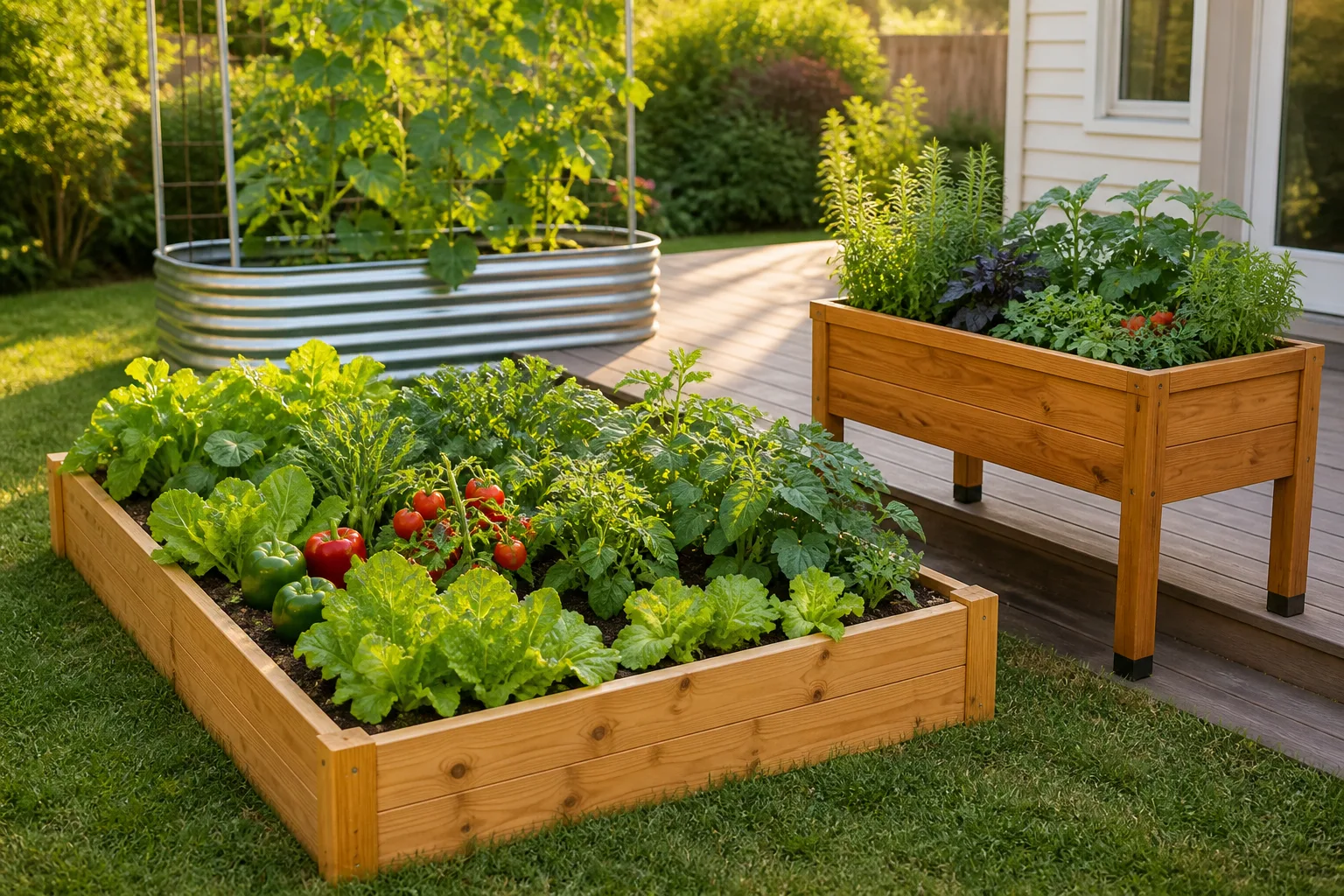
Shopping before site prep is how beginners end up with shade-loving lettuce baking on a west-facing patio and sun-hungry tomatoes under a tree line. Walk the yard on a sunny day at 10 a.m. and 3 p.m. Count hours of direct sun—brightness through glass or dappled shade does not count.
The RHS notes that most vegetables want a sunny position, while lettuce, peas, spinach, and radishes tolerate more shade than fruiting crops. Shelter from cold winds helps peppers and beans; avoid planting right against large trees that steal water and cast root competition.
Sun, Soil, and Spacing Rules That Actually Matter
Full sun means six or more hours of direct midsummer sun on the leaves. Part sun (roughly three to six hours) suits leafy crops and some herbs. Fruiting crops—tomatoes, peppers, cucumbers, zucchini, beans—want full sun for full production.
Soil does not need to be perfect on day one, but it needs drainage. Dig a hole, fill with water, and check back in four hours. If water still pools, build raised beds or amend with compost until water moves through. Most crops on this list prefer loose, fertile soil with organic matter worked in before planting—not raw clay scraped from construction.
Direct sow when roots hate disturbance: carrots, radishes, beans, peas, cilantro, and most leafy greens. Buy starts or start indoors when you need a head start on a short season: tomatoes, peppers, broccoli. Our plants you should never buy as seedlings guide explains why carrot and bean packs are usually a trap.
For pots and patios, the same sun rules apply—roots just dry faster. See container garden tips for beginners for drainage and feeding rhythms that keep easy crops easy in pots.
Fast Cool-Season Crops (Three-Week to Six-Week Wins)
Cool-season crops are the confidence builders. Sow them as soon as soil can be worked in spring—or again in late summer for fall harvest where your zone allows. They mature while you are still learning how often to water.
Radishes, Lettuce, Peas, and Carrots
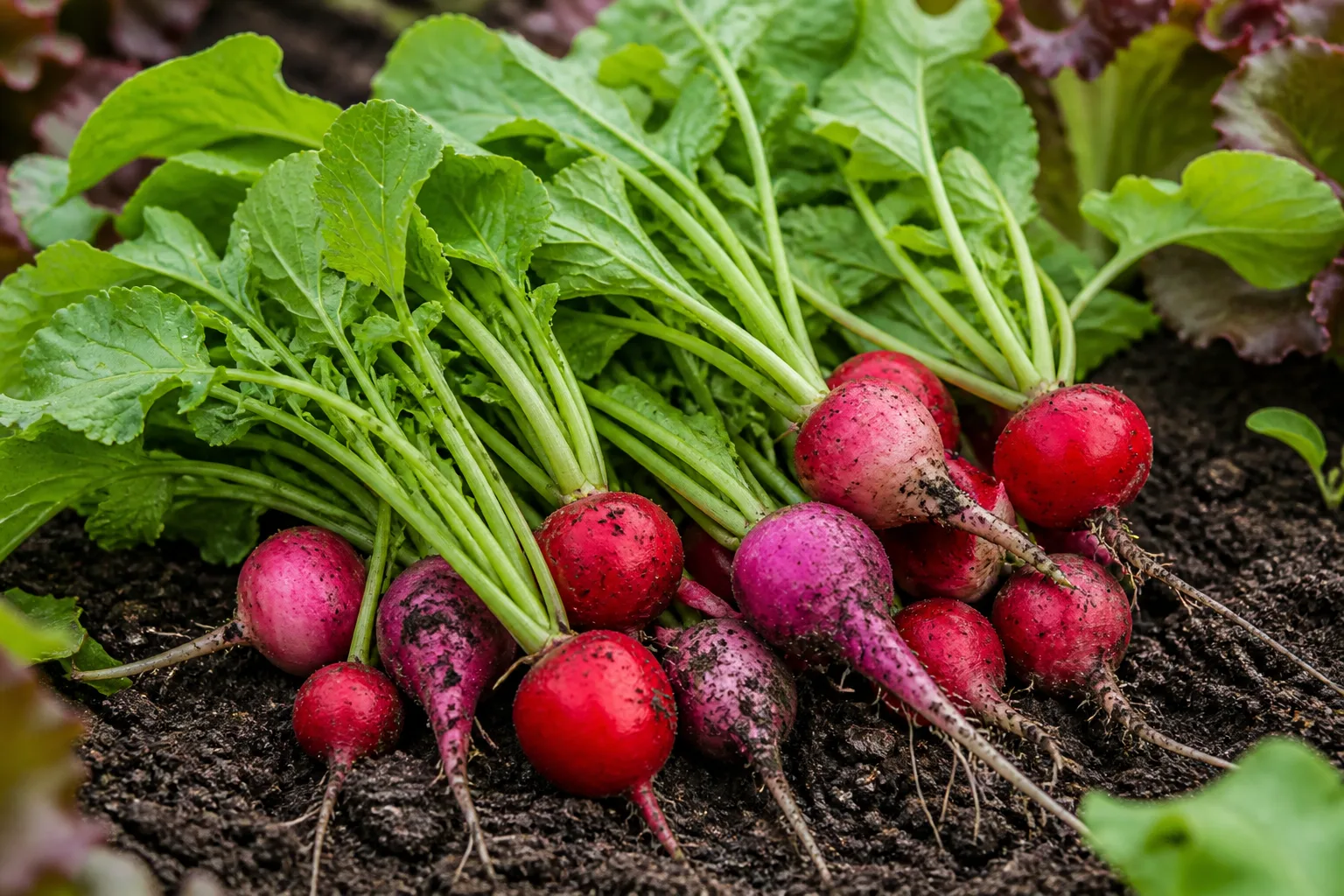
Radishes are the fastest legitimate vegetable on most lists: many varieties ready in 21–30 days from direct sowing in cool soil. Sow a short row every ten days for steady crunch instead of one glut. They tolerate partial shade better than tomatoes and help break crusted soil for slower crops planted beside them.
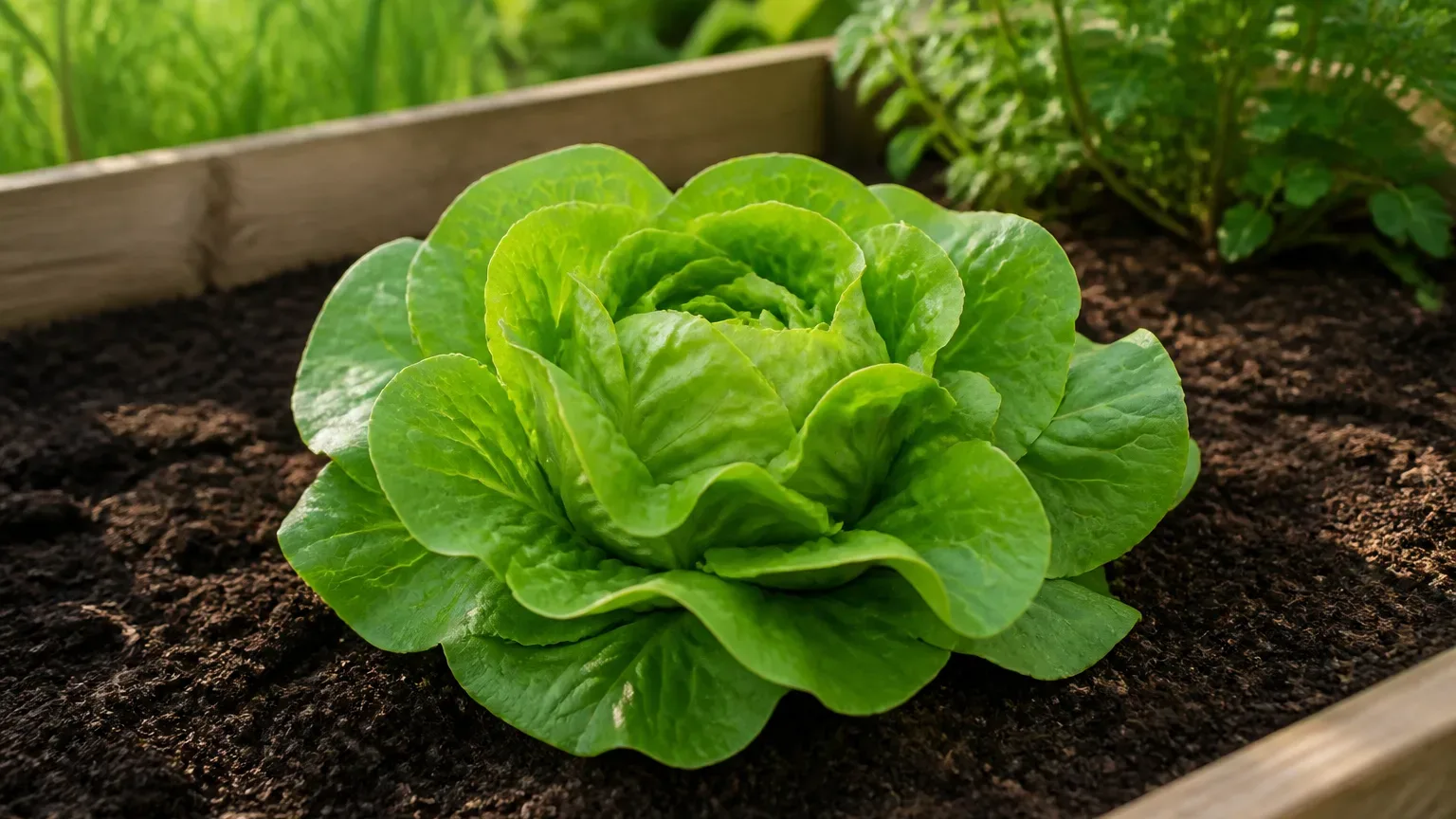
Lettuce and loose salad greens need only about four hours of sun in hot climates—more shade slows bolting. Harvest outer leaves or cut-and-come-again for month-long bowls. In cold frames or mild zones, lettuce can run spring through fall with succession sowing.
Peas go in early—often four to six weeks before last frost when soil is workable. They fix nitrogen and prefer cool weather; heat shuts them down. Sow bush types for tidy rows or short trellises for snap peas. Pick pods promptly; overripe peas turn starchy overnight. The RHS lists pea harvest among core grow-your-own jobs for good reason—timing is the whole game.
Carrots are easy only if you respect the taproot. Direct sow a quarter inch deep; thin to two or three inches apart. Expect 60–75 days to full roots in loose soil. Heavy clay or fresh manure causes forked, hairy carrots. Carrots want full sun and steady moisture until germination—cover the row with burlap until sprouting if crust forms. Never buy carrot seedlings; disturbed taproots fork every time.
Warm-Season Staples That Forgive Imperfect Watering
After last frost, when soil hits 60°F (15°C) in the top inch, warm-season crops wake up fast. These four fill the “easy” label for most beginners—as long as you give them room and harvest on time.
Green Beans, Zucchini, Summer Squash, and Cucumbers
Green beans—bush or pole—are the classic first vegetable. NC State Extension describes common bean as an easy warm-season crop that prefers full sun and well-drained soil. Direct sow after danger of frost; many bush varieties produce in 50–60 days. Pole beans need a trellis but yield longer. Soak seeds overnight if soil is dry; do not handle roots when thinning.
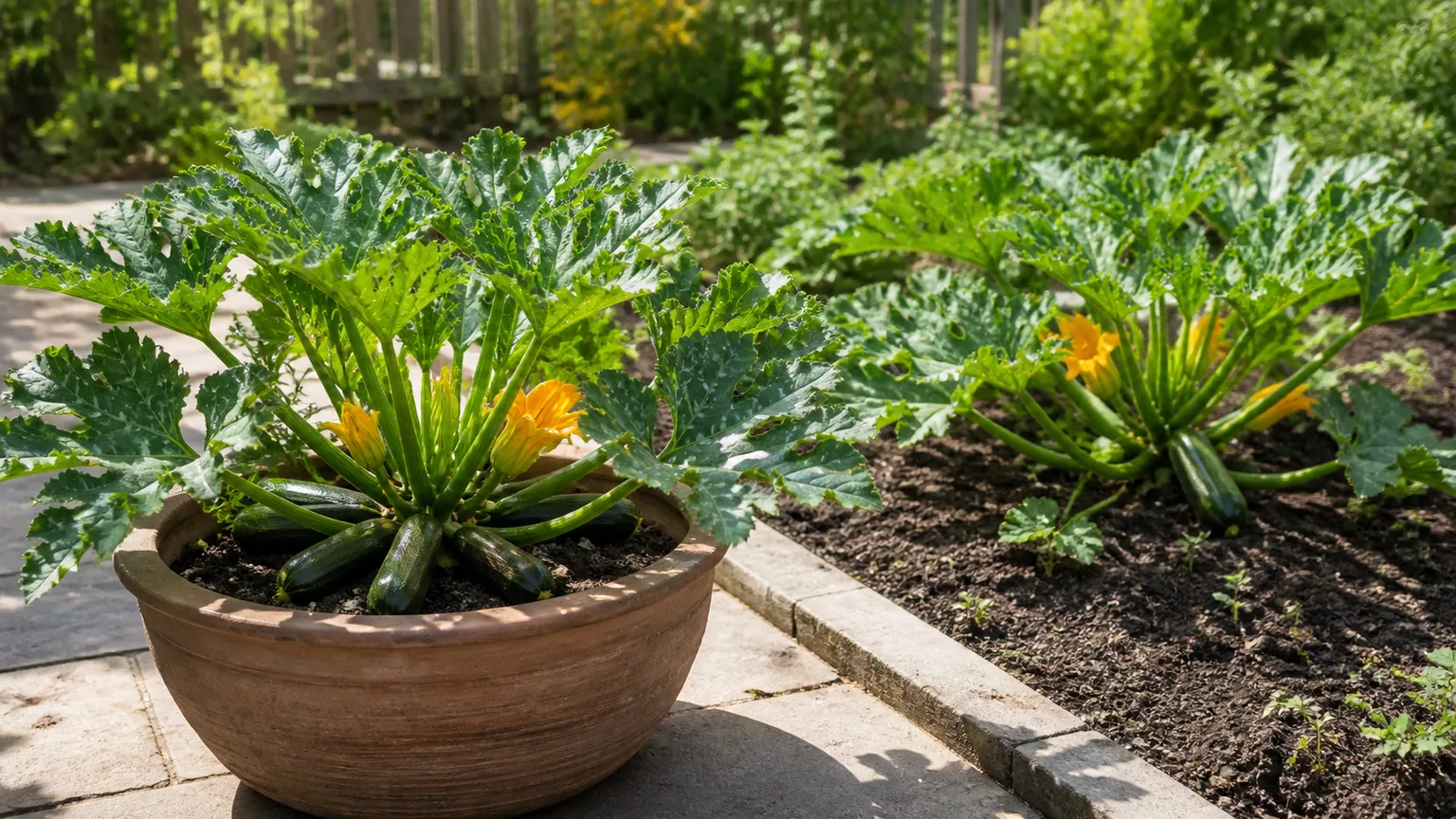
Zucchini and yellow summer squash share the same playbook: heat, space, and daily harvest. Plant when nights stay above 50°F (10°C) and days reach the 70s°F. Space plants three feet apart—crowding invites mildew and hides baseball-bat fruit. Pick when fruits are six to eight inches long; oversized squash signals the plant to stop producing.
Cucumbers want fertile soil, warm nights, and a trellis for vertical growth—cleaner fruit, better airflow, more ground space for lettuce and carrots in front. Keep soil evenly moist; bitter fruit often follows drought stress. Harvest at slicer size every two days in peak season.
Nightshades Worth the Extra Attention
Tomatoes and peppers are beginner-friendly once transplanted after frost—not when rushed into cold soil. They need more water monitoring than beans, but varieties today are bred for disease resistance and container life.
Tomatoes and Bell Peppers
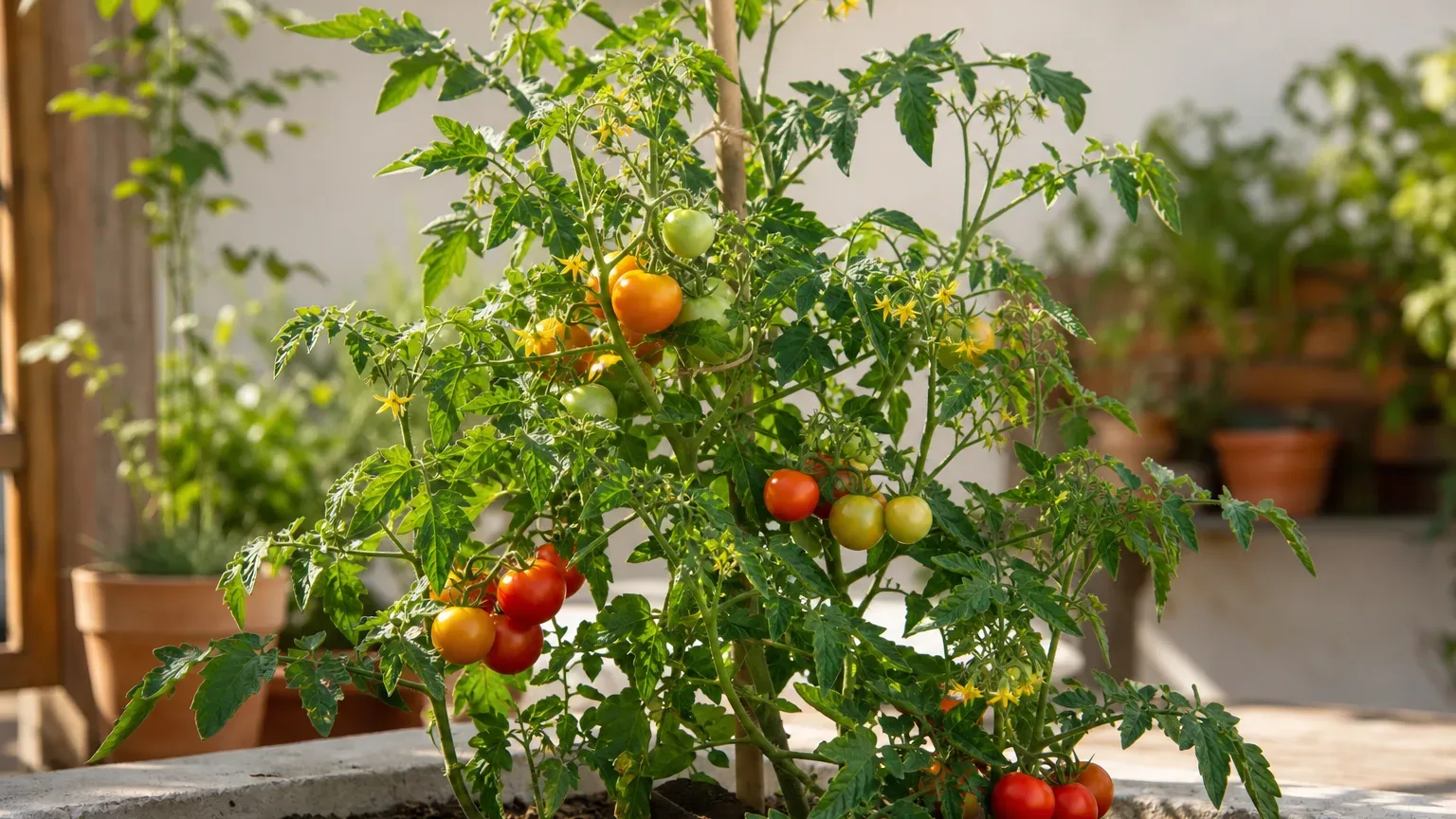
Tomatoes are the garden’s flex crop—salads, sauce, sandwiches. Plant deep after last frost when soil is warm; bury stems to encourage root adventives. Determinate (bush) types suit containers; indeterminate vines need sturdy cages or trellises and regular pruning of suckers if you want manageable size. Water deeply two to three times weekly at the root zone—not a daily sprinkle that invites shallow roots and blossom-end rot.
Bell peppers share tomato timing but stall in cold soil. Wait until nights stay above 55°F (13°C). Full sun, fertile soil, and even moisture produce thick walls; calcium-rich soil and steady watering reduce blossom-end rot. Stake plants when fruit loads; wet leaves overnight encourage disease—water at the base.
Root Crops and Brassicas for Storage and Spring Meals
These crops stretch the season: potatoes feed you through fall, onions store into winter, broccoli bridges spring and fall in cool climates.
Potatoes, Onions, and Broccoli
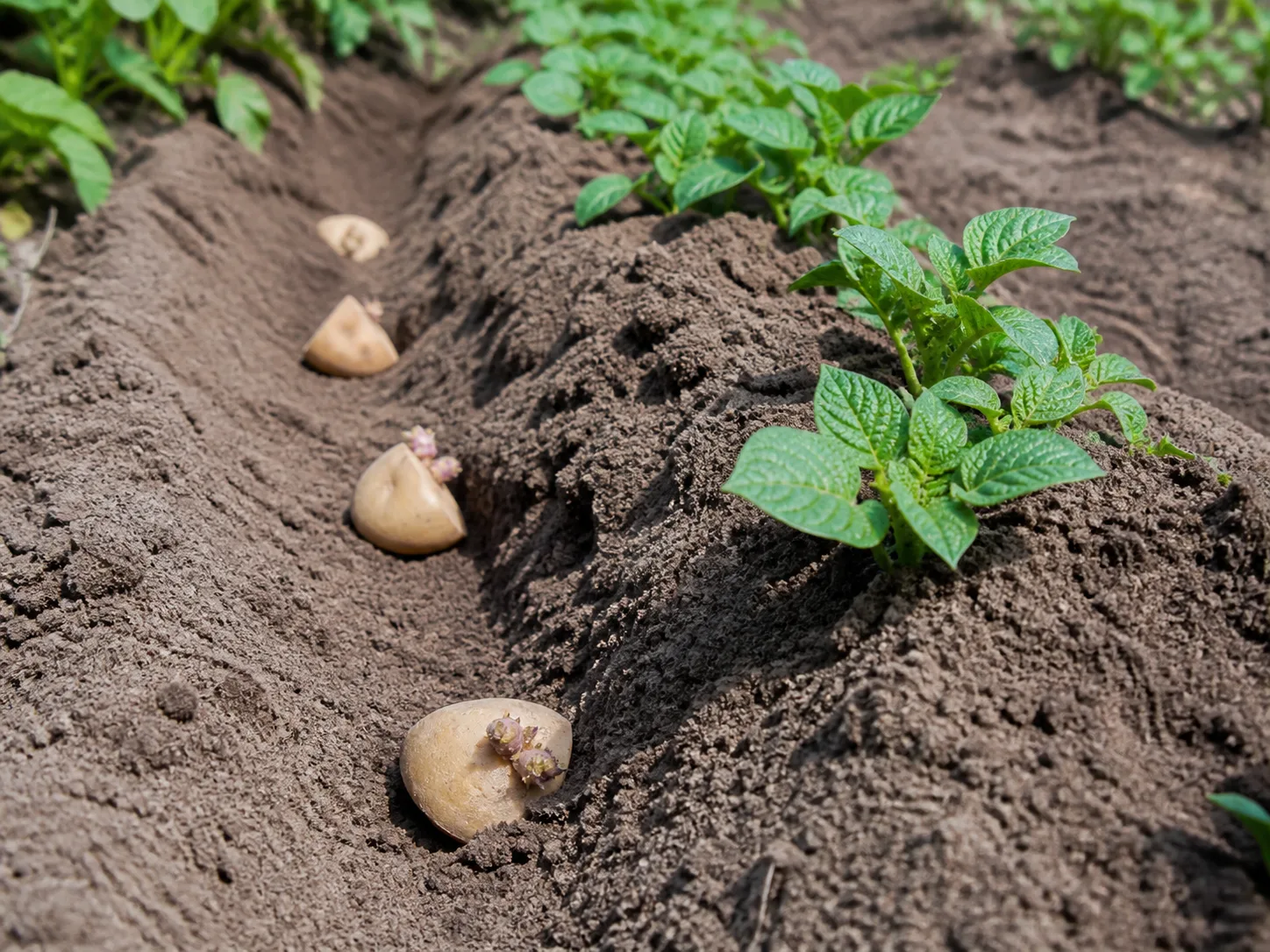
Potatoes grow from seed pieces with eyes—not grocery store sprout inhibitors. Hill soil as stems grow to prevent green tubers. Full sun, loose soil, and consistent moisture yield clean skins. Harvest new potatoes when flowers fade; main crop after foliage yellows.
Onions from sets (small bulbs) are the beginner shortcut; seeds take longer. Plant in early spring in loose, fertile soil. Full sun. Sets push green tops fast; bulbs size as days lengthen. Pull when tops flop and cure in shade for storage.
Broccoli prefers cool weather—spring or fall, not midsummer heat in warm zones. Start indoors or buy starts; transplant into rich, moist soil. Harvest central head before yellow flowers open; side shoots follow for weeks. Keep an eye on cabbage worms—handpick or use row cover at planting.
Kitchen Herbs That Pay Back Every Week
Herbs turn a vegetable patch into a kitchen. Six on this list are forgiving; treat them as perennials or reseeding annuals depending on your zone.
Basil, Cilantro, Parsley, Chives, Rosemary, and Thyme
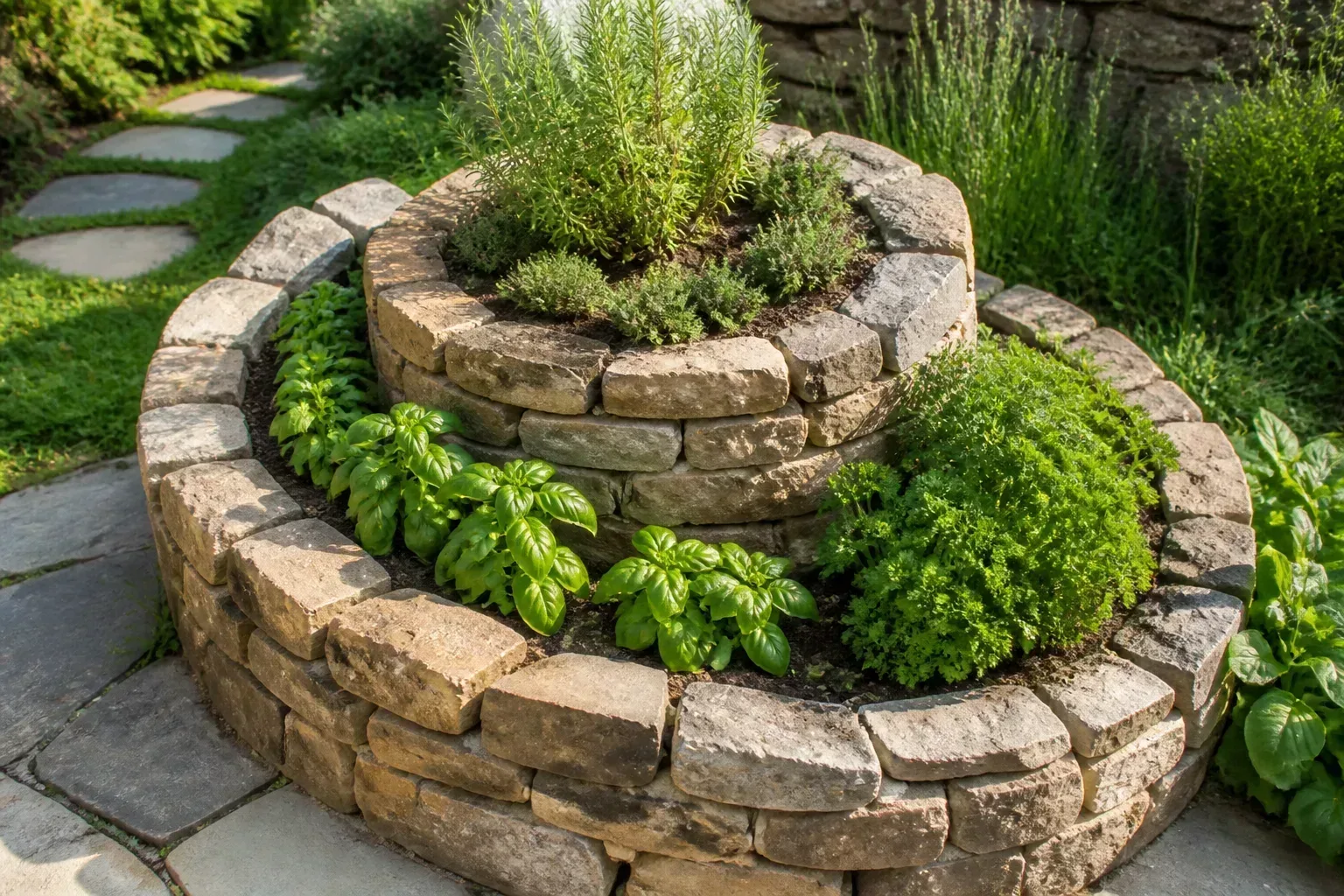
Basil loves what tomatoes love—warm soil, full sun, regular harvest. Pinch tips to delay flowering. Plant near tomatoes as a companion; see our herb companion plants guide for pairing logic.
Cilantro bolts fast in heat—sow every three weeks in cool weather for steady leaves. Let one plant flower if you want coriander seed for spice. Partial afternoon shade extends leaf harvest in hot zones.
Parsley is slow to germinate (two to three weeks) but steady once up. Biennial in mild climates; treat as annual in cold zones. Full sun to part shade.
Chives return every year from clumps—divide in spring. Mild onion flavor; snip often. Full sun, moist soil.
Rosemary wants sharp drainage and full sun; perennial in zones 8–10, container elsewhere. Do not overwater—soggy roots kill more rosemary than drought.
Thyme is similarly drought-tolerant once established. Sandy soil, full sun, light harvest encourages bushiness.
Sweet Fruits and Perennials Worth Planting Once
These entries are easy to maintain but not fast. Plant them anyway—in a corner that will not be tilled next year—so year three feels like a gift.
Strawberries, Blueberries, Blackberries, Asparagus, Figs, and Apples
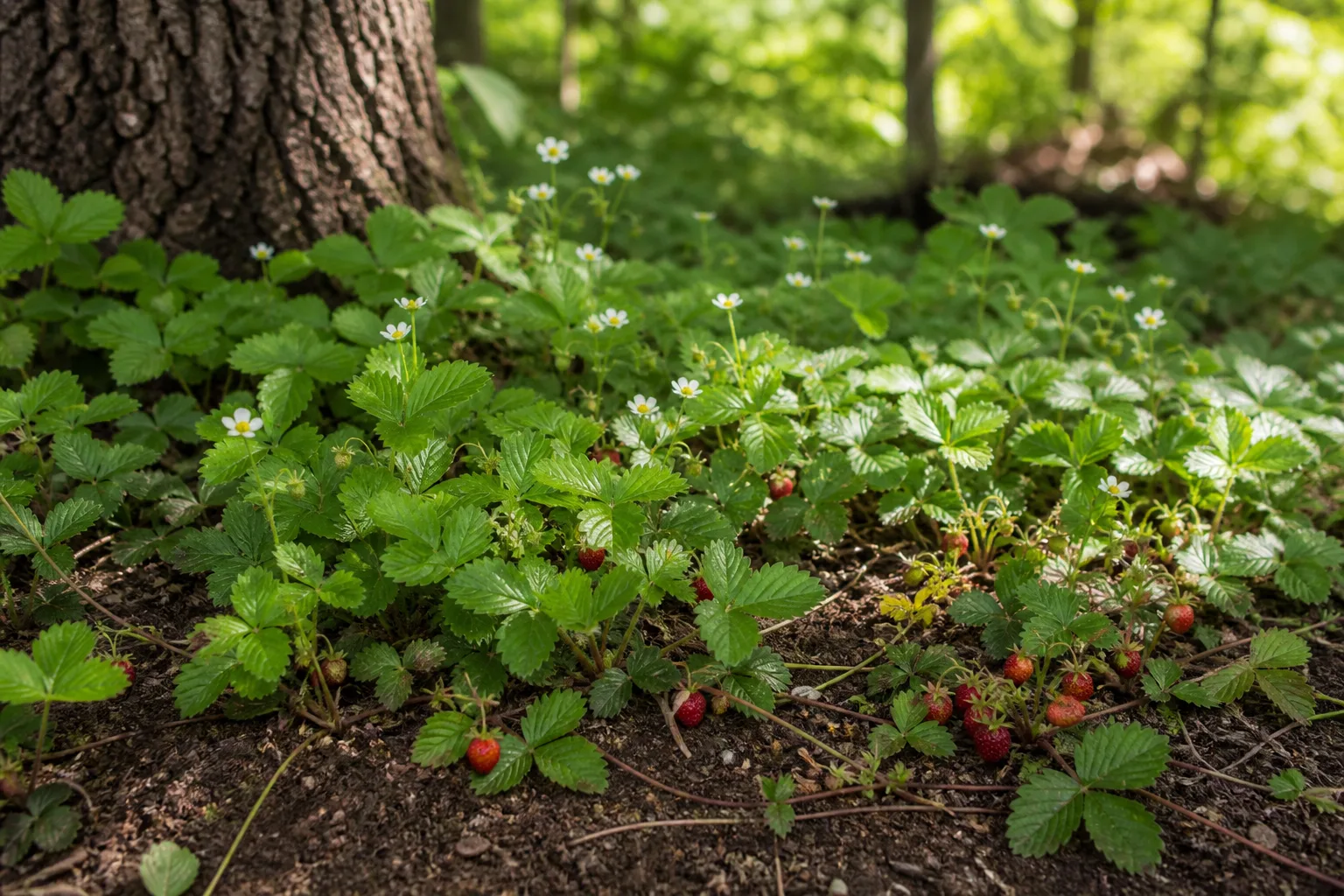
Strawberries produce the same season you plant June-bearing crowns, or steady berries from everbearing types. Full sun, well-drained slightly acidic soil, and mulch to keep fruit clean. Renovate beds yearly—remove old mother plants after year three.
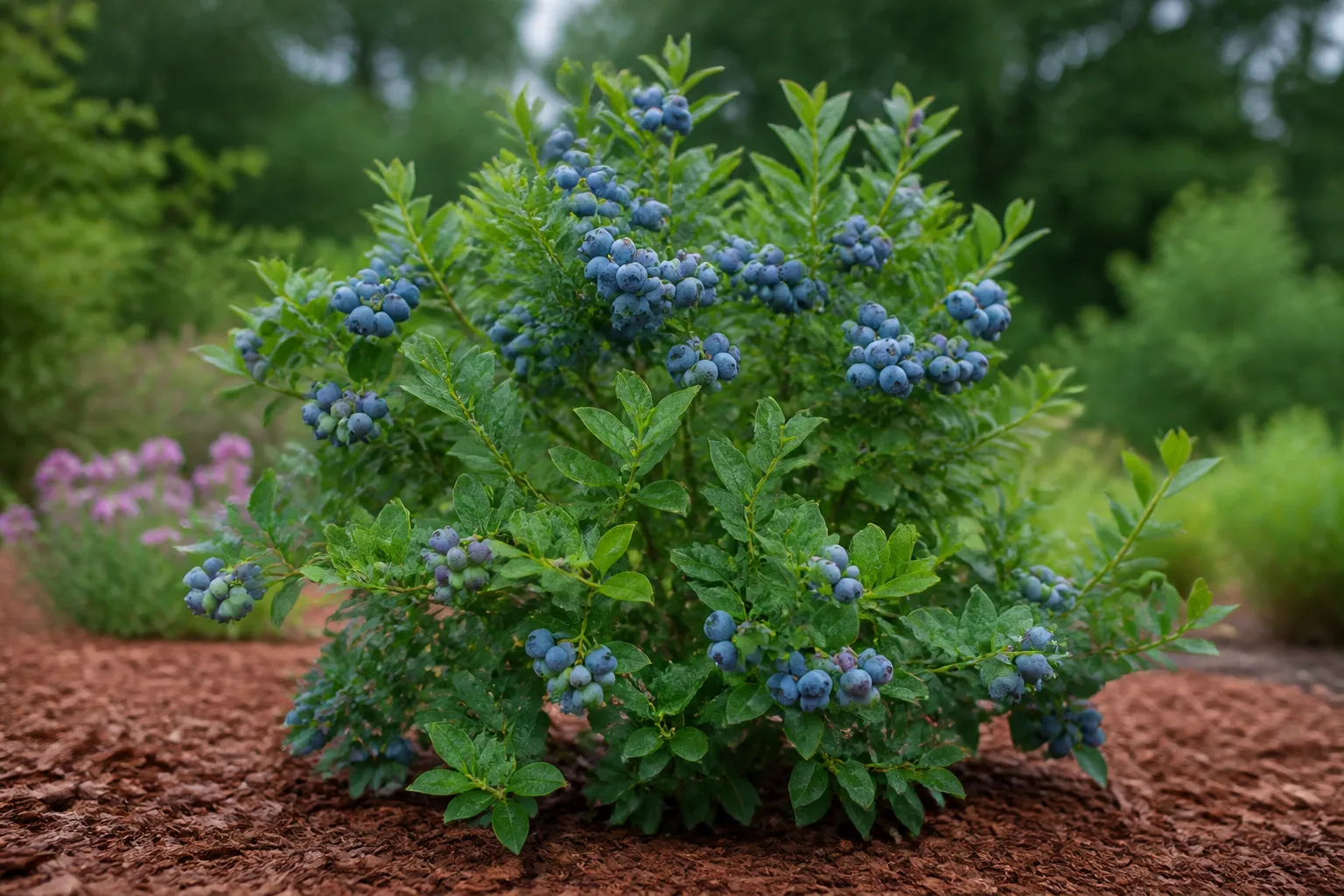
Blueberries need acidic soil (pH 4.5–5.5). If your soil is alkaline, grow in containers with ericaceous mix. Two varieties for cross-pollination improve yield. First meaningful harvest often year two or three; full production by year six.
Blackberries come erect or trailing; trailing types need trellis support. Spring planting in acidic, well-drained soil. Prune old canes after fruiting. Some varieties are thornless—worth the search.
Asparagus is the long-game perennial: plant crowns in deep, well-drained beds; do not harvest until year three so roots establish. Then spears return every spring for 15 years or more. Full sun, weed-free rows.
Figs are low-maintenance in warm zones (7–10 for in-ground). Cold climates grow hardy cultivars in pots with winter protection. Fruit in three to five years from a young tree. Moist, well-drained soil.
Apples need cross-pollination from a second compatible tree unless you choose a self-fertile cultivar. Standard trees take five to six years to fruit; dwarf rootstock speeds that to two to four years. Choose disease-resistant varieties for your region—scab and fire blight frustrate beginners on susceptible types.
Layout a Backyard That Feels Like a Farmer’s Market
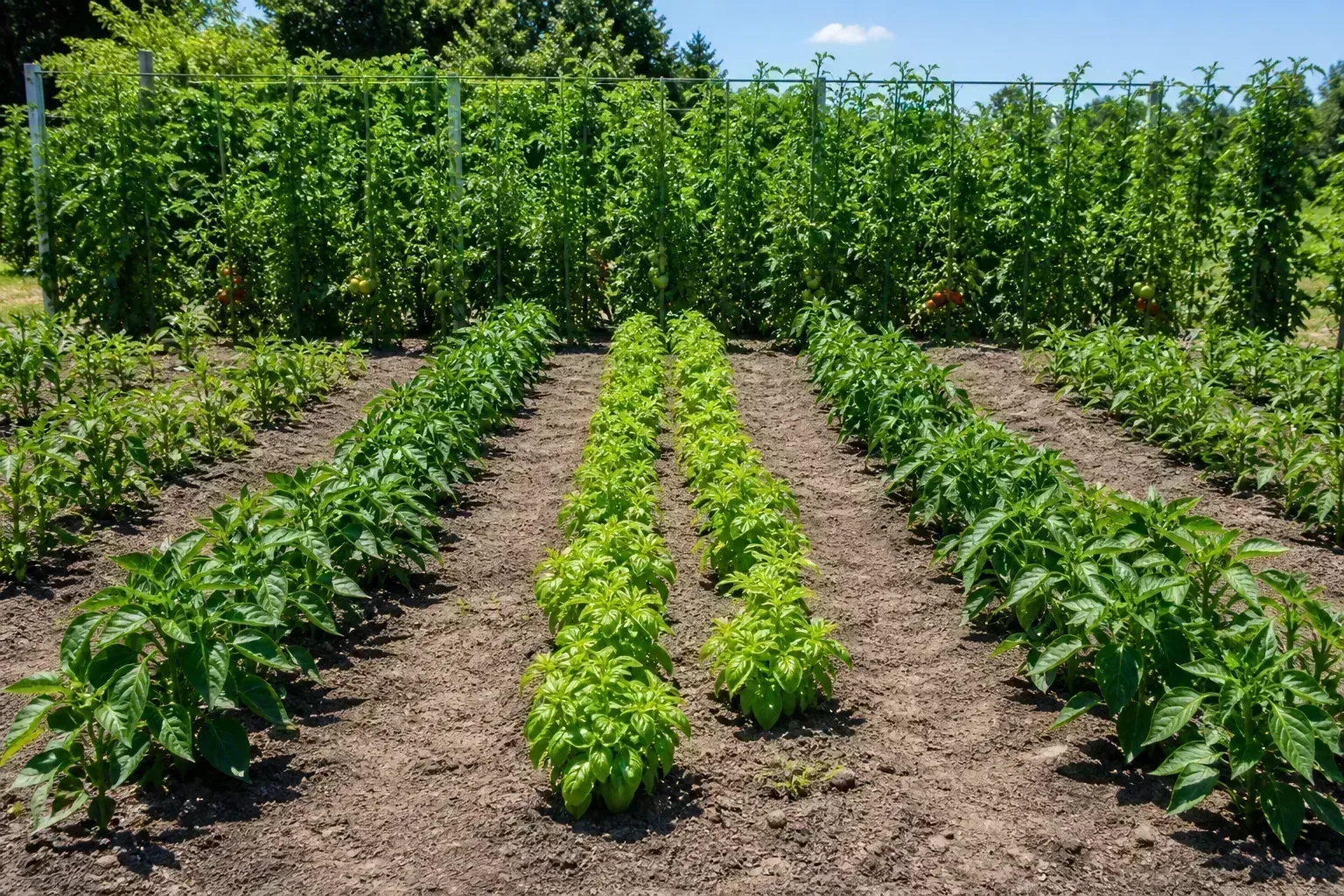
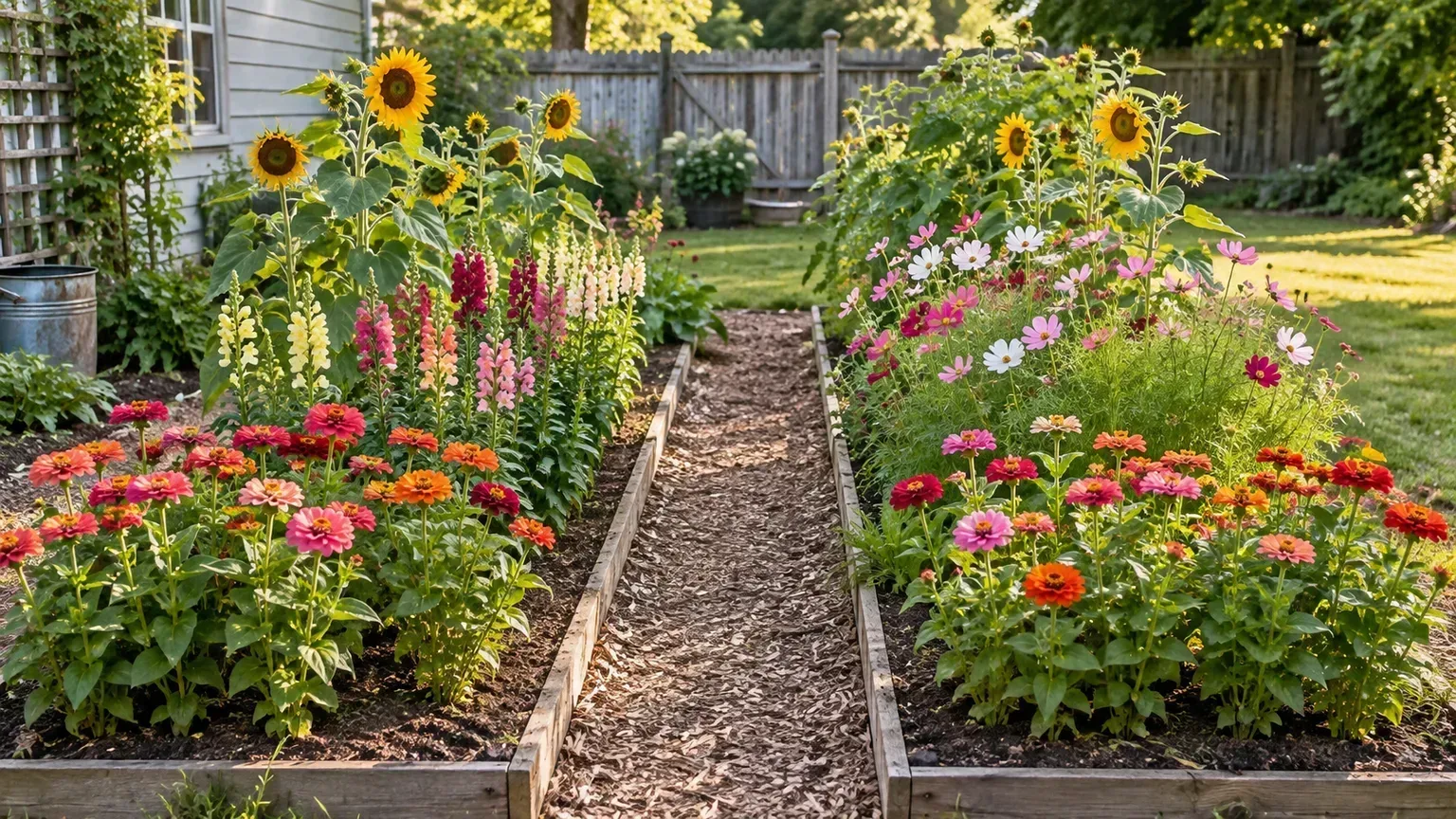
A productive patch reads like a grocery aisle if you plan height and season together. Put tall crops—tomatoes, trellised cucumbers, pole beans—on the north side of the bed so they do not shade lower plants. Front the bed with lettuce, radishes, herbs, and bush beans. Leave three-foot lanes for zucchini and squash to sprawl—or train squash vertically on sturdy trellises to save space.
Group heavy feeders (tomatoes, corn, squash) where you can amend with compost each year. Rotate brassicas, nightshades, and legumes to different beds seasonally when possible. Our vegetable garden layout guide walks through bed orientation and path width in more detail; our raised garden bed layouts guide helps if you are building new frames this spring.
Interplant fast crops between slow ones: radishes mark carrot rows and harvest before carrots need the space. Basil under tomatoes uses vertical airspace. Strawberries edge paths where fruit hangs over mulch, not mud.
Common Beginner Mistakes (and Fast Fixes)
Planting everything on one weekend. Stagger sowings every two weeks for lettuce, beans, and cilantro. Your future self eats better.
Skipping soil warm-up. Beans rot in cold soil; peppers sulk. Use a soil thermometer—not the calendar alone.
Overwatering tomatoes, underwatering germinating carrots. Match water to growth stage: steady moisture at germination; deeper, less frequent drinks once roots run.
Letting zucchini become baseball bats. Oversized fruit shuts down production and hides pests. Harvest small and often.
Buying seedlings that should be direct-sown. Carrots, beans, and radishes from packs rarely outperform seed you sow in place.
Expecting blueberries in alkaline clay. Test pH or grow in pots. Easy fruit is not easy in the wrong chemistry.
Giving up on asparagus in year one. The spears you see early are energy for roots—patience is the whole strategy.
Conclusion
Twenty-five crops can fill a backyard with flavor if you respect their clocks. Radishes, lettuce, peas, and beans prove the garden works in your first month. Tomatoes, peppers, cucumbers, and zucchini carry the summer table. Herbs turn every meal into a harvest story. Strawberries, asparagus, and fruit trees reward the gardener who stays put.
Start small: one sunny bed, three fast crops, two summer staples, one herb cluster. Add a perennial corner this year even if you will not eat from it until later. Easy vegetables are not the ones that never need care—they are the ones that still feed you when your care is imperfect. Plant the quick wins first; the long-game crops will be waiting when you are ready for them.