27 Pumpkin Varieties for Fall, Food, and Carving
Compare 27 pumpkin varieties by shape, color, flavor, and best use, then learn how to choose, grow, harvest, and store the right one for fall at home.
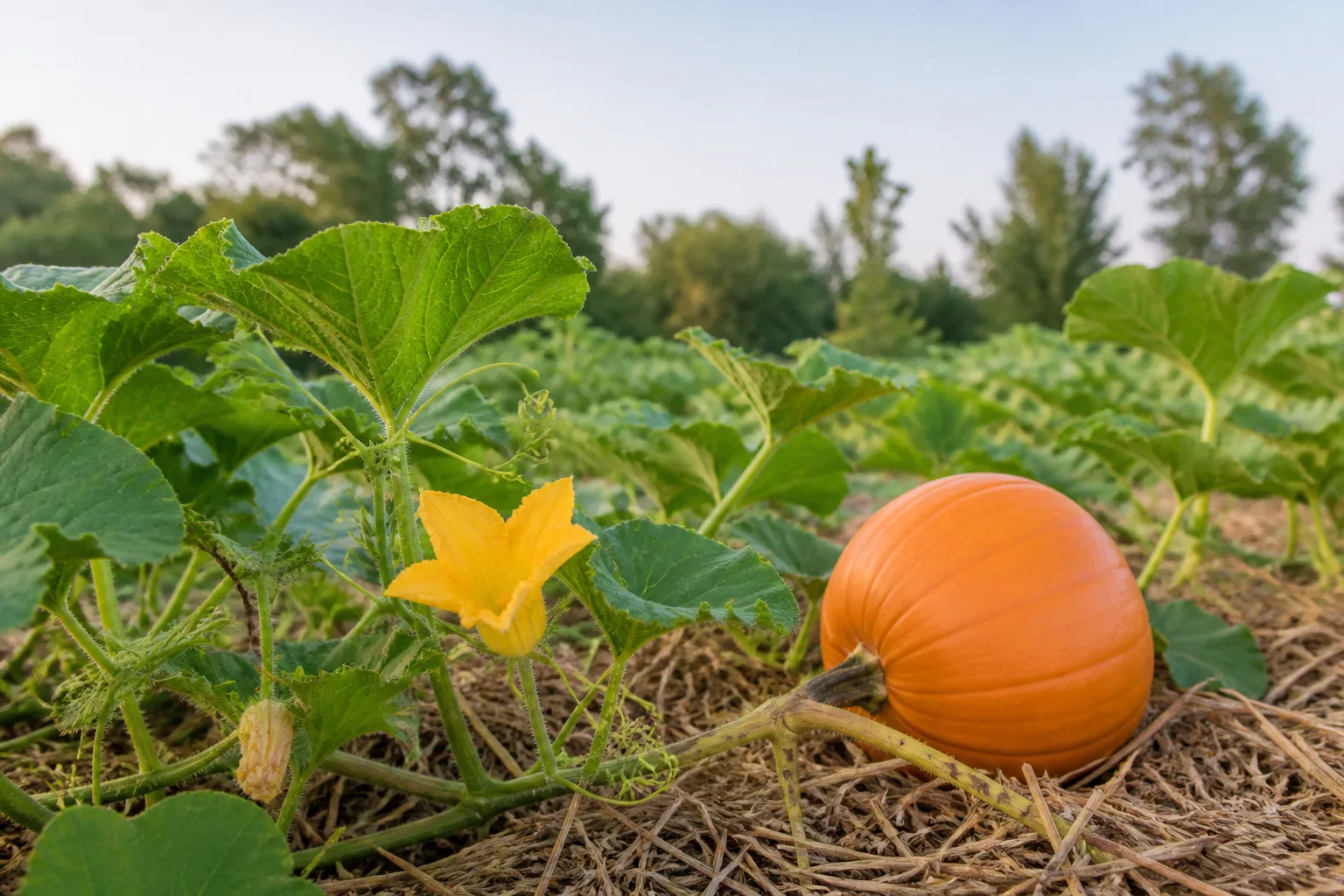
A pumpkin can be a kitchen ingredient, a carving shell, a miniature table decoration, or a fruit large enough to dominate a fairground display. The name alone does not tell you which job it does best. A useful shortlist weighs flesh quality, rind thickness, mature color, fruit size, and the amount of garden a vine will claim.
The 27 names below include familiar orange carving pumpkins as well as heirloom and specialty winter squash commonly sold or described as pumpkins. Treat size and “days to maturity” figures as estimates: seed strain, weather, pollination, water, and growing method all change the result. If you are buying seed, the current packet or breeder description is a better guide to expected size and timing than a number copied from a general list.
Choose a pumpkin by its job, not its color
Start with the outcome. If you plan to carve, look for a wide opening, a relatively thin but firm wall, a stable base, and a handle that can survive carrying. For pie or roasting, prioritize a dense, flavorful flesh and a manageable seed cavity; large jack-o’-lantern fruit often has more watery, stringy flesh than a variety selected for eating.
For fall décor, shape, color, and rind condition matter more than flavor. If you are growing pumpkins, match the vine’s footprint and season length to your site. A mini fruit does not mean a compact plant: many miniature varieties still send out long, sprawling vines. The table is a first pass, not a guarantee that every seed packet with the same name has identical traits.
| If you want… | Start with… | Check before choosing |
|---|---|---|
| A classic carving pumpkin | Jack O’Lantern, Howden, Connecticut Field | Wall thickness, stem strength, and fruit size |
| A pie or cooking pumpkin | Small Sugar, Long Island Cheese, Long Pie | Flesh texture, seed cavity, and intended culinary use |
| A large display | Big Max, Atlantic Giant | Vine space, support for the fruit, and a long warm season |
| A small decorative fruit | Munchkin, Jack Be Little, Batwing | The plant’s vine length, not only the pumpkin’s diameter |
| Unusual display color | Casper, Jarrahdale, Porcelain Doll, Royal Blue | Mature color, skin condition, and storage time |
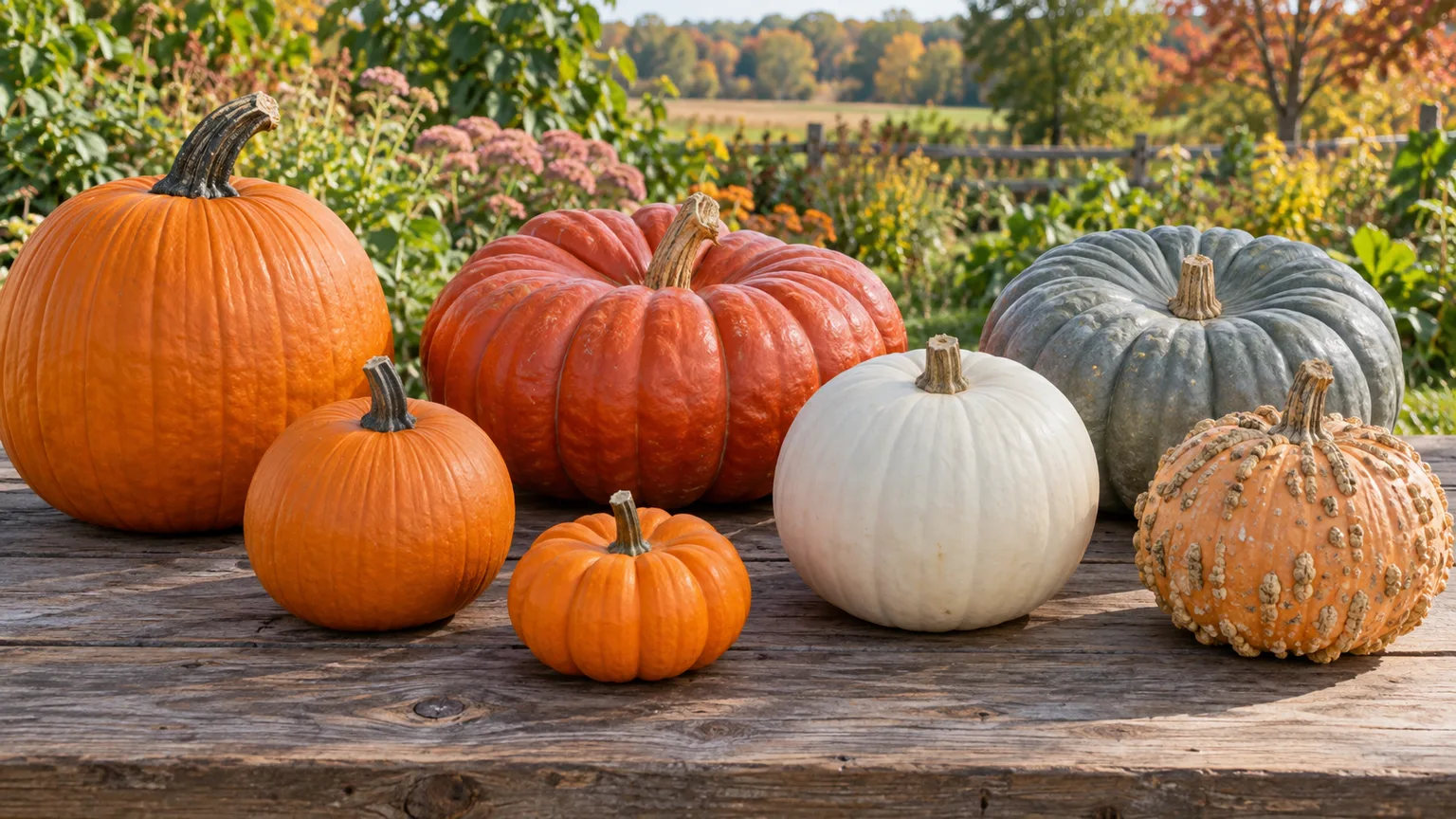
A quick comparison of 27 pumpkin varieties
These profiles focus on reliable visual cues and common uses rather than promising an exact weight. “Pumpkin” is a common name applied across several Cucurbita species; some familiar decorative types are botanically winter squash. That distinction can matter when comparing seed packets, but a gardener can choose effectively by reading the cultivar description and growing instructions. Penn State Extension notes that pumpkins and winter squash encompass multiple species, including C. pepo, C. maxima, and C. moschata, in its garden and kitchen guide. The Epic Gardening pumpkin-variety roundup is another useful cross-check for common appearance and culinary uses, while the named seed supplier remains the best source for a particular packet’s size and maturity claims.
Classic orange pumpkins for carving
These are the varieties to consider when you want the familiar Halloween outline. Look at the shoulders and stem as much as the color: a broad, stable fruit is easier to cut and display, and an intact stem helps the pumpkin look finished. A carving pumpkin’s thin wall is easier to cut, but also means it may soften faster once opened.
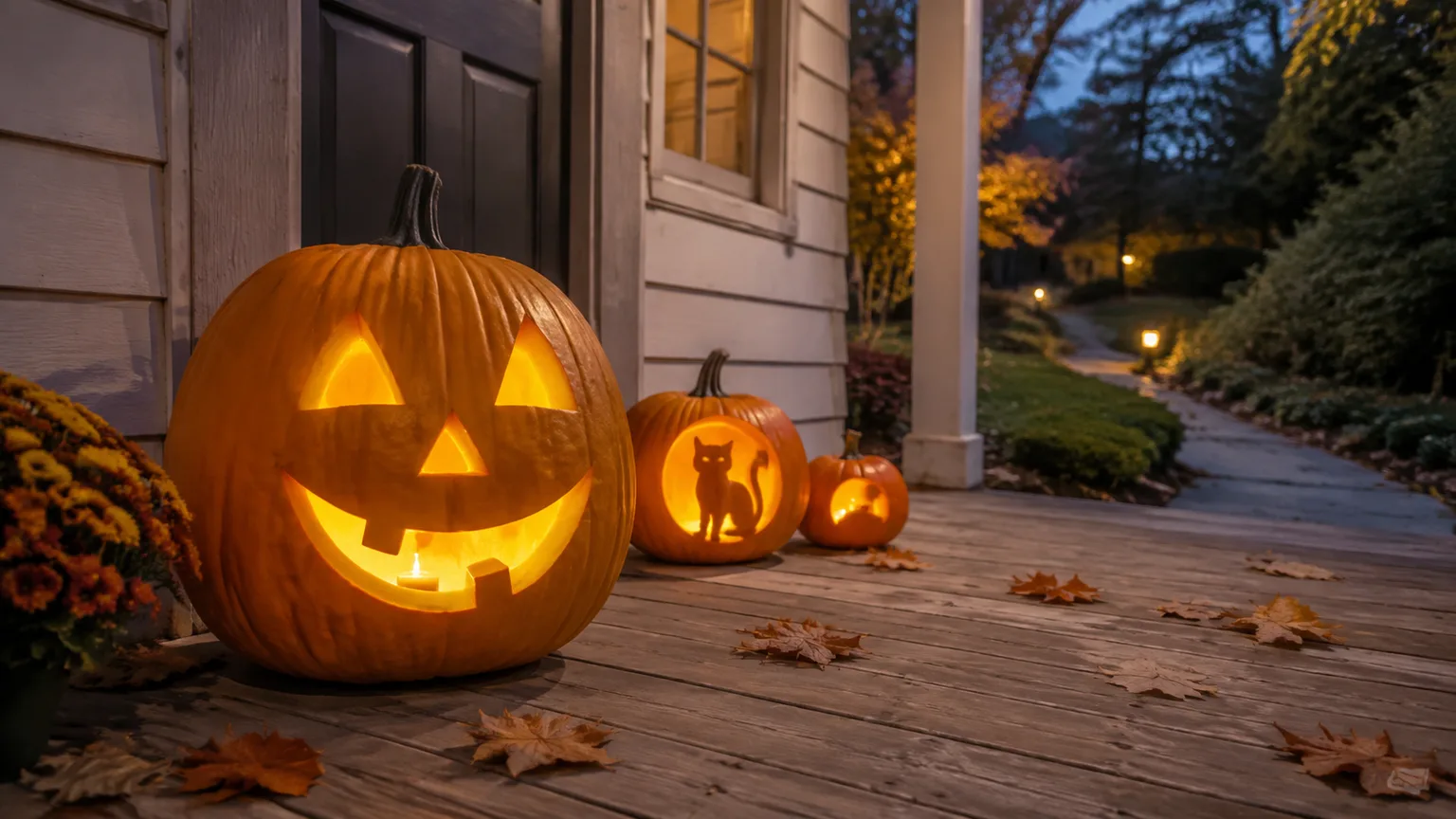
1. Jack O’Lantern. This is the classic name for a round-to-oval orange fruit bred for carving and fall displays. It usually offers a useful balance between a hollowable interior and a sturdy-looking profile. Some named Jack O’Lantern seed lines can also be cooked, but for pies or puree choose a strain specifically sold for eating rather than assuming every large carving fruit will taste good.
2. Connecticut Field. This traditional, large orange pumpkin is associated with both carving and cooking, and it has a long history in North American gardens. Fruit can be broad and slightly elongated, so it suits a farmstand display as well as a jack-o’-lantern. Its vines need room to spread; gardeners with short seasons should compare the seed packet’s maturity range with their local first-frost date.
3. Howden. A familiar commercial jack-o’-lantern type, Howden is valued for its deep orange color and conspicuous, sturdy stem. That handle makes it a strong display choice, though you should still lift the fruit from underneath instead of carrying it by the stem. If carving is your main goal, pick a firm, unblemished fruit with enough room on its face for your design.
Giant pumpkins for oversized displays
Big-fruited cultivars are exciting but make poor choices for a tight garden or a casual container. Their vines occupy substantial ground, and the largest fruit may need careful positioning before it becomes too heavy to move. The final size is not guaranteed by the cultivar name; a single 2025 West Michigan demonstration found variety-specific differences and strong irrigation responses in several large-fruited entries, a reminder that water and site conditions can substantially change size (Michigan State University Extension’s trial report).
4. Atlantic Giant. This is a go-to name for competition-sized pumpkins. Under intensive growing, selected fruit can become enormous, but an ordinary home garden should not plan around record weights. Give it a long season, fertile but not excessively nitrogen-rich soil, steady moisture, and open space. If you want a manageable porch pumpkin, choose a smaller type instead.
5. Big Max. Big Max produces large, usually round orange fruit and is used for oversized displays, carving, and sometimes cooking. The flesh may be less dense than a dedicated pie pumpkin, so size does not automatically translate to better eating. Allow a broad bed for the vines and treat the packet’s maximum weight as a potential under favorable conditions, not a typical harvest target.
Pumpkin varieties to cook and bake
The best cooking pumpkin is not necessarily the prettiest or biggest one. Small-to-medium varieties are easier to handle, tend to have a more favorable flesh-to-cavity ratio, and often deliver a denser texture after roasting. Before buying, check that the variety is sold for culinary use; if the fruit is labeled only for decoration, use it as décor rather than guessing at its eating quality.
6. Small Sugar. Small Sugar is a popular pie pumpkin with orange skin and compact, sweet flesh. Its modest size makes it practical to roast, scoop, and puree without wrestling a giant fruit. It can also serve as a small display pumpkin, but if your priority is a uniform carving face, a classic carving strain will usually be easier to work with.
7. Long Island Cheese. The broad, flattened tan fruit resembles a wheel of cheese and has a small-looking seed cavity relative to its body. It is an heirloom often grown for pies and other cooking, with a distinctive appearance that also works in a harvest display. Let the mature color guide harvest; the tan skin is not an early-ripeness sign of the same kind as orange pumpkins.
8. Fairytale. Fairytale is a large, deeply ribbed, flattened pumpkin with warm buff-to-orange skin. It earns its place in the kitchen as well as on a porch: the thick flesh is suitable for baking, soups, and puree. Its size means it may be more useful when you are cooking for a group or processing several portions than when you want a quick weeknight side.
9. Long Pie. Long Pie is an elongated heirloom sometimes harvested while partly green, with fruit that may continue to develop orange color after picking if it has already begun to mature. Its sweet flesh is associated with pies and storage. Do not use color alone to decide whether it is ready; compare rind firmness and the seed supplier’s maturity notes, and protect it from frost.
10. Black Futsu. This Japanese winter squash is usually small and ribbed, with dark green skin that can shift toward warmer tones as it cures. It is valued for nutty, richly flavored flesh and can be roasted, pureed, or used in savory dishes. Its rugged appearance adds to a fall display, but a deeply colored rind is a normal varietal trait rather than a sign of spoilage.
11. Marina di Chioggia. This Italian heirloom is strikingly squat and heavily knobbled, with dark green to gray-green skin. It is a useful example of why appearance does not predict flavor: the bumpy shell can conceal substantial, sweet flesh used in soups, gnocchi, and roasting. Because names and strains vary across seed sellers, confirm the expected fruit shape and season length when ordering.
Heirloom and specialty pumpkins for the kitchen
Some varieties bridge the gap between table and porch. Their unusual shape makes them decorative, while their edible flesh offers more than the generic flavor of a carving pumpkin. If you intend to cook one, keep a label through harvest and store it separately from purely ornamental purchases so you do not mistake a display fruit for your dinner ingredient.
12. Cinderella (Rouge Vif d’Etampes). This French heirloom is unmistakable: broad, flattened, and strongly ribbed, with deep reddish-orange skin. It is prized for a storybook display but is also used in soups, baking, and puree. Its shape is less convenient for a standard jack-o’-lantern face, so choose it for its silhouette and kitchen versatility rather than as a direct carving substitute.
13. Peanut (Galeux d’Eysines). This flattened, pale orange French heirloom develops raised, peanut-like corky patches as it matures. The bumps are a natural surface feature, not insect damage, though cracked or soft areas still deserve a closer inspection. Its sweet flesh is suited to soups and roasting, and the unusual rind makes it an easy conversation piece on a table.
14. Jarrahdale. Jarrahdale has a muted blue-gray to blue-green rind, flattened shape, and deep ribs. It is commonly grown as a decorative pumpkin and can also be cooked as winter squash. Let a fully mature, hard rind and the variety’s expected color—not the orange color of familiar carving pumpkins—guide harvest. The distinctive color makes it a useful anchor in a mixed display.
15. Turk’s Turban. Often sold with decorative pumpkins, Turk’s Turban is botanically a winter squash, recognized by its cap-like shape and colorful orange, cream, and green sections. It is edible when properly mature and can be used like other winter squash, but its shape and rind make it more suited to display than easy peeling. The BBC Gardeners’ World squash guide also groups it among the unusual squashes worth growing.
Mini pumpkins and seed-focused varieties
Small fruits make table settings and children’s craft projects easy, but check the growing habit before you assume a miniature plant belongs in a tiny pot. Many pumpkins need more root and vine space than their fruit size suggests. A large container can work for some compact types if it has drainage and consistent watering, but a garden bed is often the more forgiving option.
16. Munchkin. Munchkin bears small, flattened, ribbed orange pumpkins that look at home in a bowl or autumn centerpiece. The fruit size is more useful for decoration than large-scale cooking, although young, sound squash may be edible depending on the seed line. Give the plant room for its vine to trail and avoid choosing it solely because the mature pumpkins are small.
17. Jack Be Little. Jack Be Little produces tiny, flattened, bright orange fruit, often used as individual table decorations or little serving bowls. The compact fruit is easy to handle, but the plant still needs full sun and room to run. For edible use, follow the seed supplier’s instructions and cook thoroughly; a decorative fruit’s small size does not automatically make it a good pie pumpkin.
18. Batwing. Batwing is a novelty mini pumpkin with orange skin and dark green markings that can make each fruit look different. Its visual effect is strongest when several are grouped together, since color pattern varies among fruit. Treat it primarily as ornamental unless your packet confirms culinary use, and harvest when the fruit has its mature pattern and firm rind.
19. Kakai. Kakai is grown for distinctive hull-less seeds as well as its orange-and-green striped fruit. If you want edible seeds, this purpose is more important than the pumpkin’s modest size or ornamental color. The plant still needs enough space and a full growing season to ripen its seeds; harvest the fruit fully mature, then clean and dry the seeds before storage.
White, blue, and pastel pumpkins
Colorful pumpkins create variety in a display without relying on carved faces. White can read clearly in low light, blue-gray adds a cool contrast to orange, and pink or green-toned cultivars soften a porch arrangement. Choose firm, dry-skinned fruit and keep it out of direct sun if you want the color to stay attractive; bruises and wet patches matter more for storage than a naturally irregular shade.
20. Casper. Casper is a smooth, white pumpkin with the familiar rounded shape of a small-to-medium carving type. It can be painted or carved, and its bright rind makes it stand out beside orange fruit. Some growers also cook it, but flavor and texture vary, so use a culinary description from the seed supplier instead of assuming white skin signals sweetness.
21. Cotton Candy. Cotton Candy is a white pumpkin bred for an even, smooth surface and decorative use. Its pale skin is a natural fit for painting or a moonlit display, but direct sun and handling can dull or mark it. Treat it as a display choice unless the specific seed seller confirms it is suitable to eat.
22. Porcelain Doll. Porcelain Doll is a pinkish-peach hybrid with a flattened shape, ribbing, and ornamental appeal. It is also marketed for culinary use, so a gardener can get both a display fruit and a cooking squash from the same crop. Because hybrids do not reliably come true from saved seed, buy fresh seed if you want the distinctive color and form next season.
23. Royal Blue. Royal Blue is a blue-gray, flattened pumpkin often grown for decoration and contrast. Its color may look more slate or green in different light, so view the fruit in daylight before pairing it with other fall colors. Hybrid seed may not reproduce reliably; if uniform appearance matters, purchase seed from the same named cultivar rather than saving seed from an unknown cross.
24. Mint Prince. Mint Prince is a flattened, pale green-to-blue ornamental pumpkin that can sit steadily in a stacked display. It is a named seed variety, so match the seed packet to the expected fruit rather than relying on a generic “green pumpkin” label. Allow room for a vining plant, and handle the flattened fruit gently to protect its skin from scrapes.
25. Flat White Boer. Flat White Boer makes broad, flattened white fruit that can be stacked more securely than round pumpkins. A South African seed supplier describes it as a large, flat white type and lists a long growing period, so compare the packet’s season-length guidance with your own frost window. Its white skin and low profile make it a strong decorative pick; culinary claims can differ by strain and supplier.
Warty, striped, and unusual pumpkins
Unusual fruit is often the most memorable at a farm stand, but surface texture is not a quality grade. Natural corking and bumps can be part of a variety’s normal appearance; soft rot, leaking, deep cracks, or an unpleasant odor are not. The same rule applies to striped or mottled fruit: pattern can vary with cultivar and growing conditions, so judge firmness and damage separately from color.
26. One Too Many. One Too Many is a round, pale fruit marked with branching orange veining that can resemble an eye. It is primarily grown as a Halloween novelty and display pumpkin. Its unusual pattern can be less pronounced on some fruits, so select an intact specimen with clear markings if appearance is the priority; do not treat its novelty name as a promise of special flavor.
27. Goosebumps. Goosebumps is a bright orange pumpkin with raised green-to-orange warts. The bumpy rind is deliberate, making it a useful contrast to smooth fruit in a display. As with other ornamental hybrids, buy seed from a reliable supplier if you want that feature to repeat; saved hybrid seed can produce offspring that look different from the parent.
How to choose between similar varieties
When two varieties seem interchangeable, compare four details on the packet or farmstand tag. First, look for the intended use: carving, culinary, ornamental, or seed production. Second, compare the mature fruit size and form. Third, check whether the listing says open-pollinated or hybrid if seed saving matters. Finally, confirm days to maturity and count backward from the likely first frost, leaving a buffer for cool or cloudy weather.
A variety name is not a guarantee of a fixed weight. In the 2025 West Michigan trial, irrigation generally increased pumpkin size, but responses differed substantially by variety; the report describes one season, one site, and commercial plots, not a promise for every home garden. Use such findings to understand why water matters, then rely on your own seed packet and local conditions for a realistic target.
How much space do pumpkin vines need?
The vine often occupies more garden space than the fruit. Penn State Extension’s home-garden guide gives a broad spacing range of roughly 4 to 5 feet between vining plants and 6 to 8 feet between rows, with bush types closer; those dimensions are useful starting points, not a substitute for a packet’s specific habit. A mini pumpkin with 4-inch fruit can still sprawl across a bed.
If you have a small yard, choose a genuinely short-vined or bush type when one is available, plant at the bed edge so vines can trail outward, or grow a smaller-fruited cultivar in a large container with frequent checks for moisture. Trellising can save ground space for smaller fruit, but a heavy pumpkin needs a strong support and a sling; do not suspend a giant variety over a walkway. Keep pathways accessible so leaves and vines do not become an obstacle to watering or harvest.
Grow pumpkins to reach their expected size
Pumpkins need a long stretch of warmth, full sun, fertile well-drained soil, and steady moisture. Plant after frost danger has passed and the soil has warmed; seed packets give local instructions on whether to sow directly or start transplants. The BBC Gardeners’ World pumpkin and squash growing guide also stresses warmth, fertile soil, and waiting until frost risk has passed before planting outdoors.
Water deeply near the base, especially while flowers open and fruit begin to set. A dry spell during flowering can lead to poor fruit set or smaller fruit, while overhead watering that keeps foliage wet can encourage disease. Give vines room for airflow, use mulch to limit moisture swings, and follow soil-test advice rather than repeatedly adding high-nitrogen fertilizer. Penn State notes that excess nitrogen can delay maturity and reduce storage quality in winter squash.
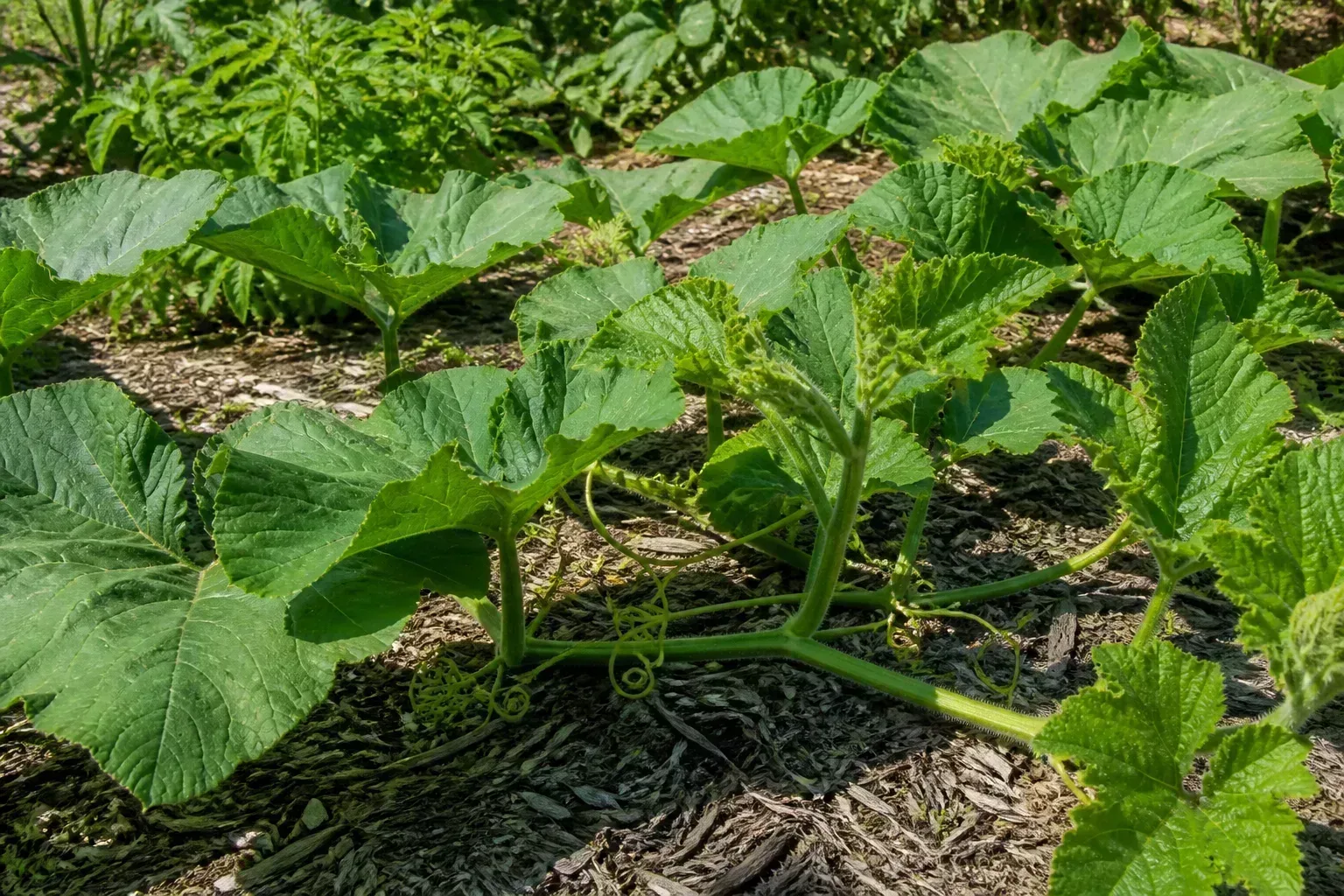
Most pumpkin plants produce separate male and female flowers. Pollinating insects transfer pollen from male flowers to female blooms, which have a small swollen fruit behind the flower. If blossoms appear but fruit never develops, consider whether flowers opened during hot, wet, or cold weather, whether pollinators are active, or whether the plant is under water stress before blaming the cultivar. A well-grown plant still cannot guarantee the number or size of fruit shown in a catalog.
When to harvest pumpkins of different colors
Use the variety’s mature color as one signal, not the only one. A ripe pumpkin should have a hard rind that resists a fingernail, firm skin, and a stem that is beginning to dry or cork. For a white, blue, tan, or pink cultivar, “ripe” means its own mature color, not orange. If the seed packet gives a maturity window, start checking fruit as that period approaches and combine the estimate with rind and stem signs.
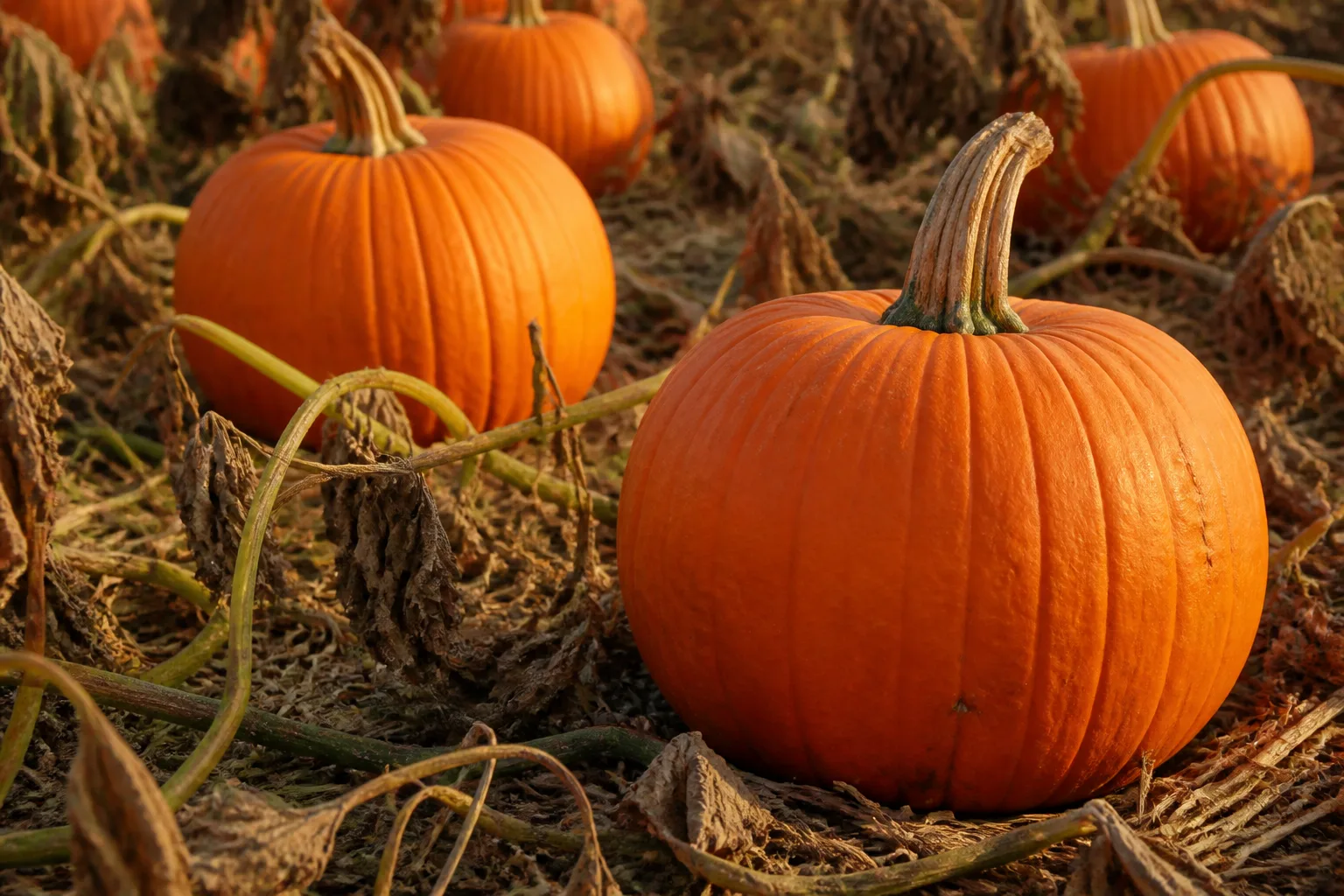
Harvest before a hard frost, which can weaken the rind and shorten storage life. If a fruit is nearly mature and the vine is threatened by frost or disease, cut it with several inches of stem and let it finish coloring in a dry, ventilated place; immature green pumpkins do not store as well as fully mature fruit. Cut rather than twist the stem, and carry the fruit from underneath. Penn State Extension recommends leaving about 3 to 4 inches of pumpkin stem and warns that carrying the fruit by its handle can break it and create an entry point for rot.
Cure and store pumpkins with less rot
For pumpkins you want to keep, choose sound fruit with an intact stem and no soft spots, deep cuts, or bruises. Let the rind dry and harden in a warm, airy location for about 7 to 14 days when conditions allow. Then move cured pumpkins to a dry, ventilated place, generally around 50 to 60°F; avoid a damp basement, sealed plastic, or a freezing garage. Penn State’s home guide gives 50 to 60°F and 50 to 75% relative humidity as a storage range for winter squash, with most types lasting about two to three months and some lasting less or more.
Storage life depends on cultivar, maturity, damage, and conditions. A display pumpkin sitting in direct sun, rain, or a warm room may decline much faster than an undamaged fruit in cool, dry storage. Check stored pumpkins every week or two and move any fruit with a spreading soft spot away from the rest. Use damaged but otherwise sound fruit promptly, and discard fruit that leaks, smells sour, or has extensive mold.
A carved pumpkin is a different case: cutting the rind starts a short display window, not long-term storage. Keep it cool and dry between display periods, and do not store a carved pumpkin with food intended for later cooking. If the pumpkin is meant for the kitchen, carve a different fruit and keep the culinary one whole until preparation.
What to check when buying a pumpkin
At a farm stand, first confirm whether the pumpkin is sold for eating, carving, or décor. Then inspect the stem and the underside. A sturdy attached stem, firm rind, and dry base are better signs than sheer size. Turn the fruit gently if the seller allows; hidden soft spots and cracks can appear where it rested on wet ground.
Choose a pumpkin whose shape fits the job: a flat Cinderella for a low, sculptural display; a stable, medium carving type for a jack-o’-lantern; a Small Sugar or another culinary type for roasting; and a sturdy, uncut fruit for storage. Avoid treating weight as a quality score. The right fruit is the one you can handle, use, and store safely, with enough intact rind to last through the season.
Conclusion
The best pumpkin variety depends on whether you want to eat it, carve it, display it, or grow an unusually large fruit. Start with the intended use, then compare rind, flesh, vine habit, maturity window, and expected storage. Names such as Small Sugar, Howden, Atlantic Giant, and Jarrahdale point toward useful tendencies, but conditions and seed lines still matter.
If you are shopping, inspect the individual fruit instead of assuming every pumpkin with a familiar name has the same quality. If you are planting, read the current packet, reserve more vine space than the mature fruit size suggests, and harvest by color, rind, stem, and frost risk together. That simple match between variety and purpose makes a more satisfying fall crop than choosing by appearance alone.