Red Twig Dogwood Care: Planting and Pruning Guide
Learn red twig dogwood care, from choosing Cornus species and planting in moist soil to pruning for vivid winter stems and solving common problems.
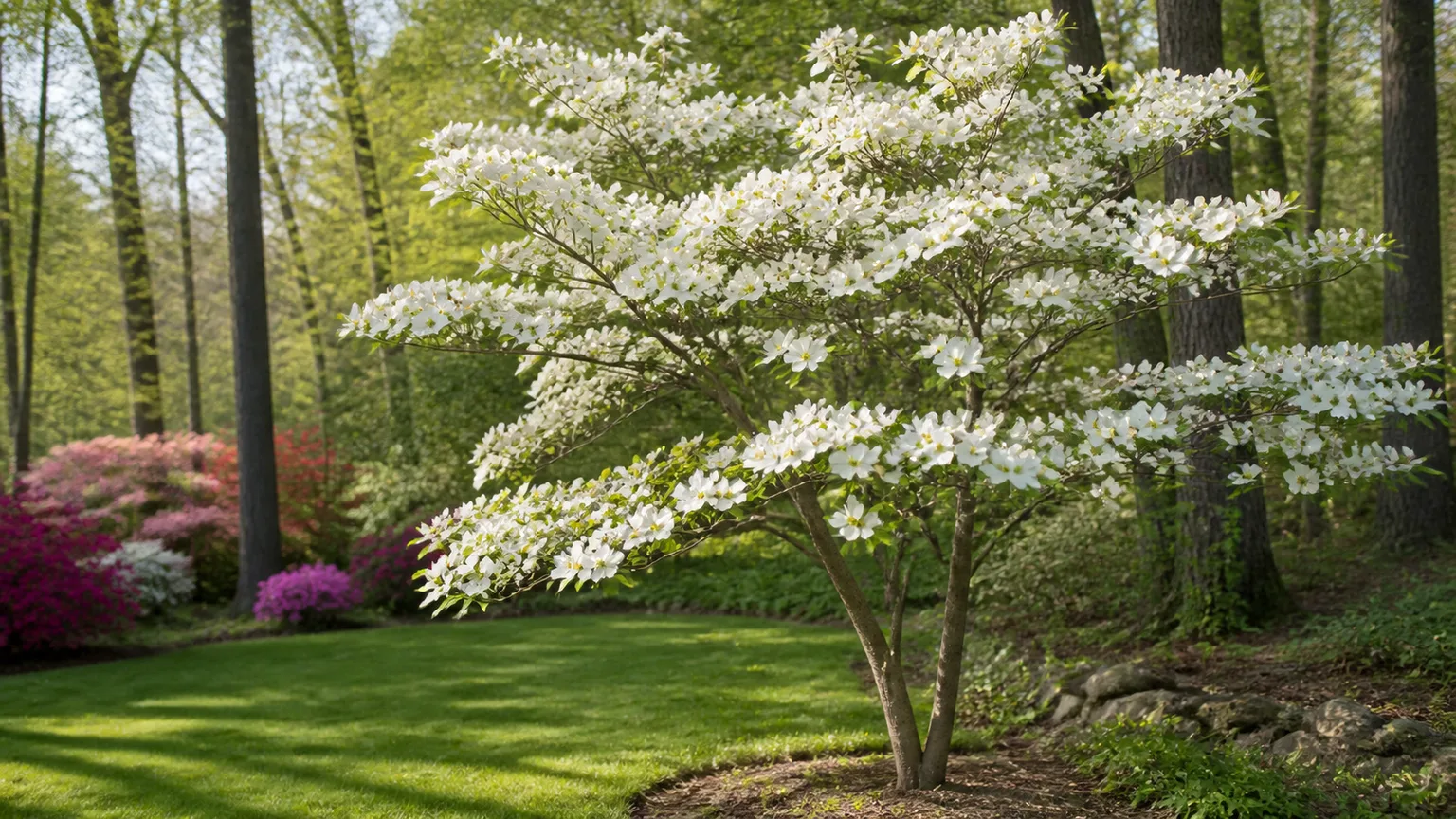
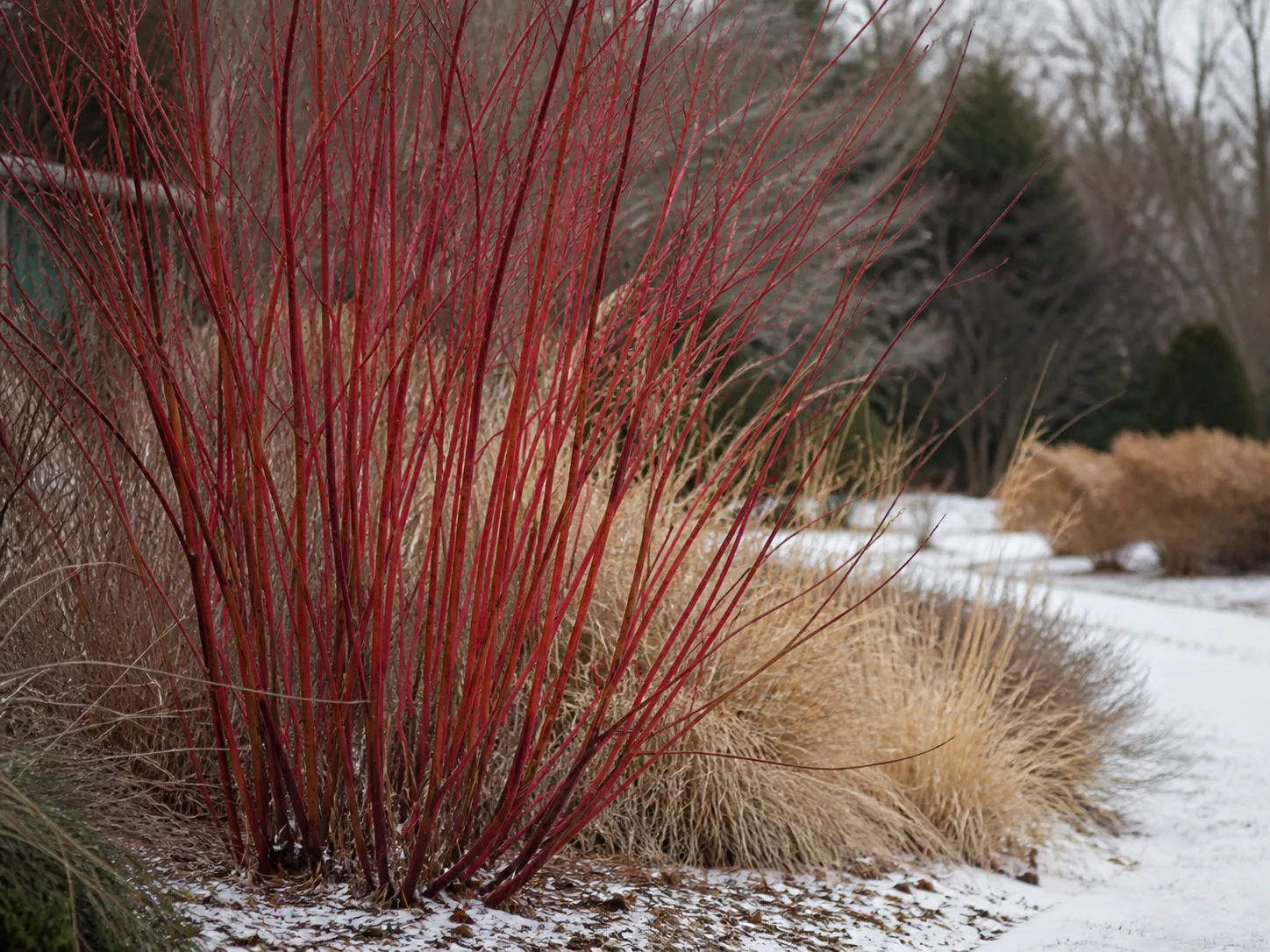
Red twig dogwood is less a single plant than a useful group of deciduous shrubs grown for young stems that glow red, coral, orange, or yellow after the leaves fall. The plants also offer clusters of small flowers, berries, fall color, and dense cover for wildlife. Their strongest landscape feature, however, is seasonal: the newest shoots usually show the most intense color, while older bark becomes duller and woodier.
That detail changes the care plan. A red twig dogwood planted in the right light but never renewed can become a large, ordinary-looking thicket. A shrub cut aggressively every year may stay colorful but lose flowers and habitat. The goal is a balanced cycle of establishment, selective renewal, and enough room for the plant’s natural spread.
Decide Which Red Twig Dogwood You Are Buying
Nursery labels often use “red twig dogwood” for several species. The commonly sold groups include red osier dogwood (Cornus sericea), Tatarian dogwood (Cornus alba), and bloodtwig dogwood (Cornus sanguinea). They overlap in appearance but differ in mature size, spread, stem color, and behavior.
Red osier dogwood is a North American species that tolerates consistently moist ground and can spread by suckers to form a colony. That makes it valuable for erosion control or a rain-garden edge, but it can be too assertive for a narrow foundation bed. Tatarian dogwood is often sold in variegated or compact cultivars and is useful when you want foliage interest as well as winter stems. Bloodtwig dogwood, native to Europe, is often selected for multicolored stems such as the orange-to-red effect of ‘Midwinter Fire’.
Ask for the botanical name and mature width, not just a red-stem description. A named cultivar gives you a better prediction of color and size, while a seed-grown plant can vary. The Missouri Botanical Garden and University of Minnesota Extension both emphasize that the species and selection matter when identifying and placing these shrubs: https://www.missouribotanicalgarden.org/PlantFinder/PlantFinderDetails.aspx?taxonid=279363 and https://extension.umn.edu/trees-and-shrubs/tartarian-dogwood.
Red osier, Tatarian, and bloodtwig dogwood compared
| Group | Best fit | Watch for |
|---|---|---|
| Red osier, C. sericea | Moist sites, naturalized colonies, erosion control | Suckering and broad spread |
| Tatarian, C. alba | General garden use and variegated cultivars | Cultivar size and variable stem color |
| Bloodtwig, C. sanguinea | Multicolored winter borders | A more open, sometimes leggy habit |
Choose a Site for Color and Long-Term Health
Give red twig dogwood full sun to partial shade. More direct light generally produces stronger winter stem color, but a hot site with dry soil can scorch foliage and stress the root system. In warm or dry regions, morning sun with afternoon protection is often a better compromise than reflected heat beside pavement.
Moisture is important, but “likes wet soil” does not mean “plant it in a permanently stagnant hole.” The ideal bed holds moisture while still draining excess water. Before planting, dig a hole about as deep as the root ball, fill it with water, and watch how quickly it empties. If water sits for many hours, move the shrub to a naturally higher spot, improve drainage across the bed, or choose a plant adapted to true saturated conditions.
Allow for width. Many red twig dogwoods mature roughly 6 to 10 feet tall and can spread at least as wide, with some colonies becoming broader over time. Space plants far enough apart for air movement and access to the oldest stems. A crowded hedge is harder to prune, dries slowly after rain, and hides disease symptoms.
Match the Shrub to Your Climate and Garden Job
In cold-winter regions, red twig dogwoods are valued for dormant-season color and are commonly grown within roughly USDA Zones 3 through 8, depending on species and cultivar. In hotter climates, afternoon shade, reliable moisture, and good air circulation matter more than forcing a full-sun planting. Regional performance can differ, so use the mature dimensions and hardiness information on the nursery label rather than assuming every red-stemmed dogwood behaves alike.
For a rain-garden edge or erosion-prone slope, a suckering red osier selection may be the most functional choice. For a small mixed border, a compact Tatarian cultivar may be easier to manage. The Royal Horticultural Society’s profile of Cornus alba is a useful reminder that cultivar form and seasonal stem color should be considered together: https://www.rhs.org.uk/plants/4044/cornus-alba/details.
Plant Red Twig Dogwood Correctly
Plant container or balled-and-burlapped shrubs in spring after the soil is workable or in early fall while roots still have time to establish. Choose a plant with flexible young stems, an intact root ball, and no sunken lesions or cracks at the base.
Dig two to three times wider than the root ball, but no deeper. Set the shrub so the crown and upper roots are level with, or slightly above, the surrounding soil. Backfill with the soil you removed rather than creating a rich, abrupt pocket that can hold water around the roots. Water slowly to settle the soil and expose any sinking crown before finishing.
Add 2 to 3 inches of shredded leaves, composted bark, or another stable mulch. Keep mulch several inches away from each stem. A mulch volcano holds moisture against bark, hides insect or disease damage, and can encourage decay. Remove grass from the planting circle so young roots do not compete with turf.
Water During Establishment and Drought
For the first growing season, check soil beneath the mulch with a finger or trowel rather than watering by calendar alone. When the upper few inches begin to dry, water slowly at the soil line until the root ball and surrounding soil are thoroughly moist. In a dry spell, a newly planted shrub may need a deep watering about weekly; sandy soil, wind, heat, and container size can shorten that interval.
Once established, red twig dogwood usually needs supplemental water only during prolonged drought or when planted in an unusually exposed site. Water deeply and less often instead of sprinkling a little every day. Shallow, frequent irrigation encourages surface roots and keeps foliage wet, while saturated soil deprives roots of oxygen.
If leaves wilt at midday, feel the soil before adding water. Temporary heat droop can occur even when moisture is adequate. Conversely, a plant in wet soil can wilt because damaged roots cannot supply water. That distinction prevents the common mistake of responding to every wilted leaf with more irrigation.
Mulch and Fertilize Without Overfeeding
Red twig dogwood has modest fertilizer needs. If annual growth is steady and leaves are normally colored, skip routine feeding. A thin spring layer of finished compost can support the soil without forcing a soft flush of growth. Use a soil test when poor growth suggests a nutrient problem, and correct the identified deficiency rather than guessing with repeated high-nitrogen fertilizer.
Do not fertilize late in the season. Tender late growth may be less prepared for cold, and extra foliage does not solve a site with poor drainage, compacted soil, or inadequate light. Keep lawn fertilizer from washing into the shrub’s root zone, especially where it could encourage uneven, weak growth.
Prune for the Brightest Young Stems
The most reliable way to improve winter color is to remove some old wood and make room for new shoots. Late winter or very early spring, before strong new growth begins, is a practical pruning window. Remove dead, damaged, crossing, and diseased stems first. Then remove the oldest, dullest stems at ground level, taking no more than about one-third of the total each year.
If the entire shrub is badly overgrown, a hard rejuvenation cut can work for vigorous plants, but it sacrifices flowers and berries for that season and should not be the default for a weak or drought-stressed shrub. A gradual renewal plan is easier on the plant and preserves some structure.
A simple renewal-pruning sequence
- Walk around the shrub and identify the oldest gray-brown stems.
- Remove dead or diseased wood first, cutting back to healthy wood or the base.
- Cut one-quarter to one-third of the oldest live stems at ground level.
- Thin crowded shoots so the remaining stems have air and light.
- Step back before making additional cuts; do not shear every stem to one height.
Make cuts just outside the branch collar and use sharp, clean pruners or loppers. If you remove a diseased stem, disinfect the tool before the next cut. The University of Kentucky’s dogwood guidance is a useful reference for recognizing why clean cuts and sanitation matter: https://www.uky.edu/hort/Flowering-Dogwood%20.
Know When to Leave the Shrub Alone
Do not prune simply because the shrub looks untidy in summer. Leafy stems are making the energy that supports roots, flowers, and next season’s growth. Delay major cuts if the plant is drought-stressed, newly transplanted, or recovering from storm damage. First correct watering, drainage, or competition; then renew stems when the shrub is dormant and has reserves.
Manage Suckers and Natural Spread
Suckers are new shoots arising from the base or roots. They are part of the plant’s natural strategy, not automatically a sign of poor health. On a slope or wet edge, a spreading colony can stabilize soil and provide dense cover. In a small bed, the same habit can crowd paths and competing shrubs.
To contain spread, pull or cut suckers as close to their origin as possible when the soil is moist. Repeated removal is more effective than clipping only the visible tip. A root barrier can help in some designs, but it is not a substitute for choosing a less spreading cultivar or giving the shrub adequate room. Avoid damaging the parent crown while digging out shoots.
Follow the Shrub Through the Seasons
Spring brings small, usually white flower clusters and fresh green leaves. Summer foliage forms the plant’s energy supply while berries develop; some selections have variegated leaves that brighten shade or woodland edges. Fall may add red or purple leaf tones. After leaf drop, the young stems become the feature that justifies the earlier pruning work.
Color often appears strongest in winter after several months of cold weather. It naturally fades as stems age and as warm-season growth begins. That is not a failure of the shrub. It is a signal to renew a portion of the plant during the next dormant season.
Encourage Flowers, Berries, and Wildlife Value
If flowers and fruit matter to you, do not cut every stem to the ground each year. Flowering usually occurs on older wood, so preserve a mix of ages: young colorful stems for winter and mature stems for bloom and fruit. This is the central trade-off between maximum stem color and maximum seasonal habitat.
Red twig dogwood can provide cover for birds and other wildlife, especially when allowed to form a loose group. Berry presence and wildlife use vary with species, cultivar, weather, and surrounding habitat. Do not assume that a bird-friendly shrub is automatically safe for every pet or that a berry is edible; prevent pets and children from chewing ornamental plant material and consult a veterinarian or poison-control resource if ingestion occurs.
Propagate Non-Restricted Plants
Hardwood cuttings can be taken from healthy, non-restricted plants during dormancy. Choose pencil-thick stems and make 6- to 9-inch sections with a bud near each end. Keep track of which end is the base, insert the cuttings into a well-drained propagation medium, and protect them from drying wind and severe cold. Rooting may take a full season, so patience is part of the process.
Softwood cuttings taken during active growth can also root under high humidity, but they require closer attention to moisture and wilting. Keep the medium lightly moist rather than waterlogged and move rooted cuttings gradually into normal outdoor conditions.
Do not assume that a named cultivar may be freely propagated for sale. Trademark and plant-patent status vary, and nursery terms may restrict propagation. Buy a correctly labeled plant when uniform foliage or a particular cultivar is important.
Troubleshoot Fading Color and Common Diseases
Stems are not red. First check age: old stems naturally lose vivid color. Next check whether the shrub is shaded by a new tree, overfed with nitrogen, or pruned so lightly that young wood is scarce. Renew a portion of the oldest stems during dormancy and correct the site problem rather than painting or treating the bark.
Black or sunken stem patches. Cut affected stems back to healthy wood and disinfect tools between cuts. Improve air movement by thinning crowded growth and avoid repeatedly wetting foliage. If lesions continue to spread or the whole shrub declines, contact a local extension service for diagnosis rather than applying a broad pesticide blindly.
Leaf spots or premature browning. Inspect the undersides of leaves and the soil moisture first. Leaf spots are favored by wet foliage and poor air circulation, while drought, salt, heat, and root damage can also brown leaves. Remove heavily affected fallen leaves, water at the soil line, and prune only enough to open the canopy.
Scale, leaf miners, or bagworms. Look closely before treating. A few insects rarely justify a broad-spectrum spray on an established shrub. Hand removal, pruning of heavily infested small branches, and improved plant vigor may be enough. For any pesticide, follow the product label and local regulations; the label, not a general internet recipe, determines legal use.
Use Red Twig Dogwood in the Landscape
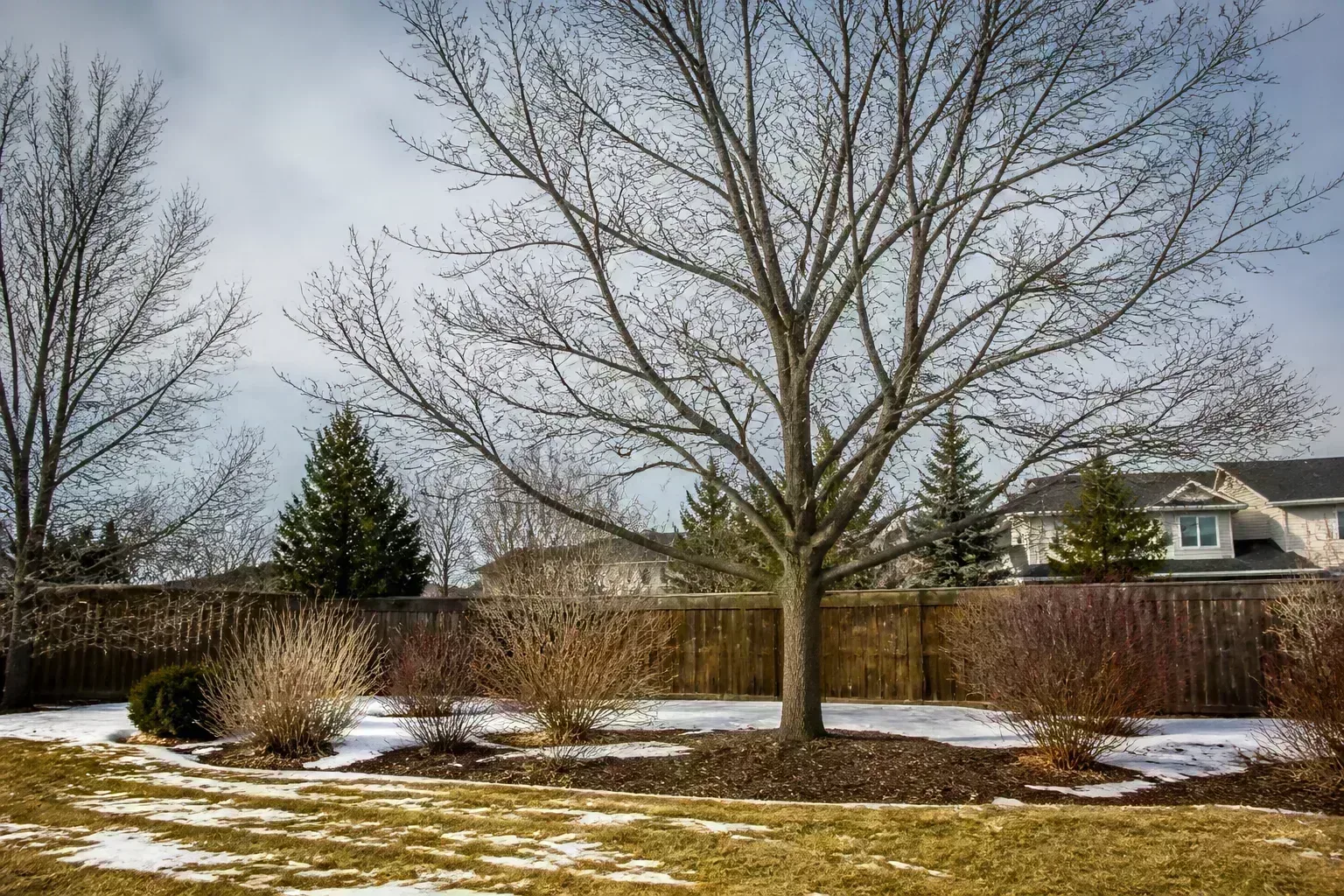
Place a specimen where winter stems can be seen against a dark fence, evergreen screen, or snowy background. Group several plants along a drainage swale, pond margin, or slope when their spreading habit is an advantage. Pair them with moisture-tolerant perennials and grasses that do not hide the lower stems in winter.
Avoid planting directly under roof runoff unless the site drains well enough to prevent prolonged saturation. Avoid narrow foundation spaces unless you have confirmed the mature width and a cultivar with manageable spread. The best location is one where the shrub can be allowed to look like a shrub, with space for renewal cuts and access to its base.
Conclusion
Red twig dogwood care is a matter of matching the right species or cultivar to the site, keeping the root zone evenly moist but not stagnant, and renewing old stems before winter color fades from the planting. Give it light, room, mulch kept off the crown, and patient first-year watering. Then prune selectively: retain some mature wood for flowers and wildlife while removing enough old stems to keep a supply of vivid young growth. That simple cycle turns a fast-growing thicket into a dependable four-season landscape plant.