How to Grow and Care for Pink Muhly Grass
Learn how to grow pink muhly grass with the right sun, soil, water, pruning, propagation, winter care, and bloom troubleshooting.
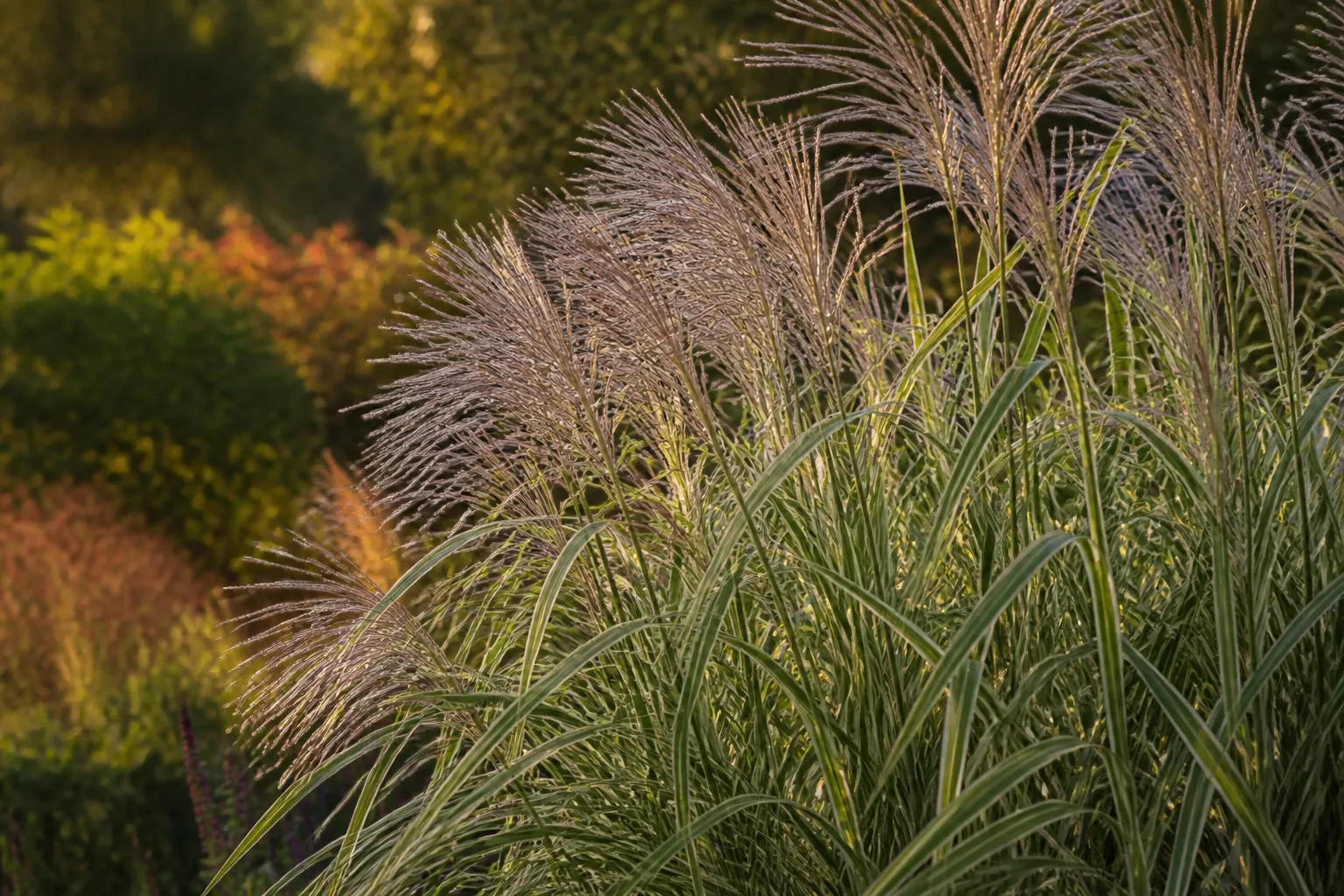
Pink muhly grass (Muhlenbergia capillaris) is a warm-season, clump-forming ornamental grass that earns its keep late in the year. From late summer into fall, airy pink to rosy-purple flower panicles hover above narrow green foliage like a soft cloud. The plant is not delicate, though. Once established, it handles heat, dry spells, lean soil, and even some salt better than many flowering perennials.
The trick is to give it the kind of site it evolved to use: bright sun, good drainage, and enough room for air to move through the clump. Most disappointing plants are not asking for a complicated fertilizer program. They are planted too deeply, kept wet, shaded by a shrub, or cut back just when they are preparing to bloom.
Start with the site: sun, drainage, and mature width
Pink muhly grass is happiest in full sun, meaning at least six hours of direct light and preferably more. Morning sun with bright afternoon light can work, but a position shaded for much of the day usually produces a green mound with few or no plumes. Light is especially important in late summer, when the plant is building the flowering stems that create the fall display.
Choose a place where water drains away after rain. For regional planting windows and cold-weather limits, use the USDA Plant Hardiness Zone Map alongside local extension advice rather than treating a zone label as a guarantee. Plant profiles from NC State Extension and the Missouri Botanical Garden describe it as adaptable to clay, sand, loam, rocky soil, and a range of pH conditions, but it does not tolerate a crown that stays saturated. A low spot that remains wet after a storm is a poor match even if the soil is technically fertile. If you have heavy clay, improve the planting area by making the surface broad and slightly raised rather than digging a rich, water-holding pocket.
Allow roughly 2 to 3 feet of mature height and width for a typical clump. Space plants so their mature foliage can touch lightly without forming a permanently damp wall. Crowding makes the plant look smaller at first, but it reduces airflow and turns division and cleanup into a chore later.
What pink muhly grass looks like through the seasons
In spring, new green blades emerge from the crown as soil warms. During summer the plant builds a rounded fountain of fine foliage, often without looking especially dramatic. That quiet stage is normal; the late-season flower show is still being prepared below the canopy.
Flower stalks appear from late summer into fall, with the strongest display often arriving from September through November in warm regions. The plumes are technically flower panicles, not fluffy petals. They catch low autumn light and can remain attractive after the color fades, especially when left standing through early winter.
The foliage may brown after hard freezes or remain partly evergreen in mild climates. Do not judge the plant in midsummer by the absence of pink. Judge it by whether it is making a dense, healthy clump in a bright, well-drained location.
Planting pink muhly grass without a slow start
Plant nursery-grown divisions or containers in spring after the soil has warmed, or in early fall while roots still have time to establish before cold weather. Spring is the safer choice in regions with severe winters; early fall can be excellent where the ground does not freeze quickly.
Dig a hole no deeper than the root ball and about twice as wide. Set the crown at the same level it occupied in the container. Planting an ornamental grass too deeply buries the growing point and can keep the center wet. Backfill with the native soil unless it is severely compacted or contaminated. A pocket of rich compost surrounded by poor clay can act like a bathtub, so blend amendments through the wider planting zone rather than creating a small, soft hole.
Water slowly after planting to settle the roots, then apply a thin layer of mulch around—but not against—the crown. Mulch helps the new plant handle heat, but a thick wet collar around the base can invite rot. Keep the first-season root zone evenly but not constantly moist while roots extend outward.
Spacing, soil preparation, and transplant timing
Use the plant’s mature width, not the size of the nursery pot, to set spacing. For a strong standalone accent, allow at least 2 feet in every direction; give vigorous selections more. If you want a mass planting, measured spacing produces a cleaner drift than planting tightly and hoping the clumps sort themselves out.
Pink muhly grass is a good candidate for a difficult sunny edge, but “tolerant” does not mean “indestructible.” Test drainage by filling the planting hole with water and watching how quickly it empties. If water lingers for many hours, plant on a mound or choose a different location. Do not use a raised bed or berm to compensate for a site that is flooded repeatedly from runoff; correct the drainage source first.
Watering from planting day through drought
For the first growing season, water when the top 2 inches of soil dry. Apply enough to moisten the root ball and surrounding soil rather than sprinkling the blades every day. Frequency depends on heat, wind, soil, and rainfall; a new plant in sand may need attention several times a week, while one in clay may need much less.
After establishment, pink muhly grass is drought tolerant and often needs no irrigation beyond normal rainfall. The University of Florida IFAS gardening profile likewise emphasizes sun, drainage, and restrained watering for established muhly grass. During an extended hot, dry spell, check the soil at the root zone. If it is dry several inches down and the foliage is curling, dull, or collapsing, give a slow, deep watering and let the surface dry again. Frequent shallow sips encourage shallow roots and keep the crown wet without building resilience.
Water at the soil line in the morning when possible. Wet, crowded foliage that stays damp overnight is more vulnerable to fungal spotting. Drip irrigation or a hose aimed beneath the clump is more useful than a sprinkler that repeatedly wets the whole plant.
Fertilizing: why less is usually better
Established pink muhly grass usually grows well without routine fertilizer. A nitrogen-heavy lawn product can produce lush, floppy blades at the expense of strong flowering stems. It can also make the plant look impressive in early summer and disappointing in fall.
Start with a soil test if growth is genuinely weak, pale, or stunted. Correct a documented deficiency rather than guessing. If the soil is poor and the test supports feeding, use a light, balanced application in spring and keep granules away from the crown. Never fertilize a drought-stressed or newly transplanted plant heavily; water stress and root disturbance are not solved by extra nutrients.
Pruning and winter cleanup
Leave the dried flower heads standing through fall and at least part of winter if they are stable and attractive. The tan structure catches frost, shelters small wildlife, and protects the crown from abrupt weather swings. In late winter or early spring, cut the old foliage back before new growth begins.
Use clean, sharp shears or a powered trimmer, and leave about 3 to 4 inches of stems above the crown. Do not shave into the center of the plant or pull hard on emerging shoots. Wear gloves because dry grass blades can be surprisingly sharp. Remove the cut material if it is diseased; otherwise it can be composted if your system reaches adequate temperatures.
The cutback height that protects the crown
Cutting too early is a common bloom mistake. A midsummer haircut removes the developing flowering stems and can leave you with a healthy green plant but no pink cloud. A late-fall cutback also removes the winter texture and may expose the crown just as cold weather arrives.
In mild climates, prune when new shoots are visibly swelling at the base. In colder climates, wait until the worst freezes have passed but before the new leaves are tall enough to be caught in the shears. If a clump is evergreen, thin out dead blades by hand or make a conservative cut rather than assuming every green stem should be removed.
Propagating by division
Division is the fastest way to make a mature plant into several established clumps. Do it in spring as new growth begins, when the plant can replace disturbed roots quickly. Division is also useful when the center of an old clump dies out or the plant has become too wide for its space.
Water the plant a day before digging. Use a sharp spade to cut around the outer edge of the root mass and lift as much of the fibrous root ball as possible. Divide it into two or three pieces, each with healthy roots and growing points. A mature grass can be extremely dense; use a sturdy spade or a clean pruning saw, keep your feet and hands clear, and do not force a tool toward your body.
Replant divisions immediately at the original depth. Firm soil around the roots, water thoroughly, and protect the new pieces from prolonged drought while they re-establish. Expect some temporary browning or a less polished appearance. The goal in the first season is root recovery, not an instant full-size plume display.
Growing pink muhly grass from seed
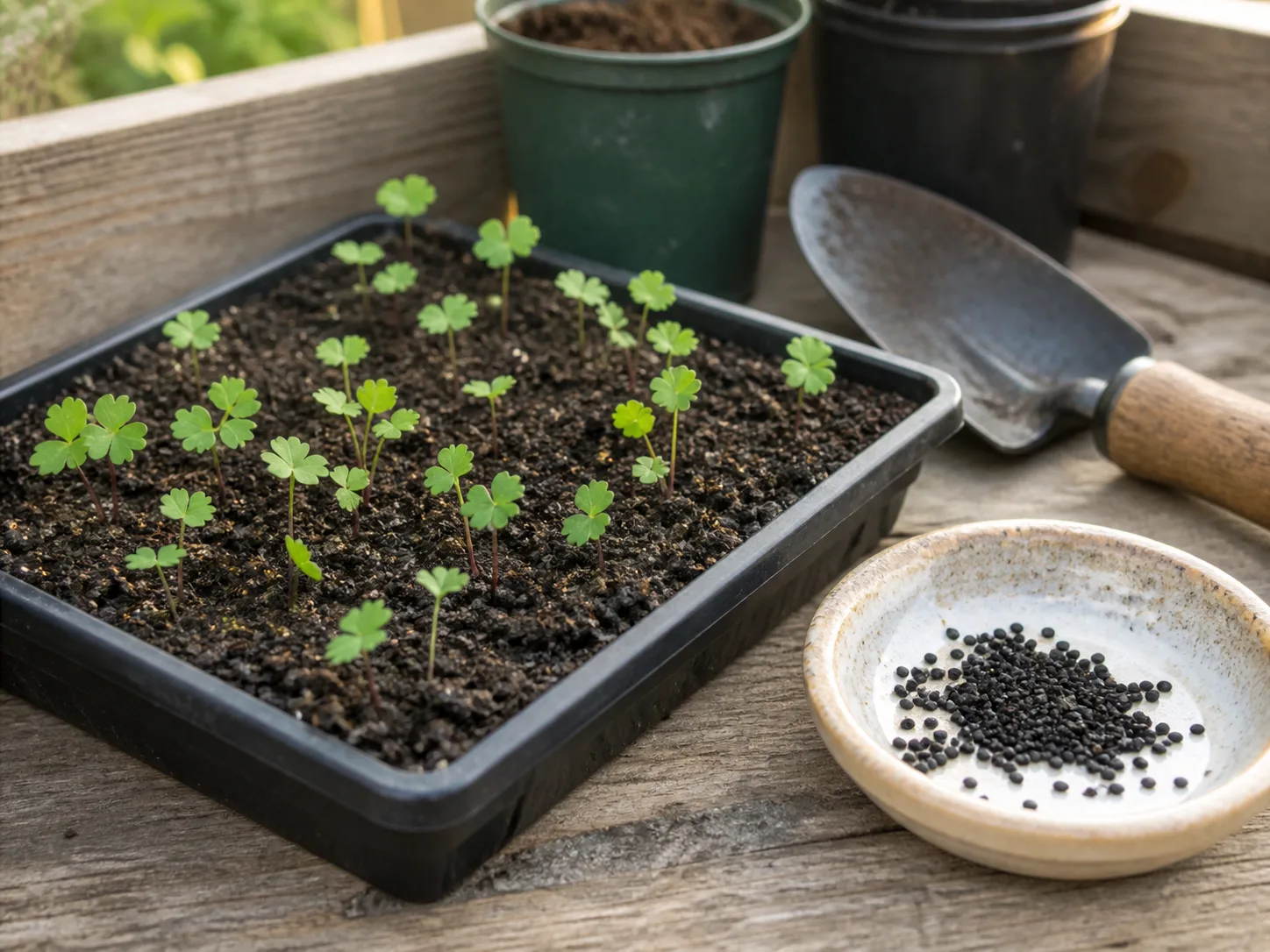
Seed is inexpensive and interesting, but it is slower and less predictable than division. The Royal Horticultural Society also recommends matching ornamental grasses to the site and respecting their seasonal growth pattern instead of keeping them uniformly wet. Collect mature seeds after the pink color fades and the panicles turn brown. Hold a paper bag beneath a dry plume and comb through it gently. Store clean, dry seed in a labeled envelope until spring.
Sow on the surface of a moist, well-drained seed-starting mix because light helps pink muhly seed germinate. Press it in rather than covering it deeply. Keep the tray bright and evenly moist, not waterlogged. Germination may take around two weeks under favorable conditions, but uneven emergence is normal.
Grow seedlings until they have a useful root system, then harden them off before planting outdoors. Seed-grown plants may need a full season or more to make a substantial clump and may not flower their first year after transplanting. If you are growing a named cultivar, remember that seed may not reproduce the parent’s exact color, size, or flowering habit; division preserves the clone.
Choosing cultivars and companion plants
The straight species is the dependable starting point, but nurseries may offer selections such as ‘White Cloud’, ‘Rose Muhly’, ‘Pink Flamingo’, ‘Undaunted’ Ruby, and ‘Regal Mist’. Their height, flower color, foliage persistence, and availability can vary by region. Read the tag for mature dimensions and winter hardiness instead of choosing by flower color alone.
Pair pink muhly grass with plants that enjoy the same bright, relatively dry conditions. Fall asters, goldenrod, salvia, coreopsis, sedum, coneflower, and low-growing native grasses can create a long season of texture without demanding constantly wet soil. Use a lower plant at the front and place taller companions where they will not shade the muhly clump by late summer.
Avoid companions that require daily irrigation or heavy feeding. Their care can push the shared bed toward the wet, fertile conditions that make muhly floppy or short-lived. A gravel mulch or open mineral surface can echo the grass’s airy form and reduce the temptation to overwater.
Getting better fall plumes
Bloom timing and fragrance
Pink muhly’s signature bloom is a fall event, usually lasting several weeks and sometimes longer in favorable weather. The flower heads have little fragrance; their value is visual movement, color, and texture. If you want scent, place fragrant companion plants nearby rather than expecting the grass to perfume the bed.
Full sun is the strongest bloom lever. Give the plant one complete growing season after transplanting before deciding it has failed. A newly divided clump often spends its energy rebuilding roots. A mature clump that has never bloomed deserves a site audit: count direct-sun hours, inspect drainage, review fertilizer, and check pruning dates.
Fixing floppy, sparse, or flowerless growth
Floppy stems usually point to insufficient light, excess nitrogen, overwatering, or a clump that has become crowded. Move or divide the plant during the appropriate season rather than staking it like a perennial. Staking can hide the symptom but does not improve the crown.
Sparse growth may follow drought during establishment, root damage, or deep shade. Water deeply when the root zone is dry, but do not compensate for poor drainage by keeping the soil constantly wet. If the center is dead and the outside ring is vigorous, divide and replant the healthy sections.
No flowers after a full season is most often a light or timing problem. Check whether nearby shrubs leaf out over the grass in summer, whether you cut the plant after flower stems formed, and whether fertilizer encouraged leaves instead of reproductive growth. Do not keep adding fertilizer in response to missing plumes.
Pests, disease, and damaged foliage
Pink muhly grass has few serious pest problems when grown in the right site. Mealybugs can sometimes cluster around stems and flower panicles, leaving white residue. Knock small infestations off with a firm water stream and remove badly affected material. Avoid spraying a stressed plant in hot sun, and identify the pest before reaching for an insecticide.
Leaf spotting or tar-like marks are more likely when humidity, poor airflow, and persistent leaf wetness combine. Improve spacing, water at the base, and remove heavily affected debris. If symptoms spread quickly or the crown is soft, stop treating by guesswork and contact a local extension service with clear photos and a description of the site.
Brown foliage is not automatically disease. It can reflect winter dormancy, drought, transplant shock, salt exposure, or old leaves hidden within the clump. Look at the pattern: brown tips after a dry spell suggest stress; a soft crown suggests excess moisture; uniform late-season browning may simply be seasonal. Correct the cause before cutting everything back.
A simple yearly care calendar
Late winter to early spring: cut back dormant foliage, remove debris, divide crowded clumps, and check that mulch is not covering the crown.
Spring: plant containers and seedlings after the soil warms, water new plants consistently, and avoid heavy nitrogen unless a soil test supports it.
Summer: keep established plants on the dry side, irrigate deeply during prolonged drought, protect young divisions, and do not prune away developing bloom stems.
Late summer through fall: enjoy the plumes, inspect for pests, collect seed after the panicles dry, and leave healthy structure standing for winter interest.
Winter: let the dormant clump provide texture in mild climates; in colder areas, use a light, breathable mulch around—not over—the crown if local conditions warrant it.
Conclusion
Pink muhly grass rewards restraint. Give it bright sun, drainage that lets the crown breathe, room to reach its mature width, and steady water only while it is establishing. Skip routine fertilizer, protect the flower stems from untimely pruning, and divide old clumps when the center declines. When a plant fails to bloom, audit light, water, nitrogen, spacing, and pruning before buying another product. Those simple decisions are what turn Muhlenbergia capillaris from a wispy green grass into the pink fall cloud it is capable of becoming.