How to Grow and Care for Roma Tomatoes
Learn how to grow Roma tomatoes with practical advice on planting, support, watering, pruning, feeding, pests, containers, and harvest timing.
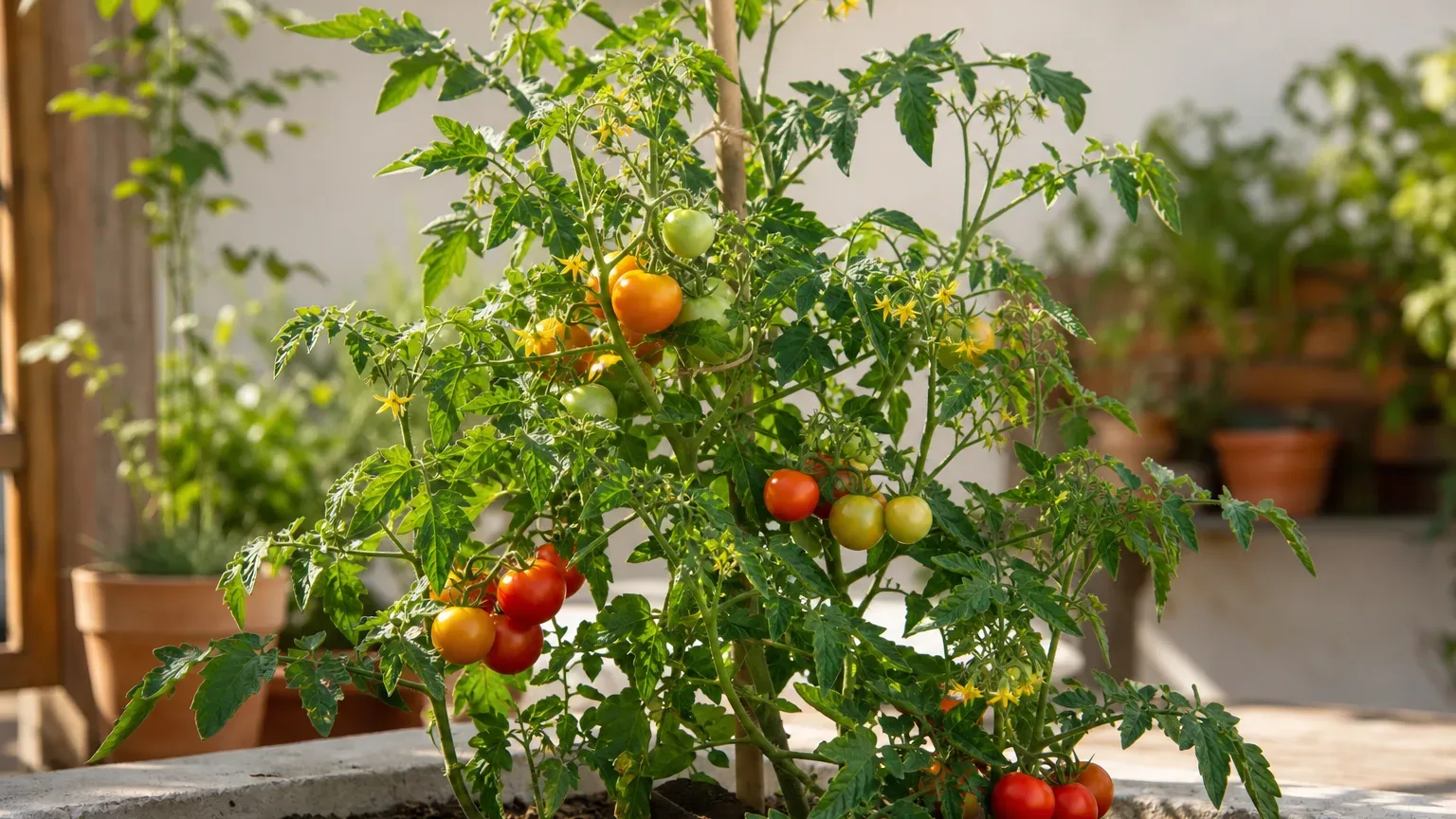
Roma tomatoes are prized because their firm walls, modest juice, and concentrated flavor cook down quickly into sauce, paste, salsa, and canned tomatoes. The name describes a useful group of paste tomatoes rather than one single variety, so the most important first decision is not fertilizer—it is whether you want a compact plant that ripens one main crop or a vine that keeps producing until frost.
The basic recipe is simple: transplant after cold weather has passed, give the plant full sun, keep the root zone evenly moist, support the stems early, and harvest as fruit colors. The details below explain how to adapt that recipe to your variety, climate, container, and harvest plans.
What Makes Roma Tomatoes Different
Roma tomatoes (Solanum lycopersicum) are usually plum- or egg-shaped, with dense flesh and fewer seed cavities than a juicy slicing tomato. That makes them excellent for cooking, but it does not mean every Roma has identical growth, flavor, or disease resistance. Read the seed packet or plant label for days to maturity, mature size, and resistance codes before planting.
The word “paste” also describes a use, not a guarantee that the fruit will be dry. A stressed plant can produce small, tough fruit, while an overwatered plant can produce fruit that is less concentrated. Good growing conditions still matter if you want sauce with rich flavor rather than watery pulp.
Determinate Versus Indeterminate Growth
Determinate Roma tomatoes form a bush, reach a fairly set size, flower heavily, and ripen much of their crop over a short window. They are convenient for containers and for gardeners who want enough fruit to process in one or two large batches. They still benefit from support, but they usually need less pruning.
Indeterminate Roma tomatoes continue extending their vines and setting flowers as long as warmth and plant health allow. They produce over a longer season, but they need a tall, sturdy stake, trellis, or cage and more regular tying or sucker management. San Marzano and Amish Paste are commonly grown as vining types, while many compact paste hybrids are determinate; always verify the individual cultivar.
Choose a Variety for Your Harvest Plan
Choose a determinate variety when your season is short, your garden is small, or you want a concentrated canning harvest. Choose an indeterminate variety when you have a long season, vertical space, and prefer a steady supply for fresh cooking. In a hot climate, disease resistance and the ability to set fruit in heat can matter more than the name “Roma” on the label.
Compare days to maturity with your local frost calendar. A variety listed at 75 days may be counted from transplanting, while another packet may count from sowing, so use the seed company’s definition. If your first frost is early, an early determinate hybrid can be a more reliable paste crop than a late heirloom.
Start Seeds at the Right Time
Start Roma seeds indoors about six to eight weeks before your average last spring frost, using a clean seed-starting mix and bright light. Sow about one-quarter inch deep, keep the mix moist rather than saturated, and provide warmth near 70–80°F for prompt germination. Once seedlings develop true leaves, move them into individual pots if roots are crowded and begin a light feeding program.
Seedlings need strong light close enough to keep stems short and sturdy. A sunny window alone often produces stretched plants, especially in late winter; supplemental grow lighting is useful when the stem leans or the spaces between leaves lengthen. A leggy plant can still recover, because tomatoes root along buried stems, but prevention makes transplanting easier.
Harden Seedlings Before Transplanting
Hardening off is a gradual adjustment to outdoor sun, wind, and temperature. Put seedlings outside in bright shade for a short period, then increase outdoor time and sunlight over seven to ten days. Do not move a tender plant directly from a warm room to full afternoon sun; leaves can scorch even when the weather feels mild.
Pick the Best Site and Prepare the Soil
Give Roma tomatoes at least six to eight hours of direct sun and choose a site where water drains rather than pooling. Work in finished compost if the soil is poor, but do not fill a planting hole with a rich pocket that has very different texture from the surrounding bed. A uniform, well-drained root zone encourages roots to move outward.
Tomatoes perform well in slightly acidic soil around pH 6.0–6.8. A soil test is more useful than guessing with lime or fertilizer, especially if you have grown tomatoes repeatedly in the same bed. The University of Florida IFAS tomato guide also emphasizes full sun, drainage, and choosing varieties suited to local conditions. Rotate tomatoes, peppers, eggplants, and potatoes away from the same soil when practical; rotation cannot prevent every disease, but it reduces the chance of repeatedly exposing new plants to soilborne problems.
Plant Roma Tomatoes Deeply and Space Them Correctly
Remove the lower leaves and bury the stem deeply, leaving the upper foliage above ground. The buried stem can form additional roots, which helps support a tall plant and gives it more access to water. Do not bury foliage or leave a deep basin that stays wet against the stem; place the plant in a shallow trench or a deep hole and water the surrounding soil.
Use the mature growth habit, not the small transplant size, to determine spacing:
| Plant type | Space between plants | Practical support |
|---|---|---|
| Compact determinate | 18–24 inches | Cage or short stake |
| Large determinate | 24–36 inches | Wide cage or stake |
| Indeterminate | 36–48 inches | Tall cage, trellis, or stake |
| Rows | 4–6 feet | Leave room to walk and harvest |
Add Support Before Vines Need It
Install the cage, stake, or trellis at planting time. Inserting a stake later can sever roots, and a late cage often traps stems awkwardly outside the support. Support keeps leaves and fruit off the soil, opens the canopy to air movement, and makes it easier to inspect for pests.
Give Plants the Light and Warmth They Need
Tomatoes grow best when days are warm and nights are not cold. Wait until frost danger has passed and soil is warming; a warm-looking afternoon does not erase a cold night. Chilly conditions can stall roots and interfere with flowers even if the plant survives.
In hot regions, full sun is still the goal, but afternoon shade during an extreme heat wave can protect flowers from dropping. Shade cloth is more predictable than moving a garden plant. Avoid placing tomatoes where a wall reflects intense heat onto the foliage all afternoon unless you can monitor watering and fruit set closely.
Water for Steady Growth and Unblemished Fruit
Water slowly at the soil line whenever the upper root zone begins to dry, aiming for consistent moisture rather than a cycle of drought followed by flooding. A common garden benchmark is about one to two inches of water per week from rain and irrigation, adjusted for soil, heat, wind, mulch, and container size. Check the soil with a finger or trowel instead of watering by calendar alone.
Drip irrigation or a low stream at the base keeps foliage drier than overhead watering. Mulch applied after the soil has warmed helps reduce evaporation and soil splash, but keep it a few inches away from the stem. Uneven moisture can contribute to cracking, wilt, and blossom-end rot; adding calcium blindly will not correct a root zone that alternates between bone-dry and waterlogged. The RHS tomato growing guidance is a useful cross-check for watering, training, and growing under cover.
Feed Without Creating a Leafy, Fruitless Plant
Begin with a soil test and follow the fertilizer label. A modest, balanced feeding at planting can support establishment, but repeated high-nitrogen applications often create dark, vigorous foliage at the expense of flowers and fruit. Once fruit begins to set, use a tomato fertilizer according to its label and soil needs rather than choosing a dramatic “bloom booster” by NPK numbers alone.
If a plant is very leafy with few flowers, first check light, temperature, and excess nitrogen. Fertilizer is not a substitute for sun, and adding more nutrients to a cold or shaded plant can make the imbalance worse.
Prune According to Growth Habit
Pruning is a management choice, not a requirement for every Roma plant. On an indeterminate vine, remove a few small suckers—the shoots that emerge where a leaf meets the main stem—if the canopy is crowded or you are training the plant to one or two leaders. Remove them when small and avoid stripping large amounts of foliage at once.
Determinate plants carry much of their crop on a compact framework. Heavy pruning can remove fruiting branches and reduce the harvest, so limit yourself to damaged leaves and growth that lies on the soil unless the cultivar’s instructions say otherwise. For either type, remove leaves that are clearly diseased and disinfect tools when moving between suspect plants.
Pollination, Flowering, and Fruit Set
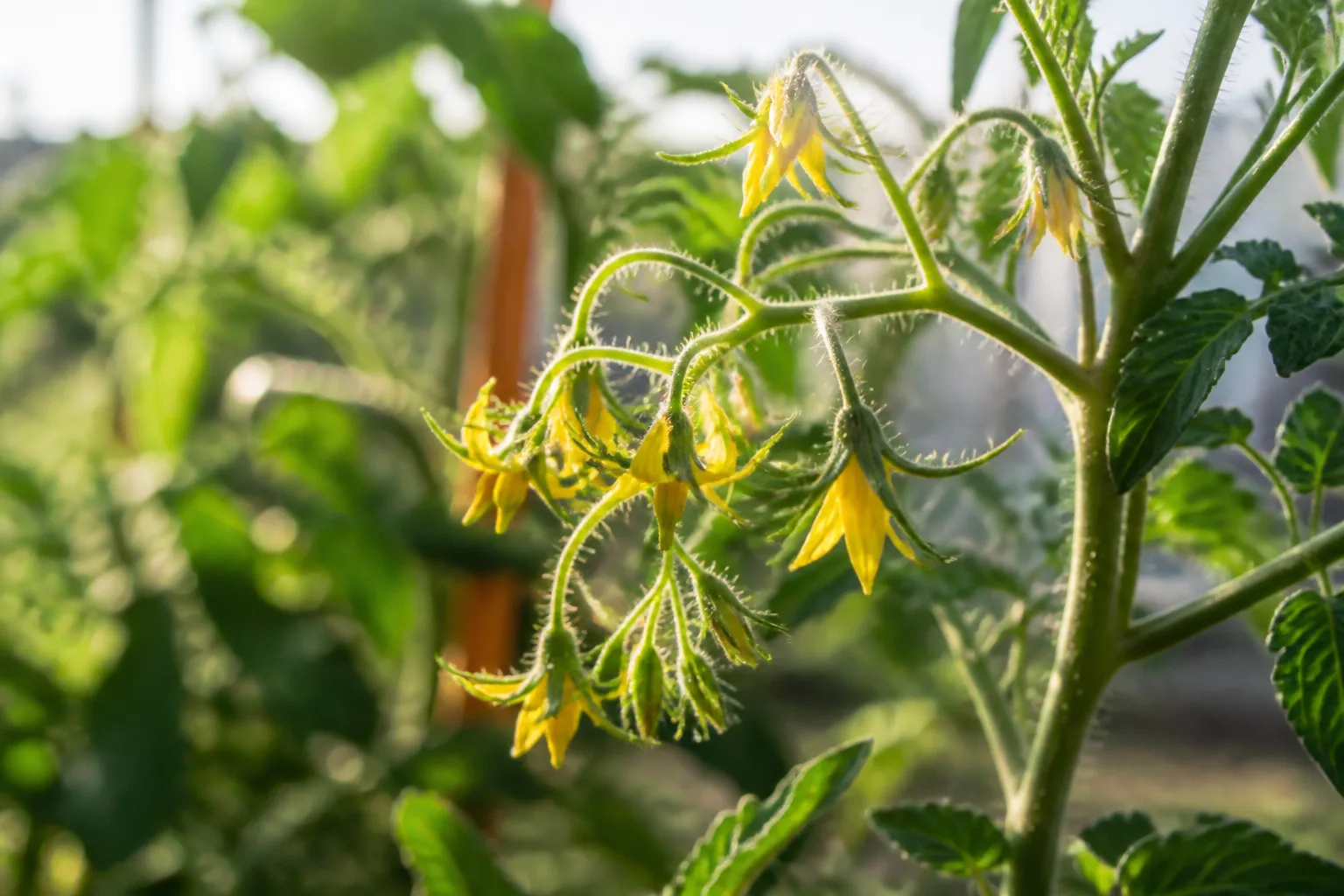
Roma flowers contain both pollen-producing and pollen-receiving parts, so one plant can set fruit. Wind and vibration help release pollen; gently tapping a support on a dry morning can help in a sheltered greenhouse, but there is no need to hand-pollinate every flower in an open garden.
What Heat and Cold Do to Flowers
Blossom drop is often a temperature or moisture problem rather than a lack of bees. Hot days, cool nights, sudden drought, heavy nitrogen feeding, and transplant shock can all interrupt fruit set. Keep roots evenly moist, avoid moving plants while flowering, and wait for a more favorable temperature window before assuming the variety has failed.
Grow Roma Tomatoes in Containers
Use a container with drainage and enough volume for the mature plant—about five gallons is a workable minimum for one compact determinate tomato, while larger or indeterminate plants benefit from a larger pot or grow bag. Fill it with potting mix, not garden soil, and install support before the plant becomes top-heavy.
Containers dry faster than beds, sometimes requiring daily checks in summer. Water thoroughly until it drains, then check again when the surface begins to dry; do not keep the pot sitting in a saucer of water. Feed with a container-appropriate fertilizer at the label interval because repeated watering can move nutrients below the root zone.
Harvest and Store Roma Tomatoes
Pick Roma tomatoes when they have developed their mature color and are still firm, or harvest at the first blush if frost or cracking threatens. A fully colored tomato should release with a gentle twist or snip; pulling hard can break a branch. Determinate plants may give you a processing-sized harvest within a few weeks, while indeterminate vines offer smaller batches over a longer period.
Keep ripe fruit out of direct sun at room temperature if you plan to use it soon. Refrigeration slows flavor development, so chill only fruit that is fully ripe and needs extra time. At season’s end, mature green fruit can finish ripening indoors at room temperature, although it will not have the same flavor as fruit ripened in favorable outdoor conditions.
Troubleshoot Pests, Diseases, and Weak Harvests
Inspect plants twice a week, especially the undersides of leaves and new growth. Hand-pick tomato hornworms when you find them, protect beneficial insects, and identify a pest before applying any product. A chewed leaf, a stippled leaf, and a wilted whole plant point to different problems and should not receive the same treatment.
Early blight, Septoria leaf spot, and late blight can spread in wet foliage and crowded canopies. Water at the base, provide spacing, remove badly affected leaves, and discard severely diseased plants rather than composting them in a home pile that may not heat evenly. The UC IPM tomato pest and disease management guidance is a helpful reference for identifying problems before treating them. Resistant varieties reduce risk but do not make a plant immune.
Yellow leaves can be old lower foliage, drought stress, overwatering, nutrient imbalance, or disease. Check the pattern and the soil before feeding. A plant that wilts despite wet soil may have damaged roots or a wilt disease; a plant that wilts only during the hottest part of the day and recovers overnight is experiencing a different kind of stress.
Protect Next Season With Cleanup and Rotation
At the end of the crop, remove fallen fruit and dead vines. Compost only healthy material; discard plants that carried serious disease. Rotate the tomato family to a different bed when space allows, clean stakes and cages, and make a note of which varieties handled your climate and disease pressure well.
Conclusion
The best Roma tomato harvest starts with matching the variety to your season and your kitchen. Plant after frost, give the roots sun, warmth, drainage, and even moisture, then support the mature plant before its branches load up with fruit. Prune lightly and intentionally, feed according to soil and label directions, and treat pests or disease by diagnosis rather than by guesswork.
For sauce and canning, a determinate plant offers a concentrated crop; for a long stream of fruit, an indeterminate vine earns its extra support. Once you know which type you planted, the rest of Roma tomato care becomes a manageable rhythm of checking moisture, tying growth, watching flowers, and picking at the right stage.