How to Grow Shishito Peppers from Seed to Harvest
Learn when to plant shishito peppers, how to keep roots evenly moist, and when to pick green or red pods for the texture and flavor you prefer.
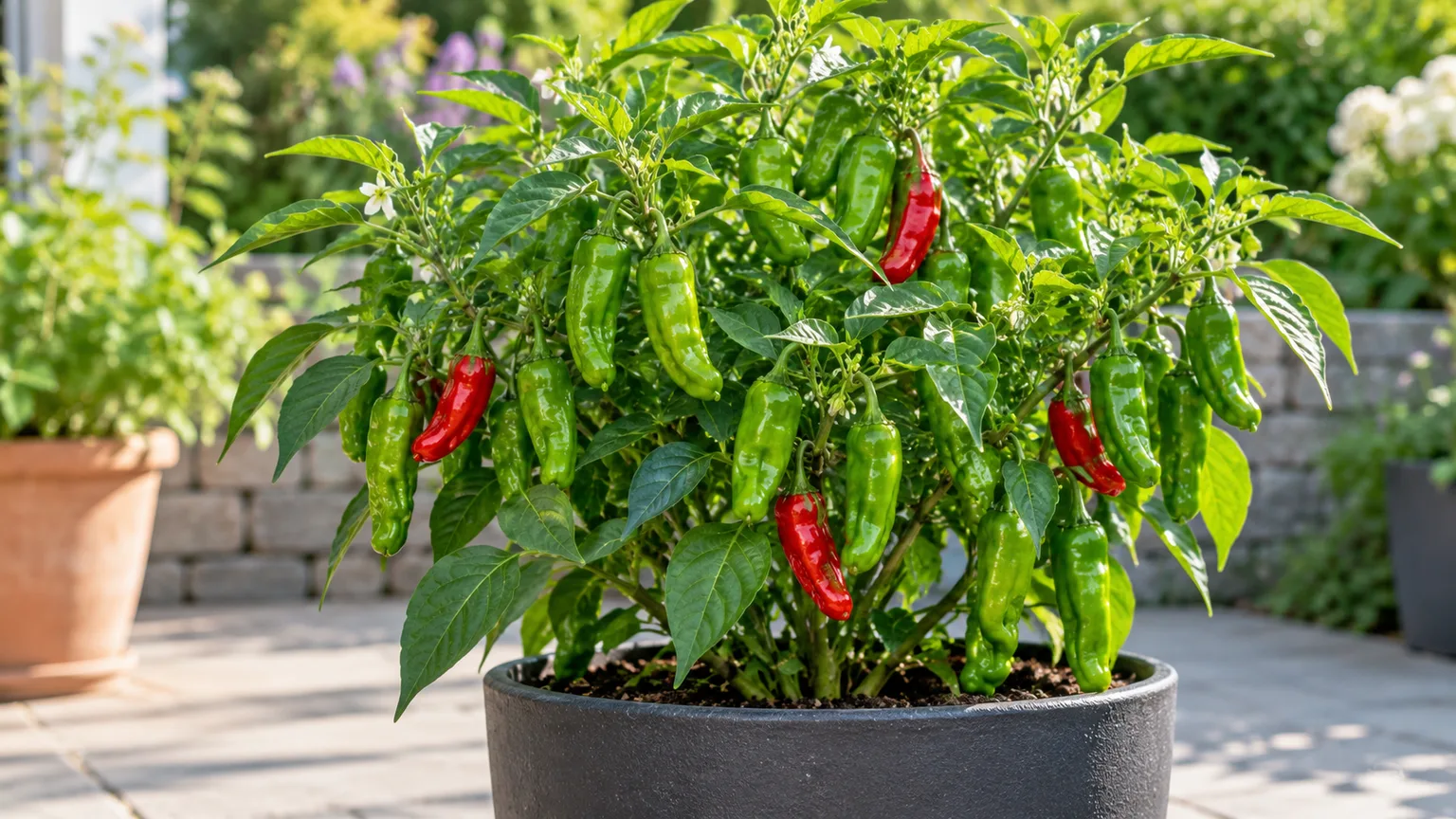
Shishito peppers are compact, productive warm-season plants that fit a garden bed, raised bed, or large patio pot. The key is to give them a long, warm start, then keep the root zone evenly moist while the plant flowers and carries its slender fruit. Shishitos are a type of Capsicum annuum; their green pods are commonly picked young, while fruit left on the plant ripens red.
Use your local frost date to plan seed starting, but use the weather itself to decide when to transplant. A pepper planted into cold soil can sit still for weeks, so waiting for warm nights is often the difference between a plant that merely survives and one that starts producing on time.
What to know before planting shishito peppers
| Growing decision | Practical starting point |
|---|---|
| Planting style | Start seeds indoors for more control, or buy a sturdy transplant to save time |
| Outdoor timing | Wait until frost danger has passed and nights are reliably warm, near 55°F or higher |
| Light | Aim for at least six hours of direct sun; six to eight hours is a useful target |
| Soil | Use fertile, loose, well-drained soil with steady moisture |
| Container | One plant in a pot or grow bag of about five gallons gives roots room and reduces rapid drying |
| Harvest | Pick green pods around two to four inches long, or leave some to ripen red |
Shishito is a tender pepper, not a cold-hardy perennial for most gardens. North Carolina State Extension describes Capsicum annuum as frost-sensitive and recommends starting plants indoors before setting them outside after frost risk has passed; it also notes the crop’s preference for full sun and moist, well-drained soil. Those general pepper rules are a sound baseline, while the seed packet gives the best variety-specific maturity estimate. North Carolina State Extension’s Capsicum annuum profile and Epic Gardening’s shishito guide describe the compact plant and its slender, slightly wrinkled fruit.
Expect variation between plants and seasons. Shishito fruit is usually mild, but an occasional pod can be noticeably hotter; that variability is part of the pepper, not proof that the plant was mislabeled or damaged. Green fruit is crisp and commonly harvested for cooking, while red fruit is fully ripe and edible, with a softer texture and a different flavor.
Choose seeds or a nursery transplant
Starting from seed gives you control over timing and lets you grow the exact variety you want. A nursery transplant makes more sense when you have a short growing season, missed the indoor sowing window, or only want one or two plants. Either route works if the plant spends its early outdoor life in warm conditions.
Choose a transplant with a sturdy stem, healthy green leaves, and no visible insects under the leaves. Avoid plants with roots circling tightly at the bottom of the pot or with flowers and fruit already crowding a very small root ball; a young plant that can establish first is easier to manage than a stressed plant carrying a premature crop.
Start seeds indoors with warmth and light
Count back roughly eight to ten weeks from the time you expect to move plants outdoors, adjusting to the seed packet and your local season. Shishito seeds germinate more reliably in warm starting mix; Epic Gardening gives a germination range of 70–90°F and recommends a heat mat. Sow about a quarter-inch deep in clean seed-starting mix, keep it damp rather than saturated, and remove any humidity cover once seedlings emerge. Epic Gardening and The Peasant’s Daughter’s shishito guide both describe an indoor head start before transplanting.
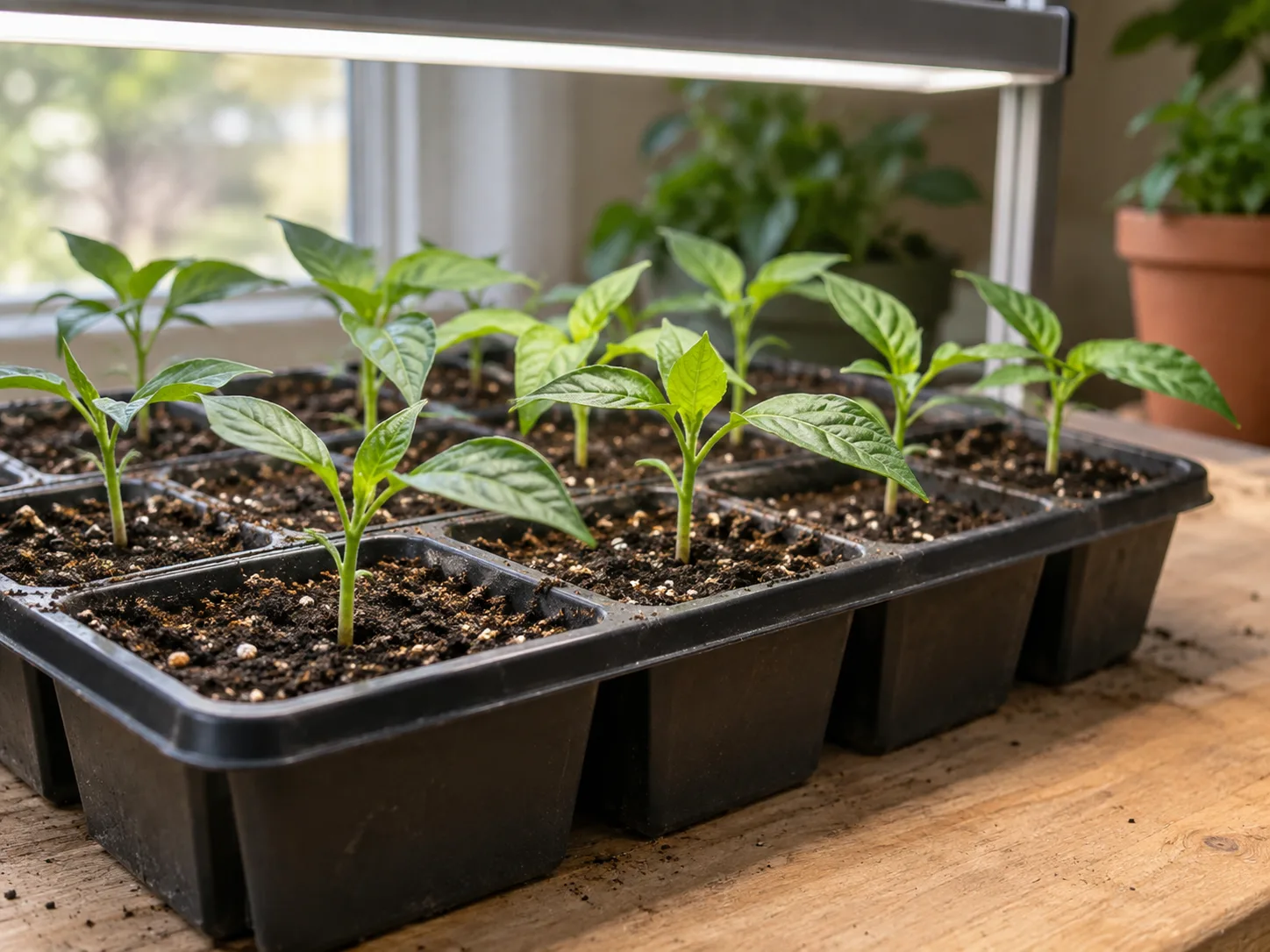
After emergence, move seedlings into strong light. A bright window may work in a sunny home, but seedlings often lean and stretch when light is weak; an adjustable grow light makes it easier to keep growth compact. If multiple seedlings emerge in one cell, keep the strongest and snip the others at the soil line rather than tugging at roots you intend to keep.
Pot up when a seedling has several true leaves and begins to outgrow its starter cell. Handle it by the leaves, not by squeezing the stem, and disturb the root ball as little as possible. Capsicum roots can react poorly to rough transplanting, so a slightly larger starter pot is preferable to repeated moves from tiny cells into successive containers.
Wait for warm nights before transplanting
Do not use the last-frost date as your only signal. Wait until the risk of frost has passed, daytime temperatures are warm, and overnight lows are holding near 55°F or above; cold nights can stall pepper growth even when the afternoons feel summery. Shishito seed guidance and the Epic Gardening guide place outdoor transplanting after frost and in warm nights, while North Carolina State Extension likewise cautions that Capsicum annuum is frost-tender.
Harden seedlings off over about a week. Start with a few hours in a sheltered, bright-shade spot, then increase their outdoor time and sun exposure gradually; bring them inside or protect them if a cold or windy night is forecast. This transition reduces shock from stronger sunlight, wind, and faster moisture loss.
If the forecast stays erratic, keep the plants in their nursery pots for a few more days instead of planting into cold ground. A row cover can buffer cool nights after transplanting, but it is not a substitute for protection from a hard freeze, and covers should be removed or vented when daytime temperatures rise.
Choose a sunny site and prepare the soil
Pick the sunniest practical location, with six or more hours of direct light and good air movement. Shishito plants can grow in partial sun, but they are less likely to flower and ripen fruit well when shaded for much of the day. In a very hot climate, some late-afternoon shade can reduce stress, but morning and midday sun should remain strong.
Use loose soil that drains after watering but does not become powder-dry a few hours later. Work mature compost into poor garden soil before planting; compost improves structure and adds organic matter, but it is not a reason to pile on extra fertilizer. For compacted clay, improve the bed over a wider area rather than filling one narrow hole with a different mix that water may drain through unevenly.
If you have not grown vegetables in that bed before, a soil test is more useful than guessing at pH or adding lime. The target is a fertile root zone with drainage and reliable moisture, not a particular number achieved through repeated amendments. Leave enough space around the plant for air to move and for you to inspect leaves and pick fruit without crushing branches.
Plant seedlings at the right depth and spacing
Water the seedling in its pot before planting so the root ball holds together. Dig a hole about as deep as that root ball, set the plant at roughly the same soil level it had in its pot, backfill gently, then water slowly to settle soil around the roots. Unlike tomatoes, peppers generally should not be buried deeply along a long stem; avoid burying leaves or forcing a weak transplant upright with compacted soil.
Use the seed packet’s spacing first. For a compact shishito plant, about 12–18 inches between plants is a practical range in a well-ventilated bed; lean wider where summers are humid or foliage stays wet. If growing in rows, allow access between rows so you can water, weed, and harvest without stepping on the root zone. A shishito-specific planting guide from Gardenuity gives a similar 12–18-inch plant spacing, while spacing needs still depend on airflow and bed layout.
Add a thin mulch layer after the soil has warmed. Straw, shredded leaves, or another clean garden mulch can slow evaporation and reduce weeds, but keep it a little away from the stem so the crown does not stay constantly wet. Mulch helps smooth moisture swings; it cannot compensate for poor drainage or an undersized container.
Grow shishito peppers in containers
A patio pot is a good option if your garden soil drains poorly or you need to move the plant to follow the sun. Use one shishito plant in a container around five gallons, with several drainage holes. Epic Gardening and The Peasant’s Daughter both recommend containers of roughly this size for shishito peppers; a smaller pot can work temporarily, but it dries faster and leaves less room for roots.
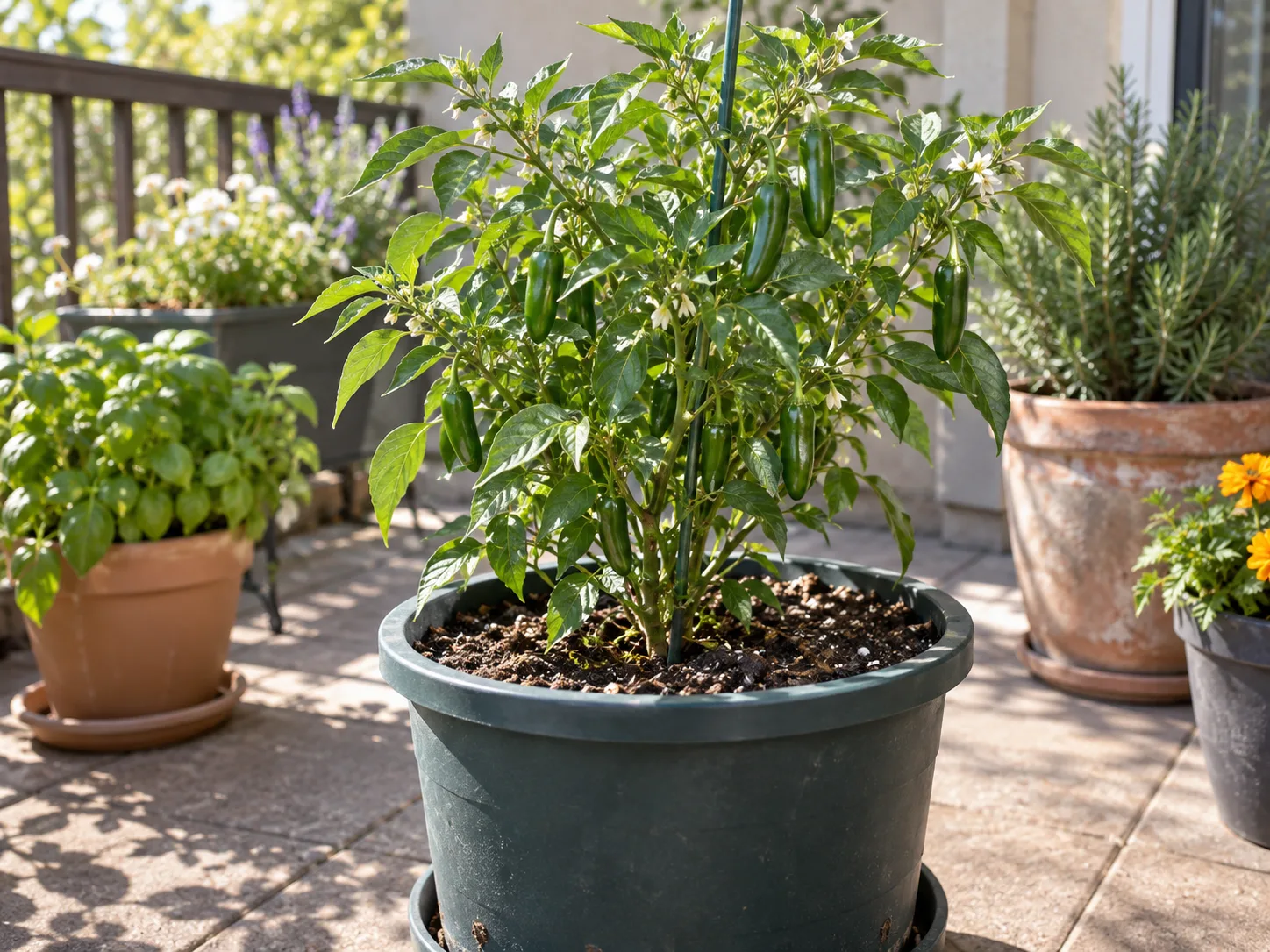
Fill the pot with a quality container mix, not dense garden soil. Garden soil compacts in a pot, while a light potting mix provides more dependable drainage and aeration. Set the container where it gets ample sun and is easy to reach with a watering can or hose; moving a mature, fruiting pot can be awkward, so choose a stable spot before it becomes heavy.
Check container moisture more often than bed moisture. A five-gallon pot in mild weather may go several days between watering, but a smaller pot in wind and heat may need water daily. Do not follow a fixed calendar: feel the mix an inch below the surface and water thoroughly when it is beginning to dry, letting excess drain freely. If water runs straight down the sides without wetting the root ball, slow down and apply it in two passes.
Water by soil condition, not calendar
The goal is evenly moist soil, not a saturated root zone. Water at the base of the plant, slowly enough for the bed or container to absorb it, then wait until the top layer begins to dry before watering again. North Carolina State Extension recommends consistent moisture for Capsicum annuum, and Epic Gardening suggests checking soil directly rather than watering by the date alone.
Rain, temperature, soil texture, and pot size all change the interval. Sandy beds and small pots dry faster than loamy beds and larger containers; cool cloudy weather slows evaporation. If you water on a weekly schedule regardless of these conditions, you can leave a plant thirsty through a heat wave or keep its roots wet through a rainy spell.
A simple check prevents both mistakes: feel the soil a little below the surface near the root zone. If it is still cool and damp, wait; if it is dry at that depth, water deeply. A layer of mulch helps the soil stay more even, and a soaker hose or drip line can keep leaves dry while delivering water close to roots.
Feed lightly and avoid excess nitrogen
A shishito plant in fertile soil does not need a heavy feeding program. Mix in mature compost before planting, then use a complete vegetable fertilizer only if soil fertility or plant growth calls for it. Follow the product label and avoid stacking fertilizer, compost, and liquid feeds on a calendar without checking what the plant actually needs.
Too much nitrogen can produce dark, lush foliage at the expense of flowers and fruit. If a plant is growing leaves vigorously but setting few pods, check light, temperature, and fertilizer history before adding more feed. Epic Gardening recommends restrained feeding and avoiding high-nitrogen fertilizer for established shishito plants; for a bed with a recent soil test, follow the test’s recommendation instead of a generic mix.
Container mixes lose nutrients more quickly because water drains through them, but that does not mean every watering needs fertilizer. Use a labeled vegetable fertilizer at the stated rate and interval, and stop or reduce feeding if leaf tips burn or a white crust builds on the potting mix. Flush the container with plain water if excess salts appear, and make sure drainage holes are open.
Support branches and prune only when needed
A healthy shishito plant is compact, but branches can bend or split once fruit forms, especially in wind or in a crowded pot. Insert a short stake or small cage while the plant is young so you do not drive support through an established root system. Tie the main stem loosely with a soft tie, leaving room for it to thicken.
Routine hard pruning is unnecessary. Remove broken, diseased, or ground-touching leaves with clean snips, and thin only a small amount of crowded growth if the center stays damp or is difficult to inspect. Do not strip healthy leaves to expose every pepper to full sun; foliage protects fruit and supports the plant as it ripens the next flush.
North Carolina State Extension notes that young Capsicum plants can be pinched to encourage bushier growth, but pinching is optional rather than a requirement for fruiting. If your season is short, let a small transplant grow and flower instead of pinching just because a general pepper tip says to do so.
Help flowers set fruit
Pepper flowers can pollinate themselves, so you do not need a second shishito plant for fruit. Outdoors, normal air movement and insect visits help move pollen; an indoor plant in still air may benefit from a gentle shake of the flowering branches. Epic Gardening describes shishito flowers as self-pollinating, which is why the plant can set fruit on its own.
When blossoms drop without forming tiny peppers, check growing conditions before reaching for fertilizer. Cold nights, a recent transplant, a dry root ball, waterlogged soil, or severe heat stress can interrupt flowering and fruit set. Restore steady conditions, avoid disturbing roots, and give the plant time; existing flowers may not recover, but later blooms can set fruit when the stress passes.
If the plant is healthy but flowering poorly, confirm that it receives enough direct sun and is not getting a high-nitrogen feed. A plant in a hot reflected corner can also struggle, so consider moving a container where it gets morning sun and some late-day relief. The response may take a few weeks because peppers need time to resume growth and produce new flowers.
Diagnose pests and common fruit problems
Inspect plants once or twice a week, especially the undersides of leaves and the tips of new growth. Look for a pattern rather than reacting to one damaged leaf: clusters of small insects, sticky residue, stippling, holes, or expanding spots each point to different causes. North Carolina State Extension lists aphids, whiteflies, cutworms, and pepper maggots among pests associated with Capsicum annuum; Epic Gardening also notes aphids, flea beetles, whiteflies, and pepper weevils on shishitos.
Start with the least disruptive response that fits what you see. Remove a badly damaged leaf, knock a small aphid colony off with a firm stream of water, and recheck the plant over the next few days. If you consider a pesticide, use only a product whose label allows use on edible peppers and follow every label direction; do not treat pollinators or beneficial insects as collateral damage.
Blossom-end rot calls for checking moisture and soil
Blossom-end rot appears as a dark, sunken, leathery area at the blossom end of a developing pepper. It is an abiotic disorder, not a contagious fungus. NC State Extension explains that it reflects insufficient calcium reaching developing fruit, which can happen because soil calcium is low or because extreme water fluctuations interrupt calcium movement; excessive salts and nutrient imbalance can also contribute.
Do not automatically add calcium or lime. First keep water more consistent, mulch the root zone, and avoid cultivating deeply enough to injure roots; then use a soil test to decide whether pH or calcium needs correction. Sunscald can look similar but usually appears on the exposed side of fruit, while blossom-end rot tends to begin at the blossom end. Remove badly affected peppers and correct the growing conditions before the next fruit develops.
Aphids, leaf damage, and disease
Aphids cluster on tender tips and leaf undersides, often leaving sticky honeydew. A small colony can usually be dislodged with water and monitored; repeat the check because hidden insects may remain. Flea beetles leave small shot-like holes, while larger irregular holes may come from caterpillars or other chewing pests, so inspect the plant before choosing a treatment.
Yellowing alone does not identify a disease. Older lower leaves can yellow as the plant ages, while widespread yellowing after cold nights or heavy rain points to stress; mosaic patterns, progressive wilting, or lesions spreading across multiple leaves deserve closer diagnosis. Avoid moving soil or tools from a diseased plant to healthy beds, and ask a local extension office for help when symptoms are spreading or the cause is uncertain.
Harvest green pods for a crisp texture
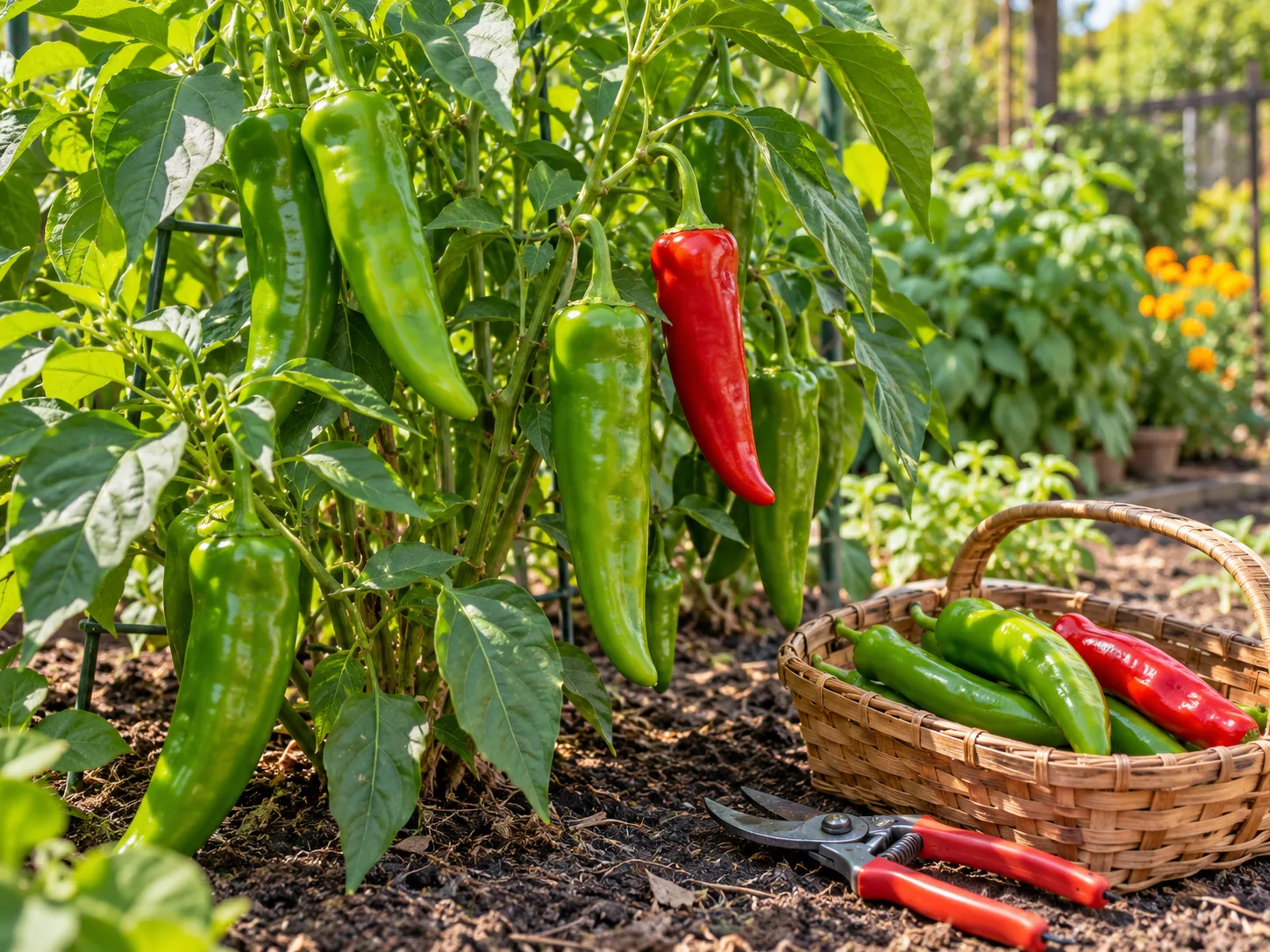
Most gardeners pick shishitos while they are still green and about two to four inches long. The pods should look firm, with the characteristic narrow shape and slightly wrinkled skin. The seed packet’s days-to-maturity figure is a guide, not a deadline: count from transplanting if the packet specifies transplant-to-harvest, then confirm with fruit size and firmness.
Use clean scissors or snips to cut the stem rather than pulling the pod from the plant. Pepper branches can snap when loaded, and one careful cut is faster than repairing a split stem. Harvest regularly as the green pods reach usable size; this keeps fruit from all moving to full red at once and may encourage continued flowering when temperatures and plant health allow.
You can also leave some pods on the plant until they turn red. A red shishito is fully ripe and still edible, but it is softer than the crisp green stage and may taste sweeter. Try a few at each stage to see which you prefer; the change in flavor is a harvest choice, not a sign that the fruit is spoiled.
Store the harvest and save seed carefully
Keep freshly picked peppers dry and refrigerate them in a breathable produce bag or loosely closed container. Use them while the skin is firm; for a harvest you cannot eat soon, freeze whole peppers or slice them before freezing. Wash just before cooking so surface moisture does not shorten storage.
To save seed, leave one or more healthy peppers on the plant until they turn fully red. Remove the seeds from the ripe fruit, spread them in a single layer to dry completely, then store them in a labeled paper packet or envelope in a cool, dry place. Seed saving is most reliable when the parent plant is open-pollinated and no compatible pepper variety flowered nearby; peppers self-pollinate, but insects can also transfer pollen between varieties, so saved seedlings may not be identical to the parent.
Do not use seed from a diseased plant or from a fruit that never fully ripened. If you are unsure whether nearby peppers cross-pollinated, grow the seed as an experiment and keep a fresh labeled packet as a backup for next season.
Decide whether to overwinter the plant
Peppers are tender perennials in warm climates, but most gardeners grow shishitos as annuals because frost ends the outdoor season. In a region with freezing winters, leave the plant outside and it will not return reliably; start new seeds or buy a new transplant next year.
Overwintering can be worthwhile when you have a favorite plant and a bright, warm place to keep it. Bring it indoors before frost, check closely for aphids or whiteflies, and give it as much light as possible; indoor growth and fruiting may slow, and pests can spread to houseplants. For many gardeners, saving seed or starting a fresh plant is simpler than managing a large pepper indoors.
Conclusion
For a dependable shishito crop, start with warmth, wait for mild nights before planting out, and choose a sunny bed or a well-drained five-gallon pot. Keep the root zone evenly moist, feed only as needed, and support branches before fruit makes them heavy.
When the pods reach their typical green size, clip them for the crisp stage or leave a few to ripen red. If flowers drop or fruit develops a sunken spot, check temperature, moisture, and soil before applying fertilizer or treatment. Those few decision points make shishito care straightforward from seedling to final harvest.



