Should You Deadhead Zinnias? When and How to Cut
Should you deadhead zinnias? Learn when a bloom is truly spent, where to cut, how often to snip, and when to leave flowers for seed or birds.
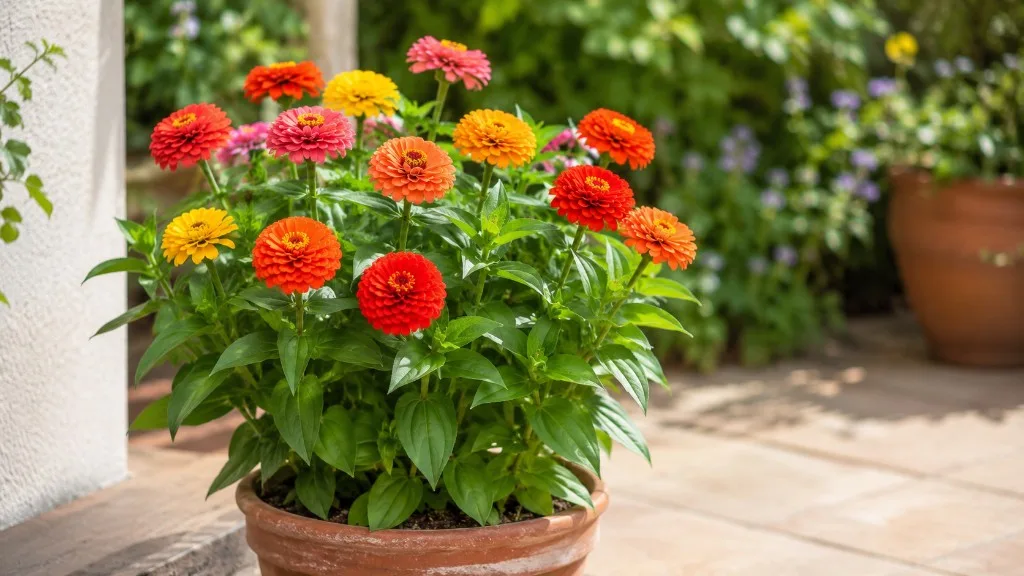
The short answer: yes, but not every zinnia needs it
Yes—deadhead zinnias during the growing season if you want the plant to keep making flowers instead of settling into seed production. The task is simple: remove a faded flower and part of its stem, cutting back to a healthy leaf node or side shoot. That gives the plant a useful branching point and keeps brown heads from dominating the display.
But “yes” does not mean “remove every flower the moment it looks less than perfect.” Leave open flowers for pollinators, reserve a few late heads if you want seed, and recognize that some modern bedding zinnias keep flowering without much attention. Deadheading is a high-return choice for more color and bouquets, not a rule you must follow to keep a zinnia alive.
The best working rule is this: deadhead most fading flowers, cut rather than just pluck the petals, and leave a small, intentional number of heads for seed or wildlife. If the whole plant is sparse, yellowing, or wilting, check growing conditions before you reach for the pruners.
What deadheading changes on a zinnia
Zinnias are annuals. Their season moves quickly from leafy growth to flowers, pollination, seed development, and decline. Once a flower has done its job and begins forming a mature seed head, the plant has less reason to keep investing in a parade of new flowers.
Removing that spent flower interrupts the visible seed-making pathway. It does not inject extra energy into the plant or guarantee a bloom on a set schedule; it simply removes a finished reproductive structure and gives the stem a chance to branch from a node below the cut. In a healthy, well-lit plant, that usually means more usable side shoots and a longer run of flowers.
This is also why cutting flowers for a vase counts as useful maintenance. Flower farmers quoted by Martha Stewart describe harvesting mature zinnia blooms every few days so plants keep producing fresh stems. A garden bed does not need that intensive schedule, but it illustrates the principle: a flower you cut cleanly is not a flower left to finish seed.
Deadheading also improves your view of the plant. Once faded heads are gone, it is easier to see new buds, notice a broken stem, inspect the undersides of leaves, and catch a flower that stayed wet after rain. The tidy appearance is a real benefit, but the more important one is that you are making decisions about the plant’s next growth instead of allowing every stem tip to become a seed head.
Identify a spent zinnia bloom before you cut
Look for a flower that has lost its strong color, developed shriveled or browned petals, and no longer looks like a fresh landing platform. The center may be duller, the petals may curl inward, and the head may feel dry rather than full and resilient. A zinnia bed normally contains buds, open flowers, fading blooms, and dry heads at the same time, so one brown flower is not a sign that the whole plant is failing.
Do not confuse a spent bloom with a tight bud. Buds are usually compact and firm, with fresh green tissue around them; a spent head is drying, collapsing, or turning papery. If a flower is still open and actively visited by bees or butterflies, it is doing useful work. You can leave it for another day, especially in a pollinator bed, and remove it when the petals begin to fade.
The other important distinction is between an old flower and a plant-wide problem. If just one or two heads are brown while the leaves are green and new buds are forming, deadheading is appropriate. If fresh buds blacken, the entire plant droops, or leaves develop spreading spots, pause and investigate moisture, heat, insects, or disease rather than assuming more cutting will fix it.
Where to cut: follow the stem to a leaf node
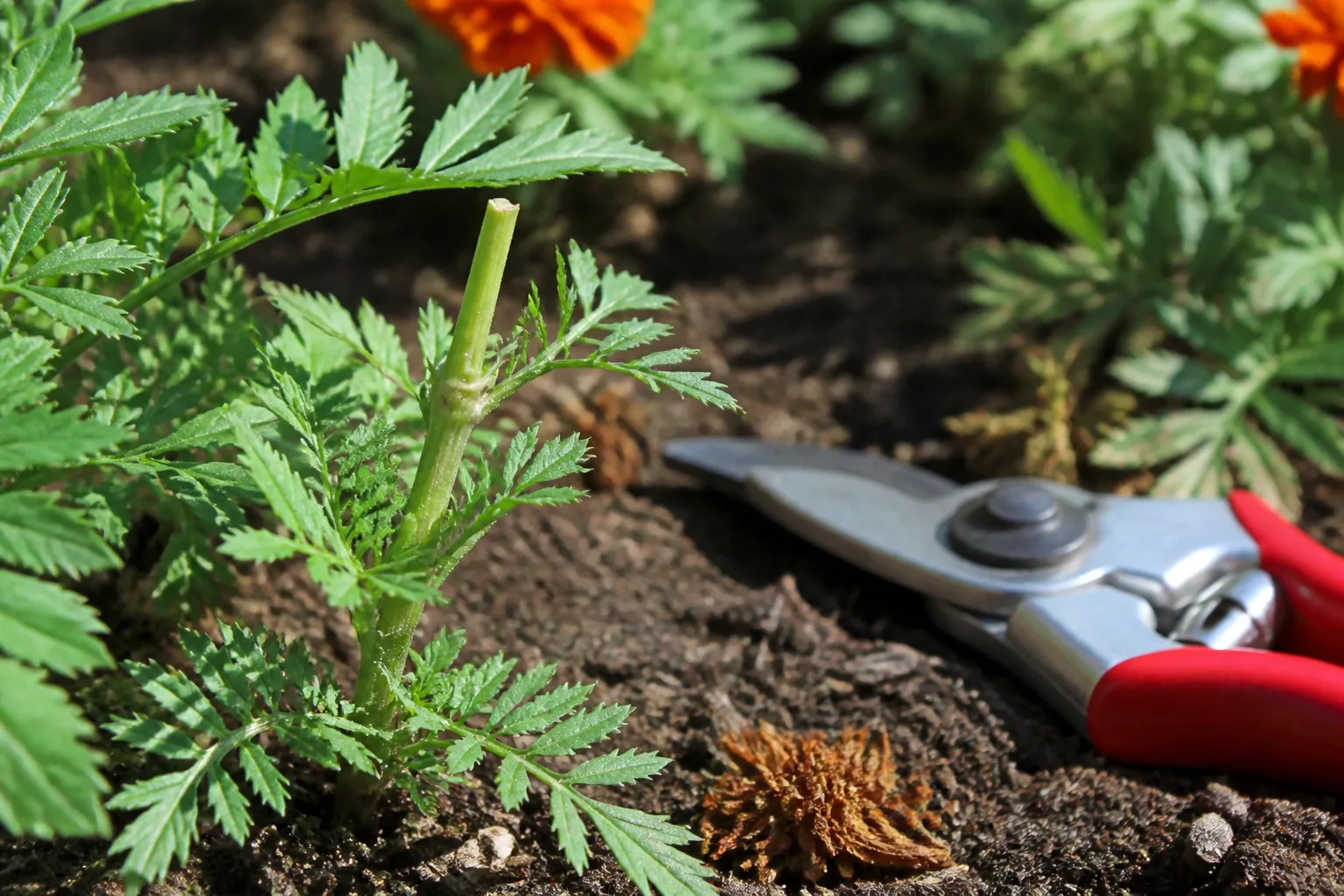
The correct cut is below the faded flower and just above a healthy pair of leaves or a side branch. That junction is a leaf node: a place where the plant already has the potential to push another shoot. Cutting there removes the old flower without leaving a tall, leafless stick.
Trace the flower stem downward with your eyes before you snip. Choose a node with green, undamaged leaves, and make one clean cut a little above the junction. Avoid cutting into the node itself, because a short section of stem helps protect the growing point. You do not need to make a dramatic angled cut; a clean, close cut is more useful than a long stub.
This leaf-node rule is more precise than simply “pluck off the dead flower.” If you pull away petals or pinch off only the cap, the seed-forming center and a length of bare stem stay attached. The plant may still recover, but you have missed the point that can produce side growth.
If the stem has buds below the flower
When unopened buds sit lower on the same stem, protect them. Cut the spent flower back only as far as the nearest healthy node above the highest viable bud, or cut just above the bud if the stem structure makes that the clearest choice. The goal is to remove the finished tip while keeping the next flowers and their leaves attached.
If you are unsure whether a small green point is a bud or a leaf junction, wait a day or two and watch it. A bud swells and develops color; dry spent tissue shrinks and darkens. It is better to leave one questionable head temporarily than to remove a cluster of flowers because you were cutting on autopilot.
If the whole branch is finished
Sometimes a side branch carries one flower and has no buds left. In that case, follow the branch to the next healthy leaf pair or to the point where it joins a larger stem, then remove the finished section there. Do not cut the entire plant down just because one branch has completed its bloom.
Keep plenty of green foliage on the plant. Leaves are still making the sugars that support roots, stems, and new buds. A clean branch reduction is deadheading; stripping the plant bare in midsummer is a hard cutback and can delay the next flush.
How to deadhead zinnias in five minutes
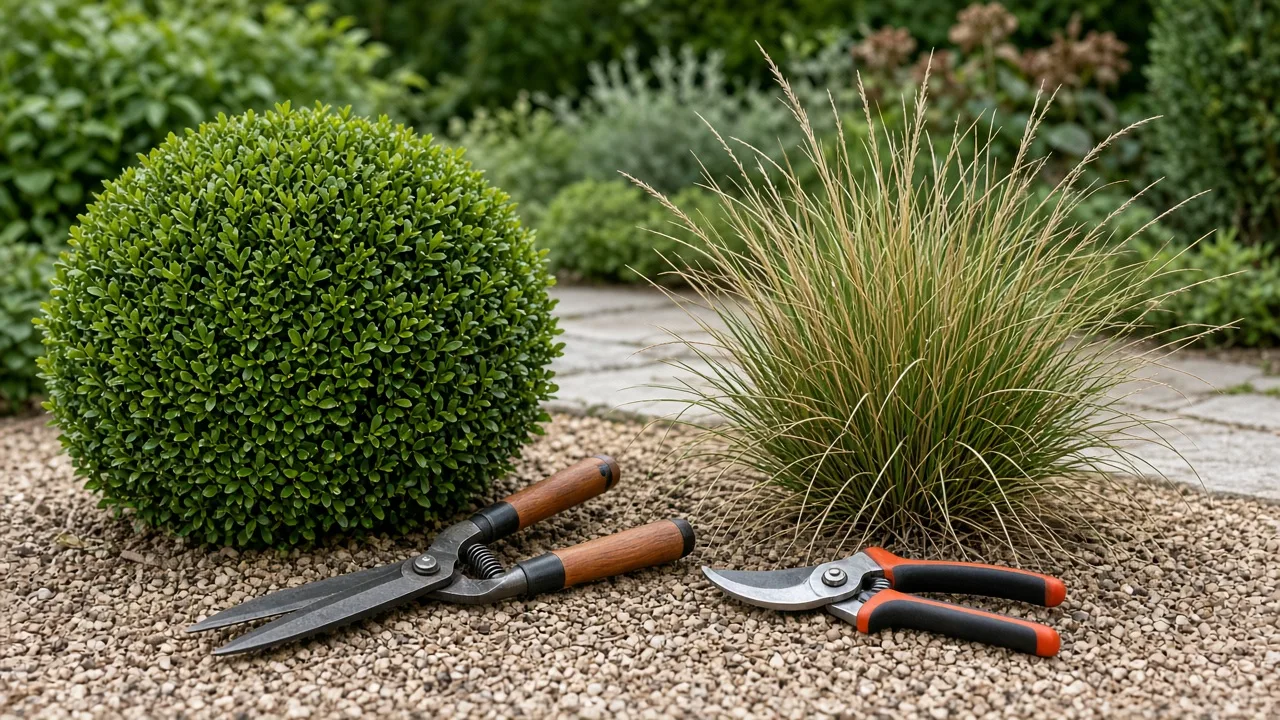
You need small flower snips or sharp bypass pruners, a bucket for the removed heads, and gloves if you dislike handling rough leaves or sticky plant residue. Use a tool that makes a clean cut without crushing the stem. If a plant has obvious disease, clean the blades before moving to a healthy plant; a quick wipe between plants is a sensible sanitation habit.
Use this sequence:
- Walk the plant before cutting. Locate fading heads, unopened buds, fresh flowers, and any leaves or stems that look diseased.
- Choose only finished flowers. Skip bright open blooms and anything you cannot confidently distinguish from a bud.
- Trace each flower stem down. Find the nearest healthy leaf pair or side shoot below the spent head.
- Make one clean cut. Snip just above that node while leaving nearby buds and leaves intact.
- Collect what you remove and inspect the plant. Compost healthy heads, discard moldy or clearly diseased material, and check for new buds before you leave the bed.
The work is faster if you move around the plant in one direction rather than repeatedly reaching into the foliage. In containers, turn the pot as you go. In a cutting row, carry a small bucket so you do not drop old petals and heads onto damp soil where they can hide lower leaves.
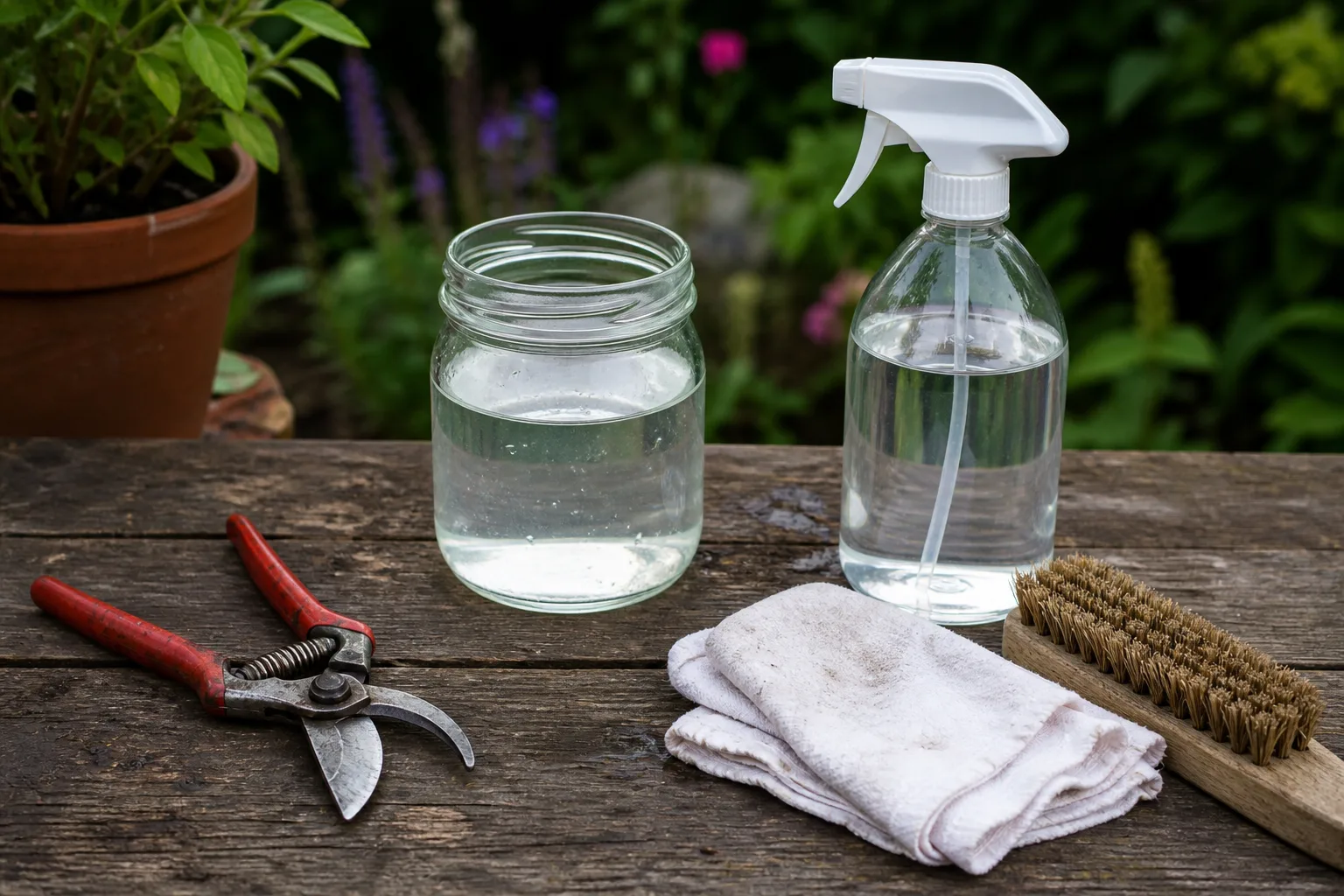
You can use your fingers on very soft, thin stems if the flower and its short stalk come away cleanly at a leaf junction. Pruners are better when stems are fibrous, wet, thick, or tearing. The point is not which tool looks most professional; it is whether the plant is left with an intact node and no ragged wound.
How often to deadhead zinnias
During peak flowering, check zinnias every two to four days if you want a consistently fresh display, or at least once a week if the bed is informal. The exact interval depends on how many plants you have, how quickly they are growing, and whether you are harvesting bouquets. A missed weekend will not ruin the season; a month of unchecked seed heads can noticeably slow the show.
Start when the first flowers begin to fade, not when the plant looks exhausted. Southern Living recommends beginning as soon as blooms lose color or turn brown and walking the bed every few days. That timing catches flowers before their seed structures become large and dry, while still allowing open blooms to feed pollinators.
The best routine is a short inspection attached to something you already do. Deadhead when you harvest vegetables, refill a birdbath, or water containers. In very hot weather, flowers may age quickly while new buds pause; keep the inspection, but do not interpret a temporary lull as proof that you need to cut harder.
Deadheading, pinching, and cutting flowers are different jobs
These three tasks all involve a snip, but they solve different problems. Deadheading removes a finished flower during the bloom season. Pinching removes the growing tip of a young plant to encourage branching before flowering. Harvesting removes a mature stem for a vase and often gives the same reblooming benefit as deadheading.
Knowing the difference prevents two common mistakes: pinching a plant after it has already made valuable buds, and cutting a whole zinnia down when only one flower has faded. The right job depends on the plant’s age and your goal.
Pinching young plants
Pinching is optional on many zinnias. If a young plant is tall, thin, or likely to flop, you can remove the top few inches while it is actively growing and before flower buds have formed. Rocky Hedge Farm describes pinching plants around 8 to 12 inches tall to encourage multiple stems and longer cut-flower production.
That early pinch costs you the first tip and may delay the first flower slightly, so it is not automatically better. Use it when you want a bushier plant or more stems, not as a response to a brown flower. Once buds are visible, leave the growing tips alone and return to selective deadheading after blooms finish.
Harvesting zinnias for a vase
Cutting zinnias for bouquets is often the most enjoyable form of deadheading. Choose mature flowers with firm stems and strong color, cut them low enough to get usable length, and leave enough healthy foliage for the plant to continue growing. Remove lower leaves that would sit in water, then place stems in a clean vase promptly.
For a garden display, harvesting a few mature flowers every few days can prevent a bed from reaching the point where dozens of heads fade at once. It also lets you choose the best stems instead of waiting for every flower to become visibly brown. You are trading a little garden color for indoor color, but the plant can keep branching as long as light, water, and temperature remain suitable.
Variety matters: when deadheading is optional
Not all zinnias respond in exactly the same way. The NC State Extension Gardener Plant Toolbox notes that Profusion cultivars produce new flowers above old ones and therefore do not require deadheading. Other modern bedding types may also keep flowering with little intervention, especially when they have been bred for compact growth and disease resistance.
Optional does not mean pointless. Removing faded heads from a self-cleaning or free-flowering cultivar still improves the appearance of a container and lets you inspect the plant. It simply means you should not panic if you skip a pass or cannot reach every head. The variety’s growth habit may already be doing part of the work.
Tall Zinnia elegans types grown for cut flowers generally reward regular harvesting or deadheading because individual stems are easy to see and use. Smaller Zinnia angustifolia and hybrid forms can be more forgiving. Check the seed packet or plant label before assuming a short, compact mound needs the same level of pruning as a tall cutting variety.
Deadheading zinnias in containers and small beds
Container zinnias benefit from the same leaf-node cut, but the display can change faster because a pot contains fewer stems and less soil than a garden bed. One week of fading flowers is more visible on a single patio pot than across a long border. Check containers whenever you water, and remove only the heads that have genuinely finished.
Containers also magnify mistakes in the growing conditions. A pot in full afternoon sun can dry quickly, while a pot with blocked drainage can stay wet after rain. If flowers fade immediately after a hot day, feel the soil and inspect the leaves before blaming seed set. Deadheading helps the plant use its remaining resources well; it cannot replace moisture or adequate root space.
In a small bed, do not make every plant look identical. Deadhead the front edge and the stems you want for bouquets, but leave a few open flowers and a selected late head toward the back if you want a softer pollinator or seed area. A mixed approach gives you longer color without turning maintenance into a daily demand.
Keep the plant blooming: sun, water, and airflow
Deadheading works best when the plant has enough light and a healthy root system. NC State Extension lists zinnias as full-sun plants, with at least six hours of direct light, and emphasizes good drainage and air circulation. Missouri Botanical Garden likewise describes creeping zinnia as flowering best in full sun and tolerating well-drained soil, while BBC Gardeners’ World Magazine lists full sun, well-drained soil, and flowering until the first frosts for Zinnia haageana ‘Soleado’.
Water deeply at the root zone when the soil is drying, then let excess water drain away. Avoid frequent shallow splashes across the foliage, particularly late in the day. Wet leaves, crowded plants, shade, and poor air movement create a better environment for powdery mildew and leaf spots than an open, sunny planting with room around each stem.
Feeding is not a substitute for light. If foliage is lush but flowering is weak, do not automatically reach for a high-phosphorus product. Check the soil, drainage, sun exposure, and root-zone moisture first; add fertilizer only according to the label and a genuine need. Overfeeding can create more leaves without solving the reason the plant is not setting or opening flowers.
When deadheading will not solve the problem
Deadheading addresses spent flowers. It does not cure a plant that is collapsing from water stress, sitting in saturated soil, or losing new buds to insects. Use the symptoms around the faded bloom to decide what happens next.
- Long stems and few flowers: move the diagnosis toward insufficient sun or crowded growth. Zinnias generally perform best with six or more hours of direct light.
- Whole plant limp and soil dry: water the root zone thoroughly and reassess the next day. Do not cut off healthy stems just because they drooped during heat.
- Lower leaves yellow and soil wet: check drainage and watering frequency before pruning. Repeated saturation can damage roots and reduce flowering.
- White powder or spreading leaf spots: improve air circulation, keep foliage dry, remove badly affected tissue, and use a local extension diagnosis before choosing a treatment. NC State lists powdery mildew, leaf spots, root rots, and blights among zinnia problems.
- Fresh buds chewed or failing to open: inspect leaves, buds, and stems for insects. Cutting every damaged bud will not remove the cause.
- A midsummer pause during extreme heat: keep the plant watered consistently and avoid a hard cutback. Some zinnias slow at the hottest part of the season and resume when conditions moderate.
If disease is obvious, do not add visibly infected heads or foliage to a home compost pile unless you know your compost reaches conditions that destroy the pathogen. Bagging and disposing of badly affected material is the safer sanitation choice. Clean pruners before returning to a healthy plant.
Should you leave some flowers for bees, birds, or seed?
You can deadhead and still support wildlife; the key is to avoid treating the entire bed as a single switch. Leave fresh, open flowers for bees and butterflies, and remove them only when they begin to fade. Gardeners’ World identifies zinnias as useful to bees and other pollinators and notes that their seeds feed birds.
In a formal border, deadhead most plants and leave one small group at the back. In a pollinator planting, remove only the visibly collapsing heads and allow more flowers to progress naturally. This mixed schedule gives you color, nectar, and a little seed without sacrificing the whole season’s bloom.
The choice also depends on your goal. If you grow zinnias mainly for bouquets, frequent cutting makes sense. If you grow them for children to observe insects or for birds to forage later, a completely spotless bed is not an improvement. Good maintenance can include deciding what not to remove.
How to save zinnia seed without losing the season
To save seed, select a few healthy flowers rather than abandoning every fading head. Let those chosen heads remain on the plant after petals dry and the center becomes brown and papery. Harvest them on a dry day, then spread the heads in a dry, airy place until they are fully dry before storing the seed in a paper envelope in a cool, dry location.
Deadhead the rest of the plant while those seed heads mature. Mark or remember the stems you are keeping so you do not accidentally remove them on your next quick pass. This is the practical compromise: most of the plant continues making fresh flowers, while a small number of heads complete the annual life cycle.
Saved seed may not produce plants identical to the parent, especially when you grow several zinnia colors or hybrids close together. If exact color, height, or flower form matters, purchase fresh seed of the named cultivar. If you enjoy variation, home-saved seed can be part of the fun; just do not mistake an unexpected color next year for a deadheading failure.
What to do after frost
Deadheading has a seasonal endpoint. When frost blackens the foliage and the plant is no longer producing healthy growth, cutting individual flower heads will not create a new flush. At that point, gather any seed heads you deliberately left, then remove or cut down the annual according to your garden’s cleanup plan.
Healthy, pest-free zinnia stems can usually go into a well-managed compost pile after they are finished. If the plant carried a serious fungal or other disease problem, remove the affected material from the bed and dispose of it rather than spreading contaminated debris into next year’s compost. Clean the pruners before storing them.
In warm climates, dropped seed may produce volunteers, but zinnias are still generally grown as seasonal annuals. A volunteer is a bonus, not a reason to leave every brown head in a small container or formal border. Save seed intentionally when you want control over where next year’s plants appear.
Conclusion
Deadhead zinnias when flowers fade if you want more continuous color, more bouquet stems, and a tidier plant. Trace each spent bloom down to the next healthy leaf pair or side shoot, cut just above that node, and keep nearby buds and leaves intact. A short inspection every few days during peak bloom is enough for most gardens.
Use the exceptions to make the routine fit your garden. Self-cleaning hybrids may need little attention, young plants may benefit from optional pinching before buds form, and bouquet harvest can replace cosmetic deadheading. Leave some flowers for pollinators and a few dry heads for seed, and switch from deadheading to end-of-season cleanup once frost finishes the plant. The goal is not a perfectly bare plant; it is a zinnia that keeps giving you the kind of season you actually want.