15 Thorny Plants for Security Hedges and Bold Landscapes
Compare 15 thorny shrubs, roses, hollies, and succulents for security hedges and bold yards—zones, spacing, invasive warnings, and pet safety included.
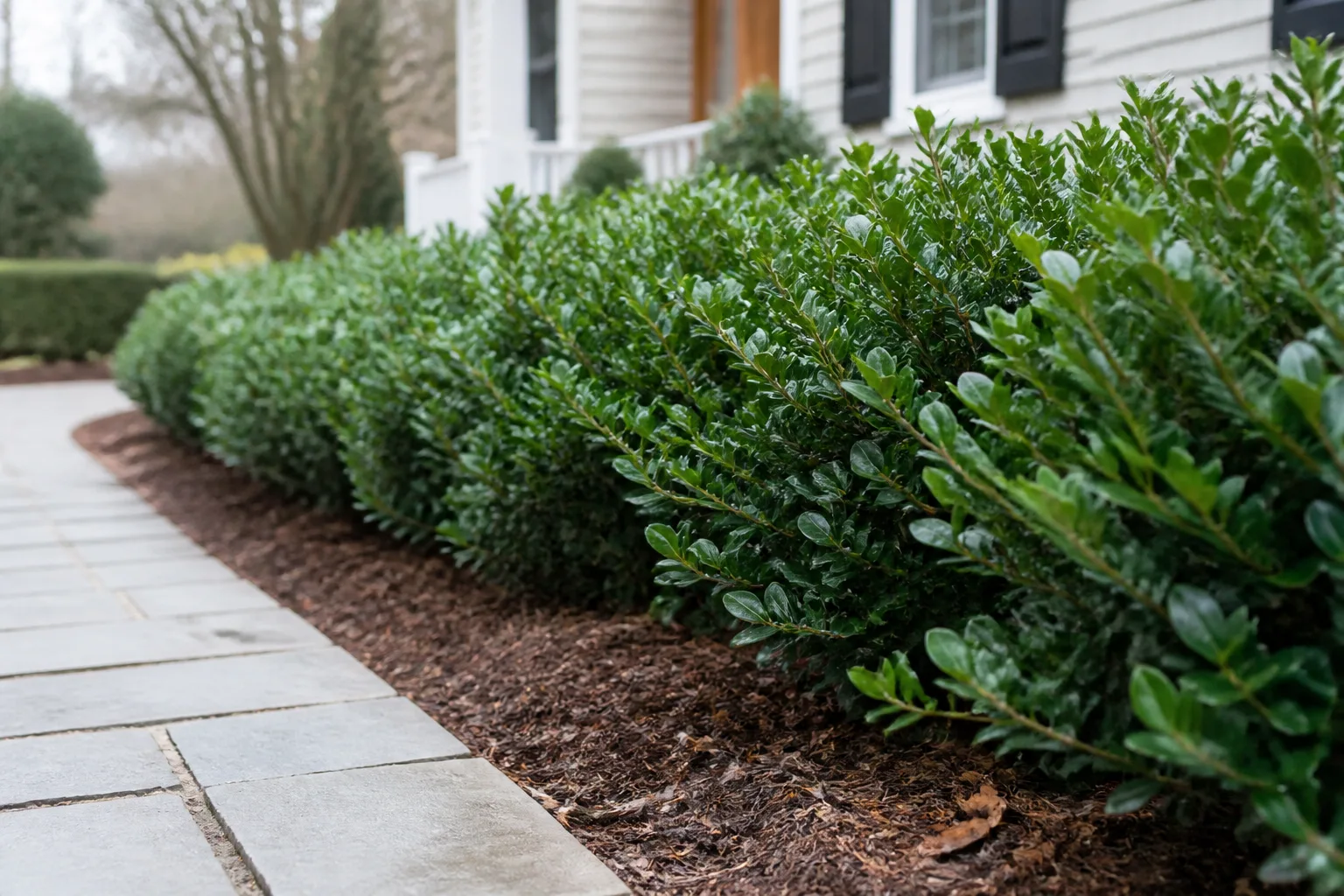
A row of thorny plants can do two jobs at once: add color, texture, and seasonal interest to your landscape while making fence lines and property edges uncomfortable to push through. The trick is choosing species that fit your USDA zone, your maintenance tolerance, and the places people actually walk—because the same spines that discourage a shortcut also punish the gardener who plants too close to the mailbox.
This guide profiles 15 reliable thorny shrubs, roses, hollies, succulents, and vines with the details that decide success: mature size, zone range, sun and soil needs, security value, and the safety or invasive-plant warnings many lists gloss over. Use it to shortlist plants, then confirm local restrictions before you dig—some barberry cultivars are banned or discouraged in states where seed-bearing plants have escaped cultivation.
Why Thorny Plants Earn a Place in Smart Landscapes
Defensive landscaping is not about building a medieval wall. Thorny species work best as a psychological and physical deterrent along boundaries—discouraging casual cutting through a yard, protecting ground-level windows without a solid fence, and giving birds cover and berries at the same time. Research from the University of Hawaii’s urban forestry program describes spiny plants as barriers that make a property less inviting to pass through, especially when combined with dense branching at the base.
That does not mean thorns replace locks, lighting, or a proper fence where you need one. It means a well-placed living fence fills gaps, softens hardscape, and handles slopes where a panel fence is awkward. The best designs mix evergreen structure (holly, firethorn) with seasonal color (roses, bougainvillea) and keep thorns off daily foot traffic paths.
Thorns, Spines, and Prickles—What You Are Actually Planting
Botanically, thorns are modified stems (think hawthorn and many roses). Spines are modified leaves or leaf parts (cacti, some succulents). Prickles are surface outgrowths on stems or bark that pull free when snagged—rose prickles and blackberry prickles fall here. For landscaping purposes the distinction matters less than placement: all three hurt on bare skin, snag sleeves, and complicate pruning. Plan access paths, tool storage, and PPE before you install anything spiny.
How to Choose the Right Prickly Plant
Start with the job, not the nursery photo. A coral Knock Out rose is a poor perimeter barrier at 3 feet tall; a 25-foot hawthorn is a poor foundation accent. Write down your target finished height, how much width you can sacrifice from the property line, and whether you need evergreen screening year-round or can accept deciduous gaps in winter.
Security Hedges vs Ornamental Accents
Security hedges need density at the base, thorns on young wood people can reach, and species that tolerate shearing or renewal pruning without dying out. Japanese barberry (where legally permitted), firethorn, hawthorn, and holly fit this role. Ornamental accents prioritize bloom, fragrance, or architectural form—compact roses, yucca rosettes, prickly pear pads in a rock garden, bougainvillea on a courtyard wall. Mixing both in one yard works; using a ground-cover rose as your only fence-line defense usually does not.
Match Zone, Sun, and Soil Before You Buy
Most thorny landscape plants want full sun and sharp drainage. Hollies tolerate more shade; rugosa roses handle salt and wind; prickly pear survives cold if the soil stays dry in winter. Cold-climate gardeners (zones 4 and below) should prioritize hawthorn, sterile barberry cultivars, Blue Princess holly, beach rose, Adam’s needle, and eastern prickly pear over bougainvillea or tender cacti. Warm-climate gardeners gain bougainvillea, firethorn, and wider rose choices but face faster growth and more frequent pruning.
Safety First: Kids, Pets, and Thorny Plants
Thorn injuries are usually superficial—scratches, splinters, infected punctures if tools or soil are dirty. The bigger household risk is toxicity, especially from holly. American holly (Ilex opaca) carries low-severity poison characteristics per NC State Extension, and holly berries can cause nausea, vomiting, and diarrhea if eaten in quantity (National Capital Poison Center). Leaves are spiny enough to discourage browsing, but fallen berries on play lawns are a real concern.
Keep thorny hedges back from play equipment, pet runs, and narrow side yards where shoulders brush plants daily. If dogs patrol the fence line, avoid yew-adjacent thinking with heavy berry producers they might investigate. Wear thick gloves, long sleeves, and eye protection for pruning—rose thorns and hawthorn spines drive splinters deep. Teach children that spiny plants are look-not-touch unless an adult is helping with gloves.
Japanese Barberry
Japanese barberry (Berberis thunbergii) is the classic purple-red hedge shrub with needle-sharp thorns hidden along arching stems. Fall color runs red to orange; red berries persist into winter. It tolerates drought, deer, and poor soil once established, which is exactly why it became a problem.
Invasive warning: Seed-bearing Japanese barberry is invasive across much of the Midwest and Northeast. NC State Extension notes it alters soil pH, spreads by root suckers and bird-dispersed seed, and outcompetes native understory plants. Several states restrict sale of fertile cultivars. Where planting is allowed, choose sterile cultivars such as the WorryFree® group or Sunjoy® series developed to produce little or no viable seed—and still confirm your state and municipality allow any barberry before purchasing.
| Trait | Detail |
|---|---|
| Zones | 4–8 |
| Size | 3–6 ft tall, 4–7 ft wide |
| Light / soil | Full sun to part shade; well-drained |
| Best use | Low-security hedge, deer-resistant border |
| Caution | Invasive where seed sets; check local bans |
English Hawthorn
English hawthorn (Crataegus monogyna, sometimes listed as C. laevigata in older references) is a small deciduous tree or large shrub with wicked thorns on gnarled branches. Spring flowers—white, pink, or red depending on cultivar—give way to red haws that feed birds. It tolerates urban pollution, compacted soil, and windy sites better than many ornamentals, asking mainly for drainage.
Hawthorn shines as a mixed native-style hedge component planted with hazel or elder at 18–24 inch spacing in staggered rows, then allowed to interlock. Renewal pruning every few years keeps height manageable. Thorns are genuine stem modifications—among the most effective on this list for deterring human passage.
| Trait | Detail |
|---|---|
| Zones | 4–8 |
| Size | 6–25 ft tall and wide (manageable with pruning) |
| Light / soil | Full sun; well-drained loam |
| Best use | Wildlife hedge, tough boundary tree |
| Caution | Thorns on old wood; fire blight in humid regions |
Knock Out and Landscape Roses
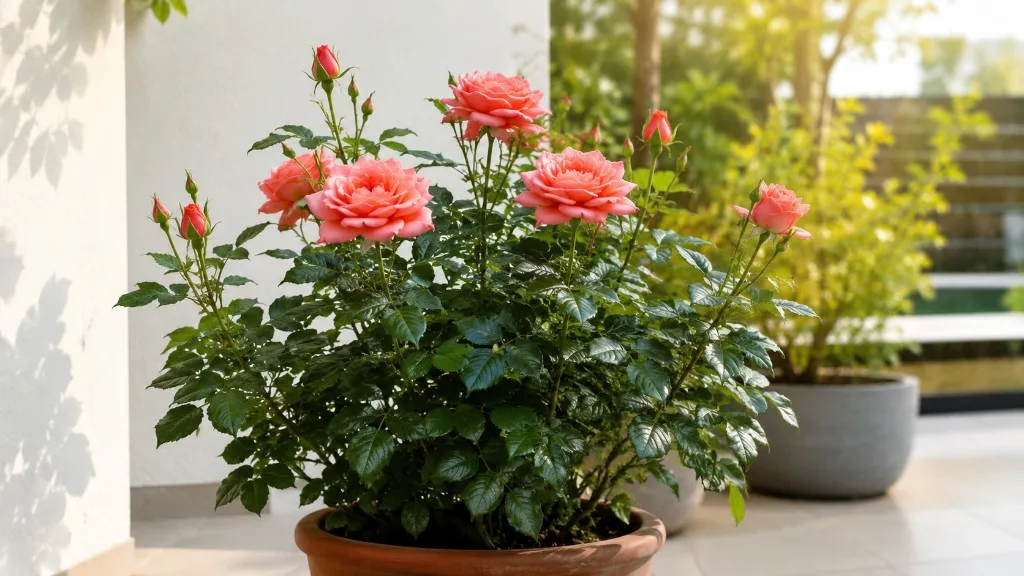
Modern landscape roses pack repeat bloom and disease resistance into compact, thorny shrubs. None are thorn-free—plan for prickles on new growth and older canes alike. Group them by size and habit rather than treating each cultivar as a totally different plant category.
Candy Oh! (Rosa ‘Zlemartincipar’) bears clusters of pinkish-red flowers on 3–4 foot plants with minimal maintenance; deadheading is optional for rebloom. Rainbow Knock Out adds coral petals with yellow centers and strong resistance to black spot, powdery mildew, and rust—still water at the base, not overhead, to keep foliage clean. Blushing Knock Out offers fragrant semi-double pink blooms; rejuvenation pruning every other winter (remove the oldest third of canes) keeps the center open and flowering. All three suit foundation beds, mailbox islands, and mid-height fence lines where you want color without a formal tea-rose spray schedule. Zones 4–9 for Knock Outs; full sun and fertile, well-drained soil.
Beach rose (Rosa rugosa) is the cold-hardy workhorse of coastal and roadside plantings—zones 2–7, salt-tolerant, wrinkled foliage, hips for birds, and serious prickles. Prune in late winter to control spread; it will self-sow in sandy soils if hips are left. At Last (Rosa ‘HORcogjil’) is more compact (2.5–3 ft) with fragrant orange blooms; deadhead this one for best repeat. Red Flower Carpet (Rosa ‘Noare’) behaves as a thorny ground cover under 30 inches tall with fragrant red clusters—excellent on slopes, weak as a security barrier. Roses deter casual contact but not determined climbing; pair them with denser evergreens behind or in front for a layered fence effect.
Holly Shrubs for Year-Round Structure
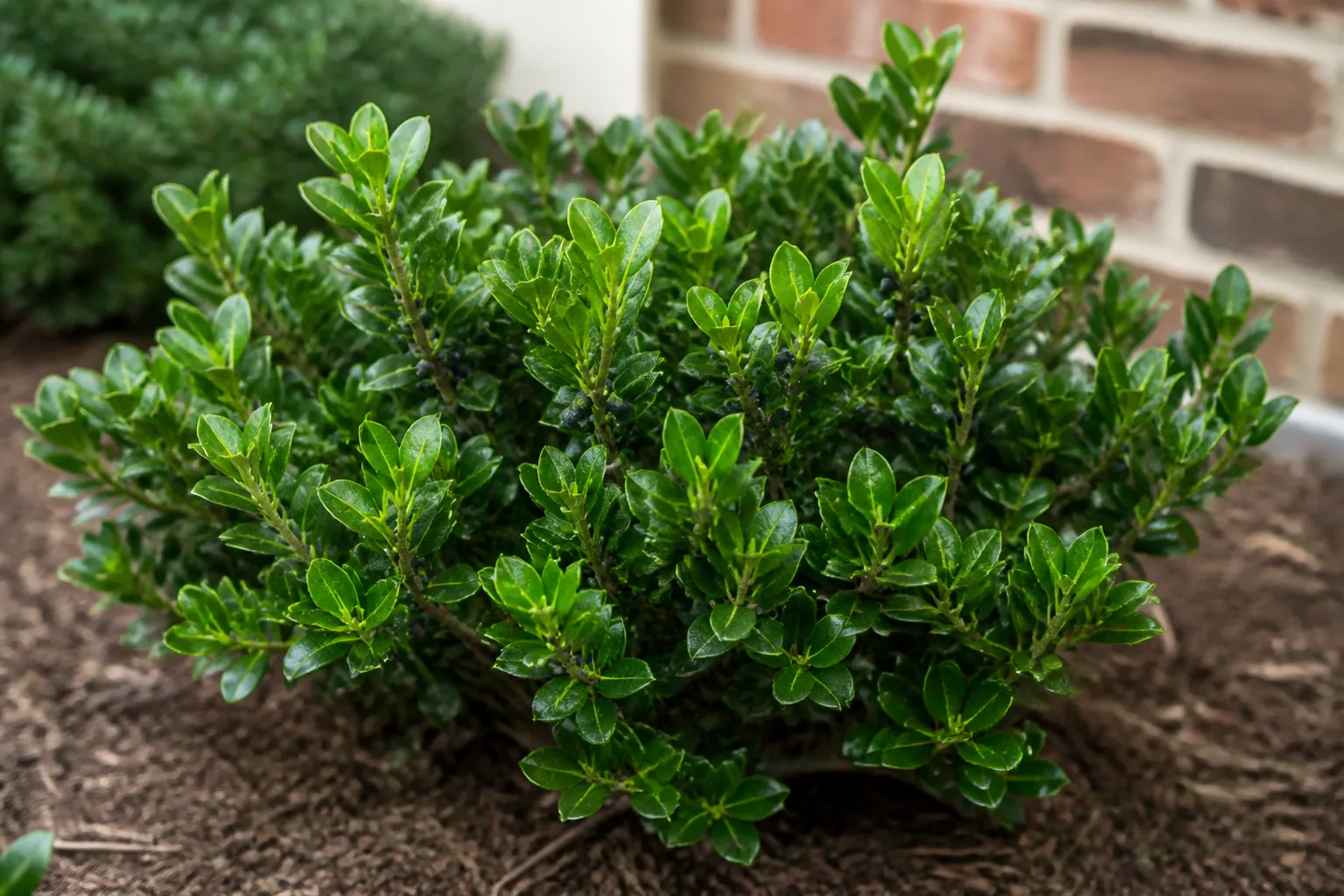
Hollies bring evergreen thorny leaves and winter berries without the fungal disease pressure that plagues tightly sheared rose hedges. Leaves are spiny-margined; berries are showy but toxic if eaten. All three below are widely used in Eastern and Southern landscapes.
Nellie Stevens, Blue Princess, and American Holly
Nellie Stevens holly (Ilex × ‘Nellie R. Stevens’) grows fast to 15–30 feet with a pyramidal habit—excellent tall screen in zones 6–9. Full sun in the North; afternoon shade helps in hot Southern summers. Blue Princess holly (Ilex × meserveae ‘Blue Princess’) is more cold-hardy (zones 3b–7a) with glossy blue-green leaves; it requires a male Blue Prince pollinator nearby for heavy berry set. American holly (Ilex opaca) is the native tree form—slow but majestic, with excellent wildlife value and the same berry toxicity concerns.
Holly hedges need acidic, well-drained soil and space: plant Nellie Stevens 6–8 feet apart for a tall screen, Blue Princess 4–5 feet for a formal hedge. Shear in winter when dormant; wear gloves—the leaf spines do not forgive.
Prickly Pear Cactus
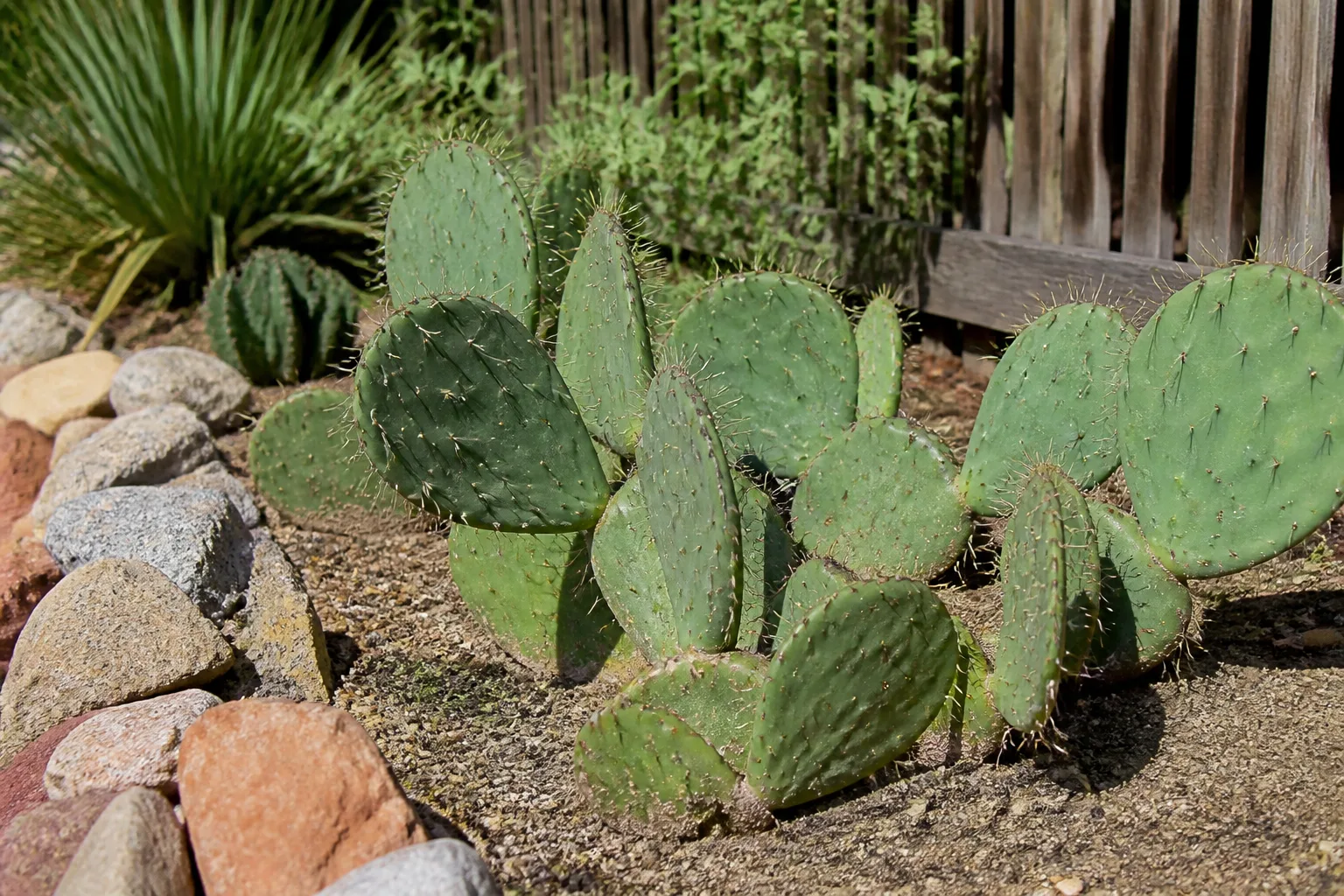
Eastern prickly pear (Opuntia humifusa) breaks the assumption that cacti belong only in the Southwest. Native to eastern North America and hardy to zone 4a, it spreads as low pads with glochids (hair-like barbed spines) and occasional yellow flowers. Demand is simple: full sun and sandy, extremely well-drained soil—winter wet kills more plants than cold.
Use prickly pear in rock gardens, dry berms, and xeric fence strips where foot traffic is zero. It is a deterrent plant, not a walkway edging. Pads root easily; contain spread with a root barrier if the bed borders lawn.
| Trait | Detail |
|---|---|
| Zones | 4a–9a |
| Size | 6–12 in tall, 12–18 in wide per clump |
| Light / soil | Full sun; sandy, dry |
| Best use | Dry border, xeric accent |
| Caution | Glochids stick in skin; painful to weed around |
Firethorn (Pyracantha)
Firethorn (Pyracantha coccinea and hybrids) is an arching evergreen to semi-evergreen shrub with fierce thorns and masses of orange-red berries birds devour. Spring white flowers are understated; fall and winter fruit display is the show. It espalieres beautifully on walls and fences, turning a flat barrier into a three-dimensional obstacle.
Plant in full sun to light shade with sharp drainage. Expect 8–18 feet of height unless you shear after flowering (shearing removes berry wood—many growers prune for structure in late winter and accept slightly fewer fruit). Fire blight can strike in humid regions; choose resistant cultivars and avoid high-nitrogen feeds that push soft, susceptible growth.
Adam’s Needle Yucca
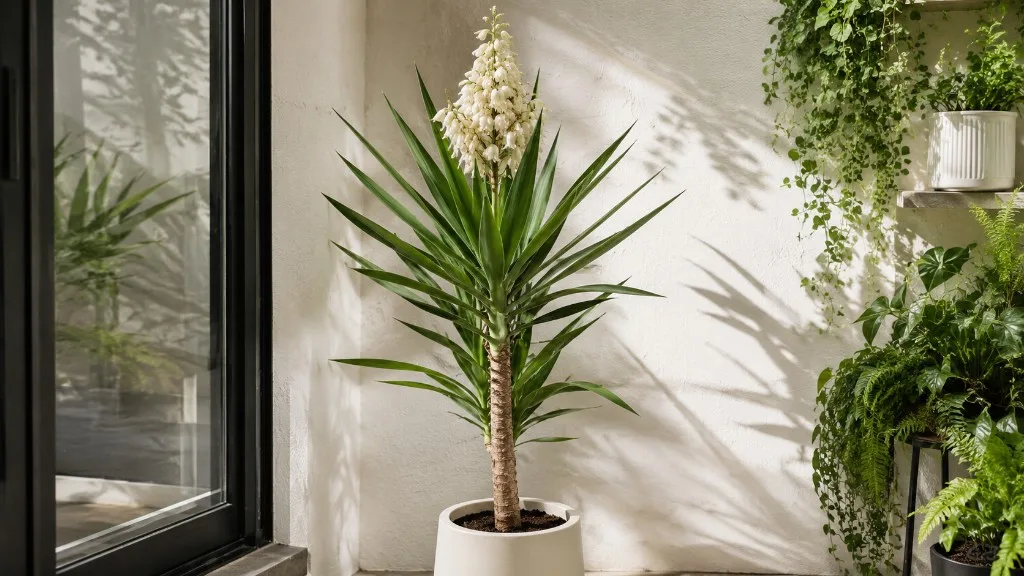
Adam’s needle (Yucca filamentosa) is a broadleaf evergreen rosette with a sharp terminal spine and curly threadlike filaments along leaf margins. Summer spikes of creamy white bells rise 4–6 feet above the foliage. It is drought-proof, deer-resistant, and happy in poor sandy soil from zones 4a through 10a.
Use yucca as a sculptural accent near entries you do not want pets or people cutting across—not as a continuous hedge unless you plant many rosettes closely (expensive and slow). Remove spent flower stalks at the base; wear leather gloves.
Bougainvillea
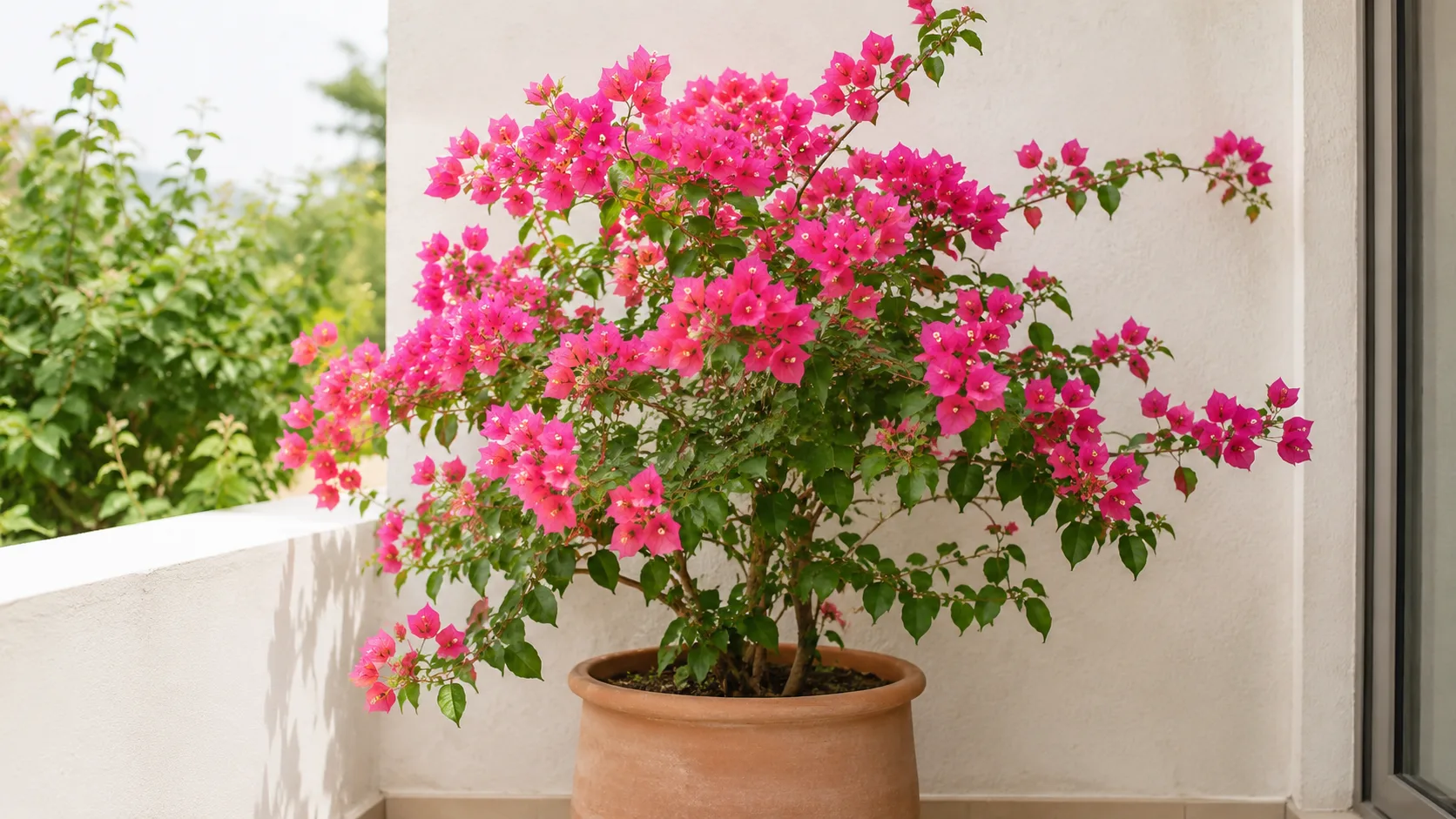
Bougainvillea is the warm-climate vine for courtyard walls, pergolas, and fence toppers in zones 9–11 (sometimes root-hardy in zone 8 with protection). Thorns line scrambling stems; colorful “flowers” are papery bracts in magenta, red, orange, purple, or white. Full sun and regular water during establishment lead to monthly feeding in active growth and hard pruning after the main bloom cycle to control size.
Bougainvillea is high drama and high maintenance compared to yucca or holly. It drops bracts and leaves in cool spells, claws paint and stucco if not trained, and punishes bare-arm pruning. Reserve it for visible entertainment zones, not utility paths.
How to Plant and Space a Thorny Security Hedge
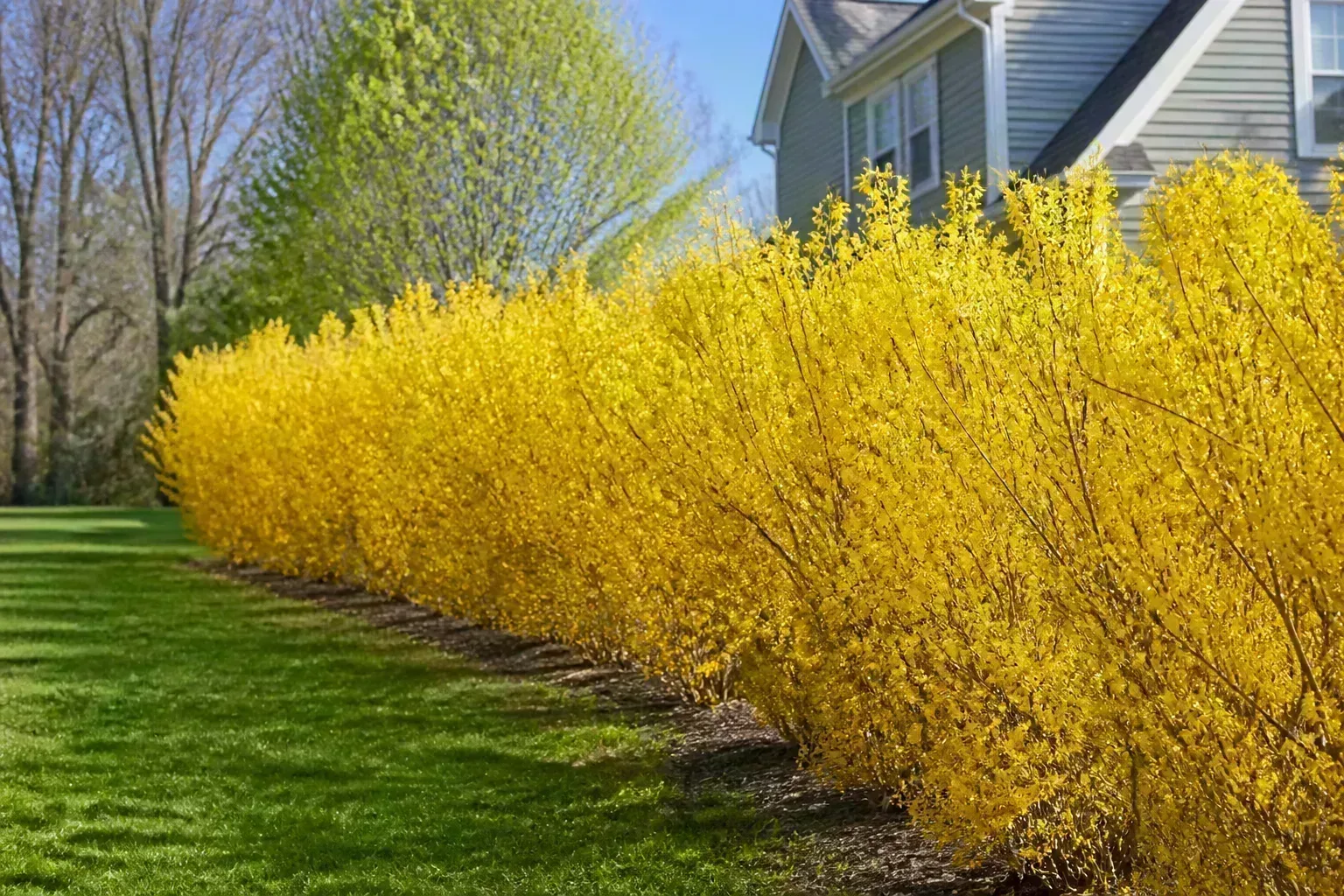
A hedge that actually blocks passage needs density at ground level, not a row of sparse saplings that mature into bare-legged trees. Follow these rules:
- Staggered double rows fill faster than a single line—offset plants in two trenches 18–24 inches apart, spacing hawthorn or holly 2–4 feet apart in each row depending on mature width.
- Minimum effective height for deterring casual climbing is roughly 5–6 feet; shorter barriers (carpet roses, barberry alone) mark boundaries but will not stop a determined adult.
- Set back from sidewalks at least 18–24 inches so thorns do not catch pedestrians, mail carriers, or mower operators.
- Layer species if needed: evergreen holly or firethorn for structure, deciduous hawthorn or rugosa rose for flowers and hips.
- Water the first two seasons even drought-tolerant picks; stressed plants stay open at the base and defeat the purpose.
Check local ordinances—some municipalities treat tall hedges like fences with height caps. Thorny plants do not exempt you from setback rules.
Pruning Thorny Plants Without Regret
Schedule major pruning when plants are dormant (late winter for roses, hollies, hawthorn) or right after spring bloom for berry producers if fruit display matters. Use sharp bypass loppers and a pruning saw—dull tools crush stems and multiply snags. Leather or rose gloves, safety glasses, and a long-sleeve shirt are non-negotiable for firethorn and hawthorn.
Remove dead, crossing, and inward-facing wood first to open the center for air circulation—critical for roses and firethorn. For overgrown holly hedges, shear the sides narrower than the top so light reaches lower branches. Never compost thorny prunings where bare feet might tread later; bag and trash them or run through a chipper into a dedicated mulch pile away from play areas.
Conclusion
Thorny plants reward planners who match species to zone, purpose, and foot traffic. Use hawthorn, holly, firethorn, and sterile barberry where you need a serious boundary; use Knock Out roses, yucca, prickly pear, and bougainvillea where you want color and architecture with a side of prickles. Respect invasive-plant rules for Japanese barberry, keep holly berries away from curious kids and pets, and give every spiny hedge the spacing and pruning access it will demand for the next twenty years. Done right, the same plants that look sharp in your yard also make the rest of the landscape feel intentional, private, and alive with birds—without turning every garden chore into a first-aid event.