26 Best Hummingbird Flowers to Plant for More Visits
Plant 26 hummingbird flowers by sun, soil, space, and bloom time. Find native-friendly picks, container options, safety notes, and planting plans.
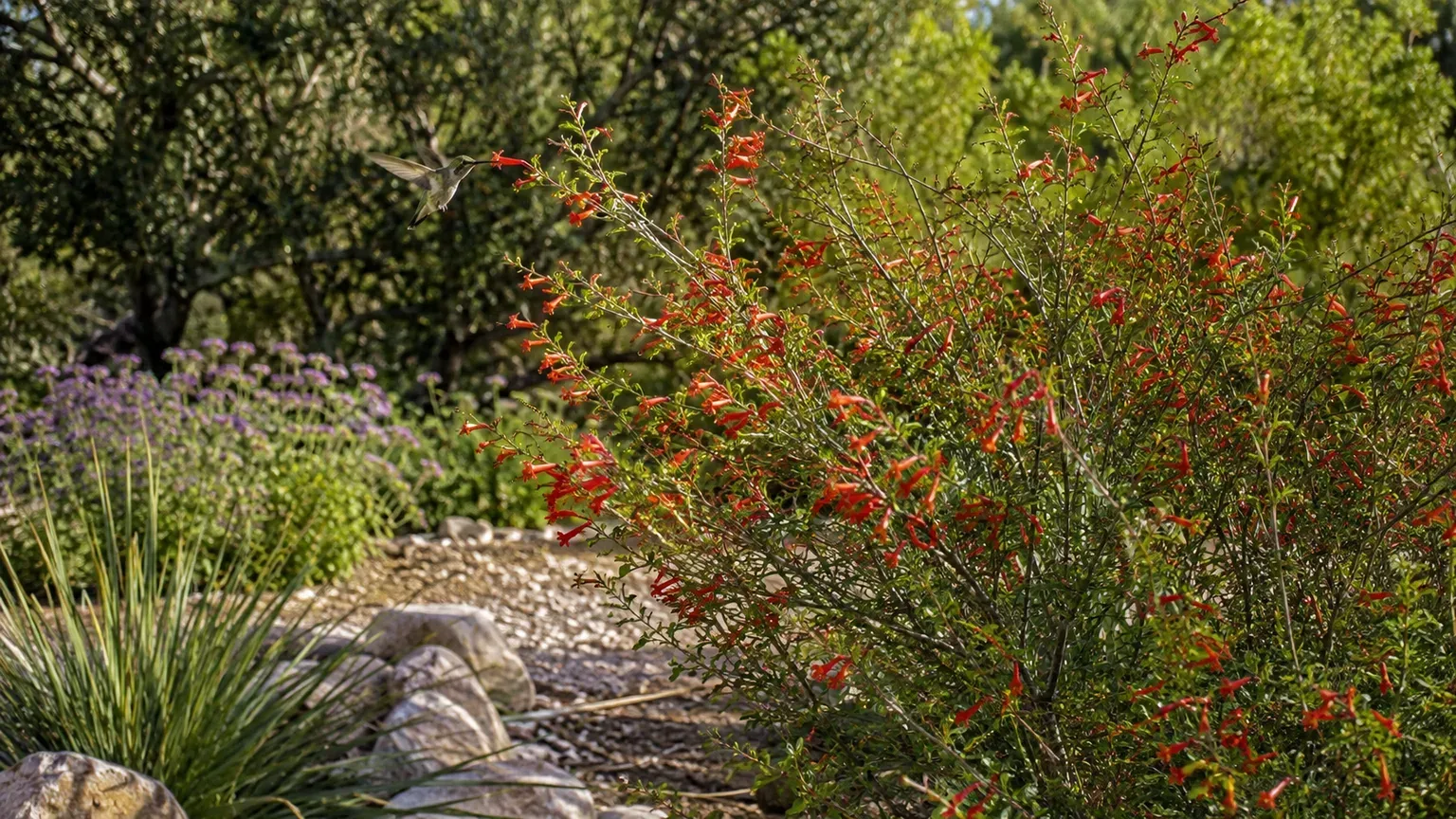
The best hummingbird flower is not automatically the reddest flower at the garden center. It is a nectar-producing plant that fits your local climate, opens when hummingbirds need food, and can live in the light and soil you actually have.
The 26 choices below include native perennials, reliable annuals, vines, shrubs, and container plants. Use them as a menu, not a shopping list: a small group of well-matched plants that bloom in sequence will usually serve hummingbirds better than 26 isolated specimens that all flower for one week.
Regional suitability matters. Audubon’s regional nectar lists include both native plants and cultivars and describe them as a starting point, not a universal ranking. Check your local extension service or native-plant society before buying a plant that spreads aggressively in your area.
How to choose a hummingbird flower that will work
Match flower shape to birds and site
Hummingbirds often work red, orange, pink, purple, or blue flowers, but color is only the invitation. Tubular or funnel-shaped blooms put nectar where a hummingbird’s bill and tongue can reach it, while open flowers can still contribute nectar, insects, or a useful bloom gap. Grow Native! recommends combining flower traits with the site’s light, moisture, and available space; that is the most reliable way to narrow this list.
Start with three questions. Does the bed stay dry, evenly moist, or wet after rain? Does it receive at least six hours of sun, bright morning light with afternoon shade, or mostly shade? And can the plant reach its mature height and spread without blocking a path, leaning into a window, or climbing a tree you want to keep healthy?
Species selection matters more than the label on the front of the pot. “Salvia,” “penstemon,” “phlox,” and “hummingbird mint” each cover multiple species with different hardiness, moisture, and bloom habits. Read the botanical name and the mature dimensions before treating a common name as a guarantee.
Plan a bloom relay, not one peak
A hummingbird garden works best as a relay. Early flowers feed birds arriving after migration; summer flowers carry the heavy workload; late-season blooms help birds refuel before departure. A garden that is spectacular in June but empty in August is attractive, yet unreliable as habitat.
Choose at least one plant from two or three bloom windows, then repeat the strongest performers in small groups. Repetition makes nectar easier to find and creates a more convincing patch than one of every color. It also lets you replace a plant that fails in your soil without losing the whole garden’s structure.
26 hummingbird flowers for a long season
The notes below focus on the decision that makes each flower useful, not on an artificial “number one” ranking. Zones are broad guides; your local heat, winter moisture, soil, and cultivar can change the result.
Early-season and cool-climate standouts
1. Bleeding heart (Lamprocapnos spectabilis) is a cool-spring choice for part shade and rich, evenly moist soil. Its arching stems bloom early, when a garden may have few other nectar sources, but the foliage often goes dormant in summer heat; plant it beside later performers rather than expecting one clump to carry the whole season.
2. Lupine (Lupinus hybrids) supplies upright spring-to-early-summer spikes and works especially well in cooler climates or a meadow-style border. Give it sun, drainage, and space around the crown; in hot, humid regions it may behave more like a short-lived seasonal accent than a dependable perennial.
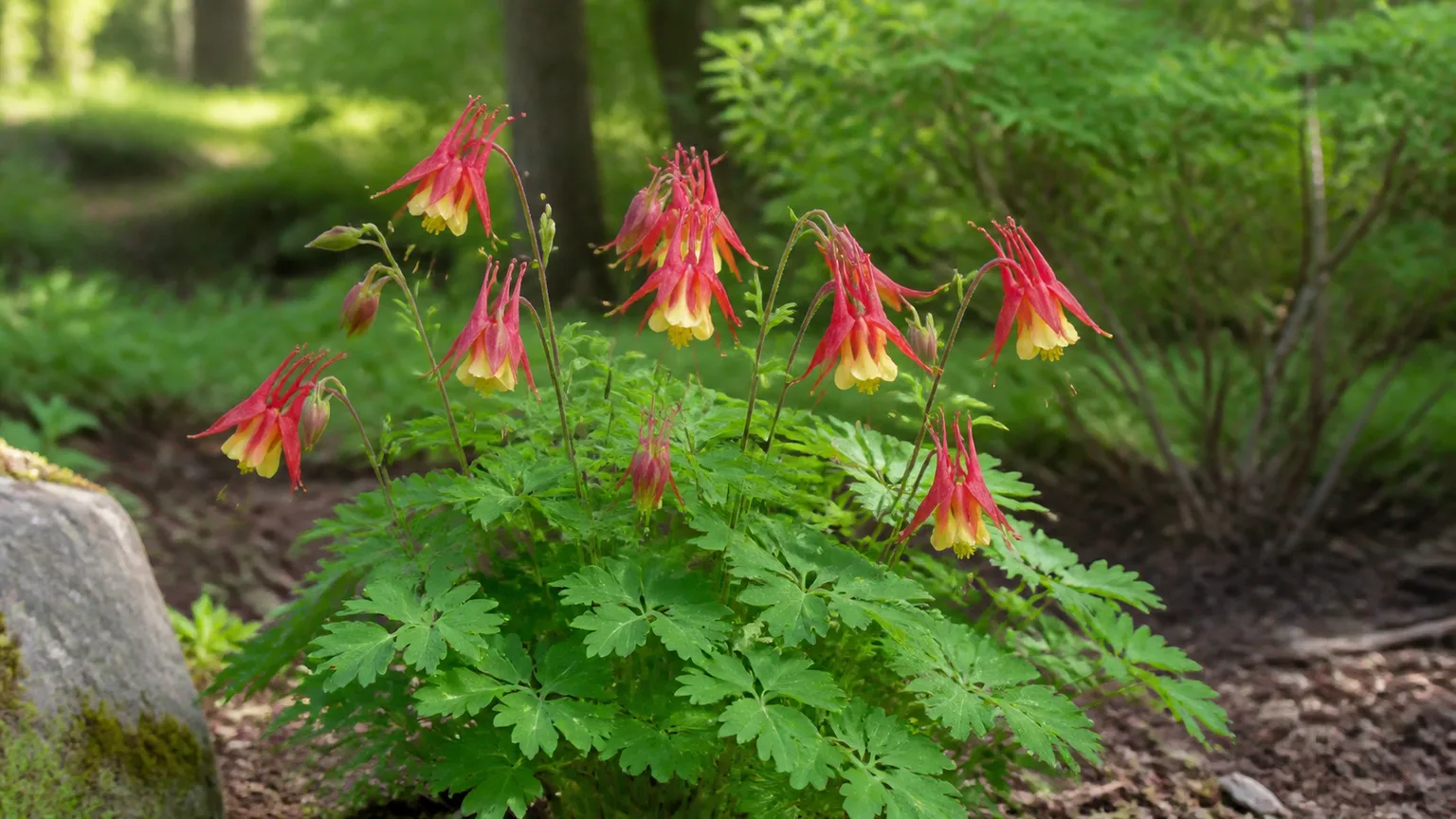
3. Eastern red columbine (Aquilegia canadensis) is one of the most useful early flowers for a woodland edge. Its nodding red-and-yellow blooms tolerate part shade and self-sow gently when happy, although hot, bright sites can shorten the foliage season. Western gardeners can look for locally native columbines such as Aquilegia formosa instead of assuming the eastern species belongs everywhere.
4. Delphinium (Delphinium spp.) adds tall blue, purple, pink, or white spires in cooler-summer gardens. Stake it before heavy flower heads lean, keep air moving through the foliage, and avoid treating it as a warm-climate, drought-proof plant. Delphinium is also a safety decision: the ASPCA lists larkspur, which includes Delphinium species, as toxic to dogs, cats, and horses (ASPCA larkspur safety reference).
5. Foxglove (Digitalis purpurea) is a biennial or short-lived perennial that creates tall, bell-filled stems in early summer. It is valuable when you want vertical height and self-seeding, but it may take two seasons from seed to flower and can move around a border. Keep it away from children and pets: the ASPCA identifies foxglove as toxic to dogs, cats, and horses (ASPCA foxglove safety reference).
6. Coral bells (Heuchera spp.) are a shade-friendly supporting player rather than the heaviest nectar producer on this list. Their airy bell flowers can attract hummingbirds while the foliage carries the bed after bloom, but cultivar flower stems vary widely. Choose a site with morning sun or bright part shade, drainage, and enough moisture to prevent repeated wilt.
Heat-loving, sunny, and drought-tolerant choices
7. Salvia (Salvia spp.) is a category worth shopping carefully. Salvia greggii brings red, pink, orange, purple, or white tubular flowers to hot, dry gardens, while perennial S. nemorosa makes a denser, cooler-climate clump. Full sun and fast-draining soil usually matter more than rich fertilizer; trim spent stems when the plant slows, then let it rebuild instead of shearing it constantly.
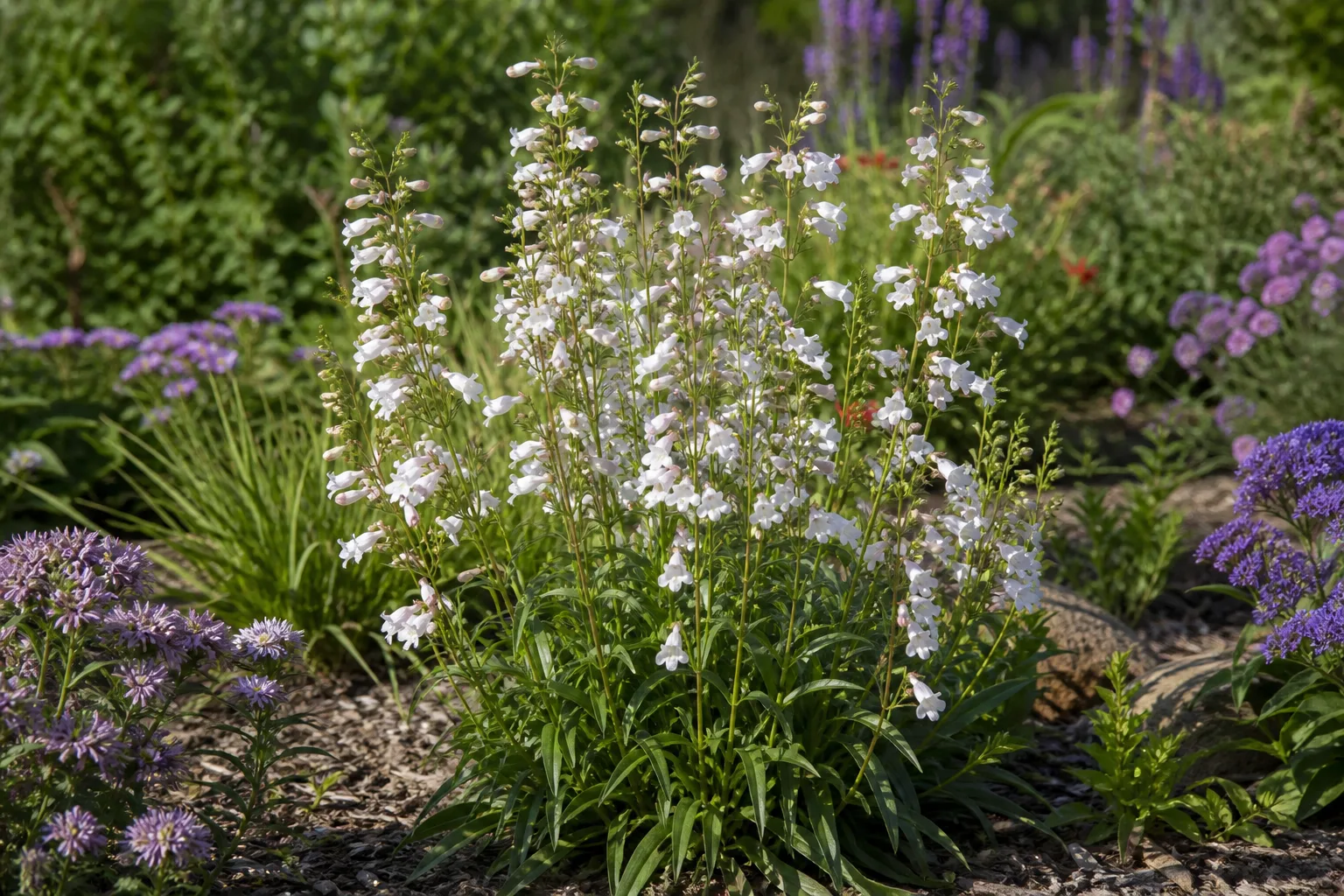
8. Penstemon (Penstemon spp.) is one of the strongest choices for a sunny, well-drained or waterwise bed. The tubular flowers sit on relatively open stems, giving hummingbirds clear access, and native species can be better adapted than a generic hybrid. Do not crowd it with plants that need daily irrigation; persistent wet soil is a common way to lose an otherwise durable beardtongue.
9. Hummingbird mint (Agastache cana and related species) earns its name with upright spikes of tubular flowers and a long summer display. It prefers full sun and soil that drains quickly, especially in winter. “Agastache” is a genus, so choose a species or cultivar suited to your region rather than buying any plant with “hummingbird mint” on the tag.
10. Red hot poker (Kniphofia spp.) gives a sunny border a strong vertical accent with flower heads that shift from red or orange to yellow. It tolerates heat when drainage is good, but winter-wet soil can rot the crown. Plant it where water moves away after storms and leave the strap-like foliage intact until it has finished feeding the crown.
11. Catmint (Nepeta spp.) is not as visually tubular as salvia or penstemon, yet its long purple flower spikes can provide useful nectar in a dry, sunny edge. It is a good low-maintenance filler around taller plants and often reblooms after a light trim. Select a compact cultivar for paths; sprawling catmint can hide smaller flowers and invite needless cutting.
12. Daylily (Hemerocallis spp.) handles heat, many soils, and beginner mistakes better than most perennials on this list. Individual flowers last only a day, but a mature clump opens new buds over a long window and works as a mid-border mass. Plant in full sun, water deeply while establishing, and use repeat-blooming cultivars if you want a longer display rather than a single flush.
Moist-soil and part-shade flowers
13. Bee balm (Monarda spp.) is a high-value native perennial when you can provide sun, airflow, and steady moisture. Scarlet Monarda didyma is a particularly obvious hummingbird plant; wild bergamot and hybrids can handle drier conditions or offer different colors. Space plants generously and water at the soil line, because a crowded, wet canopy is an invitation to powdery mildew.
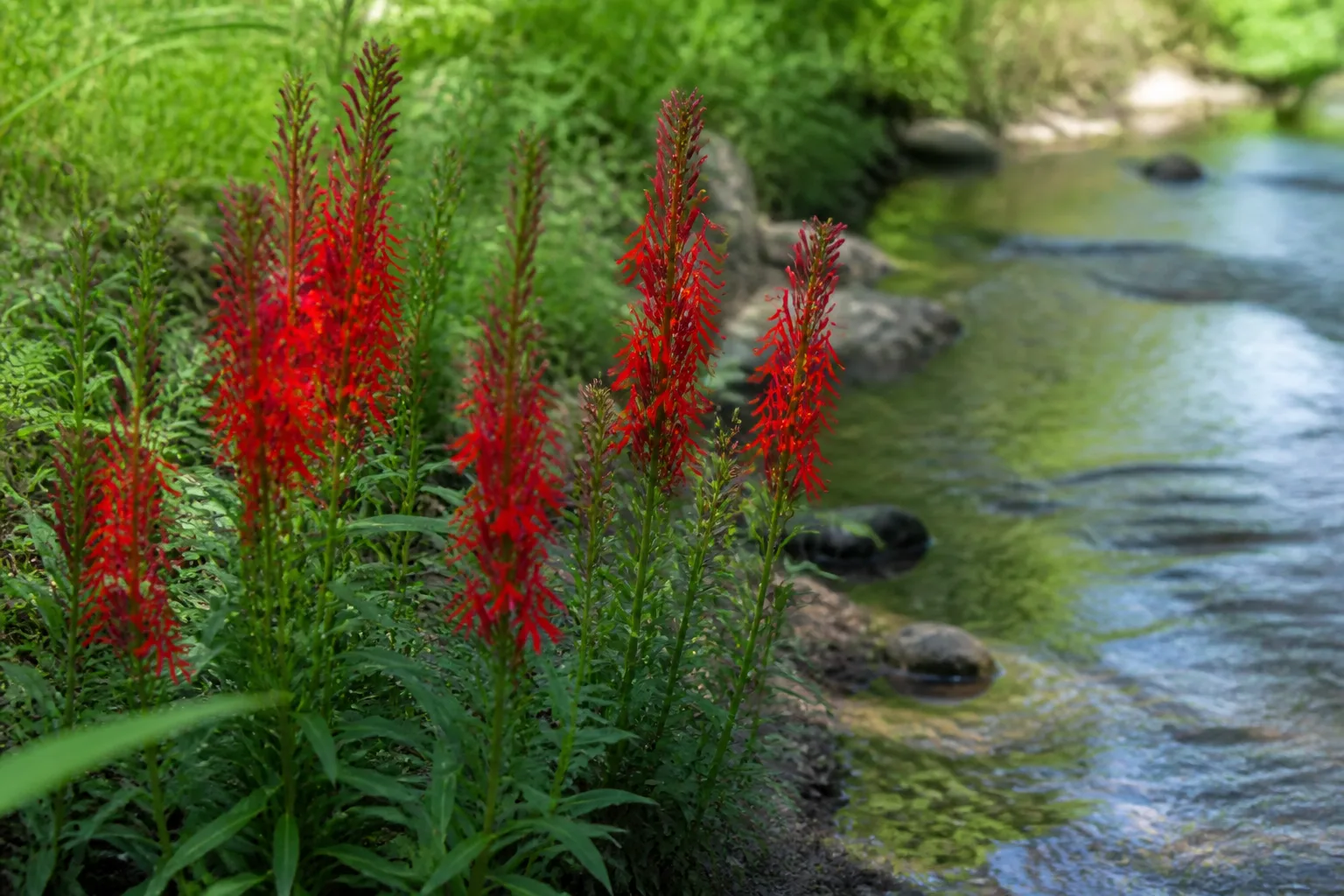
14. Cardinal flower (Lobelia cardinalis) is the specialist for a rich, consistently moist bed, rain-garden edge, or pond margin. Its scarlet tubular flowers arrive in late summer, exactly when early columbine and bleeding heart have disappeared. Do not put it in a dry foundation border and hope mulch will compensate; it needs regular moisture and some afternoon protection in hot climates.
15. Phlox (Phlox paniculata and related species) brings fragrant clusters and a long summer-to-fall bridge to a mixed border. Give garden phlox sun or light shade, good air circulation, and base watering to reduce mildew pressure. Low-growing phlox can help at the front of a bed, while tall garden phlox belongs where its foliage and stems will not be shaded by taller plants.
Reliable annuals and container plants
16. Zinnia (Zinnia spp.) is one of the easiest annual ways to add a lot of color in one season. Choose open, single-flowered forms when wildlife value is the priority, give plants breathing room, and water the soil rather than wetting leaves late in the day. Zinnias are also useful for filling a gap while slower perennials establish.
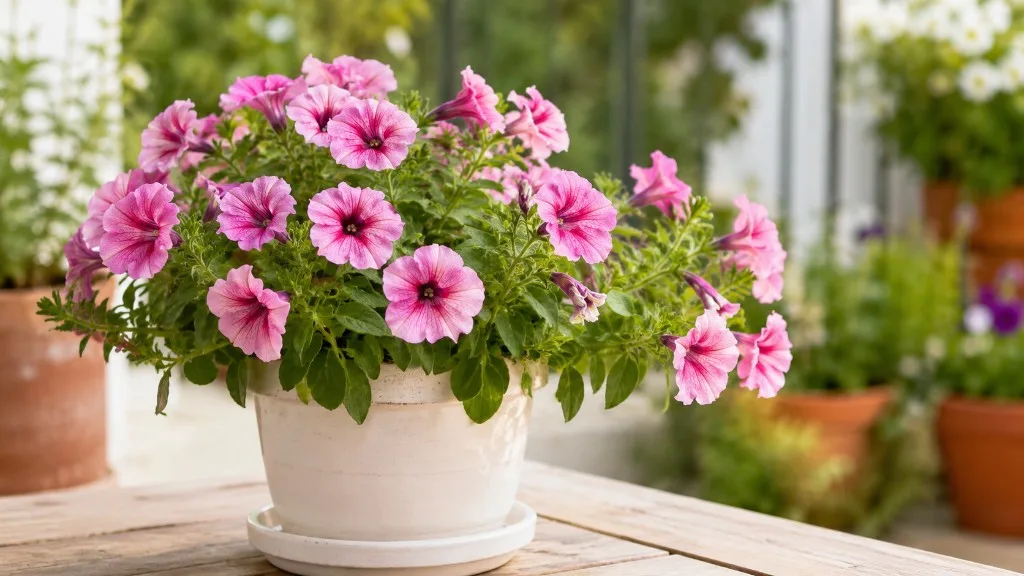
17. Petunia (Petunia hybrids) earns its place in containers, hanging baskets, and sunny edges because it blooms repeatedly and does not demand a permanent bed. Plants in small pots dry quickly, so use a larger container with drainage and check moisture before the foliage wilts. Remove exhausted flowers or trim leggy growth when the plant stops making new blooms; a midseason reset often works better than constant pinching.
18. Fuchsia (Fuchsia spp.) is the choice for a bright porch, hanging basket, or garden with morning sun and afternoon shade. It prefers consistently moist but well-drained media and struggles in intense heat, so a black container sitting on hot concrete is a poor match. In cold climates, grow it as an annual or overwinter a container rather than planting it where the roots will freeze.
19. Lantana (Lantana camara and hybrids) delivers clusters of small flowers through hot weather and works well in containers or warm, sunny beds. Let the soil dry slightly between deep waterings once established, but do not confuse drought tolerance with freedom from watering during a heat wave. Check local invasive-plant guidance before planting it, especially in frost-free regions where it can persist beyond a single season.
20. Cuphea (Cuphea spp.) is a warm-season container and border plant with narrow, tubular blooms that keep coming when many spring perennials are fading. It likes sun, heat, and drainage, yet produces more flowers with consistent moisture. Use it as a seasonal filler around a perennial framework rather than counting on it to survive a cold winter.
21. Flowering tobacco (Nicotiana spp.) offers evening fragrance, tall stems, and long tubes that hummingbirds can reach. It is generally grown as an annual and may self-sow, so remove seed pods if you want a controlled planting. Common names cover several species with different safety profiles; the ASPCA lists Nicotiana glauca as toxic to dogs, cats, and horses, so verify the exact species before planting around pets (ASPCA Nicotiana safety reference).
22. Canna lily (Canna spp.) adds tropical-looking foliage and bold red, orange, yellow, or pink flowers to a warm bed or large container. It appreciates sun, moisture, and a long growing season; in colder areas, lift the rhizomes after frost or treat it as an annual. Give it room, because the leaves can overwhelm a small container long before the flowers do.
Vines, shrubs, and vertical accents
23. Butterfly bush (Buddleja davidii) can provide a long run of summer-to-fall flower clusters and a strong visual anchor. Its size is the first decision, not an afterthought: choose a compact form only when it still fits your climate and local rules, and check whether the species is invasive where you live. A plant that feeds hummingbirds but escapes into natural areas is not a responsible default.
24. Trumpet creeper (Campsis radicans) is a powerful vertical nectar source for a sturdy fence, pergola, or large trellis. It can spread by runners, climb aggressively, and become difficult to remove, so keep it away from foundations, fragile structures, and trees you want to protect. The American Bird Conservancy includes trumpet creeper among native hummingbird plants but also warns gardeners to control aggressive or invasive growth and avoid planting choices that overtake habitat (American Bird Conservancy hummingbird habitat guidance).
25. Trumpet honeysuckle or coral honeysuckle (Lonicera sempervirens) is a more manageable vine for many gardens, with red and orange tubular blooms and a useful spring-to-summer window. Train it on a trellis or fence in sun, prune after flowering when needed, and avoid confusing it with invasive bush or Japanese honeysuckles. Regional native status still matters; “honeysuckle” is not a sufficient plant label.
26. Morning glory (Ipomoea purpurea) grows quickly from seed and can cover a trellis with purple, pink, blue, or white flowers. It is a good one-season screen where you can guide the stems and remove seed pods, but it is a poor choice beside a neighbor’s fence if you will not manage reseeding. Check local invasive guidance before planting other Ipomoea species, since the common name is used for several very different vines.
Planting combinations that keep nectar available
A spring-to-fall perennial border
For a temperate border, begin with eastern red columbine or bleeding heart for spring, follow with lupine or penstemon in early summer, and finish with bee balm, salvia, cardinal flower, and phlox. Repeat two or three plants in groups of three or more instead of planting one of every color. The repetition makes the planting easier for birds to find and gives you a clearer maintenance rhythm.
Place tall plants at the back, but do not create a solid wall. Leave small openings so a hummingbird can approach, retreat, and perch nearby. If the bed is dry, substitute penstemon, salvia, catmint, or hummingbird mint for cardinal flower; if it stays wet, do the opposite and move drought-loving plants to a raised or better-drained edge.
A small patio or balcony container mix
Use one large container rather than several tiny pots if watering is difficult. Combine a trailing petunia or fuchsia with upright salvia or cuphea, then add a compact canna lily only if the container is large enough for its roots and leaves. Morning sun and afternoon shade suit fuchsia; all-day sun suits petunia, salvia, and cuphea.
Containers give you control over soil and placement, but they also magnify mistakes. A pot that dries twice in one hot week can cancel every advantage of a nectar-rich plant. Use drainage holes, refresh water before the plant wilts, and move heat-sensitive choices out of reflected afternoon heat.
A drought-tolerant sunny bed
Build the dry-bed combination around penstemon, hummingbird mint, salvia, red hot poker, and catmint. Add a well-sited daylily for resilience and a few annual zinnias for fast color while the perennials fill in. Birds & Blooms’ regional plant guidance shows why this approach works best when the plant list follows local hummingbird species and local climate rather than a one-size-fits-all national ranking.
Do not amend a drought-tolerant bed into a moisture-retentive bog just because every new plant arrives in a rich potting mix. Improve drainage where needed, water deeply while roots establish, and then lengthen the interval between waterings. A plant that is constantly stressed will produce fewer flowers even if its species is theoretically drought tolerant.
Hummingbird garden care after planting
Water, shelter, and safe perches
Flowers provide nectar, but hummingbirds also need insects, cover, and places to rest. Epic Gardening’s habitat guidance recommends combining native nectar plants with water, shelter, safe perches, and a spring-through-fall bloom sequence; that is a better model than treating a flower bed as a bird feeder with petals.
Offer shallow moving or dripping water rather than a deep, stagnant basin. Leave a dead branch or slim twig near the planting as a lookout, and keep some shrubs or layered foliage nearby without blocking every approach. Space separate patches when possible: hummingbirds can be territorial, and multiple small nectar zones may work better than forcing every bird to defend one crowded corner.
Avoid insecticides on flowers hummingbirds use. Hummingbirds eat small insects as well as nectar, and the American Bird Conservancy specifically warns against chemicals that can harm insects, birds, and other wildlife. If pests appear, identify them first, remove the worst-affected growth, improve airflow, and use the least disruptive control that fits the plant.
Pesticides, deadheading, and invasive plants
Deadheading is a tool, not a rule. Remove spent flowers from petunias, zinnias, salvia, and phlox when you want more bloom, but leave some seedheads on plants that birds use later or that you want to reseed. On cardinal flower and foxglove, cutting every stem immediately can remove the very structure that helps the plant return.
Buy nursery-grown plants from reputable sources and avoid digging wild plants. Confirm that plants and seeds are not treated with systemic insecticides when possible, and read the label rather than assuming “pollinator friendly” means harmless to every bird or insect. Before planting butterfly bush, trumpet creeper, lantana, or morning glory, check your state, province, or county invasive-plant list; a local native alternative is often the smarter long-term purchase.
Should you add a feeder?
A feeder can supplement a flower garden, but it should not replace habitat. Flowers offer nectar in a natural sequence, while the garden also supports insects and cover. A feeder requires discipline: fresh nectar, frequent cleaning, shade, and protection from cats and other predators.
The American Bird Conservancy notes that neglected feeders can become a health threat, and it recommends native flowering plants as part of a safer backyard habitat. If you add a feeder, hang it where you can clean and refill it easily, keep it out of direct afternoon heat, and continue planting flowers so birds are not dependent on one concentrated food source.
Common mistakes that reduce hummingbird visits
Choosing by color alone. A red flower in the wrong soil is still a failed food source. Start with the site, then choose the strongest flower color and shape among plants that can actually thrive there.
Planting only one bloom window. A garden packed with early columbine can go quiet before migration ends. Pair spring flowers with summer salvia, bee balm, penstemon, or phlox and late-season cardinal flower, zinnia, or cuphea.
Treating “native” as a complete plan. Native plants are valuable, but the best choice is the native species adapted to your region and conditions. A native cardinal flower in dry sand will fail; a carefully selected annual in a container may provide more usable nectar than a stressed perennial.
Ignoring mature size. Trumpet creeper and butterfly bush are not small border plants. Give vines a strong support and shrubs enough clearance, or choose a compact species that matches the space from the beginning.
Overwatering plants from dry habitats. Penstemon, hummingbird mint, salvia, and red hot poker need drainage. More water is not more care when roots are sitting in cold, saturated soil.
Using broad-spectrum pesticides. A spotless garden can be a poor hummingbird habitat if it removes the insects young birds need. Tolerate minor damage, identify the pest, and avoid spraying open flowers.
Forgetting household safety. Foxglove, delphinium, and some Nicotiana species can be toxic to pets. If a child or animal may chew the plant, choose a safer option or place the bed where access is controlled; after suspected ingestion, contact a veterinarian or poison-control service promptly.
Conclusion
The strongest hummingbird garden is a sequence of good decisions: choose flowers that fit your soil and light, repeat a few dependable plants, and keep something in bloom from the first spring arrivals through late summer and fall. Bee balm, cardinal flower, salvia, penstemon, hummingbird mint, petunias, and zinnias can all be excellent choices, but none is universally best.
Start with three plants you can grow well, add one early and one late bloomer, and watch which flowers your local birds actually use. Then improve the habitat around them with water, safe perches, shelter, native plants, and pesticide-free management. That approach produces a garden that feeds hummingbirds without turning the planting into a fragile collection of short-lived favorites.