How to Grow and Care for Butterfly Bush
Grow butterfly bush responsibly with clear advice on site selection, watering, pruning, cultivars, winter care, pests, bloom problems, and controlling spread.
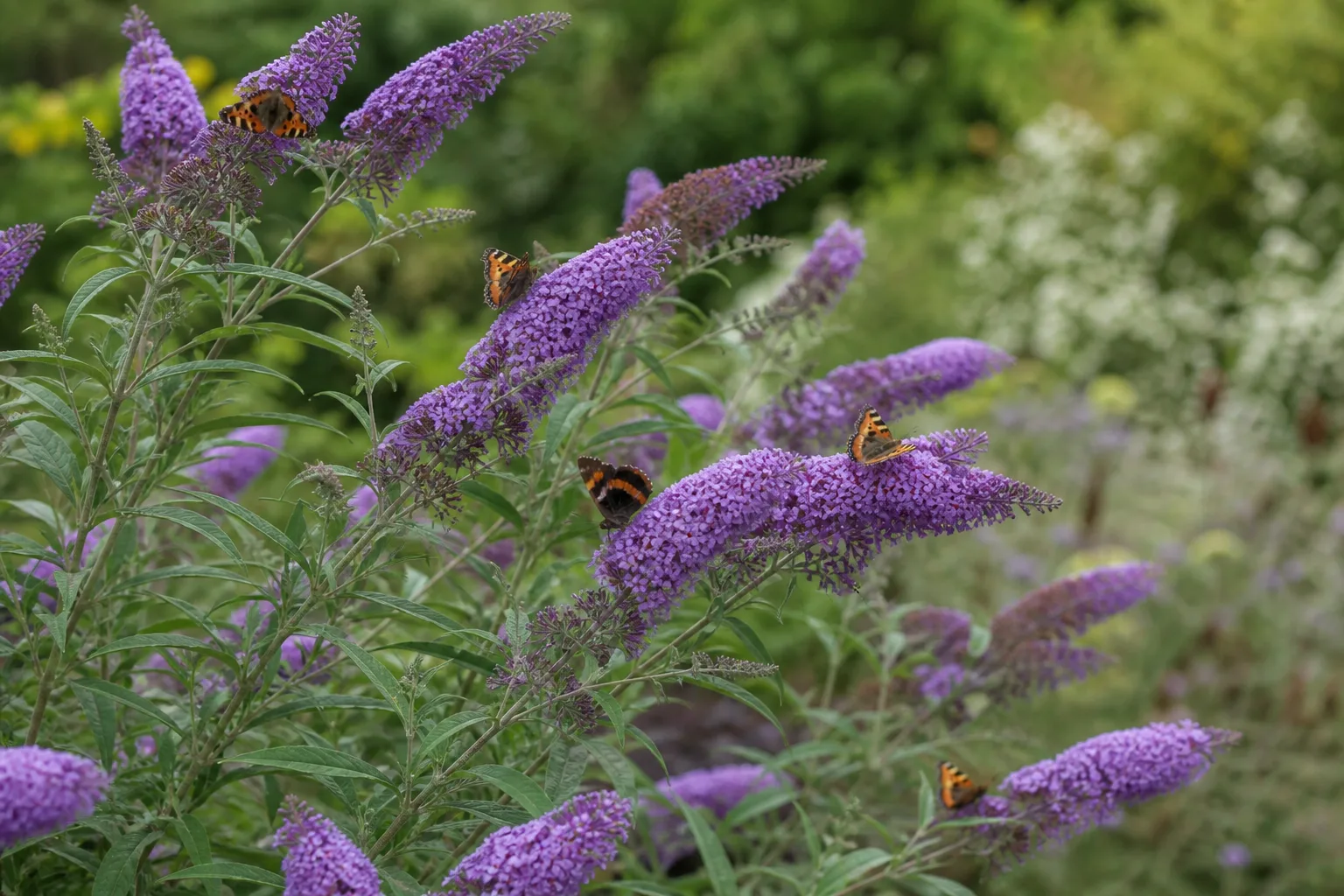
Butterfly bush (Buddleja davidii) earns its common name honestly: its long flower panicles can draw adult butterflies, hummingbirds, and other nectar-seeking insects for weeks in summer. It is also fast-growing, forgiving of ordinary garden soil, and capable of producing a large shrub from a small nursery pot in a surprisingly short time.
That combination comes with a responsibility. In some regions, Buddleja davidii spreads into disturbed ground and natural areas, and local authorities may restrict it. Even where it is permitted, a butterfly bush is mainly a nectar source for adult butterflies—not a host plant where butterfly caterpillars can complete their life cycle. Check your local invasive-plant list before buying, choose a documented low-seed or sterile cultivar where appropriate, and build a broader habitat with native host plants. Clemson Cooperative Extension provides a useful baseline care reference.
What butterfly bush is—and the decision to make before planting
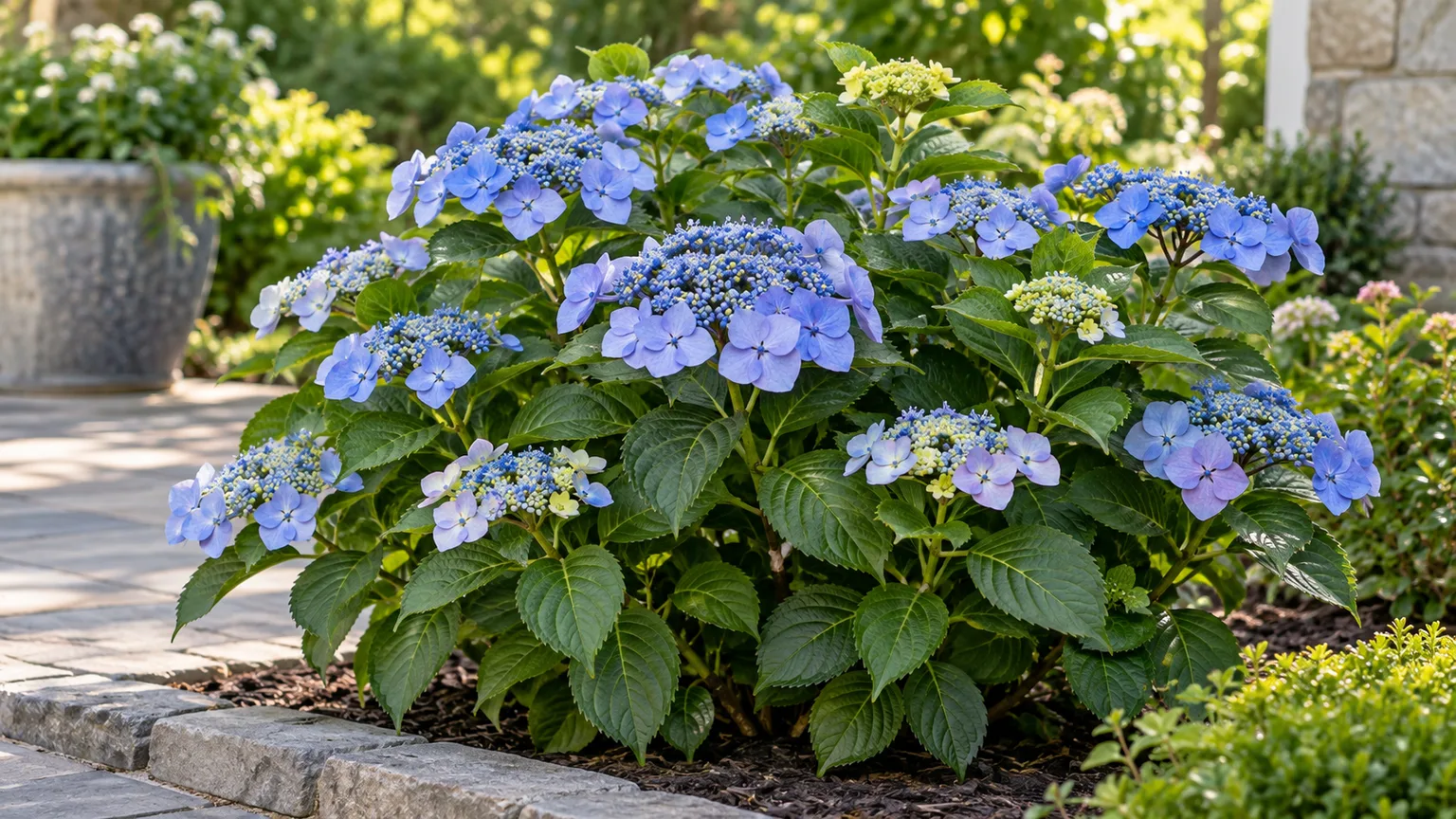
Butterfly bush is a woody shrub that usually loses its leaves in winter. Depending on climate, cultivar, and pruning, it may remain a substantial shrub or die back close to the ground and regrow from the roots in spring. Mature size ranges widely: compact cultivars may stay near 2 feet tall, while vigorous types can become 6 to 12 feet tall and nearly as wide.
The flowers appear in terminal clusters, often called panicles, in shades of purple, pink, blue, white, or reddish-purple. Most cultivars flower on new growth, which is why a hard late-winter cutback can produce a flush of flowering stems rather than removing the coming season’s buds.
Before planting, ask three questions: Is it allowed and considered responsible in my area? Do I have room for its mature spread? Am I willing to remove spent flowers and volunteer seedlings? If any answer is no, choose a native shrub or perennial that supports local insects more completely.
Adult butterflies versus caterpillar habitat
Nectar-rich butterfly bush flowers can be useful at the adult stage, but adult butterflies need more than nectar. Their offspring need particular host plants for food, and those host relationships are often species-specific. A garden that contains only butterfly bush may look busy with visiting adults while offering nowhere for eggs to be laid or caterpillars to feed.
Treat the shrub as one nectar component, not as a complete butterfly garden. Add locally native host plants recommended by your extension service, plus several nectar plants with overlapping bloom times. Avoid insecticide applications during bloom, and leave some sheltered stems, leaf litter, and non-weedy plant cover where local wildlife can use them.
Check local rules and invasiveness before you buy
The risk is not identical everywhere. Climate, seed production, nearby waterways, soil disturbance, and the presence of natural habitat all affect whether a plant can escape and establish. Some jurisdictions restrict standard seed-producing forms while allowing named sterile selections; others advise against planting the species altogether. Oregon’s butterfly-bush guidance shows why cultivar and regional rules must be checked together.
Search your state, province, or country’s invasive-plant database and ask a local extension office or botanical garden before purchasing. Do not assume that a cultivar marketed as “butterfly friendly” is sterile. Look for a specific breeding claim, a reliable nursery description, and local approval rather than relying on a color name or a vague pollinator label.
If an existing shrub is listed as invasive where you live, the responsible choice may be removal. Replace it with native nectar and host plants suited to your soil and climate instead of trying to manage a plant that is a poor fit for the site.
Choose a cultivar that fits your garden
Start with mature dimensions, not the size of the plant in the sales pot. A compact series may suit a border or large container, while a full-size cultivar needs a position where its arching stems will not block paths, windows, or smaller perennials. Flower color is secondary to regional suitability, seed behavior, and eventual height.
Where butterfly bush is permitted, look for cultivars described by a university, public garden, or regional authority as sterile or low-seed. “Seedless” should mean tested or documented, not merely “does not usually self-sow in my yard.” Sterility can also vary by cultivar and growing conditions, so deadheading remains a useful precaution.
Pick the best planting site
Give butterfly bush at least six hours of direct sun. In less light, stems tend to stretch, the canopy becomes thin, and flower production drops. Morning sun with good air movement is preferable to a cramped corner against a wall where reflected heat and poor circulation intensify water stress.
The soil should drain freely after rain. Butterfly bush tolerates ordinary soil and some dryness once established, but its roots struggle in a permanently wet bed. If water stands after a storm, improve the bed or choose another plant; adding fertilizer to compensate for a bad site will not solve oxygen-starved roots.
Allow room for the mature width and for access around the base. Space multiple shrubs according to their expected spread, not a generic nursery label. Good spacing improves air circulation, makes deadheading easier, and lets you see volunteer seedlings before they become established.
Plant butterfly bush without setting it back
Plant in spring after severe freezes have passed, or in early fall while the soil is still workable and roots have time to settle. Dig a hole no deeper than the root ball and two to three times as wide. Loosen circling roots gently, set the plant so the top of the root ball is level with or slightly above the surrounding soil, and backfill with the excavated soil.
Water slowly to settle the root zone, then add a thin mulch layer. Keep mulch a few inches away from the stems so the crown stays dry and visible. Planting too deeply is a common reason a new shrub sulks: buried stems stay wet and can develop decay before the top growth has established.
Water for establishment, then water deeply and less often
For the first growing season, check the soil several inches down and water when the root zone is beginning to dry. Apply water slowly enough to wet the full planting hole rather than sprinkling the leaves every day. The correct interval depends on soil, heat, wind, rainfall, and container size, so a calendar reminder is less reliable than a finger or moisture check.
Once established, butterfly bush usually handles short dry spells better than a newly planted specimen. During prolonged heat or drought, water deeply at the soil line before the foliage wilts severely. Avoid keeping the bed constantly soggy, especially in heavy clay. Yellowing, weak growth, and dieback can indicate excess moisture as readily as thirst.
Fertilize lightly and protect the root zone
Butterfly bush is not a heavy feeder. A thin layer of finished compost around the root zone in spring is usually enough in a reasonably fertile bed. Keep compost and mulch off the stems, and do not use repeated high-nitrogen feeding to force leafy growth; lush shoots can become floppy and may produce fewer flowers.
If growth is weak, investigate light, drainage, planting depth, drought, and root damage before reaching for fertilizer. A soil test is more useful than guessing, especially where the shrub is planted near a lawn that already receives nutrients.
Prune butterfly bush for shape, health, and flowers
Pruning has three separate jobs: removing spent flower heads, correcting structure, and reducing the old framework before spring growth. Do not treat them as one annual haircut.
Deadhead during the flowering season
When a flower panicle fades, cut it back to a healthy pair of leaves or a strong side shoot. Deadheading keeps the shrub looking tidy, can encourage additional flowering, and reduces the number of dry heads that can release seed. Bag or dispose of the heads if spread is a concern; do not compost mature seed heads unless your compost reaches conditions that reliably destroy seed.
Cut back in late winter or early spring
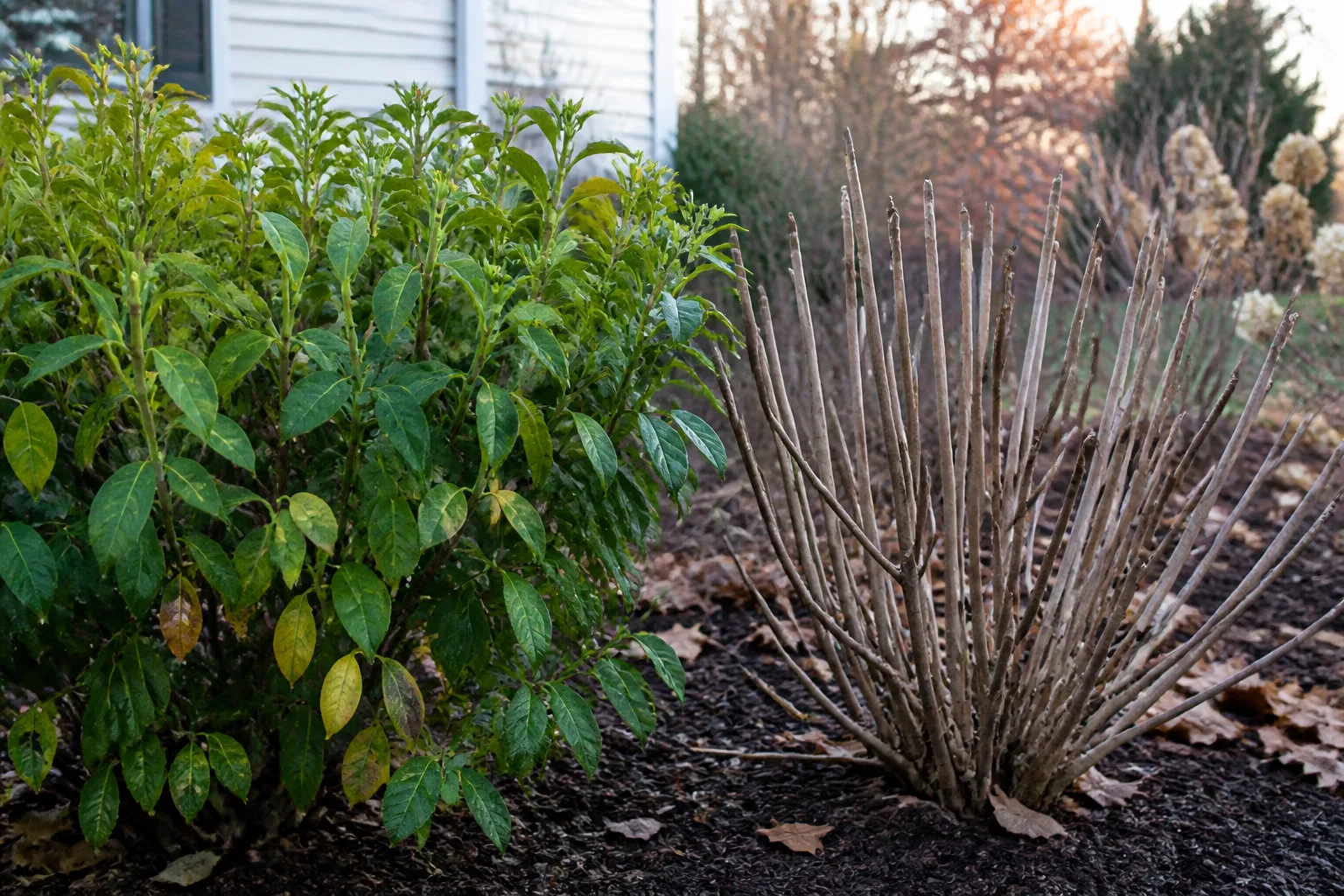
In cold climates, wait until the worst winter weather has passed and new buds begin to swell. Cut out dead wood first, then shorten the remaining framework to a manageable set of strong, low branches. Many gardeners cut established butterfly bush hard, often to 12 to 24 inches, because new flowers form on new shoots. In warmer climates, preserve more structure if the cultivar remains woody and the plant already has a balanced shape.
Use sharp, clean tools and make cuts just above a healthy bud or branch union. A hard cut is not a substitute for choosing the right cultivar: a shrub that outgrows its location every year will remain a maintenance problem even if it tolerates pruning.
Grow butterfly bush in a container
Only dwarf or compact forms are practical in containers. Use a pot with drainage holes that is substantially larger than the nursery root ball, a porous potting mix, and a position with full sun. Containers dry faster than beds, so inspect the mix frequently during hot weather, but never leave the pot sitting in a saucer of standing water.
Container shrubs need more frequent renewal than plants in the ground. Repot when roots circle densely or water runs straight through the root ball, and refresh the mix without burying the crown. In cold regions, the pot and roots are more exposed than those in the ground; move the container to an unheated sheltered location after the plant goes dormant, while avoiding a warm indoor room that encourages premature growth.
Propagate by cuttings only when it is appropriate
Propagation is easy enough, but making more plants is not automatically responsible when the parent is invasive or restricted. Never distribute cuttings of a prohibited plant, and do not use propagation as a way to multiply a seed-producing form that you are already struggling to contain.
For an allowed, non-patented cultivar, take a 4- to 6-inch softwood or semi-ripe cutting in summer. Remove the lower leaves, insert the cutting into a clean, lightly moist rooting medium, and cover it loosely to maintain humidity while keeping the leaves from rotting. Bright indirect light is better than harsh direct sun. Resistance when you tug gently after several weeks can indicate roots, but transplant only after the cutting has a functioning root system and fresh growth. The Penn State propagation report describes this sequence.
Commercially patented plants may not be legally propagated for sale. Check the plant label and local rules before sharing rooted cuttings.
Prepare butterfly bush for winter
In zones where the top growth dies back, that is normal winter behavior rather than proof the plant has failed. Leave the root crown in place, reduce watering as the plant goes dormant, and remove clearly dead stems at the appropriate late-winter pruning time. A 2- to 3-inch mulch layer can buffer temperature swings, but keep it away from the crown.
Do not encourage tender new growth with late fertilizer or heavy pruning in fall. In a borderline climate, site protection and drainage matter more than wrapping the entire shrub. A potted plant needs extra root protection because freezing and thawing can damage the exposed root ball even when an in-ground plant survives.
Solve common pest and disease problems
Butterfly bush is generally resilient, but spider mites may appear during hot, dry weather. Look for fine stippling, dull or bronze foliage, and delicate webbing. Confirm the pest before treating: wash foliage with a firm but gentle stream of water, reduce plant stress, and preserve predatory insects. If a labeled horticultural product is needed, follow its label exactly and avoid spraying open flowers or times when pollinators are actively foraging.
Foliar nematodes can cause irregular yellow or brown patches and are difficult to manage once established. Remove badly affected plants and dispose of them according to local guidance; do not move suspect plant material to another bed. The University of Massachusetts Extension diagnosis shows why confirmation matters. Poor drainage, root damage, and winter injury can mimic disease, so inspect the roots and planting conditions before assuming a pathogen is responsible.
Why butterfly bush is not blooming
Start with light. If the shrub receives fewer than six hours of direct sun, moving or replacing it will usually help more than feeding it. Next check whether it was pruned at the wrong time, planted too deeply, exposed to unusual cold, or stressed by drought or waterlogged soil.
If foliage is abundant but flowers are scarce, excessive nitrogen or shade is more likely than a lack of fertilizer. If the plant is young, give it time to establish, but do not excuse repeated failure in a fundamentally poor site. Check for chewed buds after a period of beetle or grasshopper activity, and inspect the stems for winter damage before cutting live wood.
Control seedlings and remove an unwanted plant
The simplest control is prevention. Clip spent flower heads before they dry, remove volunteers while they are small, and monitor gravel edges, fence lines, cracks, and other disturbed soil where seedlings can establish. Do not let an attractive volunteer decide the planting plan for you.
To remove a shrub, cut stems close to the ground and dig out the crown and major roots when the soil is moist. Watch the site for regrowth and seedlings over subsequent seasons. If the plant is large, regulated, or growing near sensitive habitat, ask the local extension service or invasive-plant program about disposal and replacement recommendations.
Build a better pollinator planting around it
Pair any permitted butterfly bush with locally native plants that provide both nectar and caterpillar food. Choose a succession of bloom times instead of relying on one summer shrub, and include flowers with different shapes so small bees, hoverflies, moths, and butterflies can all find usable resources. Provide shallow water or damp soil safely, and leave some stems and leaf litter where insects can shelter.
Native alternatives vary by region, but butterfly weed (Asclepias tuberosa), native asters, mountain mint, buttonbush, serviceberry, and regional willow species may fill different nectar or host-plant roles. Verify the list locally: the best replacement is the one adapted to your climate and known to support wildlife in your area, not simply a plant with “butterfly” in its name.
Conclusion
Butterfly bush is easy to grow when it has full sun, well-drained soil, steady establishment watering, and annual pruning that respects new-wood flowering. The harder question is whether it belongs in your landscape. Check local invasiveness guidance first, select a documented low-seed or sterile cultivar where it is allowed, remove flower heads before they mature, and never mistake adult-butterfly visits for a complete habitat plan.
If the plant is a poor regional fit, replace it with native nectar and host plants. If it is permitted and responsibly managed, use it as one part of a layered pollinator garden rather than the entire garden.