Why Your Watermelons Stay Small or Taste Bland
Small or bland watermelons? Fix the six mistakes that limit size and sweetness—from variety choice and soil fertility to watering rhythm and early harvest.
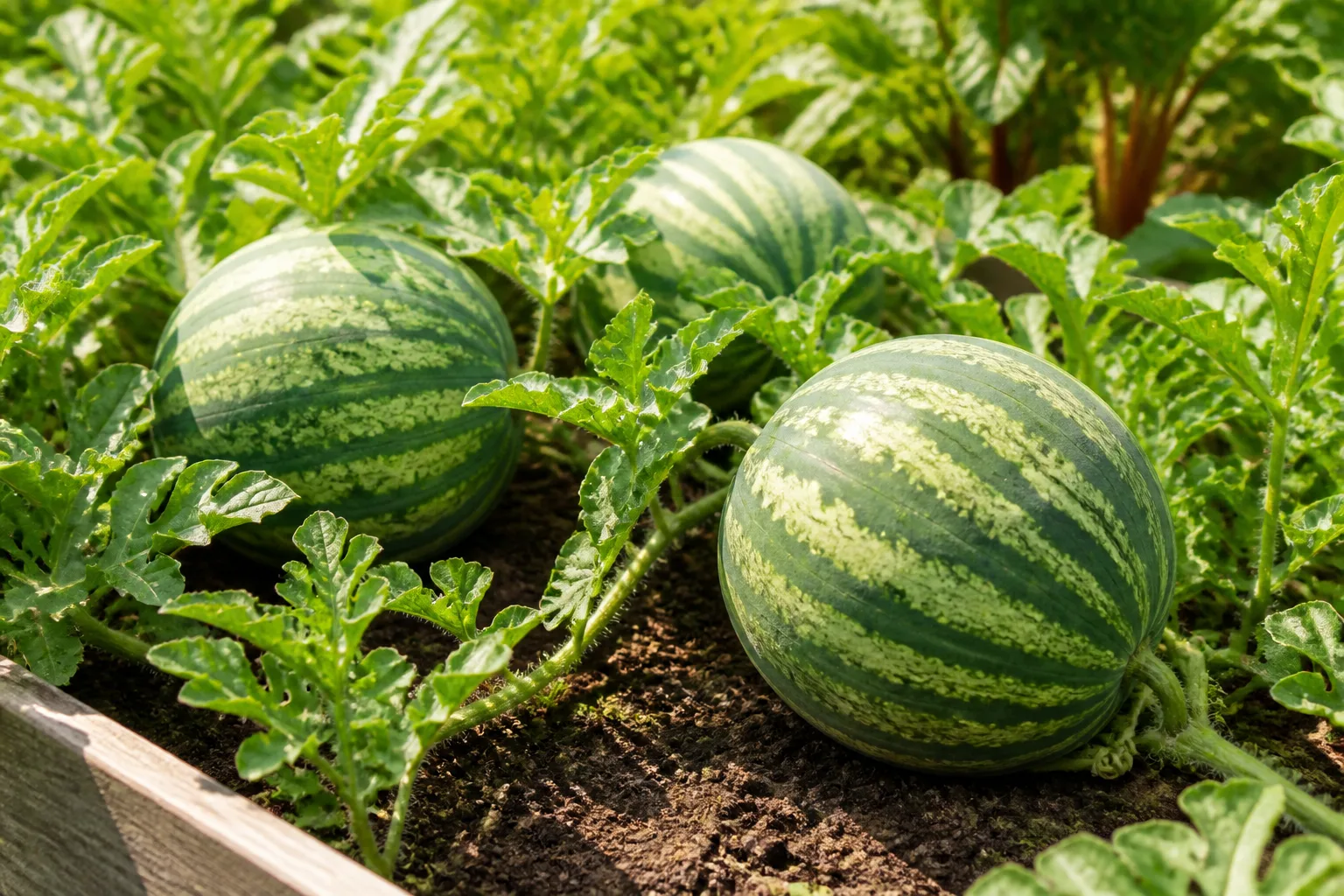
A disappointing watermelon harvest rarely comes down to one mystery curse. More often, size and sweetness fail for predictable reasons: the variety never promised a 20-pound melon, nutrients leached away before fruit set, water swung between drought and soggy roots, or the melon came off the vine a week too early. The good news is that watermelons telegraph most of these problems if you know what to look for.
This guide walks through the six culture mistakes that most often produce small, bland, or grainy fruit, plus the pollination and spacing issues many “reasons” lists skip entirely. Work through the triage steps first so you fix the actual bottleneck—not the problem you wish you had.
Run the Five-Minute Triage Before You Change Anything
Before you dump more fertilizer on stressed vines, separate size problems from flavor problems. They overlap, but they do not always share the same cause.
Small, Bland, or Both?
Small fruit with decent flavor usually points to fertility, water stress, crowding, pollination, or a compact variety grown in tight quarters. Full-size or nearly full-size fruit that tastes flat or watery more often traces to irregular watering, picking too early, excess late nitrogen, or heavy irrigation right before harvest. Grainy or dry texture frequently follows drought during fruit enlargement or harvesting before sugars finish developing.
Write down what you are actually seeing on each melon: weight estimate, ground spot color, tendril condition, and whether the rind still looks shiny. Those notes make the rest of this page much easier to use.
Check the Seed Packet First
Watermelon cultivars range from 6-pound icebox types to 25-pound field melons, and days to maturity span roughly 70 to 100 days depending on the variety (UF/IFAS Gardening Solutions). If you planted ‘Sugar Baby’ or another compact type, a 10-pound melon may be a success—not a failure. NC State Extension lists ‘Sugar Baby’ at 6–8 inches round, ‘Crimson Sweet’ at 15–25 pounds oval, and larger heirlooms beyond that (NC State Extension).
If your melons match the packet’s size range but taste dull, shift your focus to water rhythm, ripeness timing, and late-season feeding rather than chasing impossible bulk.
Mistake 1: Expecting the Wrong Size From the Variety You Planted
The fastest way to feel like a failure is to compare an icebox watermelon to a county-fair giant. Standard vines also need serious space: UF/IFAS notes that a single plant can require 18 to 24 square feet as vines spread (UF/IFAS Gardening Solutions). NC State describes prostrate vines reaching 5 to 10 feet wide (NC State Extension). Crowding two full-size varieties into one raised bed guarantees smaller fruit and weaker flavor even if everything else is perfect.
Icebox Types vs Full-Size Melons
Compact varieties like ‘Sugar Baby’ produce shorter vines and personal-sized fruit by design—useful in raised beds where Epic Gardening recommends at least 12 inches of soil depth, with deeper beds performing better in summer heat (Epic Gardening). Full-size types such as ‘Crimson Sweet,’ ‘Charleston Grey,’ or ‘Jubilee’ need open ground or beds with room for vines to run off the edges onto mulch.
Fix for next season: Match cultivar to space. In small gardens, choose bush or icebox types and plant one strong vine per mound. In large plots, allow 36 inches between plants and 7–8 feet between rows, adjusting to your seed label (UF/IFAS Gardening Solutions).
Mistake 2: Feeding the Vine But Starving the Fruit
Watermelons are heavy feeders in the cucurbit family, but “feed more” is not a strategy. Timing and balance matter more than volume.
Build Fertility Before Planting
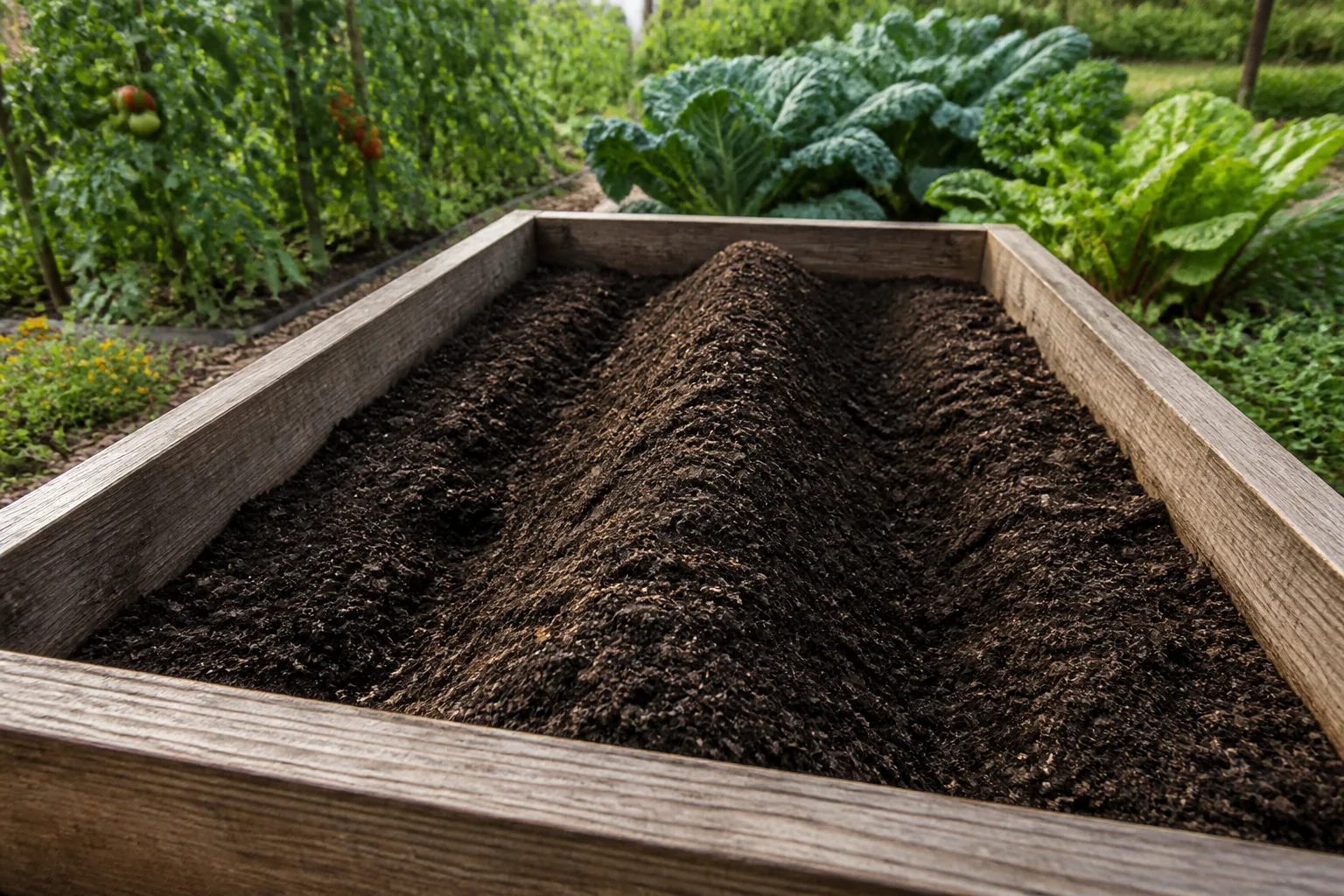
Start with a soil test when possible. Watermelons prefer slightly acidic to neutral soil, roughly pH 6.0 to 6.8, in loamy, well-drained conditions (Epic Gardening; NC State Extension). Work in compost or aged manure before planting to improve both sandy and clay soils. Sandy ground loses water-soluble nitrogen and potassium quickly in wet weather; clay holds nutrients better but suffocates roots when compacted.
If last year’s cucurbits occupied the same bed, rotate away for two to three years when you can. Repeated melon or squash plantings increase disease pressure that stresses vines and reduces usable fruit (UF/IFAS Gardening Solutions).
Shift Away From Heavy Nitrogen at Fruit Set
Nitrogen drives leafy vine growth. That is useful early, but ** excess nitrogen during flowering and fruit enlargement** can produce lush foliage with mediocre melons. Once vines flower and set fruit, shift toward a fertilizer emphasizing phosphorus and potassium, which support fruit development (Epic Gardening).
A practical season split looks like this:
- At planting: compost-enriched soil plus a balanced or slightly nitrogen-forward organic feed if the soil test is low.
- During early vine run: light, steady feeding only if growth looks pale and a test confirms need.
- From first female flowers through fruit sizing: potassium-forward feeding; avoid high-nitrogen lawn fertilizers nearby.
Potassium is especially tied to quality fruit in cucurbits. If sandy soil and heavy rain leach it away, foliar yellowing on older leaves and stalled fruit growth often follow—retest and sidedress rather than guessing.
Mistake 3: Soil That Holds Water Poorly—or Never Lets It Go
Even perfect fertilizer fails when roots live in the wrong environment. Watermelons want moist, well-drained soil—not a bathtub.
Sandy Leaching and Clay Stagnation
In sandy gardens, nutrients and water move through the profile fast. Organic matter helps sand hold moisture and cation exchange sites for potassium. In heavy clay, drainage problems deprive roots of oxygen; stressed plants set fewer fruits and may show blossom-end rot when calcium uptake fails during fluctuating moisture (NC State Extension — blossom-end rot).
Fixes that work on both extremes:
- Add 2–4 inches of compost and till or fork it into the top 8–12 inches before planting.
- Build raised mounds or beds so water drains away from crowns.
- Mulch after soil warms—straw, shredded leaves, or black plastic—to reduce evaporation and splash-borne disease. Black plastic also raises soil temperature in cool springs (Epic Gardening).
If melons crack or rot at the blossom end while leaves look otherwise healthy, suspect irregular watering plus calcium mobility, not “lack of calcium in the soil” alone.
Mistake 4: Watering on Panic Instead of on a Rhythm
Watermelon is mostly water by weight, so irrigation feels important—and it is. The mistake is treating that as permission to soak plants daily or, worse, letting them wilt repeatedly between floods.
Underwatering, Overwatering, and the Late-Season Sweetness Taper
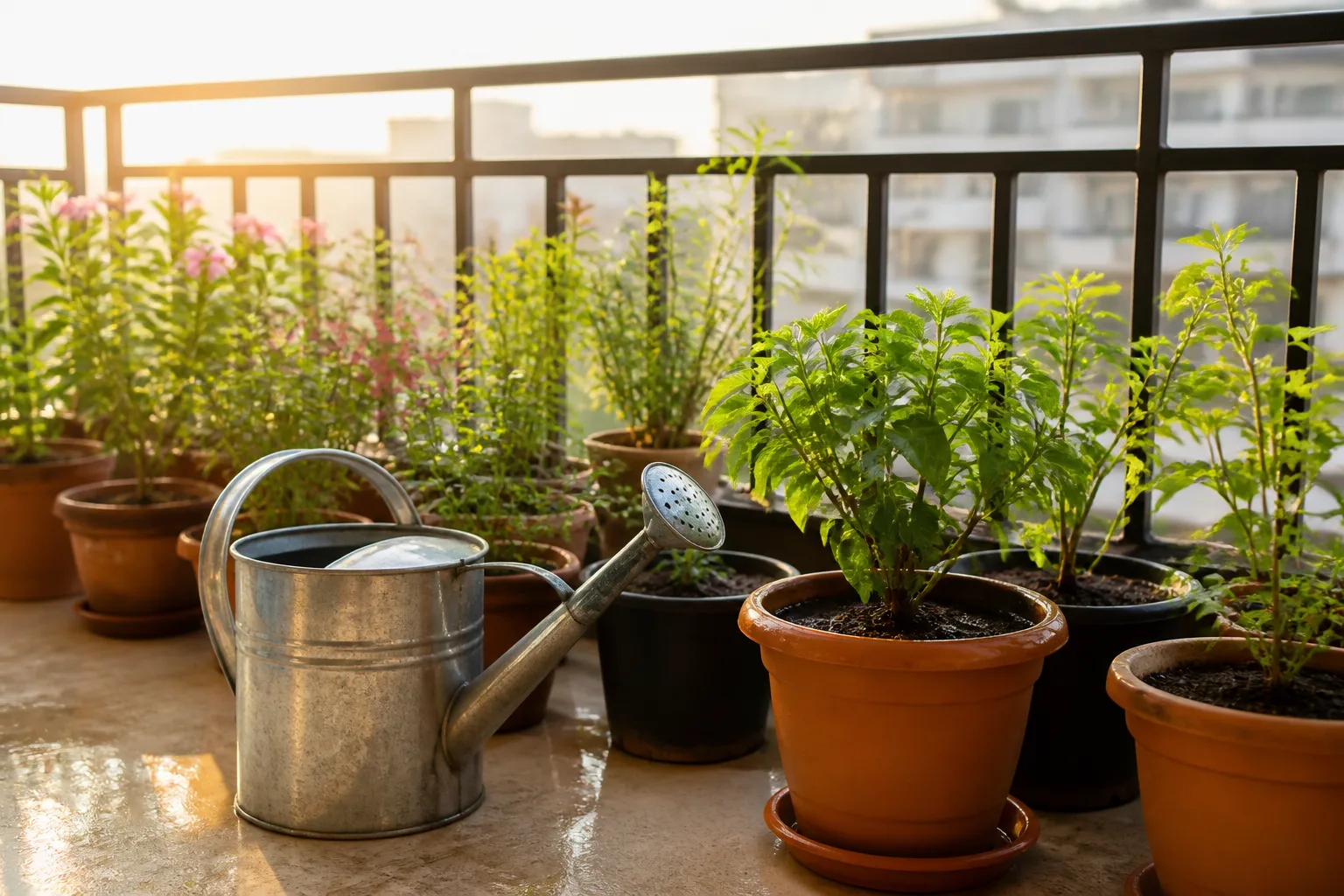
Underwatering during fruit enlargement produces smaller melons and can yield grainy, less juicy flesh. Overwatering or poorly drained soil deprives roots of oxygen; vines yellow, fruit set stalls, and flavors flatten. As horticulturist John Lenz of Baker Creek Heirloom Seed Company notes in industry guidance, watermelons want moisture but should not stand in saturated soil—it is easier to add water than remove it.
During vine growth and fruit set, aim for roughly 1 to 2 inches of water per week from rain plus irrigation, delivered deeply rather than in shallow sprinkles (Epic Gardening). Drip line or soaker hoses at the root zone beat overhead sprinklers that wet foliage and invite mildew.
Here is the sweetness lever many guides omit: reduce watering about one to two weeks before expected harvest once melons are near full size. Epic Gardening explains that continued heavy irrigation late in maturity dilutes sugars and can leave flesh watery and bland (Epic Gardening). UF/IFAS likewise ties best flavor to avoiding combined stress from insects, disease, weeds, poor nutrition, and too much or too little water (UF/IFAS Gardening Solutions).
Check moisture with your finger or a trowel slice 4–6 inches down. Water when the root zone is dry at that depth, not when leaves flag in midday heat alone.
Mistake 5: Too Little Sun or Too Much Early Cold
Watermelons are warm-season annuals native to African climates. They do not negotiate on heat and light.
Full-Sun Minimums and Transplant Timing
NC State lists watermelons as needing full sun—six or more hours of direct light daily (NC State Extension). For best sugar development, eight or more hours is safer. Partial shade produces leggy vines, fewer female flowers, and undersized fruit.
Temperature windows matter just as much. UF/IFAS reports optimal daytime growth around 70 to 85°F, with tolerance up to about 90°F (UF/IFAS Gardening Solutions). Plant when soil temperature reaches at least 70°F (21°C) and air settles warm; Epic Gardening warns that early planting in cold soil yields stunted, yellowing plants that may never fully recover (Epic Gardening).
Fixes:
- Choose the sunniest bed and prune overhanging branches that moved shade since spring.
- Direct-sow or transplant after the last frost window for your region; in short seasons, start indoors in biodegradable pots to limit root disturbance (UF/IFAS Gardening Solutions).
- Use row cover or plastic mulch for early warmth, then remove cover at flowering so bees can reach blooms.
Disturbed roots at transplant are a silent stunter. Handle seedlings gently, plant peat pots intact, and water immediately—do not let new transplants bake on a cloudy cool week.
Mistake 6: Harvesting by Calendar Instead of by Cues
Nothing makes a potentially good melon taste disappointing like picking it green. Sugar accumulation finishes on the vine; off-vine ripening does not truly continue the way it does for bananas or tomatoes.
The Four-Check Ripeness Method
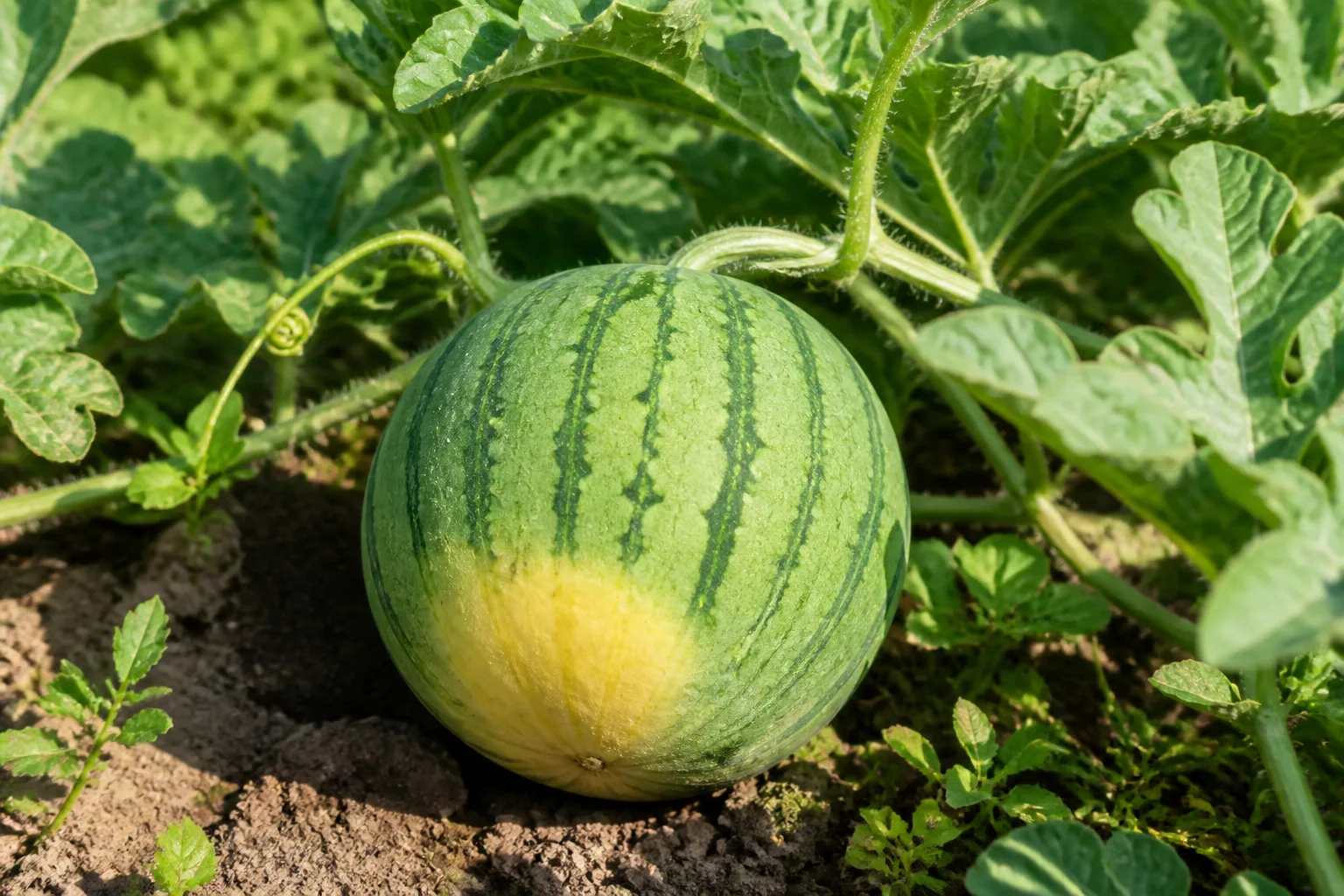
Seed packets give days-to-maturity ranges—often 80 to 100 days—but weather shifts that calendar. Use field cues instead (UF/IFAS Gardening Solutions):
- Ground spot (field spot): The belly where the melon rests should turn creamy yellow to bright yellow. A white or pale green spot means it needs more time.
- Tendril: The curly tendril closest to the fruit stem should brown and dry. Green tendril = keep waiting.
- Rind sheen: The outer skin shifts from high gloss to dull as maturity approaches.
- Thump: A ripe melon often sounds deep and hollow; underripe fruit can sound tight or metallic. Use this as a backup—ground spot and tendril are more reliable for beginners (Epic Gardening).
Cut the stem with a knife rather than twisting, which can crack rinds and invite rot. Handle fruits gently to avoid wounds that shorten storage.
If every cue says ripe but flavor still disappoints, look back at water taper, nitrogen excess, and disease stress during the final two weeks—not at harvest timing alone.
The Hidden Seventh Problem: Pollination and Vine Crowding
Flowers without fruit is a different heartbreak from small fruit. Watermelons bear separate male and female flowers on the same plant (monoecious). Pollinators must visit both; cold, rainy weather during bloom reduces fruit set (NC State Extension).
What helps:
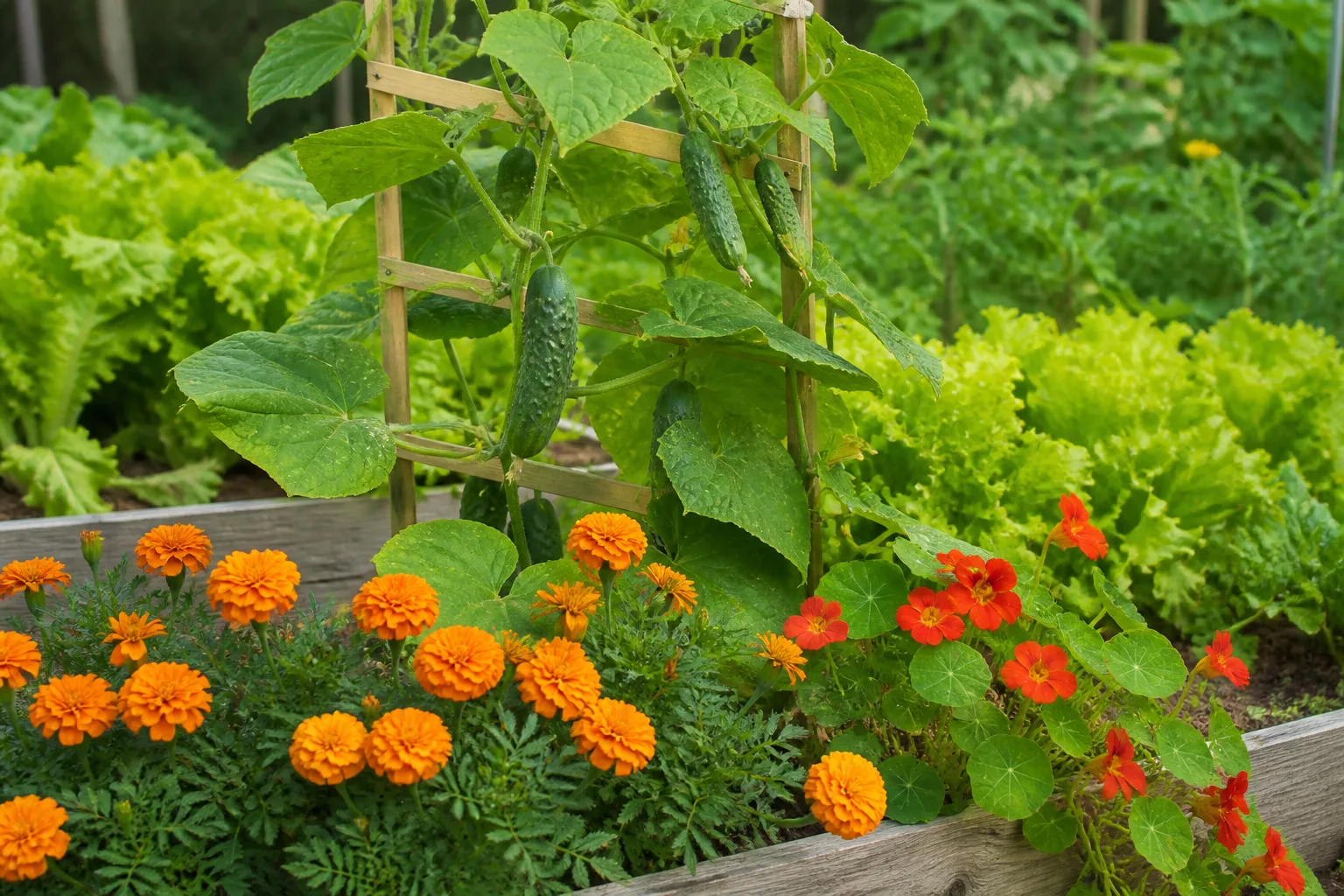
- Avoid insecticides during bloom; plant nectar-rich flowers nearby.
- Ensure row covers come off when the first female flowers open.
- Give each vine air and space—crowded leaves reduce bee movement and increase mildew.
If you see many aborted mini-fruits, pollination or early stress is likely. Fixing fertility will not replace missing bee visits.
Conclusion
Big, sweet watermelons are less about a single secret trick than about stacking small advantages: the right cultivar for your space, fertile well-drained soil, deep consistent watering with a late taper, full sun, warm planting timing, strong pollination, and harvest by field cues—not impatience.
Start with the seed label and your notes from this season. If size was the issue, adjust spacing and potassium timing. If flavor was flat, tighten watering rhythm and wait for yellow ground spots next time. Watermelons forgive a lot when heat, roots, and ripeness align—but they rarely forgive being rushed off the vine.



