What Temperature Will Kill Pansies?
Pansies tolerate light frost, but hard freezes and exposed pots raise the risk. Learn when to cover them, judge damage, and help surviving plants recover.
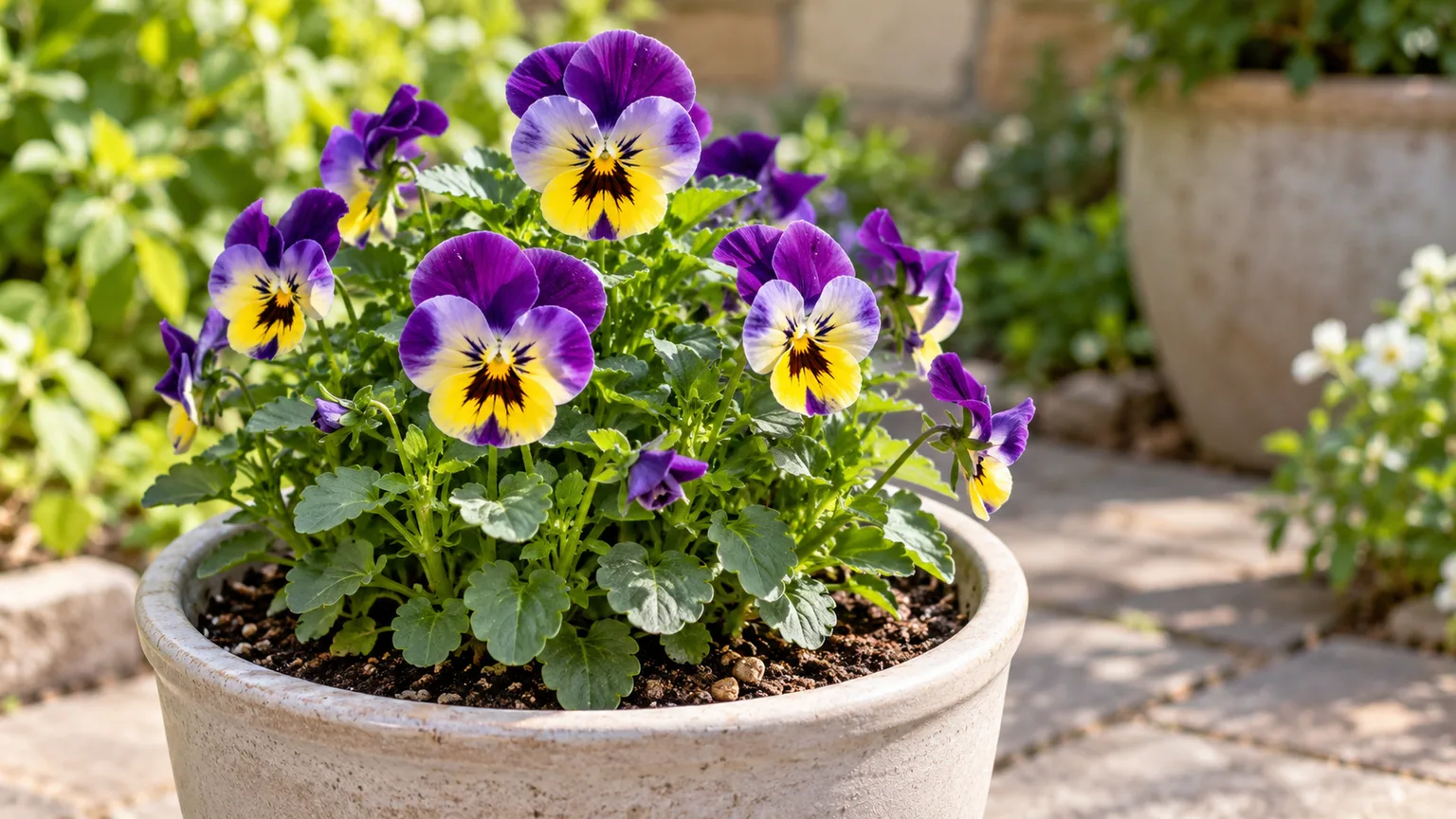
A forecast can say 29°F, 24°F, or 18°F, but none of those numbers alone can tell you whether every pansy in the garden will die. There is no universal temperature that kills all pansies. A brief dip below freezing may mark a few petals, while a longer freeze can injure an exposed, recently planted, or container-grown plant much more severely.
Treat the forecast as a warning to assess risk, not as a death certificate. The cultivar, how gradually it entered cold weather, how long the freeze lasts, wind and moisture, and whether roots are insulated by garden soil all affect the outcome. That is why one pansy may look wilted at dawn and recover by lunch, while another in a shallow pot does not return.
The Quick Answer: There Is No Universal Kill Temperature
Garden pansies (Viola × wittrockiana) are cool-season flowers and usually handle ordinary light frosts better than tender summer annuals. Utah State University Extension describes them as hardy biennials commonly grown as annuals, and notes that strong plants may flower in fall and winter where long frost-free periods occur. But “cold tolerant” does not mean immune to prolonged, severe freezing.
If you want a practical trigger, use a forecast near 25°F as a point to protect valuable, newly planted, or exposed pansies, especially in containers. One frost guide from Gardenia Organic uses roughly 25°F as a point when fall pansy flowering may end; lost flowers are not the same as a dead plant. Treat that figure as a cautious cover cue, not a universal lethal threshold. Established plants in a sheltered bed may ride out colder conditions, while an unacclimated nursery transplant in a small pot may suffer at a warmer reading.
A forecast in the low 20s or teens raises the stakes, especially if the cold lasts for many hours, returns on consecutive nights, or arrives with drying wind and frozen soil. Covering can reduce exposure, but it cannot make a tender cultivar reliably hardy in a climate it is not suited to. Check the plant tag when possible and use the local winter pattern—not a single online number—to set expectations.
What Different Forecast Lows Mean for Pansies
These bands are decision aids, not guaranteed survival limits. Forecast lows describe air conditions at a measurement site; leaves and flowers may cool differently, and a sheltered bed can be warmer than a low, open corner. Use the colder end of a range as a reason to act sooner when the pansies matter to you.
| Forecast low | What it can mean | Sensible response |
|---|---|---|
| Around 32°F (0°C) | A light frost may form; open blossoms can look tired even when the plant remains sound. | Water only if the soil is dry and not frozen; no emergency cover is usually needed for established, acclimated bed plants. |
| Upper 20s to about 25°F (-2 to -4°C) | Flower injury becomes more plausible, with greater risk for new transplants, exposed sites, and pots. | Cover the bed overnight if blooms matter; move containers into a sheltered, unheated spot. |
| Low 20s and teens (about -6 to -12°C) | Prolonged or repeated exposure can damage foliage and roots; protection may be insufficient for some cultivars. | Use the best available cover, protect containers more thoroughly, and expect possible dieback rather than assuming survival. |
| Below that, especially for many hours | Severe cold is a serious threat to unprotected pansies, but exact outcomes still vary with cultivar and conditions. | Prioritize plants suited to the climate; regard covers as risk reduction, not a guarantee. |
The bands intentionally overlap. A short, calm freeze near 25°F is different from an all-night freeze that continues for several days. Snow can also insulate plants from wind and rapid temperature swings, but it does not warm the air or guarantee that the crown stays unfrozen.
At 32°F: Frost Is Not Automatic Death
Water on a leaf or petal can freeze around the freezing point, but seeing frost does not prove that plant tissue has been killed. A brief frost often damages the most exposed flowers first. By midmorning, those petals may look limp or translucent even as the crown and new leaves remain firm.
If an established bed of pansies has already spent several weeks outdoors in cool weather, one ordinary frost usually calls for observation rather than panic. Recent nursery arrivals are a different case: they may have been grown under protection and need time to adjust to outdoor nights. When in doubt, cover them for a borderline night, then uncover or ventilate the next morning.
Around 25°F: Protect Flowers and Watch the Plant
Temperatures in the mid-20s deserve more attention, but they still do not act as a universal kill switch. The display may be damaged before the plant itself is lost; blooms are lifted into colder air, and their delicate petals can show injury while the lower crown stays insulated near the soil.
Covering before sunset is useful when a modest freeze is forecast, particularly for a fresh planting or a prized container. Keep a cover anchored to the ground so it traps some heat released by the soil. In an in-ground bed, that stored warmth can help through a short radiation frost; it becomes less useful during a prolonged cold front that keeps drawing heat away.
In the Low 20s and Teens: Risk Rises With Exposure
A deeper or longer freeze can injure leaves, stems, crowns, or roots, especially if the plant has not hardened off. It is reasonable to expect greater losses among large-flowered or less cold-adapted cultivars, shallow-rooted transplants, and pansies growing in small exposed pots. A warming day after one cold night may allow recovery; a run of freezing days with frozen soil gives the plant fewer chances to resume water uptake.
Do not convert that risk into a guarantee of death at a certain number. The RHS lists its winter-flowering Universal Plus pansy series at hardiness rating H5, while the RHS explains that hardiness ratings are general guides and actual survival also depends on other growing conditions. That rating applies to a named series under the RHS system; it is not proof that every plant sold as a pansy will survive the same minimum in every garden.
Why Two Pansy Beds Can Respond Differently
Cultivar is one part of the answer. Pansy breeding has produced plants with differences in flower size, habit, and cold performance. Pennington’s pansy guide notes that small-flowered types often show greater cold resilience, while explicitly winter-flowering selections may hold up better than a large-flowered variety selected mainly for a spring display. When selecting plants for autumn color in a cold region, read the tag for winter suitability rather than relying on the word “pansy” alone.
Acclimation matters as much as the label. A plant exposed gradually to shortening days and cool nights can adjust differently from a greenhouse-grown plant moved straight into a sharp freeze. The Pennington pansy guide advises timing autumn planting so roots can establish before winter and notes that fall conditions help plants harden off. If you bring home tender, lush plants just before a cold snap, provide shelter and a frost cover while they adjust.
Planting position changes exposure. A bed beside a wall, fence, evergreen shrub, or other windbreak may lose heat more slowly than an open lawn or a low frost pocket. Cold air drains downhill and can collect in dips; a garden’s official hardiness zone cannot describe every small microclimate. A sunny south-facing spot can warm on winter days, but that daytime warmth does not prevent a sharp overnight drop.
Moisture and drainage cut both ways. Dry soil around roots can make it harder for a plant to recover from winter desiccation, but saturated soil is also dangerous because roots need oxygen and cold wet soil can remain hostile for longer. Aim for moist, well-drained ground rather than either bone-dry or waterlogged conditions. Never add extra water to frozen soil as a supposed antifreeze treatment; it does not protect pansies.
Finally, air temperature is not root-zone temperature. A thermometer at a nearby weather station cannot tell you exactly how cold the crown or potting mix became. Wind, clear skies, cloud cover, nearby paving, bed depth, and the amount of stored soil warmth all change what the plant experiences.
Flowers, Leaves, Crowns, and Roots Do Not Freeze Alike
A pansy is not a single exposed surface. Flowers sit above the leaves and are often the first parts to show injury. Petals may water-soak, go limp, or turn brown after a freeze. Losing those blooms can make a plant look finished even when firm leaves and the crown—the compact growing point at the base—remain alive.
Leaf injury can appear later. A leaf that is dark, soft, or mushy after thawing is more concerning than a leaf that droops briefly while still frozen. The crown is the key to regrowth: if it remains firm and new leaves emerge from the base as conditions improve, the plant may resume growth even after older foliage looks poor.
Roots face a different risk from leaves. In the ground, surrounding soil buffers temperature changes; a pot exposes its sides and bottom to cold air. If soil stays frozen, roots cannot readily take up water even when the sun warms the leaves, so winter drying can compound the damage. A plant can therefore wilt from a frozen root zone without having crossed a simple air-temperature kill point.
Read the Forecast Along With the Site
Before deciding what to cover, check more than the forecast’s single nightly low. Ask how long temperatures are expected to stay below freezing, whether the next day will warm the soil, and whether the cold is a brief radiational frost or a longer cold front. A one-hour dip and ten hours in the teens are not the same exposure.
Then inspect the pansies. Note whether they are in the ground or a pot, how recently they were planted, whether they are actively growing, and whether the soil drains well. A full, established bed in a sheltered courtyard may not need the same response as a newly planted, exposed window box. For valuable containers, err toward moving or grouping them before the freeze.
Use this quick decision rule:
- Established bed, brief frost near 32°F: monitor; avoid handling frozen foliage.
- New planting, exposed site, or forecast near 25°F: cover overnight if preserving flowers or plants matters.
- Container in the upper 20s or colder: move it against a sheltered wall or into a cool protected space.
- Repeated low-20s or colder weather: combine cover with root protection, and accept that some cultivars may not survive.
The 25°F point here is deliberately conservative: it tells you when protection may be worthwhile, not when the pansy will die. If a plant tag gives a colder rating, use it as one useful clue, not a promise that ignores wind, exposure, pot size, or duration.
Protect In-Ground Pansies Before a Freeze
If frost protection is warranted, do the setup while the air is still above freezing. Water the bed earlier in the day only if the root zone is dry and unfrozen; moist soil stores more heat than very dry soil, but a saturated bed is not helpful. Do not fertilize to “boost” cold hardiness. Soft new growth is not a substitute for acclimation.
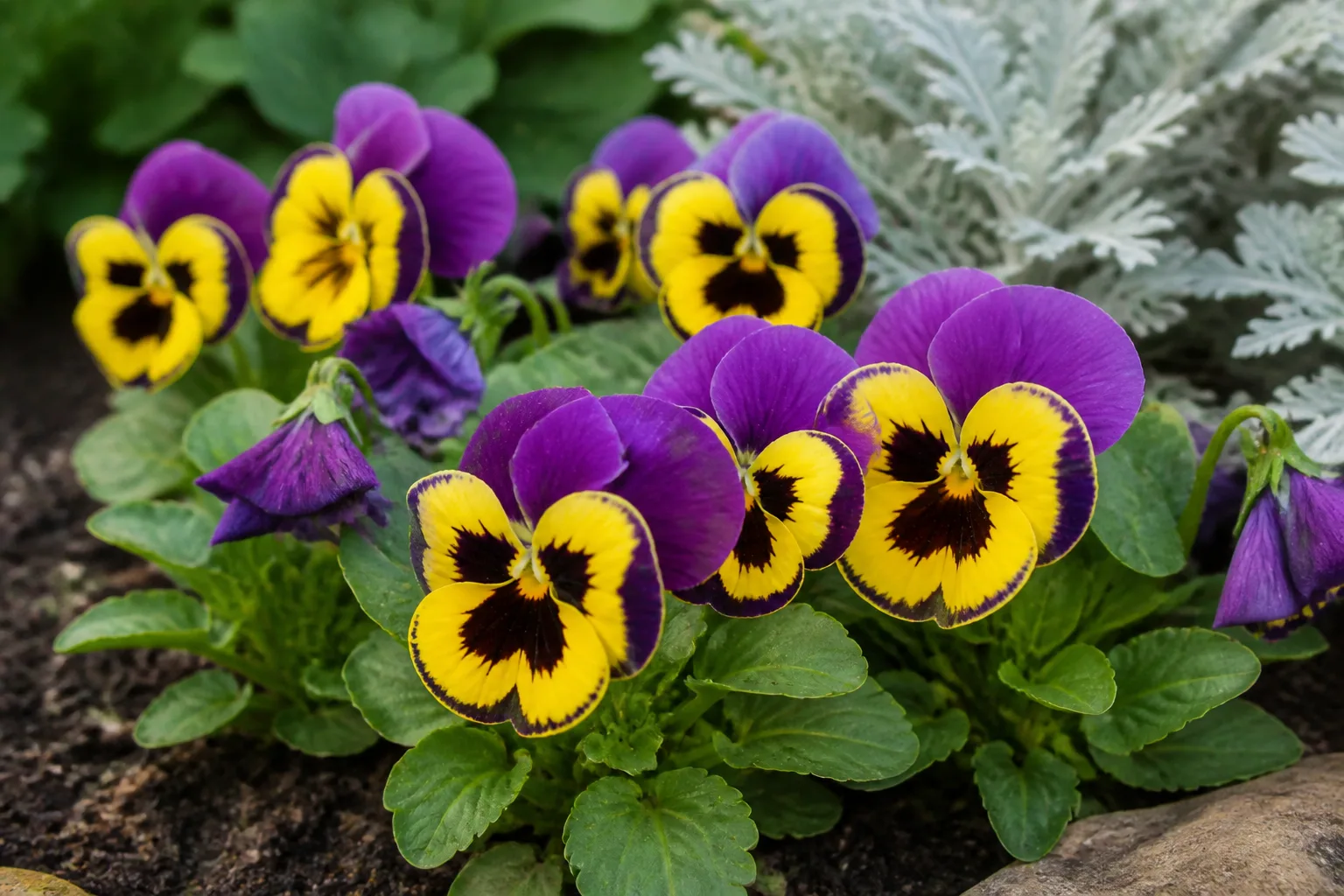
A lightweight fabric row cover is often more practical than a plastic sheet for a garden bed. Colorado State University Extension notes that the amount of protection from a floating row cover depends on its material and grade, and that some can reduce wind exposure. The number on a cover package describes performance under particular conditions; it is not a temperature guarantee for your pansies.
Use Frost Covers Correctly
Drape frost cloth over hoops or low supports so the fabric does not crush the plants, then secure the edges at soil level with bricks, boards, or landscape pins. Covering down to the soil helps hold the ground’s stored warmth around the bed. If using an old sheet or blanket for a single night, keep it dry and supported; wet fabric can become heavy, flatten foliage, or transfer cold where it touches.
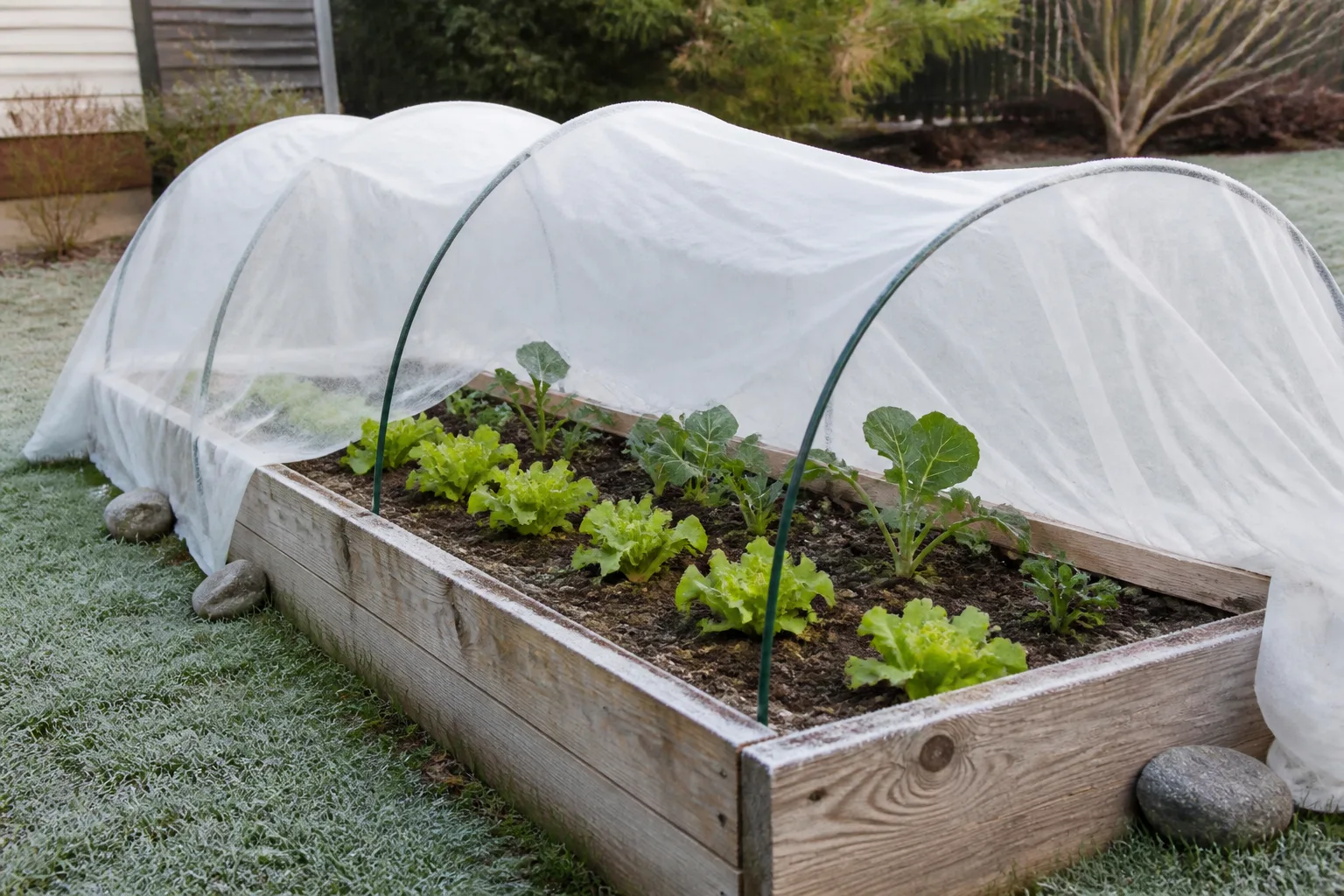
Avoid putting ordinary plastic directly on leaves. It can conduct cold to contact points and trap excessive heat when the sun returns. Colorado State Extension reports that some floating row covers provide up to 10°F of frost protection depending on their weight, but that is an upper-end, material-dependent figure for crop protection in general—not a promise that pansies remain safe at a specific outdoor low.
Remove a heavy blanket in the morning once the air rises above freezing. A breathable row cover can stay in place longer during a short cold spell, but check the plant and ventilate if the weather turns sunny and warm. Repeatedly leaving a sealed, dark cover on through mild days can create a damp, poorly ventilated pocket and delay the plant’s return to normal conditions.
Mulch for Root-Zone Stability
Mulch is mainly a root-zone buffer; it does not keep blossoms warm in the same way a fabric cover can. Utah State University Extension recommends protective materials such as pine boughs, straw, or landscape fabric after the ground freezes in climates where winter protection is needed. Its guidance emphasizes reducing temperature swings, which can be as important as the lowest overnight reading.
Use a loose layer of clean straw or evergreen boughs around the plants, leaving the crowns visible or only lightly covered so air can circulate. Do not pack wet leaves tightly against the crown, and do not lay thick mulch over warm soil too early if that would keep the bed from cooling gradually. Once severe winter conditions ease, pull back the material so spring light and air reach new growth.
Protect Pansies Growing in Containers
A pot is the riskier location in a freeze because cold reaches the root ball from the sides as well as the top. Small pots cool faster than large ones, and ceramic or thin plastic containers may lose heat more quickly than a large, insulated planter. A pansy in the ground may continue to have buffered roots while the same cultivar in a shallow window box experiences a much sharper freeze.
Before a cold night, move pots against a wall, under a covered porch, or into an unheated garage or shed that stays above the harshest outdoor conditions. Group several pots together and set them on the ground rather than on a metal stand or exposed stone ledge. If you cannot move them, wrap the container sides with burlap or a frost blanket and cover the foliage with breathable fabric.
Do not bring a cold-hardy pansy into a heated living room for several days as the default solution. Warm indoor air and low light can push growth out of sync with the outdoor season. A cool, sheltered space is preferable for a short cold spell; return the pot outside when conditions moderate, and transition it gradually if the sheltered location was much warmer or dimmer.
Check pot drainage before winter. A container should have open drainage holes and a mix that drains freely, because roots sitting in water can be injured by cold and rot during thaws. During a mild spell, water only when the mix has thawed and feels dry below the surface; never water a frozen root ball and never leave the pot standing in a water-filled saucer.
Care for Pansies During a Longer Cold Spell
During a multi-day freeze, treat protection as a temporary shelter, not a greenhouse that never needs checking. Secure the cover before wind arrives, inspect it after storms, and brush off heavy snow if it is bending supports or pressing directly on flowers. Light snow can insulate a bed from wind and rapid temperature shifts, but do not assume snow cover makes an exposed pot safe.
When daytime temperatures rise well above freezing, allow air and daylight to reach the plants. If the forecast predicts another hard freeze that night, re-cover before sunset. Avoid repeated watering while the soil is frozen; resume only when the mix or bed has thawed and the root zone is actually drying.
There is little benefit in cutting back, feeding, or transplanting a plant in the middle of a cold spell. Keep the crown undisturbed and focus on reducing wind, temperature swings, and waterlogging. If your local winter routinely keeps beds frozen for extended periods, consider pansies a seasonal display unless the cultivar and local experience support overwintering.
What to Do the Morning After Frost
Wait until the frost has melted before judging the damage. Frozen tissue is naturally limp, and touching or trimming it while brittle can tear healthy material. Once the plant thaws, look separately at flowers, leaves, and the crown rather than deciding from the worst-looking bloom.
Remove flowers that have collapsed or turned brown if they are clearly finished, but leave firm green leaves in place. If the foliage is soft or water-soaked, wait another day or two before pruning; the edge of injury can become clearer after thawing. Use clean scissors and cut damaged stems back only to healthy tissue, not automatically to the soil line.
Check moisture with a finger or small trowel. If the bed is moist and drains well, do not add water just because leaves look wilted. A frozen root zone temporarily limits water uptake, and extra water can leave the soil saturated after it thaws. If the surface is dry and the soil has thawed, water at the base during the morning and let excess drain away.
Hold fertilizer until you see new growth. Feeding a damaged plant will not reverse frozen tissue; wait until active growth resumes and then follow the normal label rate. This restraint makes it easier to tell whether recovery is happening without adding soluble salts or encouraging tender growth during another cold snap.
Signs That a Pansy Is Recovering
Recovery is gradual. In mild weather, flowers may look better within hours after a light frost; after a harder freeze, damaged blooms may be lost while fresh leaves take several days or longer to appear. The strongest sign is a firm crown with new green growth emerging near the base, not a single flower that perks up in midday sun.
A short pause in growth is not automatically failure. Cool soil slows root activity, and pansies may sit through winter before restarting when light and temperatures improve. Keep the bed free of standing water and remove only tissue that has clearly become mushy or diseased. If you want more guidance on ordinary seasonal care once growth resumes, see our pansy growing guide.
Do not promise yourself that a pansy will return because the roots look intact today. A second cold event, crown rot, drought during a thaw, or a cultivar poorly suited to the climate can still finish it. Reassess after the weather has moderated and the plant has had a reasonable chance to make fresh growth.
Cold-Weather Mistakes That Make Damage Worse
Treating 25°F or 20°F as a universal death line is the most misleading shortcut. These numbers can help you decide when protection is prudent, but cultivar, acclimation, root-zone temperature, duration, and site conditions still decide the result. A more useful question is whether the plant is valuable or vulnerable enough to cover tonight.
Covering with plastic against the foliage can create cold contact points. Gardenia Organic’s frost guide recommends keeping covers off foliage; use a breathable row cover or put a sheet over hoops so it does not rest heavily on the leaves, and anchor the material at ground level. If you use a blanket for one night, remove it after the freeze rather than leaving it as a dark, sealed covering through a warm day.
Watering frozen soil or watering by appearance alone can worsen root stress. A thawing plant may look wilted because frozen roots cannot supply water; adding more to already wet soil does not fix that. Check below the surface, wait for the soil to thaw, then water only if the root zone is dry.
Pruning too soon removes tissue that might recover and makes the extent of injury harder to judge. Give the plant time to thaw, then remove clearly dead or mushy material in stages. And do not fertilize as a rescue treatment: nutrients cannot repair cells damaged by ice.
Finally, do not mistake winter protection for cold hardiness. A row cover can buffer a short frost, but it cannot make a tender selection reliably withstand a long, severe freeze. If extreme cold is normal where you garden, choose a winter-rated cultivar, use a sheltered planting site, or treat pansies as a fall and spring annual.
When to Replace a Freeze-Damaged Pansy
Replace the plant when the crown and stem bases are black or mushy, no firm green tissue remains, or the root ball smells sour and stays waterlogged after thawing. A plant that remains limp through a period of milder weather and shows no new growth is also less likely to recover. Remove dead material from the bed rather than leaving decaying tissue against neighboring plants.
If the crown is firm, give it more time before pulling it. Gardeners in climates with prolonged winter cold often see pansies pause and return with spring conditions; gardeners in milder areas may get flowers again sooner. The decision is practical as well as botanical: if a bare patch bothers you, replace it, but avoid discarding a firm plant just because one night damaged its flowers.
Conclusion
Pansies tolerate cool weather and light frost, but no single air temperature can predict when every cultivar will die. Use a forecast near 25°F as a cautious cue to cover valuable or vulnerable plants, and take lows in the low 20s or teens seriously—especially when cold lasts, wind dries foliage, soil stays frozen, or roots sit in a pot.
Protect the root zone, use covers correctly, and wait until plants thaw before pruning or watering. Flowers may be lost while the crown survives, so judge each part of the plant separately and look for new basal growth before replacing it.



