Growing Pansies for Longer Spring and Fall Garden Blooms
Learn how to grow pansies in beds and pots, time fall or spring planting, water without waterlogging, and handle heat, frost, seeds, and common leaf problems.
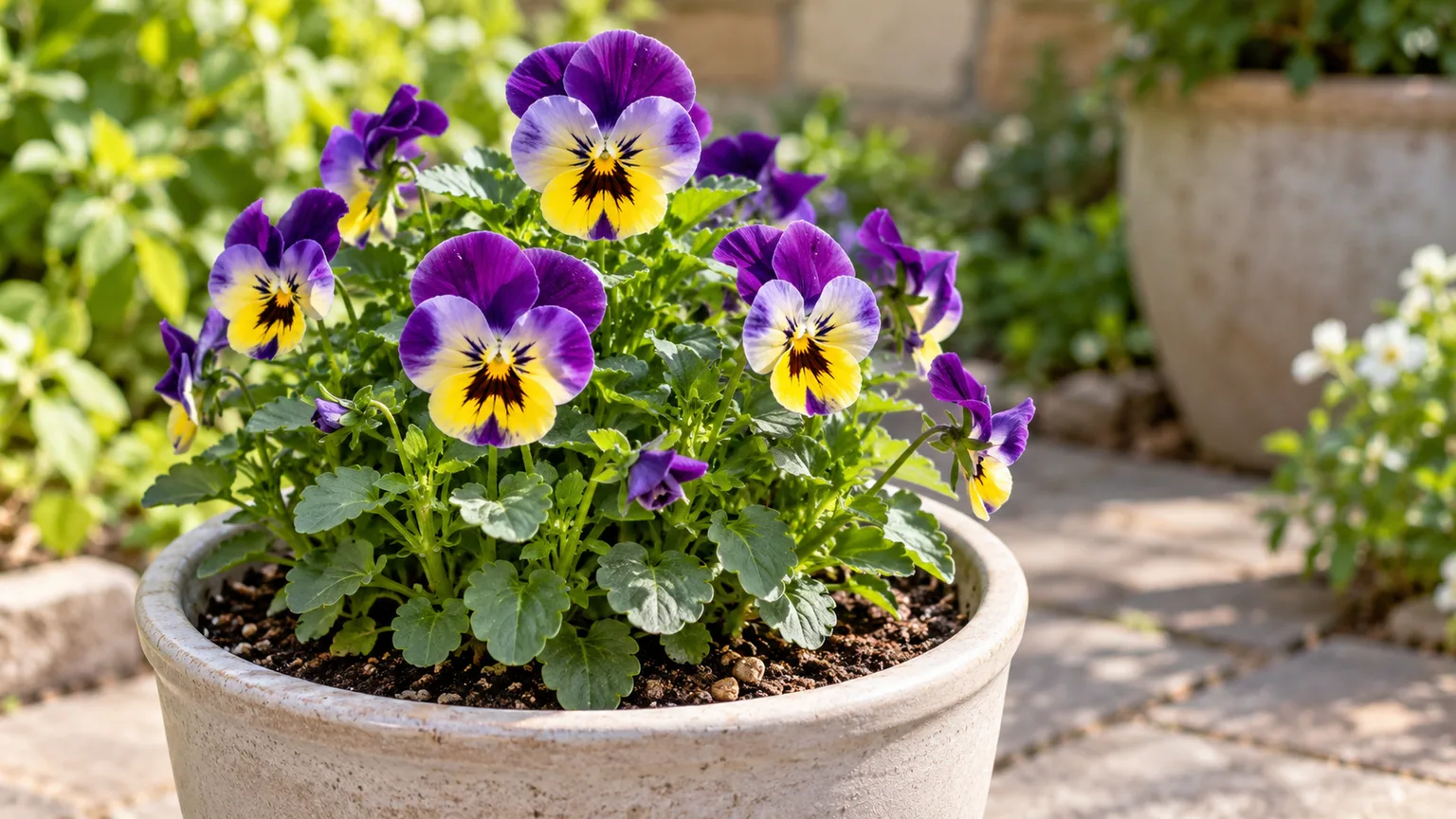
Pansies are at their best when the weather is cool enough for steady growth but bright enough to keep new buds forming. Plan them as a spring or fall display, then choose the planting date, site, and container based on how quickly your local season moves from cool to hot or from mild to freezing. That one seasonal decision does more for a long display than extra fertilizer or constant pruning.
The familiar garden pansy, Viola × wittrockiana, grows well in beds, window boxes, and pots. Its roots are shallow, its flowers are often larger than those of many violas, and its performance changes sharply with temperature and drainage. Here is how to get a sturdy planting, keep it flowering while conditions suit it, and tell when a plant is stressed beyond an easy fix.
Pansy Basics: A Cool-Season Flower, Not a Summer Annual
Garden pansies are hybrids in the violet family. They are botanically short-lived perennials or biennials, but gardeners commonly grow them as cool-season annuals: plant them for a spring or autumn display, enjoy the flowers through mild weather, then replace them when heat or severe winter conditions end the show. The Missouri Botanical Garden Plant Finder describes pansies as cool-weather annuals or biennials in its St. Louis climate and notes that summer heat eventually ends their growth there.
That distinction explains why a pansy may not return from the same roots even when a volunteer seedling appears later. A surviving plant, a seedling from a dropped seed, and a pansy bought for next season are three different things. Hybrid seedlings may not resemble the parent flower, so treat self-sowing as a pleasant surprise rather than a reliable way to preserve a chosen color or pattern.
Their useful season is the cool stretch between summer heat and the harshest part of winter; the exact length depends on cultivar, exposure, moisture, and whether roots have had time to establish.
When to Plant Pansies in Your Climate
In a region with hot summers and mild winters, plant pansies in fall. Set them out early enough that roots can grow before the soil cools sharply, then expect flowers during mild autumn periods and a stronger show as winter weather eases. Fall planting often gives a head start on late-winter or spring color compared with waiting until spring, as the Missouri Botanical Garden notes for its local conditions.
Where winter freezes are prolonged or the ground stays frozen, spring is the more dependable planting window. Put plants out when the soil can be worked and the nursery stock is acclimated, then enjoy the display before heat arrives. Fall planting may still work with a cold-tolerant cultivar and a sheltered bed, but it is a bet on both the variety and the severity of the coming winter.
Use the weather pattern rather than a universal month. A gardener near the Gulf Coast may plant in autumn for winter flowers; a gardener in a cold continental climate may use pansies mainly in spring and early fall. In a cool coastal climate, spring, summer, and autumn may all be possible, but a warm spell can still pause flowering. If local garden centers sell pansies in two seasonal waves, those sales usually reflect the two cool windows in your area.
Do not plant just because a display rack is full. If the forecast is turning hot, wait for a cooler window or choose a warm-season annual. If severe cold is imminent, protect new plants or delay planting until roots can establish; a new transplant is less resilient than one already rooted into the bed.
Choose Healthy Transplants at the Garden Center
Choose compact plants with green, firm foliage and buds just beginning to open. A few flowers help you confirm the color, but a flat packed with open blooms and little new growth may have spent much of its energy flowering in the small cell. Check the underside and growing tips for aphids, the leaves for spots or powdery growth, and the crown for dark or soft tissue. Walk away from a tray where many plants show the same symptom; it can signal a shared disease or water problem.
Check the tag for mature width and growth habit before buying a flat. A compact series suits a formal edging or close container, while a spreading or trailing type fills a basket or planter rim. Some cold-tolerant lines are bred for winter display, but no label can predict every garden’s wind, wet soil, freeze duration, or container exposure. A local trial or retailer familiar with your region is more useful than relying on a hardiness-zone number alone.
If plants were grown indoors or have been under cover, give them a gradual transition to outdoor sun and wind. Set them in a sheltered outdoor spot for a few hours at first, extending the time over several days. A hardened plant usually settles in better than one moved abruptly from a warm greenhouse onto a sunny, windy patio.
Pick a Site That Stays Cool but Gets Light
Pansies need enough light to make flowers, but intense afternoon heat can shorten their display. In cool spring or autumn weather, a sunny bed supports sturdy growth. Where afternoons turn hot, give them morning sun and light afternoon shade, especially beside warm paving, brick, or a west-facing wall that reflects heat onto the foliage.
Part shade is not automatically better. A deeply shaded bed may stay cool but produce fewer flowers and soft, stretched stems. A useful rule is to give pansies the brightest site that does not repeatedly bake them during the warm part of the day. Containers can be moved as the sun angle and season change, which is one advantage over an in-ground border.
Choose an open site where air can move through the foliage. Pansies planted tight against a dense hedge or crowded into a damp corner dry slowly after rain. That extra leaf wetness raises disease risk, while poor airflow makes it harder to tell ordinary aging from a spreading fungal problem.
Prepare Soil and Plant at the Right Depth
Good drainage matters more than a precise soil recipe. Pansies do best in soil that holds some moisture but drains after rain; roots in heavy, saturated ground can lose oxygen and develop crown or root rot. If water stands in the bed, improve the site or use a raised bed rather than trying to solve the problem with more fertilizer.
Blend finished compost into poor garden soil to improve its structure and moisture holding. Avoid adding a strong fertilizer dose or adjusting pH without a soil test; pansies do not need an elaborate amendment program to flower in a reasonable garden bed. Break up a tight root ball gently before planting, especially if roots circle the bottom of the nursery cell.
Set each plant at the same depth it grew in its cell, with the crown level with the surrounding soil. Planting too deep traps moisture around the stem base; planting too high leaves the root ball exposed and quick to dry. Space plants according to the mature spread on the label—often around 6 to 10 inches for compact bedding types—rather than closing every gap on planting day. The foliage will knit together as the plants grow, and open spacing lets leaves dry.
Water the bed thoroughly after planting so soil settles around the roots. If the root ball pulls away from the surrounding soil as it dries, water slowly at the plant base until both the original mix and nearby soil are moist. A thick layer of mulch can hold water around the crown; if you mulch, keep it a little clear of the stems.
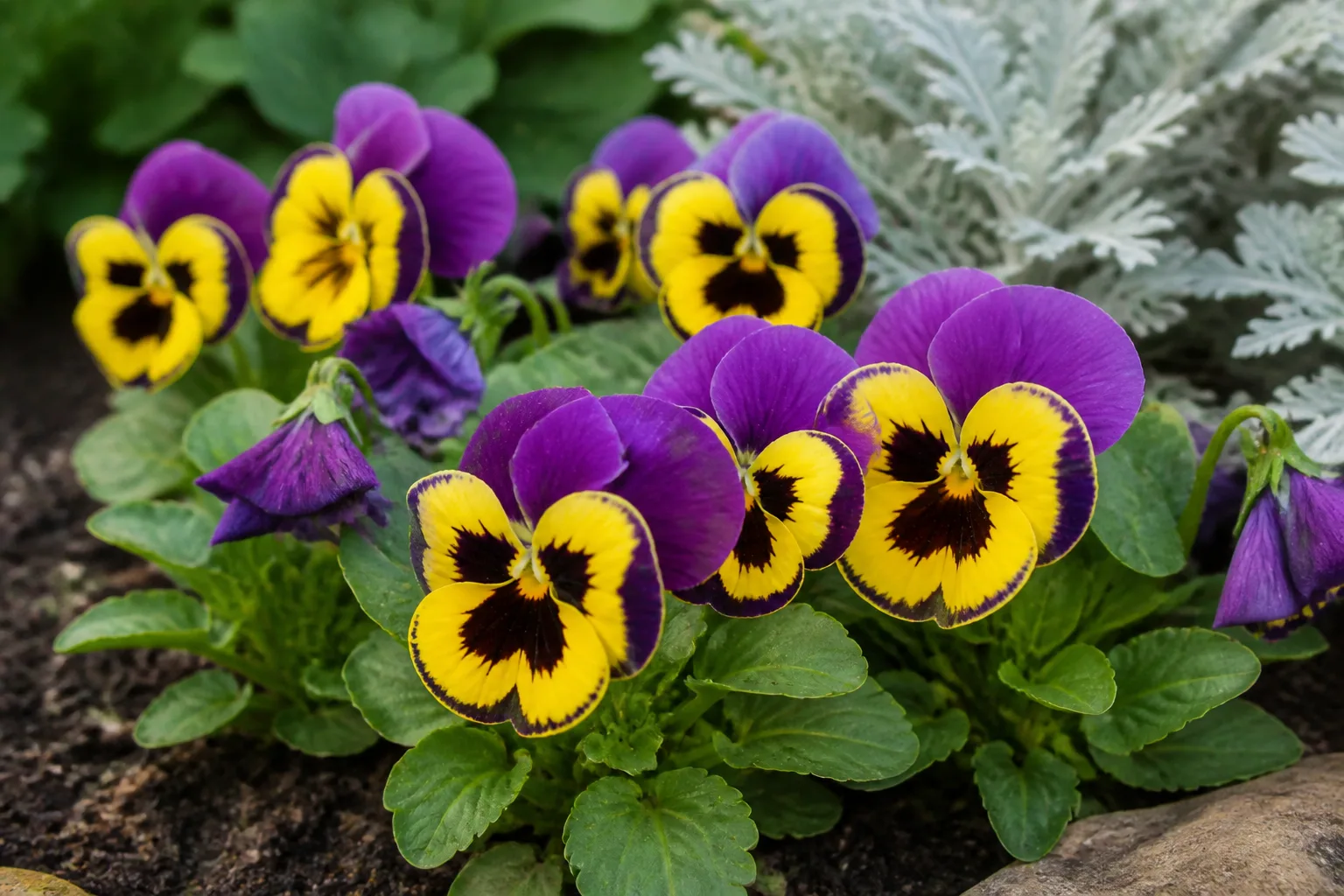
Plant Pansies in Pots and Window Boxes
Containers suit pansies because they let you control drainage, soil, and seasonal placement. Use a pot with open drainage holes and a fresh, lightweight potting mix; garden soil is too dense for most pots and can stay waterlogged. A larger container holds a more stable volume of moisture than a tiny decorative pot, and it is less likely to swing from saturated to bone-dry in a single warm afternoon.
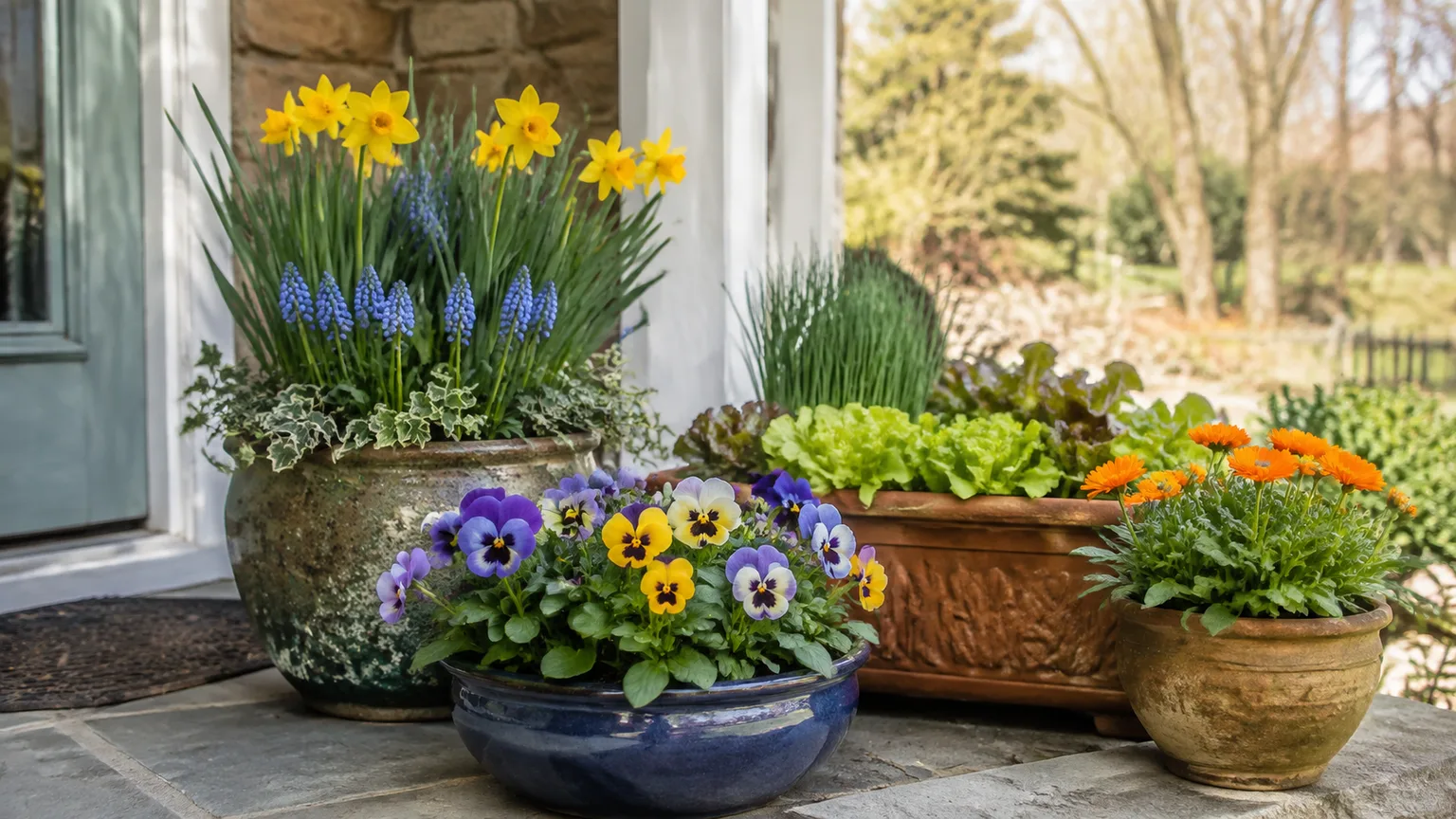
Match plant count to mature spread, not the instant-full look at the nursery. Leave enough room for the selected cultivar’s label spread, and avoid packing the crowns tightly against the sides, where foliage can remain damp and airflow is weakest. An instantly full pot may look attractive at purchase but can turn into a crowded, disease-prone planting as leaves expand.
If you combine pansies with other seasonal plants, pair them with companions that prefer the same cool temperatures and evenly moist soil. A vigorous trailing plant can shade or crowd the pansies, while a plant that needs drying between waterings can make watering decisions awkward. Keep the drainage holes clear, empty any cachepot or saucer after watering, and move the container to afternoon shade if the mix dries too quickly.
Water by Soil Feel, Not the Calendar
Water after checking the root zone. If the top layer of soil feels dry and the pot is noticeably lighter, water until excess drains from the bottom; if the mix is still cool and damp, wait and check again later. In a bed, rain, soil texture, wind, and shade all change how quickly moisture is used, so a fixed every-day or every-other-day schedule often causes trouble.
New transplants need closer attention than established plants because the small nursery root ball can dry before surrounding soil does. Check that original root ball during the first week or two, especially after a sunny or windy day. Once roots spread into the bed, water less often but more thoroughly instead of giving the foliage a brief daily sprinkle.
Containers usually dry faster than beds, and window boxes may dry fastest of all. In warm, windy weather, check them daily; that does not mean watering daily. Water at the soil line in the morning when possible so flowers and leaves are not left wet overnight. If a plant wilts while the mix is damp, do not add more water until you inspect drainage and the crown. Wet-root wilt is a warning to look below the leaves, not a request for another drink.
Feed Lightly for Flowers, Not Excessive Leaves
Start with the soil or potting mix, not a calendar reminder. A bed amended with compost may need little additional feeding during a short cool-season display. In a container, nutrients wash out as water drains, so a balanced slow-release fertilizer mixed into the potting medium or a diluted complete fertilizer applied according to its label can help sustain growth.
Avoid frequent high-nitrogen feeding. It can push leafy growth at the expense of flowers and leave stems soft or stretched. Monthly feeding is not a universal requirement; soil fertility, the length of the growing season, rainfall, container volume, and the fertilizer formulation all matter. If a plant has plenty of green leaves but few blooms, first check light and temperature before adding more fertilizer.
Do not fertilize a wilted plant in dry soil or waterlogged mix and expect a quick recovery. Correct the moisture or drainage problem first, then feed only after new growth resumes. The label’s dilution and interval instructions are safer than improvising a stronger dose.
Deadhead and Trim for a Tidy Second Flush
Remove a fading flower with its developing seed capsule, not just the petals. Follow the flower stalk down to where it joins the leafy growth and pinch or snip it there. This keeps the planting neat and limits seed formation, which may help the plant put energy into additional buds while temperatures remain suitable.
Deadheading cannot make pansies bloom through heat they cannot tolerate. If flowers slow during a warm spell, check whether the plant is also wilting in the afternoon, growing leggy, or yellowing from the base. Move a pot into a cooler position, water when the mix is dry, and remove spent flowers; expect the display to recover only if the weather cools again.
For a healthy but straggly plant, trim the longest stems back by about a third to a leafy node and remove damaged leaves. Avoid cutting a stressed plant to the crown or shearing it during hot weather, when it may not have the energy to regrow. If stems are black at the soil line and the plant collapses in wet ground, trimming the top will not cure likely crown rot.
Grow Pansies From Seed
Seed starting gives you a wider choice of colors, but it takes more planning than buying transplants. Many garden pansies are F1 hybrids, so saved seed may not reproduce the same flower size, color, or pattern. If the precise cultivar matters, buy fresh seed labeled for that selection; if you enjoy surprises, allow a few seed capsules to mature and see whether volunteer plants appear.
Pansy seeds are tiny and need consistent moisture during germination. The Savvy Gardening seed-starting guide describes covering seeds to keep them dark until they germinate, then moving the tray into bright light. The exact timing and handling can vary by seed lot, so follow the packet if it gives cultivar-specific instructions.
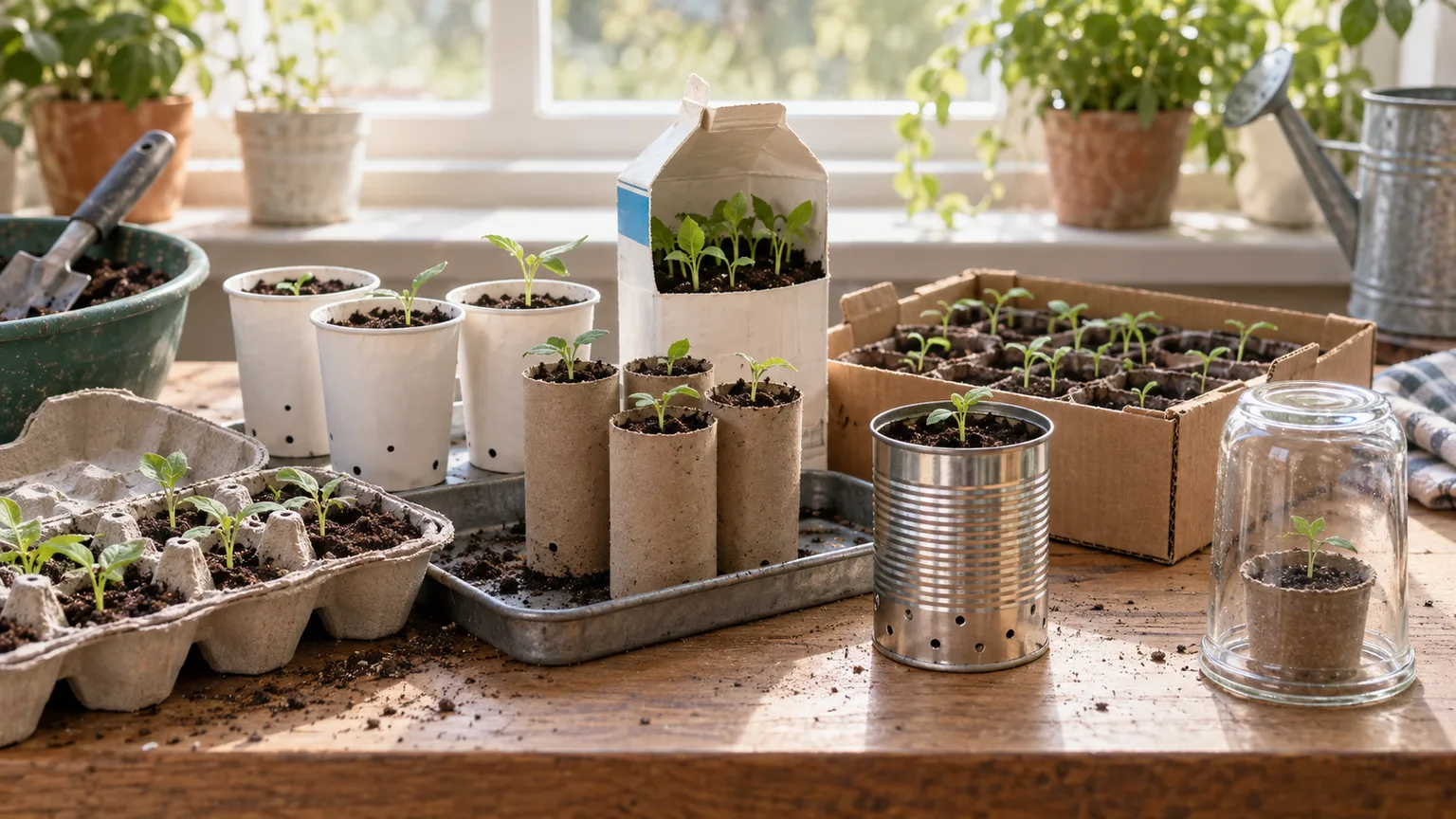
Start Seeds Indoors for Spring
For a spring display, count backward from the date you expect to plant outdoors. The Missouri Botanical Garden recommends starting pansies indoors about 12 to 14 weeks before the last frost in its plant profile; the Savvy Gardening guide gives a similar lead time of 10 to 12 weeks. Treat that as a planning range, not a promise that every seedling will be ready on a certain day.
Fill a clean seed tray with pre-moistened seed-starting mix and sow thinly. Press the seed into the surface and cover it lightly so it is not exposed to light; keep the medium moist, not flooded. A clear dome or cover can reduce drying, but vent it if condensation stays heavy. Pansy seed may take one to three weeks to sprout, so do not discard the tray after only a few days.
As soon as seedlings emerge, uncover them and move them to bright light. Keep the mix lightly moist and avoid warm, dim conditions that stretch the stems. Pot seedlings on once they have developed true leaves and can be handled without damaging the stem. Before planting outside, acclimate them gradually to outdoor sun, wind, and cooler nights; indoor seedlings need this transition even if mature garden-center pansies already tolerate a chilly spring day.
Sow Outdoors for Fall or Spring
In mild-winter regions, sowing outdoors in late summer can produce plants that establish before cool weather and bloom in autumn or spring. Where winters are cold, sowing in early summer may give seedlings time to grow before winter protection is needed. Direct sowing avoids indoor lights and hardening off, but young seedlings are more exposed to drying, weeds, slugs, and weather extremes.
Sow into a prepared, weed-free bed and cover the seed lightly to maintain darkness. Keep the surface evenly moist until seedlings are established; a fine spray prevents a hard stream of water from displacing the seeds. Thin or transplant seedlings while they are still small, leaving the spacing recommended for the variety. In a very hot climate, wait for a cooler growing window rather than asking seedling pansies to establish through summer heat.
Some gardeners sow pansies after the first hard frost so seeds remain dormant until spring, but that timing depends on winter conditions and can produce uneven results. Use it as an experiment, not the only plan for a border you need to fill. A few purchased transplants can anchor the display while seed-grown plants mature.
Keep Pansies Going Through Heat and Winter
As spring warms toward summer, pansies may become leggy, flower less, and eventually decline even when watered correctly. In a mild summer, trim lightly, water during dry periods, and keep plants in afternoon shade; they may hold on or bloom again when cool weather returns. In a hot, humid summer, replacing them with heat-tolerant flowers is often the more reliable choice. Pansies are not failing because you missed a secret fertilizer.
Fall-planted pansies in mild-winter regions can flower through much of winter, with pauses during very cold spells. A light frost may damage open flowers without killing the plant, but a long or severe freeze can injure roots and crowns. Plants in pots face more risk because cold reaches the root ball from the sides; group containers against a sheltered wall, move them out of exposed wind, or protect them during unusually harsh weather.
Do not assume every pansy in a cold climate will overwinter because the species is described as perennial. Cultivar selection, establishment before freezing, soil drainage, wind exposure, and the duration of cold all change the outcome. Remove plants when the crown has collapsed or the season has turned persistently hot; leaving a dead plant in place will not force a second flush.
Solve Pansy Problems Before Treating
Start with the whole pattern: Is one plant affected or the entire row? Is the soil dry, saturated, or both? Did the trouble appear after hot weather, prolonged rain, or a new planting? Those clues help distinguish a watering mistake or temperature stress from pests and disease. Pansies can wilt from dry roots, but a plant in wet soil can wilt too if damaged roots cannot take up water.
Inspect the crown and the underside of leaves. A soft, dark stem base with whole-plant collapse suggests crown or root rot, especially in heavy, wet soil. A few notches or holes and a silvery trail point toward slugs; clusters of small insects at buds suggest aphids. Deer and rabbits may remove flowers or foliage overnight, so look for browsing rather than assuming a plant disease.
Look at the Pattern Before You Act
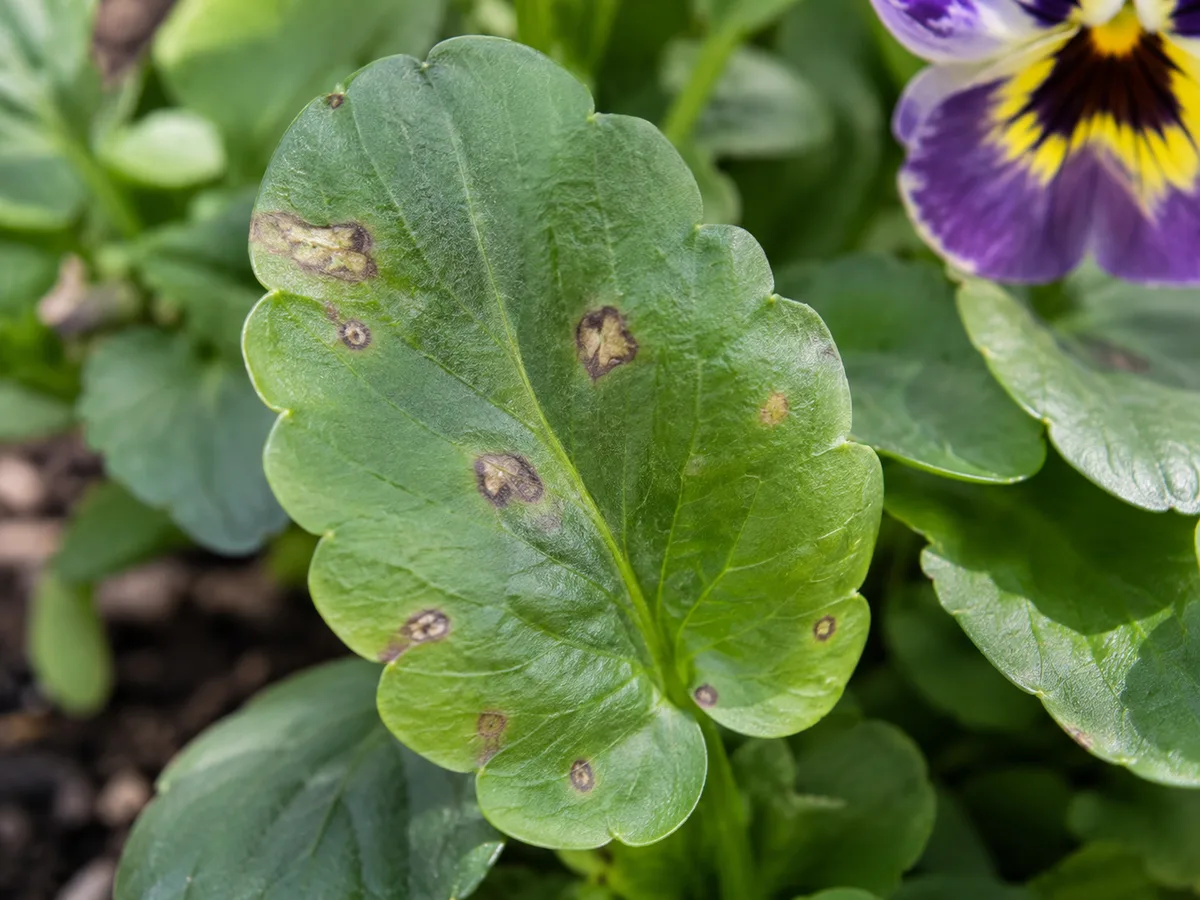
Leaf spots are not all the same disease. The RHS advice on pansy leaf spots distinguishes dark greasy or tan lesions from the pale blotches of downy mildew; downy mildew can also produce gray, fuzzy growth on the underside of the leaf. Powdery mildew looks more like a white dusting on the leaf surface, while root or crown rot often begins with general wilt, yellowing, and dark tissue near the soil line. A photo of the top and underside of affected leaves can help a local extension office identify a problem.
For a few spotted leaves, remove affected tissue when the foliage is dry and discard it; clean up fallen leaves and spent flowers. Water the soil rather than wetting the foliage, give plants room for air movement, and avoid replanting pansies in a bed where a serious recurring leaf disease has been a problem. The Connecticut Agricultural Experiment Station’s pansy health guide emphasizes sanitation, spacing, and keeping foliage dry for several of these diseases.
Fungicide is not the first response to a spotted leaf. Disease names, available products, and legal uses vary by location, and a product will not fix waterlogged soil or remove infected plant debris. If symptoms spread despite improved care, ask a local extension service or plant clinic to confirm the diagnosis before considering a labeled product. For a plant that has collapsed from likely crown rot, remove it with its roots and correct drainage before planting again.
Choose Varieties for Color, Habit, and Season
Choose pansies for how they grow as well as how they look. Standard compact bedding types make a neat border; larger-flowered cultivars give a bold focal point; trailing types spill over a basket or container edge. Violas often have smaller flowers and a more natural, spreading look, which can suit an informal bed or mixed planter. The Fine Gardening pansy overview notes that the viola family performs in partial shade and can also grow in a sunnier border when moisture and organic matter are adequate.
For a long container display, use plants with similar mature size and seasonal needs. Mixing a trailing cultivar with upright pansies can add depth, but one vigorous plant may cover slower companions. If you want a coordinated mass planting, select one series in several colors; if you prefer a mixed border, repeat a few colors so it looks intentional as individual flowers turn over.
Read the plant tag for spread, flowering season, and any local cold-performance notes. Names such as “winter,” “trailing,” or “giant-flowered” describe breeding or habit, not an all-climate guarantee. Your best choice is a variety that fits the season you can provide: cool-weather color, well-drained roots, and enough light without excessive afternoon heat.
Conclusion
Grow pansies during the cool stretch that fits your climate, plant them in free-draining soil, and keep the root zone evenly moist without leaving it wet. Give spring and fall plantings bright light with afternoon shade where heat builds, space plants for airflow, and remove fading flowers while the weather still supports new buds.
When a pansy declines, check temperature, soil moisture, drainage, crown health, and leaf patterns before reaching for fertilizer or a spray. Some pansies will return or self-sow, and some will not; a seasonal planting plan makes that normal turnover easy to work with. Plant for the cool season you have, and you can enjoy the flowers without asking them to survive a season they were never bred to love.



