When and How to Fertilize Boxwood for Healthier Growth
Learn when and how to fertilize boxwood, how to read the NPK label, when to test soil, and how to avoid root burn and late-season growth.
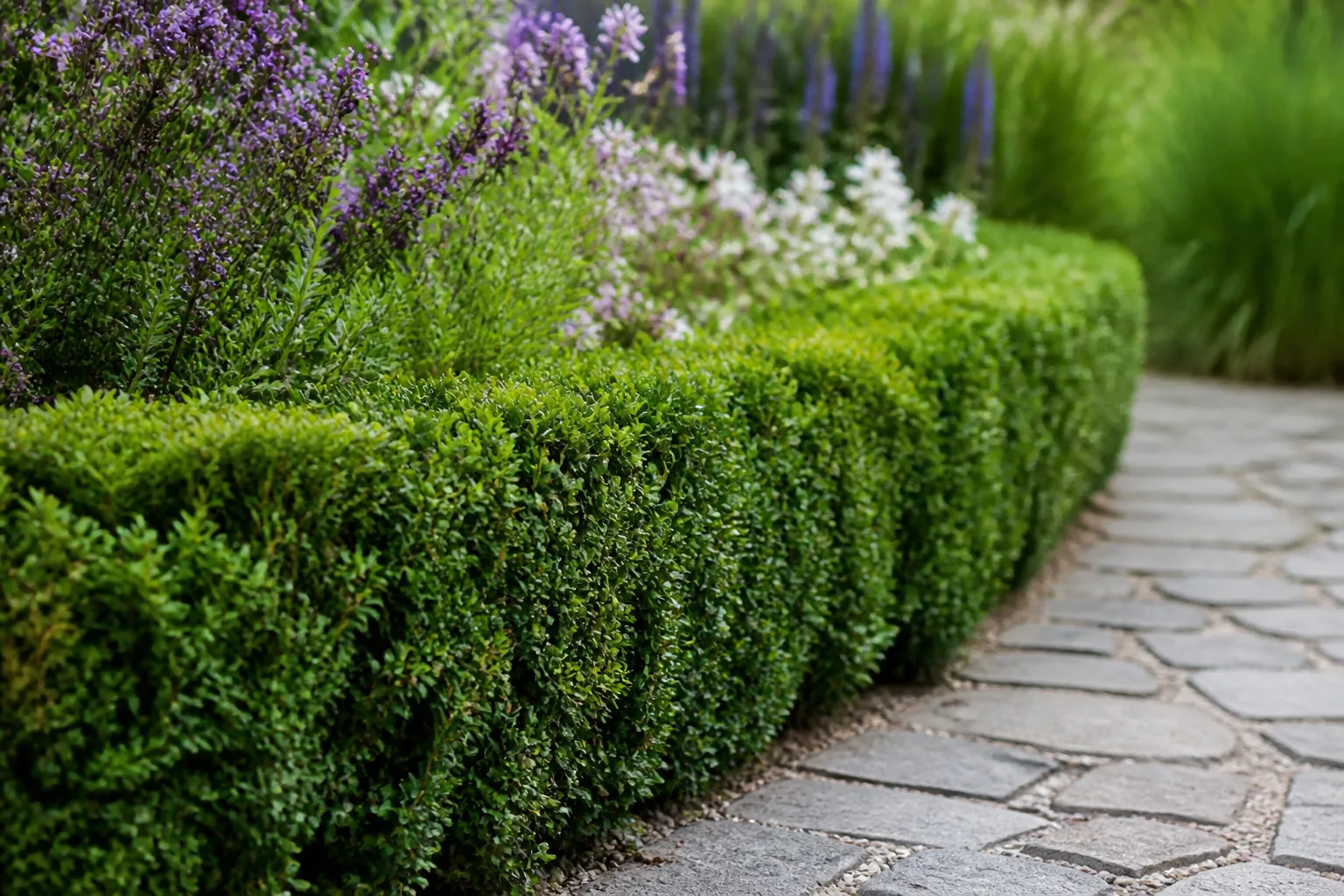
Boxwood is not a plant that becomes healthier simply because it receives more fertilizer. These broadleaf evergreens (Buxus spp.) usually perform best when their roots have good drainage, the soil stays reasonably moist, and nutrients are supplied only when testing or plant growth shows a need. A heavy application can burn shallow roots, increase salt levels, and push soft new growth at the wrong time of year.
The practical answer is simple: fertilize established boxwood in early spring when growth is beginning, use a slow-release product only if the soil and plant need it, and stop well before your area’s first hard frost. Before applying anything, rule out drought, compacted or wet soil, winter injury, pests, and disease. Extension guidance for woody ornamentals consistently treats fertilizer as one part of site care, not a substitute for it. NC State Extension’s Buxus profiles emphasize well-drained soil and shallow roots, while the University of Maryland Extension’s nutrient guidance recommends soil testing and label-based applications.
Decide Whether Your Boxwood Needs Fertilizer
Start with the plant’s recent growth, not the calendar. A well-established boxwood with normal-colored leaves, firm stems, and modest new growth may not need an annual feeding at all, especially when it grows in a mulched bed with reasonably fertile soil. Fertilizer is most useful when a soil test identifies a deficiency, when growth is unusually weak for reasons that match a nutrient shortage, or when nutrients are regularly washed from a container.
Consider the whole growing situation first. Is the root zone dry several inches down? Does water sit after rain? Has the shrub been planted deeply, shaded by a new structure, or disturbed by construction? Has the foliage been exposed to salt, winter wind, boxwood leaf miner, or a disease? Solving the wrong problem with fertilizer can make the shrub more stressed.
The American Boxwood Society’s care guidance also points gardeners toward fundamentals such as drainage, mulch, and protection from environmental stress. A boxwood that is struggling because its roots stay wet will not be rescued by extra nitrogen.
Read Yellow Leaves Before You Feed
Uniform pale older leaves can be consistent with low nitrogen, but yellowing is not a diagnosis by itself. Waterlogged roots can produce pale foliage because damaged roots cannot absorb nutrients. Drought can cause dull color and premature leaf drop. Winter bronzing may fade as new growth returns. Mites, leaf miners, and boxwood blight produce patterns that require a different response.
Look for patterns. Nitrogen shortage often shows as general paling and slow growth, while a problem concentrated on one side of the shrub may point to exposure, irrigation, or a root-zone issue. Brown spots, black streaks, rapid leaf drop, or dieback deserve closer inspection. The Oregon Department of Agriculture’s boxwood blight guidance describes the importance of recognizing disease symptoms and limiting moisture-related spread; fertilizer is not a treatment for blight.
If you cannot identify the cause, take clear photographs and contact your county Extension office or a qualified arborist before feeding. A soil test is useful, but it should accompany—not replace—an inspection of drainage, roots, and foliage.
Choose the Right Season to Fertilize
Spring Is the Main Feeding Window
For most outdoor boxwood, early to mid-spring is the safest general window. Apply after the soil has thawed and the shrub is beginning active growth, but before hot weather makes shallow roots more vulnerable. In cold climates, wait until the risk of severe frost is passing; in warm climates, the window may arrive earlier.
Spring feeding aligns nutrients with leaf and shoot development. It also gives you time to observe whether the plant responds before the season becomes stressful. If your soil report recommends a specific nutrient, follow that recommendation rather than automatically choosing a high-nitrogen product.
The exact week matters less than the conditions: moist but not saturated soil, active growth, and enough time before summer heat. Do not fertilize a drought-stressed shrub and hope fertilizer will solve the drought. Water deeply first, allow the soil to drain, and reassess.
When to Stop for the Year
Stop routine nitrogen feeding by mid-summer in many regions, and earlier if your local growing season is short. Late nitrogen can encourage a flush of tender shoots that has not hardened before freezing weather. Those shoots are more vulnerable to cold injury and may leave the plant less balanced going into winter.
Avoid routine fall fertilizing unless a soil test or local Extension recommendation gives you a specific reason. Boxwood continues to use water through dry autumn and winter periods, but that does not mean it needs a late push of leafy growth. Mulch and consistent moisture are usually more useful late in the season than extra nitrogen.
Test Soil Before Choosing a Product
A soil test is the most reliable way to decide whether fertilizer is warranted and whether pH or another nutrient is limiting growth. Collect several subsamples from the boxwood root zone, mix them as the laboratory instructs, and avoid taking the sample from a single visibly unusual spot. If the bed contains several distinctly different areas, test them separately.
Use a laboratory report to interpret nitrogen, phosphorus, potassium, pH, and organic matter in context. Do not add lime, sulfur, phosphorus, or micronutrients simply because a product promises greener leaves. The USDA Natural Resources Conservation Service soil-testing overview explains why sampling and interpretation matter, and Penn State Extension’s soil-testing resources provide practical background for gardeners.
Boxwood tolerates a range of soils, but drainage and root oxygen are more urgent than chasing a perfect pH number. If the report shows adequate nitrogen, additional nitrogen is unlikely to improve the shrub and may cause harm. If pH is outside the range recommended for your cultivar and site, correct it gradually according to the report rather than making a large one-time amendment.
Select a Boxwood Fertilizer
What the NPK Numbers Tell You
The three numbers on a fertilizer bag represent the percentage by weight of nitrogen, phosphate, and potash. A 10-6-4 product, for example, supplies 10% nitrogen, 6% phosphate, and 4% potash by weight. The numbers do not tell you how much the plant needs; the label rate and the soil test do.
For a boxwood that genuinely needs feeding, a slow-release fertilizer labeled for trees and shrubs or evergreens is often easier to use safely than a fast-release, high-nitrogen lawn product. A balanced formula may make sense when the soil report indicates broad nutrient needs. A nitrogen-forward formula may be reasonable only when nitrogen is low and other factors have been addressed.
Do not assume that the highest first number is best. Too much nitrogen can create lush but weak growth, alter nutrient balance, and raise the risk of fertilizer burn. Avoid products that include weed killers or broad-spectrum pesticides unless the label specifically permits use on boxwood and you have a clearly identified problem.
Granular, Liquid, and Organic Options
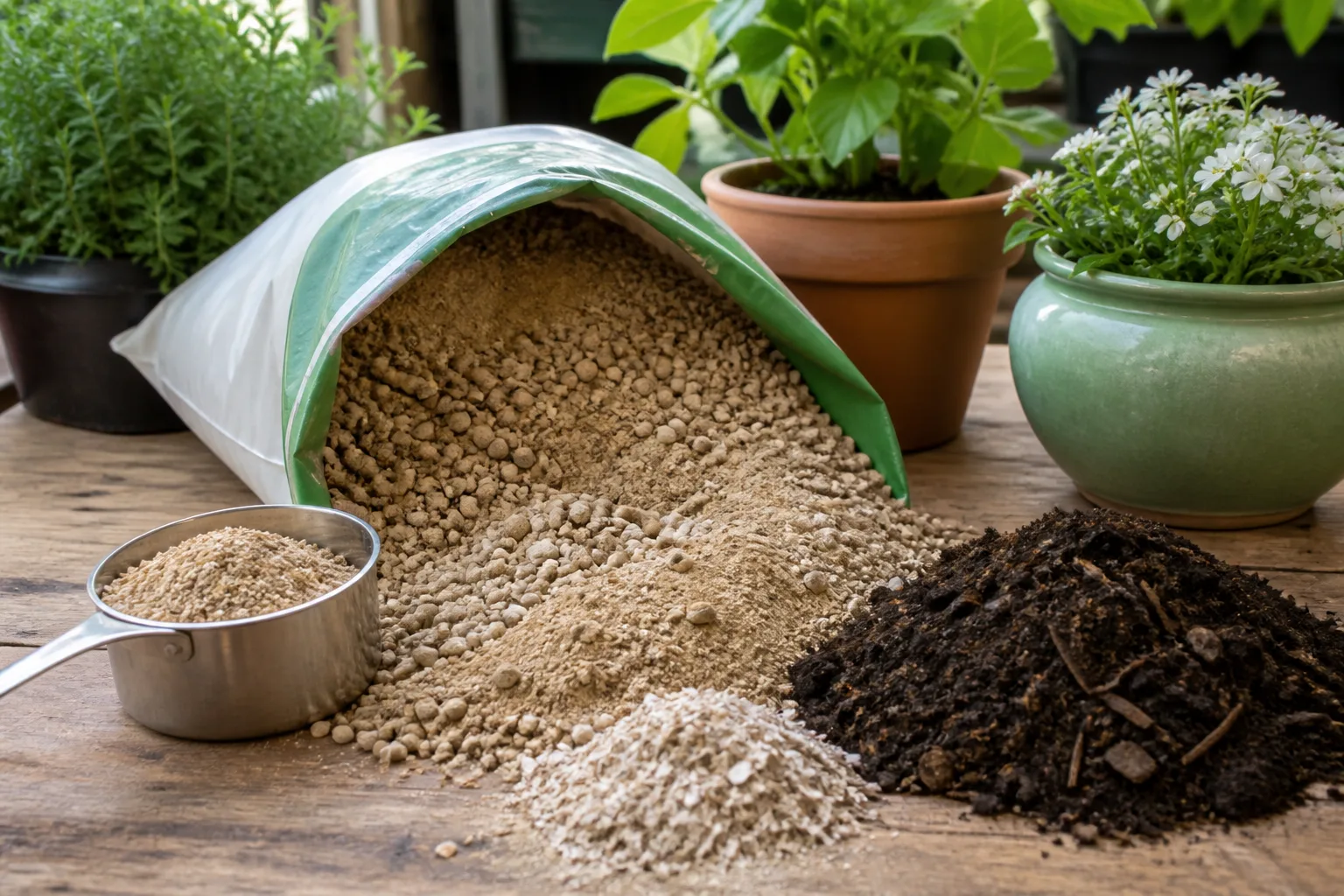
Slow-release granular fertilizer is convenient for established landscape shrubs because nutrients are released over time and the product can be applied once at a measured rate. Keep granules off the trunk and foliage, and never exceed the label rate because the shrub looks thin.
Liquid fertilizer can be useful for a container boxwood that needs a controlled feeding during active growth, but it is easier to overapply. Mix exactly as directed, and do not make the solution stronger to compensate for slow growth. Water-soluble feeds can also move salts through a pot quickly, so use them only when the plant is hydrated and the container drains freely.
Finished compost improves organic matter and moisture management, but it is not a guaranteed replacement for a soil-test-directed fertilizer. Apply a thin top-dressing rather than burying the trunk or smothering the crown. Blood meal and other concentrated organic fertilizers still contain nutrients and can burn roots when misapplied; “organic” does not mean unlimited or risk-free.
How to Apply Fertilizer Around Boxwood
Prepare the Root Zone
- Check the label and calculate the amount for the shrub’s actual planting area, not the entire bed unless the product says to treat the full bed.
- Water the boxwood if the soil is dry, but wait until excess water has drained. Never fertilize bone-dry or saturated soil.
- Pull weeds and inspect the mulch. Keep mulch about 2 to 3 inches deep, but leave a small open ring around the trunk and crown.
- Identify the drip line—the approximate outer edge of the foliage. Fine feeder roots often extend beyond the trunk, so do not concentrate fertilizer at the base.
Apply at the Label Rate
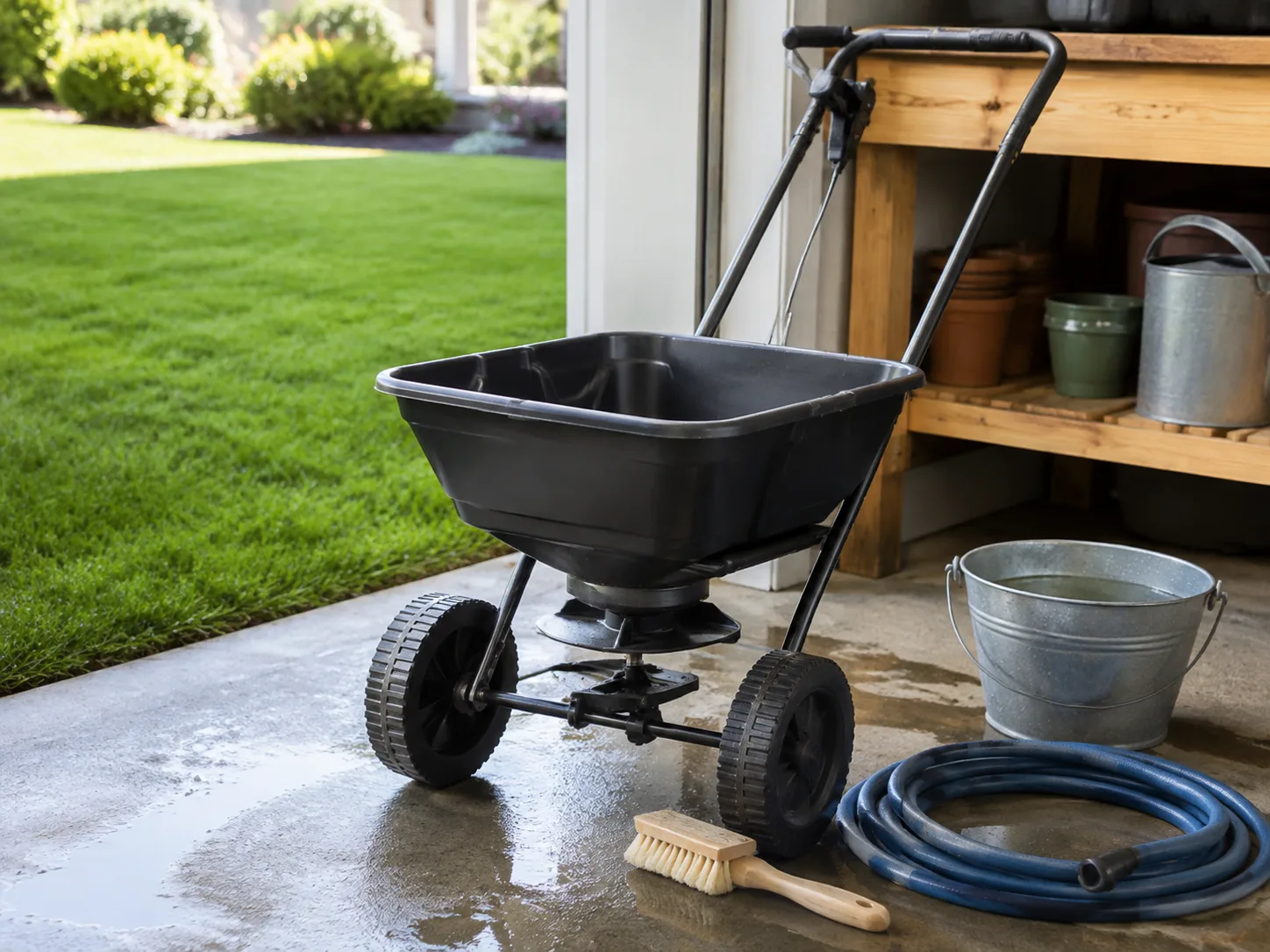
Spread granular fertilizer evenly over the root zone, starting a few inches away from the trunk and extending toward or slightly beyond the drip line. Do not pile it in a ring against the bark. Do not rake aggressively or cultivate deeply; NC State Extension notes that boxwood roots are shallow and can be damaged by disturbance.
Water thoroughly after application so the granules begin dissolving and so fertilizer does not remain on foliage. A slow, deep watering is better than a quick splash that runs off the bed. Keep fertilizer out of storm drains and paved surfaces, and sweep stray granules back into the planting area.
Avoid foliar feeding unless a label or professional recommendation specifically calls for it. Boxwood leaves are not the place to improvise with fertilizer sprays, homemade mixtures, coffee grounds, or Epsom salt. These materials do not substitute for a soil test and can leave residues or create an imbalance.
Adjust the Plan for New and Container Boxwood
Newly planted boxwood usually needs correct planting depth, water, and root establishment more than immediate fertilizer. A well-prepared planting hole and a root ball set with its top level with or slightly above surrounding soil are more important than forcing top growth. Wait until the plant has settled and begun active growth, then follow a soil test or label recommendation.
Container boxwood is different because frequent watering can leach nutrients from the pot. Use a quality, well-drained potting mix and a fertilizer labeled for container shrubs. A low-dose slow-release product mixed or top-dressed according to the label can provide a steady supply, while a diluted liquid feed may be used during active growth if the label allows it.
Never fertilize a container whose roots are already sitting in water. Check drainage holes, remove a saucer that holds runoff against the pot, and flush the container occasionally with plain water if salts are accumulating as a white crust. Container roots heat and dry faster than in-ground roots, so pause feeding during severe heat, drought stress, or dormancy.
Avoid Common Fertilizing Mistakes
The most common mistake is treating a symptom instead of the root cause. Other frequent errors include:
- Feeding on a fixed monthly schedule without reading the product label.
- Applying lawn fertilizer, manure, or blood meal at a lawn or garden rate to a shallow-rooted shrub.
- Placing granules against the trunk or on the leaves.
- Fertilizing immediately before extreme heat, drought, or a hard freeze.
- Adding lime or sulfur without a soil test.
- Cultivating deeply through the boxwood’s root zone to mix in fertilizer.
- Using thick, wet mulch against the crown.
- Assuming yellow leaves always mean nitrogen deficiency.
Another mistake is using fertilizer to compensate for poor drainage. Boxwood tolerates different light conditions, but it does not tolerate roots that remain waterlogged. Improve grading, drainage, or irrigation first. The K-State Research and Extension boxwood guide emphasizes good drainage and supplemental water during dry periods—two basics that often determine whether fertilizer can help at all.
What to Do After Overfertilizing
If you accidentally exceed the label rate, remove visible granules from leaves and hard surfaces. If the soil is well drained, water slowly and deeply to move soluble salts below the active root zone, allowing the water to drain away. Do not create standing water around the shrub while trying to flush it.
Pause further feeding and watch for scorched leaf edges, sudden wilt, brown foliage, or dieback. A soil test can show whether nutrient or salt levels remain excessive. Pruning should be conservative; do not remove large amounts of foliage from an already stressed evergreen unless dead wood or a confirmed disease requires it.
If damage continues, check roots and drainage and seek local diagnostic help. Boxwood blight and root diseases can resemble fertilizer injury, and a stressed shrub may be more vulnerable to pests. Recovery depends on correcting the cause, not on adding another product.
Conclusion
The best boxwood fertilizing plan is measured and conditional. Test soil when possible, feed in early spring as active growth begins, choose a slow-release product that fits the report, and apply it evenly over the root zone rather than against the trunk. Stop routine nitrogen well before cold weather, and give containers a lighter, more closely observed feeding plan.
If the foliage is yellow, first inspect water, drainage, roots, pests, winter exposure, and disease. A healthy boxwood does not need to be pushed into fast growth. With the right timing and restraint, fertilizer can support dense evergreen foliage without turning a manageable shrub into a stressed one.