When to Cut Back Black-Eyed Susans for Winter Safely
Find out whether to prune Black-Eyed Susans in fall or spring, how to handle seed heads, and what changes for containers, disease, and mild winters.
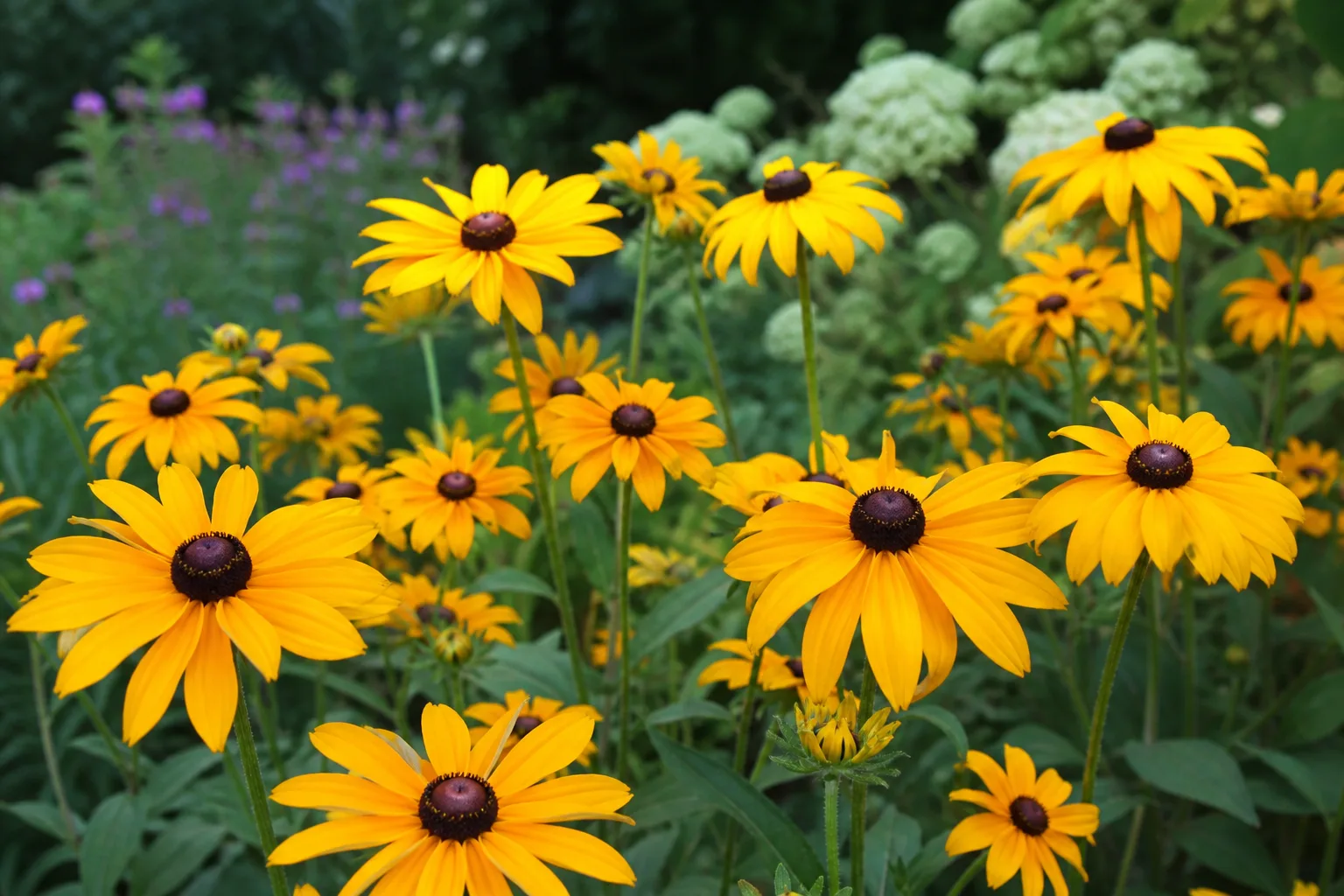
If your Black-Eyed Susans are brown, floppy, and covered with spent flower heads, you do not need to rush outside with pruners. The safest general rule is to wait until the plant has finished flowering and the aboveground growth has naturally browned and gone dormant, then cut it back in late fall—or leave it standing until late winter if you want seed for birds and shelter for insects.
That answer has an important exception: “Black-Eyed Susan” can describe several Rudbeckia species with different life cycles, and it can also mean an unrelated flowering vine. Your ideal winter treatment depends on what is actually growing in the bed, whether the stems are diseased, how wet the site becomes in winter, and what you want the garden to provide after bloom season. A careful cutback protects the crown; an unnecessary early cleanup can remove food, habitat, and the plant’s most useful winter structure.
Short answer: wait for dormancy unless a problem demands earlier cleanup
For a healthy Rudbeckia in the ground, make your main winter decision after the plant has stopped flowering and its stems and leaves are mostly brown. That timing usually falls after the first hard frost in cold-winter areas, but a calendar date is a poor substitute for looking at the plant. A warm autumn may keep growth green well past the date when a neighboring garden is dormant, while a sudden freeze may finish the season quickly.
You can cut dead stems to a few inches above the soil or to the level of healthy basal growth, depending on the variety and how much winter structure you want. You can also leave the stems and seed heads in place and do the cleanup in late winter. Neither choice is automatically better for every garden: cutting is useful for sanitation and access, while leaving some growth supports seed-eating birds, winter interest, and a less intensive garden routine.
Do not interpret “wait for dormancy” as a command to keep visibly diseased foliage until spring. If a plant has a serious fungal problem, remove affected top growth once the season is over, keep it out of the home compost pile unless you know your compost reaches a reliably hot temperature, and clean your tools before moving to another plant. Black-Eyed Susans can be affected by powdery mildew, and carrying contaminated debris into the next season is a reasonable reason to choose sanitation over habitat on that particular clump.
Make sure it’s Rudbeckia before you reach for the shears
The common name covers more than one plant. Most winter-pruning questions concern upright, daisy-flowered Rudbeckia in a border or meadow, but the exact species may be an annual, a biennial, or a short-lived perennial. North Carolina Extension describes Rudbeckia hirta as a fast-growing biennial or short-lived perennial that can bloom in its first year from early-spring seed, which is why many gardeners mistake it for an annual. The NC State Extension profile for Rudbeckia hirta also notes its ability to self-seed.
That distinction changes what “protect next year’s plant” means. A true hardy perennial Rudbeckia has a crown that reliably survives winter and sends up new basal growth. A Rudbeckia hirta planting may return from a short-lived root system, from seedlings, or not at all in a difficult winter; allowing some seed heads to mature can be more important than preserving one individual plant. A hybrid sold as a seasonal bedding plant may likewise be treated as an annual even if the species has perennial tendencies in a milder climate.
Annual, biennial, or perennial: why the label changes the plan
Look at the plant tag, seed packet, or cultivar name if you still have it. Perennial Rudbeckia are usually described as hardy herbaceous perennials and are expected to die back above ground while the crown remains dormant below the soil. Annual and biennial forms are more dependent on seed, local winter conditions, and the length of the growing season.
The RHS Rudbeckia growing guide makes the same practical point from another gardening tradition: most Rudbeckia grown there are hardy herbaceous perennials, while R. hirta is short-lived and not reliably hardy, so it is often grown as an annual from seed. That does not mean an American gardener should discard every R. hirta in fall. It means you should not assume a low cut will guarantee the same plant next spring, especially if the cultivar was selected for one-season color.
If you are unsure, use a conservative plan. Let a few healthy seed heads mature, avoid disturbing the crown, and remove only clearly dead or diseased material. You can still tidy the bed later once you know where new basal growth is emerging. This preserves your options instead of making a permanent cut based on an uncertain label.
Rudbeckia is not Black-Eyed Susan vine
Black-Eyed Susan vine, Thunbergia alata, is a twining vine with flexible stems that climbs a trellis or fence. It is not the clumping Rudbeckia discussed here, and advice for a hardy or short-lived perennial does not tell you how to overwinter it. In a frost-prone climate, the vine is commonly grown as an annual or moved indoors, while Rudbeckia generally belongs outdoors in its dormant state.
The quickest visual check is habit. Rudbeckia grows upright from a basal clump, with rough stems and daisy-like flowers. Thunbergia wraps around support and has a vining or trailing habit. If your plant is climbing, stop and identify it before cutting; you may be dealing with a tender vine, not a plant that can be cut to the ground and left in a frozen bed.
Pick your winter goal before choosing a pruning date
The phrase “best time” hides two different goals. One gardener wants a clear bed, easy access to emerging bulbs, and less old foliage around susceptible plants. Another wants birds to feed, native insects to find shelter, and the garden to retain shape through snow and frost. Both are legitimate, and Black-Eyed Susans give you room to choose.
Leave seed heads and stems for wildlife
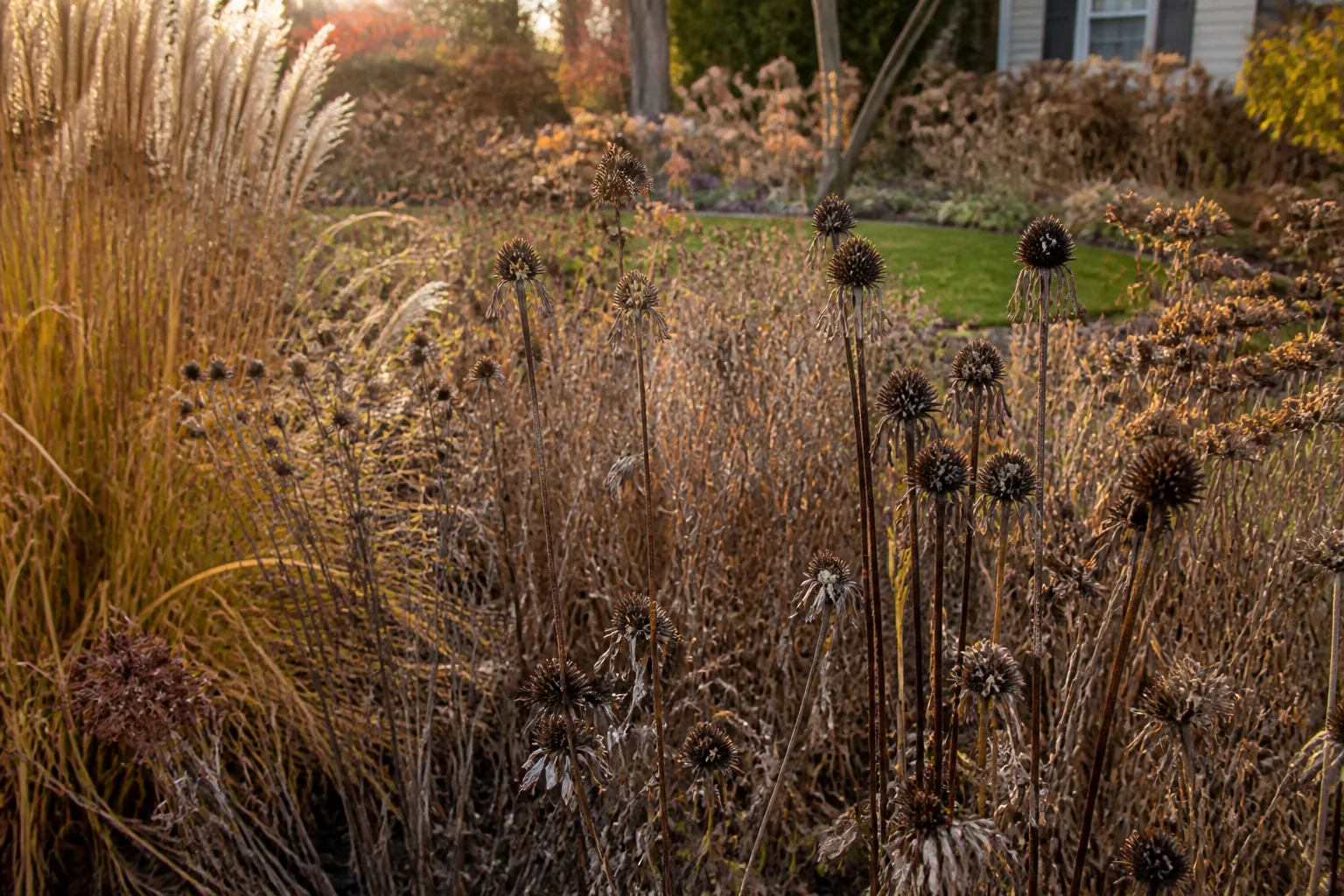
If the plant is healthy and the seed heads are dry, leaving at least some of them through winter is a strong low-effort option. The cones hold seeds that can feed birds, and the dry shapes add vertical structure when most of the border has collapsed. Mature seed also supports natural reseeding, although seedlings may appear outside the original clump and may not match a named cultivar in height or flower color.
There is a finer point about stems. In a 2025 article, NC State Extension’s pollinator program summarized a study of nearly 3,000 perennial stems from 20 gardens in 10 North Carolina counties. The researchers found that stems were not occupied by stem-nesting bees in their first winter, while older stems could be occupied later. Their practical recommendation was to trim first-year stems after frost but before the last frost, then leave the trimmed stems alone so they can become habitat.
That finding does not mean every Black-Eyed Susan stem must be kept untouched forever, nor does it prove that every Rudbeckia clump follows an identical insect schedule in every region. It does offer a useful compromise: if you want a tidier border, trim the current season’s dead stems in winter rather than chopping an entire established patch indiscriminately in spring. Leave older stems where possible, and leave the seed heads on selected stems for birds.
Wildlife-friendly does not have to mean all-or-nothing. You can leave one-third to one-half of a drift standing, keep the most prominent seed heads, and cut back the portion that leans across a path. If the bed is visible from a window, place the standing stems toward the back and make a clean edge in front. The result supports wildlife without asking you to accept an inaccessible or visually chaotic planting.
Cut for sanitation, access, or a tidy border
Cut back when dead growth is creating a real problem rather than because every brown stem is a failure. Remove foliage that had powdery mildew or another spreading disease, stems that are collapsing onto neighboring plants, and growth that blocks a path, covers a drain, or traps wet leaves against a crown. In a small formal border, a complete winter cutback may also be the best maintenance choice if you can preserve habitat elsewhere.
The Gardening Know How overview of Black-Eyed Susan describes the plant as self-seeding and notes that deadheading can prolong flowering while allowing seeds to dry on the stem preserves reseeding. That is why removing every seed head is not a neutral cosmetic act: it changes where the plant can reproduce. If you want fewer seedlings, deadhead earlier or remove the heads before they shatter; if you want new plants, leave a controlled number to dry.
Think of cutback as a management choice, not a bloom trigger. Removing old growth can make spring work easier and improve airflow around the crown, but it does not magically create more flowers if the plant is in deep shade, drought-stressed, overcrowded, or planted in saturated soil. Those conditions need their own correction.
Use the plant—not the calendar—as your timing cue
The best window is a sequence of visible changes. Start with the plant’s stage, then adjust for disease, local winter weather, and your desired habitat. This approach works whether your first frost arrives in October or your garden stays green into December.
If the stems are still green or flowering
Do not make a full winter cut while the plant is actively flowering or carrying substantial green foliage unless you are removing a confirmed disease or damage. Green leaves are still contributing to the end of the growing season, and late flowers may be providing nectar when fewer plants are blooming. Cutting early also removes the seed heads before they mature.
If the plant is tall or flopping but healthy, solve that problem in the growing season next year with better spacing, a support, or a timely height-reduction technique suited to the cultivar. Winter pruning cannot correct a site that is too shady or a clump that is competing for moisture. For now, remove only stems that are broken, hazardous, or smothering a neighboring plant.
If frost has browned the plant
Once a hard frost has turned the leaves and stems brown, you have a workable late-fall or early-winter window. On a tidy, disease-free bed, cut the stems with sharp pruners, leaving a short stub or basal growth rather than scraping the crown. On a wildlife-friendly bed, select the stems you want to retain and trim the rest.
Avoid treating the first light frost as a universal signal. A brief frost may brown the top of a plant while lower leaves remain green and active, especially in a sheltered bed. Wait until the plant is genuinely finished, or make a partial cut and return later. The goal is to remove dead growth, not to force dormancy by cutting through living tissue.
If you missed fall cleanup
Late winter is usually safer than an anxious midwinter haircut. You can prune before new shoots begin to emerge, when the old stems are dry and the crown is still easy to see. This is also the moment to check for basal growth before cutting low: a living rosette at the soil line is a reason to leave a little more clearance.
The trade-off is habitat. As spring approaches, older stems may contain overwintering insects, and cutting them can disturb that life. If the stems are healthy, cut only what is needed, leave some older hollow or pithy stems in an undisturbed corner, and avoid raking every bit of leaf litter from the base. If disease was present, sanitation takes priority for that plant and the debris should be removed from the bed.
The safe cutback method
You need sharp bypass pruners or shears, gloves, a bucket or tarp for dry debris, and a way to clean the blades. Thick, dry Rudbeckia stems can be surprisingly fibrous; dull tools crush them, and a crushed cut is harder to control than a clean snip. For a large patch, work in sections so you can make decisions instead of removing everything in one sweep.
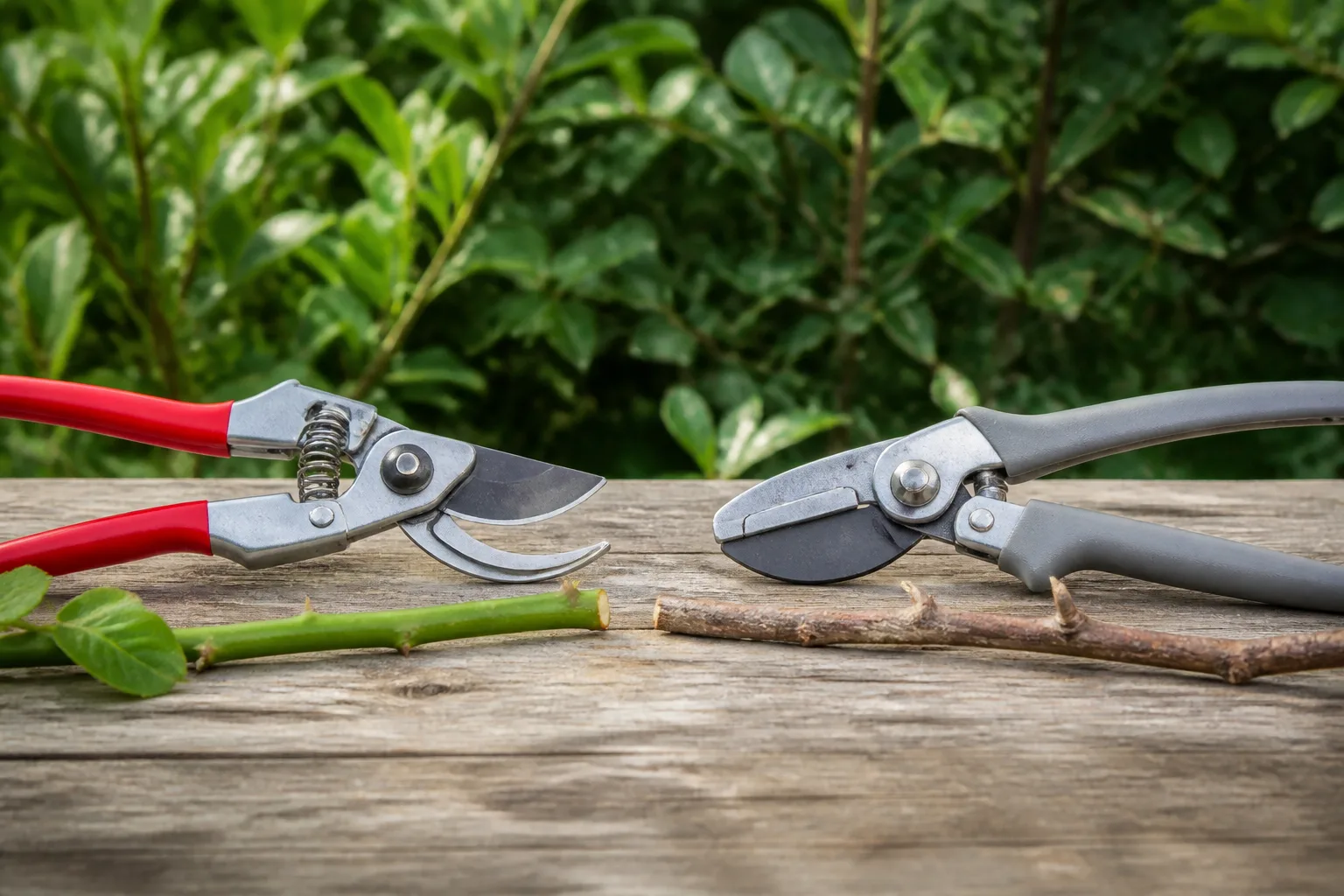
Step 1: inspect the crown and stems
Stand back first. Identify the center of each clump, the lowest ring of living basal leaves, and any stems that are still green. The crown is the short, dense area where stems emerge from the root system; it may sit at soil level or be partly hidden by old leaves. Your target is the dead top growth above that point, not the crown itself.
Separate healthy dry stems from questionable material. Gray-white powder on leaves, blackened tissue, soft collapse, or a patch that died unusually early deserves more caution than ordinary tan winter growth. If you are unsure whether a mark is disease, cut conservatively, photograph the symptom for later identification, and avoid spreading the material across the bed.
Before you cut, check the soil. If water is pooling around the clump, pruning is not the first repair. Redirect a downspout, move runoff, or improve the site’s drainage when conditions allow. The Plant Addicts winter-care guide emphasizes that cold, waterlogged soil is a greater winter threat than ordinary cold for many Black-Eyed Susans, including container plants.
Step 2: cut without tugging
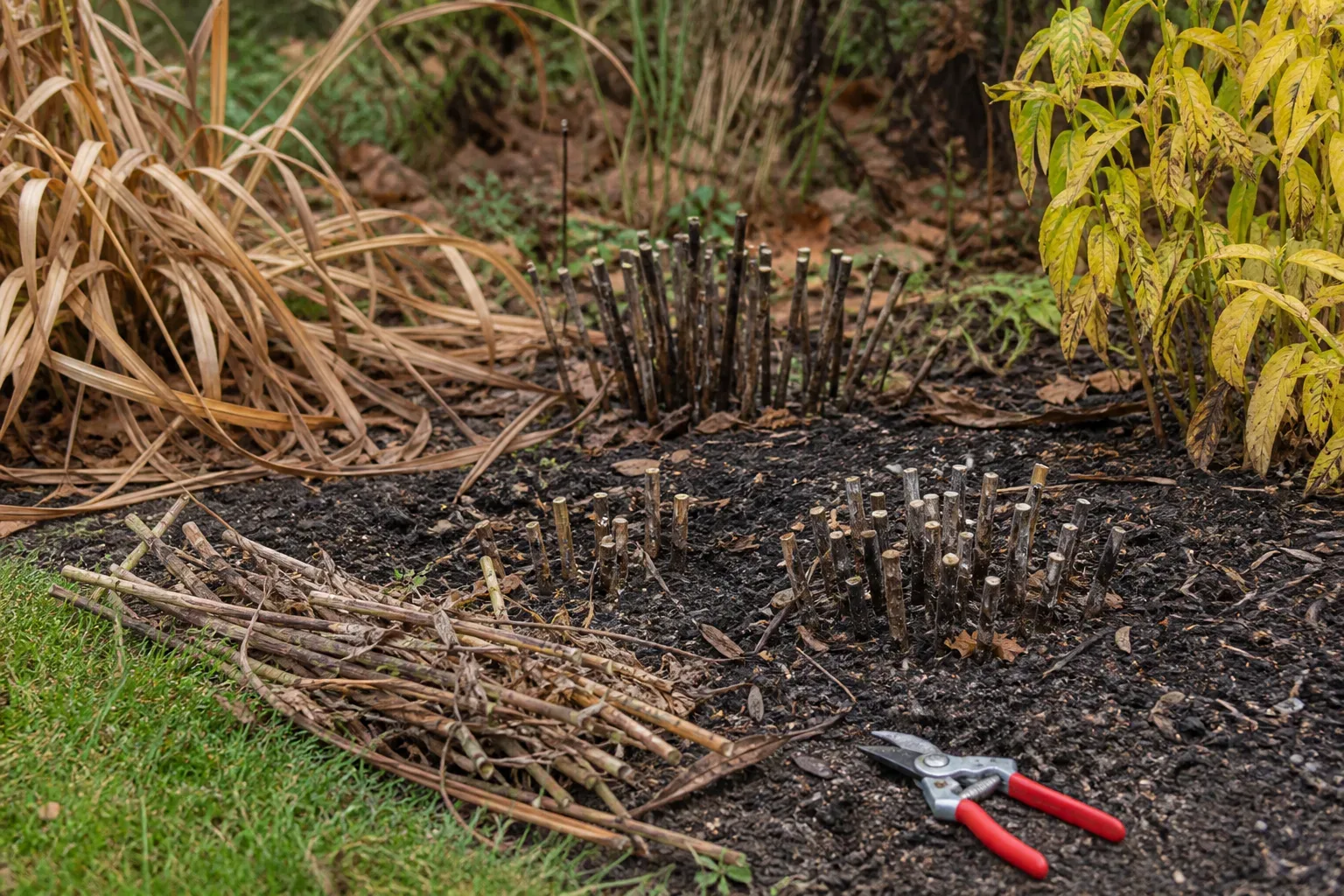
Hold a small group of stems loosely and make individual cuts near the base, usually about 2 to 4 inches above the soil or just above healthy basal growth. The exact height matters less than avoiding the crown and keeping the cut controlled. If a stem is stiff, use a second cut rather than twisting the shears through it.
Never yank a stem from the clump. Pulling can lift or tear attached basal growth and disturb the crown, especially when the soil is loose after rain. A clean cut leaves the root system in place and lets you see what you have removed.
Do not cut across a living basal rosette simply to make the bed look level. A short, uneven set of stubs is safer than a scalped crown. In warm regions or with a variety that keeps low foliage, cut to the basal growth rather than automatically to ground level. In cold regions, a little dry stem can also help you find the clump when spring weeds begin to emerge.
If you are using the NC State pollinator compromise, remove the current season’s stems while leaving selected older stems and seed heads. Mark or remember the stems you leave; once cut stems are in place for habitat, do not keep re-cutting them every few weeks. The value comes from leaving them undisturbed until they break down naturally.
Step 3: sort trimmings and protect the bed
Healthy, dry stems can go into a normal compost process, be chopped as a brown carbon source, or be placed in a quiet corner for winter structure. Diseased leaves and stems should be bagged or handled according to local waste guidance rather than scattered as mulch. Do not assume that a slow, cool backyard pile will eliminate every plant pathogen.
After cutting, remove wet clumps of foliage sitting directly on the crown, but do not excavate the plant or rake aggressively through the soil. A thin layer of shredded leaves or finished compost around the root zone can buffer temperature swings and conserve moisture. Keep mulch off the crown itself; a wet, packed collar can trap moisture exactly where you are trying to prevent rot.
Clean the blades before moving from a diseased plant to a healthy one. A household disinfectant or appropriate tool-cleaning method should be used according to its label, and the blades should be dry before storage. Wipe off sap and soil, check that the pivot still moves freely, and store the pruners sharp for spring. Tool care is a small step, but it prevents a rushed spring cleanup from becoming a plant-to-plant transfer route.
Winter aftercare for in-ground plants and containers
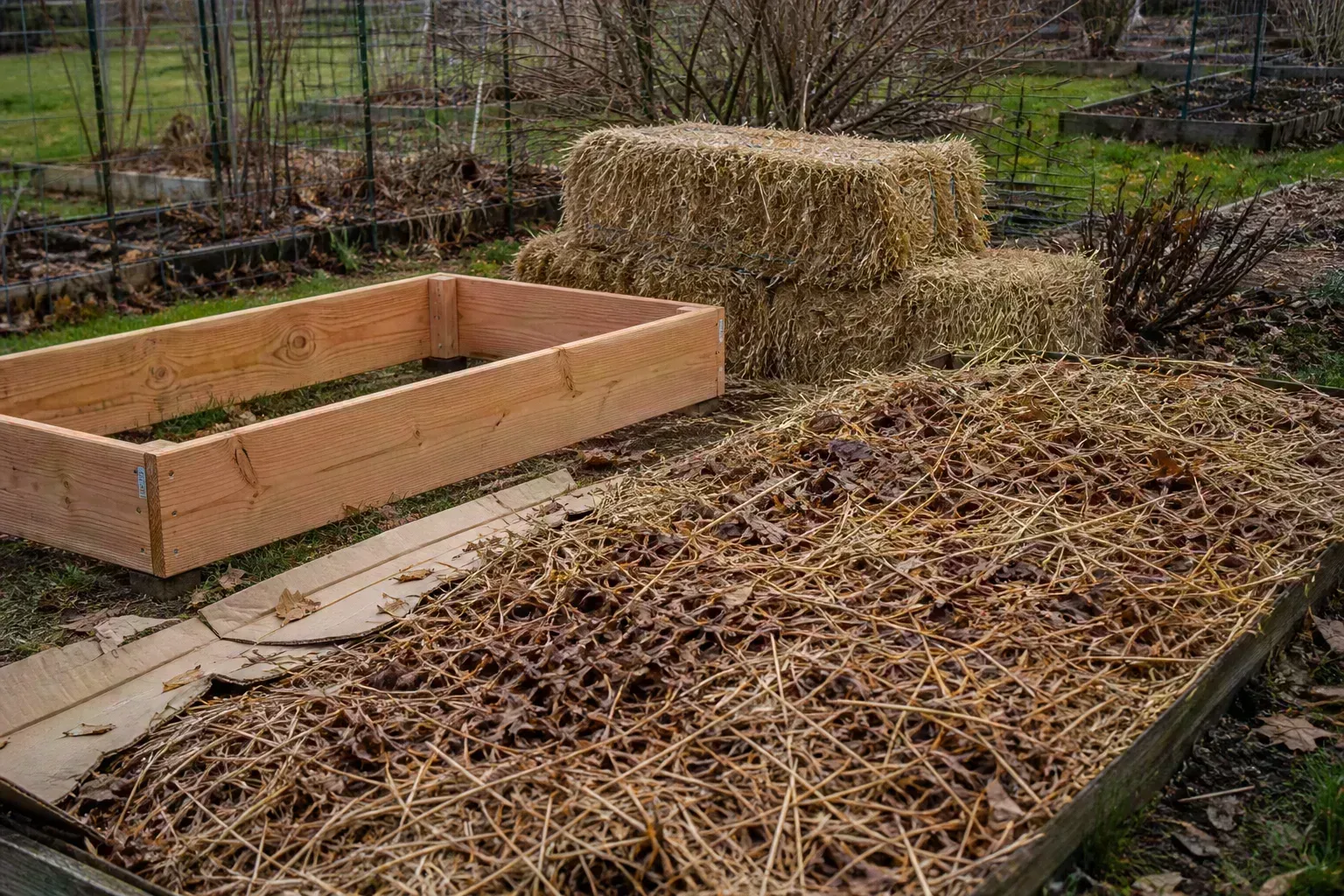
Hardy perennial Rudbeckia planted in open ground generally need little winter protection beyond sensible drainage and a clear crown. Do not keep watering on a schedule simply because the top growth is gone. Dormant roots use far less water, and winter rain may already be enough; water only during an extended dry spell when the ground is not frozen and the plant truly needs it.
Container-grown Black-Eyed Susans are more exposed than plants insulated by surrounding soil. Check that the pot has open drainage holes and is not sitting in a saucer of water. Move it away from a downspout, lift it on pot feet or bricks, and place it in a sheltered location if repeated freeze-thaw cycles or heavy runoff are likely. The goal is to protect roots from cold saturation, not to bring a hardy perennial into a warm living room.
Avoid treating mulch, fertilizer, or a greenhouse as a substitute for the right plant type. Hardy Rudbeckia need a period of dormancy, and tender or short-lived forms may need a different plan entirely. If the plant tag calls the cultivar annual, save seed or compost it according to your climate rather than expecting an indoor rescue to produce the same result.
In spring, remove winter mulch from the crown as new shoots appear, but leave a thin layer between plants to moderate moisture and suppress weeds. Cut remaining stems before they obscure fresh growth, taking care not to nick the shoots. If a clump returns weakly, investigate light, drainage, overcrowding, and disease history before adding fertilizer; more nutrients cannot compensate for a wet, shaded site.
The RHS guide recommends moist but well-drained conditions, notes that seed heads can provide winter food for birds, and explains that perennial Rudbeckia often need no special protection in open ground. Those points fit the practical sequence here: let the plant finish, keep water moving away from the crown, choose how much habitat to retain, and make spring cleanup gentle.
Conclusion
For most healthy Black-Eyed Susans, cut back for winter after flowering has finished and the stems have naturally browned—often after the first hard frost, but not according to a rigid date. Leave the plant standing if you value winter structure, bird food, and self-seeding; cut it back if disease, access, or a tidy formal bed makes cleanup the better choice.
The safest cut is deliberate: identify the Rudbeckia, inspect the crown, use sharp clean shears, cut dead stems a few inches above the soil or above basal growth, and never pull the plant apart. Keep some seed heads or first-year stems when you can, remove diseased debris from the bed, and fix winter drainage before adding protection. That balance gives the crown a quiet dormant season while leaving you with a healthier, more useful garden in spring.



