When to Plant Carrots by USDA Zone (Spring & Fall)
Find the best months to plant carrots by USDA zone, with spring and fall timing based on frost dates, soil temperature, and your variety’s days to maturity.
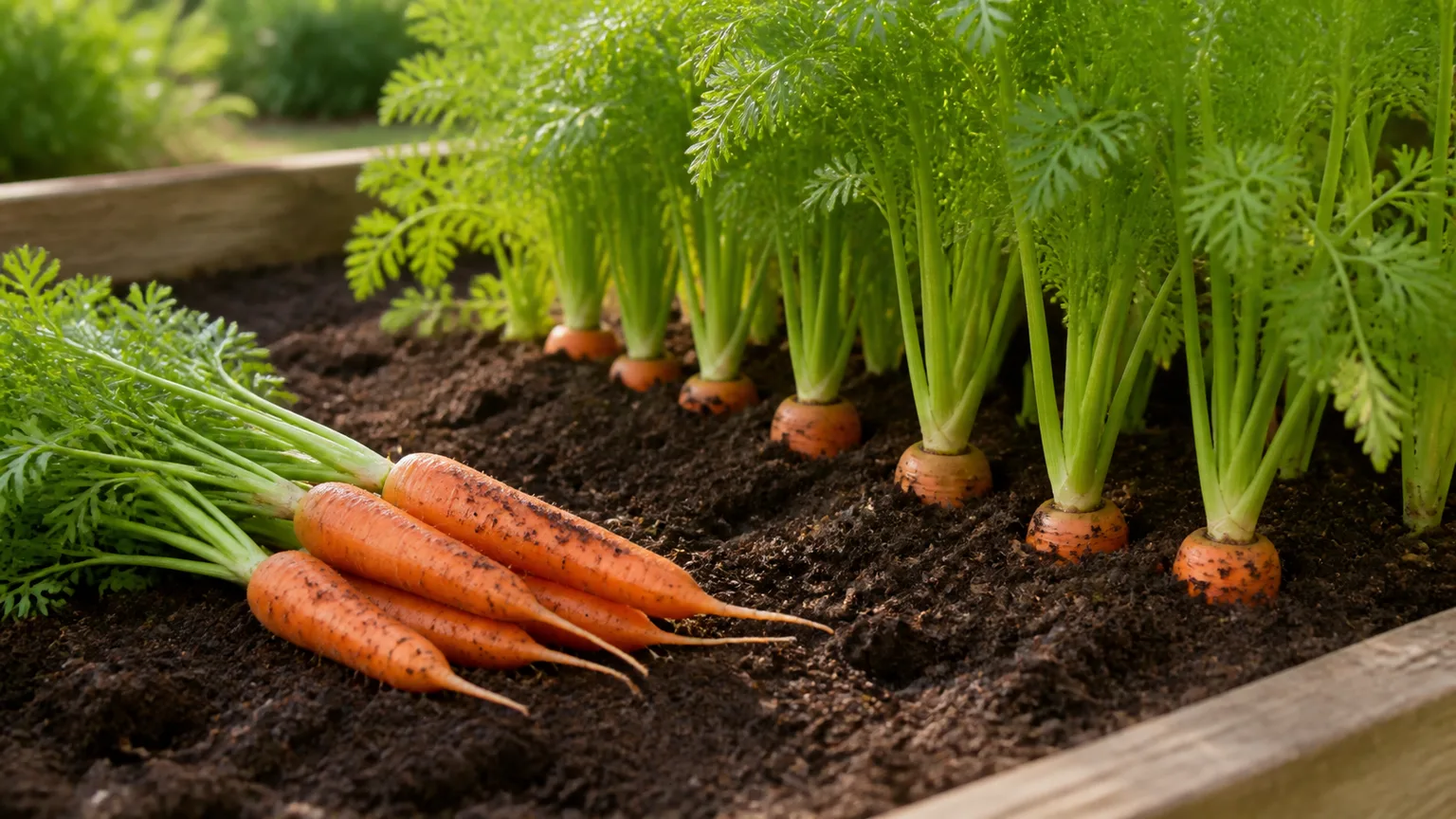
In most U.S. gardens, carrots have two planting windows: early spring, as soon as the soil is workable, and late summer for a fall crop. In colder zones that may mean April or May for spring and July for fall; in warm zones, gardeners often sow in late winter and again from fall into winter. A month table can narrow the choice, but the most reliable date depends on your local frost pattern, soil temperature, and the variety’s days to maturity.
A practical spring rule is to direct-sow about two to three weeks before your average last spring frost, once the soil is no longer waterlogged and has warmed to at least roughly 40–45°F. For fall, work backward from your expected harvest window: many gardeners sow about 10–12 weeks before the first fall frost, adjusting for the packet’s maturity estimate and whether the ground freezes early. Carrots tolerate light frost, so that first frost is a planning marker, not necessarily a deadline to pull every root.
The USDA Plant Hardiness Zone Map describes average annual extreme minimum winter temperatures. It helps explain broad regional differences, but it does not give the date your garden thaws, the length of your spring, or the first hot spell. University Extension recommendations also vary by local climate: Utah State University Extension says carrots can be sown when soil reaches 40°F, while University of Maryland Extension recommends waiting until it reaches at least 45°F. Those are useful thresholds, not contradictions: colder soil may permit sowing, while warmer soil usually speeds emergence.
The short answer: carrots have two useful planting windows
For spring carrots, sow when the soil can be prepared into a fine seedbed and isn’t saturated, even if a light frost remains possible. Carrots are cool-season crops, and young plants can handle cold better than warm-season vegetables, but a seed sitting in chilly mud may germinate slowly or unevenly. If you are unsure, measure soil temperature at the seed depth in the morning for several days instead of relying on one warm afternoon.
For a fall harvest, sow during summer while there is still enough growing time for roots to size up before the ground becomes difficult to work. In many temperate gardens, the useful window falls from mid-July through August; a region with a long mild autumn may allow September sowing, while a short northern season may need June or early July. A short-season cultivar can extend the window, but it cannot make a nearly mature root out of a late sowing in cold, dim weather.
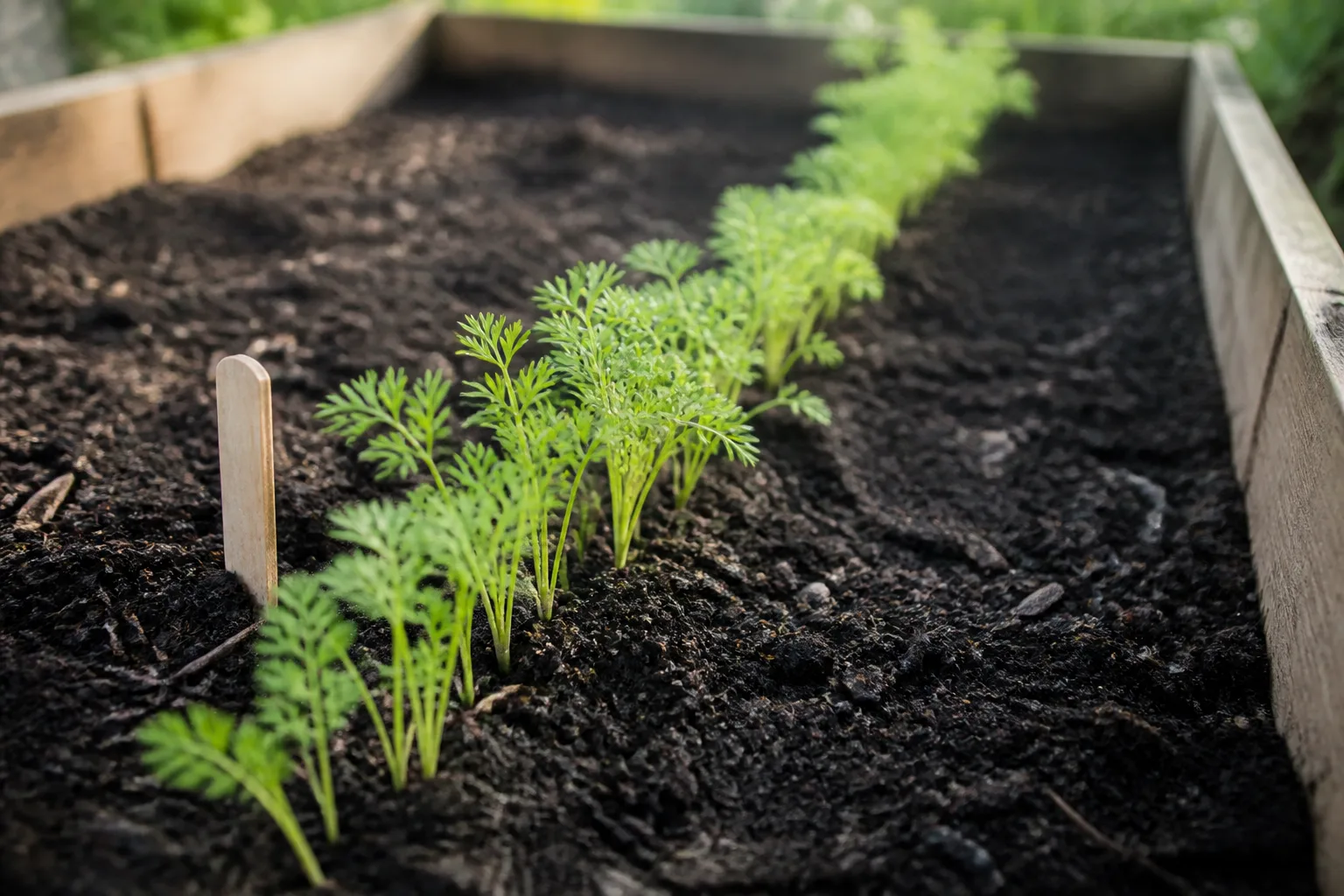
Carrot seed is slow to show, so plan for the crop’s full timeline rather than assuming the roots start growing the moment you sow. Utah State University Extension reports that seed germinates best around 55–65°F and may take 14–21 days to emerge; warmer soil can bring faster emergence, but soil above about 80°F can reduce germination. That is why early spring sowings can wait underground and midsummer sowings can fail if the seed row dries or overheats.
What USDA zone can—and cannot—tell you about carrot timing
Hardiness zones are often used as a shortcut for planting calendars, but the map was designed around winter cold, not vegetable sowing dates. Two gardens in Zone 7 can differ by weeks if one sits near a coast and the other is inland at elevation. Even within one yard, a sunny raised bed can warm earlier than a low patch where cold air and runoff collect.
Use your zone to choose a broad regional window, then refine it with the average last spring frost, the average first fall frost, and actual soil conditions. The USDA explains that its map is based on 30-year averages and that small microclimates may not appear at map scale. A hardiness zone therefore cannot tell you whether a particular bed is thawed, dry enough to work, or likely to heat up before a spring crop matures.
Frost dates are also averages rather than promises. A “last frost” date means frost becomes less likely after that point; it does not guarantee that a late cold snap will not happen. Since carrot seedlings tolerate cool conditions, their spring sowing can happen before tender crops such as beans or tomatoes, but gardeners still need to protect a newly emerged row if a severe freeze or driving rain is forecast.
Approximate carrot planting months by zone
Use this table as a starting calendar for typical U.S. climates, not as a fixed prescription for every location in a zone. Month ranges overlap on purpose: the right week depends on elevation, distance from water, soil texture, cultivar, and whether you are growing in a raised bed, container, or open ground. Local Extension planting calendars take precedence when they provide dates for your county or region.
| USDA zone | Approximate spring sowing | Approximate fall or cool-season sowing | What to watch |
|---|---|---|---|
| 2–3 | May to June | June to early July, only where enough growing time remains | Very short seasons; a late sowing may not size up before frozen ground. |
| 4–5 | April to May; sometimes early June | July to early August | Use days-to-maturity and the local first frost to set the final sowing. |
| 6 | March to April | July to August | A warm spring may close the spring window sooner than the zone suggests. |
| 7 | February to March in mild areas; March to April in colder areas | August to September | Coastal, urban, and mountain gardens can have very different frost dates. |
| 8 | February to March | August to September | Keep seed rows moist through hot weather; heat can prevent even emergence. |
| 9–10 | January to March, depending on local heat | September to December in many areas | In hot-summer regions, carrots are usually a cool-season crop, not a summer one. |
| 11 and warmer | Use the local cool season, often fall through winter | Often the same fall–winter window | Local heat, rainfall, and soil-temperature guidance matter more than frost dates. |
The ranges reflect regional Extension guidance rather than a zone formula. For example, Iowa State University Extension recommends early April sowing in Iowa and identifies August 1 as its last practical planting date, while Illinois Extension’s planting calendar lists an April-to-mid-July carrot window for central Illinois. Warm-climate calendars look different: University of Georgia Cooperative Extension describes cool-season planting in Georgia, and UF/IFAS gives Florida carrot windows that vary by region. The point is not to average those dates into one national rule; it is to use regional guidance to refine the month range.
The coldest zones do not always have a meaningful fall planting season outdoors. If your first autumn freeze arrives early, a late-summer sowing may mature too slowly, even though carrots survive light frost. In that case, make spring your main crop, choose a faster variety for a small midsummer sowing, and consider a low tunnel or cold frame only if you can still maintain moisture and ventilation.
Spring sowing: start before the last frost
Spring carrot planting usually begins earlier than the date most gardeners associate with “vegetable planting.” You do not need to wait until all danger of frost has passed because carrots are not frost-sensitive like tomatoes or peppers. The limiting factors are whether the bed is workable and whether the seed zone is warm and moist enough to germinate reliably.
Use soil temperature and workability together
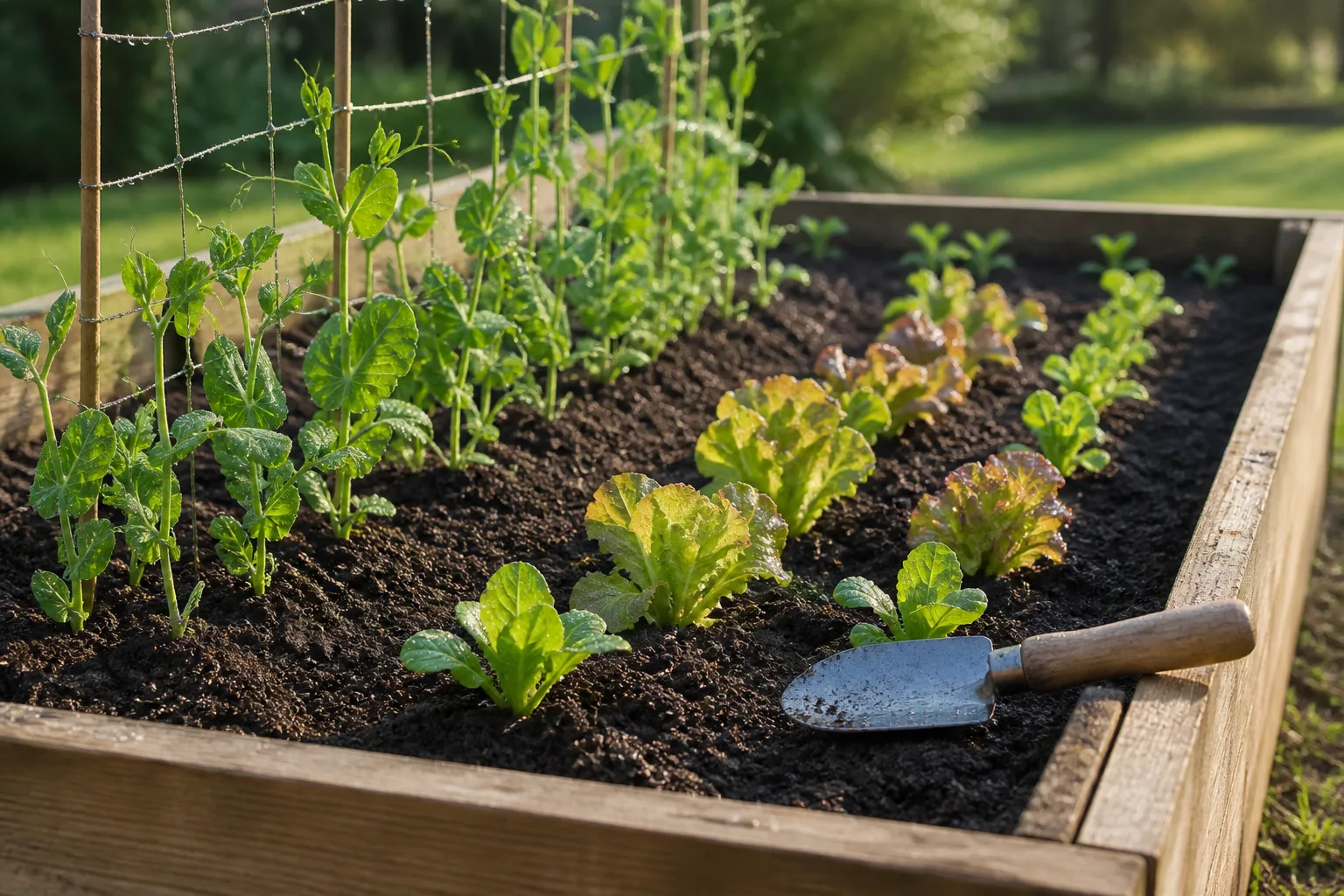
The lower threshold and the optimum are different. Carrot seed can germinate in soil around 40°F, but the process is slower; many extension sources put more dependable or faster germination closer to 45°F and best emergence around 55–65°F. The Old Farmer’s Almanac carrot guide also distinguishes minimum germination temperature from the warmer range where seeds emerge best.
Measure at the same depth where you will sow, usually a quarter inch or so, and check in the morning rather than after the sun has warmed the surface. Also do the simple squeeze test: if damp soil clumps into a shiny, sticky ball when squeezed, wait for it to drain and crumble. Working wet soil can compact the seedbed; the result is a dense crust that makes it harder for delicate carrot seedlings to break through.
Expect slow germination in early spring
A cool planting does not mean the seeds are dead when nothing appears after five days. In chilly soil, germination can take two or three weeks; a surface that dries between waterings can stretch the wait or leave bare sections. Keep the top layer evenly damp with a gentle spray or short, frequent irrigation until the row emerges, and mark it so you do not hoe it away while the seedlings are still tiny.
If spring is unusually wet or the soil is heavy, wait for a workable bed instead of forcing the calendar. Utah State University Extension notes that carrots grow best in deep, well-drained soil and that crusting limits emergence. A few days of patience can be more valuable than sowing early into a bed that stays cold, saturated, and packed down.
Fall sowing: count back from your first frost
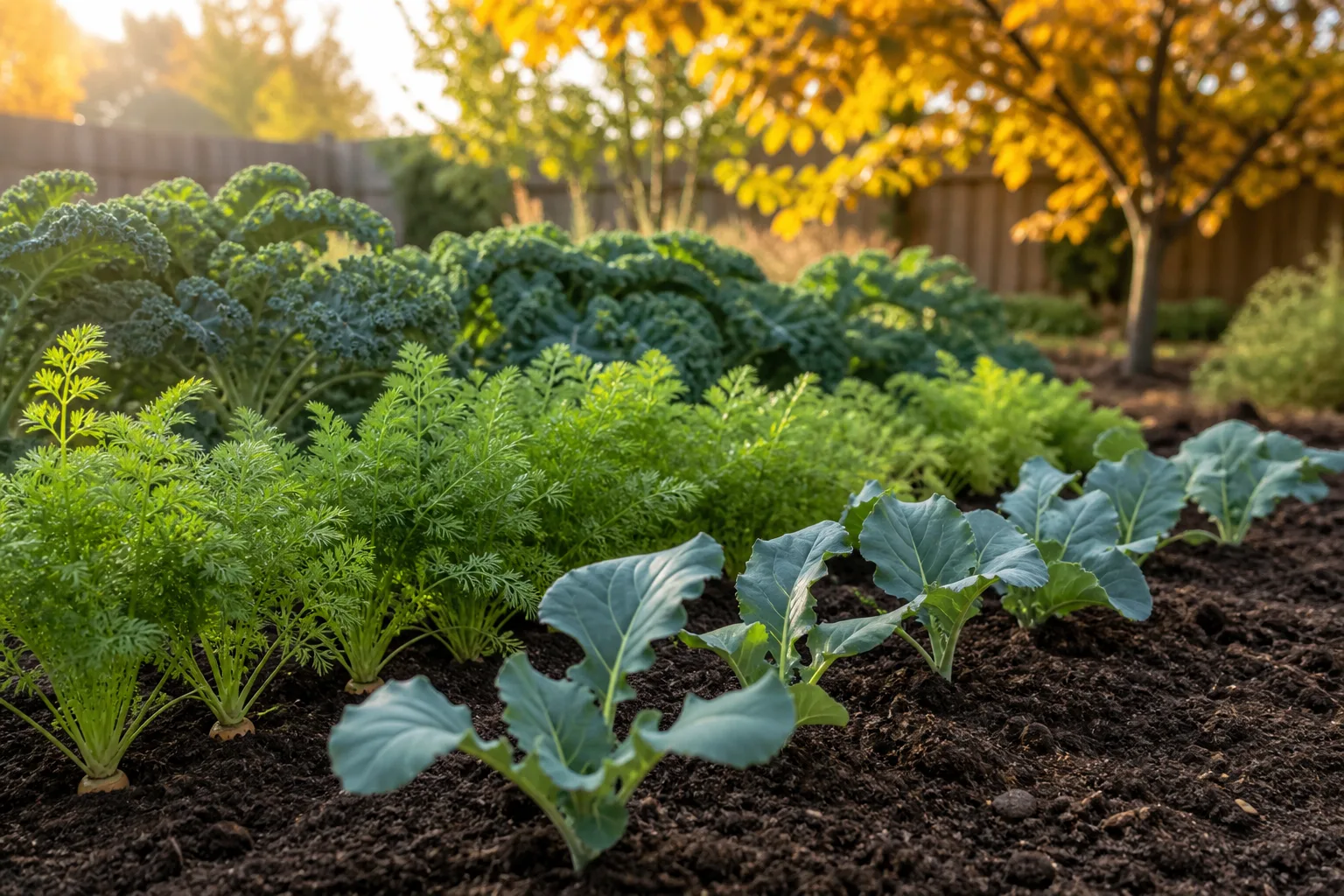
Fall carrots are planned from the harvest backward. Find your local average first frost date, read the seed packet’s days to maturity, and choose a sowing date that gives roots time to develop before the soil freezes or winter weather stops growth. Many home-garden recommendations place a fall sowing roughly 10–12 weeks before the first frost; a fast cultivar and warm soil may need less, while slow emergence or a long-maturing variety calls for more.
Choose the variety and add a weather buffer
Check whether the packet counts days from sowing or emergence; seed companies do not always use the same convention. If it lists 65 days from sowing and your seed commonly takes two weeks to emerge in summer heat, that does not mean you need to add 14 days automatically, but it does mean the quoted maturity date should not be treated as guaranteed. Add a buffer for hot, dry conditions, uneven watering, and the shorter days of autumn, then make your final call based on your local calendar.
A practical fall calculation looks like this: pick the date when you want the crop to be near harvest, count backward by the variety’s maturity days, then move the sowing date earlier if germination conditions are likely to be poor. For instance, if you want carrots ready by mid-October and your variety lists about 70 days, late July is a safer target than late August in a region where temperatures cool quickly. If your autumn stays mild into November, the same variety may have more room.
The date of the first light frost is not the same as the date the crop must be harvested. Carrot roots can tolerate light frost, and cool weather can improve their flavor. The more useful deadline is when the ground is likely to freeze hard, become persistently waterlogged, or be inaccessible for digging. In climates with workable winter soil, gardeners can mulch over the bed and pull roots as needed; where freezing is prolonged, harvest before the soil locks up.
Fine Gardening’s succession-planting guidance recommends sowing carrots every four weeks until about eight to ten weeks before the first fall frost. The Old Farmer’s Almanac suggests starting a fall crop around ten weeks before frost. These ranges are compatible when you account for cultivar maturity and local conditions: use the earlier end for a slower carrot or a short autumn, and the later end only for a quick variety in soil that will stay warm enough to establish it.
What to do when summer soil is hot
The fall calendar can say “sow now” while the bed is still too hot for reliable germination. Soil above about 80°F can reduce emergence, and a dry surface is especially unforgiving to small carrot seeds. Water the seedbed before sowing, sow late in the day, and use a light board or row cover briefly to shade and hold moisture if you can check it daily and remove it as soon as seedlings appear. Do not leave a solid cover over emerging plants in hot sun.
A second tactic is to create a cooler seed zone without moving the crop indoors. Water the empty row to cool and moisten the surface, or provide light shade during the hottest part of the afternoon. Once the seedlings emerge, uncover them and keep the bed consistently moist but not saturated. If daytime heat persists and no practical cooling method is available, wait for soil temperatures to decline rather than scattering seed into conditions where germination is likely to be poor.
A genuinely late sowing may still produce small roots, but set that expectation before planting. The 2026 Illinois Extension guidance for fall carrots and beets recommends choosing quicker-maturing varieties for a shortening season and keeping the shallow seed zone evenly moist. If your available growing window is shorter than the cultivar’s maturity period, harvest baby carrots rather than expecting full-size storage roots.
A better calendar: use your local frost dates
To translate a zone into an actual planting week, start with a local source, not a generic national chart. Your county Extension office may publish a vegetable planting calendar; state climate offices and regional garden guides can also provide typical frost dates. Then compare those dates with the weather and soil conditions in your own bed. A frost pocket, coastal influence, hilltop exposure, or urban heat island may shift conditions from the nearest official station.
For spring, use the average last frost as an anchor, then check whether the seedbed is thawed, drains well, and has reached the minimum temperature for carrots. Sow a little earlier in a warm, sandy, raised bed that dries quickly; wait longer in compacted clay or a shaded low spot. A row cover can protect emerging foliage from an unexpected cold snap, but it will not make a waterlogged seedbed safe to work.
For fall, use the average first frost to estimate the length of the remaining growing period, but do not mistake that date for a kill date. A carrot crop can continue after a light frost; however, seedlings need time to establish before short days and cold soil slow growth. If your local extension calendar gives a last planting date, use it as a conservative guide, then adjust for a faster or slower seed packet.
An example makes the distinction clear. A Zone 6 gardener in a cool mountain valley and a Zone 6 gardener in a protected city courtyard may see the same zone label but very different sowing conditions. The valley gardener may wait for thawed ground in April and plant fall carrots in July; the courtyard gardener may have workable soil earlier and enough autumn warmth for an August sowing. Track the dates that work in your own beds for two or three seasons, and your notes will become more useful than the zone number alone.
Keep carrots coming with succession sowing
Carrots do not all have to be planted on one weekend. If you want roots over several weeks, sow small sections at intervals of two to four weeks through the main planting window. That spreads harvest and gives you a fallback if one sowing fails because the seed row dried out, crusted, or met a sudden heat wave.
The interval is flexible. In a cool spring, a later sowing may catch up to the first because it germinates more quickly. In late summer, shorten the gap only if you still have enough days for the later batch to size up; otherwise, the second row may remain small when cold weather arrives. The Royal Horticultural Society recommends sowing small batches every three to four weeks for a continuous harvest, while Johnny’s Selected Seeds notes that intervals often need to tighten later in the season as shorter days slow crop development.
Keep a simple record for each row: sowing date, variety, soil temperature if measured, first emergence, and first harvest. If the first row took 20 days to appear while the next took 10, use that local germination difference to set the next planting rather than assuming all sowings need the same number of weeks. The notes also reveal whether spring heat arrives early enough that you should shift more of your crop to autumn.
Sowing on schedule: seedbed, depth, water, spacing
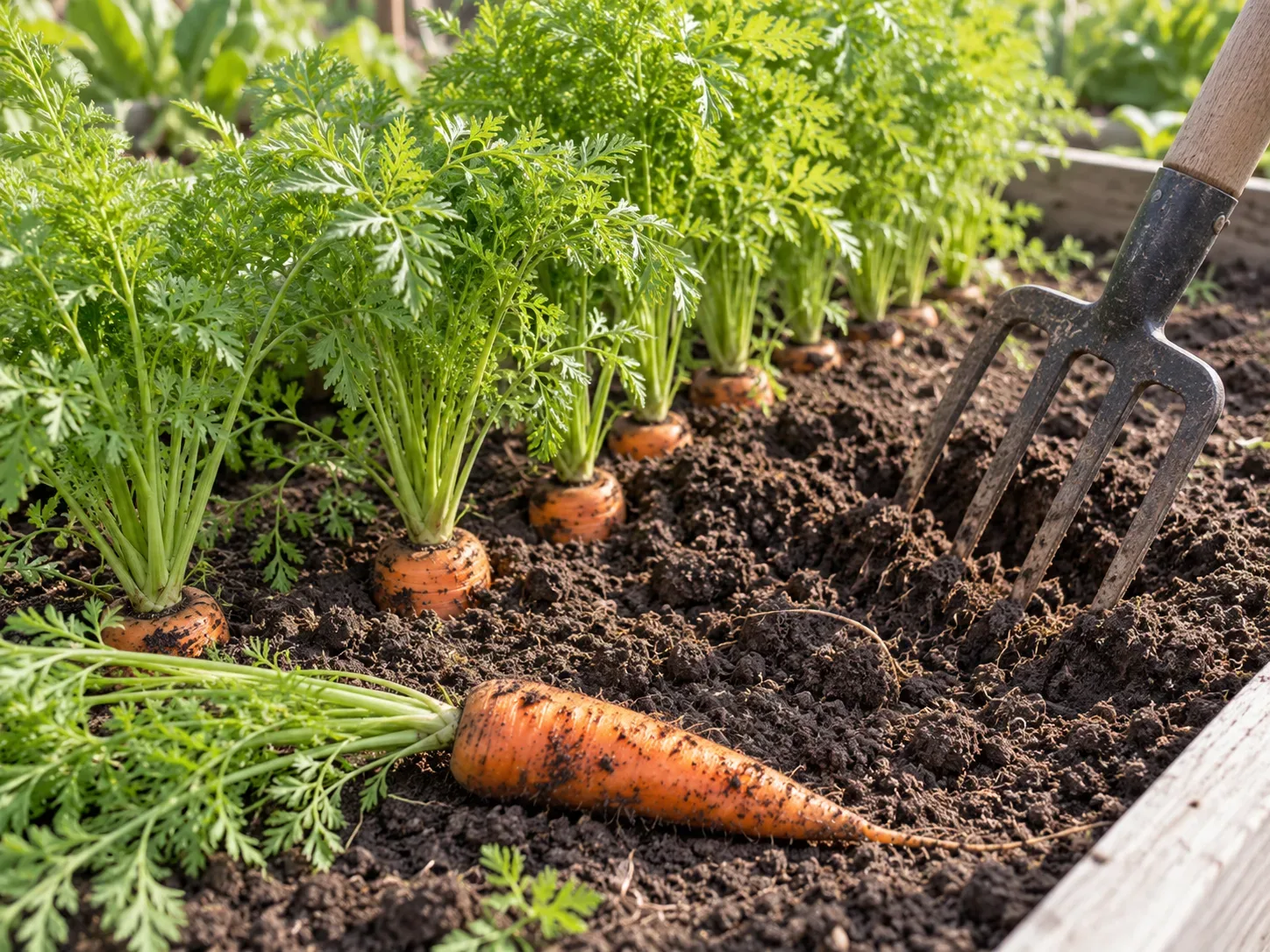
Correct timing helps only if the seeds can establish. Carrots are usually direct-sown because their developing taproots can fork or become distorted when transplanted. Prepare the final bed before sowing: loosen the soil deeply enough for the variety, remove stones and hard clods, and make a fine, level surface where shallow seeds can stay in contact with moisture.
Plant seeds where they will mature
Sow the variety at the depth listed on its packet; many home-garden guides recommend about a quarter inch, with some allowing up to half an inch in loose soil. Tiny seeds planted too deep may exhaust themselves before they reach the surface. A shallow drill, seed tape, pelleted seed, or a pinch of seed mixed with fine sand can help you distribute them more evenly.
After sowing, cover lightly and press the soil gently so seed makes contact with the bed. Do not transplant seedlings raised in a shallow tray as if they were lettuce; disturbing the taproot often produces forked carrots. If you need to grow in a container, choose a deep pot or a short-rooted cultivar, and sow it in its final position.
Keep the surface moist until emergence
The top quarter inch of soil can dry while the deeper bed still feels damp, so check the seed row itself. Give it light, frequent water until the seedlings appear, especially during dry or windy weather. A coarse blast from a hose can wash seed into clumps, while a crust after heavy rain can trap the seedlings underneath.
Once you see a row, keep moisture steady as roots develop, thin crowded seedlings according to the packet, and weed while plants are small. A radish sown sparingly beside the row can mark where carrots are planted, but harvest it before it crowds the slower crop. Water and thin carefully rather than tugging at neighboring seedlings; disturbance is an easy way to bend or damage young roots.
Containers and raised beds shift the window
A raised bed can be ready to sow before an in-ground plot because it often drains and warms sooner, but that advantage has a cost: it can dry faster in summer. Check a raised bed’s actual seed-zone temperature and moisture; do not assume its warmer soil is always better. During a hot spell, shade the seed row or delay sowing until the surface is cooler.
Containers are useful where garden soil is rocky or compacted, and they let a gardener control the mix and drainage. They also heat up and dry out faster than the ground, so midsummer carrot sowing in a pot may be harder than spring or fall sowing. Choose a vessel deep enough for the selected root type, use a loose, well-draining potting mix, and keep the surface evenly moist while seeds germinate.
For either method, select the variety to match the available soil depth and season. Short, round, or baby carrots are more forgiving in shallow or imperfect soil; long-rooted types need more depth and a longer uninterrupted growing window. Changing cultivar can solve a depth or maturity problem that a calendar adjustment alone cannot.
Timing mistakes that cost a harvest
Planting by zone alone is the first avoidable mistake. A hardiness number cannot tell you when the bed is dry enough to work or whether fall will stay warm long enough, so pair it with local frost information, current soil conditions, and the packet’s maturity range.
Sowing spring carrots into sticky, cold soil can lead to slow, patchy emergence. The remedy is not extra seed or fertilizer; wait until the bed crumbles rather than smears, then sow into a well-prepared surface and maintain moisture. If you did sow and emergence is uneven, give the row time before reseeding so you do not create an even more crowded patch.
Waiting too long for spring is another common problem in regions where early summer heat arrives quickly. Carrots may keep growing, but hot weather can reduce seed germination and root quality. Start with a spring sowing before the local heat pattern settles in, then plan the next sowing for late summer rather than assuming midsummer will be equally productive.
Sowing fall carrots too close to winter can leave you with healthy foliage and undersized roots. Before you sow, compare the packet’s days to maturity with the time remaining before soil freeze, not just the first frost date. If the window is tight, choose a faster type, harvest young, or skip the sowing and prepare a better-timed spring bed.
Letting the seedbed dry out can erase the advantage of a perfect planting date. Carrot seeds are tiny and shallow, so they need reliable moisture at the surface through germination. Conversely, saturated soil after repeated watering can deprive roots of air and contribute to rot; use gentle irrigation and drainage rather than keeping the bed swampy.
Conclusion: let conditions set the carrot calendar
For most U.S. gardeners, the best time to plant carrots is early spring before the weather turns hot, then again in late summer for a fall crop. Use the zone table to find a rough month, but let the local frost calendar, soil workability, seed-zone temperature, and variety’s maturity estimate decide the week.
If spring soil is workable and at least around 40–45°F, sow directly and keep the surface moist; if you want fall roots, count backward from a realistic harvest window and give slow germination extra room. Repeat small sowings while the season allows, and keep notes on your own bed. That simple shift—from planting by zone alone to reading the soil and season—makes carrot timing far more dependable.



