Wilting on Betel Leaf: Collar Checks & Fast Fixes
Quick answer
Wilting on Betel Leaf means the climbing paan vine has lost turgor fast—often on a heavy wet pot (root uptake failure), after a cold night, or when the collar rots on damp mix. First step: lift the pot and press the stem base at the soil line before you pour another drink.
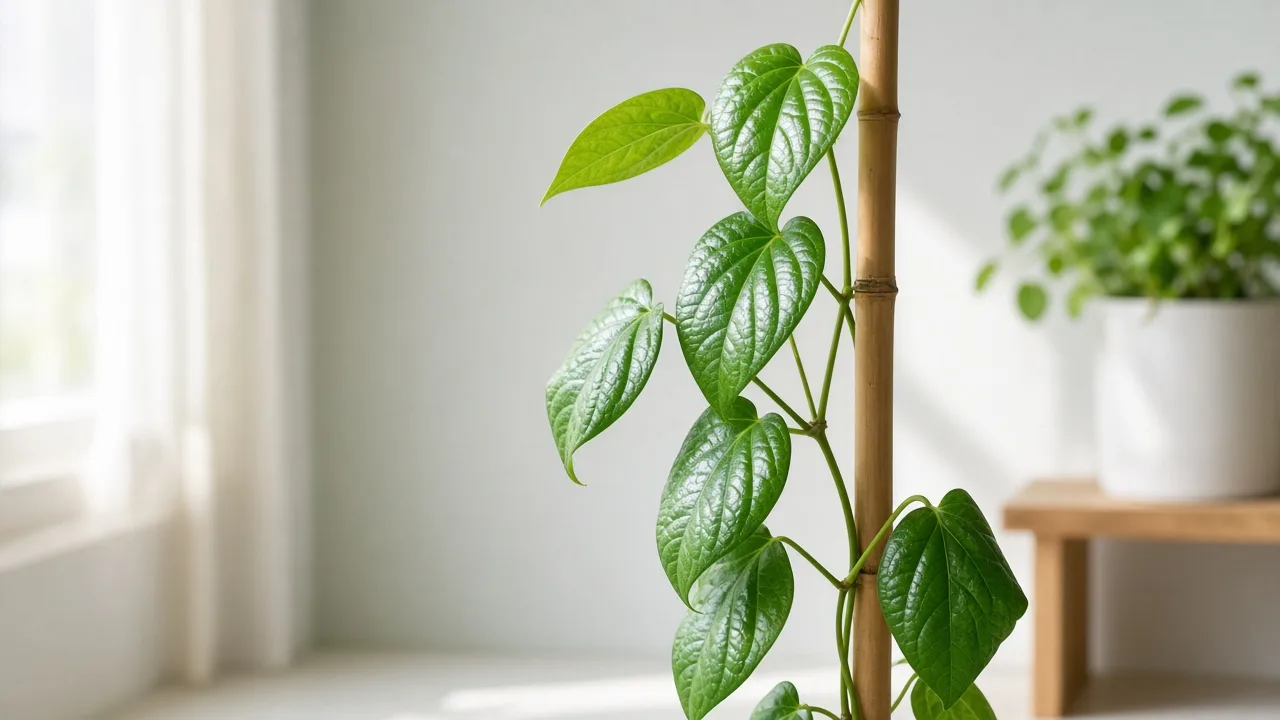
Wilting on Betel Leaf: Causes, Checks & Fixes
This guide covers wilting on Betel Leaf. See also the general Wilting guide, watering, and light pages for this plant.
Wilting on Betel Leaf: Causes, Checks & Fixes
Quick answer
Wilting on Piper betle is rapid turgor loss on a climbing paan vine—glossy heart-shaped leaves hang limp along several nodes, the supported stem may lean, and the plant can look “finished” within a day. That speed matters. Drooping leaves on Betel Leaf often develop over days as petioles sag; wilting is the emergency version when multiple blades collapse together or the whole vine flops after a stress spike.
For how wilting works when soil moisture and root uptake disagree, see our wilting guide. On Betel Leaf, the first fork is pot weight: heavy wet mix with limp leaves is uptake failure or collar rot—not thirst; light dry mix with thin limp leaves is drought collapse.
First step: lift the pot off the saucer and press the collar gently where the vine enters the mix. Do not add water until you know whether the container is heavy on damp organic soil or feather-light on dry mix—and whether the stem base is firm or soft.
When to use this page vs other Betel Leaf guides
| Pattern | Read next |
|---|---|
| Slow sagging heart-shaped leaves, gradual limp petioles | Drooping leaves |
| Rapid multi-node collapse, collar checks (this page) | Stay here |
| Heavy wet pot, yellow lowers, no urgent collar mush | Overwatering |
| Soft collar + mushy roots on wet mix | Root rot |
| Light pot, dry top 2–5 cm, dull firm leaves | Underwatering |
| Limp leaves after repot or root disturbance | Betel Leaf repotting stress section |
| Long-term dry-down rhythm after the vine stabilizes | Watering guide |
What wilting looks like on Betel Leaf
On a healthy paan vine trained on a bamboo stake, trellis, or moss pole, glossy heart-shaped leaves hold a firm angle along the stem—even in filtered shade. Wilting changes the whole silhouette quickly:
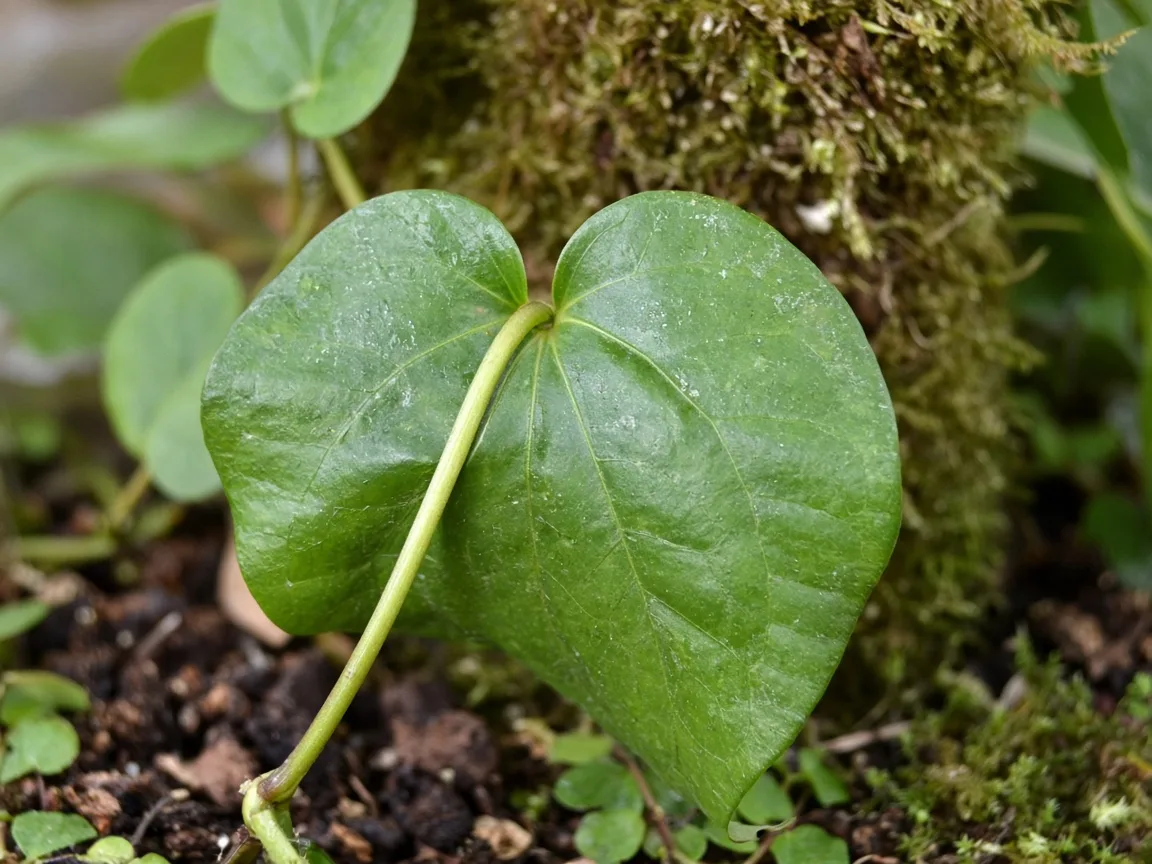
Wilting on Betel Leaf—a limp heart-shaped blade and collapsed petiole; rapid multi-leaf failure often tracks wet roots or a failing collar, not a single missed drink.
Wet-soil wilt is the classic misread. Several heart-shaped leaves go limp at once while the mix stays dark, cool, and heavy. Lower blades may yellow. Gloss dulls to flat green. The vine can lean on its support even though you watered recently. A faint sour smell from drain holes or fungus gnats at the rim fits chronically wet organic mix. The collar—the stem base where adventitious roots cling—may feel soft if rot is advancing.
Dry-soil wilt follows a missed soak, a windy balcony that dried a small pot overnight, or winter heat pulling moisture from dense mix. Leaves look thin and limp on a lightweight pot. The top 2–5 cm are pale and crumbly. Tissue feels limp but not mushy. Rehydration can firm blades within 24–48 hours if roots are still healthy.
Cold-night flop appears after exposure below about 10°C (50°F) on an outdoor or balcony vine. Several leaves wilt suddenly even when mix moisture looked fine the day before. Move to warmth and filtered light; do not soak cold roots immediately.
Collar-collapse wilt overlaps field Phytophthora wilt on betelvine. TNAU lists integrated management for Phytophthora wilt, including avoiding frequent irrigation during winter. Home pots mirror that anatomy: dark water-soaked tissue at the soil line, sudden lean, and vine collapse while mix remains wet—route to root rot when roots are brown and mushy.
Rapid collapse vs slower droop on paan vines
Owners often search “wilting” and “drooping” for the same limp heart-shaped leaves. On Betel Leaf, treat speed and spread as your triage clue.
Drooping usually means petioles bend and blades hang while the vine still has partial turgor on upper nodes—you may have days to correct watering or humidity. Use drooping leaves when the problem built gradually.
Wilting means multiple nodes lose firmness together or the supported vine leans or collapses within hours to a day after cold, flood, drought, or collar failure. Urgency is higher because vascular tissue at the collar may already be compromised.
If only the lowest leaves wilt while the tip stays firm and glossy, you may be in early wet-soil stress—see overwatering. If tip and base wilt together on a heavy wet pot, assume root-zone emergency.
The collar pinch and pot-weight fork
Field betelvine management focuses on the stem base because wilt and quick wilt start where vines meet wet soil. Your fastest home test mirrors that:
- Lift the pot. Heavy and cool days after watering → wet-soil branch. Feather-light → dry-soil branch.
- Probe the top 2–5 cm. Clinging damp on a heavy pot confirms you should not add water yet.
- Pinch the collar where adventitious roots enter the mix. Firm tissue with limp lowers may recover after a dry-down. Soft, dark, or collapsing base on wet mix means inspect roots the same day.
- Sniff drain holes. Sour or rotten odor on saturated mix fits oxygen-starved roots that cannot move water upward—so leaves wilt while soil stays wet.
This is the plant-specific version of the global rule: wilting on moist soil often means roots cannot take up water, not that the vine needs another soak.
Why Betel Leaf wilts on wet mix in shaded pots
Piper betle is a shade-loving climber that prefers moist, fertile, well-drained soil—not a desert vine. Waterlogged, saline, and alkaline soils are unsuitable. Owners hear “tropical” and keep pouring into a peat-heavy pot under sheer curtains where evaporation is slow.
When mix stays saturated, roots lose oxygen and die. Living roots cannot replace water lost from thin aromatic leaves. The vine wilts on wet soil—the paradox that triggers another watering mistake.
Periodically waterlogged soils favor Phytophthora root diseases. On betelvine, that shows as collar wilt and quick collapse. Container growers who water on a calendar through winter when the shaded pot barely dries recreate the same stress in a nursery tub.
Cold nights and balcony wilt on thin Piper leaves
Betel Leaf comfort zone sits roughly 18–35°C (65–95°F) in the care overview. Thin heart-shaped leaves lose turgor fast when roots chill. Chilling injury can cause wilting or discolored leaves even without freezing.
After a cool night on an east balcony:
- Several leaves wilt suddenly while mix moisture looked adequate yesterday
- Petioles stay limp in morning sun until the root zone warms
- Wet mix plus cold compounds trouble—MOBOT notes wet soil and cold temperatures often lead to root rots
First response for cold wilt: move the vine to stable warmth and bright filtered light—not a cold windowsill draft. Let the mix approach room temperature before judging whether a measured soak is needed. Do not blast heat directly on limp foliage.
Moss-pole and node traps that trigger sudden wilt
Supported Betel Leaf often climbs a moss pole or stake with daily misting for humidity. When soil is also watered on schedule, buried nodes and the collar share one anaerobic zone. Adventitious roots that should breathe on the support stay wrapped in constantly wet fiber.
Signs of a node trap:
- Upper leaves look lush while lower nodes soften
- Collar feels spongy though you “only” mist the pole
- Wilting spreads up the vine from the soil line after monsoon weeks or cachepot flooding
Fix the trap before stacking treatments: let the pole surface dry between mists, keep nodes above a freely draining mix line, and review soil drainage if the pot never lightens between soaks.
How to confirm the cause
Work through one branch at a time—do not fertilize, repot, and drench on the same day.
| Check | Wet-soil wilt / collar rot | Dry-soil wilt | Cold-night wilt |
|---|---|---|---|
| Pot weight | Heavy, cool | Light | Moderate; may feel normal |
| Top 2–5 cm | Damp, dark | Dry, pale | Often moist |
| Collar feel | Soft or dark on wet mix | Firm | Firm unless rot preceded cold |
| Smell at drains | Sour possible | Neutral | Neutral |
| Timeline | Days of shade + watering | After missed soak / heat | Morning after cool night |
| Next page | Root rot if mushy | Underwatering | Warmth first; then watering |
The first fix to try
Your first action depends on the collar pinch and pot weight—one move only:
Heavy wet pot + limp leaves: stop all watering. Move the vine to brighter filtered air (not midday sun) so the top 2–5 cm can begin drying. Empty cachepots and saucers. Recheck the collar in 24 hours. If tissue softens further, unpot per root rot—do not “rescue” with another soak.
Light dry pot + limp leaves: water thoroughly until a little runs from drain holes, then discard runoff within 30 minutes. Wait 24 hours and re-check turgor on upper leaves. One deep soak beats repeated shallow sips that never rewet fine roots.
Firm collar + cold-night wilt: warm the root zone and wait before watering. If leaves remain limp on dry mix after 48 hours in stable warmth, use the light-pot branch above.
Step-by-step recovery after the first fix
Wet-soil recovery (collar still firm):
- Hold water until the top 2–5 cm feel dry to the touch.
- Improve airflow around the pot rim; reduce mist on a sodden pole.
- When you resume, soak once and drain fully—match the watering guide dry-down habit.
- Remove yellow mushy lower leaves; they will not re-green.
Wet-soil recovery (soft collar): follow root rot salvage—trim mush, refresh airy mix, consider node cuttings from firm upper stems.
Dry-soil recovery: one soak-drain cycle, then maintain top-layer dry-down. Pair with humidity support if brown tips appear with wilt.
Cold recovery: stable warmth for several days; avoid repotting until new growth looks steady.
Recovery timeline and what improves first
Mild drought wilt on a firm collar often shows firmer upper leaves within 24–48 hours after one good soak. Wet-soil wilt may take one to three weeks of corrected dry-down before new internodes extend. Collar rot may not be reversible—judge progress by new glossy heart-shaped leaves at the tip, not by older collapsed blades standing upright.
Getting worse: spreading black at the collar, sour smell intensifying, tip wilt on a heavy wet pot after you kept watering, or total vine lean within 48 hours on saturated mix.
Mistakes to avoid
- Watering a wilting Betel Leaf on a heavy wet pot because leaves “look thirsty”
- Soaking cold roots immediately after a freeze-near night on the balcony
- Daily pole misting plus frequent soil watering while the collar stays damp
- Fertilizing limp vines before collar and moisture diagnosis
- Repotting, pruning, and fungicide on the same day—pick one stressor to remove first
How to prevent wilting next time
Align irrigation with how slowly your shaded pot dries: water when the top 2–5 cm are dry, drain fully, and reduce winter frequency when evaporation stalls. Use a support without trapping stagnant water at nodes. Protect from cold below about 10°C. Size pots to the root ball—not an oversized wet tub. Scout the collar weekly during monsoon weeks or AC seasons when mix stays damp longest.
Betel Leaf care cross-check
- Light — Very deep shade weakens stems; see light guide if wilt follows months of dim corners without wet soil.
- Pests — Heavy sap feeders can weaken turgor; check leaf undersides if wilt is patchy on one side.
- Problems hub — Browse all Betel Leaf problems when symptoms overlap.
Related Betel Leaf guides
- Betel Leaf overview — placement, humidity, and growth habit for the paan vine
- Betel Leaf watering — top 2–5 cm dry-down rhythm after wilt stabilizes
- Betel Leaf soil — drainage when pots stay wet too long
- Drooping leaves — slower limp foliage with wet-vs-dry routing
- Overwatering — chronic wet mix before collapse
- Root rot — mushy roots and collar salvage
- Underwatering — light pot and dry surface mix
- Betel Leaf problems — full problem list for this species
Conclusion
Wilting on Betel Leaf is a speed and collar problem on a moisture-loving shade vine—not proof the plant always needs more water. Lift the pot, pinch the stem base, and match one first fix to wet roots, dry roots, or cold stress. Recovery shows up in new firm heart-shaped leaves at the growing tip; collapsed older blades may never stand perfectly upright again—and that is normal when you caught the issue in time to save the vine.
Related tool
Use the Plant Watering Calculator to narrow causes for wilting on this plant before changing multiple variables at once.