Cabbage Light Requirements: Sun, Shade & Grow Lights
Cabbage Light Requirements: Sun, Shade & Grow Lights
Cabbage Light Requirements: Sun, Shade & Grow Lights
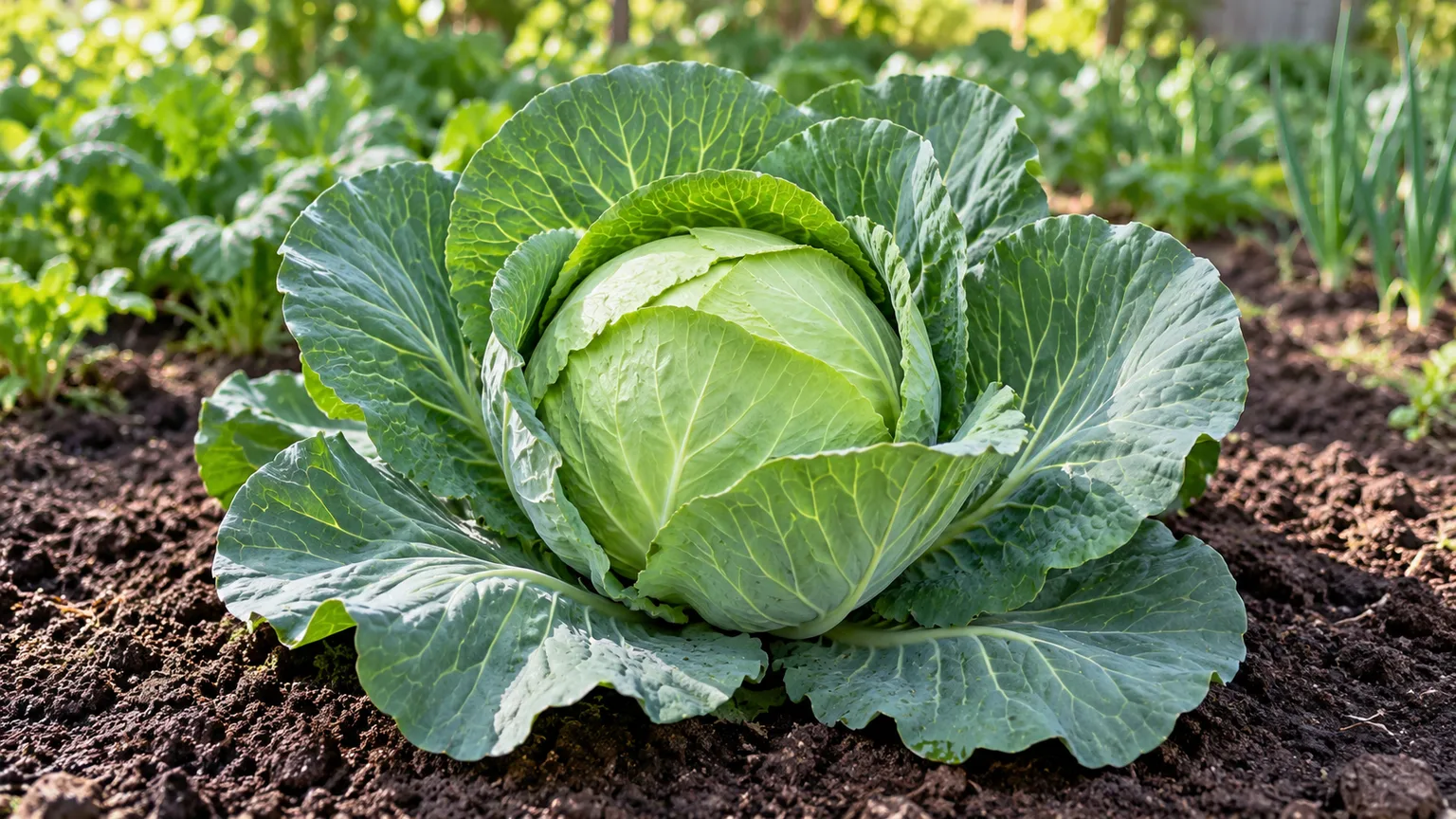
Cabbage (Brassica oleracea var. capitata, the Capitata Group) is not a dim-corner houseplant. It is a cool-season cole crop that packs leaves into a dense head when roots stay cool and the canopy receives full sun—defined by NC State Extension as six or more hours of direct sunlight daily, with partial shade (about two to six hours) tolerated but not ideal for maximum head size. On most Indian plains, that productive window lines up with October through February sowing and harvest—not with a hot lowland summer terrace, where intense sun plus warm soil often triggers bolting before heads firm up.
The practical rule is seasonal: give cabbage generous winter sun, then protect young plants from combined heat and harsh midday rays when temperatures climb. A sharp hand shadow at soil level for six or more hours on a clear cool-season day means you are in the range that builds tight heads. When afternoon air repeatedly pushes past about 24–27 °C (75–80 °F) and the pot warms with it, the same all-day placement that worked in December can produce loose wrappers, bitterness, or a sudden flower stalk by late winter.
Cabbage Light Needs: The Quick Answer
For firm heads in containers or raised beds, treat six or more hours of direct sun during cool weather as the default. The RHS lists full sun as the position for Brassica oleracea Capitata Group (cabbage), with east-, south-, or west-facing exposure in open sites. NC State’s cabbage group profile states cabbages are cool-weather plants best grown in full sun in amended, well-drained soil.
On an Indian plains balcony, that usually means the brightest cool-month spot from transplant through head fill—often a south or west exposure before summer awnings go up. If you only have three to four hours of direct sun, plants may survive but heads stay small or loose; see the overview for how cabbage fits your overall winter vegetable plan and watering once light is adequate.
Why Cabbage Is a Cool-Season Light Crop
Cabbage uses light to drive photosynthesis and stack overlapping leaves into a head. Unlike fruiting crops, it does not need extreme summer photon flux—but it does need enough daily brightness during the weeks when the head is sizing. Shallow roots mean the plant cannot compensate for weak light by mining deeper moisture; a cabbage in marginal light may limp along until a dry spell or nitrogen gap shows up as stalled growth.
Botanically, cabbage is often grown as an annual for one harvest, though it is a biennial that flowers when stressed by warming soil and lengthening days. Indian growers feel this in late February and pre-monsoon weeks: the terrace still looks bright, yet plants bolt because photoperiod and temperature, not window direction alone, shifted. Extra fertilizer cannot substitute for cooling the root zone when the calendar turns warm—shade cloth and harvest timing matter as much as lamp hours.
Seasonal Light Strategy for Indian Growers
October–February on the Plains
Sow or transplant from October into January where nights cool and days shorten. Place seedlings in the sunniest cool-season position you have: an open terrace, a south-facing railing, or an east–west combo that collects morning and midday sun. As February warms, reassess placement before heads stall—loose outer leaves with pale inner wrappers often trace back to dim sites or overheated roots, not always to feeding gaps covered in fertilizer.
Hill Districts and Longer Cool Windows
Cooler hill climates extend the full-sun window. Plants may sit in six to eight hours of direct sun for months without the root-zone heat stress lowlanders see in March. Afternoon shade on unusually warm spring days still helps, but winter light is usually an asset rather than a liability.
Why Lowland Summer Sun Usually Fails
Hot lowland summers combine intense radiation, short nights, and warm soil. Cabbage may technically photosynthesize, but head quality collapses and flowering stalks appear. Gardener’s Path recommends shade covers in the heat of summer to keep young plants cool when you must start a late crop—acknowledging that summer is a stress season, not the main harvest window for heading cabbage on the plains. For summer greens, switch species; use this guide to maximize the cool season, not to force patta gobhi through May–June on a Chennai or Delhi terrace without shade and impeccable moisture.
Best Window and Balcony Placement
Reading Exposures on a Terrace
East-facing balconies deliver gentle morning sun plus bright midday ambient light—excellent for seedlings and maturing plants in cool months. South or west exposures produce the strongest winter heads but need afternoon relief once heat builds. North exposures with open sky can grow smaller spring cabbages with patience; deep courtyard shade rarely supports full-size heads. Compare sites with the shadow test below before you commit large containers.
Container Mobility and Shade Cloth
Containers are a light-management tool. Roll pots into full sun from October through January, then slide them where a wall, railing, or 30–50% shade cloth blocks harsh afternoon rays in late winter. Pair moves with soil that drains well so wet roots do not amplify heat stress in sun-baked black pots.
Direct Sun Tolerance and Heat Stress
Cabbage tolerates strong direct sun in cool air better than many salad greens, but exposed wrapper leaves can bleach or crisp when sun, wind, and dehydration align. If only the sun-facing margin browns while the head stays firm, suspect heat and moisture before disease—check watering after relocating the pot. Acclimate nursery seedlings gradually when moving from shade houses to an open terrace over seven to ten days so new growth hardens without scorch.
Low-Light Limits and Loose Heads
At three to four hours of direct sun plus bright ambient sky, cabbage often remains alive but produces loose or undersized heads and wider spacing between leaves. Below that, treat the crop as experimental rather than a dependable winter staple. Tight heads need both cool roots and adequate photons during head fill; dim light during that phase is a common reason wrappers never cup inward.
NC State notes that where full sun is not provided, cole crops can be more prone to downy mildew—another reason shady courtyards are a poor main site even if plants look green at first.
Cultivar and Season Differences
Spring and early types (often smaller, pointed heads) can succeed with slightly less total sun if temperatures stay cool, but they still need bright winter placement. Large winter ballheads demand the brightest site you can offer during head sizing. Savoy and red types follow the same seasonal sun rules; color does not replace hours. Match propagation sowing dates to your brightest cool months, not to when seed packets arrive in the mail.
Measuring Light With a Simple Shadow Test
On a clear day, hold your hand 30 cm above the soil. A sharp shadow means direct sun; a faint shadow means bright indirect; no shadow means too dim for vigorous heading cabbage. Count sharp-shadow hours across the cool season, not on one ideal January afternoon. Smartphone lux apps help compare two balconies, but seasonal observation beats a single reading.
Grow Lights for Seedlings and Indoor Starts
If you start cabbage indoors before transplanting, provide bright full-spectrum light for about 12–14 hours daily (Iowa State Extension) so stems do not stretch. Keep fixtures 15–25 cm above seedlings and raise them as leaves widen. Windows alone often give weak winter brightness on urban blocks; a timer beats leaving lamps on 18+ hours, which can push brassicas toward flowering signals. After hardening off, outdoor winter sun outperforms most desk lamps—use lights to bridge two to three weeks indoors, not to replace a cool-season terrace. When plants move outdoors, follow repotting timing so root disturbance does not stack with a sudden light jump.
Warning Signs of Too Much or Too Little Light
Too little light shows as elongated stems, pale wrapper leaves, wide internodes, and heads that stay loose or stall small. Soil may stay wet for days because the plant is not transpiring actively—do not water on autopilot. Too much heat-linked sun shows as midday wilting that recovers overnight, bleached patches on exposed leaves, bitter flavor, and a thickening flower stalk at the center. Act on new growth after any move; old shipping scars are not diagnostic.
| Symptom | Likely light issue | First action |
|---|---|---|
| Pale, stretched seedlings | Low light indoors or deep shade | Add lamp hours or move to brightest cool spot |
| Small or loose heads in winter | Partial shade during head fill | Increase direct sun while soil stays cool |
| Midday wilt, bitter taste, bolting | Heat + strong sun | Afternoon shade, water check, harvest or remove stalk |
| Wet soil, sluggish growth | Often dim light, not only water | Confirm hours of direct sun before feeding more |
How Light Links to Watering and Head Quality
Bright sun dries containers faster; dim light slows drying—both change how often you should water. Cabbage in full winter sun on a windy terrace may need checks every one to two days, while the same pot in March shade might need less. Bolting ties to warming soil and lengthening days; shading lowers root-zone heat even when the sky stays bright. Feeding alone will not hold back a flower stalk once the plant commits—harvest promptly and resow in the next cool window.
When to use this page vs other Cabbage guides
Use this page when you are choosing where to place pots, whether to add shade cloth, or how to interpret loose heads, leggy seedlings, or early bolting. For how often to water after you fix light, open watering. For mix, pH, and drainage, see soil. For nitrogen timing once light is adequate, see fertilizer. For pot size and transplant timing, see repotting. For sowing dates and seedlings, see propagation. For identity, cultivars, and seasonal planning, start at overview.
Related Cabbage guides
- Overview — cool-season identity, cultivar types, and India sowing windows.
- Watering — moisture checks that change with sun and wind exposure.
- Soil — mixes that hold moisture without overheating roots in sun.
- Fertilizer — feeding when bright light drives faster leaf production.
- Propagation — sowing and transplant timing tied to your brightest cool months.
Conclusion
Cabbage rewards generous cool-season sun and honest shade when heat arrives. Aim for six or more hours of direct winter light on Indian terraces, move containers or shade midday rays before soil and air overheat, and treat dim sites as small-head experiments rather than full-season harvests. Watch new leaves after every placement change—they tell you whether today’s light is building a firm head or pushing the plant toward flowering.