Cabbage Soil Guide: Mix, pH & Drainage
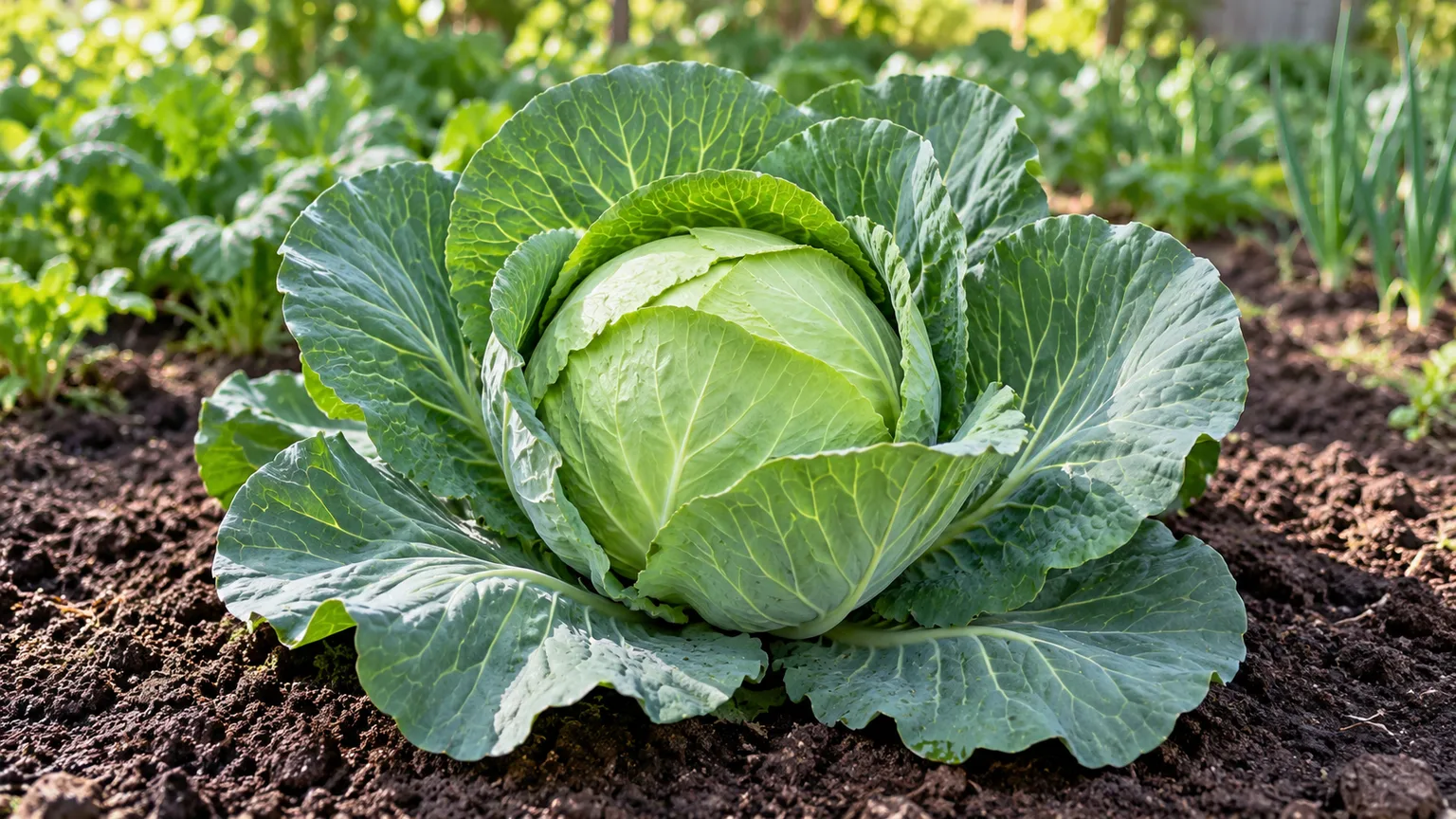
Cabbage Soil Guide: Mix, pH & Drainage
Cabbage Soil Guide: Mix, pH & Drainage
Cabbage (Brassica oleracea var. capitata) is grown for a dense head of overlapping leaves, not for surviving months of dry neglect in decorative potting mix. The root zone must stay moist enough for steady leaf expansion, yet open enough for oxygen between irrigations — and unlike many leafy greens, mature plants also benefit from firm ground that supports heavy heads through wind and rain. Patta gobhi on Indian plains is usually a cool-season crop (sow transplants in mild months, harvest through winter); soil that works in January can still fail on a monsoon-drenched terrace if outlets clog or saucers hold water.
This page covers texture, fertility, pH, firming, containers, and drainage — not irrigation schedules. For when to water once the mix is right, use the Cabbage watering guide. For the wider seasonal picture, start with the Cabbage overview.
What cabbage roots need from soil
RHS guidance on growing cabbages calls for a sunny site with firm, rich soil and generous spacing. The Capitata Group profile lists moist but well-drained conditions on chalk, clay, loam, or sand, with alkaline or neutral pH — a useful reminder that cabbage tolerates a range of mineral soils when structure and fertility are right. NC State’s Brassica oleracea profile adds good drainage, moist (not saturated) conditions, and nitrogen-rich ground for best performance.
Head formation depends on stable roots
A cabbage head is thousands of leaves packed tightly; that growth spurt pulls water and nutrients from a relatively compact root system. If the mix swings between dust-dry and waterlogged, outer leaves may look fine while the heart stays loose or splits later when you finally irrigate heavily. Soil is the buffer that keeps moisture even — pairing with the Cabbage light guide so transpiration matches your climate.
Firm, fertile, and free-draining — together
“Well-drained” does not mean “starved.” Cabbage is a hungry brassica; poor, sandy ground without organic matter produces small heads even when drainage is perfect. “Firm” does not mean pounding wet clay — it means a settled seedbed or firmed container fill so transplants do not rock in the wind. RHS recommends shuffling across the surface on your heels after incorporating compost if you add it just before planting, so the ground is level and stable.
pH, lime, and club root risk
Brassicas share soil diseases that build up when the same family is planted in one spot year after year. RHS notes that if soil is very acidic, liming the winter before sowing can raise pH above 6 to help deter club root — then test rather than guessing. NC State lists acceptable soil pH from acid through neutral (about 6.0–8.0); in practice, aim for roughly 6.0–7.5, leaning slightly alkaline if club root has appeared on your plot before.
Neutral to slightly alkaline targets
Do not chase a textbook number while ignoring structure. Waterlogged soil at “ideal” pH still produces weak cabbage. Fix drainage and rotation first; adjust pH only when a test shows a real need. On naturally alkaline terrace fills, focus on organic matter and aeration rather than adding sulphur without guidance.
When to test instead of guessing
A simple pH kit or lab test is cheaper than replacing a failed winter crop. If last year’s brassicas were stunted with swollen, distorted roots, treat the bed as high risk: rotate away from brassicas for several seasons, consider raised containers with fresh compost, and follow RHS crop rotation advice for the brassica group.
Prepare in-ground beds before transplanting
Choose a sunny plot where no cabbage or close brassica grew in the previous couple of years. RHS warns against ground that becomes waterlogged, especially for overwintering types. Clear weeds and debris, then improve the whole planting zone — not a single enriched hole surrounded by hard, dry soil.
Compost and organic matter rates
Cabbages like rich soil; RHS suggests about two bucketfuls of garden compost per square metre/yard, ideally worked in the previous autumn so the bed consolidates over winter. Use mature, earthy-smelling compost; fresh, hot manure can burn young roots and invite soft, disease-prone growth. Detailed nitrogen timing belongs in the Cabbage fertilizer guide after roots are healthy.
Firming without turning soil to concrete
Rake to a fine, crumbly tilth for transplanting, then firm lightly so plants do not sit in air pockets. Avoid working clay when sodden — that creates clods that dry like bricks. If you practice no-dig, mulch with well-rotted organic matter ahead of planting and set transplants into the mulch layer as RHS describes for no-dig cabbage.
Raised beds, terraces, and monsoon drainage in India
Cool-season patta gobhi often follows monsoon rains on terraces and rooftop beds. The question is not only fertility but where water exits. A raised bed without a lower outlet behaves like a tank; masonry edges that seal the base trap runoff. Elevate the root zone above paths, keep drainage channels clear before storms, and after heavy rain probe below the surface before assuming plants need more water.
Humid, wet spells favour downy mildew and other foliage issues, but chronic root stress still begins in soggy mix. Morning sun and spacing help leaves dry, yet they cannot fix a bed that never drains. If lower leaves yellow while soil stays dark and wet, fix drainage and review the Cabbage watering guide before adding more fertiliser.
Container soil for balcony cabbage
Cabbage can grow in large, deep containers filled with peat-free multipurpose compost — useful when ground space is limited or club root is present in native soil. Do not use dense garden soil alone in pots; it compacts, sheds water down the sides, and may carry pathogens. Choose a compact variety and plant deeply, similar to in-ground culture.
A cabbage-friendly DIY mix
Start with about 50% quality peat-free potting mix or loam-based medium, 30% mature compost, and 20% perlite, coarse sand, or fine bark for aeration. Moisten components before blending; squeezed handfuls should hold briefly then crumble apart. Coir-heavy mixes may stay wet in humid coastal winters; perlite-rich blends may need more frequent checks — adjust for your balcony, not a universal recipe.
Pot depth, volume, and drainage holes
RHS specifies one cabbage in a 30 cm (12 in) pot, or up to three in a 50 cm (20 in) pot — still with open drainage and good airflow, not crowded for appearance. Verify multiple holes in the base and empty saucers after watering. For moving young plants into final pots, see the Cabbage repotting guide.
Seed-starting and module compost
Indoor sowing uses free-draining seed compost — low nutrient, fine texture — in modular trays to limit root disturbance at transplant. RHS recommends peat-free seed compost for modules; water gently so the surface does not crust. Harden off before setting plants in their final firm bed or container. Sowing dates, spacing, and variety choice live in the Cabbage propagation guide.
Chinese cabbage and looser-leaf types
Heading Chinese cabbage and loose types such as bok choy still want fertile, moisture-retentive, well-drained soil, but spacing and timing differ from round Dutch types. Give Chinese types room to spread leaves without competing for the same wet pocket of soil. Rotation and pH rules still apply — they are brassicas sharing the same soil-borne disease risks.
Wrong soil: warning signs on cabbage
Wilting with wet soil often means roots lack oxygen or are rotting, not that you should irrigate again. Loose, slow-to-head plants on an otherwise cool, sunny site may sit in too-light, droughty sand without compost, or in pots that dry unevenly. Split heads frequently follow irregular watering, but they also appear when a starved root zone cannot regulate water uptake — check both mix quality and the Cabbage watering guide. Repeated stunting in the same bed despite good care suggests club root or compaction; rotate and refresh soil rather than forcing another brassica into the same ground.
How soil choices connect to watering and feeding
Soil structure sets how fast water moves. A mix that drains in minutes on a terrace will need a different check routine than heavy clay in a village plot, even for the same variety. Feeding hungry cabbage on waterlogged roots wastes fertiliser and can burn tissues; stabilise drainage first, then follow the Cabbage fertilizer guide. Sun exposure from the Cabbage light guide changes how quickly pots dry — soil and placement work as one system.
When to use this page vs other Cabbage guides
Use this soil guide to choose bed versus container mix, interpret pH and compost, and fix drainage before transplanting. Use Cabbage watering for moisture checks, Cabbage fertilizer for nitrogen after roots are healthy, and Cabbage propagation for sowing dates and spacing. Soil cannot cool a heatwave; if plants bolt or stall in summer heat, the next sowing belongs on the calendar, not in a deeper compost layer alone.
Related Cabbage guides
The Cabbage overview ties together cool-season timing, harvest, and how patta gobhi fits Indian home gardens. Cabbage repotting covers moving module seedlings without breaking roots, while Cabbage pruning addresses outer leaves and cleanup once heads are sizing up.
Conclusion
Good cabbage soil is fertile, moist but well drained, and firm enough to support a heavy head — in ground, in raised beds, and especially in pots. Aim for generous mature compost worked into the whole planting zone, keep pH in a sensible neutral to slightly alkaline band when club root is a concern, and size containers so roots do not bake dry between winter irrigations.
Before you transplant, run one simple test: water the prepared bed or filled pot and watch whether surplus water leaves within a reasonable time. If it does not, fix outlets, raise the root zone, or lighten the mix — then set out cabbage into a root environment that can stay moist without drowning.