Do Chives Need Fertilizer? A Light Feeding Guide
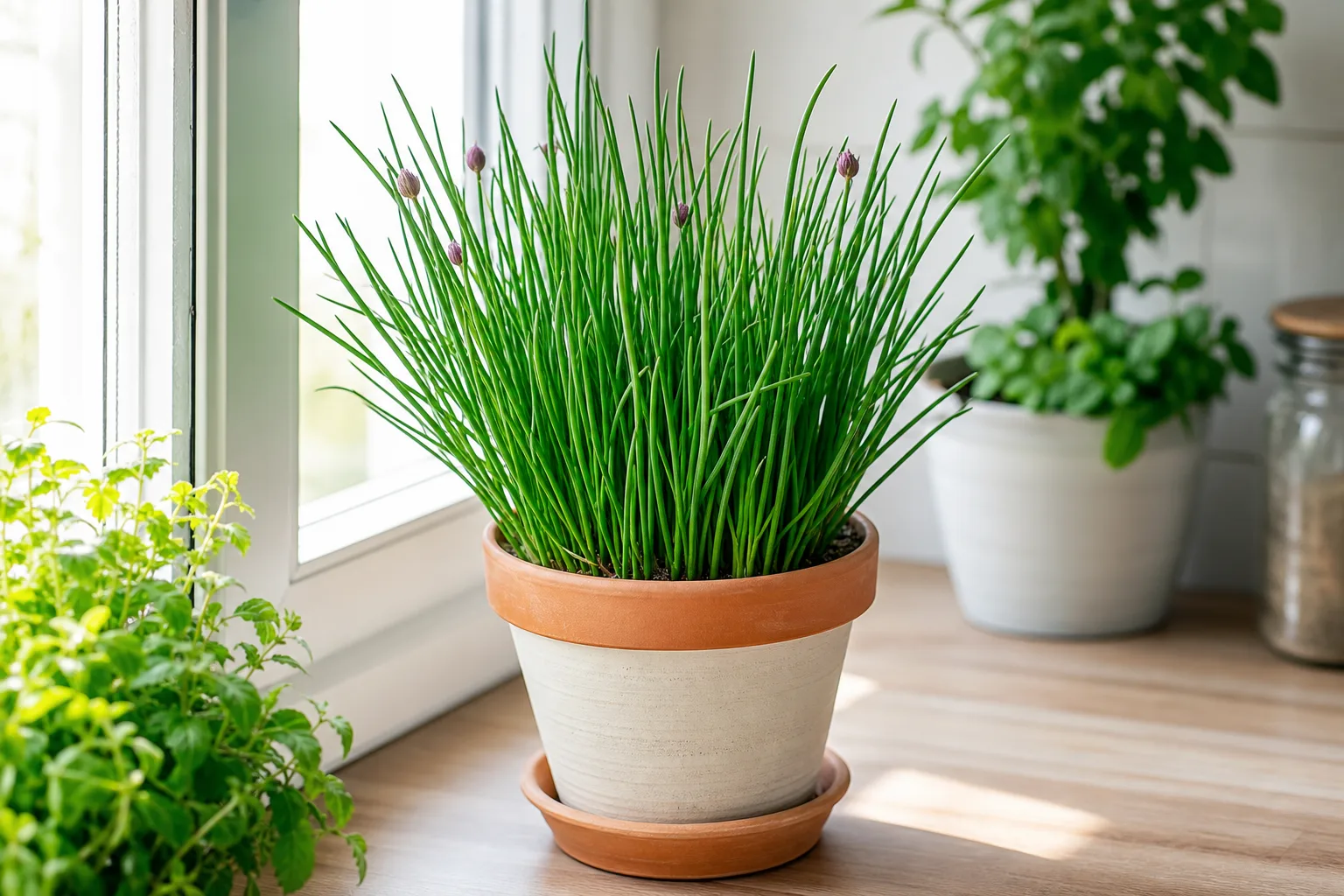
Do Chives Need Fertilizer? A Light Feeding Guide
Do Chives Need Fertilizer? A Light Feeding Guide
Quick answer
Chives usually need little extra fertilizer if they grow in reasonably fertile, well-drained soil. Before feeding, check that the clump gets enough light, the soil is not waterlogged or bone dry, and the centre has not become overcrowded. If the bed is low in organic matter, top-dress lightly with mature compost in spring. A pot may need a small refresh more often because its limited mix is depleted over time, but avoid strong or frequent feeding. Wisconsin Extension describes chives as having low nutrient requirements and says regular fertilization is unnecessary (Wisconsin Horticulture).
Why chives usually need little feeding
Common chives (Allium schoenoprasum) are a clump-forming perennial herb, not a heavy-feeding fruit crop. They can produce useful leaves from a moderate soil supply, and excessive fertilizer may push soft growth or upset the balance of a container mix. Better Homes & Gardens notes that soil rich in organic matter generally supplies chives’ needs and suggests compost if that organic matter is lacking (BHG). The goal for a home herb clump is steady, healthy leaves, not maximizing field yields with an intensive nutrient program.
Diagnose weak growth before fertilizing
Sparse leaves do not automatically signal a nutrient shortage. A shaded spot, prolonged drought, wet soil, a crowded centre, seasonal dormancy, or a recent division can all slow growth. Look at the whole plant: thin leaves leaning toward a window point toward light; limp growth in soggy soil suggests drainage; a congested centre may need division. The Chives light guide and watering guide cover those first checks. Feeding a stressed plant without diagnosing the cause can add salts to already troubled roots without solving the actual problem.
Start with the soil or potting mix
If chives grow steadily and the leaves have normal color and texture, continue the current routine. For a garden bed, consider whether the soil is compacted, unusually poor, or lacking organic matter; for a container, ask how long the mix has been in use and whether roots have filled the pot. NC State Extension describes chives as growing in average, well-drained soils, while Utah State Extension advises a soil test before adding fertilizer and says to follow its recommendations (NC State Extension, Utah State University Extension).
Use compost when organic matter is low
Mature compost improves soil structure and contributes a modest nutrient supply. If the bed is lean, spread a thin layer over the root zone in spring, keeping it clear of the crown. Better Homes & Gardens suggests a two-inch layer where organic matter is lacking; use that as a garden-bed reference, not a dose for a tiny pot. For containers, a small handful mixed into fresh potting mix during repotting may be enough. Savvy Gardening suggests occasional compost in pots and warns against over-fertilizing chives (Savvy Gardening).
Feed garden clumps sparingly
For an established outdoor clump in decent soil, skip routine feeding. If the plant is growing poorly and soil testing or visible soil condition supports a nutrient need, use a balanced fertilizer at the label rate for edible herbs or amend the bed with compost. Do not increase the dose because growth is slow until light, drainage, and crowding have been ruled out. Wisconsin Extension’s low-fertility recommendation is suited to home garden chives. Utah State Extension also describes a soil-test-based approach, while its production recommendations include targeted nutrient management for higher yields; crop-scale inputs should not be copied blindly into a small household bed.
Adjust for container-grown chives
A pot has a finite amount of growing medium, and repeated watering can gradually carry nutrients out through the drainage hole. Still, this does not mean a container needs a strong feed every time you water. Start by checking whether the plant is root-bound or the mix has collapsed; fresh potting mix at division may restore growth without fertilizer. Savvy Gardening recommends only modest compost for chives in pots. If using a liquid feed, choose one suitable for edible herbs, dilute according to its label, and apply only during active growth. Do not feed a dry root ball; water first if the mix is very dry.
When a soil test is useful
A soil test is useful when a garden clump remains weak despite suitable light, drainage, and watering, or when you are planning to amend a large bed. It helps prevent adding an element already present in excess. Utah State Extension advises testing soil and following the accompanying fertilizer recommendation. A test is less useful for a small pot with old compacted mix; refresh or replace the potting medium when it has broken down. Do not rely on leaf color alone to diagnose nitrogen deficiency because water stress and root damage can produce similar symptoms.
Choose a fertilizer conservatively
There is no special chives-only fertilizer required for ordinary home growing. If a test or growing conditions justify feeding, select a balanced product labeled for edible herbs and follow its directions. Avoid repeated high-nitrogen applications intended for rapid leafy production; chives are harvested leaf by leaf and benefit from a stable clump, not a sudden flush of weak growth. Gardeners’ Path recommends soil testing before fertilizer and describes a mild balanced feed as one option when needed (Gardeners’ Path). This is practical editorial guidance, not a substitute for an extension soil-test report or product label.
Apply fertilizer away from the crown
Keep granular fertilizer and compost off the base of the leaves and bulbs. Spread amendments around the outer root zone, then water as directed on the product label so nutrients move into the soil without sitting on foliage. Do not apply a concentrated solution to dry soil, and never mix products at a stronger rate than the label specifies. For a potted clump, avoid letting runoff collect in a saucer where salts can accumulate. The Chives soil guide explains the loose, well-drained root zone that supports uptake.
Time feeding with active growth
If feeding is warranted, spring as fresh growth begins is usually a practical time to refresh the bed or pot. Do not fertilize a dormant plant in winter or a clump that has stopped growing during severe heat; unused nutrients may remain in the mix. Harvesting regularly does not require feeding after every cut. Harvest to Table recommends aged compost as a midseason side-dressing, while BHG emphasizes compost where organic matter is deficient (Harvest to Table). For a small home clump, choose one light seasonal adjustment only if the soil condition calls for it.
Spot overfertilizing and salt buildup
Leaf-tip browning, crusty deposits on the mix, or sudden decline after a feed can indicate excess fertilizer salts, though these symptoms are not diagnostic by themselves. Check whether the pot drains freely and whether fertilizer was applied stronger or more often than the label directs. If excess feed is suspected in a container, stop fertilizing and flush the mix with clean water only if the pot has working drainage; allow it to drain completely. Avoid repeating a flush on a waterlogged pot. In a garden bed, do not add another amendment until you know what was applied and whether a soil test is warranted.
Help a clump recover from excess feed
Stop feeding and remove visible fertilizer granules from the soil surface. If the plant is potted and the mix has a fertilizer crust, consider dividing and repotting into fresh, free-draining medium once the clump is otherwise healthy enough to handle. Do not cut away every green leaf while roots recover; leave enough foliage to support regrowth. Keep the plant in appropriate light and water when the mix begins to dry. The repotting guide explains how to split a crowded clump and refresh its medium. Avoid adding compost, fertilizer, and a new pot all at once unless there is a clear reason for each.
Avoid common fertilizer mistakes
Do not fertilize on a weekly calendar simply because a bottle recommends a routine for other houseplants. Do not use fresh manure, a concentrated lawn fertilizer, or a high-nitrogen feed without considering the product label and plant needs. A production guide may specify inputs to maximize harvest per area; that is different from maintaining a small perennial herb clump. The RHS notes chives are low-maintenance garden herbs, while Wisconsin Extension explicitly says they do not need regular fertilizer (RHS). If chives are healthy, leave them alone.
When to use this page vs other Chives guides
Use this guide when you are deciding whether nutrition is the cause of slow growth. Check the soil guide for organic matter and pH, the light guide for placement, and the watering guide for wet or dry roots. Use the repotting guide if potting mix is exhausted or the clump is crowded. The Chives overview covers general seasonal care.
Related Chives guides
For the timing and amount of leaf removal, see the pruning guide. If you are creating new divisions instead of feeding an old crowded plant, read the propagation guide. Changing only the condition that appears deficient makes it easier to judge whether the clump responds.
Conclusion
Most established chives do not need routine fertilizer. Check light, moisture, drainage, and crowding before treating weak growth as a nutrient problem. Add mature compost when soil lacks organic matter, refresh a tired potting mix when needed, and use a soil test before applying stronger fertilizer to a garden bed. Chives are easier to keep productive with modest, evidence-based feeding than with frequent doses.