Propagating Fennel: Sow Seed Where It Will Grow
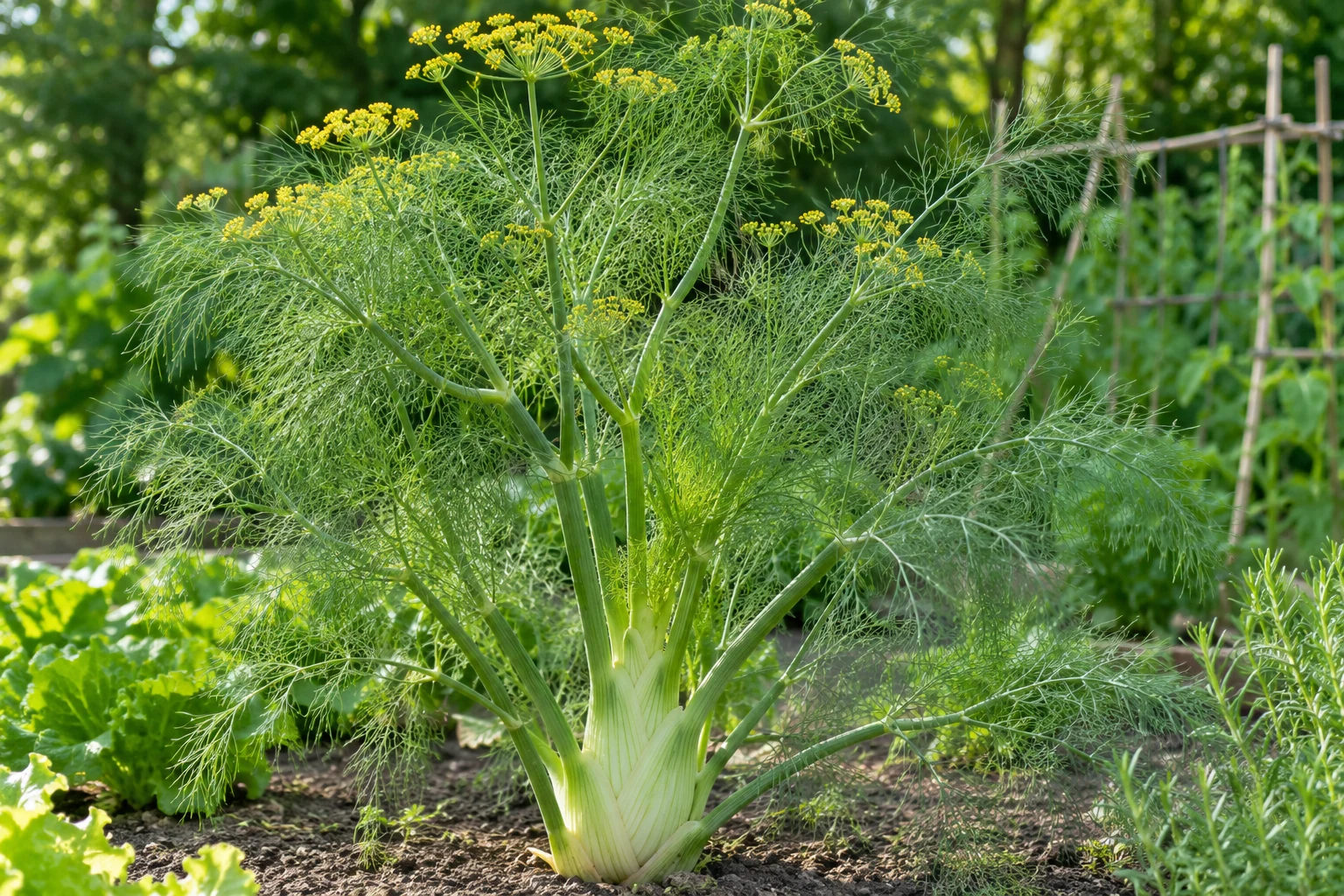
Propagating Fennel: Sow Seed Where It Will Grow
Propagating Fennel: Sow Seed Where It Will Grow
Quick answer
Propagate fennel from seed and sow it where it will grow whenever possible. Fennel forms a taproot and dislikes root disturbance, so established plants are poor candidates for dividing or transplanting. Sow common fennel for feathery leaves and seeds, or a named Florence fennel type for the swollen base. If indoor starting is necessary, use one deep module per seedling and move plants outdoors while very young with the root ball intact. The RHS fennel guide and Harvest-to-Table guide both recommend avoiding disruption to the developing root.
Propagate by seed rather than division
Fennel is normally raised from seed, not by splitting a mature clump like some perennial herbs. A long root makes division disruptive, and the plant can fail to establish after being dug up. Seed sowing also lets you select common or Florence fennel deliberately. Save division or transplant attempts for situations where you can accept losses; do not divide a healthy mature plant simply to create more. Missouri Botanical Garden describes common fennel as a branching perennial, but its longevity does not mean that it is easy to divide (Missouri Botanical Garden). The repotting guide covers moving seedlings safely.
Epic Gardening notes that dividing common fennel can work but has variable success because of root disturbance; for most growers, seed is the simpler way to make a new plant (Epic Gardening).
Choose common or Florence seed
Read the packet carefully before sowing. Common fennel (Foeniculum vulgare) is typically raised for foliage, flowers, and aromatic seeds; Florence fennel (F. vulgare var. azoricum) is selected for a thickened edible base. Both are related forms, but the herb type will not produce the same bulb. Choose a seed source that identifies the crop type and cultivar, then preserve that label through harvest. Utah State Extension and Plantura both distinguish Florence fennel from the common herb form (USU Extension, Plantura). The Fennel overview explains the growth and harvest differences.
Collect seed from mature umbels
If you already grow common fennel, leave some healthy flower heads to mature. The small seeds develop within umbrella-shaped flower clusters called umbels. Wait until heads turn brown and seeds are dry enough to separate, then clip them into a paper bag before they scatter. Harvest only from plants you can identify and whose growth habit you want to repeat. If you are growing a named Florence variety, save its label; do not assume an unknown plant will produce the same cultivar. The RHS describes seed collection once fennel heads ripen in late summer, with seed falling readily from the plant (RHS grow guide).
Dry and store harvested seed
Spread harvested umbels in a dry, airy place or leave them in a paper bag until remaining seeds detach. Make sure seed is fully dry before storing it, since trapped moisture encourages deterioration. Put the dry seed in a labeled envelope or jar and keep it cool and out of direct light. Add the type, cultivar if known, and collection year to the label. Utah State Extension recommends drying seed heads in a paper bag and then storing seed in a moisture-proof container; the RHS gives similar guidance (USU Extension, RHS grow guide). A seed packet from a reputable source is often more predictable when you specifically need Florence fennel.
Choose the sowing site first
Before sowing, choose the final bed or container. Fennel is not a plant to start in a shallow tray and leave crowded for weeks. Pick a sunny position with free-draining soil and enough room for mature growth; common fennel can become tall and spread outward. In a pot, choose a stable container at least about 30 cm wide and deep. Harvest-to-Table notes that the taproot favors sowing in place and a sufficiently deep pot (Harvest to Table). Read the light guide for hot balconies and the soil guide for the final mix.
The RHS profile records common fennel as a large plant, and Gardener’s Path likewise discusses providing adequate root space when growing it in a container (RHS profile, Gardener’s Path).
Direct-sow outdoors
Direct sowing is usually the least disruptive method. Prepare a fine, weed-free surface, sow seed at the depth stated on the packet, and cover lightly with soil or compost. Keep the bed consistently moist until germination, then thin seedlings gradually to the spacing appropriate for herb or bulb fennel. Utah State Extension’s regional guide reports sowing at about a quarter-inch deep and germination in roughly seven to ten days under suitable soil temperatures; use this as a reference rather than a guarantee for every climate (USU Extension). The RHS likewise recommends sowing in the final growing site from mid-spring in its UK calendar, which should be adapted to local weather (RHS grow guide).
Start seed indoors in modules
If you need an indoor start, sow one seed into each individual module or deep cell instead of a shared tray. This keeps the roots separate and limits handling. Place the module in bright conditions, water gently, and maintain even moisture. Do not leave seedlings indoors until large and root-bound; plant them out when small enough for the root ball to move intact. The RHS recommends module sowing and planting young fennel before a taproot develops (RHS grow guide). Harvest-to-Table also advises individual pots if indoor sowing is used (Harvest to Table). For the transition, use the repotting guide.
BBC Gardeners’ World similarly instructs growers to sow Florence fennel in modules and plant them out when roots fill the modules, while keeping the root-disturbance warning in view (BBC Gardeners’ World).
Keep seed evenly moist
During germination, the seedbed should stay moist but not waterlogged. A gentle spray prevents seed from washing away; if the surface crusts, loosen it very lightly without disturbing seedlings. After germination, water when the upper soil begins to dry and let excess drain away. Florence fennel needs consistent moisture as it grows, while common fennel becomes more tolerant of brief dryness after it is established. The watering guide explains how pots and beds differ. Utah State Extension highlights regular moisture for Florence fennel and warns that large moisture swings can split stems (USU Extension).
Thin seedlings without pulling neighbors
When seedlings crowd one another, thin them to the spacing recommended for the chosen crop. Snip extras at soil level instead of tugging them out if their roots are close; pulling can disturb the roots of the seedlings you intend to keep. Use young thinnings as an herb only if you can identify them confidently. Florence fennel needs adequate room to form its base, while common fennel needs space for its mature height and branching. The RHS recommends thinning young plants to roughly 30 cm apart in its home-growing advice; local spacing may vary with cultivar and whether you harvest leaves or bulbs (RHS grow guide).
Move a seedling only while young
When you cannot direct-sow, transplant while seedlings are still small and before long roots form. Harden them gradually to outdoor conditions over several days. Water the module first, slip out the root ball intact, and place it at its previous depth. Do not tug, tease, trim, or bend the taproot to fit a hole. Water in and keep the soil evenly moist while the plant settles. Utah State Extension connects root stress with bolting in Florence fennel; avoiding disturbance protects uninterrupted growth (USU Extension). The repotting guide has a step-by-step transfer method.
Sow successive Florence crops
Florence fennel is a cool-season vegetable, and one sowing may not supply bulbs continuously. In regions with a suitable cool growing window, plant small batches in succession so they do not all mature at once. Utah State Extension suggests repeat sowing every three to four weeks in its local production schedule; climate and cultivar determine whether that interval is right for your garden (USU Extension). Avoid scheduling young seedlings to reach bulb stage in extreme heat. For common fennel grown as a perennial herb, repeated sowing is optional because the plant can remain in place and self-seed. Plantura also discusses succession and temperature considerations for Florence fennel (Plantura).
Manage volunteer seedlings
Fennel seed often falls and germinates near the parent plant. Keep seedlings that appear in a suitable location and remove others while small, before the root becomes difficult to lift. If you want to control spread, cut some flower heads before the seeds mature and collect only the amount you plan to store. The RHS and Missouri Botanical Garden both note that fennel can self-seed freely (RHS grow guide, Missouri Botanical Garden). In some regions it may naturalize, so check local growing guidance and avoid letting seed spread beyond the garden. See the pruning guide for managing flower stalks.
When to use this page vs other Fennel guides
Use this guide to start new plants, collect seed, and thin seedlings. For taproot-sensitive moves, read repotting before transplanting. The soil guide and light guide help prepare the final growing site, while watering explains germination and establishment moisture. Use the fertilizer guide only after the plant is growing in suitable conditions. Start with the Fennel overview if you are uncertain about common versus Florence seed.
Related Fennel guides
The Fennel hub provides species details and the care index. See repotting to move young seedlings, watering for germination and early growth, and soil for the bed or container mix. The light and fertilizer guides cover growing conditions; pruning explains seed-head removal and harvest cuts.
Conclusion
Fennel is most reliable when propagated from seed in its final growing place. Choose common or Florence seed intentionally, collect and dry mature seed heads if you want to save seed, and sow into a sunny, well-drained site. If you start indoors, use individual modules and move seedlings before the taproot grows long. Thin by snipping rather than pulling and avoid dividing established plants. A little planning at sowing saves the plant from the root disturbance it dislikes.