Fennel Watering Guide: Moist Soil Without Root Rot
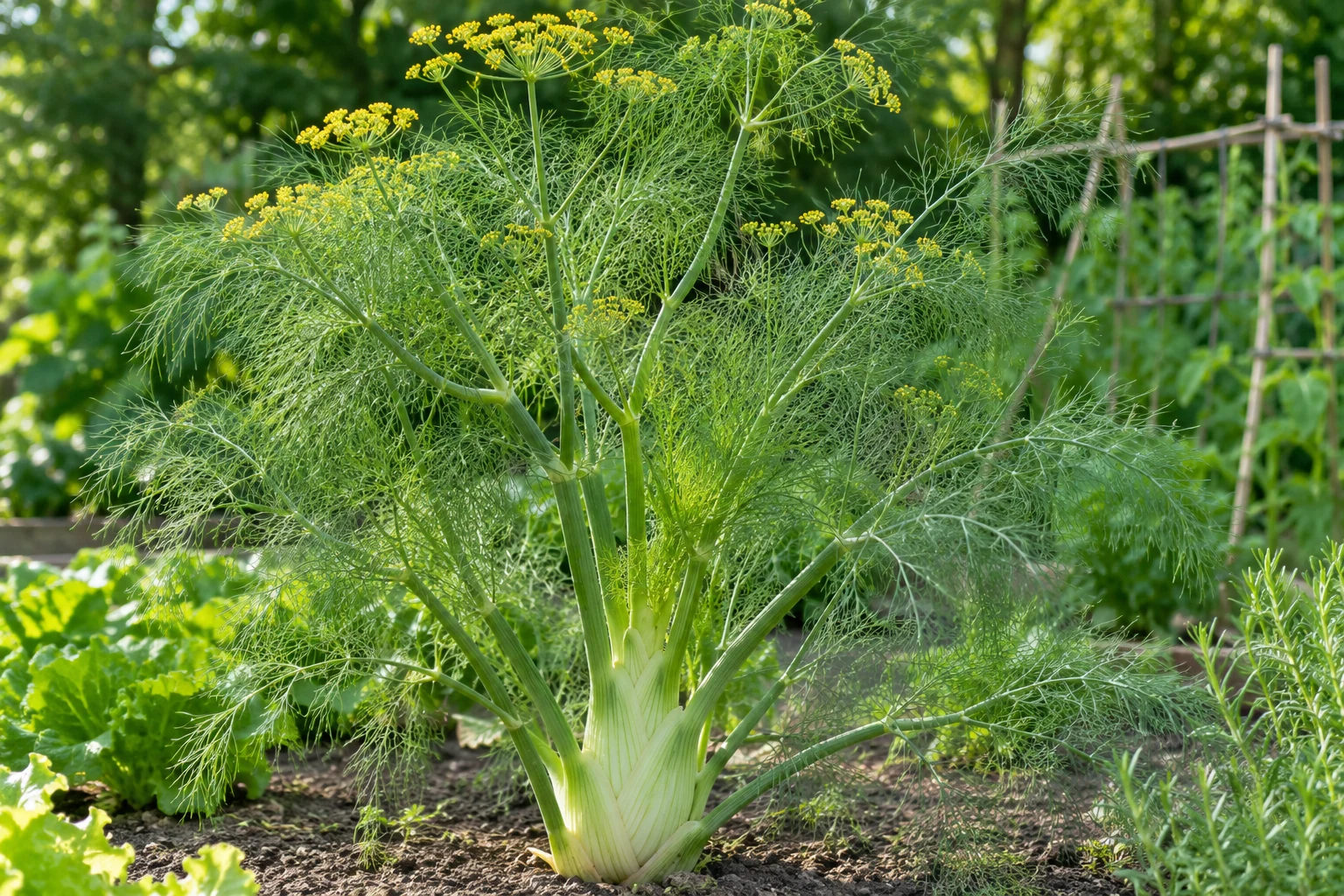
Fennel Watering Guide: Moist Soil Without Root Rot
Fennel Watering Guide: Moist Soil Without Root Rot
Quick answer
Water fennel when the root-zone soil is beginning to dry, then let excess water drain away. Newly planted fennel and Florence fennel need steadier moisture than an established common fennel growing in open ground. A pot usually needs closer attention because it contains less soil and loses moisture more quickly. Check the top few centimetres, feel beneath the surface if the pot is deep, and water thoroughly when that layer is drying. Do not keep the mix saturated. Utah State Extension recommends regular water for Florence fennel and notes that alternating dry and wet soil can split stems; the RHS guide says established common fennel is drought tolerant but container-grown plants need regular checks.
Water by fennel type
Common fennel is grown for foliage and seeds and tolerates short dry spells after its roots are established in a bed. Florence fennel is grown for the swollen base, so avoid letting its root zone dry sharply during active bulb growth. Both types need water while young, and either can suffer when a container dries completely. Confirm the seed packet before changing your routine: more water cannot make common fennel form a bulb. Utah State Extension distinguishes the two types and cautions that wilting common fennel can reduce seed production (USU Extension). The overview guide explains the different harvest goals.
Check soil before watering
Touch the soil rather than watering because a schedule says it is “watering day.” In a garden bed, check several centimetres below the surface close to the plant, but avoid stabbing a tool into the root zone. In a container, lift the pot if practical and feel the mix beneath the dry surface crust. Water when the root-zone mix is drying, not when only the top dusts over. If it is still damp and cool, wait and check again later. A finger check should be paired with pot drainage and weather; soil texture changes how long moisture remains. The Fennel soil guide covers mixes that retain moisture without becoming waterlogged.
Water seedlings and new plants
Seeds need a consistently moist seedbed until germination, but not a puddle. Use a gentle rose or fine spray so the surface is not washed away. After seedlings emerge, water slowly around the root area and let the top begin to dry between checks. Newly planted seedlings have a limited root system; keep them from drying during establishment, especially in wind or strong sun. Avoid repeated shallow sprinkles that wet only the top layer and encourage roots to stay close to the surface. The RHS recommends watering young fennel regularly during dry spells in its first growing season, while Harvest-to-Table also emphasizes regular moisture until common fennel is established (RHS grow guide, Harvest to Table).
Keep Florence fennel steadily moist
Florence fennel’s edible base develops best when growth is steady. A hard dry period followed by heavy irrigation can contribute to splitting, while prolonged saturation denies roots air and can encourage rot. Keep moisture even, especially as the base swells, and mulch lightly around—not over—the growing crown if soil dries quickly. Utah State Extension gives a regional irrigation range of roughly one to two inches per week depending on soil type; use that as a local example, not a universal prescription. Rainfall, raised beds, texture, temperature, and container size all change the amount needed (USU Extension). Gardeners’ World also advises consistent watering for bulb fennel (BBC Gardeners’ World).
Water established common fennel
Once common fennel is rooted in a garden bed, it generally tolerates short dry spells better than Florence fennel. That does not mean it should be left to wilt repeatedly, particularly if you want abundant fronds or seed. During a prolonged rain-free spell, soak the soil deeply and then allow the upper layer to begin drying before watering again. The RHS states established ground-grown fennel is drought tolerant, while Missouri Botanical Garden describes its preference for moist, well-drained soil (RHS grow guide, Missouri Botanical Garden). These statements are compatible: a plant can withstand some dryness and still grow best with sensible moisture.
Adjust container watering
Container fennel has less stored moisture and can dry fast in wind, direct sun, or a small pot. Check it every day or two during hot, dry periods, but water only when the mix is beginning to dry. Water until it runs from the drainage holes; empty standing water from a saucer. A large, deep container stabilizes moisture better than a cramped nursery pot, though it can still dry quickly in intense heat. Epic Gardening, Gardener’s Path, and the RHS all note the extra attention container-grown fennel needs (Epic Gardening, Gardener’s Path, RHS grow guide). See the repotting guide before upgrading a seedling whose taproot has already lengthened.
Water through heat, wind and rain
Hot sun and dry wind increase water loss from leaves and compost; a cool rainy week reduces the need to irrigate. Check the root zone more frequently after a heat wave, but do not assume the plant is thirsty because its leaves droop at midday. If the mix is still damp, heat stress or hot roots may be the cause. In monsoon or heavy-rain periods, make sure the bed drains and the container’s holes are clear. Plantura recommends a moist but well-drained approach for bulb fennel, and Utah State Extension likewise connects consistent moisture with healthy Florence fennel (Plantura, USU Extension). Adapt watering to the actual weather rather than the calendar.
Choose a useful watering method
Water at the soil line with a watering can or drip line so moisture reaches the root zone without routinely soaking foliage. Slow irrigation is more useful than a fast splash that runs off compact soil. If the bed is dry several centimetres down, water long enough to wet that depth, then let the site drain. Drip irrigation can help keep soil moisture more even in a vegetable bed; Utah State Extension names it as one option for maintaining moisture while conserving water (USU Extension). A mulch layer can slow evaporation, but keep it away from the crown and avoid creating a damp, airless collar around stems.
Recognize underwatering
A dry fennel plant may have drooping fronds, slowed growth, or a dry root zone that pulls away from the pot edge. Confirm the soil is actually dry before watering; leaf posture alone is not a diagnosis. If the root ball has become very dry, water it slowly in two passes so water can soak in instead of running through a gap. Do not leave the plant sitting in a filled saucer after recovery. Prolonged dryness is especially disruptive for young plants and Florence fennel, which may fail to form a good base if growth is checked. The light guide can help distinguish heat exposure from a simple lack of water.
Recognize overwatering and poor drainage
If soil remains saturated for days, smells sour, or drains very slowly, pause watering and fix the drainage problem. A fennel plant can look limp when roots are damaged by excess water, so adding more water in response may worsen the condition. Missouri Botanical Garden notes root and stem rot in poorly drained soil; the RHS also cautions that waterlogged conditions can lead to root problems (Missouri Botanical Garden, RHS grow guide). Check that a pot has open holes and is not sitting in runoff. In a heavy garden bed, use a raised position or improve structure before planting another fennel crop. The soil guide explains drainage decisions.
Understand split stems and bolting
Splitting of Florence fennel stalks can follow moisture swings, while bolting means a plant is sending up a flower stalk before the desired swollen base has formed. Both are signs to review the growing conditions, but they are not identical problems and water alone cannot prevent every case. Keep moisture consistent, verify the variety, and time planting so the bulb develops before strong heat. Utah State Extension associates fluctuating moisture with splitting and identifies heat, long days, and root stress as bolting risks (USU Extension). Gardeners’ Path and Plantura also discuss bulb fennel’s preference for steady moisture and cooler-season growth (Gardener’s Path, Plantura).
Recover from a missed watering
If a pot has dried sharply, move it out of the harshest afternoon sun while you rehydrate it. Apply water slowly, let the mix absorb it, then repeat until the root zone is moist and excess drains. If water channels straight through, briefly bottom-water only until the root ball takes up moisture, then remove the pot and drain it fully. Do not compensate with fertilizer; damaged or dry roots cannot use an extra dose as a quick fix. Resume checking moisture based on conditions. For a ground plant, water around the root area and add a light mulch if the bed loses moisture too quickly.
When to use this page vs other Fennel guides
Use this guide to decide when and how to irrigate. For a pot that stays wet, read the soil guide before watering again; for a dry pot in a hot position, compare the light guide. The fertilizer guide can help when weak growth persists after moisture and drainage are sound. If you need to move a young plant, consult repotting and propagation first because fennel resents root disturbance. The Fennel overview distinguishes common and Florence types.
Related Fennel guides
Visit the Fennel hub for the full plant profile and topic index. Use the soil guide to choose a draining mix, light to handle hot exposures, and fertilizer to avoid treating water stress with plant food. The repotting and propagation pages explain root-sensitive transitions, while pruning covers harvest cuts and flower stems.
Conclusion
Water fennel according to the root zone, type, and weather. Keep seedlings and Florence fennel evenly moist, allow established common fennel short dry intervals, and check containers more often than garden beds. Water deeply when soil is drying, then let excess drain. If stems split, growth stalls, or leaves wilt, review moisture swings and drainage before changing feed or pruning. Consistency means adjusting to conditions, not pouring the same volume on every day of the week.