Lemon Tree Light Needs: Sun Hours & Placement
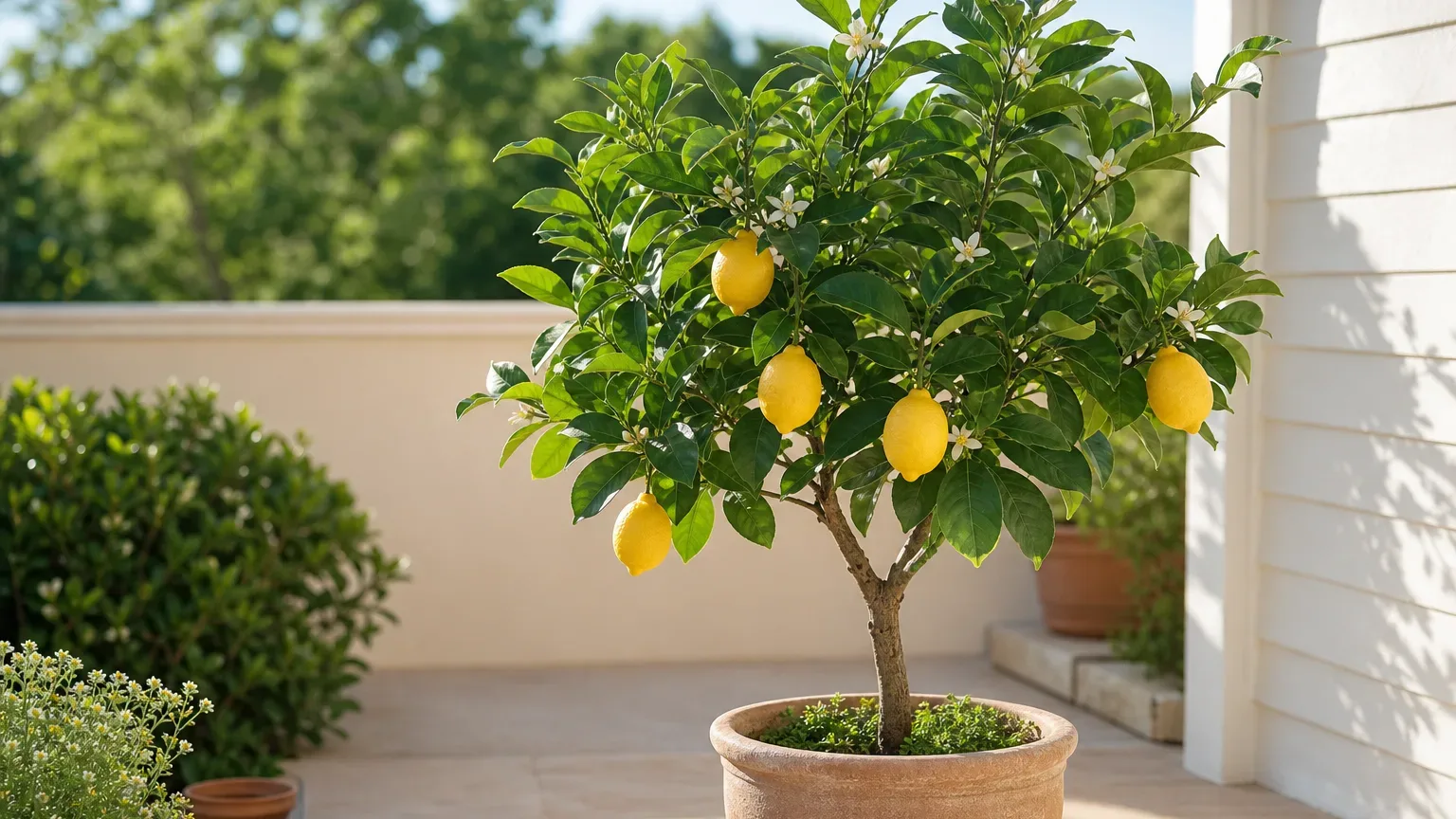
Lemon Tree Light Needs: Sun Hours & Placement
Lemon Tree Light Needs: Sun Hours & Placement
A lemon tree is sold as a cheerful patio plant and then parked in a bright living room that never receives a real sunbeam. Six months later the grower wonders why Citrus limon looks leafy but never flowers, or why leaves yellow while the watering rhythm seems fine. Lemon is a sun-loving subtropical fruit tree, not a shade-tolerant foliage houseplant. Strong direct light drives photosynthesis, sturdy wood, fragrant blooms, and fruit sizing. Without it, even perfect soil and fertilizer cannot carry the tree to reliable harvests.
This guide is for growers in India and similar climates who keep nimbu on terraces, in courtyards, or in frost-free garden beds. You will learn how many sun hours to target, where to place containers, how to harden off glass-grown stock, what winter and monsoon dim periods change, and what to do first when leaves pale or scorch.
How much light lemon trees actually need
Missouri Botanical Garden lists Citrus limon with Sun: Full sun and notes that in suitable climates lemon trees grow in fertile, well-drained soil in a sunny position protected from wind. UC IPM advises choosing a site with well-drained soil that receives full sun most of the day and is sheltered from strong winds. For home culture, translate that into a practical target: at least 6–8 hours of direct sun on the canopy during the active growing season, with the brightest hours falling on the leaf surface—not just on the wall behind the pot.
Lemons are among the citrus types that need less accumulated heat to mature fruit than many oranges, which is why they perform well near coasts and in warm subtropical regions (UC IPM citrus overview). That heat efficiency does not mean shade tolerance. It means a lemon can fruit in warm, sunny conditions where slower-maturing citrus might struggle—but the tree still needs strong light to build the leaves and wood that support those fruit.
Why lemons are not low-light houseplants
Citrus evolved as open, sun-exposed evergreens. UF/IFAS states that citrus tolerate light shade but will be more productive if grown in full sunlight, and warns that trees planted so close together that they shade one another may not grow normally or produce much fruit. The productive engine is leaf surface area intercepting photons, not stored reserves in woody tissue.
Low light keeps a lemon alive longer than it would keep a tomato, because evergreen leaves and a large root system buffer short deficits. Over months, however, the canopy becomes sparse, leggy, and slow to replace older leaves. Flower buds fail to form or drop, and new growth stays pale and soft. That is survival mode—not orchard culture. If your goal is edible lemons on a terrace, treat anything less than strong direct sun as a temporary holding condition.
The quick answer: full sun with 6–8 hours of direct light
Place a container or in-ground lemon where the canopy receives roughly 6–8 hours of direct sun on clear days during active growth. In frost-free Indian cities, an open south- or west-facing terrace, a wind-sheltered courtyard corner, or a garden bed away from building shade is the default. Indoors, use only the sunniest glazed porch or largest unobstructed window, and expect weaker flowering unless you supplement with grow lights.
Judge placement by new growth after any move, not by whether older leaves still look green. A tree can carry last season’s foliage in marginal light while failing to set the next round of flowers. Pair light corrections with a review of watering because sun intensity changes how fast pots dry.
Full sun outdoors vs brightest indoor light
Outdoor full sun means unfiltered or lightly filtered sunlight strikes a large portion of the canopy for most of the day. Indoor “bright” often means the room looks lit to human eyes while the leaf surface receives a fraction of outdoor intensity. Missouri Botanical Garden recommends that for indoor cultivation you place lemon in a well-lit, but not too warm location, with cooler winter temperatures to encourage flowering, then move the plant outdoors in late spring to encourage natural pollination and bring it inside before cool autumn weather.
RHS notes that container citrus can overwinter in a greenhouse or conservatory, then move outdoors in summer to a sunny, sheltered spot, but adds that growing citrus as houseplants is not ideal long term because most types prefer a cool winter spell and more humidity than centrally heated rooms provide. For Indian growers with year-round outdoor warmth in many regions, the better default is outdoor sun with seasonal wind and rain management, not permanent indoor display.
Terrace and balcony placement in India
On a typical Indian terrace, prioritize unshaded sky access over decorative corners. A pot tucked under a permanent overhang or behind a tall water tank may receive reflected brightness without the direct hours citrus needs. Better positions include:
- South- or west-facing open railings where the canopy sees morning through mid-afternoon sun, with afternoon heat monitored in peak summer.
- East-facing terraces that receive cool morning direct sun plus bright ambient light—often excellent for first-year container trees being hardened to stronger rays.
- Courtyard wells only if sun reaches the pot for most of the day; narrow light shafts that illuminate the floor at noon are not enough.
Rotate the container a quarter turn every two to three weeks if growth leans toward the brightest side. Use heavy, stable pots on windy high-rises so the canopy does not act as a sail. Keep thorny branches away from paths when placing for maximum sun.
In-ground courtyard and garden beds
In-ground lemons should be sited in the warmest, sunniest part of the landscape that does not flood after monsoon rain (UF/IFAS planting guidance). Allow 12–20 feet or more between trees and walls or larger plants so neighboring shade does not steal afternoon light. UC IPM also recommends avoiding lawn areas that require frequent shallow irrigation, because citrus roots prefer deeper, less frequent watering in full sun.
If a mature mango or building already casts long afternoon shade, a lemon planted beside it will stay vegetative. Fix placement at planting time; you cannot prune your way out of chronic shade on a fruiting wood cycle.
Direct sun tolerance and heat management
Lemon trees want direct sun. Problems appear when intensity or heat jumps faster than the plant can adjust, or when roots in a small dark pot overheat even though leaves crave light. UC IPM links underwatering to small fruit that tends to sunburn, which is a reminder that fruit exposed to strong sun still needs adequate soil moisture and canopy health.
Established, acclimated lemons on terraces commonly take all-day sun in frost-free climates. Nursery stock grown under shade cloth or behind glass may scorch if moved to an unshaded roof without transition. Scorched leaves show bleached, tan, or crisp patches on the sun-facing side and do not green up again.
Morning sun vs harsh afternoon rays on containers
Morning direct sun is cooler and gentler; afternoon sun on dark plastic pots can heat roots above the comfort zone even when leaves look fine. In peak pre-monsoon heat, slide containers a few feet back from west-facing radiating walls, group pots for mutual humidity, or use light-colored pot wraps. Do not solve heat stress by dragging the tree into a dim room for weeks—that trades one problem for shade etiolation.
A partial shade cloth (20–30%) during extreme heat waves is acceptable for container roots and young flush, but remove it once temperatures moderate so flowering wood still receives strong light.
Acclimating lemon trees when light changes
Sudden light changes cause more visible damage than gradual ones. Whenever you move a lemon—from nursery shade to terrace, from indoors to outdoors, or from a dim corner to full roof sun—harden it off over 7–14 days:
- Start in bright morning sun or dappled shade for 2–3 hours, return to shelter midday.
- Increase direct exposure by 1–2 hours per day, watching newest leaves for bleaching.
- Reach full placement only when new growth emerges firm and dark green without scorch on the latest flush.
- Adjust watering upward as sun hours increase because evaporation rises.
RHS emphasizes hardening off tender plants before summer outdoor placement and monitoring overnight temperatures so cold-damaged foliage is not compounded by sudden intense sun. The same patience applies when Indian growers move overwintered porch plants to open terraces in February–March.
Low-light limits and honest indoor expectations
A lemon may persist in a bright north room or office with large windows, but persistence is not production. Expect elongated stems, larger gaps between leaves, few or no flowers, and thin, pale new foliage. Variegated or yellow-tinged new leaves can also reflect micronutrient issues when roots are cool and wet in dim conditions—light and soil pH interact.
UF/IFAS is clear that light shade reduces normal growth and yield. If you must keep a lemon indoors, plan for cooler winter nights, maximum window exposure, and supplemental lighting rather than treating it like a pothos on a bookshelf. For most Indian growers with outdoor access, the honest recommendation is: give the tree real sky, then manage monsoon drainage and feeding outdoors.
Winter and monsoon light adjustments
Light is not static. Monsoon cloud cover can drop daily photon intake for weeks. Trees respond by slowing growth and using less water—do not interpret cloudy weeks as permission to park the pot in permanent shade after rains end. When skies clear, return the tree to its sunniest stable position.
Cool-season slowdown in north India or highland areas changes day length and sun angle, not the species’ fundamental need. A lemon in a dim porch through winter may retain leaves yet enter spring weak and flowerless. Evergreen citrus requires plenty of winter light when kept indoors (RHS winter protection guidance).
Overwintering without leaf drop
If temperatures force temporary shelter, choose the brightest cool frost-free space available—glazed south porch, bright conservatory, or unheated sunroom around 10–15°C (50–59°F) for many lemons rather than a hot living room. Missouri Botanical Garden notes that lower winter temperatures encourage flowering for indoor-held plants, which pairs with bright light to support bloom.
Avoid cold drafts and sudden shade when moving through doorways. Leaf drop in winter often signals low light, dry heated air, or temperature swings, not necessarily disease. Stabilize light first, then review water and humidity.
Grow lights when a sunny terrace is not available
If outdoor full sun is impossible, use full-spectrum LED grow lights positioned 30–45 cm (12–18 in) above the canopy, running roughly 12–16 hours daily to approximate long-day, high-light conditions. Cover the top and sides of the canopy as evenly as practical; a single overhead bulb leaves lower branches etiolated.
Grow lights are a bridge, not a permanent substitute for terrace culture on a tree destined to fruit heavily. They work best for young plants, winter maintenance, or quarantine before outdoor placement. Increase distance if new leaves curl or bleach under the fixture.
How light drives flowering, fruit set, and leaf color
Citrus flowers and fruit on productive wood that received enough light during the previous growth cycles. Chronic shade produces few flowering shoots, and buds that do form may abort when the tree cannot support carbohydrate load. Extra nitrogen in a dim room often yields soft, leggy flush vulnerable to pests—another reason to fix light before increasing fertilizer.
Dark green mature leaves with firm reddish new growth generally signal adequate light plus balanced care. Uniform yellowing with wet soil points to root stress; interveinal yellowing on new leaves may involve micronutrients and pH. Use light improvement as the first lever when the tree is clearly reaching for windows or stretching between nodes.
Warning signs of too little light
Watch for these patterns on Citrus limon:
- Long, thin stems with wide spacing between leaves, especially toward the window side only.
- No flowers on a mature grafted tree despite years of care and feeding.
- Persistent small pale leaves that never harden to the glossy dark green of healthy citrus.
- Soil that stays wet for many days because low light slows transpiration—often paired with overwatering risk.
- One-sided canopy when only part of the pot sees real sun.
First action: move to the sunniest feasible location and harden off gradually if the change is large. Wait 4–8 weeks for new growth before deciding the move failed.
Warning signs of too much sun or heat stress
Too much light or heat shows differently:
- Bleached white or tan patches on sun-facing leaves, sometimes sunken and papery.
- Sudden scorch within days after moving from shade or indoors to harsh roof sun.
- Leaf curl and wilt at midday on the hottest days even when soil moisture is adequate—check root-zone temperature in dark containers.
- Fruit with sunburned rinds on exposed sides, especially if the canopy is thin or underwatered (UC IPM cultural tips).
First action: provide short-term afternoon protection, confirm thorough watering at dawn, and resume acclimation rather than abandoning sun entirely. Prune only after stabilizing exposure; hard pruning on a stressed tree removes photosynthetic tissue.
When to use this page vs other Lemon Tree guides
Use this light page when you are choosing terrace placement, acclimating after a move, diagnosing leggy growth or scorch, or deciding whether grow lights are worth the investment. Switch to sibling guides when the limiting factor is not photons.
- Lemon Tree overview — whole-plant identity, habit, and establishment expectations.
- Lemon Tree watering — how sun changes drying rate and monsoon irrigation pauses.
- Lemon Tree soil — drainage and pH when pale leaves may involve nutrients, not just shade.
- Lemon Tree fertilizer — feeding during active growth after light is adequate.
- Lemon Tree repotting — when a root-bound pot overheats or dries unevenly in full sun.
- Lemon Tree propagation — light needs for cuttings and young grafted plants.
- Lemon Tree pruning — opening the canopy for air and light without stripping fruiting wood.
Related Lemon Tree guides
Start at the Lemon Tree plant hub, then move through overview, watering, soil, fertilizer, repotting, propagation, and pruning as your next question shifts. Light is the foundation: get sun hours right, and watering, feeding, and fruiting decisions become far easier to read.
Conclusion
Citrus limon belongs in full sun—about 6–8 hours of direct light on the canopy during active growth—with wind shelter and careful acclimation when exposure increases. Indian terrace growers should prioritize open sky over decorative shade, manage afternoon container heat, and expect monsoon dim periods to slow growth without becoming an excuse for permanent low light. Indoors or in dim rooms, plan grow lights or accept foliage-only performance. Move the tree, harden it off, then judge new leaves and flower buds—not last year’s survivors—to know whether your placement finally matches what a lemon tree actually is.