Root Rot on Lemon Tree: Causes, Checks & Fixes
Quick answer
Root Rot on Lemon Tree is usually tied to Common on this plant type; confirm with recent watering, light, and root checks. First step: Inspect the plant and correct the most likely care stressor before stacking treatments.
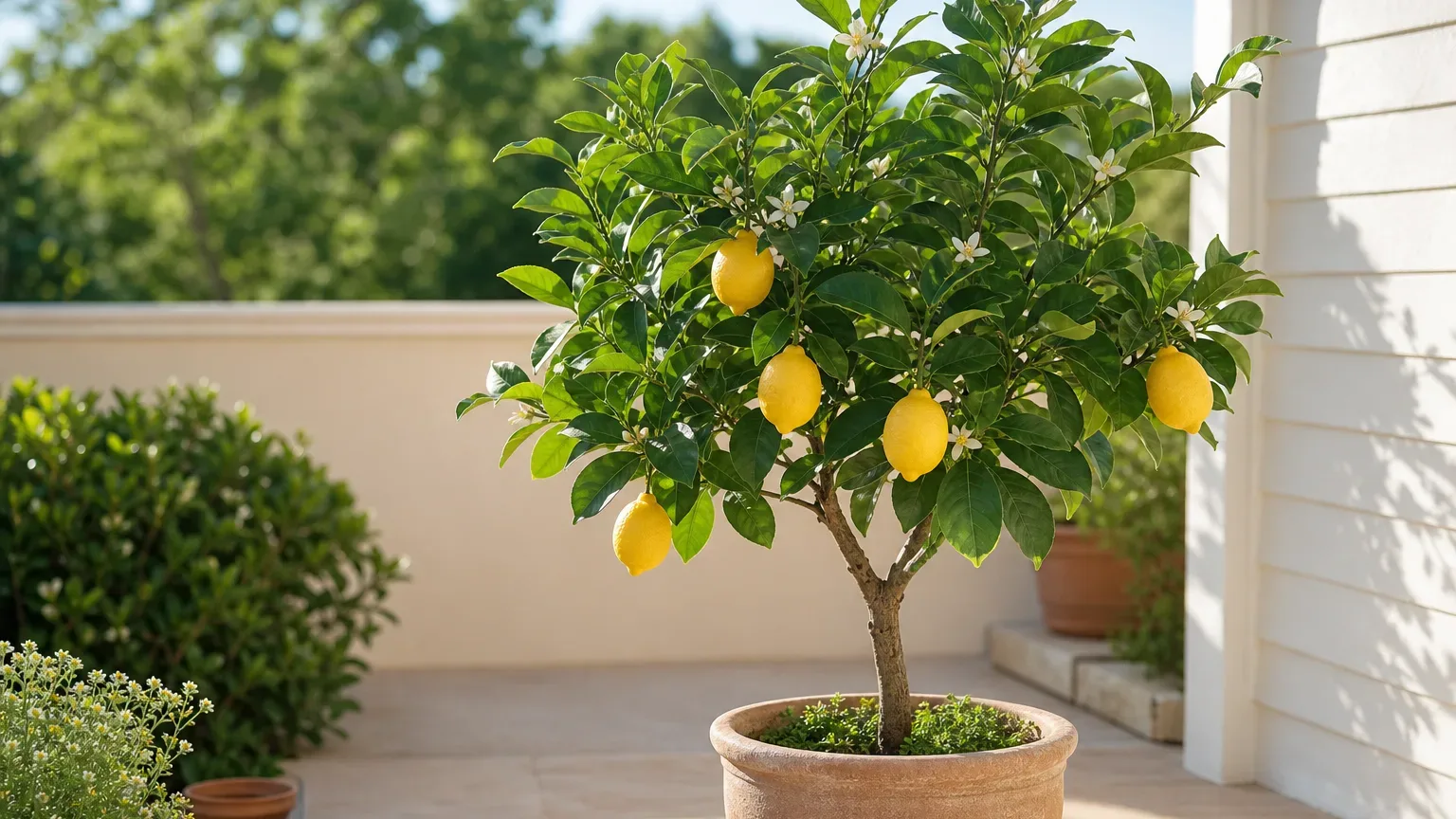
Root Rot on Lemon Tree: Causes, Checks & Fixes
This guide covers root rot on Lemon Tree. See also the general Root Rot guide, watering, and light pages for this plant.
Root Rot on Lemon Tree: Causes, Checks & Fixes
Quick answer
Root Rot on Lemon Tree is usually tied to Common on this plant type; confirm with recent watering, light, and root checks. First step: Inspect the plant and correct the most likely care stressor before stacking treatments.
Root Rot on Lemon Tree should be diagnosed through the plant’s actual care pattern, not treated as a generic symptom. For this page, check root-zone condition, recent watering, light changes, and whether the newest growth is improving or declining.
Why Lemon Tree gets root rot
Common on this plant type; confirm with recent watering, light, and root checks.
How to confirm the cause
Start with the root-zone condition, pot weight, drainage, leaf undersides, and newest growth. Match the pattern before treating.
First fix for Lemon Tree
Inspect the plant and correct the most likely care stressor before stacking treatments. Make one targeted correction first so you can read the response.
Recovery timeline
Judge progress by firm new growth and a stable root zone. Mild cases often stabilize within one or two care cycles.
What not to do
Do not fertilize a stressed Lemon Tree before checking roots and light. Do not stack repotting, pruning, and pesticide on the same day.
How to prevent it next time
Align watering, light, and soil with this plant’s growth speed. Inspect weekly while problems are still small.
Root Rot symptom pattern
Compare what you see with common on this plant type; confirm with recent watering, light, and root checks. Confirm the pattern matches before applying a broad fix.
Lookalike symptom check
Separate true root rot from water stress, light stress, pests, or normal old-leaf aging on Lemon Tree.
Lemon Tree care cross-check
Cross-check recent changes to light, watering, and potting mix before assuming the plant is permanently weak.
Practical checks
Treat as urgent if stems soften, damage spreads quickly, or several leaves fail at once. Inspect newest growth, leaf undersides, and roots in that order.
Severity note: This issue is marked medium for Lemon Tree — a triage clue, not a guarantee.
Related tool
Use the Root Rot Risk Checker to narrow causes for root rot on this plant before changing multiple variables at once.