Okra Watering Guide for Healthy Pod Production
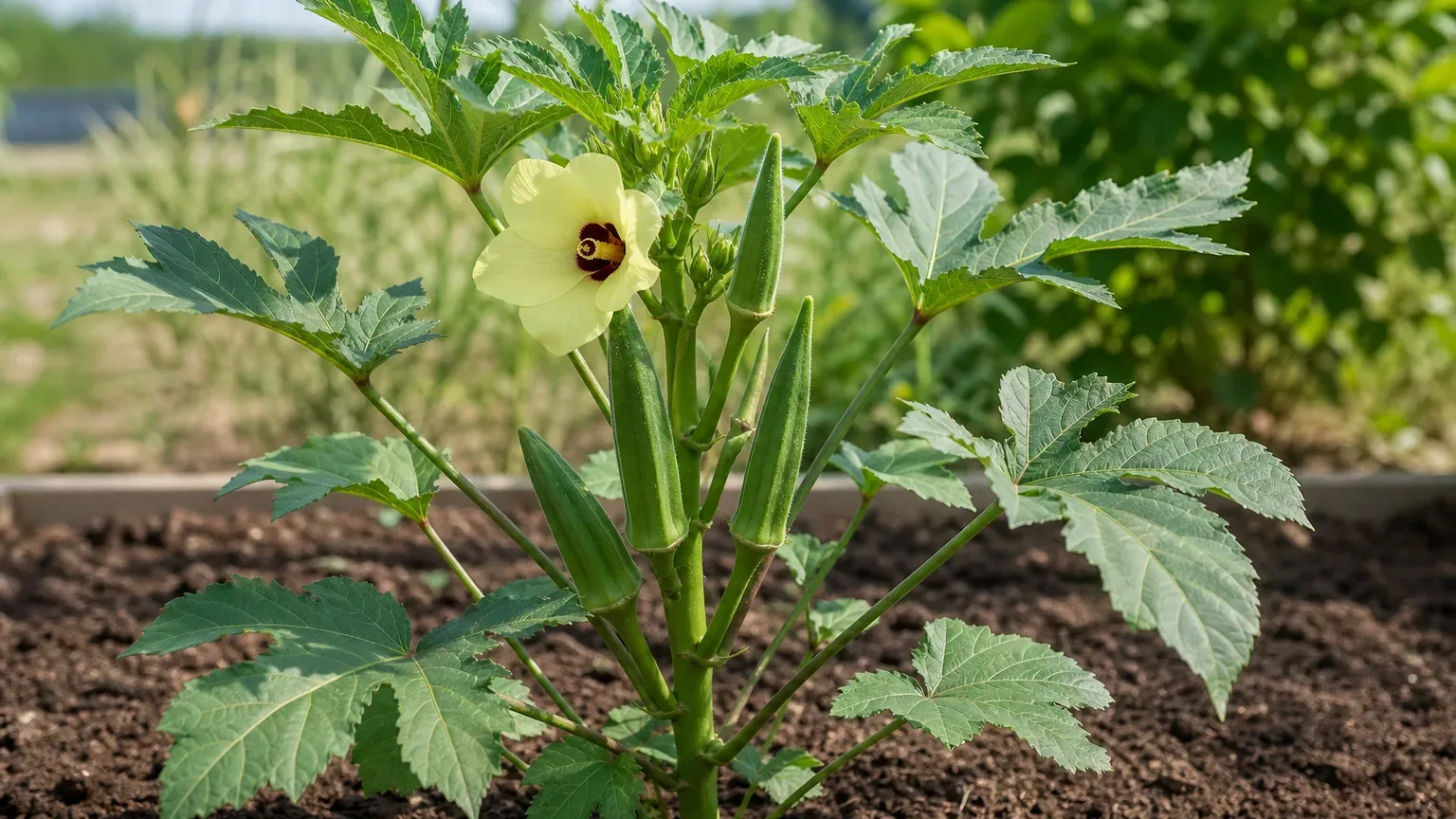
Okra Watering Guide for Healthy Pod Production
Okra Watering Guide for Healthy Pod Production
Okra (Abelmoschus esculentus), also called bhindi or lady’s finger, can survive short dry spells once established, but survival is not the same as productive growth. The crop makes its best flowers and pods when the root zone stays reasonably even in moisture, while excess water can exclude air from roots and encourage disease. Your aim is deeply moistened, freely drained soil, followed by a partial dry-down—not a permanently soggy bed and not repeated drought.
That balance matters most when plants are establishing, flowering and filling pods. It also changes quickly on an Indian terrace: a black container can dry within a day during a hot, windy spell, then remain saturated after several monsoon showers. Use the soil, plant stage and recent weather to decide when to irrigate; use the calendar only as a reminder to check.
The quick answer: keep okra evenly moist, not constantly wet
Check okra whenever the upper few centimetres of soil begin to dry. If the soil below that surface layer is also losing moisture, water slowly and deeply. In a garden bed, the goal is to wet the active root zone; Clemson Extension recommends enough water to moisten soil to about 15 cm (6 inches) and identifies pod set and development as the critical moisture period.
Do not turn that depth into a fixed daily dose. Clay soil after rain may need no added water for days, while sandy soil, raised beds and containers can dry much sooner. A useful field benchmark comes from University of Georgia Extension: during prolonged dry periods, established okra may receive a deep soaking of about 25–38 mm (1–1.5 inches) every 7–10 days, with moisture especially important during flowering and pod development (UGA Extension). Home containers need decisions by touch rather than by rainfall equivalents.
Check the root zone before you water
Push a finger or narrow trowel 5–8 cm into the soil, a little away from the stem so you do not disturb it. Water when the surface has dried and the soil at that depth feels only faintly moist rather than cool and damp. If a squeezed sample clumps wetly or the pot still feels heavy, wait and check again later.
This deeper check prevents two opposite mistakes. A pale, dusty surface can hide moisture below, while a recently rained-on bed can be wet only at the top if the shower was brief. Missouri Botanical Garden advises checking with a trowel or probe because a dry surface does not reveal deeper moisture.
Read the plant at the same time. Brief drooping during the fiercest afternoon heat can happen even when roots have water; if leaves recover toward evening without irrigation, do not automatically soak the bed. Persistent wilt in the cooler morning or evening, combined with dry soil at depth, is a stronger signal that water is due.
Watering seeds, seedlings and new transplants
Germinating seed and newly emerged seedlings have shallow roots, so they need more frequent checks than mature plants. Keep the seeded layer consistently damp but aerated until emergence. Use a gentle rose or low-flow drip so water does not expose seed, crust the surface or wash seedlings together.
After transplanting, water the root ball and surrounding soil thoroughly to close large air pockets. For the next week, check daily in warm weather, watering when the small root zone begins to dry. Oklahoma State Extension notes that irrigation may be needed for seed germination and early establishment when rain is insufficient; once roots spread, shift from frequent light applications to deeper, less frequent watering.
Avoid keeping seedlings wet “for safety.” Cold or saturated media delays establishment and raises disease risk. The NC State Extension plant profile describes okra as requiring moist, well-drained soil and warns that poor drainage can lead to root rot—both halves of that description matter.
Watering established okra before flowering
An established okra plant tolerates some drying because its root system explores more soil than a seedling’s. Let the surface dry slightly, then irrigate enough to wet below the shallow surface roots. This rhythm encourages a useful root volume without repeatedly flooding the crown.
Okra’s reputation for drought tolerance can mislead growers into withholding water until leaves repeatedly collapse. UF/IFAS notes that okra is drought tolerant yet more productive when well watered. Before flowering, prevent severe cycles of bone-dry soil followed by flooding; those swings become harder to correct once the plant starts setting a continuous run of pods.
Flowering and podding are the critical stages
Increase vigilance when the first flower buds appear. Flowers last briefly, and pods begin developing soon after bloom, so a dry root zone at this stage can interrupt the crop’s reproductive work even if the plant survives. Keep moisture steadier from flowering through active harvest, checking beds every few days and containers daily during hot weather.
Steady does not mean soaked. Water when the root-zone check shows drying, not every time you pick pods. If flowering continues but pod set drops, assess moisture consistency alongside heat, pollination, nutrition and pests rather than assuming water is the sole cause.
During a rainless production period, Oklahoma State’s commercial guidance uses about 38 mm (1.5 inches every 10 days) as a crop-water benchmark. Treat that as context, not a pot recipe: soil type, humidity, wind, plant spacing and rain determine how much actually remains available to roots.
Adjusting irrigation in extreme heat
Okra handles high temperatures better than many vegetables, but hot air, sun and wind accelerate water loss from both leaves and soil. Check more often during a heat wave, especially in raised beds and dark terrace pots. Water in the early morning so the root zone is supplied before afternoon demand peaks and less water is lost from the surface.
Do not respond to every midday droop with another irrigation cycle. First test several centimetres down. If the soil is still moist and leaves recover after the sun weakens, extra water may create saturation without fixing heat stress. If the soil is dry and the wilt persists into evening, water thoroughly.
A 5–8 cm layer of clean organic mulch around bed-grown okra slows evaporation and buffers rapid swings. Keep mulch a few centimetres away from the stem rather than piling it against the crown. Mulch changes the checking interval, so probe beneath it before watering.
Managing okra through monsoon rain
During monsoon spells, stop automatic irrigation and let rainfall count. Check below the surface after rain instead of assuming either that the bed is fully watered or that every shower requires a pause of fixed length. Short showers may not penetrate deeply; repeated heavy rain can leave the root zone saturated long after the sky clears.
Drainage becomes the priority when rain is persistent. Open blocked pot holes, empty trays, and divert roof runoff away from beds. Okra grown in heavy ground benefits from raised rows or beds; Oklahoma State specifically recommends raised soil beds where drainage is not sufficient to prevent waterlogging.
Watch for slow growth, widespread yellowing, wilting while soil remains wet, a sour smell, or a soft dark stem base. Waterlogged roots lack oxygen and lose the ability to supply the top even though water surrounds them. Do not add fertilizer or more water to “green up” a plant in saturated soil; improve drainage and allow the root zone to aerate first.
Prolonged hot, wet weather can also favour blossom and young-pod decay. Direct irrigation to the soil, give plants adequate spacing, and avoid routinely wetting flowers and foliage late in the day. These measures cannot stop rain, but they avoid extending wetness after it ends.
How to water okra in containers
Container okra needs a large, stable pot with open drainage holes and a mix that holds useful moisture while releasing excess promptly. Small pots have little reserve and can swing from wet to dry in hours; oversized pots filled with dense garden soil can remain airless. Match the final container to the cultivar and avoid leaving runoff trapped in a decorative outer pot.
Check the mix at least once a day in hot, dry weather, but water only when the upper layer and the mix below it are drying. The Royal Horticultural Society notes that containers dry faster than garden soil, with terracotta, wind, sun and small pot volume all shortening the interval. A thirsty okra in a sunny terrace pot may need daily watering during an extreme spell; that does not make daily watering a year-round rule.
Apply water slowly across the surface so the whole root ball moistens. Stop as drainage begins, discard collected runoff, and recheck later if a very dry mix initially shed water down the pot wall. If a pot repeatedly dries by midday, move it out of reflected afternoon heat, add surface mulch, or use a larger final container rather than giving tiny sips many times a day.
Deep watering, drip lines and mulch
For beds, one slow, deep application is usually more useful than brief daily sprinkling. Place a drip line or soaker hose near the row, run it long enough to wet the root zone, then confirm penetration with a trowel. Light watering that reaches only the surface encourages roots to remain shallow and leaves deeper soil unused.
Drip irrigation is particularly helpful during flowering and in humid weather because it targets the soil without routinely wetting the canopy. UF/IFAS reports that correctly used microirrigation delivers water directly to roots, keeps foliage drier and can exceed 90 percent application efficiency. Check emitters for blockage and inspect the soil rather than assuming a timer delivered the intended amount.
Mulch and drip work together, but both can hide moisture. Lift the mulch and test near an emitter as well as midway between emitters. Adjust runtime after heavy rain, a cooler week, or a change in plant size instead of leaving one setting for the entire season.
Overwatering versus underwatering signs
Underwatered okra has dry soil at root depth, leaves that remain limp after peak heat, dry potting mix pulling from the container wall, slowed new growth and a sudden reduction in flowering or pod development. One complete watering should begin restoring leaf firmness within hours if roots are healthy, although damaged flowers will not be repaired.
Overwatered okra remains wilted despite wet soil and may develop generalized yellowing, stalled growth, sour-smelling mix or soft, dark roots. Persistent saturation is more diagnostic than one yellow lower leaf. Waterlogging can make a plant look thirsty because damaged roots cannot move enough water upward.
Check the soil before interpreting wilt. Dry plus wilt calls for irrigation; wet plus wilt calls for drainage and root-zone assessment. If the diagnosis remains unclear, wait until the cooler part of the day, check several points around the roots, and avoid both fertilizer and another automatic watering.
What to do first when okra wilts
Start with three observations: soil moisture 5–8 cm down, time of day, and whether the plant recovers after direct sun weakens. If the root zone is dry and wilt persists, water slowly and deeply. If the root zone is wet, stop irrigation, empty saucers, clear drainage routes and protect the bed from additional runoff.
For a container that stays saturated, tip it slightly to confirm holes are open and move it under cover during continuing rain without moving it into darkness. Do not pull apart healthy roots solely because of one wet day. Inspect roots only when wet conditions persist and the plant shows progressive yellowing, odour or collapse.
Common okra watering mistakes
The most common mistake is using a fixed schedule without checking the soil. “Every day” can be too little for a tiny terrace pot in extreme heat and far too much for a mulched bed during monsoon weather. Set a reminder to inspect, not a command to irrigate.
Frequent shallow splashes are another poor fit. They wet foliage and the soil crust while leaving deeper roots dry. Equally damaging is letting a container stand in runoff, especially after a storm, or adding water to a heat-wilted plant whose root zone is already moist.
Finally, do not use drought tolerance as a reason to neglect flowering plants. Okra may stay alive through dry periods while producing fewer pods. The practical target is not maximum wetness or maximum toughness; it is the most even root-zone moisture your soil can hold without losing drainage.
When to use this page vs other Okra guides
- Start with the Okra overview for the crop’s whole-care picture and seasonal growth habit.
- Use the Okra soil guide when water pools, drains too quickly, or the mix itself is causing moisture swings.
- Check the Okra light guide when shade is slowing growth or changing how quickly soil dries.
- See the Okra fertilizer guide before feeding a yellow plant; wet roots and nutrient shortage need different responses.
- Use the Okra repotting guide when a container is undersized, unstable or drying too rapidly because roots fill the pot.
Related Okra guides
- Okra propagation — seed germination, seedling care and early establishment.
- Okra pruning — managing height and late-season regrowth.
- Okra overview — identity, growth cycle and complete care summary.
- Okra soil — drainage, moisture retention and soil structure.
- Okra light — full-sun placement and heat exposure.
Conclusion
Water okra by root-zone condition and growth stage, not by a permanent calendar. Keep seeds and new transplants consistently damp while they establish, shift to deeper irrigation as roots spread, and watch moisture most closely from flowering through pod harvest. In heat, check more often but distinguish temporary midday wilt from genuinely dry soil.
In monsoon rain, the job changes from supplying water to protecting drainage. Containers need the closest attention because they dry quickly in sun yet can saturate in trays or blocked pots. When unsure, test below the surface: dry soil plus persistent wilt needs a deep drink; wet soil plus wilt needs air and drainage, not another watering.