Peas Light Requirements: Full Sun, Shade & Grow Lights
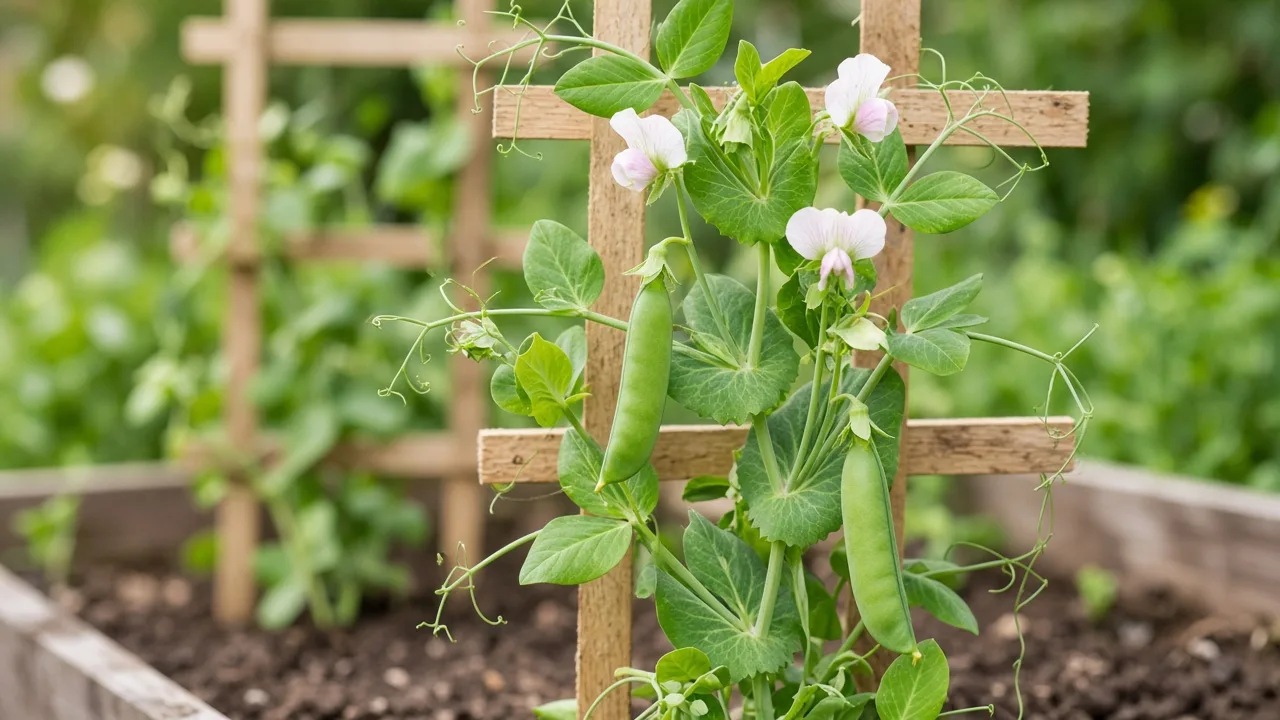
Peas Light Requirements: Full Sun, Shade & Grow Lights
Peas Light Requirements: Full Sun, Shade & Grow Lights
Garden peas (Pisum sativum)—whether you grow shelling types, flat snow peas, or crisp sugar snap pods—are a cool-season, sun-loving annual legume. They are not a shade vegetable like some leafy greens. For maximum flowers and pods, give vines full sun on an open bed, raised planter, or the brightest container station you have. Utah State University Extension notes that peas require full sun and fertile, well-drained soil for maximum yield, and that they do poorly when air temperatures exceed about 80°F (27°C) (Utah State University Extension). Editorial guides commonly add a practical ceiling: growth and pod production decline as temperatures pass about 70°F (21°C), and production largely shuts down near 85°F (29°C) in many gardens (Gardener’s Path).
The working outdoor target is roughly 6–8+ hours of direct sun per day during the cool window when you sow. Peas can grow in partial shade (often cited as about 4–6 hours of sun), but vines tend to look leggy, set fewer pods, and mature more slowly than the same variety in open sun (Epic Gardening). On warm plains, season timing matters as much as compass direction: sow in the cool, bright season so vines flower before summer heat—not because peas dislike sun, but because heat plus bright exposure on shallow container roots stresses flowers.
Match light to your goal before you sow. For pod harvests, prioritize full sun and cool weather—see the Peas overview for shelling vs snow vs snap timing. For pea shoots on a windowsill, you need bright light but not the same long outdoor season; the RHS describes shoot crops grown on a sunny indoor sill with harvest in a few weeks.
Full Sun for Pods, Cool Air for Timing
“Full sun” means the planting spot receives unobstructed direct sun for most of the day—not merely a bright room. Epic Gardening defines full sun as 6–8+ hours daily for peas, with partial shade possible but usually yielding less (Epic Gardening). In cool spring or winter on Indian terraces, that same south or west exposure is ideal. In warming weather, the problem is often root-zone heat in black plastic pots or on concrete, not the photons themselves. Shift containers to catch morning sun and lighter afternoon shade, or move pots inward after noon, while keeping the canopy in bright ambient light.
Production Light vs “Still Green” Vines
Pea vines can stay green in mediocre light long enough to fool you. Without enough direct sun, you get long internodes, thin tendrils searching for brightness, and few flowers at the right time. Judge placement by new growth and flower clusters, not yesterday’s leaves. If tendrils reach toward a wall gap or the vine leans all day, treat that as a light problem first—then check moisture in Peas watering.
How Much Light Garden Peas Actually Need
Peas build soft vine tissue quickly in cool weather. Photosynthesis needs to keep pace with transpiration from leaves and with the energy cost of flowering. Weak light produces elongated stems before you reach the first pick.
Direct Sun Hours Outdoors
Plan for 6–8+ hours of direct sun on clear days during the active cool season. Four to six hours of direct sun—bright shade the rest of the day—may still produce a small harvest, especially if reflected light fills in from pale walls, but expect taller, thinner vines and fewer pods per plant (Epic Gardening). Less than about four hours of direct sun on a balcony is usually a shoot-only or experimental site unless you add strong supplemental lighting.
USU Extension ties full sun to yield and warns that hot temperatures and water stress reduce pod quality (Utah State University Extension). Light and water work together: a vine in full sun with dry soil at flowering will drop blossoms even though the spot is “correct” on paper.
Shadow Test on Beds and Balconies
You do not need a light meter to place peas well. On a clear day, hold your hand over the sowing spot. A sharp, dark shadow means direct sun; a faint shadow means bright shade. Count hours of sharp shadow across the weeks you expect the crop to run, not just on sowing day. A bed sunny in January may sit in building shade by March—walk the space at mid-morning and mid-afternoon before you commit seed.
For climbing types, remember the trellis top may see more wind and sun than the soil line. Good airflow reduces mildew in damp weather, but an exposed railing can desiccate young vines on hot windy days. Pair bright exposure with steady moisture and a well-drained mix so roots do not alternate between baked and soggy.
Full Sun vs Partial Shade for Pisum sativum
Gardener’s Path lists peas as a frost-hardy, cool-weather crop to plant in full sun, while noting tolerance for some shade in summary tables. That split is the real-world trade-off: shade is a heat-management tool, not a substitute for brightness when you want pods.
When Light Afternoon Shade Helps
In hot, dry afternoons, especially on west-facing terraces or dark containers, filtered afternoon sun or a shifted pot can reduce wilting and flower loss. Epic Gardening recommends that in very hot climates, peas do best when the bulk of exposure is early-day sun, when light is strong but heat load is lower (Epic Gardening). You are trading a slice of daily photons for cooler roots and less midday desiccation—reasonable when air temperatures are already climbing past the pea comfort zone.
Partial shade also helps when a taller crop or wall blocks harsh late rays while the bed still receives morning sun and open sky brightness. Avoid deep permanent shade under evergreen trees or narrow north courtyards where moss grows on the pavers.
What Consistent Shade Costs
All-day shade or a permanently dim balcony produces pale, floppy vines with sparse flowering. Powdery mildew on peas is worse when canopies stay damp and stagnant; opening spacing and improving morning sun often helps more than spraying a crop you will eat in days. If vines look healthy but set no pods, confirm light and heat before increasing nitrogen—see Peas fertilizer for why excess feed is not the first fix.
Cool-Season Biology: Bright Sun, Cool Roots
Peas evolved as a cool-season annual in temperate agriculture. They want bright light while air and soil stay moderately cool. Tamil Nadu Agricultural University notes that for flowering and pod set, a temperature around 12–15°C is ideal on the plains, with sowing commonly in February–March and October–November (TNAU Agritech). High temperatures during harvest also reduce pea quality in that same profile—light intensity during a hot harvest week matters less than the heat itself, but growers still benefit from open, airy sun with mulch and steady irrigation.
Heat Cancels Good Sun for Flowers
Pea flowers are sensitive to heat and drought stress. USU Extension explains that flowers may fail when temperatures exceed about 80°F and dry conditions occur, causing plants to shed blossoms (Utah State University Extension). That looks like a “light failure” from a distance—empty trellis, no pods—but the fix is often earlier sowing, cooler weather, and even moisture, not moving vines to shade. If your crop flowers during a heat wave, afternoon shade on containers may extend the window slightly, but it cannot recreate a lost cool spring.
Frost-Tolerant Leaves vs Sun for Pod Set
Pea foliage often tolerates light frost, which is why early sowing in mild climates works. Frost-hardy leaves do not mean peas want dim winter corners; they still need strong light to build the vine that will flower. Protect open flowers and young pods if a hard freeze is forecast, but keep the planting in the sunniest cool-season station you have. Harden off transplants by increasing outdoor sun gradually if you started seedlings indoors (Gardener’s Path).
Light Strategy for India and Similar Climates
On hot lowlands, treat matar as a cool-season sun crop: sow when nights are mild and days are bright but not punishing, and give the sunniest open ledge or bed for that window. Persistent summer heat with intense terrace radiation often ends pod production regardless of how much you shade the pot.
Cool-Season Sowing Windows on Plains
Align sowing with cool brightness, not with the calendar alone. TNAU’s plain-season windows (February–March and October–November) pair naturally with strong winter sun and moderate temperatures (TNAU Agritech). In hill stations or milder winters, adjust earlier, but the principle holds: finish flowering and pod fill before sustained heat. If you miss the window, a second cool-season sowing in autumn may succeed where spring was too short.
Install trellis or pea brush at sowing so vines stay upright in open sun and air circulates—see Peas propagation for direct-sow depth and support timing.
Terrace Containers and Moving Pots
Containers buy mobility. Epic Gardening notes that pots can move to ideal sun and slide to shadier zones on very hot days (Epic Gardening). Use that advantage on west terraces: morning sun on the outer rail, then move inward before concrete radiates afternoon heat into the root zone. Light-colored pots and mulch on the soil surface reduce heat compared with bare black plastic in full afternoon sun.
Pea Shoots, Windowsills, and Grow Lights
Not every pea planting is a trellis-to-sky crop. Pea shoots for salads are sown densely and harvested young. The RHS describes growing shoots on a sunny indoor windowsill, keeping them well watered in bright light, and harvesting when stems are about 10–15 cm tall (RHS).
Bright Indoor Light for Shoots
A south- or west-facing sill with clear winter sun can support a short shoot crop. Weak winter glass alone often produces pale, thin stems; add a full-spectrum LED on a 12–16 hour timer if seedlings stretch toward the pane. Shoots are forgiving compared with pod production, but they still need intensity, not just long hours of room brightness.
When Outdoor Full Sun Still Wins for Pods
For shelling, snow, or snap peas, outdoor full sun during the cool season remains the default. Indoor pod crops rarely justify the space unless you run strong grow lights and cool air. If you must start seedlings indoors, give them maximum light before transplant so they are not leggy when they hit the trellis—leggy starts never catch up as well as stocky direct-sown vines in bright beds.
Warning Signs of Wrong Light or Heat
Peas telegraph problems through stem length, leaf color, and flower persistence. Read the newest growth after any move.
Too Little: Leggy, Pale, Sparse Flowers
Long internodes, vines leaning toward the brightest gap, and thin tendrils usually mean not enough direct light or overcrowded seedlings blocking each other. Move the bed or container to a sunnier cool-season station, thin direct-sown rows if canopies overlap, and avoid nursing shaded vines with extra fertilizer. If soil stays wet while stems stretch, fix light first, then align watering with dryness checks in Peas watering.
Heat Stress and Leaf Scorch on Containers
Wilting at midday that recovers overnight often pairs full sun + heat + dry soil, especially in shallow pots. Bleached or crisp leaf patches on sun-facing foliage can be scorch on heat-stressed vines. Shift pots to morning sun, mulch, and water before heat peaks. Distinguish this from low light, where vines are pale and reaching but not crisp on the sun side.
Empty trellises with flowers that opened then vanished during a hot dry spell point to heat and moisture, not shade—earlier cool-season sowing is the structural fix next year.
When to Use This Page vs Other Peas Guides
- Peas overview — Choose shelling vs snow vs snap types, trellis height, and sowing calendar before fine-tuning sun. /plants/peas/overview/
- Peas watering — Midday wilt, moisture at flowering, and pod-fill irrigation. /plants/peas/watering/
- Peas soil — Drainage and mix structure that make full sun safe for roots. /plants/peas/soil/
- Peas propagation — Direct sowing, inoculant, and support at planting. /plants/peas/propagation/
- Peas fertilizer — Why heavy nitrogen is unnecessary when light and season are right. /plants/peas/fertilizer/
- Peas repotting — Containers, depth, and why peas are direct-sown rather than repeatedly repotted. /plants/peas/repotting/
Related Peas Guides
- Peas overview — identity, varieties, and cool-season planning
- Peas watering — how moisture and sun interact on terraces
- Peas soil — mixes, pH, and drainage for sun-exposed pots
- Peas propagation — sowing depth, trellis timing, and inoculant
- Peas fertilizer — feeding legumes without pushing weak shade growth
- Peas pruning — trimming vines and harvest-related cuts
Conclusion
Peas reward direct sun during cool, bright weather and honest seasonal timing when heat arrives. Aim for roughly 6–8+ hours of direct sun on open ground or your brightest container station, use light afternoon shade as a heat tool on hot terraces—not as a permanent low-light home—and treat leggy, reaching vines as a placement problem before you change fertilizer or blame the seed variety.
Sow in the cool window where you live so flowers open before sustained heat, install supports at planting, and judge success by flowers and pods on new growth, not by whether last week’s leaves still look green. When light and season align, peas fill a trellis quickly; when they do not, the vine stays thin and the harvest window closes. Move the pot, thin the row, or pick a cooler sowing date—then let the next tendrils and flower clusters tell you if you fixed it.