Grow More Palak: Spinach Seed & Succession Tips
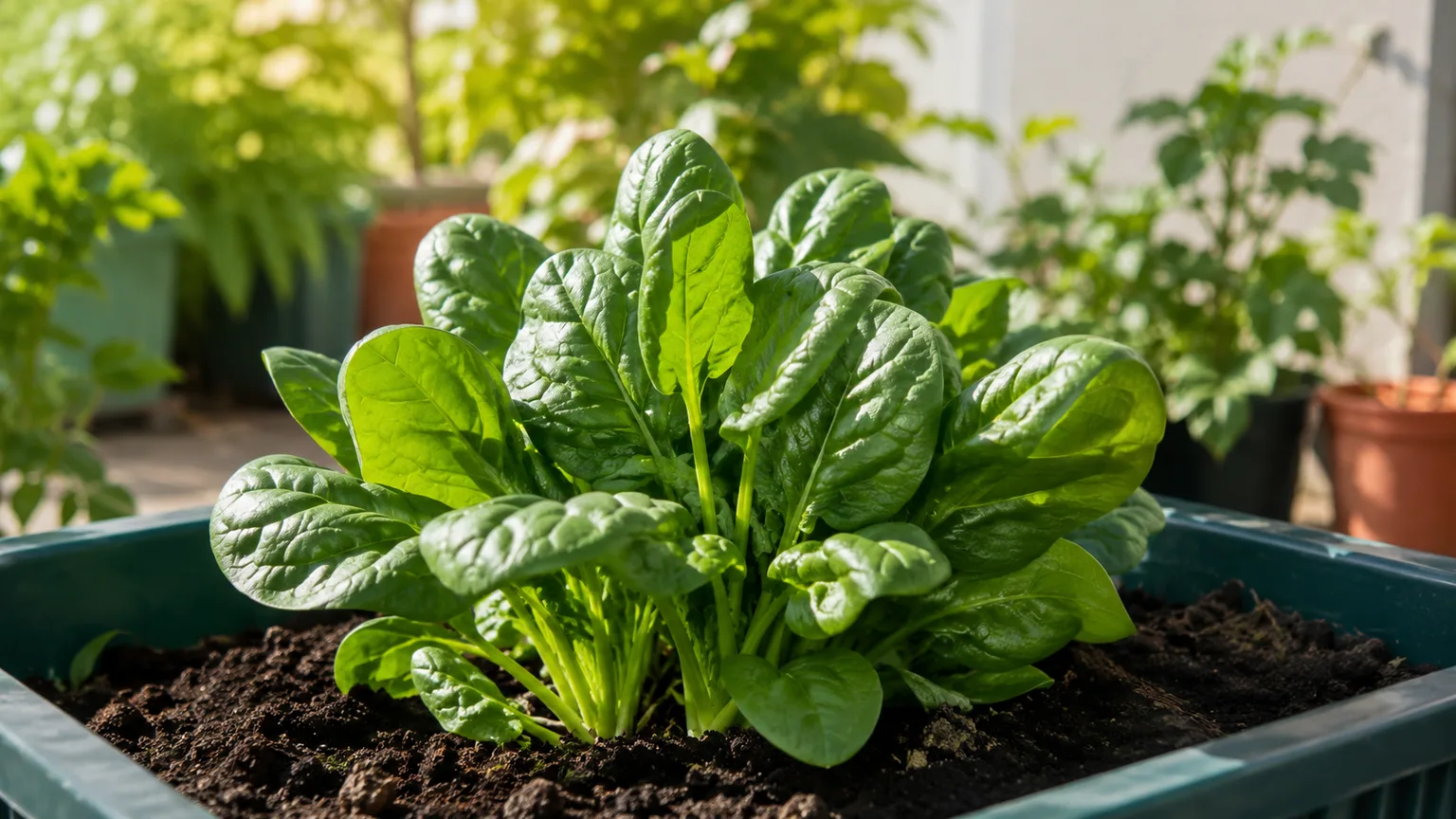
Grow More Palak: Spinach Seed & Succession Tips
Grow More Palak: Spinach Seed & Succession Tips
Spinach propagation for Spinacia oleracea—the true spinach sold as palak across South Asia—means one thing in practice: growing from seed. Unlike Malabar spinach (Basella alba), which roots easily from cuttings, garden spinach is a cool-season annual that completes its life cycle in a single season and does not regenerate from leaf or stem fragments. NC State Extension lists seed as the recommended propagation strategy, and every reliable home harvest starts with getting sowing timing, depth, and moisture right.
If you are staring at a bolted rosette wondering whether you can root the leaves, the answer is no. Your next crop comes from a fresh sowing in cool weather, not from vegetative cloning. The good news is that spinach seed is inexpensive, sprouts quickly when soil is cool, and pairs naturally with succession sowing so you are never dependent on one long-lived plant.
How Spinach Actually Multiplies
Spinach forms a low rosette of leaves, then—when heat, drought, or long days trigger bolting—sends up a flowering stalk and sets seed. Each plant is genetically finished once it commits to flowering, which is why propagation is always about starting the next generation from seed rather than “reviving” an old one. The RHS describes spinach as a fast, compact crop ideal for repeat sowings and cut-and-come-again harvests, which matches how growers treat palak in short cool windows.
True spinach vs heat-loving “spinach” substitutes
Search results often mix Malabar spinach, New Zealand spinach, and amaranth greens with true spinach. That matters for propagation: Malabar spinach is a vine that roots from cuttings, while Spinacia oleracea does not. For palak dishes and cool-season balcony pots, confirm the seed packet says Spinacia oleracea or “common spinach.” The overview guide for spinach explains growth habit, naming, and how this species differs from summer substitutes.
Why stem cuttings and division do not apply
Houseplant guides talk about division and leaf cuttings because those plants are perennial clumps. Spinach is an herbaceous annual with a taproot and shallow feeder roots; it has no persistent crown to split. Attempting to root severed leaves wastes time. Focus instead on direct sowing where plants will mature, or on module starts you transplant once while seedlings are still small.
When to Sow Spinach for Reliable Germination
Spinach seed germinates best in cool soil, not in the heat of an Indian summer terrace. Penn State Extension recommends sowing when soil temperatures sit roughly 45–68°F (7–20°C), with optimum growth later around 50–60°F (10–16°C). PlantVillage at Penn State notes germination and growth are optimal between about 4–16°C (40–60°F). Hot soil pushes seedlings toward bolting before you get usable leaves.
Cool-soil windows in spring and autumn
In temperate climates, sow four to eight weeks before the average last spring frost and again six to eight weeks before the first fall frost so plants mature in mild weather Penn State Extension. Gardener’s Path suggests direct sowing in spring when soil stays above 40°F (4°C), and for fall crops when soil cools below about 70°F (21°C). Expect five to 21 days to emergence depending on temperature and seed age.
Palak sowing calendar for India and similar climates
For growers in hot lowland regions, treat true spinach as a cool-season crop: sow during the mildest months—often October through February in many parts of India—rather than during peak summer. Use afternoon shade, steady moisture, and bolt-resistant cultivars as temperatures climb. In mild hill stations or winter plains, you may sow slightly earlier or later, but the principle stays the same: if nights are warm and days are long, seed goes in the ground only when you can keep soil cool and moist. Match post-sow care with the spinach light guide and watering guide so seedlings do not dry out or bake on a balcony.
Seed Types, Viability, and Pre-Sow Checks
Spinach seed comes in round-seeded and prickly-seeded types. PlantVillage associates round types with early-spring sowing and prickly types with fall/winter sowing in some traditions, though modern bolt-resistant cultivars blur that line—always read your packet for season notes.
Round-seeded and prickly-seeded strains
Smooth-leaf varieties are easy to clean; savoy types hold grit in crinkles but taste great when young. Neither texture changes propagation: all are sown the same way. Choose bolt-resistant names if your window is short or weather warms quickly.
Soil temperature targets before you sow
Penn State Extension stresses using fresh seed, because spinach germination rates fall faster than many vegetables. Gardener’s Path notes viable storage of about two to four years under cool, dry conditions, but older packets deserve a density test: sow extra, then thin hard. Press a finger into the mix—if the surface is hot to touch at midday, wait for a cool spell or sow in shade/cloche setups rather than forcing seed into hostile soil.
Direct Sowing in Beds and Containers
Direct sowing is the default for spinach. The RHS warns that transplant disruption can encourage premature bolting, which is why outdoor drills and final-container sowing beat repeated repotting. Gardening Know How agrees that spinach dislikes root disturbance and performs best when you sow where plants will finish.
Prepare the planting site or final pot
Loosen soil 12–18 inches (30–45 cm) deep in beds so the taproot can develop Penn State Extension. Incorporate compost or aged manure so the mix stays fertile and moisture-retentive yet drains—see the spinach soil guide for potting ratios. For containers, use a pot at least 30 cm wide and deep with drainage holes; shallow 15–20 cm bowls can work for baby leaves if you water often NC State Extension.
Depth, row spacing, and covering seed
Sow ½ inch (1.3 cm) deep—roughly ¼–½ inch on the shallow side in heavy soil NC State Extension Penn State Extension. Space seeds 2 inches (5 cm) apart in rows 12–18 inches (30–45 cm) apart, or scatter thinly in wide containers Penn State Extension. Cover lightly, firm the surface, and water with a fine spray so you do not expose seed. Keep the zone evenly moist until cotyledons appear—usually within 7–10 days in cool, moist conditions Penn State Extension.
Thinning, Succession Sowing, and Harvest Rhythm
Crowded spinach competes for light and air, encouraging leggy seedlings, slow growth, and disease. Thinning is propagation aftercare, not optional cleanup.
How to thin without damaging shallow roots
When seedlings reach about 2 inches (5 cm) tall, thin to 4–6 inches (10–15 cm) between plants Penn State Extension NC State Extension. Snip extras at soil level instead of pulling if neighboring roots are tangled. Eat thinnings as microgreens. Poor spacing is a common reason young plants stall—compare symptoms with the spinach slow-growth and leggy-growth pages if rosettes stay spindly.
Staggered sowings for cut-and-come-again crops
Because each plant lives only weeks to a few months in heat, sow every one to three weeks during cool weather NC State Extension Gardener’s Path. The RHS recommends repeated sowings for continuous pickings. Harvest outer leaves while leaving the crown intact; once a central flower stalk rises, pull the plant and rely on the next sowing. Light feeding after establishment is covered in the spinach fertilizer guide.
Indoor Starts and Careful Transplants
Sometimes you want a head start before soil outdoors is workable. Spinach can be started indoors, but treat transplanting as a risk management step, not the easy path.
Module sowing when you need an early crop
Four to eight weeks before your last frost, sow in modules or shallow trays with sterile seed-starting mix Gardener’s Path. One seed per cell reduces root tangling. Keep mix moist, provide bright light, and avoid heat mats that push temperatures above the mid-60s °F unless your room is cold. The goal is stocky seedlings, not tall, pale stems.
Hardening off and minimizing root disturbance
Transplant outdoors when seedlings are 2–3 inches (5–7.5 cm) tall, after gradual exposure to outdoor light and wind Gardener’s Path. Plant the root ball intact at the same depth it grew in the tray; do not bury the crown. Water immediately and shade for a few days if sun is strong. If plants wilt despite moist soil, review wilting on spinach and whether roots were torn—spinach rarely forgives rough handling. For containers, prefer sowing directly in the final pot per the repotting guide, which explains why this crop is seldom “repotted” in the houseplant sense.
Seedling Aftercare Through First Harvest
Propagation does not end at emergence. The first two weeks determine whether you get a full rosette or a disease wipeout.
Moisture, airflow, and damping-off prevention
Spinach needs steady moisture but not saturated crowns. NC State Extension lists seedling damping-off among common problems. Water in the morning, aim at soil, and thin for airflow. If mix stays soggy and stems pinch at soil line, discard affected trays and resow with fresh mix—see mold on soil and overwatering for overlapping symptoms. In humid monsoon balconies, a slightly grittier top layer and fewer seeds per pot reduce fungal pressure.
Light and heat management to delay bolting
Give winter sowings full sun where air is cool; offer afternoon shade as temperatures rise. Spinach tolerates roughly 3–4 hours of direct sun but yields less in deep shade NC State Extension. Penn State Extension notes spinach becomes bitter and unusable once bolting begins—heat plus increasing day length ends the harvest. Shade cloth, taller neighbor plants, or moving pots to a cooler wall can buy a week or two, but no propagation trick overrides biology in summer heat.
Troubleshooting Failed or Weak Propagation
Poor germination and leggy seedlings
If nothing emerges after three weeks, suspect old seed, soil too warm, or seed buried too deep. Scratch the surface to confirm depth, resow with new seed, and shade the bed. Leggy, pale stems usually mean low light indoors or heat stress—move seedlings to brighter cool conditions and thin aggressively. Aphids on tender cotyledons are common; check the spinach aphids page before spraying.
Wet soil, crown rot, and post-sow wilting
Yellow lower leaves with wet mix point to root stress rather than propagation failure alone. Improve drainage, reduce watering frequency, and ensure pots drain freely—root rot on spinach walks through recovery limits on annual crops. Remember spinach is frost-tolerant to about 20°F (-7°C) once established NC State Extension, but young seedlings still need protection from hard freezes and from drying wind on rooftop gardens.
When to use this page vs other Spinach guides
Use this propagation guide when you are starting a new crop from seed, planning succession sowings, or diagnosing germination and seedling problems. For day-to-day moisture checks, visit the watering guide. For mix recipes and pH, see soil. For window placement and shade tactics, read light. For moving seedlings to larger pots—rare for this annual—see repotting. For identity, toxicity, and cluster navigation, start at the spinach hub.
Related Spinach guides
- Overview — species ID, palak naming, bolting basics, and pet-caution notes.
- Light — seasonal sun vs shade to keep rosettes compact after sowing.
- Watering — shallow-root moisture rhythm from cotyledon to harvest.
- Soil — compost-rich, well-drained mixes for beds and containers.
- Fertilizer — light feeding once true leaves expand.
Conclusion
Spinach propagation is seed sowing done in cool soil, at shallow depth, with prompt thinning and repeat plantings. Direct sow into beds or final containers whenever possible, handle any transplant gently while seedlings are small, and plan on new seed every few weeks instead of one perpetual plant. Match moisture and light to the season, and pull bolting rosettes early so they do not shade the next palak batch. With fresh seed and realistic timing—especially in warm climates—you can turn a packet into months of tender leaves.
Related tool
Try the Propagation Success Calculator with spinach pre-selected to estimate needs for your setup.