Sponge Gourd Soil Guide: Mix, pH & Drainage
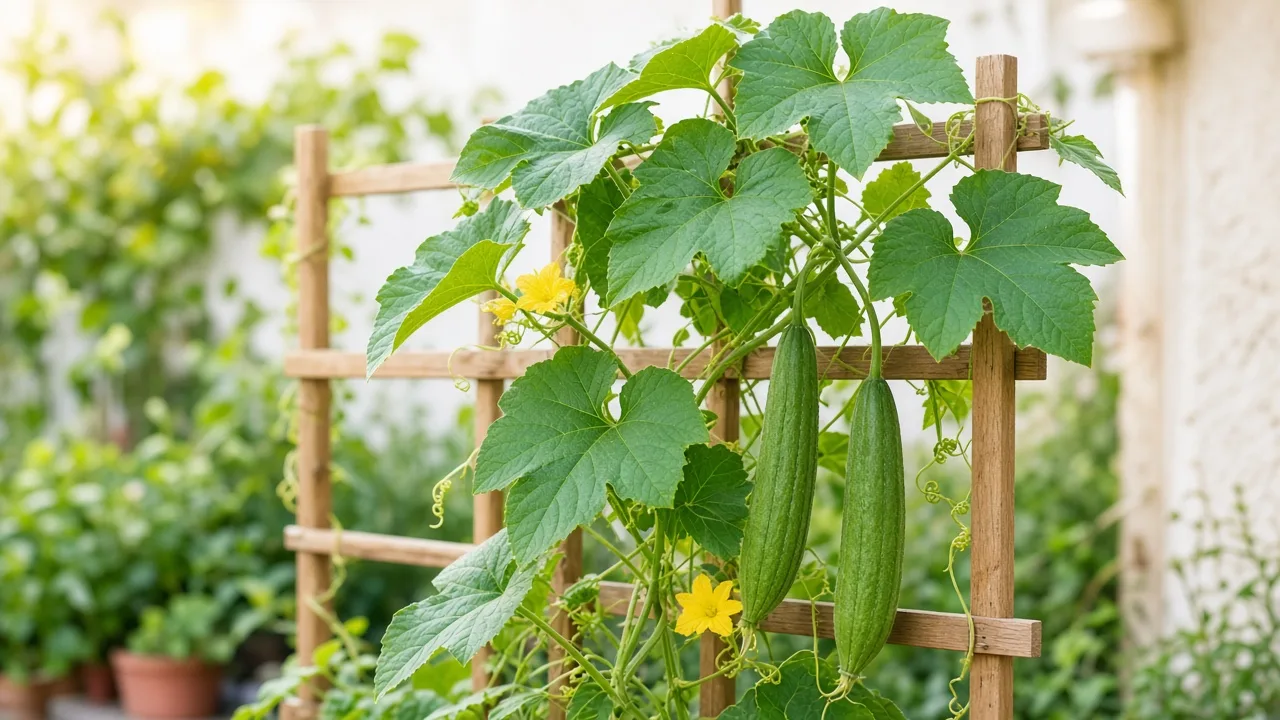
Sponge Gourd Soil Guide: Mix, pH & Drainage
Sponge Gourd Soil Guide: Mix, pH & Drainage
Sponge gourd soil has one job through a long warm season: hold enough moisture for a thirsty cucurbit vine without turning the crown into a swamp. Luffa cylindrica—nenua in many Indian kitchens, loofah when you grow for fiber—is not a windowsill herb. It is a fast annual climber whose roots must feed metres of tendril growth, yellow flowers, and swelling cylindrical fruit. Get the texture wrong and you will fight wilt, blossom drop, and rot even when you “water correctly” on paper.
This page is only about the root zone. For the full picture—harvest goals, trellis height, pet caution around bitter cucurbits—start at the Sponge Gourd hub. For how often to irrigate once the mix is right, see the Sponge Gourd watering guide.
Why sponge gourd is picky about the root zone
NC State Extension sums up garden needs in one line: sponge gourd wants at least six hours of full sun, well-drained and evenly moist rich loam, good air circulation, and a sturdy trellis. That combination—moist but not saturated—is the heart of sponge gourd soil. The same profile notes the vine will tolerate nutritionally poor soil, which tempts growers to skip compost. In practice, lean or compacted media on a hot terrace still produces midday wilt and small fruit because the plant cannot move enough water during fruit swell.
Fast vines need steady moisture and open pores
During peak summer growth, sponge gourd behaves like other cucurbits: large leaves transpire heavily and fruit sizing pulls water fast. Roots that cycle between dust-dry surface soil and a soggy bottom layer send stress signals—midday flagging, aborted flowers, gourds that stall at finger length. The RHS lists sponge gourd for loam or sand with moisture moist but well–drained, with pH anywhere from acid through neutral to alkaline. You do not need laboratory-perfect acidity; you need a mix that releases extra water within minutes of irrigation while staying lightly damp in the centre of the root ball two days later in warm weather.
Cucurbit roots versus houseplant “succulent mix” advice
Terrace gardeners sometimes reach for cactus blend or very gritty “fast drain” mixes because summer pots feel risky. Sponge gourd is the opposite of a succulent. Editorial guides for loofah emphasize organic matter before planting and excellent drainage rather than bare grit. Think vegetable-garden loam in a large container, not desert substrate. If water runs straight through and the pot weighs nothing by evening, add mature compost and a modest coarse fraction instead of watering four times a day.
Ideal texture for Luffa cylindrica roots
Target fertile, moisture-retentive loam with a coarse aeration fraction. In beds, that means dig in well-rotted organic matter across the planting zone, not a single shovel of compost in the planting hole. In pots, blend quality potting base with compost and perlite or coarse sand so fine particles hold water near roots while channels let monsoon surges exit.
What “rich loam, moist but drained” means in practice
After a deep watering, water should exit drainage holes within a few minutes. Press your finger 2–3 cm into the mix: it should feel cool and slightly moist, not muddy. On open ground, a raised ridge or mound helps where monsoon rain ponds. Match this texture to your watering checks—soil and irrigation are one system.
A practical starting blend for large terrace containers mirrors LeafyPixels hub data and extension-style cucurbit culture:
- 50% quality potting mix or screened loam
- 30% mature compost or well-rotted manure (fully finished, not hot)
- 20% perlite, coarse sand, or pumice for drainage
Adjust after you observe your balcony: add more coarse material if saucers stay full after drizzle-heavy weeks; add more compost if pots bake dry in one sunny afternoon.
Useful pH for sponge gourd
Most kitchen-garden guides centre sponge gourd and close cucurbit relatives around pH 6.0–7.0. NC State’s loam description and The Spruce’s loofah profile citing roughly 6.0–6.5 fit that band. The RHS allows acid, neutral, or alkaline soils for this species, so chasing decimal points matters less than fixing compaction and waterlogging. Run a soil test only if leaves stay pale despite good drainage and steady moisture; otherwise spend your effort on structure and the Sponge Gourd fertilizer guide after roots establish.
Preparing in-ground beds and raised rows
Where you have garden soil, sponge gourd rewards the same prep as ridge gourd or bottle gourd: organic-rich, well-drained ground in full sun per the light guide. Sow or transplant only after nights are warm and the upper soil layer is workable—not cold, sticky clay right after the first monsoon burst.
Compost and manure before sowing
Spread 5–10 cm of mature compost or well-rotted manure across the bed and mix into the top 20–30 cm while the soil is moist but not sodden. Firm the surface lightly before direct sowing or setting transplants. One deep compost layer beats repeated shallow top-dressing during the season because cucurbit roots explore widely along the trellis line. If you are growing for loofah sponges rather than frequent young picks, plan fertility for a longer run—roots need consistent support while selected fruits mature on the vine.
Heavy clay and pure sand fixes
On heavy clay that cracks when dry and glazes when wet, raise the root zone. A ridge 10–15 cm high along the trellis row speeds drainage after monsoon downpours while roots still access moisture below. On pure sand that cannot hold a morning irrigation, extra compost increases water-holding capacity so vines are not on a permanent drought cycle. Do not plant into a narrow “perfect” pocket in unchanged clay; it becomes a sump that drowns roots while the surrounding ground stays hard.
Terrace pot mix ratios
Sponge gourd in a pot is viable only with a large volume, open drainage holes, and a trellis anchored to wall or railing. This is not a 20 cm herb pot crop. Roots need mass to buffer heat on concrete terraces and to supply fruit swell without hourly wilting.
Minimum pot volume with a trellis
Plan at least 40–60 litres of mix per strong vine on a sunny terrace—often a half-barrel or equivalent grow bag. Multiple smaller pots dry unevenly and tip when vines load with fruit. Every container needs multiple unobstructed drainage holes; a layer of stones does not replace clearing blocked outlets. Empty saucers after watering so the pot is not standing in stagnant water during humid weeks.
DIY blend versus store potting mix
Peat-free or coco-based vegetable or multipurpose potting mixes work as the fine fraction if you amend for drainage. Avoid moisture-control crystals as a substitute for structure—they can keep the centre wet while the surface looks dry. Bagged “garden soil” alone compacts in pots, drains poorly, and may carry pathogens; use it only as part of the loam fraction, heavily amended. For seed starting and the single move into the final pot, coordinate with the Sponge Gourd propagation and repotting guides so roots are not bare-rooted repeatedly.
Monsoon and waterlogged beds
On Indian plains and coasts, zaid or early warm-season sowings often sit through weeks of cloud, drizzle, and sudden heavy rain. When the mix stays dark and cool at the surface for many days, roots lose oxygen even if you skip irrigation. Mound beds before sowing, clear trench drains between terrace pots, and tilt containers slightly so water runs off rather than pooling at the crown.
If lower leaves yellow while soil smells sour, stop watering until the upper 3–4 cm dries, improve airflow around the trellis, and scrape away any green algae crust on the surface. Chronic monsoon saturation is a soil-structure problem—adding fertilizer will not green up leaves on drowning roots. Consider moving small pots under eaves during multi-day storms while still giving full sun on clear days.
In-ground beds versus large pots
| Factor | In-ground / raised bed | Large container + trellis |
|---|---|---|
| Moisture buffer | High; roots explore wide | Limited; dries faster on concrete |
| Monsoon risk | Ponding in low spots | Blocked holes, full saucers |
| Soil refresh | Rotate cucurbit plots yearly | Replace or heavily refresh mix after crop |
| Best for | Multiple vines, loofah maturity | Terraces, rented spaces, movable support |
Neither option forgives deep shade or tiny pots. Soil only supports the season when light and support are already right.
Soil at sowing and transplant
Direct sow into soil warmed to about 21–24°C at seed depth, as the RHS propagation note recommends for luffa. Cold, waterlogged seedbeds rot seed before emergence—common when gardeners sow into saturated monsoon ground without raised drainage. For transplants, use moist, well-drained mix in cells, then move once into the final blend above; cucurbit roots resent disturbance, so treat planting as one transition, not serial repotting.
Warning signs your mix is failing
Soil problems show up in leaves and fruit before pests do.
Yellow leaves and sour-smelling roots
Lower leaves yellowing while the mix stays wet often means waterlogging or nitrogen loss in airless media—not a call to water more. Gently lift a struggling plant: healthy roots are pale and firm; brown, mushy roots smell sour and need trimmed tissue, fresh mix, and reduced watering volume. Wilting with wet soil is a drainage red flag—overlap with poor watering habits, but fix the mix first.
Blossom drop and small fruit
Roots that dry to cracking between irrigations cause midday wilt and blossom drop even on well-fed vines. Fruit that starts then stalls at small size often traces back to moisture stress or poor pollination, but chronic droughty soil is a frequent terrace culprit. Bitter fruit is a separate cucurbit safety issue—discard bitter gourds regardless of soil quality.
Refreshing soil after the annual crop
Sponge gourd is an annual vine in most climates. After harvest, do not treat spent mix as permanent perennial border soil. Cucurbits can leave behind disease inoculum and salt buildup from season-long feeding. Empty containers, remove old roots, and either replace mix or refresh with new compost and aerating material before planting another cucurbit. If last season’s vine collapsed with unexplained wilting, use fresh mix rather than recycling. Saving seed from non-bitter mature fruit is how you grow again—not by reusing diseased soil.
When to use this page vs other Sponge Gourd guides
Use this soil guide when you are choosing, amending, or troubleshooting the root zone—before sowing, at transplant, or when leaves look stressed despite calendar watering. Open watering for how deep and how often to irrigate this mix. Use fertilizer once drainage and texture are sound but growth is pale. Use light when vines are leggy or sun-starved regardless of soil. For seed depth, soaking, and spacing, see propagation; for the single move into a final large pot, see repotting; for vine training after roots establish, see pruning.
Related Sponge Gourd guides
- Sponge Gourd overview — nenua versus loofah harvest goals and pet caution
- Watering — moisture checks matched to this mix
- Light — full sun and terrace placement
- Fertilizer — feeding after soil structure is right
- Propagation — sowing into warmed, well-drained mix
- Repotting — one move into the final trellis setup
Conclusion
Sponge gourd soil should behave like good vegetable loam: fertile, organic-rich, slightly acidic to neutral, moist in the root zone, and never stagnant. Dig compost into beds or blend potting mix with mature compost and a coarse drainage fraction for large terrace pots. Confirm water flows freely from holes, mound or raise rows where monsoon rain ponds, and refresh mix after the annual crop. Fix structure before chasing pH or extra fertilizer—then let steady moisture and full sun carry the vine from tender nenua picks to dried loofah sponges.
Related tool
Try the Soil Mix Calculator with sponge gourd pre-selected to estimate volumes for your pots.