How to Add Calcium to Soil: 9 Methods That Work
Learn how to add calcium to soil with lime, gypsum, eggshells, and more. Match the amendment to pH, soil-test results, plants, and watering habits.
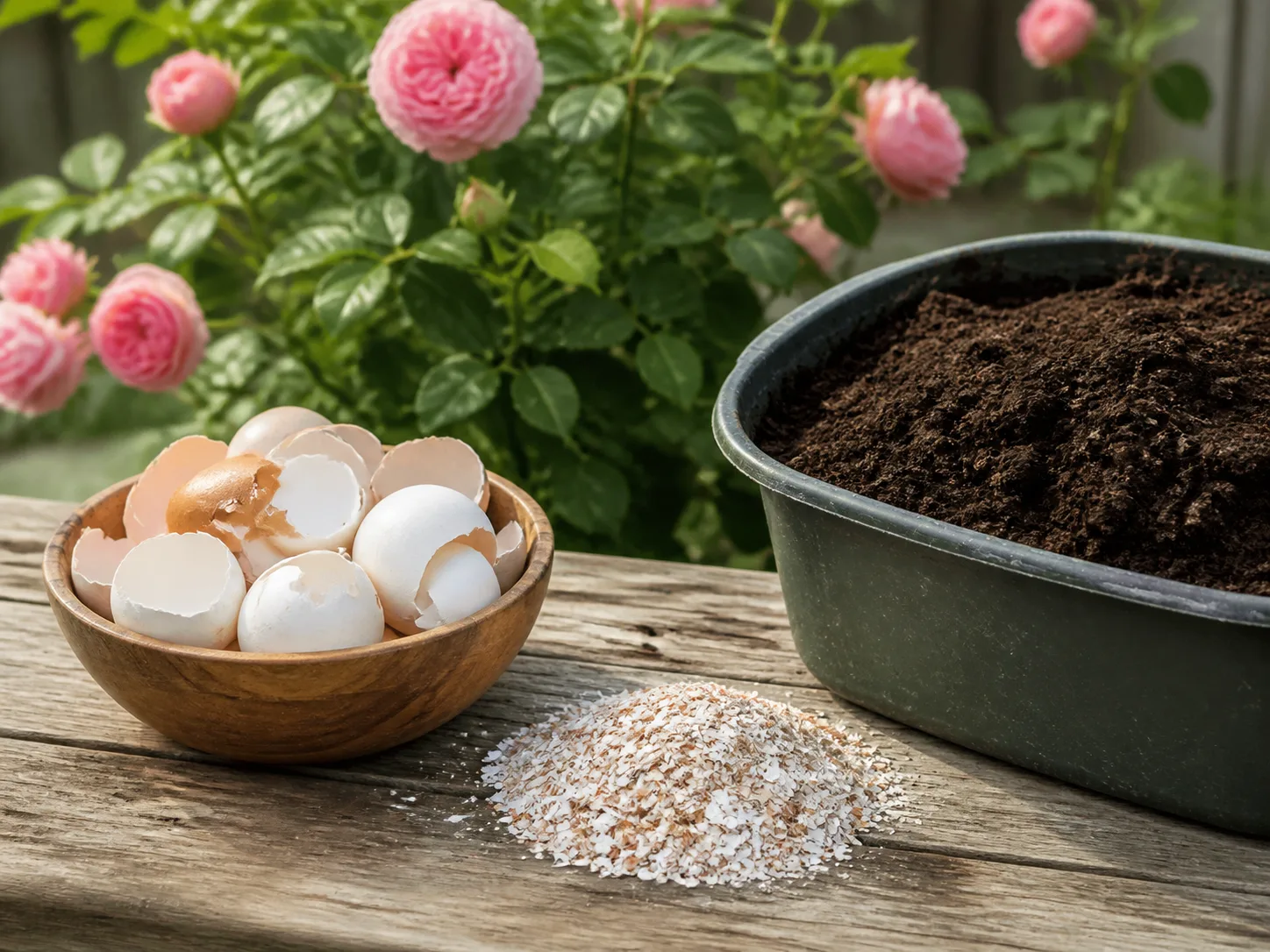
Adding calcium is not automatically the same as fixing a calcium problem. The right amendment depends on what your soil test says about pH, exchangeable calcium, magnesium, phosphorus, and soluble salts—and on whether roots have enough consistent moisture to move calcium into new growth.
For most gardeners, the best first move is simple: test the soil, identify the soil change you actually need, then choose a calcium source that does not create a second problem. If a tomato has blossom-end rot, check watering and root conditions before assuming the bed is calcium-starved.
Test before you amend
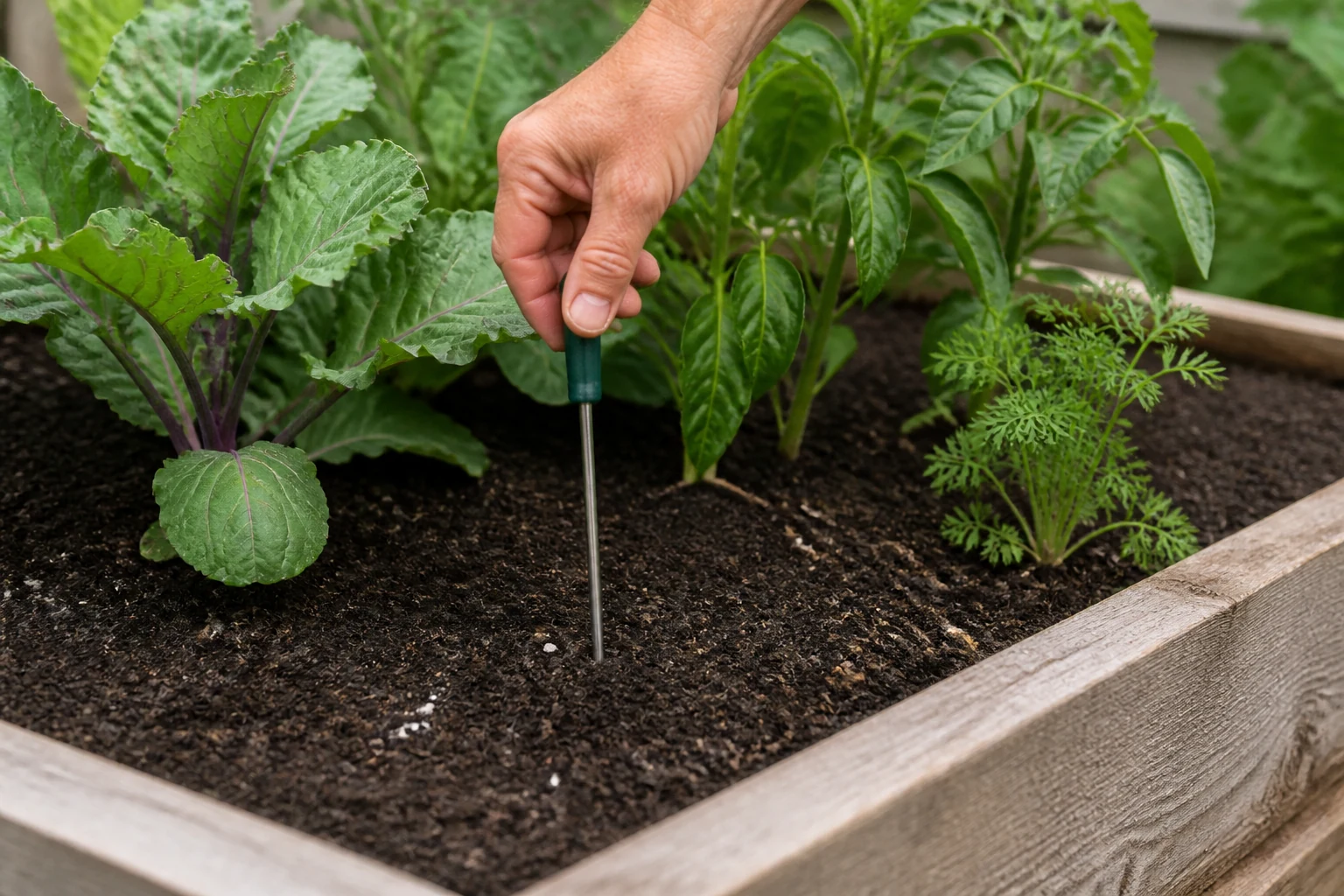
Use a laboratory soil test for an outdoor bed, especially before applying a substantial amount of lime, wood ash, or a phosphorus-rich product. A proper test can measure plant-available calcium and magnesium, pH, phosphorus, organic matter, and sometimes exchangeable acidity or a buffer-pH-based lime requirement; Penn State’s soil-testing guide explains why the recommendation matters more than a single number on a home test strip.
Take several cores from the root zone of the bed, mix them in a clean bucket, and submit the representative sample according to the lab’s instructions. Do not combine soil from a limed bed with soil from an acid-loving planting or a compost pile; you want the sample to describe the area you plan to amend.
Read pH, calcium, magnesium, and phosphorus together
The most useful question is not “How many parts per million of calcium are in this sample?” It is “What does this soil need, and what will this amendment add along with calcium?” A calcium result below the lab’s optimum range may justify an amendment, but an above-optimum result is not a reason to add more; Penn State’s guide to reading soil reports specifically cautions that above optimum is not better.
Treat pH as the first sorting step. Calcitic lime and dolomitic lime add calcium while raising pH; gypsum adds calcium without acting as a liming material; eggshells, shell flour, wood ash, bone meal, and rock phosphate can also push a soil toward alkaline conditions or add another nutrient. A soil with adequate calcium but poor drainage will not be rescued by another bag of amendment.
CEC, or cation exchange capacity, is useful context rather than a direct calcium-uptake score. It describes how strongly a soil can hold positively charged nutrients such as calcium, magnesium, potassium, and ammonium; a sandy soil with low CEC may need smaller, more carefully timed inputs than a clay-rich soil, but CEC alone does not prove a plant is deficient.
Diagnose calcium uptake before adding more
Calcium moves with water through the plant and is especially important in young tissues, root tips, shoots, and developing fruit. When roots are damaged, the soil swings from very dry to saturated, or the plant is growing faster than its water supply can support, new tissues can show calcium-related damage even when the soil contains plenty of calcium.
Symptoms that can point to a calcium-related problem
Possible signs include distorted or curling young leaves, weak new growth, damaged root tips, inhibited buds, leaf-tip or margin scorch on new leaves, and fruit disorders such as blossom-end rot or bitter pit. These symptoms overlap with heat stress, salt injury, root disease, herbicide damage, and other nutrient imbalances, so treat them as clues rather than a diagnosis; Oregon State University’s nutrient guide lists the symptoms and the conditions that can mimic them.
Blossom-end rot is the classic trap. A dark, sunken, leathery patch on the bottom of a tomato or pepper is a localized calcium problem in the fruit, but it is often associated with uneven soil moisture, high heat, rapid growth, root damage, or excess fertilizer rather than a simple shortage of calcium in the bed. Penn State’s current discussion notes that blossom-end rot is rarely accompanied by low soil calcium; fix the water and root environment before throwing eggshells into the planting hole.
9 calcium sources, matched to the soil
Think of the following methods as tools with different jobs, not nine interchangeable “calcium boosters.” The fastest, safest choice is the one that corrects the test result without oversupplying pH, magnesium, phosphorus, potassium, nitrogen, or soluble salts.
| Method | Changes pH? | What else it adds | Best fit |
|---|---|---|---|
| Calcitic agricultural lime | Raises pH | Carbonate | Acidic soil that needs calcium and liming |
| Gypsum | Usually no direct pH change | Sulfur | Low calcium or sodic soil when pH should stay similar |
| Dolomitic lime | Raises pH | Magnesium | Acidic soil that also tests low in magnesium |
| Bone meal | Slight, slow effect | A lot of phosphorus | Low-phosphorus soil where a slow organic source fits |
| Eggshell powder | Slow pH rise | Carbonate | Long-term recycling in a suitable, not alkaline, bed |
| Oyster or clamshell flour | Slow pH rise | Carbonate | Acidic soil needing a slow shell-based amendment |
| Clean hardwood ash | Raises pH quickly | Potassium and salts | Acidic soil with a test-confirmed potassium need |
| Soft rock phosphate | Little immediate change | Phosphorus | A phosphorus deficiency, not a calcium emergency |
| Foliar or soluble calcium | No useful soil correction | Often nitrogen, chloride, or other salts | Label-directed supplement for a confirmed crop issue |
1. Calcitic agricultural lime
Calcitic lime is ground limestone made mostly of calcium carbonate. It is the standard choice when the soil is acidic and the test calls for both a pH correction and more calcium; the carbonate neutralizes acidity while the calcium becomes part of the soil’s exchangeable nutrient pool.
Use the soil-test rate, not a generic scoop per plant. The amount depends on texture, buffer pH, lime fineness, and the depth you plan to amend. Incorporating the recommended amount into the root zone before planting is usually more effective than leaving a thick layer on the surface, and finely ground material reacts faster than coarse material; the Penn State aglime guide explains why lime quality and fineness affect the result.
Do not use calcitic lime simply because a plant has brown tips. It can raise pH too far and reduce the availability of iron, manganese, zinc, or phosphorus. Keep it away from acid-loving blueberries, azaleas, rhododendrons, and other plants whose growing medium is intentionally acidic; the Royal Horticultural Society’s liming guidance also advises using garden lime for outdoor soil rather than potting media.
2. Gypsum
Gypsum is calcium sulfate. It supplies calcium and sulfate without the carbonate that raises soil pH, which makes it the main candidate when a test shows calcium is low but the soil is already near the crop’s target pH.
Gypsum is also useful in a narrower soil-reclamation situation: a laboratory-confirmed sodic soil with excess sodium, where calcium can help displace sodium and improve structure when followed by appropriate drainage and leaching. It is not a universal clay-breaker, and it will not magically loosen compacted soil that is compacted because of traffic, poor organic matter, or bad drainage; Utah State University Extension warns that gypsum should be reserved for a verified need in its region.
Do not choose gypsum merely because the bag promises better soil. In many gardens, the soil already contains enough calcium, and adding gypsum can supply unnecessary sulfur or salts. Follow the test or product label, incorporate it only as recommended, and address compaction with traffic control, roots, organic matter, and drainage rather than relying on calcium sulfate alone.
3. Dolomitic lime
Dolomitic lime contains calcium carbonate and magnesium carbonate. It makes sense only when the soil is acidic and the soil test indicates that magnesium is also low; otherwise, calcitic lime is usually the cleaner way to add calcium while correcting pH.
This distinction matters because magnesium competes with calcium and potassium for exchange sites and can build up when dolomitic lime is applied repeatedly. If the report says magnesium is adequate or high, dolomitic lime can push the balance in the wrong direction and make later nutrient problems harder to interpret.
4. Bone meal
Bone meal is a slow organic fertilizer with a substantial phosphorus contribution and some calcium in calcium-phosphate compounds. Use it when a soil test and crop plan indicate that phosphorus is low and a slow source suits the bed—not as a quick calcium treatment for a tomato already showing blossom-end rot.
Adding bone meal to a soil that already tests high in phosphorus can create an unnecessary nutrient surplus. Excess phosphorus can move into runoff and can also become less available under unfavorable pH conditions. Utah State University’s organic fertilizer table is a useful reminder that organic does not mean nutrient-free or risk-free.
5. Finely ground eggshells
Eggshells are mostly calcium carbonate, but the calcium is locked in a hard, sparingly soluble structure. Rinse off residue, dry the shells, and grind them as finely as practical; large flakes can remain visible in soil for a very long time, while powder exposes more surface area to soil acids.
Eggshell powder is a reasonable slow, household-scale amendment for an outdoor bed that is not already alkaline. It is not a reliable emergency treatment for blossom-end rot, and adding a handful to a planting hole does not guarantee that a young plant can access the calcium during a rapid growth spurt. Illinois Extension’s eggshell guidance describes the importance of grinding the shells, while UC Agriculture and Natural Resources cautions that eggshells break down slowly and are not a substitute for testing and sound soil management.
6. Oyster shell or clamshell flour
Ground oyster shell, clamshell flour, and finely milled shell products are also calcium carbonate. They behave more like a slow liming material than a neutral calcium fertilizer, so they can gradually raise pH as well as supply calcium.
Use shell flour only when that pH direction suits the plant and the soil. It is more defensible as a long-term amendment for an acidic bed or a shell-based garden system than as a fast fix for a potted tomato. The Oregon State fertilizer guide groups clamshells and oyster shells with calcium-rich amendments, but the same test-first rule applies: a natural material can still be overapplied.
7. Clean hardwood ash
Wood ash contains calcium carbonate and can act quickly because its fine particles are alkaline and readily dispersed. It also contributes potassium and soluble salts, so it is a liming material with a fertilizer side effect—not a gentle way to add calcium to every garden.
Use only cool ash from clean, untreated wood. Do not use ash from painted or pressure-treated lumber, trash, coal, charcoal briquettes, or fire accelerants. Apply it only when a soil test shows acidic soil and the potassium level does not make ash inappropriate; Illinois Extension notes that wood ash increases alkalinity and salinity and should be guided by a soil test.
Keep ash away from acid-loving plants, seedlings, and concentrated piles around established stems. Never mix it with nitrogen fertilizers or manure in a confined container, and wear eye protection and a dust mask while spreading it. If your soil is already neutral or alkaline, ash is much more likely to create a pH problem than solve a calcium problem.
8. Soft rock phosphate
Soft rock phosphate and colloidal phosphate are primarily phosphorus amendments, not dependable calcium products. Their raw mineral phosphorus is slow to dissolve, especially outside acidic conditions, so using them solely to raise calcium is usually a poor trade.
Choose this method only when the soil test shows phosphorus is deficient and the product analysis fits the crop. Apply it well ahead of planting when the label or soil-test recommendation calls for it; Oregon State’s fertilizer guide lists rock phosphate and colloidal phosphate as phosphorus-rich materials, while Penn State’s phosphorus guidance explains why raw rock phosphate has very low water solubility.
9. Foliar or soluble calcium products
Commercial calcium products may contain calcium nitrate, calcium chloride, calcium acetate, or another soluble form. They can put calcium into contact with leaves or fruit more directly than a slow soil amendment, but a foliar spray does not repair the soil and cannot replace healthy roots, steady moisture, or a correctly managed nutrient program.
Use only a product registered and labeled for the crop and application, and follow its concentration, timing, protective-equipment, and harvest instructions. Stronger is not better: soluble salts can burn leaves or fruit, calcium nitrate adds nitrogen, and calcium chloride can injure foliage under hot, dry, or poorly timed conditions. For blossom-end rot, Oregon State’s extension guidance pairs any emergency spray advice with correcting moisture and fertilization problems; do not improvise a kitchen recipe and assume it is safe for edible crops.
Apply calcium without creating a new problem
Start with the amendment that matches the test, then use the label or laboratory recommendation for amount and placement. Lime and shell materials usually need time to react; gypsum can move more quickly but still depends on moisture and root contact; slow organic and mineral sources should be incorporated early enough for the crop to benefit.
For a new bed, mix an approved amendment into the intended root zone rather than making a narrow band that can create a concentrated salt or pH pocket. For an established planting, avoid digging through the main roots just to bury a product. Water the root zone evenly after application, keep a mulch layer loose and away from stems, and re-test after the time window recommended by the lab instead of repeatedly adding more because a plant did not change overnight.
Garden beds and containers need different rules
Outdoor beds have more soil volume, buffering capacity, and drainage pathways than containers. That does not make them immune to over-liming, but it does make laboratory recommendations more transferable than a teaspoon-per-gallon recipe.
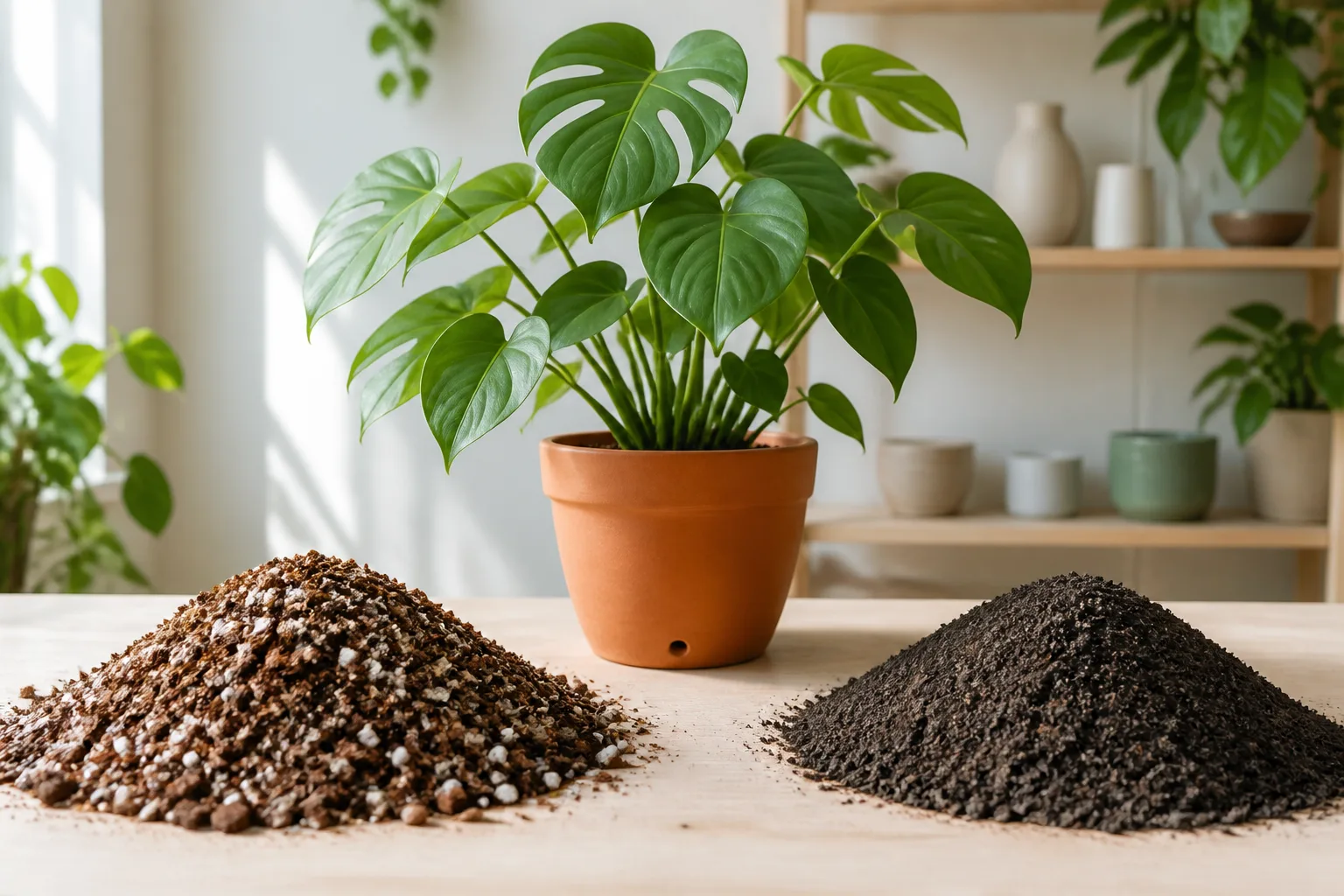
Do not add garden lime, wood ash, or eggshell powder to a houseplant pot as a default treatment. Potting mixes are small, often peat- or coir-based, and may already contain a calibrated pH adjustment and starter nutrients; a dry amendment can create a concentrated alkaline or salty patch. If a container plant has distorted new growth, check light, watering, roots, fertilizer buildup, and the mix’s label before considering a dilute, crop-appropriate product.
Common mistakes that waste calcium amendments
Adding lime without measuring pH. Lime is not a general tonic. It is a pH-changing amendment, so adding it to neutral soil can make iron and other micronutrients harder for plants to access.
Using gypsum to fix every clay soil. Gypsum has a specific role in calcium supply and sodic-soil reclamation. It is not a substitute for drainage, reduced foot traffic, organic matter, or good soil structure.
Treating blossom-end rot as proof of low soil calcium. A dry week followed by heavy watering, root damage, high heat, rapid leaf growth, or excessive nitrogen can interrupt calcium delivery to fruit. Evenly moist soil, mulch, careful fertilization, and healthy roots are often more important than another amendment.
Assuming “natural” means “fast.” Eggshells, shell flour, bone meal, rock phosphate, and ash all behave differently. Some are slow, some change pH, and some add phosphorus, potassium, or salts along with calcium.
Using Epsom salt as a calcium product. Epsom salt is magnesium sulfate, not calcium sulfate. Adding it to a calcium concern can supply magnesium you do not need and may intensify an imbalance; UC ANR’s gardening-myths review specifically flags this mistake in blossom-end-rot advice.
Repeating an application before the soil can respond. Lime, shell products, and rock phosphate can take months or longer to change the root-zone chemistry. Keep records of the product, amount, date, planting area, and test result so the next decision is based on evidence rather than memory.
A practical decision guide
Use this sequence when you are standing in front of a bag of amendment:
- Test the soil. Get pH, calcium, magnesium, phosphorus, and the lab’s lime or amendment recommendation when possible.
- Check the plant’s conditions. Look for dry-to-wet swings, waterlogged roots, root damage, excessive nitrogen, fertilizer salt buildup, heat, and poor drainage.
- Match the pH direction. Acidic soil that needs liming points toward calcitic lime; acidic soil that also needs magnesium points toward dolomitic lime; calcium needed without more pH points toward gypsum.
- Match the secondary nutrient. Choose bone meal or rock phosphate only if phosphorus is actually needed, wood ash only if potassium and pH allow it, and soluble calcium nitrate only if the extra nitrogen is appropriate.
- Use kitchen scraps as slow support. Fine eggshell or shell flour can be part of a long-term soil plan, but neither should be your emergency answer to a fruit disorder.
- Reassess. Improve moisture consistency and root health, wait through the amendment’s expected response time, and re-test before layering on a second calcium source.
Conclusion
The best way to add calcium to soil is not to choose the most popular material; it is to choose the material that fits the soil you actually have. Use calcitic lime for acidic soil that needs calcium and a pH rise, gypsum when calcium is needed without liming, dolomitic lime only when magnesium is also low, and slow or secondary sources only when their extra nutrients make sense.
If the symptom is blossom-end rot or damaged new growth, manage water, roots, heat, and fertilizer alongside the soil test. Calcium works when it is present in the root zone and the plant can move it where new tissue needs it.



