12 Best Shade Plants for a North-Facing Wall
Impatiens, hostas, ferns, and nine more picks for shady, often-dry foundation beds. Learn which tolerate eaves, wet winters, and pet risk before you plant.
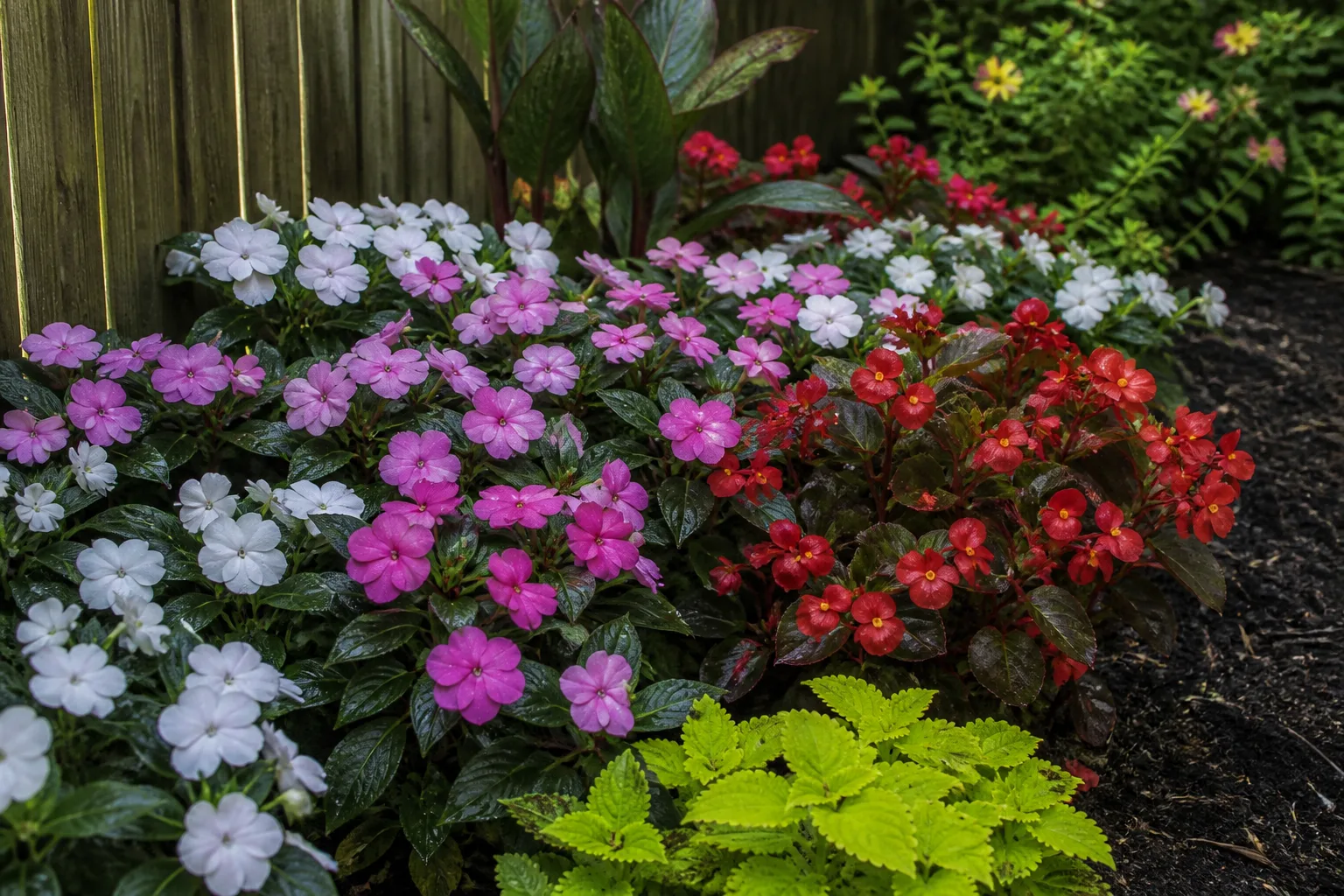
The strip along a north-facing wall looks like it should be easy — no blazing afternoon sun, right? In practice it is one of the trickier foundation beds on the property. Light is low, soil stays cool late into spring, and roof eaves often block rainfall from ever reaching the ground. You get dry shade: dim light plus chronically dry root zones. The plants that merely “tolerate shade” in a moist woodland may sulk here within a season.
This guide covers 12 ornamentals that handle north-wall conditions when you match species to your actual moisture and choose companions that cover seasonal gaps. You will also get a site-reading checklist, soil-prep steps, and a comparison table so you are not guessing at the nursery tag.
Why North-Facing Walls Are Harder Than They Look
A north exposure in the Northern Hemisphere receives little or no direct midday sun. What reaches the bed is usually reflected light from sky and pavement, plus a narrow band of low-angle morning or evening sun at the ends of the day. That is enough for many shade plants — but only if roots stay reasonably moist and the soil drains well in winter.
Walls add two more wrinkles. Thermal mass keeps the root zone cooler than open shade under trees, which slows spring warm-up and can delay emergence of perennials by a week or more compared to the same plants in a woodland border. And foundation grading often slopes toward the house, so water runs away from the wall rather than soaking in.
Rain-Shadow Dry Shade Under the Eaves
The biggest surprise for new gardeners is dryness. Overhanging eaves and gutters create a rain shadow one to three feet (sometimes more) out from the wall. Rain that hits the roof never reaches that soil. Meanwhile, nearby lawn or driveway may shed extra runoff — but the strip directly under the eave lip can be as dry as a patio unless you irrigate.
Dry shade means low light plus low rainfall and often tree-root competition if you are planting under the dripline of a north-side tree. Plants rated for “moist shade” — bleeding heart, tuberous begonia, climbing hydrangea — need supplemental water here even though the tag says shade. Conversely, lilyturf, ajuga, and established yew handle lean moisture better once rooted.
Before you buy anything, dig a test hole after a week without rain. If the soil six inches down is dusty, plan drip irrigation or soaker hose on a timer. One deep soak per week beats daily sprinkles that never penetrate mulch.
How to Read Light Along Your Wall Before You Buy
Spend one sunny day noting when direct sun hits the planting strip. Full shade in garden terms still means bright indirect light or up to about four hours of direct sun — not zero photons. Part shade usually means three to six hours, ideally morning sun with afternoon protection.
North walls in open yards often receive no direct sun midsummer except at the east or west end of the bed. On a corner lot, the northeast or northwest corner may get an hour of early or late sun — enough to widen your list slightly. Do not rely on memory; walk the bed at 8 a.m., noon, and 4 p.m.
If the wall is white or light-colored, reflected light can support foliage plants farther out than you expect. Dark brick absorbs heat but does not add usable light for photosynthesis. Covered porches and deep overhangs push the bed toward true full shade and amplify dryness.
Prep the Bed: Drainage, Soil, and Spacing
North foundations fail more often from wet winter soil than summer drought. Clay that stays saturated when snow melts rots hosta crowns and yew roots. Fix grading so water drains away from the foundation, then amend with compost to improve both drainage and water retention — those goals are not opposites in loamy soil.
Strip sod, loosen compacted soil twelve inches deep, and work in two to four inches of compost. For dry strips under eaves, a thin topdressing of shredded bark mulch after planting reduces evaporation; keep mulch two inches back from woody stems to avoid rot.
Check Drainage Before You Plant
After amending, fill the planting hole with water and watch how fast it drains. If water still pools after an hour, you have a drainage problem — raise the bed with a low berm or install a French drain segment before woody plants go in. Yew and hosta crowns rot quickly in winter soup; impatiens and begonias fail in summer when roots sit wet and warm at once.
Space for mature width, not first-year size. Climbing hydrangea and yew need room decades ahead. Ground covers like ajuga and periwinkle spread — give them a defined edge (edging, path, or sidewalk) so they do not invade lawn. Pull mulch away from hosta crowns in spring to limit slug habitat; see our hosta planting guide for division and slug strategies.
12 Shade Plants at a Glance
| Plant | Type | Typical height | Dry-shade tolerance | Bloom season | Pet safety note |
|---|---|---|---|---|---|
| Impatiens | Annual | 6–24 in. | Low — needs water | Summer–frost | Non-toxic (ASPCA) |
| Ferns (various) | Perennial | 12–48 in. | Species-dependent | Non-flowering | Generally non-toxic |
| Wax begonia | Annual | 6–12 in. | Moderate | Summer–frost | Toxic to pets |
| Tuberous begonia | Annual/tender | 12–18 in. | Low — moist shade | Mid–late summer | Toxic to pets |
| Bleeding heart | Perennial | 24–36 in. | Moderate | Spring | Toxic; dermatitis risk |
| Periwinkle (Vinca minor) | Ground cover | 3–6 in. | Good once established | Spring | Toxic; invasive in some regions |
| Lilyturf (Liriope spicata) | Grasslike perennial | 9–18 in. | Good | Late summer | Generally safe; berries best avoided |
| Hosta | Perennial | 6 in.–4 ft. | Moderate | Summer spikes | Toxic to pets |
| Bugleweed (Ajuga reptans) | Ground cover | 6–9 in. | Moderate | Spring | Generally safe |
| Climbing hydrangea | Woody vine | Climbs 30–50 ft. | Low when young | Late spring–early summer | Toxic to pets |
| Yew (Taxus) | Evergreen shrub | 2–20 ft. by cultivar | Good when established | Non-flowering (berries on female plants) | Highly toxic |
| Flowering quince | Deciduous shrub | 6–10 ft. | Good | Early spring | Fruit edible; stems thorny |
Use the table as a filter, then read the sections below for the details that determine success on your wall.
Annual Color for Dim Foundation Beds
Annuals are the fastest way to test whether your north strip has enough light and moisture for color. They also fill gaps left when spring perennials go dormant.
Impatiens (Impatiens walleriana) remain the workhorse for full-shade bloom in warm weather — mounded plants covered in white, pink, coral, or violet flowers until frost. They want rich, moist, well-drained soil and will wilt quickly in the rain-shadow zone without irrigation. For years, downy mildew devastated impatiens in humid regions; disease-resistant series (check nursery labels for mildew-resistant or Impatiens walleriana hybrids bred for resistance) are essential where the pathogen is established. Space plants for airflow and avoid overhead evening watering.
New Guinea impatiens (Impatiens hawkeri) are taller (12–18 inches) with larger flowers and slightly more sun tolerance — useful if your north bed catches a little morning light. They still need steady moisture.
Wax begonias (Begonia Semperflorens Cultorum Group) handle more sun than impatiens but also perform in part shade along north foundations. Waxy leaves resist brief dry spells better than impatiens; bronze-leaf types show less chlorosis in dim light. The ASPCA lists begonias as toxic to dogs and cats — skip them if pets chew bedding plants. Space widely for airflow to limit powdery mildew.
Tuberous begonias want dappled or bright shade and consistently moist soil — a poor match for the driest eave strip unless you run drip irrigation. Where moisture is reliable, their large flowers are unmatched for late-summer color in pots or raised beds along the wall. Tubers go in after frost danger; lift in fall in cold zones. Also toxic to pets.
For more annual options and light-level matching, see our shade annuals guide.
Spring Perennials: Bleeding Heart
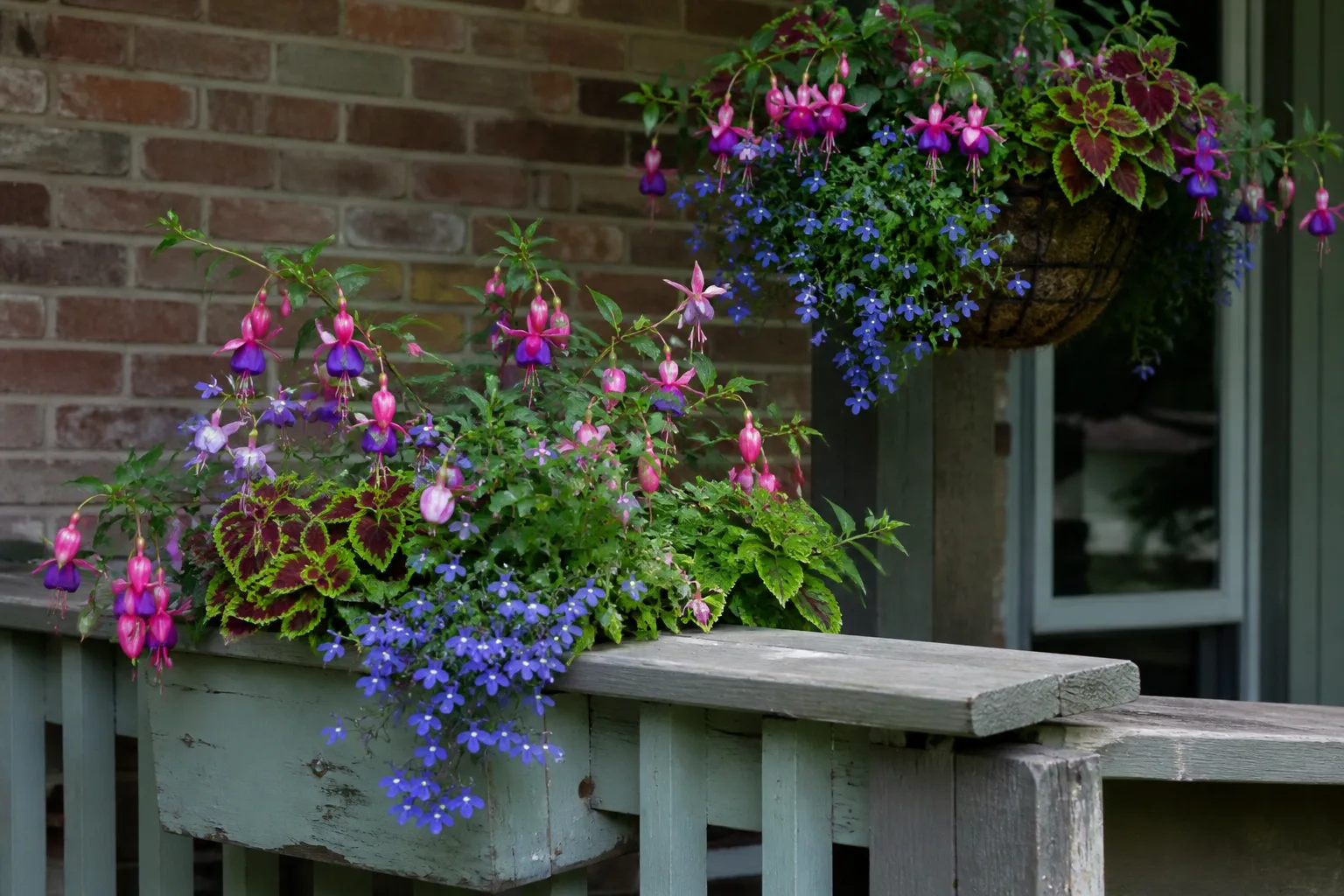
Common bleeding heart (Lamprocapnos spectabilis) is a classic north-wall perennial: arching stems with pink-and-white heart flowers in spring, 2–3 feet tall, hardy in USDA zones 3–9. NC State Extension notes it prefers morning sun with afternoon shade and tolerates heavy shade; it needs neutral to alkaline, moist, humus-rich soil.
The catch is summer dormancy. In warm climates foliage yellows and dies back by midsummer — normal, not disease. Plan for it: plant hostas, ferns, or annuals behind bleeding heart to carry the bed through summer. Fringed bleeding heart (Dicentra eximia) blooms longer with finer foliage if you want a native alternative.
All parts are poisonous if ingested; sap can cause contact dermatitis — wear gloves when dividing. Slugs and aphids are occasional pests. Divide clumps in fall or early spring every few years.
Foliage Anchors — Ferns and Hostas
Long-term north-wall success depends on foliage that looks good from spring through frost without demanding all-day sun.
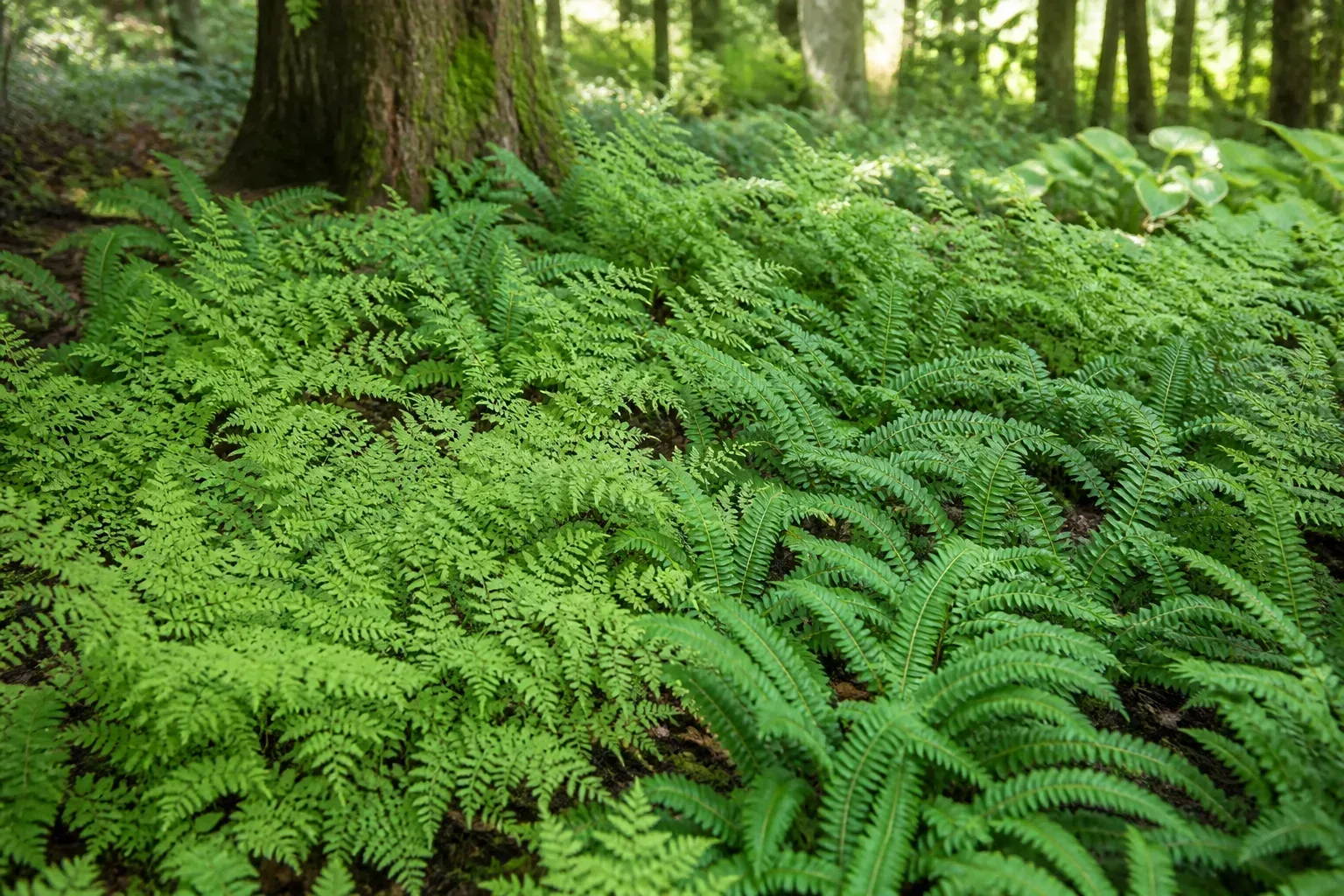
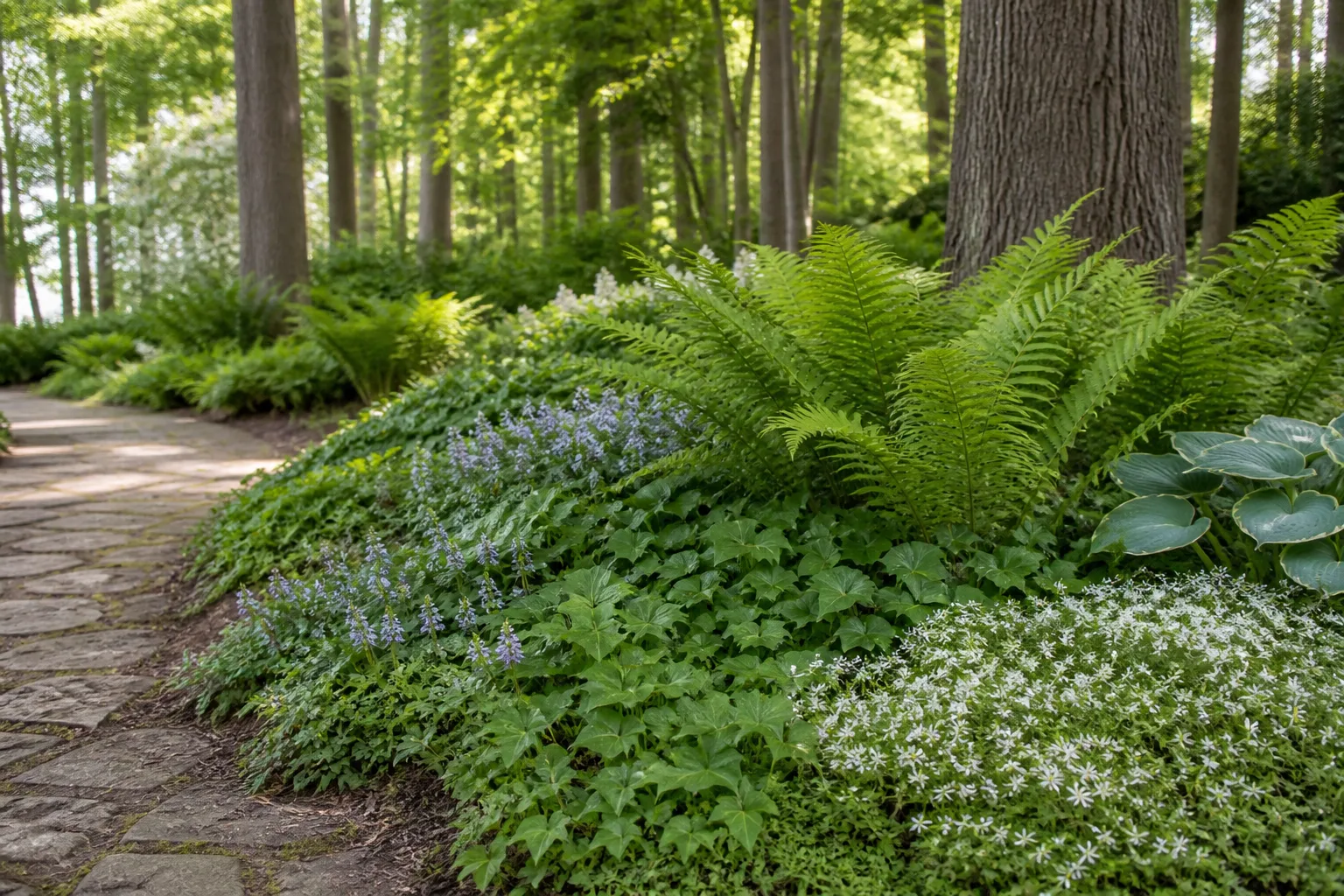
Ferns span dozens of species for zones 2–10. Japanese painted fern (Athyrium niponicum var. pictum) — silvery fronds with burgundy midribs, 12–18 inches — is slow-spreading and ideal for small foundation beds. Ostrich fern (Matteuccia struthiopteris) runs more aggressively but adds height and edible fiddleheads where that is welcome. Match fern to moisture: ostrich and maidenhair want consistent dampness; painted fern and Christmas fern tolerate periodic dryness better once established. Cut back tatty fronds in late winter before new croziers emerge.
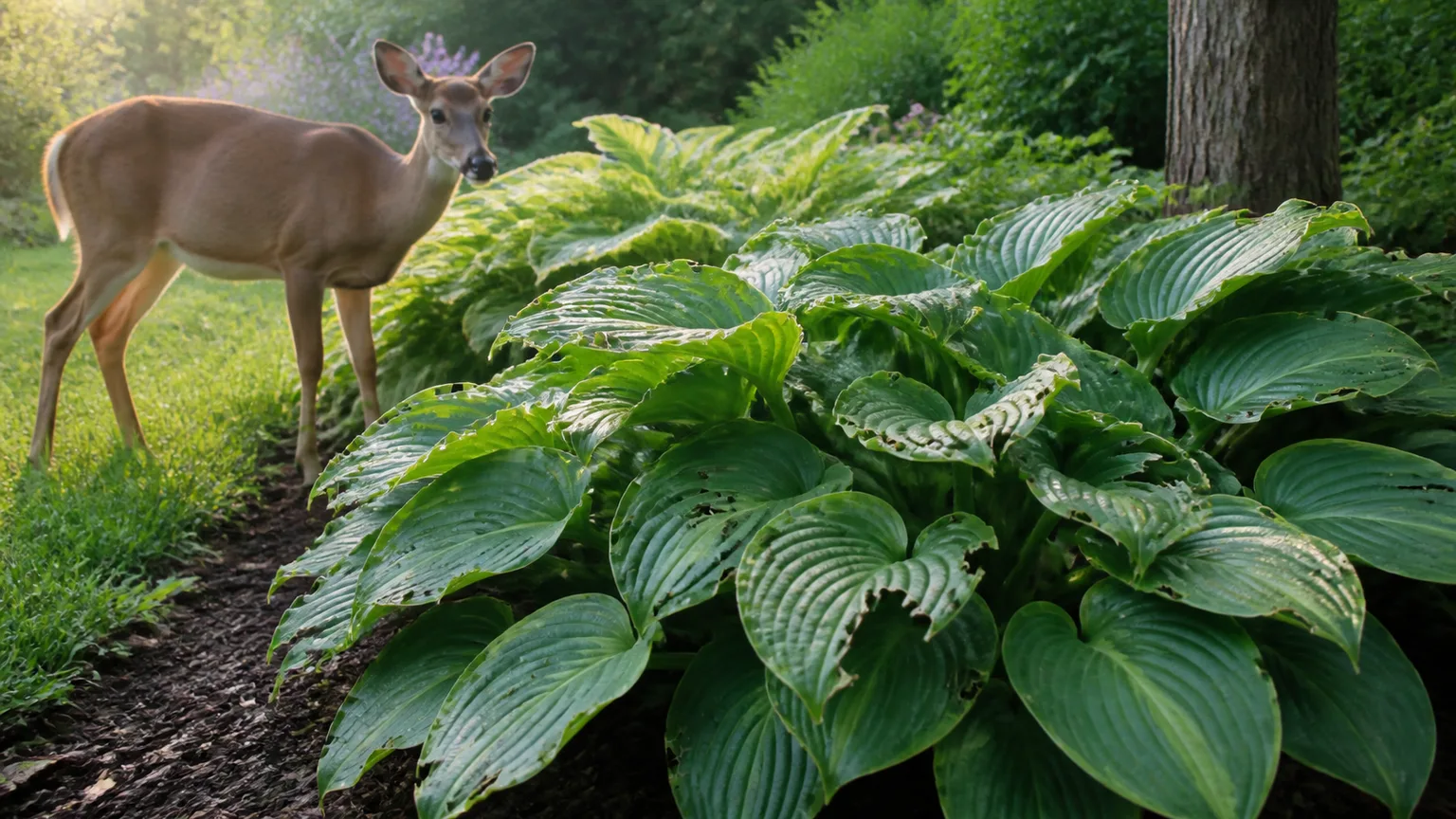
Hostas (Hosta spp.) are the default shade foliage plant: hundreds of cultivars from six-inch miniatures to four-foot giants, zones 3–9. NC State Extension describes them as part-shade to full-shade plants needing rich, moist, well-drained soil. Yellow-leaf cultivars often want more light than blue types; on a true north wall, favor blue-green and variegated types over gold. Hostas flower on tall spikes in summer — usually secondary to leaves.
Slugs and snails shred hostas in wet, heavily mulched shade. Diatomaceous earth, iron-phosphate baits, and thinning mulch help. Hostas are toxic to dogs and cats per the ASPCA. Divide overcrowded clumps in spring; pair with other shade perennials in our companion plants for hostas guide.
Match Ferns to Moisture, Not Just Shade
A fern that thrives in a moist woodland may crisp under eaves. Group moisture-loving ferns in the lowest, dampest end of the bed (near a downspout extension or where slope collects runoff). Plant painted fern, liriope, or ajuga on the dry lip under the eave. One irrigation zone for the whole bed usually fails — split zones if possible.
Ground Covers for Bare North-Side Soil
Bare soil along foundations invites weeds and erosion. These three spreaders fill space in shade — with very different risk profiles.
Lilyturf (Liriope spicata) is a grasslike perennial, 9–18 inches, with lavender summer flowers often hidden by foliage. It tolerates dry shade and root competition better than many ornamentals — a strong choice for the rain-shadow strip. Spreads by rhizomes; mow or shear in late winter before new growth. Can be aggressive in the South; contain with edging.
Bugleweed (Ajuga reptans) forms a glossy mat six to nine inches tall with blue spring spikes. Handles sun to part shade; on north walls it blooms less but foliage — green, bronze, or variegated — carries the show. Cut back after flowering to refresh leaves. Moderate moisture; sulks in extreme dryness without water.
Periwinkle (Vinca minor) is evergreen, 3–6 inches, with blue or white spring flowers. It thrives in dry shade once established and is a traditional foundation ground cover — but the Invasive Plant Atlas documents escape and naturalization in much of the eastern U.S. Check your state and county lists before planting; never dump clippings in natural areas. ASPCA lists periwinkle as toxic to pets. If invasiveness is a concern, use ajuga or lilyturf instead.
For additional spreaders and native options, browse fast-growing groundcovers.
Climbers and Shrubs for Vertical Structure
Vertical interest turns a flat foundation line into a garden. North walls demand woody plants that accept shade and — for vines — patient establishment.
Climbing Hydrangea, Yew, and Flowering Quince
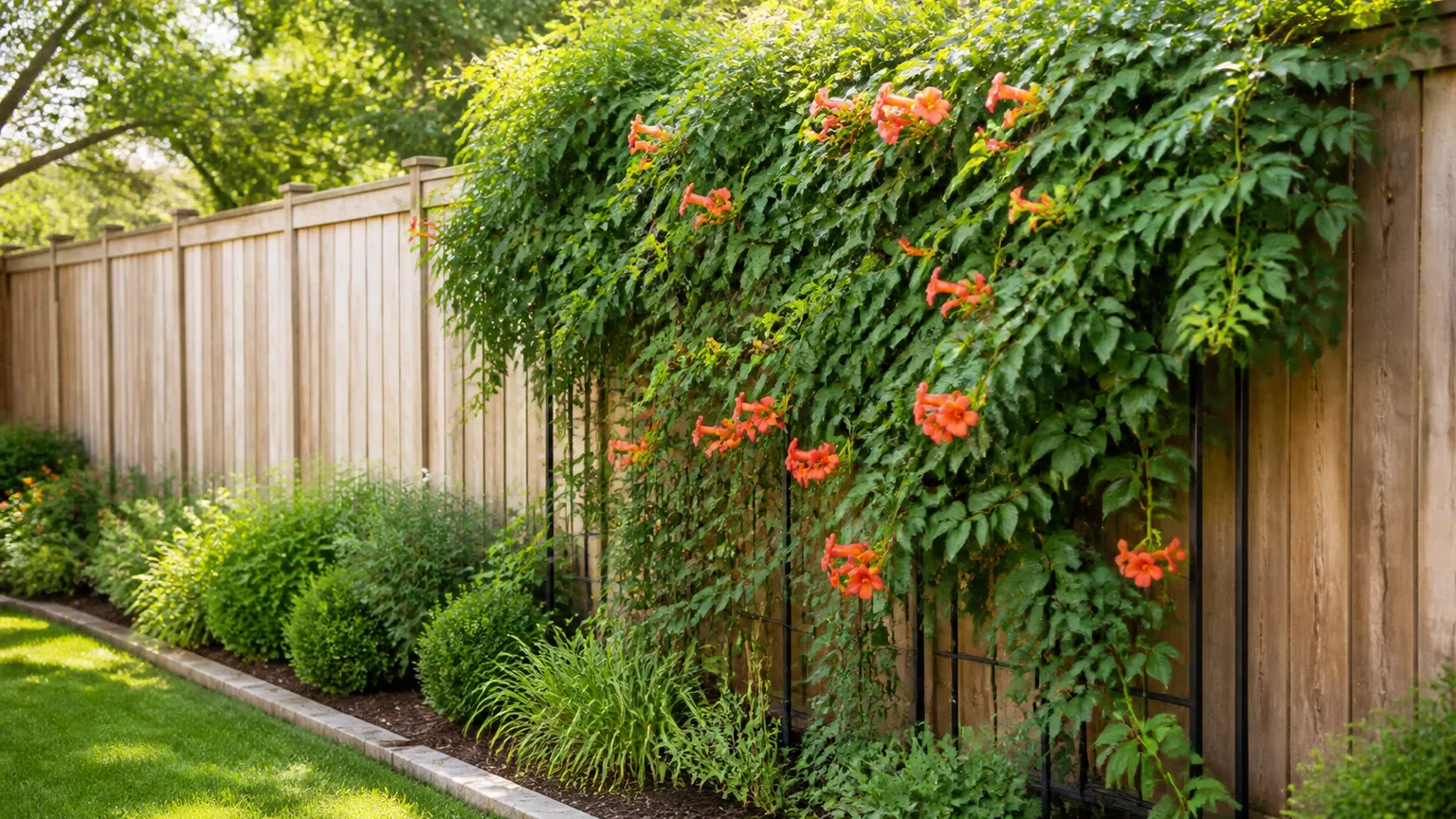
Climbing hydrangea (Hydrangea anomala subsp. petiolaris) is the standout north-facing climber: white lacecap blooms in late spring to early summer, self-clinging holdfasts, and part to full shade tolerance. The RHS notes it can reach 12 m (about 40 feet) over time — provide a sturdy trellis or allow masonry sound enough for weight. First years are slow (“sleep, creep, leap”); do not mistake patience for failure. Keep root zone moist during establishment. Toxic to pets.
Yew (Taxus spp., often Taxus × media hybrids) supplies evergreen needle foliage without flowers — formal or naturalistic hedging along shady foundations, zones 4–8. Tolerates urban pollution and shade; cannot sit in wet soil. All plant parts except the aril flesh are highly poisonous to humans and pets — avoid if children or dogs access the bed. Many cultivars from two-foot spreaders to twenty-foot columns; read the label for mature size.
Flowering quince (Chaenomeles speciosa) is a six-to-ten-foot deciduous shrub with spiny stems and white-to-scarlet flowers before leaves in March–April — valuable early color on north sides. Tolerates dry soil and part shade; blooms best with some direct sun, so place it where the bed gets morning skim if possible. Prune immediately after flowering; buds form on old wood. Fall fruits attract birds; stems scratch — keep away from paths.
Layer a North-Wall Bed That Looks Good Year-Round
Think in vertical and seasonal layers, not a single row of matching shrubs.
Back row (against wall): climbing hydrangea on trellis, or yew / flowering quince if you need shrub mass without a climber.
Middle tier: hostas, ferns, bleeding heart — tallest hostas and ostrich fern to the rear, shorter painted fern and bleeding heart forward.
Front edge (often driest): lilyturf, ajuga, or contained periwinkle; annual impatiens or wax begonias for summer color pockets.
Spring: bleeding heart and ajuga bloom; quince if present. Summer: hosta and fern foliage; annuals; bleeding heart gaps filled. Fall: hosta yellowing; quince fruit; yew evergreen. Winter: yew structure; fern crowns; mulch refresh.
Add drip line along the bed before planting and run it year one on a schedule — dry shade beds that establish with irrigation often need less hand-watering by year three. For additional perennial color beyond this list, see bright perennials for shade.
Conclusion
A north-facing wall is not a dead zone — it is a cool, low-light, often-dry microclimate that rewards planning more than impulse buys. Read your actual sun and moisture, amend soil and fix drainage, then choose from these twelve plants with eyes open to summer dormancy, spread, pet toxicity, and regional invasiveness. Lead with foliage anchors (ferns, hostas), tuck spring bloom where you will not mind a summer gap, and use annuals or ground covers to soften the rain-shadow strip under the eaves. Get those conditions right and the north side becomes one of the calmest, lowest-maintenance beds on the property — not the afterthought it started as.



