How to Grow Black Diamond Watermelon From Seed to Harvest
Learn when to plant Black Diamond watermelon, how to space and water its long vines, and how to judge a ripe melon without relying on a calendar alone.
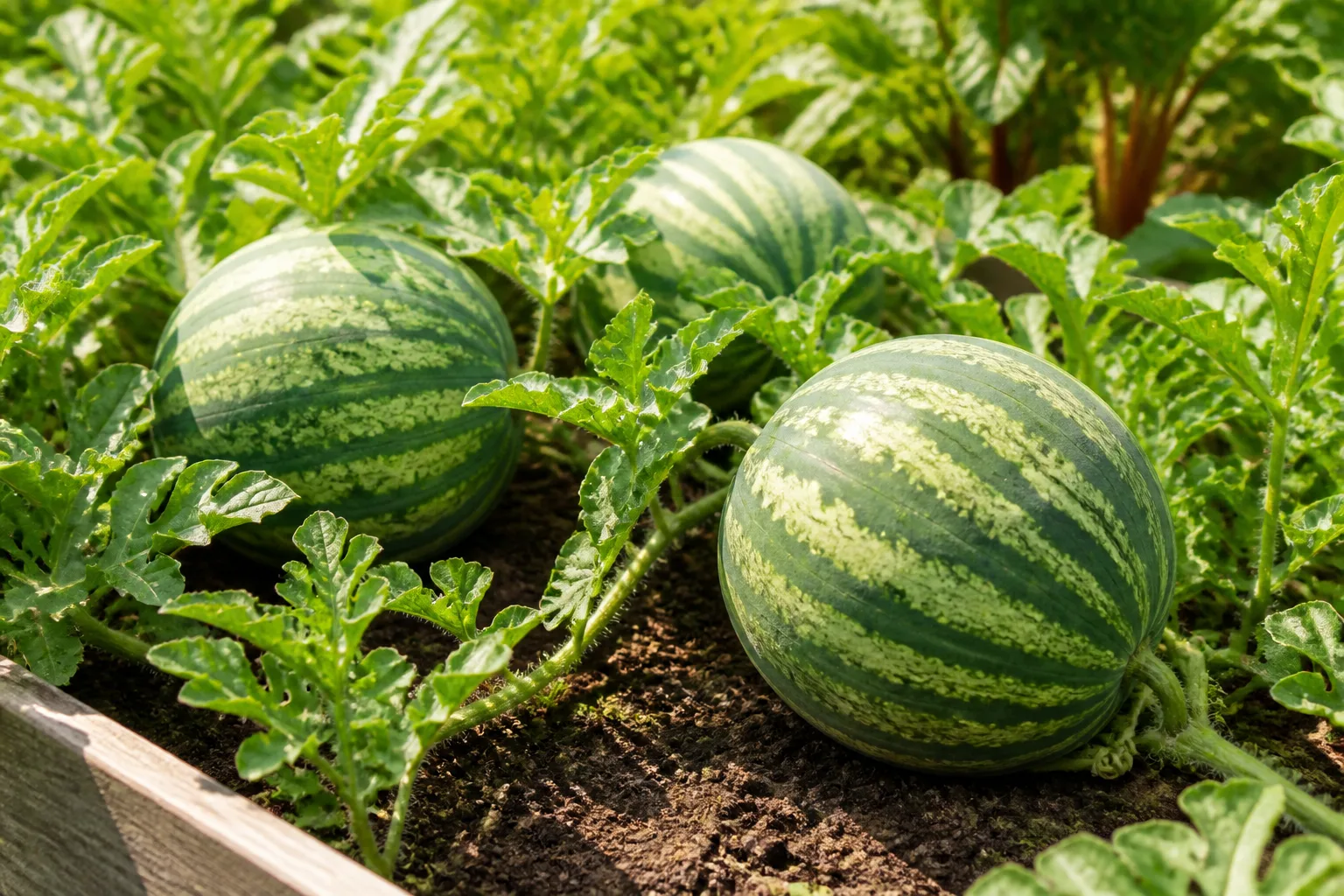
Black Diamond is a long-vined, warm-season watermelon grown for large, dark-rinded fruit and red flesh. Its size is appealing, but it also means the crop needs a long stretch of warm weather, room to spread, dependable moisture, and successful pollination before a melon can fill out. The most useful plan is to work backward from your local frost-free season and let the plant’s ripeness signs—not a date on the calendar—make the final harvest call.
What Black Diamond watermelon is—and what the name does not promise
Black Diamond is a cultivar of Citrullus lanatus, the same species as other garden watermelons. Seed listings describe it as an open-pollinated, large-fruited selection with a tough, deep emerald rind; its dark color is more important for identification than a striped pattern. It is not a separate species, and the name by itself does not guarantee a specific weight, sweetness, or number of fruits on each vine.
One current seed catalog lists about 90 days to maturity and gives a wide in-row spacing range for this cultivar. General extension charts place watermelons around 90 to 100 days from seed, while gardening guides show that variety and growing conditions shift the timeline. Treat those numbers as a planning estimate, not a countdown: companies may define the starting point differently, and cool soil, delayed pollination, drought, or cloudy weather can extend the wait. A Black Diamond cultivar listing from Urban Farmer is useful for its variety-specific estimate; the NC State Extension Gardener Handbook provides a broader crop range and general maturity clues.
The plant is an annual in a home vegetable garden. Unlike a perennial fruit tree, it will not return next spring after frost, so every planting needs to fit within a single growing season. The variety is best suited to gardeners who can give a vigorous vine a sunny bed and are willing to wait for full maturity rather than harvest at the first sign of fruit.
Build the season around warmth, not hardiness zones
A USDA hardiness zone describes the average coldest winter temperature. It does not tell you whether a particular yard has enough frost-free, warm days for a late watermelon to mature. For Black Diamond, count the usable growing window from when the soil has warmed and nights are reliably mild until your first expected fall frost, then leave a margin for weather delays rather than planning to finish on the last possible day.
Watermelon seed germinates more consistently in warm soil. NC State Extension’s transplant chart gives watermelon an optimum daytime range of 70–80°F and nighttime range of 65–70°F for growing young plants, while horticulture references commonly recommend waiting until soil is at least about 70°F for direct sowing. Those are practical thresholds, not magic switches; cold, wet soil slows emergence and increases the chance that seed rots before it sprouts.
In a short-season or cool-spring garden, warm the planting bed with black plastic mulch or choose a young transplant to gain some time, but do not rush either option into a cold forecast. In a long, hot region, direct sowing can work once frost risk has passed and the soil is warm; if extreme heat is normal, avoid letting a planting window slide so late that fruit enlargement collides with cool fall nights. A local extension planting calendar is more useful than a generic “plant in spring” date.
Choose a sunny, well-drained site with room for vines
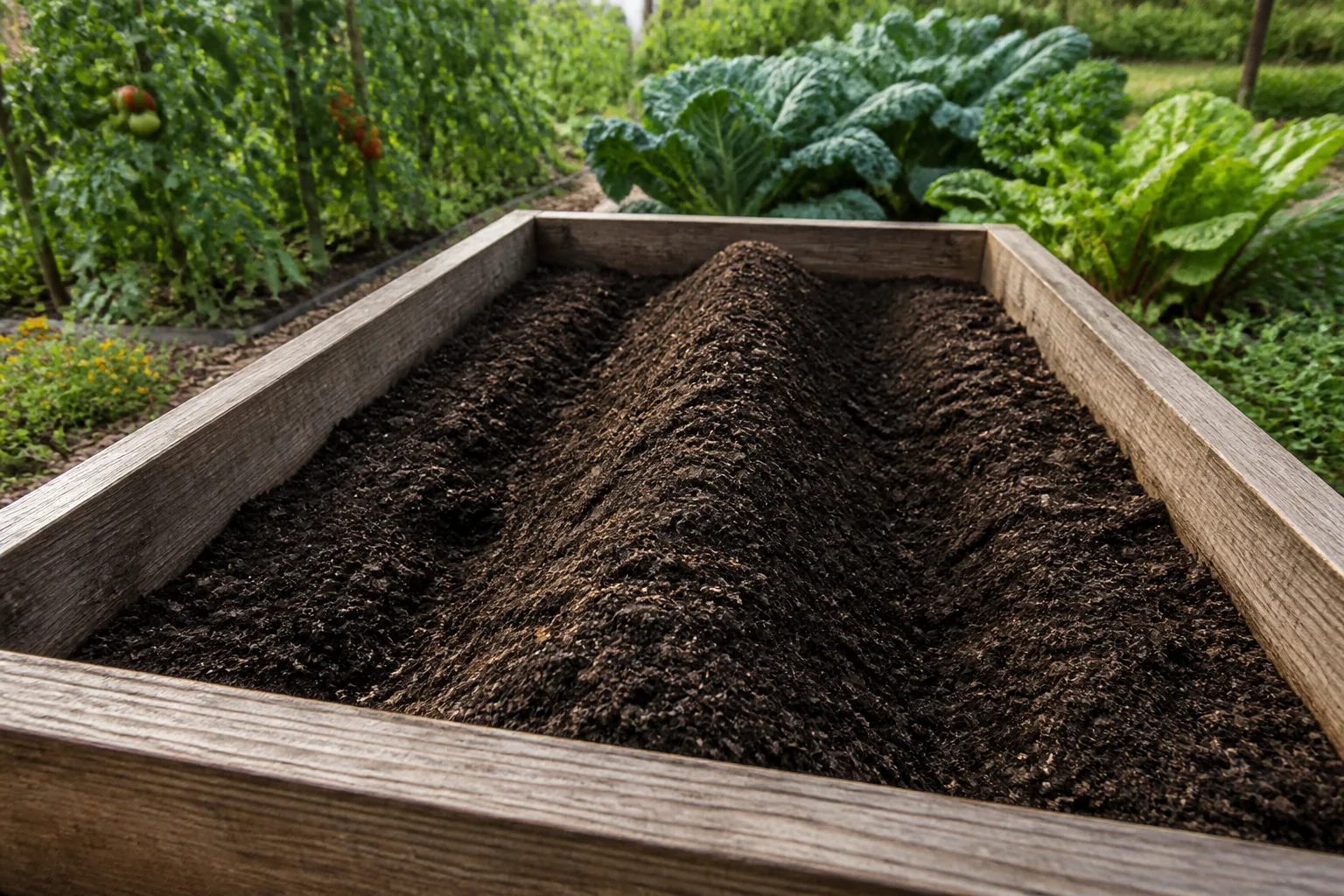
Choose the sunniest vegetable area available, ideally with at least eight hours of direct light. Strong light gives the leaves energy to support fruit growth; shade from a fence, tree, or tall crop can slow the vine and delay ripening. If you use a raised bed, put the watermelon where the runners can spill over the edge into a path or open lawn instead of covering neighboring vegetables.
Watermelons prefer fertile soil that drains well. A loam or sandy loam with organic matter holds moisture while letting excess water move away from the crown and roots. A low spot that stays wet after rain is a poor choice, even if it is sunny: persistent saturation limits root function and can increase fruit and vine disease.
Before planting, look at what grew there in the last few seasons. Watermelon is in the cucurbit family with cucumbers, squash, and pumpkins, and rotating crops helps reduce the buildup of shared pests and diseases. If you have only a small bed, move the crop as far from last year’s cucurbit patch as practical and remove diseased vines at the end of the season rather than leaving infected debris in place.
A large container is technically possible for some compact watermelon varieties, but Black Diamond is a poor space-saving choice. Its sprawling vines and large fruit need more water and root volume than a small patio pot can reliably supply, and a trellis adds a heavy-fruit support problem. If a container is your only option, a compact, small-fruited watermelon is a more realistic match; Savvy Gardening’s container guide explains the extra volume and care that pot-grown melons require.
Prepare soil without overfeeding
Get a soil test before adding fertilizer or a large quantity of amendments. The report tells you whether pH or a nutrient actually needs adjustment, which prevents the common mistake of treating poor growth with a heavy feed when the cause is cold roots, shade, drainage, or inadequate pollination. Work mature compost into the upper soil if it needs organic matter, but do not use fresh manure around a food crop.
Watermelon roots spread near the surface, so avoid deep digging or repeated cultivation close to the crown after vines start running. Remove weeds while small and lay mulch after the soil is warm; organic mulch can reduce evaporation and keep fruit from lying directly on damp soil. Black plastic can warm a cool bed early in the season, but it blocks rainfall from reaching the soil beneath it, so set up irrigation before planting and monitor moisture under the sheet.
Soil preparation is not a one-day recipe. If water pools after a heavy rain, improve drainage or use a raised mound rather than adding more fertilizer; if the bed dries almost immediately, compost and mulch can help the root zone hold water between deep irrigations. Make one targeted correction at a time so you can tell whether the change helped.
Plant at the right time for your region
Plant outdoors after frost danger has passed and the soil has warmed to about 70°F. Measure soil in the morning at seed depth for several days if spring temperatures swing, and check the forecast for chilly nights; warm afternoons alone do not mean the bed is ready. A Better Homes & Gardens growing guide likewise treats warmth and the local growing season as central to choosing how and when to sow.
Direct-sow for the least root disturbance
Direct sowing is usually the simplest option when your season is long enough. Sow two or three seeds in a small hill or planting spot, about an inch deep, then keep the area evenly moist; once seedlings are established, thin to the strongest plant by snipping extras at soil level. Pulling seedlings can disturb the roots of the one you want to keep.
A hill is a raised planting area, not a pile of dry soil. It can improve drainage and warm a small patch sooner, but in a hot, dry climate a raised mound may dry faster than level ground. If the soil already drains well, a flat bed with good spacing is fine. Follow the specific seed packet for depth and spacing if it differs from general watermelon instructions.
Start transplants only when your season needs it
For a short growing window, start seeds indoors roughly three to four weeks before the safe outdoor planting period, using individual biodegradable pots or deep cells. Watermelons dislike root disturbance, so do not start them months ahead and let roots wind around a small pot; an overgrown transplant can lose more time recovering than you gained indoors. Keep the seed-starting mix warm and bright, and harden seedlings off gradually before setting them outside.
Transplant on a mild, calm day after the bed is ready. Plant at the same depth as the seedling grew in its pot, water it in, and protect it from cold wind if the forecast dips. Row covers can hold warmth and exclude early cucumber beetles, but remove them as flowering starts so bees can reach the blossoms; a cover left on through bloom can solve one problem while creating a fruit-set problem.
Give vines room to run
Black Diamond vines spread well beyond the planting hole. A seed catalog lists 36–72 inches between plants and about eight feet between rows; in a home garden, the practical target is to give each plant a generous patch and route runners where they will not be stepped on. A six- to eight-foot lane per plant is easier to manage than crowding several vigorous vines together, especially when you need to reach fruit without crushing leaves.
Do not train a heavy-fruited vine up a light trellis. The fruit can pull the structure down or tear the vine, and a sling does not solve an unstable frame. Ground-growing vines are easier for a home gardener; if you experiment with vertical growing, the support must be rigid, securely anchored, and designed for the mature fruit weight, with each developing melon supported separately.
Vines do not need routine pruning to produce a crop. Cutting healthy runners removes leaves that power fruit growth and creates wounds where disease can enter. Trim only dead or diseased tissue with clean tools, and do not rearrange long vines once fruit is set unless you can do so gently without twisting or cracking the stem.
Water steadily from seedling through fruit sizing
Keep the root zone evenly moist while seedlings establish and as vines flower and young melons enlarge. The goal is not permanently soggy soil or a rigid daily schedule; it is to avoid large swings from very dry to waterlogged. Use a rain gauge and check the soil a few inches down near the root zone, then water deeply when that layer is drying rather than sprinkling the leaves every evening.
A drip line or soaker hose makes it easier to water the soil instead of the foliage. Morning irrigation gives leaves any incidental splash time to dry, while avoiding wet leaves can reduce conditions favorable to fungal disease. Mulch helps stabilize moisture, but it does not replace checking the bed during a hot spell, particularly if plants are growing on plastic mulch or in a raised bed.
Do not abruptly stop watering two weeks before harvest as a shortcut to sweeter fruit. Fruit sweetness depends on cultivar, leaf health, sunlight, maturity, and growing conditions; sudden drought can stress the vine, slow fruit filling, and contribute to cracking when heavy rain follows. As a melon approaches maturity, keep moisture more even and avoid overwatering an already saturated bed. The useful adjustment is steady, responsive irrigation—not deliberate wilting.
If leaves wilt briefly in afternoon heat but recover by evening, check the soil before adding water. A plant in wet ground may droop from stressed roots, and extra irrigation can make it worse; a plant in genuinely dry soil needs a deep soak. The Epic Gardening watermelon guide gives a weather-dependent weekly water range, but local rainfall and soil texture should decide how much you actually apply.
Feed for fruit, not just foliage
If a soil test shows adequate nutrients and the bed has been amended with mature compost, frequent fertilizer may not be needed. When fertility is low, use a product and rate that match the soil report and label, then keep fertilizer away from the stem. Overfeeding nitrogen can produce a mass of soft leafy growth without solving low fruit set or a short season.
Watermelons have a long leafy phase followed by flowering and fruit filling, so do not assume that one generic fertilizer schedule suits every garden. Some gardeners shift from a higher-nitrogen starter feed to a balanced or lower-nitrogen product once vines begin to flower; the right choice depends on existing soil nutrients and the fertilizer analysis. Epic Gardening’s care guide describes this growth-stage distinction, while a soil test keeps it from becoming a blanket recipe.
If a lush vine has few female flowers, first check light, maturity, and pollination conditions before adding more food. If leaves are pale and growth is weak, compare the symptoms with the soil report and inspect drainage and root health. Fertilizer is a targeted correction, not a substitute for the warm season and healthy foliage this crop requires.
Get flowers pollinated before diagnosing “no fruit”
Watermelon vines bear separate male and female flowers on the same plant. A female flower has a small swollen ovary directly behind the petals that looks like a miniature melon; a male flower sits on a slender stem without that swelling. Pollen must move from a male flower to a female flower, usually by bees and other insects, before that tiny ovary can grow into a full fruit.
Male flowers commonly appear before female ones, so a first flush of blossoms without fruit is not automatically a problem. Watch for female flowers and bee visits during the morning, when blossoms are open; avoid broad-spectrum insecticide applications while flowers are open, and remove row covers once bloom begins. The University of Florida IFAS Extension’s watermelon pollination guide explains why insect visits matter, while the peer-reviewed Sawe et al. study found that added pollination improved some yield and fruit-quality measures in a northern Tanzania trial. That trial is not a prediction for every home garden, but it reinforces the value of protecting pollinators.
If bees are scarce and female flowers repeatedly wither, you can hand-pollinate early in the day. Pick a fresh male flower, peel back its petals, and gently brush its pollen-bearing anthers against the center of an open female flower; a soft clean brush can do the same job. Mark the flower with a loose piece of yarn so you can see whether the ovary begins to enlarge over the next several days.
If a tiny fruit starts and then shrivels, pollination may have been incomplete, though cold weather, severe heat, drought, or plant stress can also cause young fruit to abort. Check whether female flowers are present and opening, whether bees are visiting, and whether water is reaching the root zone before adding fertilizer. A healthy fruit set depends on several conditions working together, not on forcing the vine with extra feed.
Keep developing melons clean and dry
Once a fruit is large enough to rest on the ground, slide a flat board, tile, or a layer of dry straw underneath it if the soil stays damp. This reduces direct soil contact and makes it easier to spot the ground-contact patch as it changes color. Place the support gently; do not lift or rotate a heavy melon by its stem, because a twisted stem can crack and interrupt water flow.
Keep mulch loose rather than packed against the crown. A wet, dense layer around the stem can trap moisture and create a favorable environment for rot, while an open dry margin lets air circulate. After heavy rain, look beneath the leaves for puddling, soft spots, or a fruit sitting in a damp depression and correct drainage before damage spreads.
A simple ground board is not a cure for every fruit problem. It can reduce wet soil contact but will not prevent sunscald, fungal disease, insects, or splitting caused by uneven water supply. Keep enough foliage around the fruit to shade it naturally and maintain consistent soil moisture.
Prevent common pest and disease setbacks
Cucumber beetles can chew seedlings and spread disease; aphids and mites may build up on stressed plants, and fungal diseases such as anthracnose, downy mildew, or powdery mildew can damage leaves. Inspect the undersides of leaves and new growth a couple of times a week, especially after a stretch of humid weather. Early identification lets you remove a few pests by hand or adjust care before a small issue becomes a lost canopy.
Use crop rotation, clean garden tools, and water at the soil line to reduce avoidable disease pressure. If you use row covers against beetles, remove them at bloom so pollinators can reach the female flowers. For any pesticide, follow the label for the edible crop and timing, and protect bees by avoiding treatment of open blossoms; do not apply a product simply because a leaf has one chew mark.
A few older leaves may yellow as vines age, but widespread lesions, powdery growth, sudden whole-vine wilt, or a collapsed stem call for a closer diagnosis. Check whether soil is waterlogged, whether vines were recently cut or damaged, and whether symptoms are limited to one runner or appear across the bed. Remove badly diseased plant material rather than composting it if your compost pile does not reliably reach high temperatures.
Diagnose poor fruit set, small fruit, or cracking
The vine flowers but no melons grow. First distinguish male from female flowers. If you see only male blossoms, the vine may simply be at an early stage; if female blossoms appear but their ovaries yellow and fall, review bee activity, row-cover timing, cold or rainy bloom weather, and plant moisture. Give the vine time to produce another set of flowers before concluding that fertilizer is the missing ingredient.
Fruit starts, then stops growing. Incomplete pollination is one possibility, especially if the fruit remains tiny and shrivels soon after the flower fades. Also check for abrupt dry spells, root damage from hoeing, severe heat, and a crowded canopy; correct the condition you find rather than applying every possible fix at once. A small fruit on a vigorous vine is not always a cultivar failure—season length and the number of successful female flowers matter.
The vine is huge but the harvest is small. Too much shade or nitrogen can favor foliage over fruit, but poor pollination and a short warm season are common alternatives. Compare how many female flowers opened with how many fruits enlarged, then check whether the bed was warm at planting and whether vines had enough light. Do not prune most of the healthy leaves to “send energy” to fruit; leaves are the plant’s food-making surface.
A ripe-looking fruit cracks or develops a soft patch. A sudden influx of water after dry soil can cause cracking, while soft ground-contact spots may signal prolonged wetness or decay. Harvest a cracked fruit promptly if it is otherwise sound, cut away damaged areas, and do not store it as if it were intact. For the next fruit, keep the root zone more even, improve drainage, and use a dry support under the melon.
Harvest by combining several ripeness clues
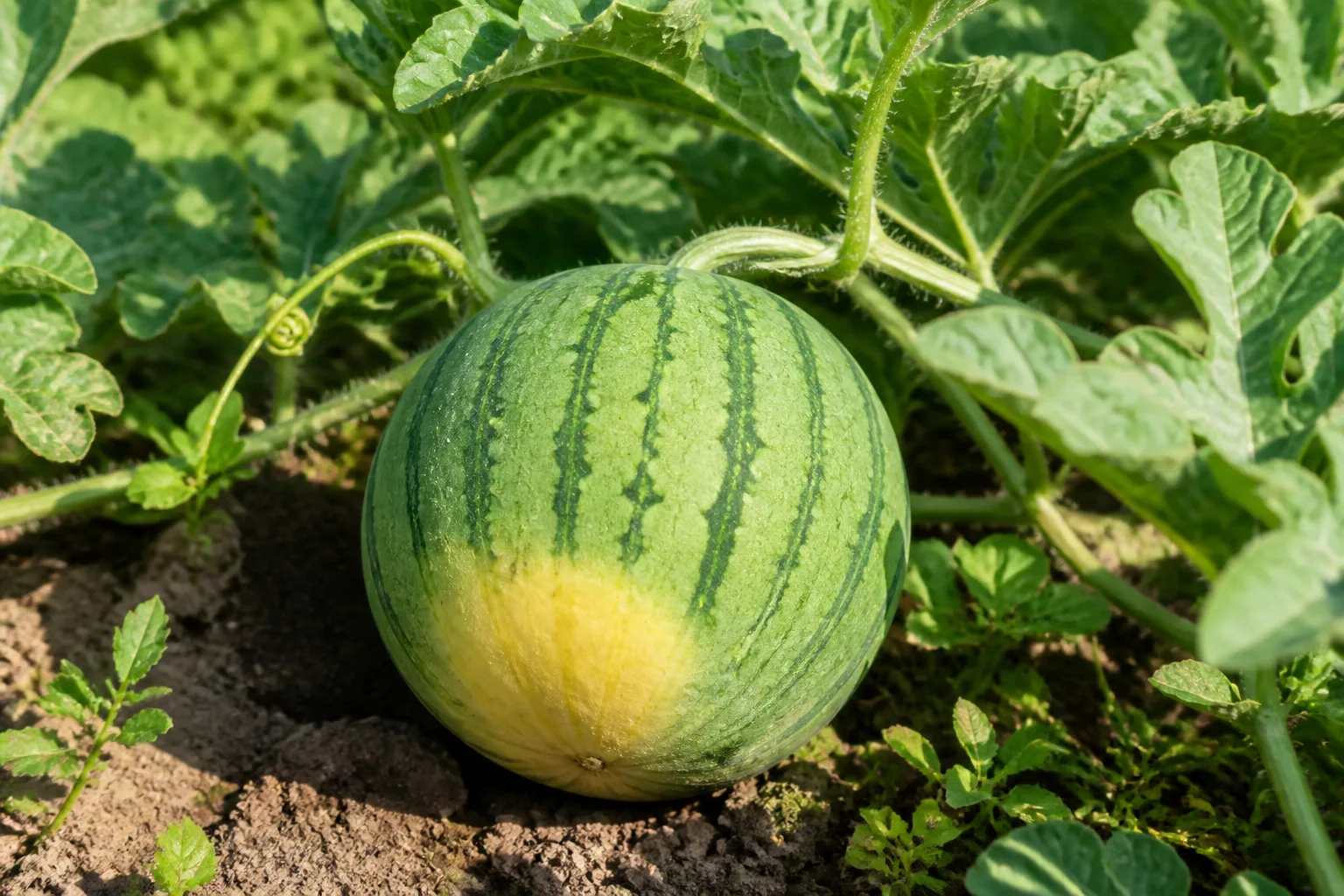
Black Diamond’s dark rind can make stripe-based cues less useful, so check several signs together rather than depending on one. The patch touching the ground should move from pale or white toward a creamy or deeper yellow; the tendril closest to the fruit often dries and turns brown; and the rind tends to lose some shine and feel firm. NC State Extension includes a duller thump, yellow ground spot, and brown nearby tendril among general watermelon cues, while Better Homes & Gardens cautions gardeners not to rely on sound alone.
Use the days-to-maturity range to know when to start checking, not to decide that a melon must be ready. Mark the date when the fruit begins to enlarge, compare it with the seed packet’s maturity estimate, and inspect the same fruit every few days. If two signs point toward maturity but the tendril remains green and the ground patch is still pale, give it more time; a dark rind alone does not mean the red flesh inside is ripe.
Cut the stem with a clean knife or pruners instead of pulling the melon free. Leave a short stem stub and support the fruit with both hands as you lift it so the vine does not tear. A watermelon does not continue ripening after it is cut, so when evidence is mixed, waiting a few days is usually better than harvesting early, provided frost or severe weather is not imminent.
Save seeds and handle the harvest
Black Diamond is sold as an open-pollinated cultivar, so gardeners may save seeds from a healthy, fully mature fruit. To preserve the cultivar’s traits, prevent it from crossing with a different watermelon variety flowering nearby; seed from a cross may not come true to the parent. Let the fruit reach full eating maturity, scoop out seeds, rinse away pulp, and dry them thoroughly before storing in a labeled envelope in a cool, dry place.
Seed saving is optional, and it is worth keeping only seeds from a vigorous, disease-free plant. If you grew several watermelon varieties close together or do not know their pollination history, buy fresh labeled seed for a predictable crop next year. The NC State Extension handbook’s seed-saving guidance explains the general cross-pollination concern for open-pollinated garden crops.
For eating, chill a whole melon if you prefer it cold, then refrigerate cut pieces in a covered container and use them promptly. Wash the rind before cutting so a knife does not transfer soil or surface microbes onto the flesh. If a melon has a soft, leaking, fermented, or deeply sunken area, discard the damaged fruit rather than tasting it to judge safety.
Conclusion
Black Diamond watermelon can reward a gardener with a striking, large fruit, but the reliable route is steady and fairly simple: plant into warm soil after frost risk, give each vine sun and room, keep water even, and let pollinators work the flowers. A short-season gardener should start with the local frost-free window and consider a careful transplant; a long-season gardener can often direct sow once the bed is warm.
Treat the catalog’s maturity estimate as a reminder to begin checking, not as a deadline. Look for a yellowing ground spot, a drying tendril near the fruit, and a dull, firm rind together, then cut the stem cleanly. Those checks help you harvest a fully mature melon without sacrificing the season to a guess.



