Does Baking Soda Help Coneflowers Bloom?
Does baking soda help coneflowers bloom? Learn when pH matters, why a soil test comes first, and the safer care changes that encourage more flowers.
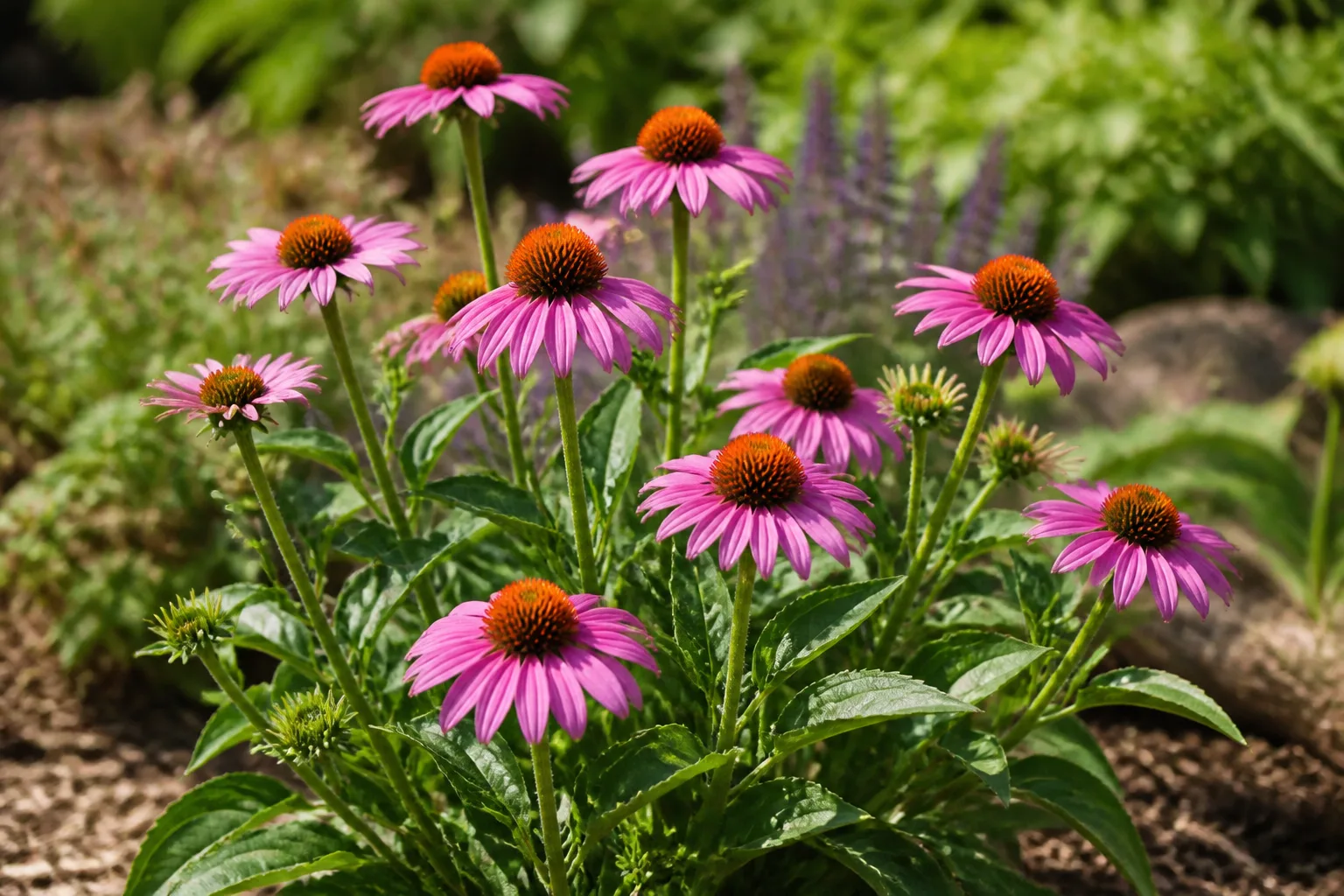
If your coneflowers are producing leaves but not many flowers, baking soda is an understandable thing to wonder about. It is inexpensive, already in the kitchen, and alkaline enough to change the pH of a small amount of soil. But that does not make it a dependable coneflower bloom booster.
The practical answer is no—not as a general treatment. Baking soda could move the pH of an unusually acidic planting bed, but you should only correct soil acidity after a soil test shows that correction is needed. For most coneflowers, light, drainage, plant age, water stress, excess nitrogen, and the timing of deadheading are more useful places to look first.
The short answer: baking soda is not a bloom booster
Why it might seem to work in acidic soil
Baking soda is sodium bicarbonate, an alkaline compound. In very acidic soil, adding an alkaline material can raise pH, and pH affects whether plants can take up nutrients. That is the kernel of truth behind the hack: if a coneflower bed is genuinely too acidic, correcting the soil could help the plant use nutrients more effectively.
The missing step is measurement. A spoonful scattered around a plant does not tell you how much the pH changed, how far the material moved through the root zone, or how much sodium accumulated. A visible flush of growth after watering or a rainy week can also be mistaken for proof that the powder caused more flowers.
Flowering is an energy-and-timing problem, not a single-soil-number problem. A plant in too much shade may have perfectly acceptable pH and still lack the energy to form many buds. A plant in dense, wet soil may have nutrients present but roots too stressed to use them well.
The most important caution is that coneflowers are not asking for an improvised alkaline treatment. Clemson Cooperative Extension’s Echinacea guide describes coneflowers as plants for full sun to part shade, evenly moist but well-drained soil, and notes that they become drought-tolerant after establishment. It also flags poor salt tolerance, which is one more reason to avoid repeatedly adding a sodium-containing household product without a plan.
Test before you touch the soil
What a soil test tells you
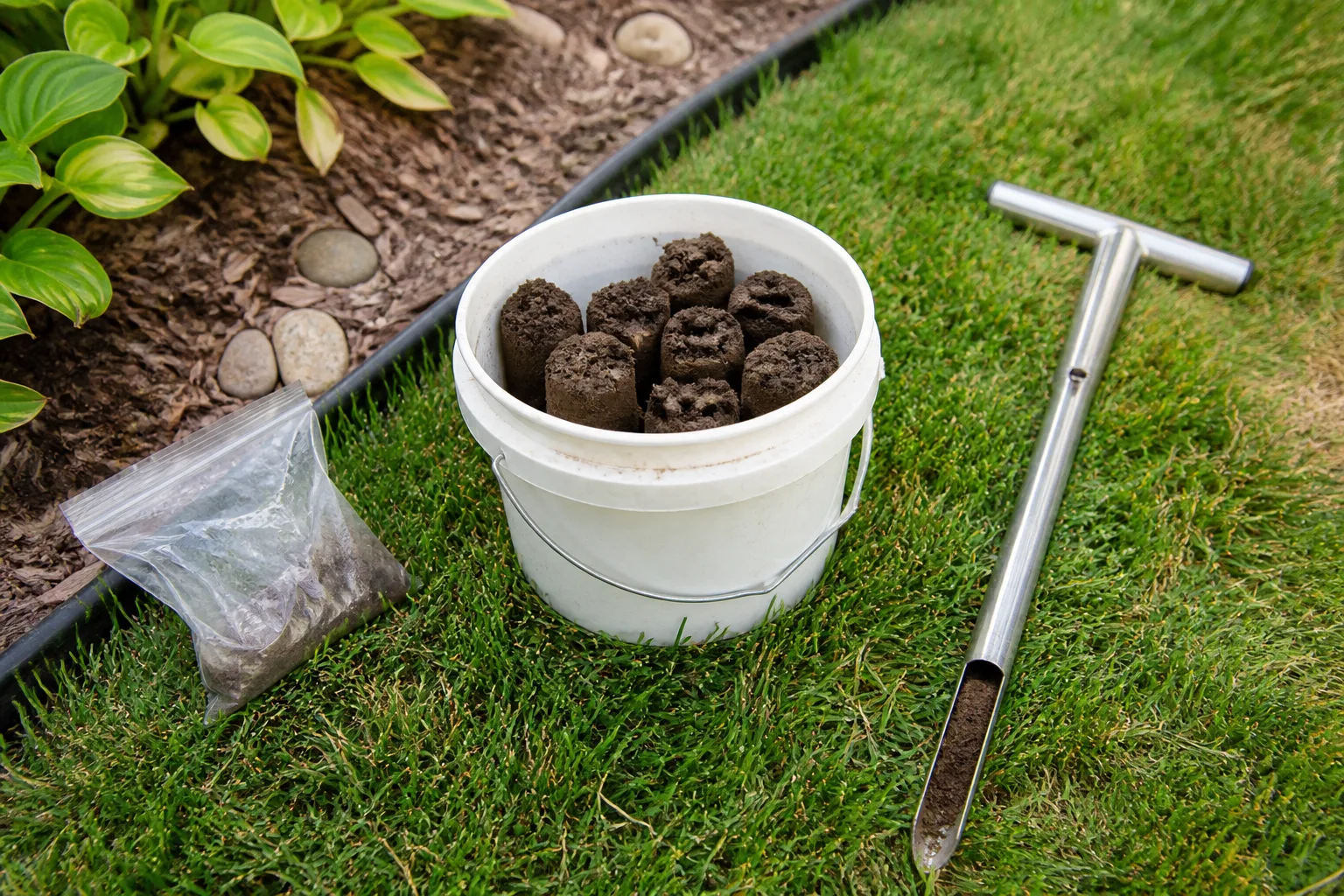
A lab soil test can tell you whether pH is actually outside a useful range and whether a nutrient shortage is plausible. It can also keep you from treating a shade, drainage, or watering problem as if it were a chemistry problem. That distinction matters because adding more fertilizer or amendment to a stressed root system rarely produces the result you want.
Sample the bed where the coneflowers grow rather than collecting a pinch from the surface or from a single spot. NC State Extension’s soil-lime guidance recommends combining several random samples from the same type of planting area, taken about 6 inches deep. Follow your local lab’s instructions because sample quantities and submission procedures vary, and do not combine a coneflower bed with a lawn or a separate vegetable area.
Home pH strips or a basic meter can be useful for a rough clue, but they are not a good basis for calculating an amendment rate. A lab report is more useful because it connects the measurement to a recommendation for that soil, not just a color or number.
When raising pH makes sense
If the report shows unusually acidic soil and specifically recommends a liming material for the bed, use the named amendment and rate rather than substituting baking soda. Lime is a measured soil amendment intended to react with acidity over time; it is not interchangeable with whatever alkaline powder happens to be in the pantry.
The opposite mistake is just as common. If the bed is already near the suitable range, adding more alkaline material can push nutrients out of reach. NC State Extension explains that an overly high pH can lead to nutrient deficiencies such as yellowing and stunted growth, even when nutrients are present in the soil. The report should be the deciding evidence—not a rumor that one household ingredient produces twice as many flowers.
Coneflower conditions that actually support flowers
Sunlight and location
Start with the plant’s daily light before touching its soil. Coneflowers tolerate some part shade, but a bed that receives only a few hours of direct sun, or loses afternoon sun behind a tree or building, may produce sturdy foliage with fewer buds. Proven Winners’ coneflower care guide recommends full sun and notes that coneflowers generally flower from summer into fall.
Watch the shadow on the actual leaves, not just the sky above the bed. Six hours of direct light in spring can become four hours by midsummer when a nearby tree is fully leafed out. If the plant is healthy but repeatedly short on buds, moving a young container plant or thinning a competing overhang may help more than any soil additive.
Drainage, moisture, and mulch
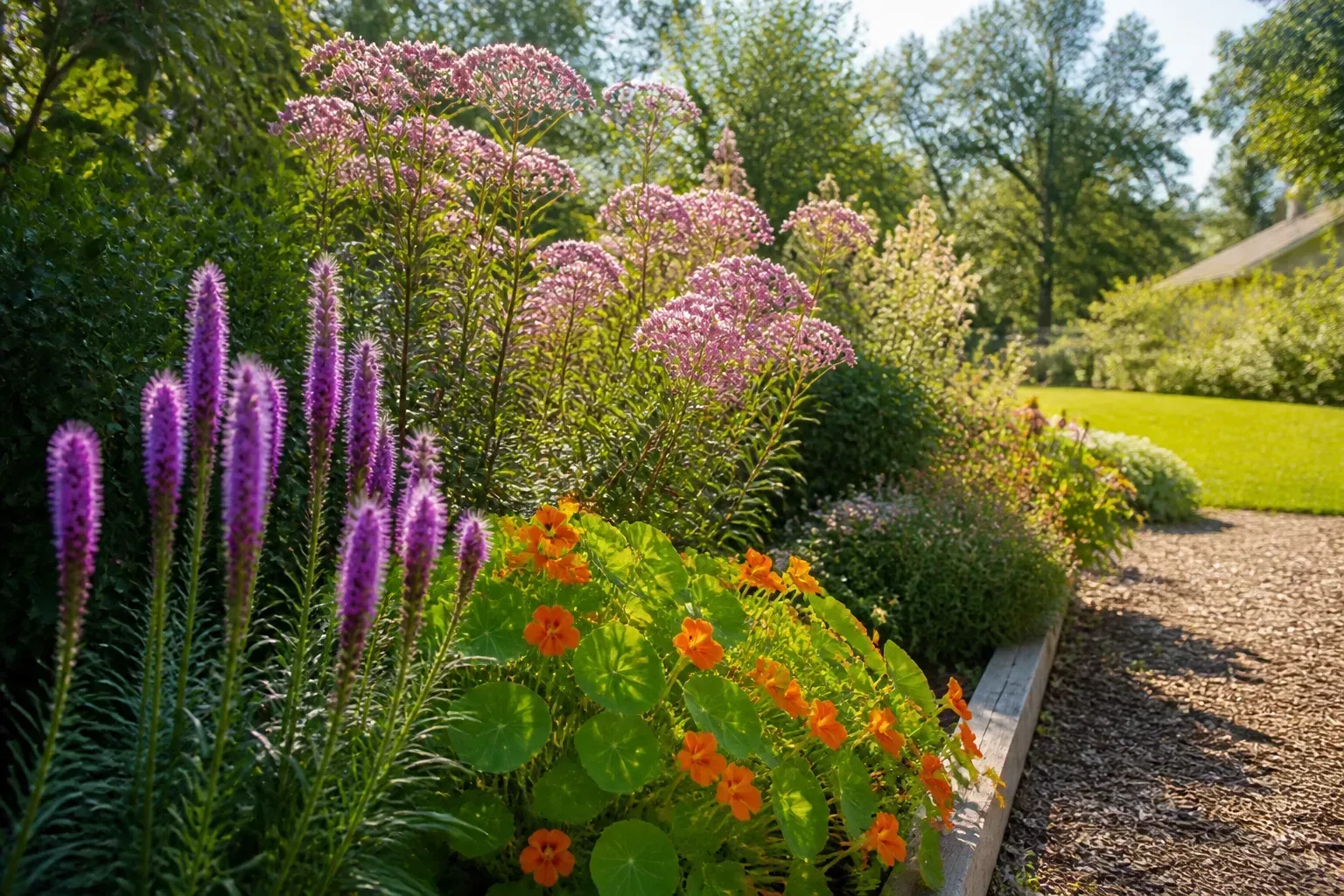
Coneflowers like a drink when they need it, not a permanently wet root zone. Clemson lists well-drained soil as part of the basic growing conditions, and Birds & Blooms’ guidance for the ‘Magnus’ coneflower warns that soggy soil can contribute to root and stem rot. If the bed stays wet for days after rain, improve drainage or move the plant before trying to encourage more flowering.
Newly planted coneflowers need regular attention while roots establish. Established plants are more drought-tolerant, but a long hot, dry stretch can still cause wilting, aborted buds, or a short bloom display. Water slowly at the soil line when the root zone is dry several inches down, then allow excess water to drain; frequent shallow splashes and constant saturation create opposite problems.
Mulch can moderate soil temperature and slow evaporation, but keep it a few inches away from the crown and stems. A thick, wet collar around the plant can hold moisture against the base and hide rot. Mulch is a moisture-management tool, not a reason to water on a calendar.
Fertilizer: why more leaves can mean fewer flowers
Skip routine feeding unless a test indicates a need
Coneflowers are not heavy feeders. Clemson gives a conservative fertilizer option for situations without a soil test, but the broader lesson is not to fertilize automatically every time flowering slows. A strong nitrogen push can make stems and leaves look impressive while delaying the shift toward flowers, especially in already fertile soil.
Look at the whole plant. Very dark green, floppy, leafy growth with few buds suggests that more nitrogen is unlikely to be the first answer. Pale, weak, or generally stunted growth could have several causes—including pH, root stress, drought, disease, or a genuine nutrient shortage—so a soil test is more informative than choosing a higher-number fertilizer.
If a test does recommend feeding, follow its rate and timing. Do not combine a fertilizer application with baking soda, lime, compost, and several other amendments just to cover every possibility. Changing one variable at a time makes the result safer and easier to understand.
Finished compost can improve the structure and organic matter of a garden bed, but it is not a fast pH correction or a guaranteed flower food. Spread a thin layer over the soil surface in spring and keep it off the crown. Work it into a new bed according to the soil test and local guidance rather than burying an established perennial’s crown under a deep layer.
This approach supports the root zone without pretending that every coneflower needs more nutrients. If the soil is compacted or drains poorly, adding more fertility will not solve the physical problem. Fix the place where roots live first.
Deadheading: the reliable way to extend flowering
Cut spent heads correctly
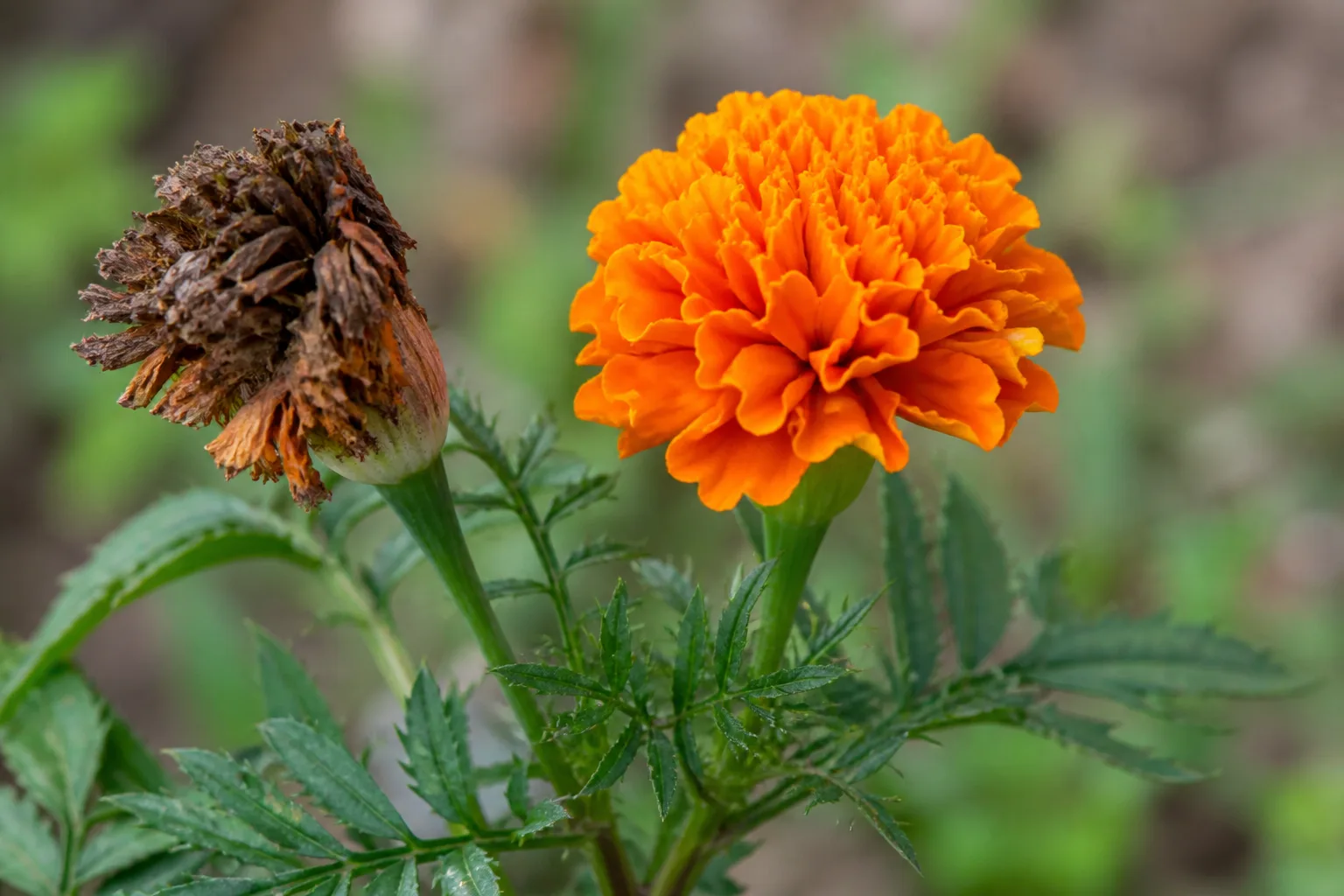
Deadheading is the most direct way to encourage a mature coneflower to keep making flowers during the main season. Once a bloom has faded and the petals are dry or falling, follow its stem down to the next strong leaf node or side bud and cut just above that point with clean shears. The goal is to remove the seed-forming head without cutting away healthy growth that could support another bud.
Do not remove every flower at the same time if the plant has a mix of fresh and fading blooms. A quick pass every few days or once a week lets you leave open flowers for pollinators and catches spent heads before the plant invests heavily in seed. Deadheading will not turn a shade-grown or waterlogged plant into a prolific bloomer, but it can keep a well-sited plant in flower longer.
Stop deadheading when seedheads matter
Coneflower seed heads are useful after the showy petals fade. Songbirds, including goldfinches, can feed on the seeds, and the dry cones add structure to the fall and winter garden. Clemson recommends delaying deadheading when the seed heads are part of your wildlife or winter-interest plan.
The compromise is easy: deadhead the first flush and middle-of-season spent flowers, then leave the last round of healthy heads in place. If your cultivar self-sows more than you want, remove a portion of the seed heads after they dry or cut the stems back in late winter. There is no need to choose between an extended summer display and a wildlife-friendly bed.
A diagnostic sequence for coneflowers with few blooms
If foliage is lush but buds are absent
First, count direct-sun hours and check whether a nearby plant has grown over the bed. Next, inspect the soil several inches down: if it is constantly wet, improve drainage; if it is bone-dry during a heat wave, water deeply enough to reach the established root zone. Only after those checks should you investigate pH or nutrients with a soil test.
Also consider the plant’s age. Seed-grown coneflowers can take two or more years to become substantial flowering plants, according to Clemson’s growing guidance. A first-year plant that is building roots is not failing because it does not produce a dramatic mass of flowers.
If buds form but wilt or deform
A bud that collapses in heat may reflect drought stress, but distorted flower parts deserve closer inspection. Clemson lists aster yellows and eriophyid mites among coneflower problems; aster yellows can cause greened petals, witches’-broom growth, stunting, and eventual decline. Powdery mildew, stem rot, and overcrowding can also reduce the plant’s ability to flower well.
Look under leaves, along stems, and inside abnormal buds. Space plants so air can move, avoid overhead irrigation when the foliage will remain wet, remove diseased material, and ask a local extension office for help identifying a persistent or spreading problem. Do not dust a sick plant with baking soda and assume the symptom is a pH issue; diagnosis comes before treatment.
If new plants are still young
A nursery transplant may spend its first season adapting to a new site, especially if it was planted during heat or moved with a small root system. Keep the root zone evenly supplied with water while it establishes, but do not keep it soggy or push it with high-nitrogen fertilizer.
Young plants also vary by cultivar. Compact hybrids, double-flowered forms, and species selections can have different bloom timing and flower counts. Compare the plant with its label and local seasonal timing before deciding that it needs an amendment.
A simple no-baking-soda recovery plan
If you want a practical order of operations, use this sequence:
- Check the light. Give coneflowers their brightest available site, and account for new shade from trees, fences, and taller perennials.
- Check the root zone. Dig or probe several inches down after watering and after a dry spell. Correct standing water or prolonged dryness before feeding.
- Pause the pantry experiments. Do not add baking soda, lime, fertilizer, or other amendments until you know what the soil test says.
- Test the bed. Take a representative sample from the coneflower area and use the report to decide whether pH or nutrients actually need correction.
- Feed only with a reason. If the report calls for an amendment or fertilizer, apply the named product at the recommended rate and keep the rest of the variables steady.
- Deadhead selectively. Remove fading flowers above a healthy node during the main bloom period, then leave some seed heads for birds and winter interest.
- Inspect unusual symptoms. Distorted flowers, stunted shoots, persistent wilting, and rotting stems call for diagnosis rather than more household ingredients.
This sequence is slower than sprinkling a powder and hoping for a before-and-after transformation, but it gives you useful information at every step. It also protects a plant that may already be coping with shade, drought, wet roots, immaturity, or a disease problem.
Conclusion: treat the bed, not the rumor
Baking soda can raise pH in the right chemical conditions, but that does not make it a reliable way to double coneflower blooms. Use it only as a reminder to ask whether soil acidity might be limiting growth—and then let a soil test, not a household recipe, answer that question.
For more flowers, give coneflowers the conditions they are built for: strong light, good drainage, appropriate moisture, restrained feeding, and timely deadheading. When the season winds down, leave some seed heads standing. The healthiest bloom plan is not the most dramatic hack; it is the one that fixes the actual bottleneck without creating a new soil problem.



