How to Grow and Care for Wintercreeper
Learn how to grow wintercreeper, manage light and water, prune runners, and check invasive status and safety before planting this fast-spreading evergreen.
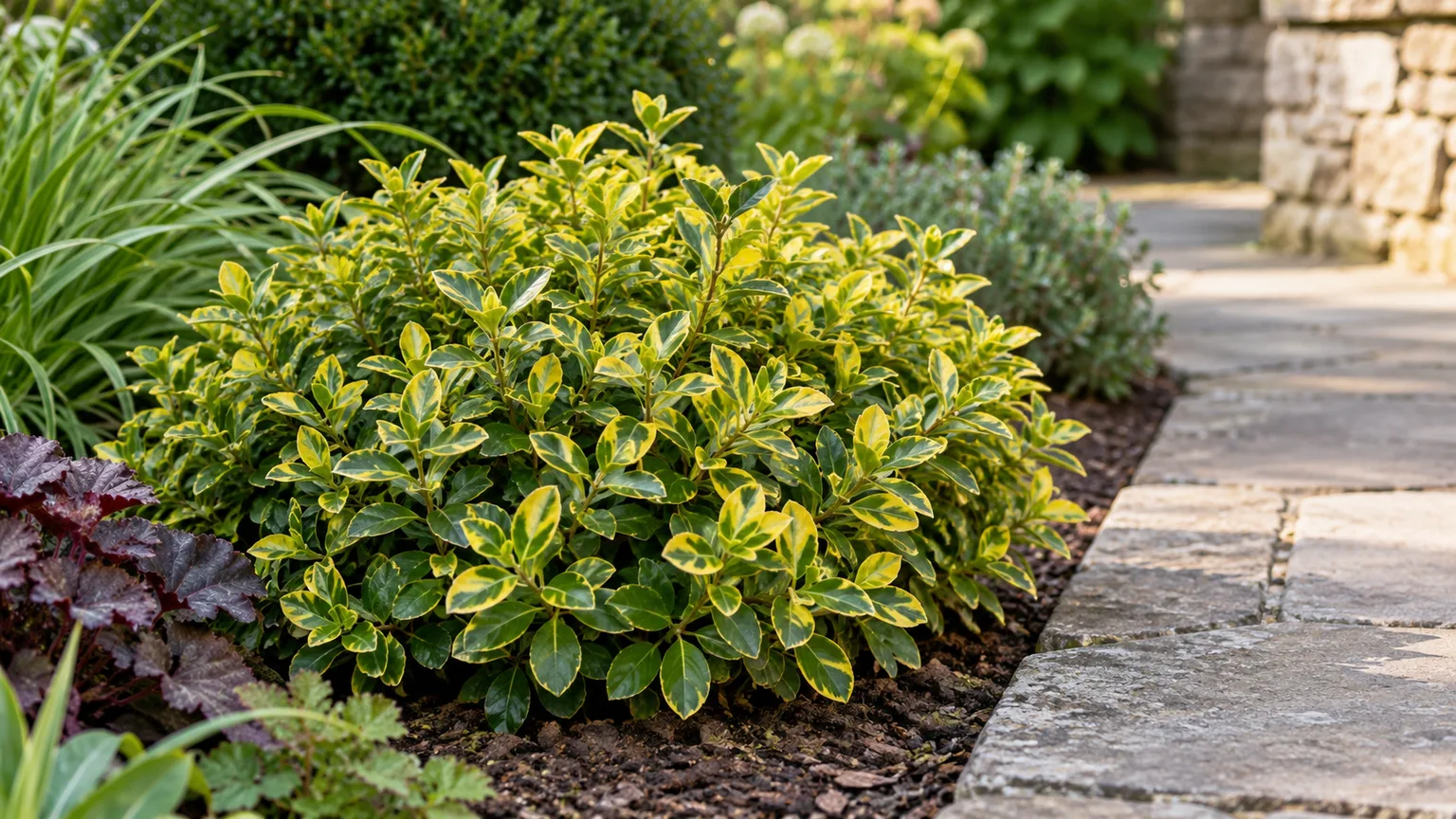
Wintercreeper (Euonymus fortunei) is a broadleaf evergreen that can stay low as a groundcover, mound into a shrub, or climb when stems find a tree, fence, wall, or other support. That flexibility explains its appeal—and its risk. In many parts of the eastern and Midwestern United States, it escapes gardens, forms dense mats, and climbs into woodland vegetation, so checking your local rules and invasive-plant guidance should come before buying a plant.
If wintercreeper is allowed and ecologically appropriate where you live, it is fairly tolerant of light and soil, needs little fertilizer, and handles routine trimming. The practical challenge is keeping it from rooting beyond its intended area or reaching vertical supports where mature growth may flower and set seed. If local authorities classify it as invasive, choose a regional alternative instead of relying on pruning to make it harmless.
Check local rules before planting wintercreeper
Wintercreeper is native to parts of East Asia and was introduced as an ornamental groundcover. The Invasive Plant Atlas reports it from natural areas in much of the eastern half of the United States; North Carolina State Extension also describes its escape into forests and its ability to dominate trees. These are ecological assessments, not a single nationwide legal ruling, so the label “invasive” does not tell you by itself whether possession, sale, planting, or transport is prohibited in your county or state. (Invasive Plant Atlas of the United States; North Carolina State Extension)
Before purchasing, search your state department of agriculture or natural-resources agency for its current invasive-plant list, then check local ordinances and extension recommendations. A nursery listing may add a useful signal: for example, Proven Winners says its ‘Blondy’ wintercreeper cannot be shipped to Indiana, Maryland, or New York. That is a seller’s shipping restriction for one cultivar, not a complete statement of the law for every cultivar or municipality; ask the relevant agency if the rule is unclear. (Proven Winners)
Even where sale and planting are permitted, avoid placing wintercreeper near a natural area, stream corridor, woodland edge, or unmanaged tree line. Birds can move seeds from mature fruit, and stems can root where they meet moist soil, so a tidy-looking planting can become a source population beyond the bed. If your goal is a low-maintenance evergreen carpet, the lower-maintenance choice may be a locally suitable native plant that does not require constant boundary checks.
Understand wintercreeper’s three growth forms
Wintercreeper changes its shape as it grows. Juvenile stems creep horizontally over soil, and nodes that touch moist ground can form roots; once a stem encounters a vertical support, it may climb using aerial rootlets. Mature climbing growth can become woody and produce small flowers followed by seed-bearing capsules. (North Carolina State Extension; Woody Invasives of the Great Lakes Collaborative)
This shift matters for both care and spread. A low patch that has never fruited can still creep outward, while a plant climbing a tree or fence can reach a mature, fruiting stage; shade does not reliably stop it, because wintercreeper tolerates a broad range of light. Maryland Extension describes it as an evergreen groundcover that can turn into a clinging vine when it encounters trunks or walls. (Maryland Grows, University of Maryland Extension)
How to tell groundcover from climbing growth
A groundcover form has flexible stems that run sideways and may root along the soil. Check the bed edges and spaces beneath nearby shrubs, where a runner can disappear under mulch before emerging farther away. A climbing form has stems oriented upward and attached to a support; aerial rootlets help it cling, and the stems may thicken with age.
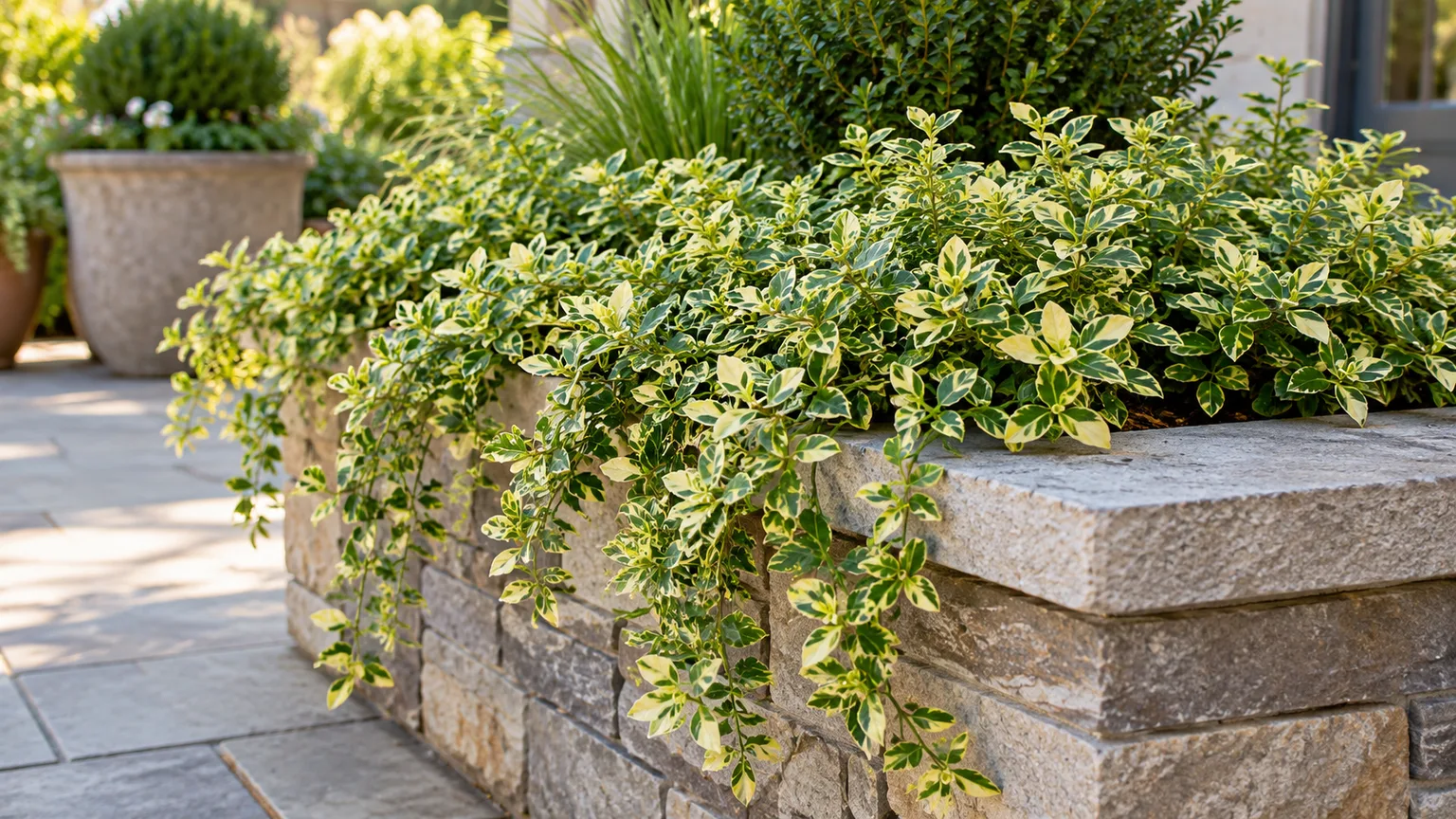
Inspect both forms during the growing season. If you find a stem starting to climb, remove or redirect it before it reaches tree bark, masonry, or a fence; if the plant is already climbing and producing fruit, treat the site as a seed-spread risk and follow local control guidance rather than simply cutting and moving the debris elsewhere. (Woody Invasives of the Great Lakes Collaborative)
Choose a cultivar for the job
Cultivars differ in leaf color, size, and habit, but they remain forms of Euonymus fortunei. ‘Emerald ‘n’ Gold’ has green leaves with broad golden margins and often forms a low mound; ‘Emerald Gaiety’ has green foliage edged in white or cream. ‘Coloratus’ is known for foliage that can take on purple or maroon winter tones, while compact selections such as ‘Kewensis’ have smaller leaves and a lower profile. The precise mature size depends on cultivar, growing conditions, and whether the plant finds something to climb. (North Carolina State Extension; Neil Sperry’s Gardens)
Do not treat “dwarf,” “compact,” or “variegated” as synonyms for sterile or noninvasive. Some forms may climb less readily or fruit less often, but size and fruiting behavior are not guarantees that a plant cannot spread. If a cultivar is permitted in your area and you still choose it, select based on the intended mature form, read the nursery label, and use the same containment precautions as for the species.
Choose light for healthy foliage
Wintercreeper tolerates full sun, partial shade, and even fairly deep shade, although growth and appearance vary with light and cultivar. A variegated selection often shows stronger color with brighter indirect or filtered light; in hot climates, intense afternoon sun can scorch foliage, especially on newly planted or container-grown plants. North Carolina State Extension notes tolerance from full sun to medium shade and says the species can tolerate heavy shade. (North Carolina State Extension)
Use the site to control the growth you can control, not to assume a shady spot will limit spread. A shaded woodland edge may actually be vulnerable because the plant tolerates shade and can move through the understory. If growing is permitted, choose a contained garden bed away from trees and natural areas, then observe the cultivar through a season before deciding whether its light is sufficient.
Give roots drainage, not soggy soil
Wintercreeper adapts to a wide range of ordinary garden soils, including clay loam, loam, and sandy soil, and tolerates a broad pH range. Drainage is more important than trying to adjust the soil to a particular pH: persistent saturation deprives roots of oxygen and can lead to decline. N.C. State Extension describes it as adaptable to soil types and moisture from moist to dry-mesic, but not wet ground. (North Carolina State Extension)
Before planting, watch the site after a heavy rain. If water remains pooled long after surrounding soil drains, move the planting to a better-drained location or use a container with clear drainage holes. Avoid adding a pocket of rich potting mix to a clay hole; that can hold water around the root ball instead of solving the drainage problem. For ordinary garden soil that drains, loosen the planting area broadly and backfill with the native soil rather than creating a sharp-textured pocket.
Water through establishment
Water a new plant thoroughly after planting, then keep the root ball and surrounding soil evenly moist while roots settle in. The interval depends on rainfall, soil texture, temperature, and exposure: check the soil rather than watering by a fixed weekly calendar. If the top inch or two has dried and the root zone is not damp, water slowly at the base so moisture reaches the roots rather than running off the foliage.
Once established, wintercreeper tolerates some dry weather and usually needs supplemental water only during prolonged heat or drought. Plants in containers dry faster because they have less soil volume, so check them more often in warm or windy weather. Do not compensate for wilting by repeatedly watering saturated soil; check drainage and roots first, since waterlogging can look like drought stress from above. Neil Sperry’s account of growing ‘Coloratus’ in North Texas describes it as drought tolerant once established, but that regional experience should not be treated as a universal watering schedule. (Neil Sperry’s Gardens)
Plant wintercreeper with containment in mind
Only plant wintercreeper after confirming local status and deciding you can inspect it routinely. Choose a site with a hard boundary such as paving or a raised planter, and keep it separated from trees, fences, walls, and woodland edges that could serve as climbing supports. A hard edge helps reveal runners; it does not make the plant self-containing, and any stem that reaches soil beyond the boundary can root there.
Set the root ball at the same depth it grew in its nursery pot. Water it in, replace displaced mulch, and leave the crown uncovered rather than burying stems. If planting multiple specimens is allowed and appropriate, follow the cultivar’s mature-width guidance instead of packing them closely to create a fast carpet; closer spacing may close gaps sooner but also makes the edge harder to inspect and control.
For a small residential planting, make a simple maintenance route: keep the plant visible along its perimeter, remove volunteer stems before they root, and inspect nearby structures at least monthly during active growth. Collect trimmings rather than dropping them into other beds. Where the plant is listed as invasive or prohibited, do not plant it as a “contained” experiment; choose a substitute that fits the same light and soil conditions.
Fertilize only when growth needs it
Established wintercreeper generally does not need routine feeding in average soil. If growth is poor, first check for standing water, drought, dense shade, root competition, scale, or winter injury; fertilizer will not fix any of those causes and may push more vigorous shoots that require additional pruning.
If a soil test or a clear nutrient deficiency supports fertilizing, use a modest amount of a balanced landscape fertilizer in spring and follow the product label. Keep fertilizer off stems and do not add it automatically each season. A vigorous groundcover that must be clipped back is not improved by pushing extra growth.
Prune before runners escape or climb
Pruning is primarily for containment and shape, not for stimulating more growth. In late winter or early spring, remove dead, damaged, or crossing stems; during the growing season, clip runners that reach beyond the intended border and cut upright shoots before they attach to a tree or wall. Use clean, sharp pruners for selective cuts, and collect all pieces that could root where they land.
If a variegated plant starts producing all-green shoots, remove those shoots back to their point of origin. Green reversions can grow more vigorously and may eventually dominate the patterned foliage. For a formal mound, make light trims rather than shearing deep into old, leafless wood; repeated severe shearing can leave a thin outer shell with bare interior stems.
A plant that has climbed high is a different job from a low edging plant. Do not pull a mature vine down from a tree, because its clinging rootlets and woody stems may damage bark or break branches. Cut it at the base and seek local extension or invasive-species guidance for any follow-up, especially if fruit is present; the Great Lakes Collaborative recommends preventing vertical growth early and monitoring treated sites for regrowth. (Woody Invasives of the Great Lakes Collaborative)
Propagate only where it is legal and ecologically appropriate
Wintercreeper can root from stems that touch moist soil, and growers also use stem cuttings or simple layering. That ease is useful horticulturally but is also why the plant can escape. If wintercreeper is restricted or invasive in your area, do not propagate, trade, or give away cuttings; consider replacing the plant rather than making more of it.
Where local guidance permits propagation, a small, healthy, nonflowering stem cutting can be rooted in a clean, free-draining medium kept slightly moist, then potted once it has developed roots. Named grower Neil Sperry describes stem cuttings as a practical method for ‘Coloratus’, while Growing Our Retirement also documents rooting short cuttings and layering ground-running stems; those methods illustrate how readily shoots may root and should not override local restrictions. (Neil Sperry’s Gardens; Growing Our Retirement)
Do not discard cuttings or removed plants in a natural area, roadside, storm drain, or open compost pile. Follow municipal yard-waste instructions for invasive plants, because some programs require bagging or another specific disposal method. Clean soil and plant fragments from tools and footwear before moving to another property.
Grow wintercreeper in a container
A container can make a permitted planting easier to monitor, but it does not erase the plant’s spread potential or local restrictions. Use a sturdy pot with drainage holes and a free-draining potting mix, and place it on pavement or another surface where stems cannot root into soil through the drainage holes. Keep the container away from trees, fences, and walls, and clip shoots before they trail beyond the pot.
Check soil moisture more often than for an in-ground plant. Water until excess drains from the bottom, then empty any saucer so roots do not sit in water. Repot in spring when roots circle densely or emerge from drainage holes, using a container only modestly larger; a very large volume of wet mix can stay damp longer than the root system can use.
Inspect the patio, cracks, nearby beds, and the underside of the container during routine maintenance. Stems may root wherever they reach moist soil, and roots emerging through holes can make the pot less contained than it appears. If you cannot keep the plant isolated and clipped, replace it with a non-spreading container plant suited to your region.
Prepare wintercreeper for winter
Cold tolerance varies by cultivar and exposure. Neil Sperry lists ‘Coloratus’ for USDA zones 4–9; use the tag for your own cultivar and remember that hardiness-zone ratings describe survival, not perfect foliage through every winter. (Neil Sperry’s Gardens)
In exposed sites, evergreen leaves can lose water during cold, sunny, windy weather while frozen soil limits replacement. Water during a dry fall before the ground freezes, keep a moderate layer of mulch over the root zone without piling it against stems, and avoid late-season pruning that encourages tender new growth. Winter bronzing or leaf burn does not always mean the plant is dead; wait until new growth begins before removing stems that may still be alive.
Container roots are more exposed to freezing than roots in the ground. In colder climates, move the pot to a sheltered, unheated location or insulate the container, while keeping it out of standing water. Check it occasionally during winter thaws and water lightly if the mix is completely dry and unfrozen.
Flowers, fruit, and wildlife
The flowers are small and usually not the reason gardeners grow wintercreeper. Mature plants, particularly stems that have climbed into brighter light, can flower and later form pinkish capsules that open to show orange arils and seeds. Timing varies by climate, but the fruit often becomes visible in fall. (North Carolina State Extension; Woody Invasives of the Great Lakes Collaborative)
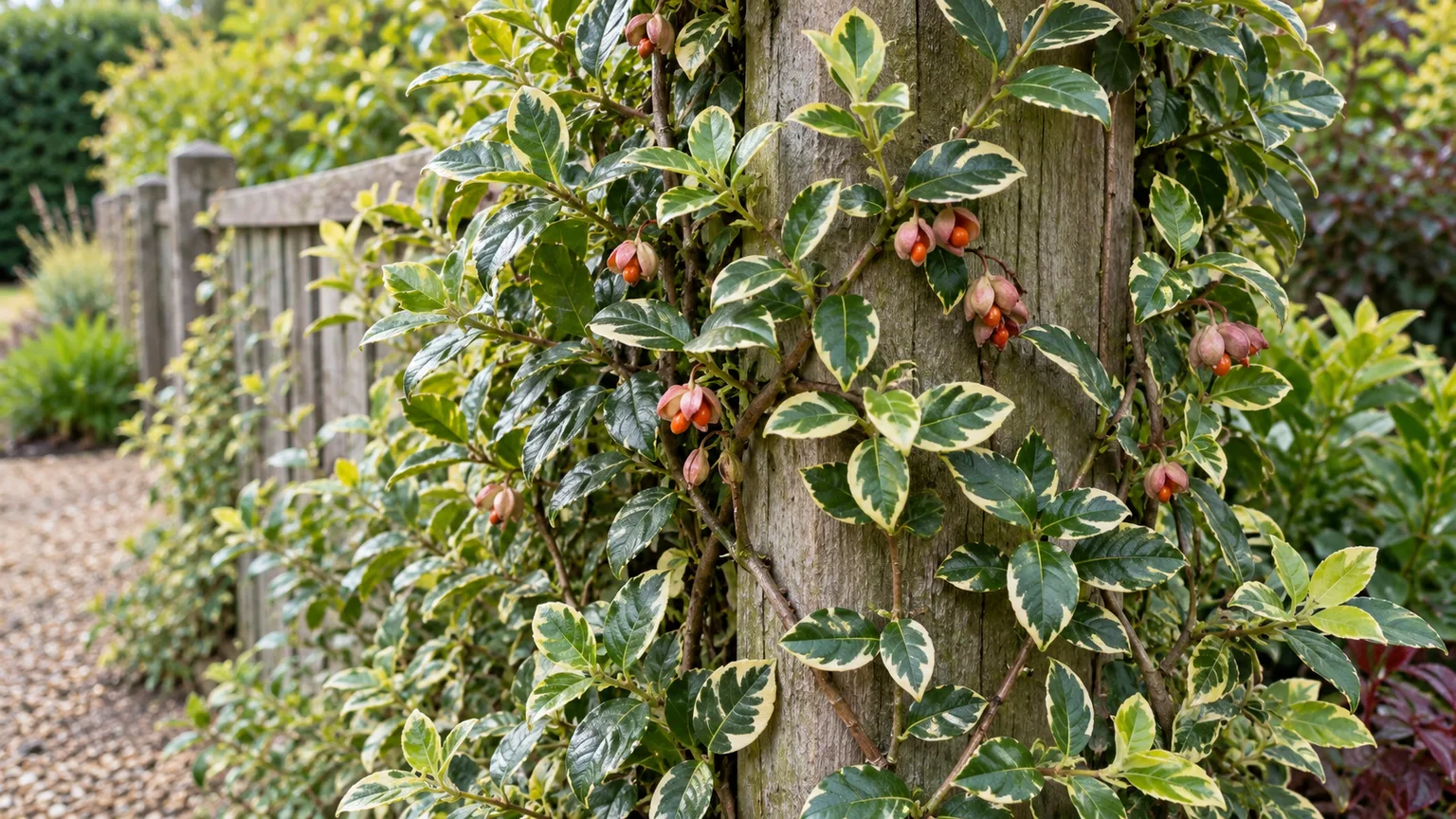
Birds eat the fruit and can disperse seeds into nearby natural areas. That is one reason a plant that seems like an ornamental groundcover in one yard can appear in woods or along a stream corridor; removing flowers or fruit after they form is less reliable than preventing the plant from climbing and maturing in the first place. The Invasive Plant Atlas and University of Maryland Extension describe bird-assisted spread and the plant’s ability to move from groundcover into climbing growth. (Invasive Plant Atlas of the United States; Maryland Grows, University of Maryland Extension)
Handle leaves and berries safely
North Carolina State Extension assigns wintercreeper low-severity poisonous characteristics but also notes that there are no species-specific toxicity records for the plant and that related Euonymus species can be poisonous. It advises against eating the berries and urges caution. The careful interpretation is neither “every touch is dangerous” nor “no records means edible”: keep leaves and fruit out of reach of children and pets, and never use the berries as food. (North Carolina State Extension)
Wear gloves if you have sensitive skin or are handling a large amount of plant material, wash hands after pruning, and keep clippings away from play areas and animal enclosures. If a person or pet eats any part of the plant, contact a poison-control service, veterinarian, or animal poison-control resource for case-specific advice; keep a sample or photograph for identification. Do not induce vomiting or give a home remedy unless a qualified professional tells you to.
Troubleshoot pests and common problems
Euonymus scale is a common pest concern on the genus. Look for small immobile scales on stems and leaf undersides, pale stippling, yellowing, or thinning; inspect multiple branches before treating, because similar symptoms can come from drought, winter burn, or root problems. North Carolina State Extension also lists aphids, anthracnose, powdery mildew, crown gall, and winter leaf burn as possible problems. (North Carolina State Extension)
For a small scale problem, prune out heavily affected stems and discard them according to local waste rules. If you consider a horticultural oil or other pesticide, confirm that the product is labeled for the plant and pest, read all precautions, and apply only under the temperature and weather conditions on the label; avoid spraying beneficial insects or nearby plants unnecessarily. A persistent or severe infestation is a reason to ask a local extension office for diagnosis before choosing a treatment.
Brown or scorched leaves in winter often follow cold wind, bright exposure, or dry soil before a freeze. Check whether the stems are still alive by lightly scratching a small section of bark; green tissue beneath suggests the stem may recover. If leaves yellow while soil stays wet, improve drainage and check the root zone before adding fertilizer. If an otherwise healthy plant suddenly develops bare patches, inspect for scale and check whether nearby stems have been shaded out by dense growth.
Consider better alternatives for your region
If wintercreeper is listed as invasive or restricted where you live, replacement is a better long-term plan than trying to keep an unsuitable plant permanently contained. The Great Lakes Collaborative lists alternatives such as wild ginger, native sedges, barren strawberry, Christmas fern, and Allegheny spurge for different groundcover and evergreen needs; the right option depends on local climate, light, soil moisture, and native-plant status. (Woody Invasives of the Great Lakes Collaborative)
For a dry, sunny, well-drained site, ask a local native-plant society or extension office about low-growing regional species that fit those conditions. For deep shade, look for locally native sedges, woodland groundcovers, or ferns rather than assuming one plant will cover every soil and moisture combination. A good substitute is the one that matches the site and does not require you to police runners or fruit every season.
If you already have wintercreeper, start by mapping where it has rooted and whether it has climbed or fruited. Small ground-level patches may be manageable with careful root removal and repeated monitoring; dense mats or vines up trees call for a locally informed control plan. The Missouri Invasive Plant Council and the Great Lakes Collaborative describe the need for follow-up after removal, since regrowth can occur. (Missouri Invasive Plant Council; Woody Invasives of the Great Lakes Collaborative)
Conclusion
Wintercreeper is easy to establish because it tolerates varied light and soil, roots from creeping stems, and can remain evergreen through winter. Those same traits make it difficult to contain and environmentally risky where it is invasive. Check the current rules and ecological guidance for your exact location before planting; do not assume a compact cultivar or container makes it harmless.
Where it is permitted and appropriate, give it well-drained soil, water it through establishment, skip routine fertilizer, and inspect the perimeter and nearby supports throughout the growing season. Cut climbing shoots early, collect clippings, and watch for fruit and regrowth. Where it is restricted or invasive, choose a locally suitable alternative rather than propagating or expanding the planting.