11 Garden Layout Ideas for More Plants in Less Space
Make a small yard, patio, or balcony more productive with 11 garden layout ideas, plus rules for light, spacing, water access, and seasonal turnover.
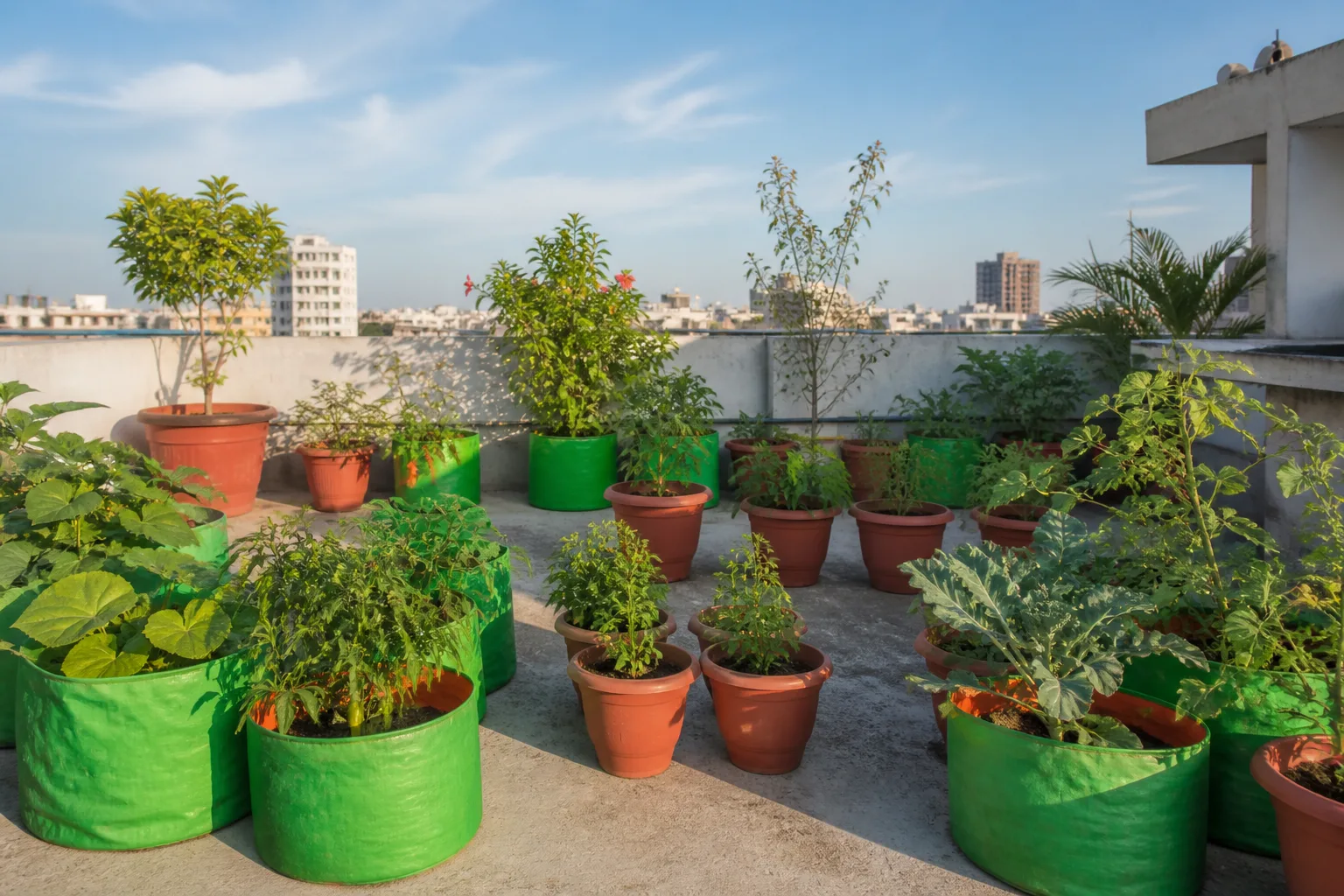
The best garden layout is not the one that fits the most pots or plants on paper. It is the one that lets you reach the soil, deliver water, see problems early, and give each plant enough light and root room to finish well.
Start by treating your space like a small system. Count the hours of direct sun, locate the nearest water source, measure the usable footprint, and note what you want to grow. Then choose one of the layouts below—or combine two that solve different constraints, such as a raised bed with a trellis or a flower border with patio containers.
Before you choose a garden layout
Start with sun, water, and the view
Watch the site on a clear day rather than guessing from a map or a single visit. Mark where direct sun lands at breakfast, midday, and late afternoon, then note seasonal shade from fences, walls, trees, and the house. If you are growing vegetables, put the tallest permanent feature on the side that casts the least harmful shadow—often the north edge in a sunny Northern Hemisphere garden.
Water access is a design constraint, not a finishing detail. A beautiful bed at the far end of the yard may fail because carrying a can there becomes tedious in July. West Virginia University Extension also puts the water source, available sunlight, available space, and accessibility in the planning stage, which is exactly where they belong. Its limited-space gardening guide is a useful checklist before you buy lumber or seedlings.
Measure reach, mature size, and root depth
Sketch the footprint on graph paper and draw the path first. A bed that cannot be reached from the path will eventually be stepped into, compacted, and planted less productively. For most home gardeners, a bed about 4 feet wide is manageable from both sides; a bed against a wall should be narrower because you can work from only one side.
Use the plant’s mature width—not the size of the transplant—as the spacing number. That rule feels wasteful when the bed is new, but it prevents the classic small-garden problem: a layout that looks perfect in May and becomes a humid, tangled mass by July. Also record root depth. A shallow window box suits radishes, greens, and herbs better than a full-size tomato, while a deep container can support a larger crop if it has drainage.
NC State Extension’s small-space crop table makes the same point in a more useful way: some crops fit shallow containers or borders, while tomatoes, peppers, cucumbers, and other fruiting plants need more light, depth, or support. Use its crop and light guide to filter a plant list before you design around it.
1. Square-foot grid for compact vegetables and herbs
Divide a reachable bed into roughly 1-foot squares, then assign each square a crop based on its mature size. The grid works especially well for lettuce, radishes, carrots, green onions, herbs, and other crops that can be harvested young or replanted quickly. It gives a small garden a clear map without wasting space on long rows that are mostly walking lanes.
Use the seed packet’s in-row spacing as the starting point, not the generous row spacing intended for a field or tractor. A 3-inch spacing, for example, can fit a close cluster of small crops, while a cabbage or pepper gets a square—or more—of its own. Garden In Minutes explains the area-based spacing math and the reach logic behind a bed that can be tended from its edges. See its square-foot spacing guide for crop-by-crop examples.
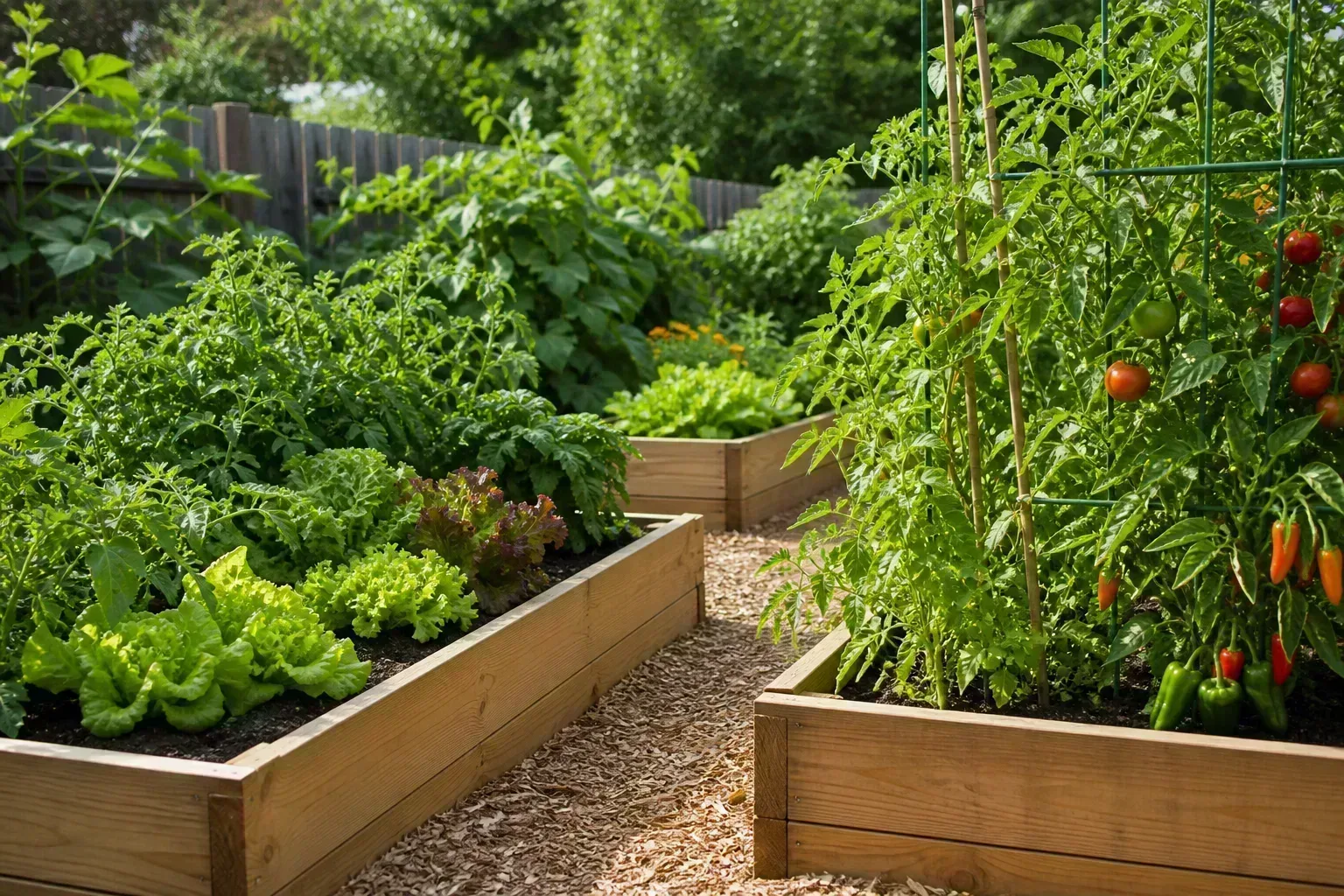
The grid is efficient only while you can still reach every square. Leave a practical path around the bed, avoid stepping into the soil, and use removable string or small markers if you need help finding the divisions. Square-foot planting is a poor fit for sprawling pumpkins, large zucchini, or a collection of perennials with unpredictable spread; give those plants a dedicated edge or vertical support instead.
2. Raised-bed cluster with a real path between beds
Several small raised beds can be more productive than one large rectangle because each bed can have a different job. Use one for salad crops, one for fruiting vegetables, and one for herbs or flowers. A narrow gravel or mulch path between them turns the whole garden into a work surface and keeps soil from being carried into the house.
Raised beds are useful when the native soil is compacted, contaminated, rocky, or poorly drained. Purdue Extension notes that even raising the soil a few inches can improve drainage and help the soil warm earlier in spring, while a taller bed can reduce bending for gardeners with limited mobility. Read Purdue’s small-space vegetable guidance before choosing a bed height.
Keep every bed reachable from the edge
The path is part of the layout, so size it for the way you garden. Leave enough room to kneel, turn a cart, or bring a hose through without brushing plants. If one bed is accessible from only one side, make it shallow enough that the far edge is still within reach; adding more soil height does not solve an awkward width.
Do not fill every bed with the same dense crop. Raised beds dry and warm sooner than surrounding ground, so the layout may need more frequent watering in a hot, windy site. A simple drip line or soaker hose installed before planting is usually easier to manage than trying to weave a hose through mature foliage.
3. Vertical trellis wall for vines and climbers
Use a fence, sturdy trellis, cattle panel, or arch to turn air above the soil into growing space. Pole beans, peas, cucumbers, and some vining tomatoes are natural candidates; flowers such as morning glory or climbing nasturtium can serve the same space-saving role in an ornamental bed.
Put the support in place before the seedlings need it. A trellis that is added after vines sprawl becomes a wrestling match, and a light decorative panel can fail under the weight of wet foliage and fruit. Anchor the structure, leave room behind it for inspection, and keep the planting strip narrow enough to water from the path.
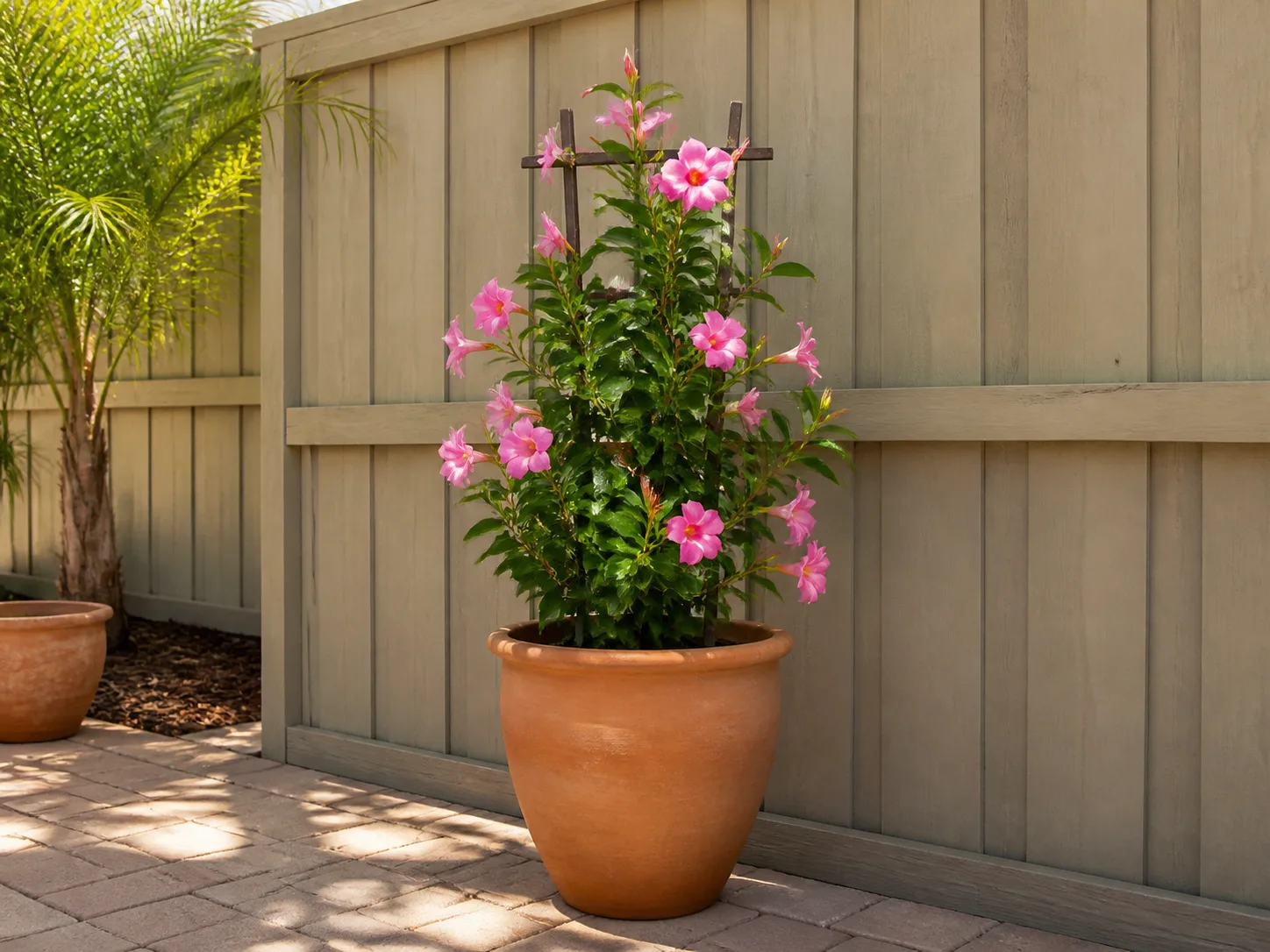
Vertical gardening changes the harvest height, not the plant’s basic needs. The roots still require sufficient soil, the leaves still need light, and a wall can reflect heat or block sun from crops behind it. Epic Gardening’s small-space guidance describes trellising as a way to contain vining crops and improve access, but also warns that closer spacing needs observation for airflow, competition, bolting, and disease. Review its small-space examples and match the structure to the crop rather than buying a one-size-fits-all tower.
4. Container ladder or patio perimeter
Containers let you grow around the edge of a patio, balcony, deck, or driveway without sacrificing the center for movement. Arrange them by height: sturdy, heavy pots on the ground; medium containers on a stable bench; and only lightweight planters or hanging baskets above. Keep the tallest plants at the back or corners so they do not shade shorter crops.
Choose containers by root volume and water demand, not by color. A single large, well-drained pot is usually easier to keep evenly moist than a cluster of tiny pots. Use a lightweight potting mix, make sure excess water can escape, and keep edible crops in containers that are clean and suitable for the job. NC State Extension specifically notes that larger containers are easier for vegetables and that drainage holes are essential.
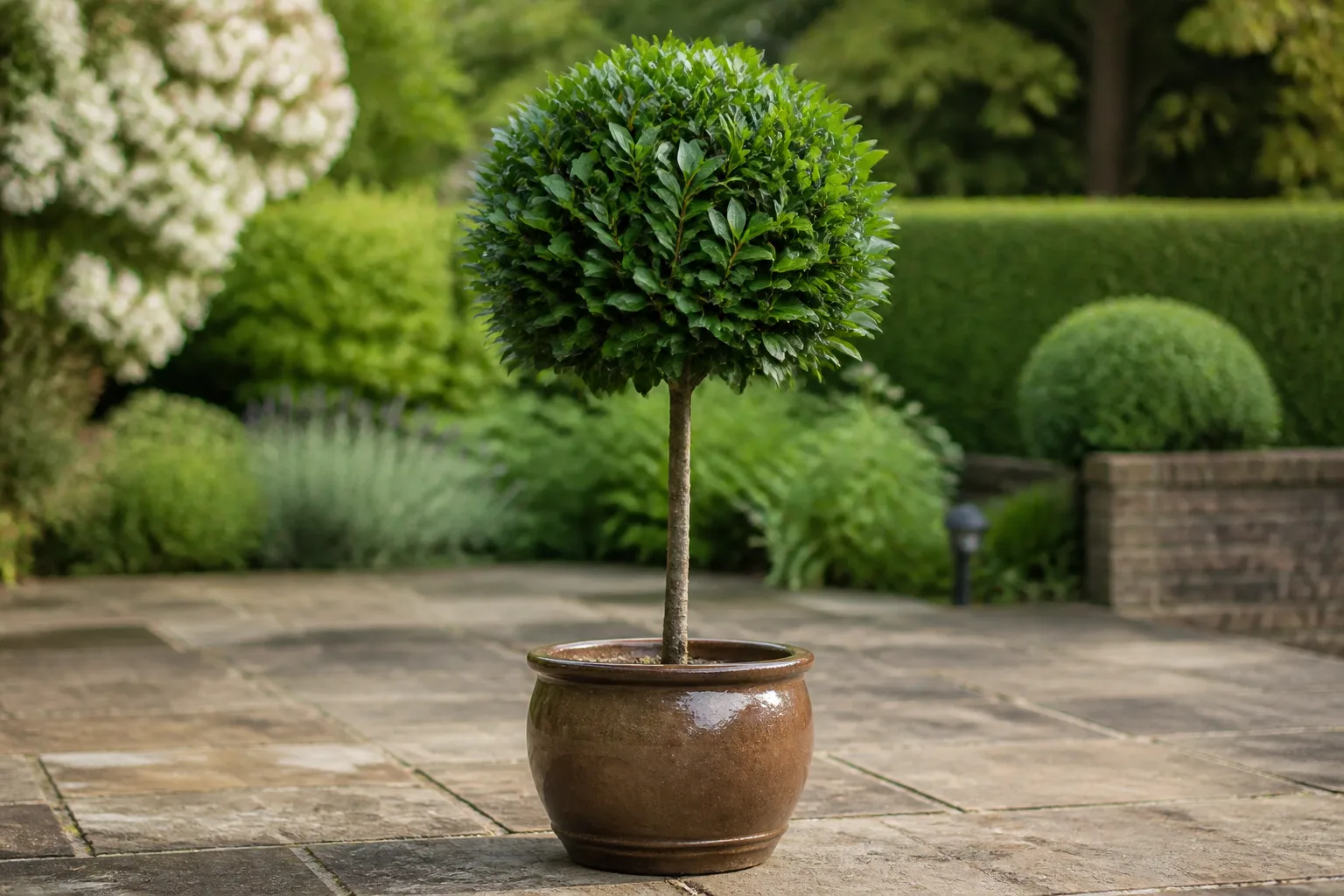
Leave an inspection gap around each pot so you can check the underside of leaves and water the root zone. Containers on balconies also add substantial weight when filled and soaked, so follow the building’s rules and consult a qualified professional if the load or railing attachment is uncertain. A portable garden is not automatically a safe garden.
5. Narrow edible border along a fence or walkway
Turn an underused strip into a ribbon of food or flowers, but keep the width honest. A narrow border beside a walkway works best with low herbs, greens, strawberries, compact peppers, or flowers that stay upright. Reserve sprawling crops for the outside edge only if they will not obstruct the path.
Repeat a small group of plants instead of filling the border with one of everything. Repetition makes a narrow bed look intentional and makes care easier because the same pruning, watering, and harvest tasks recur along the strip. Put plants with similar moisture needs together, and leave a small gap from the fence so air can circulate and the back edge can be reached.
A border can also use the fence as a trellis, but do not let the support become a wall of shade. Put light-loving crops where they receive light for the part of the day that matters most, and use the shaded side for greens, herbs, or foliage plants that tolerate lower light.
6. Mixed herb, vegetable, and flower bed
Combine edible crops with flowers when the bed is visible from the house or front walk. Basil, thyme, chives, parsley, marigolds, nasturtiums, lettuce, peppers, and compact tomatoes can make a productive bed look less like a utility plot. Use flowers to soften edges and attract attention, not as a promise that one plant will repel every pest.
Build the layout in layers. Place the tallest crop or support where it will not shade the rest, fill the middle with harvest plants, and edge the bed with low herbs or flowers that can be reached without stepping into the planting. Group plants by water and light needs even when their colors look good together; a rosemary that wants a drier site is a poor companion for a thirsty lettuce patch.
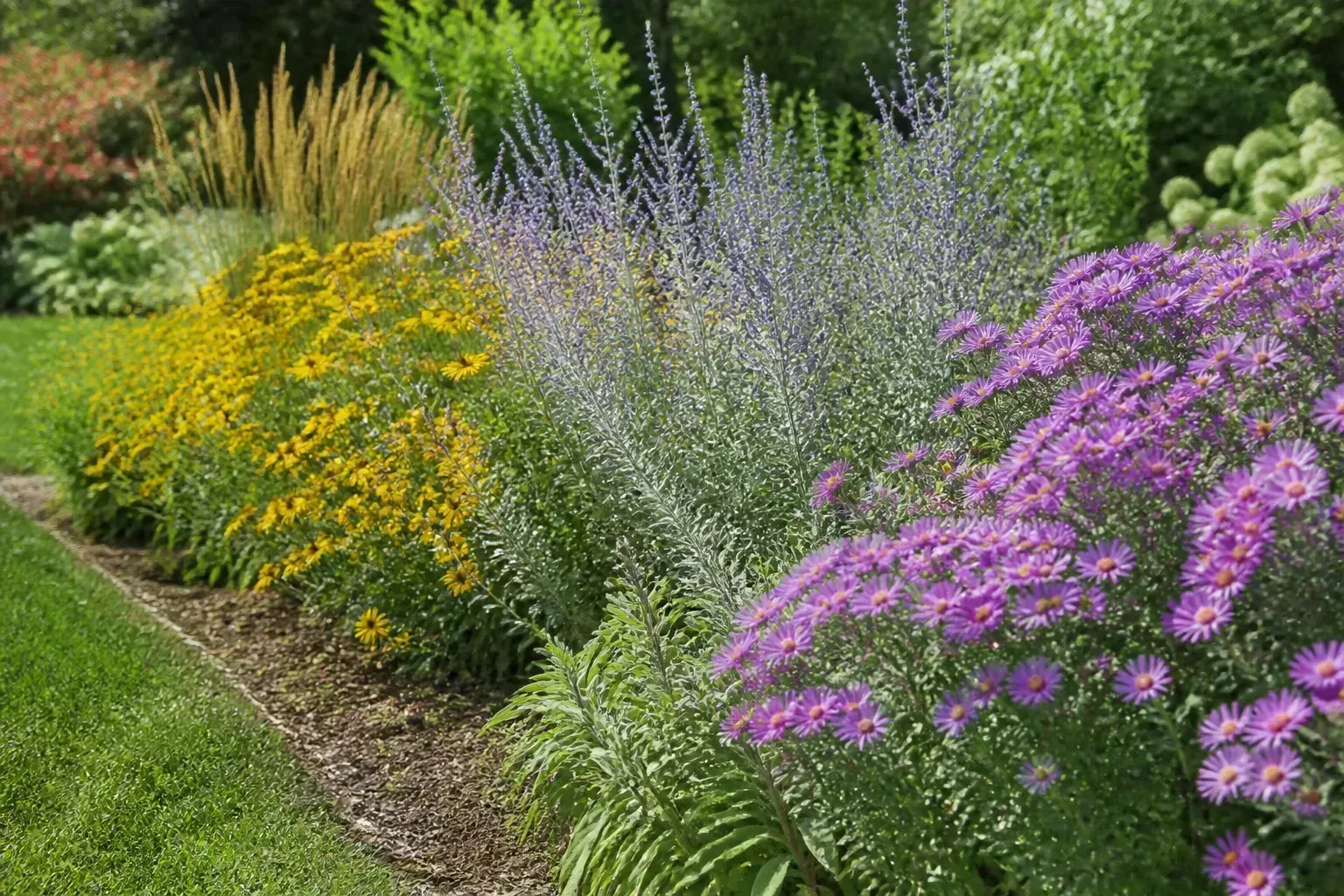
This layout is also a good place to use repeated color or texture. One yellow flower repeated at both ends of the bed creates rhythm; one silver-leaved plant repeated through the middle can connect unrelated crops. Keep paths and harvest access visible, because a mixed bed that cannot be harvested becomes ornamental by accident.
7. Succession strips that change through the season
Design a small bed as a sequence of short-lived plantings rather than a permanent list. Plant radishes or baby greens between slower carrots, replace finished lettuce with beans or chard, and reserve a late-summer strip for fall greens. The soil stays productive because one crop vacates a space just as another needs it.
Draw a simple calendar beside the layout. Write the first sowing date, the expected harvest window, and the crop that will follow. Purdue Extension uses the example of mixing a fast crop with a slower one so the first crop is harvested as the second expands, while Epic Gardening recommends succession planting for a continuing supply of quick greens. Compare those practical timing ideas in Epic Gardening’s guide and adjust them to your climate and the seed packet.
Pair quick and slow crops deliberately
Pair plants by space and timing, not just by a companion-planting chart. Radishes can mark a row of carrots because they mature sooner; lettuce can fill a gap before a pepper reaches full size; a trellised cucumber can leave a sunny strip for a low crop if the vine is trained early.
Succession planting fails when the schedule ignores heat, frost, or the gardener’s time. Do not sow three trays of salad greens if you cannot eat them, and do not keep a spent crop in place because the next crop is not ready. Harvest, clear, add a small amount of finished compost if needed, and replant while the bed is still easy to work.
8. Shade-first layout for leafy crops and woodland plants
Stop treating shade as an empty version of sun. A bright, open shade garden can support lettuce, spinach, kale, Swiss chard, parsley, mint in a contained pot, ferns, hostas, heuchera, and other foliage plants, even when it will not reliably ripen tomatoes or peppers.
NC State Extension offers a useful light ladder: fewer hours can still support crops harvested for leaves, while fruiting crops need enough light to grow, flower, and set fruit. Use that distinction to assign jobs. Put herbs and greens in the brightest part of a partial-shade site, and use the deepest shade for texture, not for crops that require fruit production.
Keep shade layouts open enough for air movement and inspection. Tree roots may compete for water, and dense foliage can keep soil wet after rain. Use containers or a raised bed where root competition is severe, and do not assume that a damp corner has good drainage simply because it is shaded.
9. Tiered corner or gentle-slope garden
A triangular corner, side-yard wedge, or gentle slope can become a series of small planting shelves. Use low edges, staggered containers, or short beds to slow runoff and make the terrain easier to plant. Put the most frequently harvested crops closest to the path and use the upper or least accessible tier for durable ornamentals.
This is a layout for a stable, manageable slope—not a substitute for structural engineering. Watch where water moves during a hard rain, keep soil from spilling onto paths, and use professional help for unstable ground, large retaining walls, or drainage that threatens a foundation. A garden can soften a slope, but it cannot guarantee that the slope is safe.
10. Tabletop or raised accessible garden
Raise the root zone to suit the gardener. A tabletop planter, waist-high bed, or narrow raised box can reduce bending and make herbs, greens, strawberries, and dwarf vegetables easier to inspect and harvest. Place it where a chair or mobility aid can approach without a tight turn, and leave enough clearance for watering and maintenance.
Keep the planting mix light enough for the structure and make drainage deliberate. WVU Extension lists tabletop and adaptive-tool gardening as ways to reduce physical demands, but also calls out the need to size the area and tools to the gardener’s ability. Its limited-space table is especially useful when planning container weight, plant height, and overhead structures.
Do not make every crop tall just because the bed is tall. A waist-high planter filled with an indeterminate tomato may require more reaching and tying than a lower-growing pepper, lettuce, or herb. Design for the action you want to make easy: sowing, harvesting, watering, or simply seeing the plant clearly.
11. Seasonal swap plan for one small footprint
Use one well-designed footprint for several garden seasons. Cool-season greens can occupy a bed in spring and fall; warm-season beans, cucumbers, peppers, or compact tomatoes can take over in summer; flowers or cover crops can fill the transition. A container perimeter can shift from herbs to annual flowers without changing the path or irrigation.
Keep a short record of what worked. Note which corner dried fastest, which plants shaded their neighbors, how many harvests you actually used, and where pests appeared. The next layout should respond to those observations rather than to a new inspiration photo.
Seasonal turnover is a productivity tool, but it is also an editing tool. It gives you permission to remove a crop that is underperforming, occupies too much space, or does not fit your cooking habits. A small garden becomes more generous when it grows what you will harvest, not when every square inch is occupied at all times.
Keep the layout productive without making it crowded
Avoid the temptation to solve every constraint at once. Too many containers create a watering route problem; too many trellises create shade; too many closely spaced plants reduce airflow; and too many different crops make the garden hard to read and harder to remember.
Use this final check before planting:
- Can you reach every plant? Draw the path and mark where your knees, hose, cart, or chair will go.
- Does each plant have the right light? Assign leafy, root, and fruiting crops to the amount of sun they can actually receive.
- Will the mature plants collide? Leave room for spread, support, harvesting, and airflow.
- Where will water come from? Plan a hose, drip line, soaker hose, or hand-watering route before foliage hides the soil.
- What happens next? Give every short-lived crop a replacement or an intentional empty period.
If the answer to one of these is no, reduce the plant list before increasing the bed size. A smaller layout that you can maintain every week will produce more useful plants than a larger layout that becomes a chore.
Conclusion
Garden layout ideas work when they convert a constraint into a structure. Square-foot grids organize compact crops, raised-bed clusters improve access and soil control, trellises add growing area above the ground, containers reclaim patios and edges, and succession strips make the same soil productive across the calendar.
Choose one layout that fits your strongest constraint, sketch the path and water route first, and plant fewer varieties than your wish list suggests. Once the first season shows you where the sun, water, and mature plants actually behave, revise the map. That feedback loop—not a perfect first drawing—is how a small garden grows more while staying manageable.



