8 Companion Plants for a Bigger Fall Harvest
Discover 8 fall vegetable companion plants, where to place them, when to start them, and which pest-control claims need a reality check.
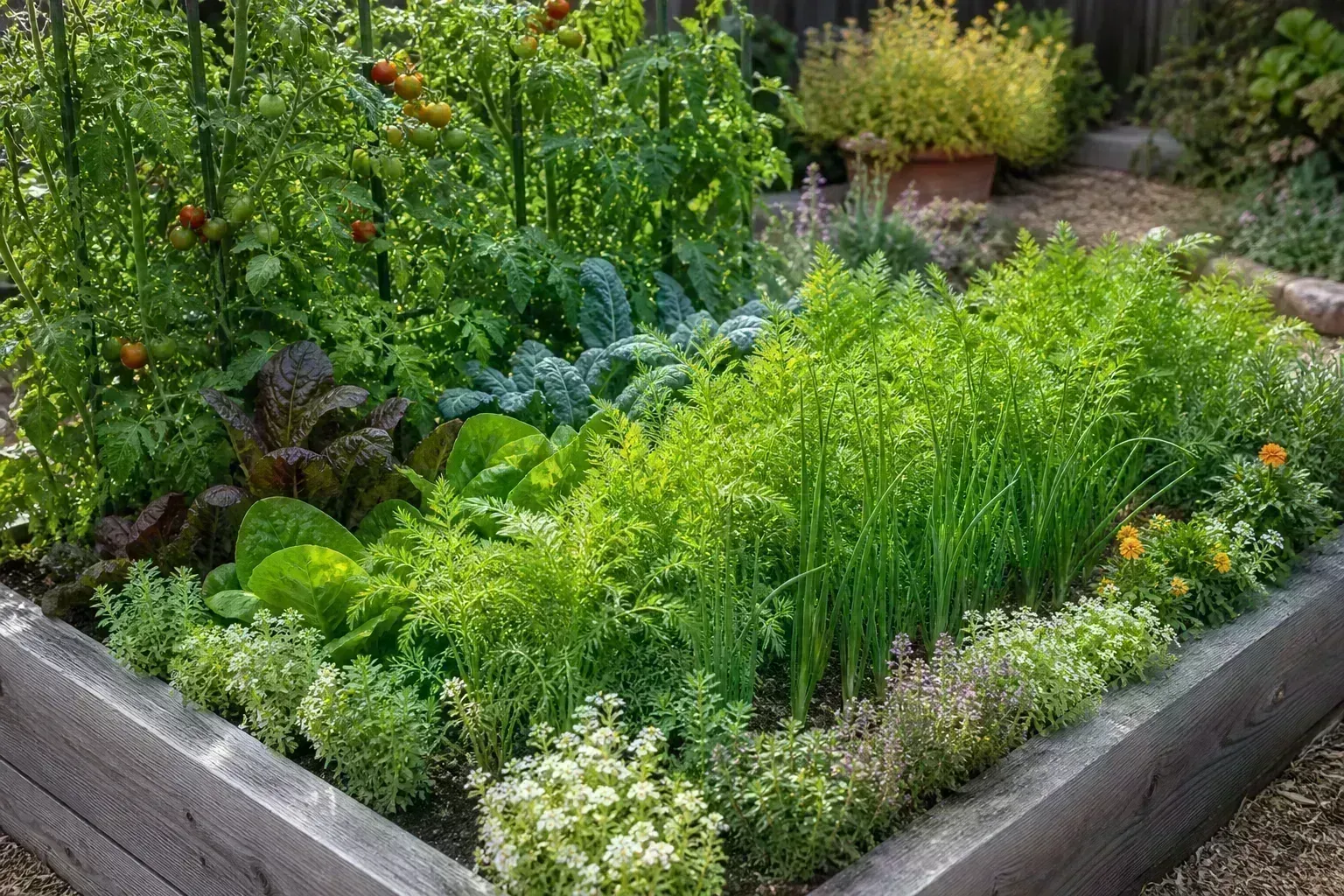
Fall gardens are not simply summer gardens with a few plants swapped out. The light is shortening, nights are cooling, and a crop that matures in 45 packet-listed days may need longer in the real garden. That is why the most useful companion plants for fall vegetables are not just “pest-repellent” names: they help you use space, feed beneficial insects, create a temporary microclimate, or keep a bed productive while the weather changes.
The eight plants below are tools with specific jobs, not lucky charms. Nasturtiums can serve as monitored trap crops, onions and chives can share space with deep-rooted crops, lettuce can occupy a short-lived gap beside beets, and flowers can add habitat. None of them replaces crop rotation, healthy soil, physical barriers, or a daily look under leaves when caterpillars arrive.
What companion planting can—and cannot—do for a fall garden
Companion planting means growing different species close enough to interact. The interaction might be physical, such as corn supporting beans; spatial, such as a fast lettuce crop finishing before a slower crop fills the bed; or ecological, such as flowers supplying nectar to insects that prey on aphids. The Royal Horticultural Society groups the main benefits around space efficiency, pest and disease disruption, and mutually supportive plant communities. RHS companion planting overview
The important qualifier is not every pairing works in every garden. A chart may call two plants companions, but that label does not resolve whether they need the same amount of water, whether one will shade the other, or whether they share a disease family. Treat a pairing as a design hypothesis: give it enough space to grow, observe what happens, and keep the crop that feeds you as the priority.
| Companion job | What it looks like in a fall bed | What it cannot promise |
|---|---|---|
| Trap crop | Nasturtiums draw some pests toward a plant you are willing to remove | Pests will not disappear without scouting and removal |
| Habitat | Flowers and herbs provide nectar, pollen, and shelter for beneficial insects | A few flowers will not instantly control an outbreak |
| Space efficiency | Lettuce or radishes fill a gap before a larger crop closes in | The fast crop must actually be harvested on time |
| Root zoning | Onions or chives occupy a different soil layer from carrots or parsnips | Different roots still compete in dry, crowded soil |
| Microclimate | A mature plant gives temporary light shade or ground cover | Shade can become a yield problem as plants grow |
That expectation keeps companion planting useful. Your goal is not to create a self-defending garden that needs no attention; it is to make the bed more diverse and efficient while using straightforward horticulture to handle the risks companions cannot solve.
Start with the fall crop, not the companion
Begin with the vegetable you want to harvest: kale, broccoli, lettuce, spinach, beets, carrots, or parsnips. Write down its mature size, days to maturity, light requirement, water preference, and crop family before choosing a neighbor. This simple reversal prevents a flowering plant from taking the best light or a vigorous herb from monopolizing a narrow bed.
For a fall crop, also ask what you want at the first frost. A baby-leaf salad, a full carrot, and a mature cabbage have different deadlines. A companion that establishes slowly may be a good long-term bedmate but a poor choice when you are sowing a crop only six weeks before cold weather.
Match by light, roots, and water
The cleanest pairings have compatible culture. Carrots and onions, for example, can share a bed because their roots occupy different profiles and neither normally creates a tall canopy. Lettuce and beets can also be productive together when the lettuce is harvested while the beet tops are still small.
Height requires more planning than plant labels suggest. Put tall peppers, herbs, or trellised crops on the north side of shorter vegetables where possible, and do not let a companion turn a sunny bed into a damp tunnel. Leave enough air around brassicas and leafy greens for leaves to dry after rain; a flower that touches every leaf is not automatically helping.
Water is the quiet deal-breaker. A rosemary plant that wants excellent drainage should not be wedged into the same constantly moist pocket as young lettuce, while a shallow-rooted chive clump still needs irrigation when the topsoil dries. Mulch the soil surface, water the crop’s root zone, and judge the pairing by plant performance rather than the word “companion.”
Calculate timing from frost and maturity
Use your local first expected frost date as a planning anchor, then count backward from the seed packet’s days to maturity. Add extra time for shortening days, slow germination, transplant shock, and the fact that a packet’s number is not a promise for every climate. Savvy fall gardeners often add roughly a week or two for autumn’s declining light, while the RHS autumn calendar emphasizes seasonal sowing, soil preparation, and frost protection rather than one universal date. Savvy Gardening fall vegetable garden RHS autumn food-growing calendar
This calculation matters for companions too. Sow a nasturtium early enough to become a visible trap plant before cabbage moths are active, but do not delay the kale while waiting for the nasturtium to catch up. Plant garlic and overwintering onions on their own schedule; use them as edge or inter-row plants only when they will not delay the fall vegetable you actually want.
Heat can complicate the first step. Lettuce and spinach seeds may germinate poorly in hot soil, so start transplants in a cool place, shade the seedbed temporarily, or wait for a suitable weather window. Fall vegetables are often planted in summer, not after summer is over, and a companion plan that ignores establishment conditions starts behind.
8 companion plants worth testing
These eight choices cover the ideas gardeners most often mean by fall companion planting. Each entry gives you a best use, a practical placement, and a limitation so you can decide whether the plant earns space in your bed.
1. Nasturtiums: a monitored trap crop for brassicas and greens
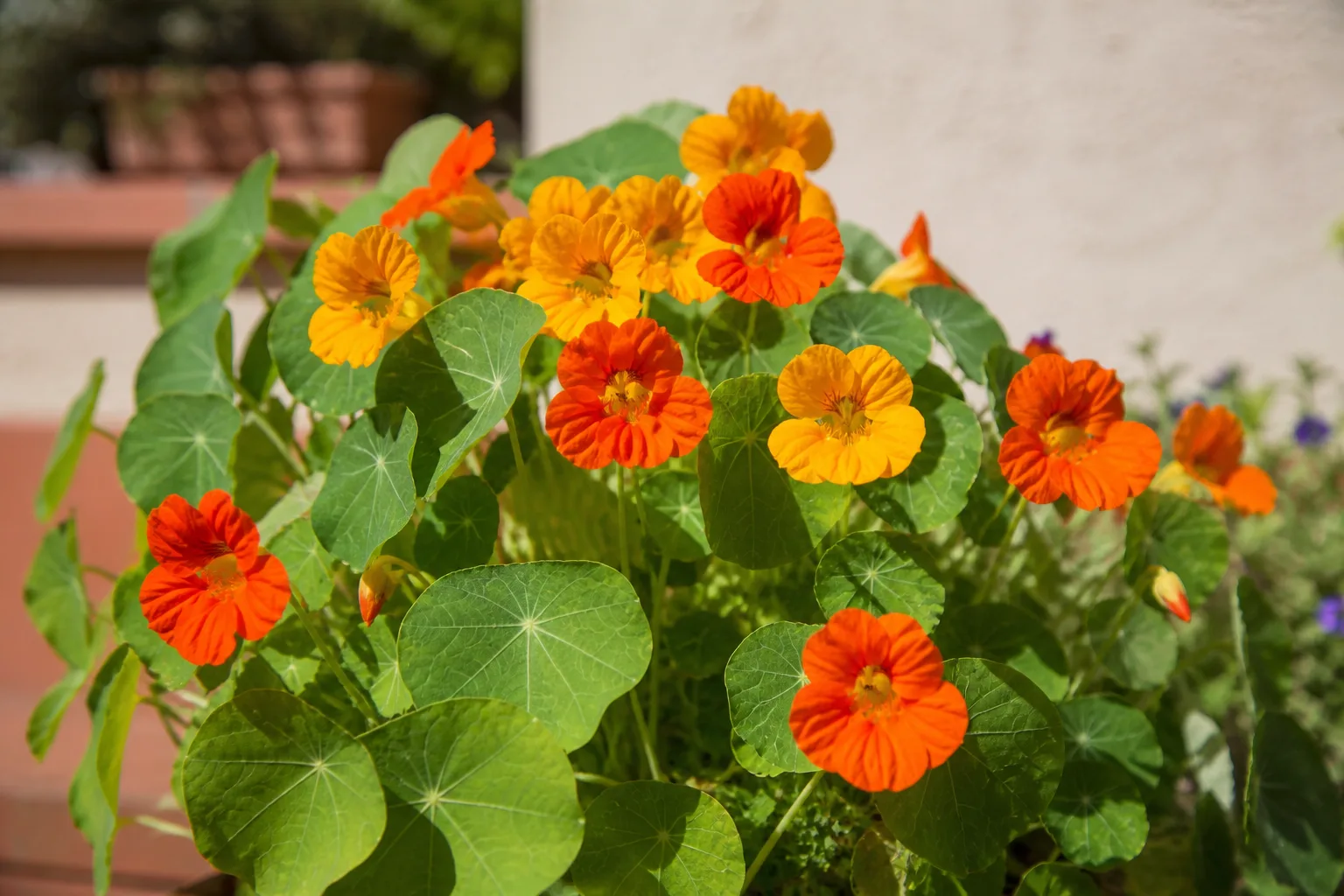
Nasturtiums are useful around kale, cabbage, broccoli, and sometimes lettuce because they can attract aphids and caterpillar pests that you would rather find on a sacrificial plant than in the center of your crop. That is a trap-crop strategy, not a repellent strategy. You are giving certain pests a preferred target and then deciding what to do when they arrive.
Plant nasturtiums on the perimeter of a bed or in a small island where you can inspect them easily. Leave a little separation from the brassicas instead of allowing vines to form a leafy bridge straight into the crop. The right distance depends on mature spread, but the practical rule is that you should be able to reach both plants, see the stems, and remove the trap crop without trampling the vegetables.
Monitoring is the part people skip. Check the nasturtium at least twice a week during active pest periods; if it is heavily covered with aphids or crawling larvae, pull it, seal it in a bag, or remove the pests before they disperse. Do not harvest infested leaves for the kitchen, and do not assume an untreated trap crop is a permanent pest sink.
Nasturtiums also add edible flowers and late-season color, but those are separate benefits. If your main goal is a caterpillar-free broccoli harvest, row cover and hand removal are more dependable first-line defenses. Use the nasturtium to add biodiversity and buy time, not to replace a barrier.
2. Garlic: a long-season edge plant for cool crops
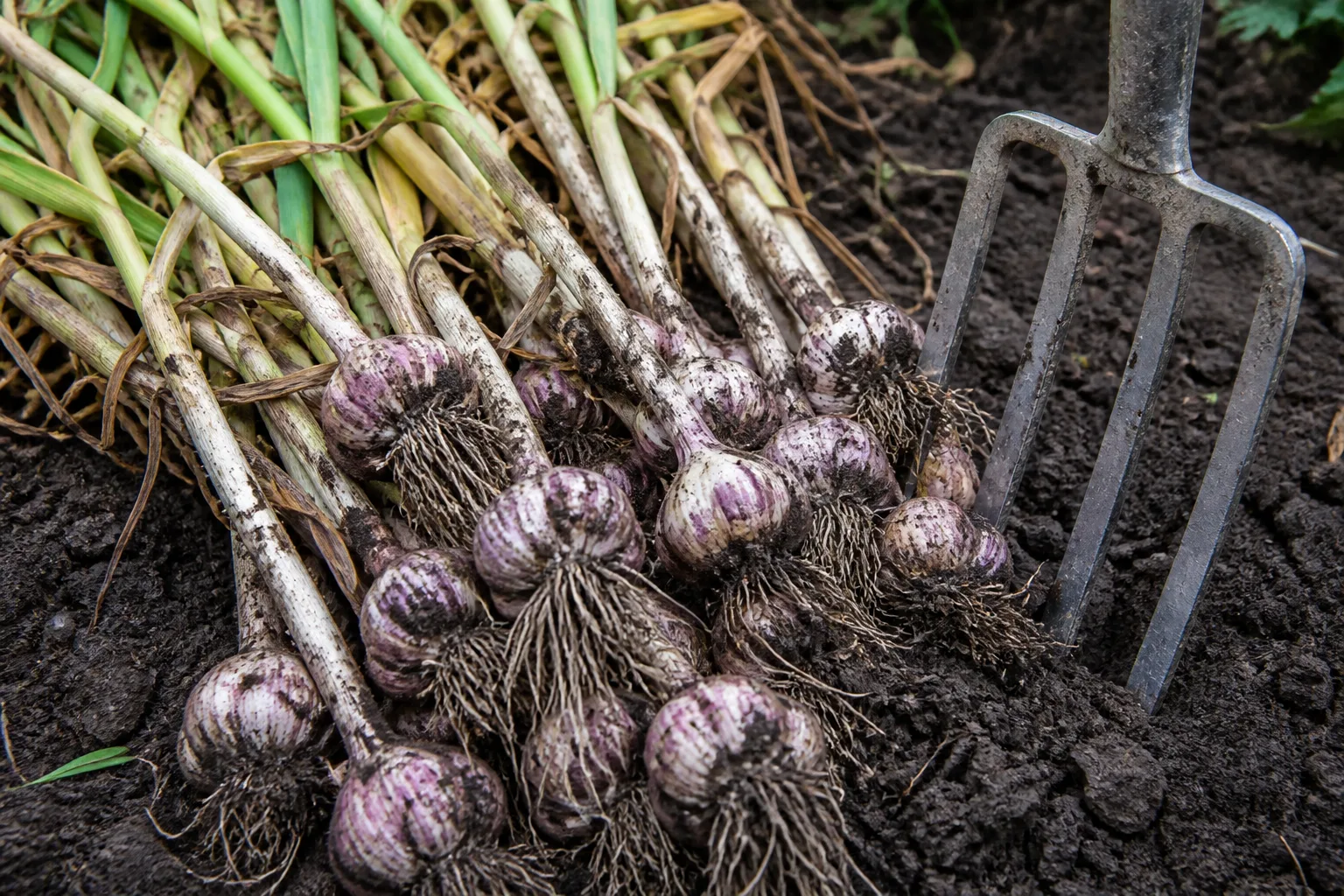
Garlic fits naturally beside many fall vegetables because it occupies a narrow footprint, tolerates cool weather, and can remain in the ground while greens are harvested around it. Its upright leaves do not create the dense shade of a large companion, making it a sensible edge plant for lettuce, carrots, parsnips, and kale when the bed is well drained.
The scent is the part to describe honestly. Garlic may contribute to a more diverse, strongly scented planting, but a row of cloves is not a force field against aphids, loopers, or rabbits. Open-air pest behavior is complicated, and a hungry insect or animal can still find a crop. The RHS discusses garlic and other scented plants as widely used for proposed deterrence while also presenting companion planting as conditional rather than universal. RHS companion planting overview
Plant cloves at the depth and spacing recommended for your variety, with the pointed end up, and keep them out of the wettest corner of a fall bed. Do not crowd garlic between heavy feeders simply because there is an empty gap; roots still need nutrients and oxygen. If the garlic is the main crop, give it its own row and let the vegetables be the companions.
Garlic can be especially valuable as a continuity plant: it goes in when summer crops are being cleared and stays while fall crops cycle through. That makes it a better fit for a planned bed map than a last-minute “pest control” addition.
3. Chives: perennial edging for carrots and lettuce
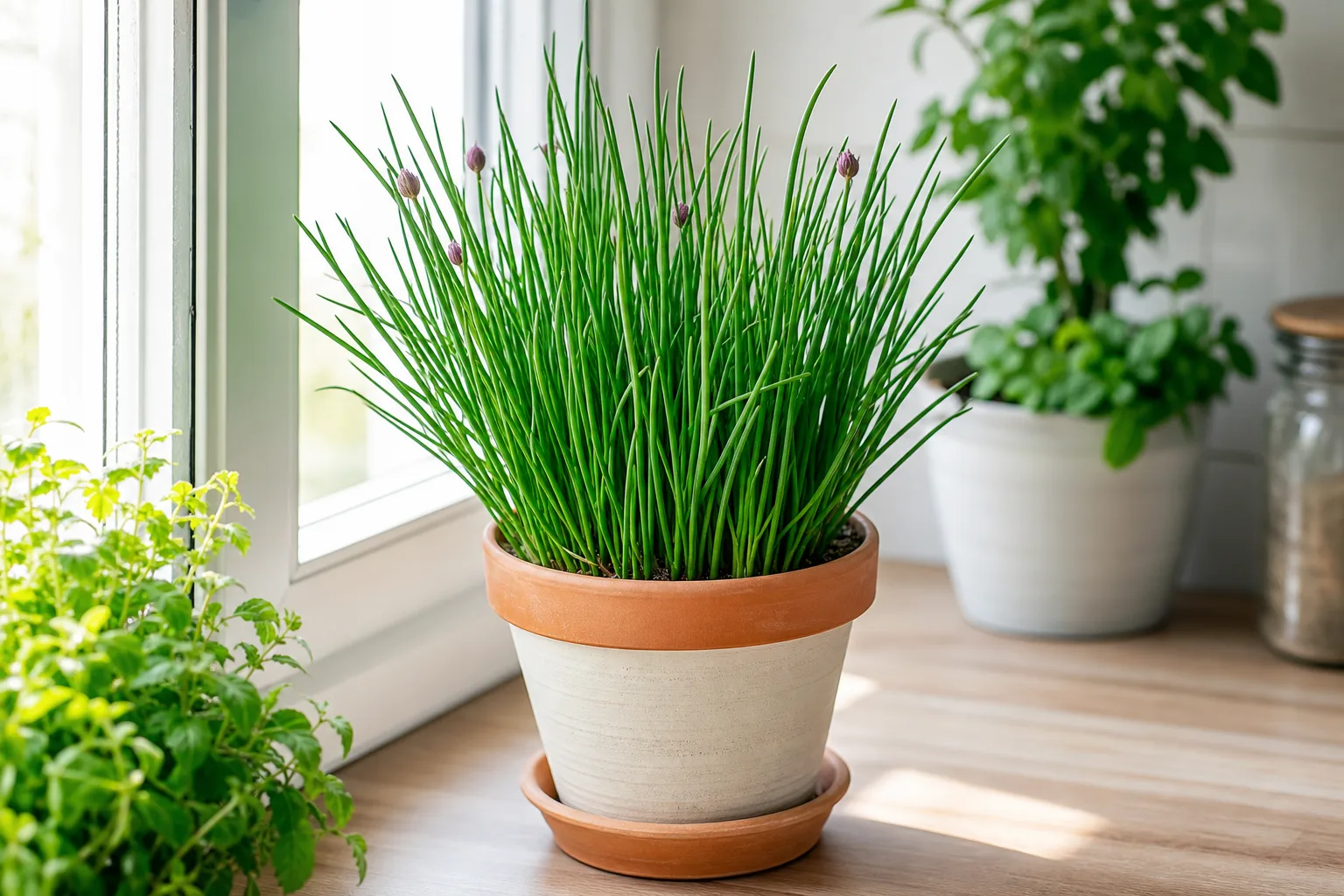
Chives are compact, perennial, and easy to harvest, so they can work along the edge of a vegetable bed without demanding the space of a sprawling herb. Their upright leaves pair especially well with carrots, lettuce, and other small fall crops where you want a defined border and a harvestable herb.
Like garlic and onions, chives are often credited with repelling carrot flies and aphids. Scent may play a role in some situations, but do not make that the only reason to plant them. The reliable advantages are their small footprint, edible leaves, flowers for insects, and the fact that an established clump does not need to be replanted every fall.
Keep chives from becoming a dense knot inside the row. Plant them at the edge or at intervals where they will not interfere with carrot thinning or cover the lettuce crown. Divide an overcrowded clump, remove spent flower heads if you do not want self-sown seedlings, and water the edge when the whole bed is dry.
Chives can also help you notice a garden change. When an edging herb wilts while the center bed looks fine, it may reveal a dry border or a compacted root zone. That observation is more actionable than a promise that the chives have “protected” every nearby plant.
4. Peppers: temporary shade for carrots
Peppers are an unusual choice on a fall list because they are warm-season plants. Their value is greatest in a transition bed where mature pepper foliage remains while carrots, beets, or other root crops finish through late summer heat. The canopy can provide light, temporary shade that reduces heat stress on the soil surface.
Use this pairing only when the pepper is already healthy and the carrot row still receives enough light. Keep peppers on the north side or at the end of the bed, and leave room for the plant’s mature width. Carrots may loosen soil as their roots develop, but that does not create a guaranteed benefit for pepper roots, and it is not a reason to sow carrots into an already crowded pepper container.
The calendar is the limitation. In a region with an early frost, the pepper may be finished before the carrot reaches a useful size; in a mild climate, the pepper may continue to shade the carrots longer than you want. Remove or prune only according to the pepper’s health and local practice, and never let temporary shade become permanent competition.
If you are starting a true late-fall garden, choose a cool-season companion instead. The pepper pairing is best understood as a summer-to-fall handoff, not a universal recipe for planting peppers and carrots together.
5. Fragrant herbs: useful neighbors, not invisible pesticides
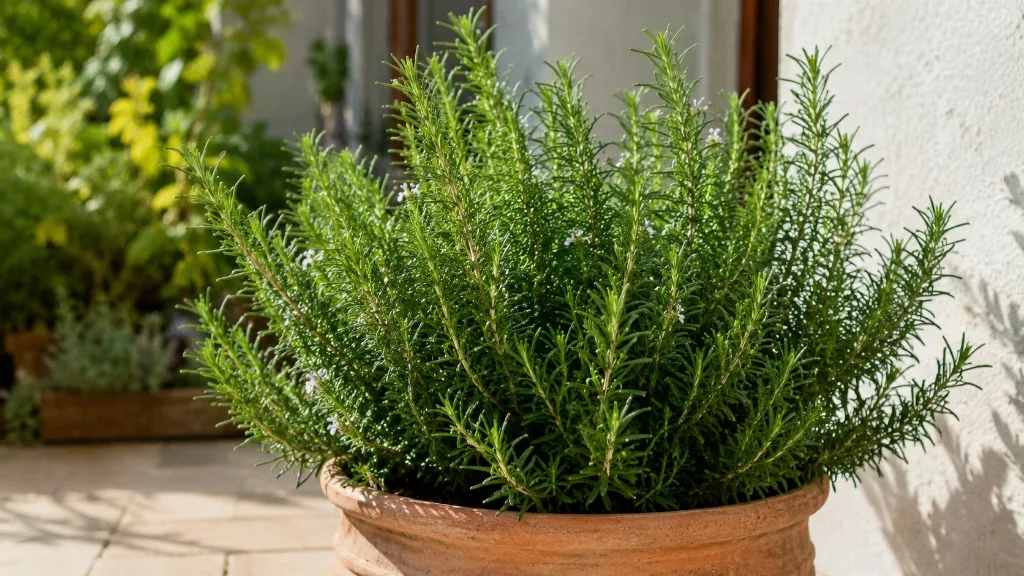
Rosemary, thyme, sage, oregano, and parsley can make a fall vegetable garden more productive in ways that are easy to observe. Their flowers may provide nectar or pollen, their foliage adds diversity, and parsley is a practical neighbor for carrots because it has a similar compact, cool-season habit. Thyme and oregano are particularly useful near bed edges where they can bloom without occupying the center.
The phrase “fragrant herbs confuse pests” is too broad to guide a bed map. Some insect responses to scent are specific to a crop, pest, and concentration, and the RHS notes that scent-based claims do not work uniformly. A mixed planting can make a crop less visually uniform and support natural enemies, but a few rosemary stems do not replace insect netting or scouting. RHS companion planting overview
Match the herb to the site. Rosemary and thyme need sharp drainage and can suffer if kept as wet as lettuce; parsley prefers more even moisture. Give vigorous herbs a contained edge or pot if they begin to crowd the vegetables, and harvest regularly to keep them compact.
Think of herbs as habitat and harvest plants first. Their culinary value, flowers, and structural diversity are dependable reasons to include them. Pest disruption is a possible bonus that should be checked in your own garden rather than assumed from a chart.
6. Marigolds: pollinator support and targeted utility
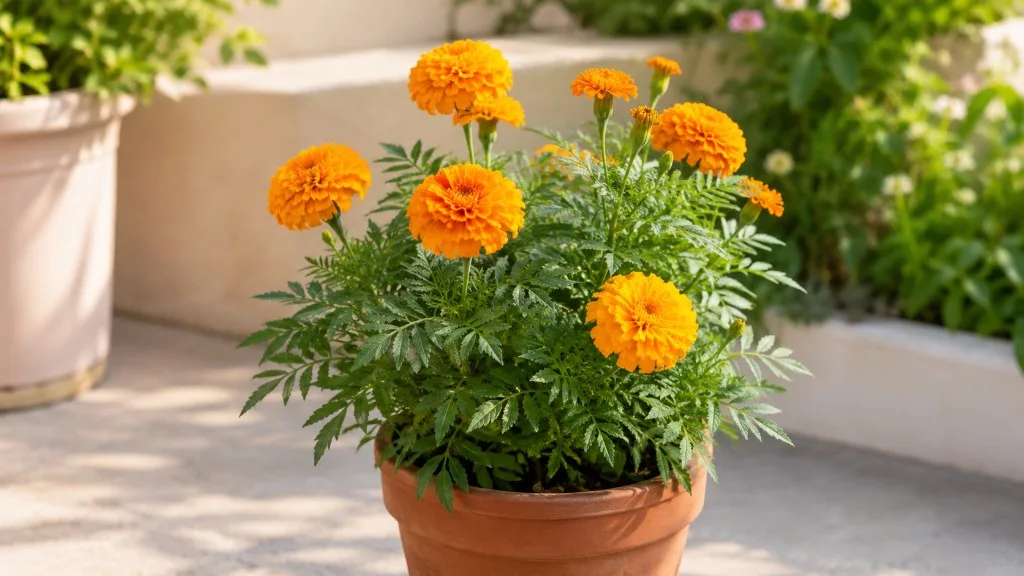
Marigolds bring long-lasting flowers and a strong visual break between blocks of kale, broccoli, lettuce, or spinach. Compact French marigolds are usually easier to fit than tall types, and a row along the sunny edge can provide color and flower resources while leaving the vegetable canopy open.
Their pest reputation needs precision. The RHS cites research connecting compounds from Tagetes with deterrence of whitefly and thrips on tomatoes, but it also reports that mixed plantings without marigolds reduced pests compared with a tomato monoculture. That suggests diversity and planting design may matter as much as the marigold itself. RHS companion planting overview
Marigolds can also have a targeted soil role under specific conditions, but a decorative border is not the same thing as a dense marigold cover crop grown for a defined soil-management purpose. Gardening Know How makes the same practical distinction: documented compounds do not turn a few scattered flowers into a universal shield against flying insects. Gardening Know How companion planting myths
Plant marigolds where you will see the flowers and inspect the leaves. Deadhead if you want continued bloom, but do not let the plants shade small greens or block access to the bed. If the garden has a serious caterpillar or aphid outbreak, use a response suited to that pest; retain the marigolds for habitat and beauty rather than escalating the number of flowers indefinitely.
7. Lettuce: living shade for beets and an efficient intercrop
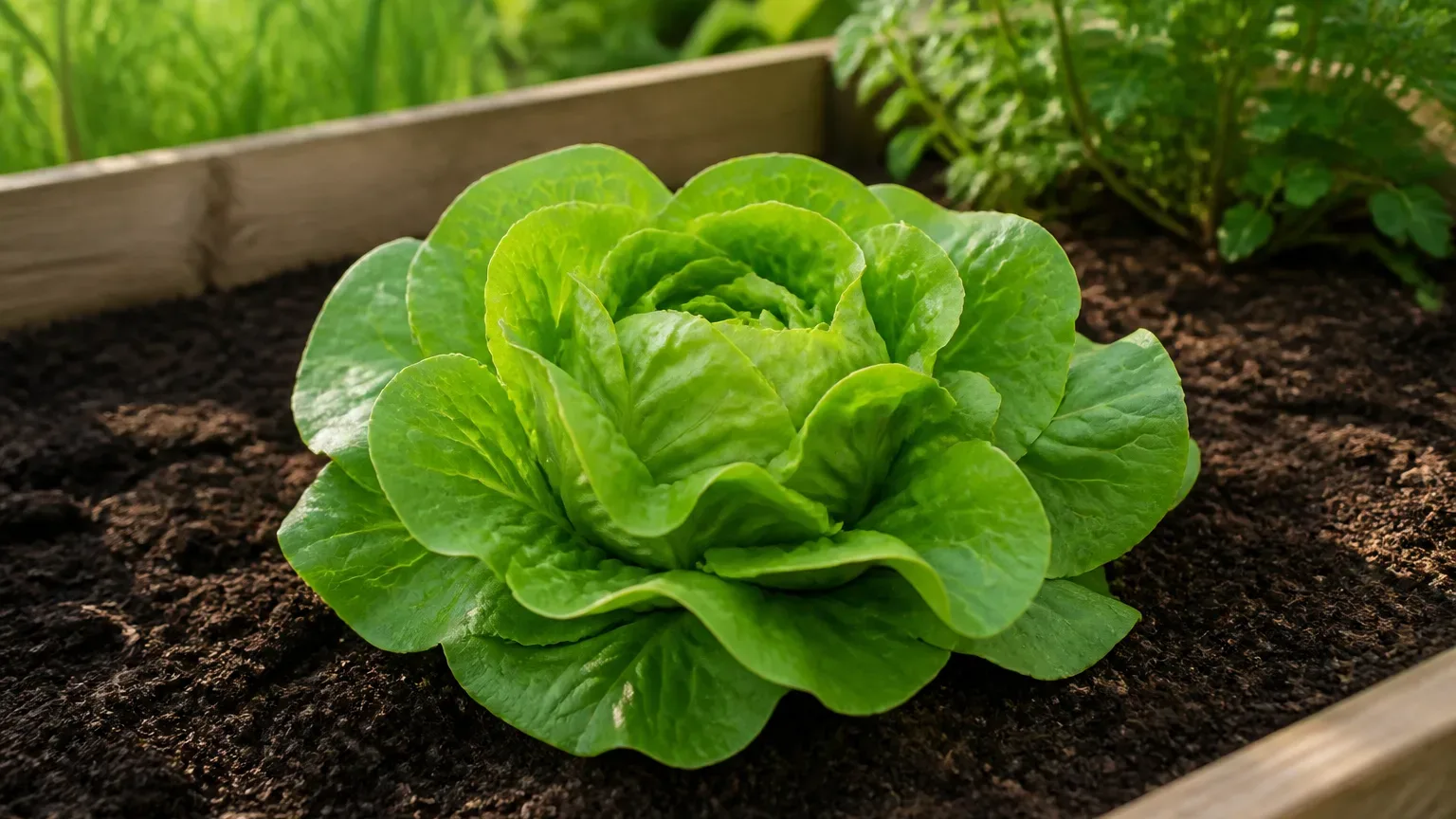
Lettuce is both a fall crop and a companion plant. It can fill the space between slower roots, provide a little leaf-level shade to young beets, and produce a harvest before the beet tops occupy more room. Its shallow roots are compatible with beets when you leave enough distance for each plant to develop.
This is a timing partnership. Sow or transplant lettuce early enough to establish, then harvest baby leaves continuously so the canopy never becomes a damp mat over the beets. In hot late-summer soil, lettuce seed may enter thermal dormancy, so start transplants indoors or shade the seedbed temporarily; Savvy Gardening recommends adjusting fall timing for shorter days and notes that autumn growth slows once daylight becomes limited. Savvy Gardening fall lettuce
Keep the lettuce on the sunny side of the bed if the beet row needs more light later. A few heads can be a useful living mulch, but a dense lettuce band can also harbor slugs, hold moisture against leaves, and compete for water. Thin seedlings, harvest the outer leaves, and remove declining plants rather than letting the companion overstay its useful window.
Lettuce is a good example of a companion benefit you can measure. You know whether it filled an otherwise empty gap, whether the beets remained accessible, and whether both crops were harvested before the season changed. That is a stronger test than guessing whether an invisible scent barrier worked.
8. Onions: deep-bed-compatible allies for beets, spinach, and parsnips
Onions are compact, upright, and adaptable to the same full-sun bed conditions as many fall vegetables. They can be interspersed with beets, spinach, parsnips, or carrots as long as the spacing allows each bulb or root to swell. Their narrow leaves also make them useful in beds where every horizontal inch matters.
The classic onion-and-carrot pairing combines a plausible pest-disruption story with a clear spatial advantage. Carrots develop deeper in the soil while onions are shallower, so they can share a row more efficiently than two crops with the same root profile. The RHS describes this deep-rooted and shallow-rooted combination as a way to use underground space, while treating the scent claim about carrot fly as a claim that may vary with conditions. RHS companion planting overview
Do not sow onions so close that you cannot thin carrots or cultivate around the seedlings. If the onion is grown for a mature bulb, follow its spacing rather than squeezing it into every carrot gap. Green onions and bunching types are often more flexible for a fall bed because you can harvest them early and free space.
Onions are not a rabbit fence, and they cannot correct a poorly prepared bed. Remove diseased debris, keep weeds from competing with shallow roots, and use a physical barrier when animals or flying pests are the real problem. Their best contribution is a compact, long-season crop that fits a mixed layout and may add some scent-based disruption at the margin.
How to lay out a companion-planted fall bed
Make the vegetable crop the map’s backbone. Put the crops that need the most uninterrupted sun in the center or north side, use narrow alliums along edges or between appropriate root rows, place flowers where they can be monitored, and reserve the shortest-lived companions for gaps you intend to clear. The objective is a bed that becomes easier to harvest, not a crowded mosaic that looks busy from the path.
A simple 4-by-8-foot arrangement
For a 4-by-8-foot bed, start with two long rows of kale or broccoli on the north side, leaving the spacing recommended for the variety. Put a narrow row of onions along one edge, and use chives at two corners rather than scattering them through every crop. On the south side, place two or three short bands of lettuce in front of beets, with enough room to harvest the lettuce before the beet tops expand.
Use one nasturtium island outside the main brassica rows where you can inspect it, and put compact marigolds or flowering herbs at the remaining sunny edge. If mature peppers are still productive, keep them at the north end as a temporary shade source for a carrot row; remove the idea from the map if the peppers would shade the cool crops or if frost is close.
That layout separates the eight ideas by job instead of forcing them all into one bed. It also leaves a control area: plant one short row of the main vegetable without a flower or herb immediately beside it. The comparison will not be a scientific trial, but it can show whether the companion earns its space under your soil, pest pressure, and weather.
For a detailed approach to bed orientation and paths, use the existing companion planting vegetable garden layout guide. If you are still deciding which crops fit the season, see fall vegetables to plant in August before buying companions.
When row cover beats any companion plant
Row cover is the better tool when the problem is a known flying pest, a sudden frost, or heat that is stopping seed germination. A lightweight cover can physically interrupt egg-laying and protect young greens, while a frost cloth or hoop tunnel can extend harvest after a cold night. Fine Gardening’s fall-garden guidance similarly emphasizes frost cloth, cold frames, and hoop tunnels for stretching the season in colder regions. Fine Gardening fall vegetable garden
Install covers so they do not crush leaves, anchor the edges against wind, and open or remove them when pollination or ventilation requires it. Do not leave a covered bed hot and sealed on a sunny day, and check plants underneath for moisture and pests. Companion flowers can remain outside the cover as habitat, but they cannot protect the crop from a moth that can physically reach it.
Common companion-planting mistakes to avoid
Treating a scent as a pesticide. Garlic, onions, herbs, and marigolds can be useful plants, but scent alone rarely controls every pest in an open garden. Use the plant for its observable jobs and add hand-picking, barriers, sanitation, or an appropriate integrated pest-management step when monitoring shows a problem.
Planting the companion too close. A flower touching a brassica can make access harder and may give pests a path across leaves. Space by mature spread, preserve airflow, and keep a trap crop close enough to monitor but not so tangled with the harvest crop that removal becomes destructive.
Ignoring crop-family disease. Tomato, pepper, potato, and eggplant share the nightshade family, while cabbage, broccoli, kale, and other brassicas share several disease and pest concerns. Companion planting does not cancel crop rotation, removal of diseased debris, or the need to avoid repeating a susceptible family in the same soil.
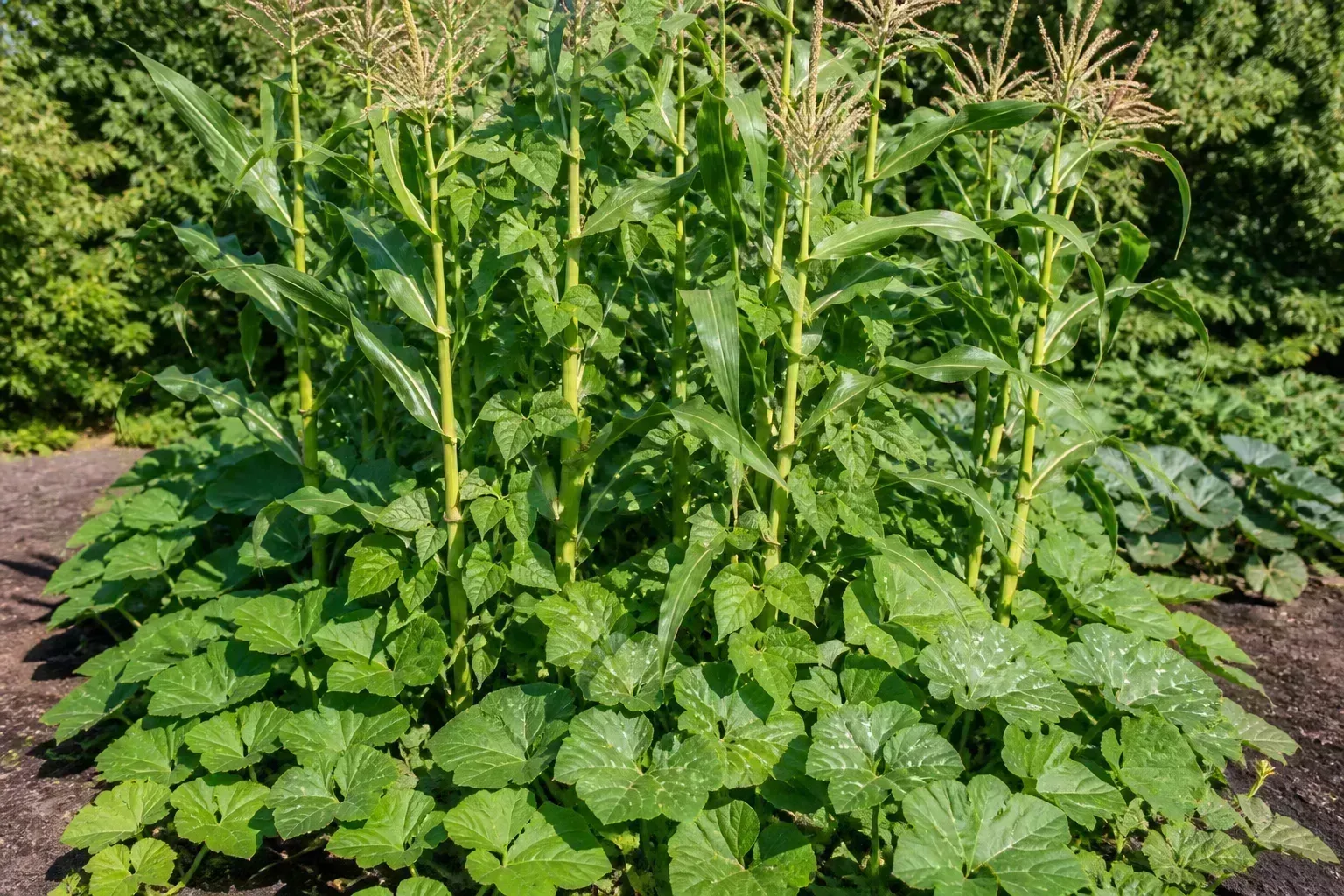
Stacking hungry plants. Corn, cabbage, peppers, and large herbs can all demand substantial water and fertility. If you combine them in a small bed, add compost based on soil needs, keep irrigation consistent, and watch for one plant taking the canopy. The Three Sisters is a carefully spaced system with distinct structural roles—not proof that any three vigorous plants belong together. The National Park Service describes corn as support, beans as climbers, and squash as ground cover in this historic arrangement. National Park Service Three Sisters
Letting the fall calendar slip. A companion that matures after the first hard frost may contribute nothing but crowding. Count backward from frost, add time for shorter days, and choose transplants when hot soil would delay direct sowing. The broader fall-garden principle is simple: put the harvest crop’s deadline ahead of the companion’s ideal appearance.
Using a trap crop without a removal plan. Nasturtiums that are covered with pests can become a nursery for the same insects you hoped to divert. Inspect them, remove them at the right moment, and be willing to sacrifice the companion; a trap crop is a management system, not a decorative guarantee.
Conclusion: build a diverse, timed bed
The best fall vegetable companion plants are the ones that solve a specific problem without creating a larger one. Choose nasturtiums when you can monitor a trap crop, onions and chives when compact root-zone sharing fits the bed, lettuce when a short intercrop can shade and then vacate space, and herbs or flowers when they add habitat, harvest, and diversity.
Then let the basics carry the harvest: prepare the soil, protect seedlings from heat, calculate backward from frost, keep related crops from crowding the same disease cycle, and cover plants when a barrier is more reliable than a flower. A companion-planted garden succeeds when every neighbor has a job and you still have room to water, scout, harvest, and remove what is no longer helping.