7 Gardening Tasks to Do in the Evening
Learn which gardening tasks belong in the evening, when morning is better, and how to water, spray, prune, sow, transplant, weed, and harvest safely.
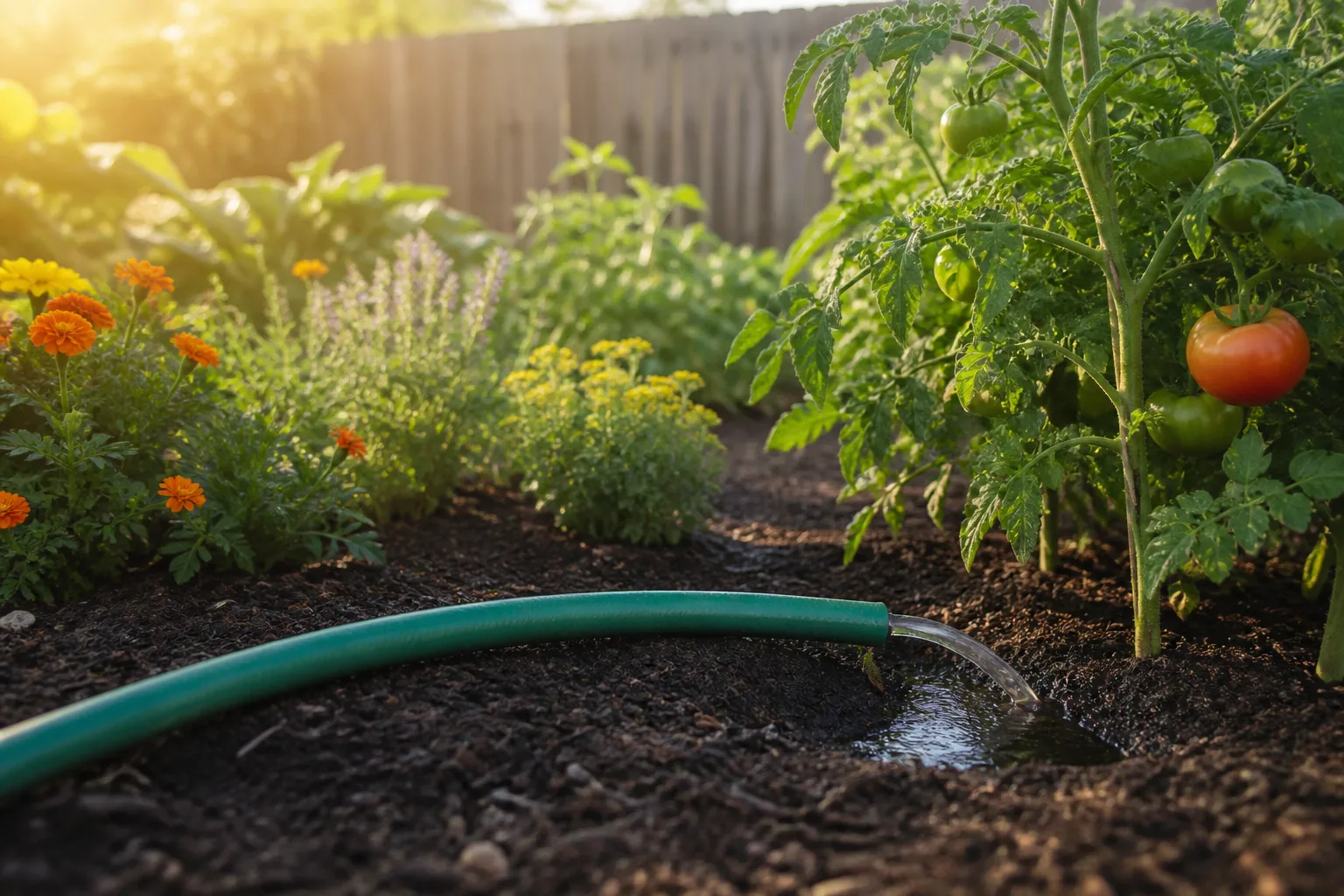
The garden changes as the sun drops. Soil is less likely to lose surface moisture immediately, leaves are no longer facing the day’s strongest radiation, and you can finally see which plants need attention instead of rushing through a hot midday chore.
That does not make evening the best time for every job. Early morning is usually better for watering because foliage dries during the day, and a pesticide label always outranks a general timing tip. Use evening as a useful working window for the seven tasks below, then adjust for humidity, wind, rain, frost, containers, and the plant’s actual condition.
Evening is a timing tool, not a rule
Evening works best when the job benefits from cooler air, lower evaporation, or a plant having several gentle hours to settle before heat returns. It is especially useful for a gardener who works during the day, for a bed that has become too hot to handle comfortably, or for a plant that genuinely needs water before morning.
The important distinction is between cooler conditions and darkness. The goal is not to work as late as possible. Finish while you can see the soil, identify the plant, and inspect for insects. A late-evening watering that leaves foliage wet until dawn may be less useful than a late-afternoon soil soak or an early-morning one.
The RHS recommends watering early in the morning or evening to reduce evaporation, but its broader watering guidance still gives morning the edge because leaves have time to dry. Garden UK reaches the same practical conclusion: morning is the default, while evening is a useful second choice when the water goes onto the soil rather than the foliage. That balanced answer is more useful than a universal “always water at night” rule. (RHS watering guidance; Garden UK timing guide)
Quick decision table: evening, morning, or wait
| Garden job | Evening is useful when… | Morning or postponement is better when… |
|---|---|---|
| Watering | Plants are heat-stressed, containers are drying, or dawn is impossible | You can water before heat, the night will be cool and humid, or the foliage will get wet |
| Foliar spray | The label allows it, wind is calm, leaves are dry, and pollinators are not foraging | Flowers are open, rain is due, wind is moving spray, or the label specifies another interval |
| Pruning or deadheading | Cuts are small and the plant would wilt in afternoon sun | A major structural cut is needed, frost is coming, or you cannot see the plant clearly |
| Weeding | Soil is workable and you can remove roots before seed drop | Soil is muddy, the plant is poisonous or unidentified, or mosquitoes are intense |
| Seed sowing | The bed can be prepared, watered, and protected before night | Heavy rain, crust-forming soil, cold temperatures, or wildlife exposure are expected |
| Transplanting | The plant is hardened off and the next day is mild or cloudy | A heat wave, strong wind, frost, waterlogged soil, or severe drought is forecast |
| Harvesting greens | You want a cooler, firmer crop for the evening meal | The crop is wet, diseased, or too mature; harvest only healthy leaves |
Think of the table as a triage tool. If a plant is collapsing from drought, water it even if the clock is wrong. If a spray can drift into a neighbor’s flowers, wait even if evening is theoretically ideal.
1. Water the root zone during a hot, dry spell
Watering is the most obvious evening job because lower light and cooler air reduce immediate evaporation. That can be valuable after a hot day, especially for new plantings, shallow-rooted vegetables, hanging baskets, and containers that have dried from the sides as well as the surface.
The right target is the root zone, not the leaves. Water slowly at the base until moisture penetrates the soil around the roots instead of running down a hard, dry surface. For a garden bed, the RHS suggests checking that a thorough watering has reached about 15 cm (6 inches) when the crop or plant requires it; the exact depth varies by plant and soil. (RHS guide to watering)
Established trees, shrubs, and many perennials may not need a routine evening drink at all. Check the soil and the plant first. Watering a dry-looking surface while the root zone is already moist can create shallow, oxygen-poor soil without solving the apparent problem.
Containers need a different rhythm. Their limited soil volume and exposed sides can dry quickly, so lift the pot, check below the surface, and water thoroughly when the mix has reached that plant’s preferred dry-down. Do not leave a pot standing in a full saucer overnight; empty the saucer after drainage slows.
How to water without creating overnight problems
Start with a moisture check about 2–3 inches below the surface, not just a glance at dusty mulch. Push a finger or a wooden skewer into the soil, or dig a small inspection hole near—but not through—the main roots. Drooping at dusk can mean drought, but it can also indicate damaged roots in wet soil, so moisture and drainage must be checked together.
Use a watering can with a rose removed, a soaker hose, or a drip line when possible. The RHS notes that drip and seep systems deliver water near the root zone and reduce losses that occur when sprinklers wet leaves and hard surfaces. Mulch also helps soil hold moisture, but keep it a little away from the stem or crown so the base does not stay constantly damp. (RHS watering methods)
If the only option is overhead watering, aim for the soil and choose a window when leaves can dry. Avoid turning a tired plant into a wet plant: repeated shallow splashes encourage surface roots, while a slow soak followed by a sensible dry-down generally builds a more resilient root system.
2. Apply foliar sprays only in a safe weather window
The cool part of the day can be a better time for a foliar feed or a permitted plant-protection spray because heat can increase evaporation, drift, and the chance of leaf damage. For insecticides in particular, Purdue Extension advises late evening, night, or very early morning applications when fewer pollinators are foraging, while also emphasizing label directions, calm conditions, and keeping applications away from blooms.
That is a safety window, not a blanket invitation to spray every plant after dinner. Many products have crop restrictions, re-entry intervals, rainfast periods, temperature limits, and specific instructions for edible crops. “Natural,” soap-based, oil-based, or homemade does not mean risk-free; leaves can still be damaged when a product is too concentrated or applied in heat.
Read the label before choosing dusk
First identify the problem. A few chewed leaves do not automatically justify an insecticide, and spraying a fungicide cannot repair roots damaged by waterlogging. Integrated pest management starts with observation and uses the least disruptive effective option. Purdue Extension also warns that pesticides can affect pollinators through direct contact, drift, flowers, water, and residues, not only when an insect is sprayed.
Before mixing or applying anything, check five conditions:
- The label permits the crop, plant, method, and timing. Follow the product label, including dilution and protective-equipment instructions.
- Flowers are not attracting foragers. Inspect the target plant and nearby weeds; dusk is not safe if bees are still visiting or if the product warns against bloom-time use.
- Wind is calm enough to keep the spray on target. Do not spray toward neighboring beds, open windows, ponds, or people.
- Leaves are dry and rain is not imminent. A wet surface can dilute or redistribute a product, and rainfall can move residues into soil or water.
- The temperature is within the label’s range. Oils and some foliar products can injure leaves when conditions are too hot, even if the sun is low.
The Purdue guidance on protecting pollinators is a useful reference for why timing, bloom, wind, and label-reading belong in the same decision. (Purdue Extension: Protecting Pollinators)
3. Deadhead and prune heat-sensitive plants
Small pruning jobs are comfortable in the evening, and newly cut stems are spared the immediate blast of afternoon heat. Deadheading roses, removing spent annual flowers, cutting out a clearly dead stem, and trimming a few herbs can all fit well after dinner when the plant and cut points are easy to inspect.
The benefit is mostly reduced immediate stress and better working conditions, not a magical healing process that happens only at night. A healthy cut still depends on sharp, clean tools, the correct location, the plant’s flowering habit, and weather that lets the wound dry. Pruning at the wrong season can remove next year’s flower buds no matter what time of day you make the cut.
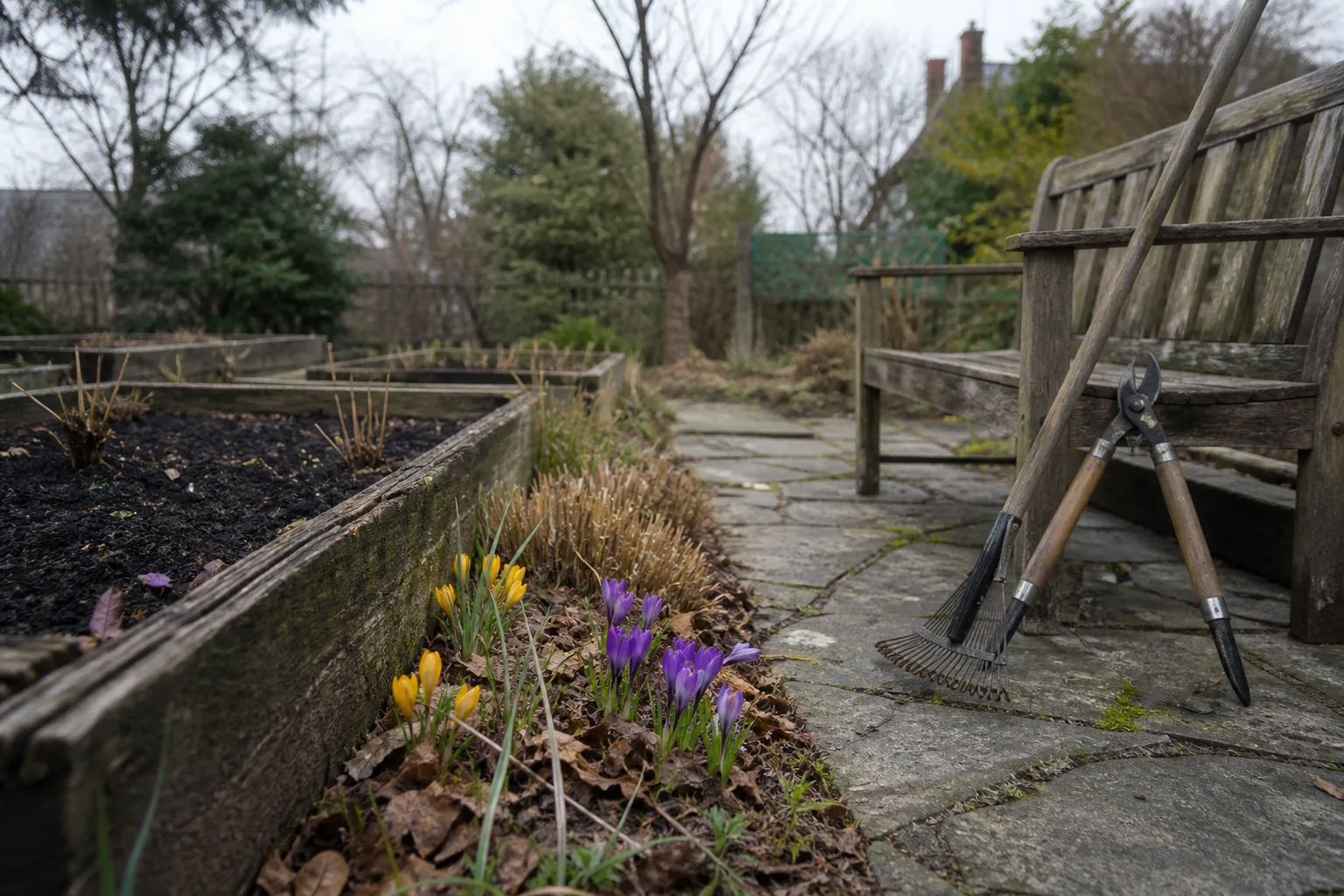
The cut matters more than the clock
Use bypass pruners for live stems and make a clean cut just above a healthy bud or leaf node, angled so water does not pool on the cut. Remove diseased tissue below the damaged section, disinfect tools between plants when disease is suspected, and collect infected debris rather than composting it unless your compost system reaches a reliable pathogen-killing temperature.
Do not make a major structural reduction simply because evening is convenient. Large cuts, root pruning, dividing, or removing much of a plant’s canopy are better planned around the species, season, and forecast. Avoid cutting when a hard frost, high wind, or heat wave is coming; the plant needs time and suitable conditions to respond.
For cut flowers, evening can also be a pleasant harvest window because stems have not just endured the next day’s heat. Place them in clean water promptly. The same logic applies to tender herbs: cut healthy stems, leave enough foliage for regrowth, and keep the harvest cool rather than letting it sit in a warm basket.
4. Pull weeds while the soil and air are manageable
Weeding after the day cools is kinder to your body and often gives you a better view of the soil surface. Annual weeds can be removed before they set seed, and larger weeds are easier to inspect when you are not squinting in bright light. If the soil is slightly moist but not muddy, a hand fork or narrow trowel can loosen the root zone with less disturbance to nearby plants.
The evening advantage disappears when the bed is saturated. Walking on wet clay compacts it, and pulling a weed from mud can leave a large hole that exposes neighboring roots. Wait until the soil crumbles rather than smearing when squeezed. If the bed is dry and hard, water the area earlier and weed later, or use a tool to loosen the crown rather than yanking the top and leaving the root behind.
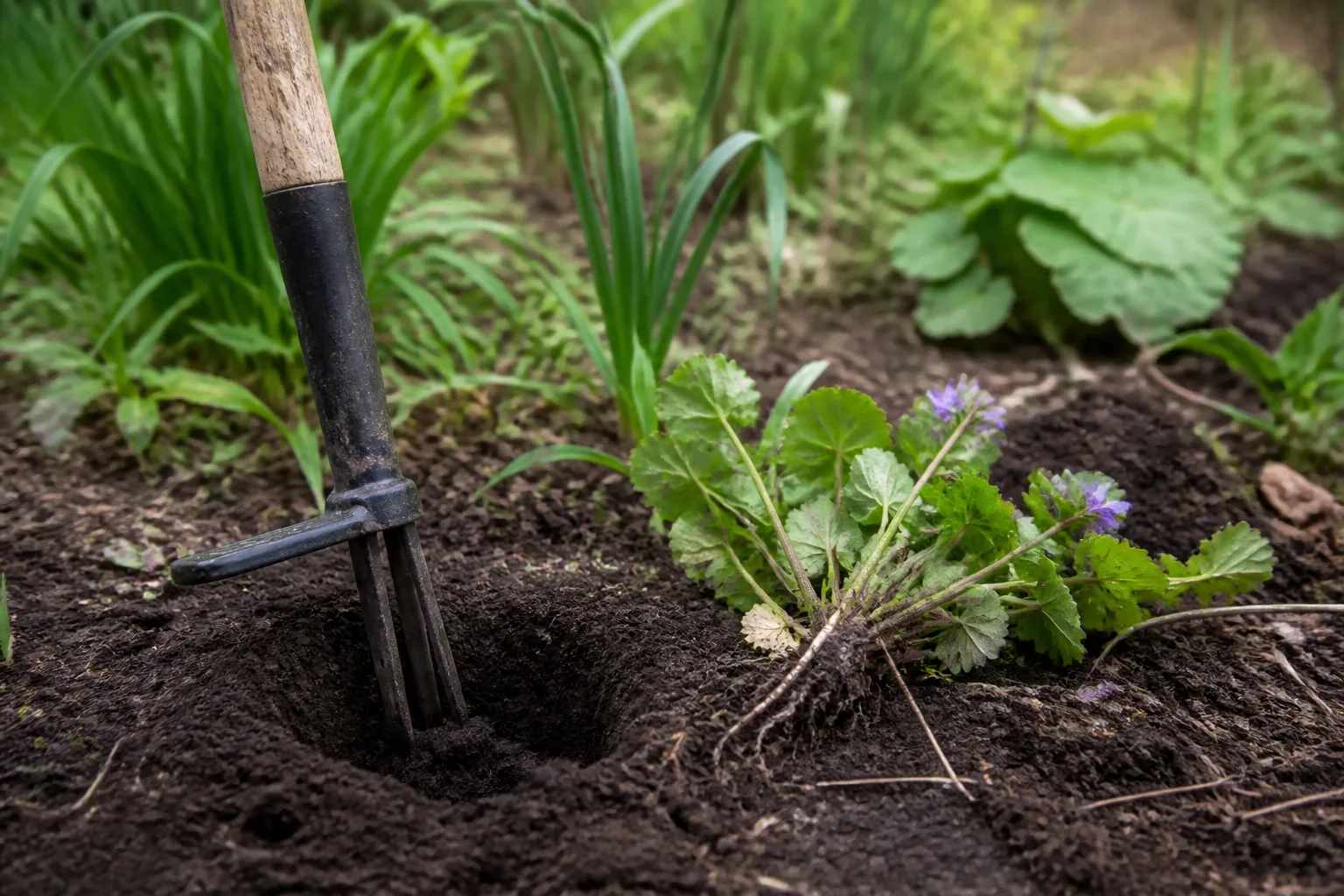
Work from the outside of the bed inward, and learn to identify desirable seedlings before removing them. A mystery plant with a milky sap, spines, or an unfamiliar irritant should not be handled bare-handed. At dusk, long sleeves and insect protection matter too: mosquitoes and some biting insects are more active as the air cools.
Finish by removing seed heads and covering open soil with an appropriate mulch layer. Do not bury plant crowns, smother small seedlings, or use a thick mulch against a wet stem. The goal is to reduce future competition while keeping the bed inspectable.
5. Sow quick-germinating seeds for an overnight start
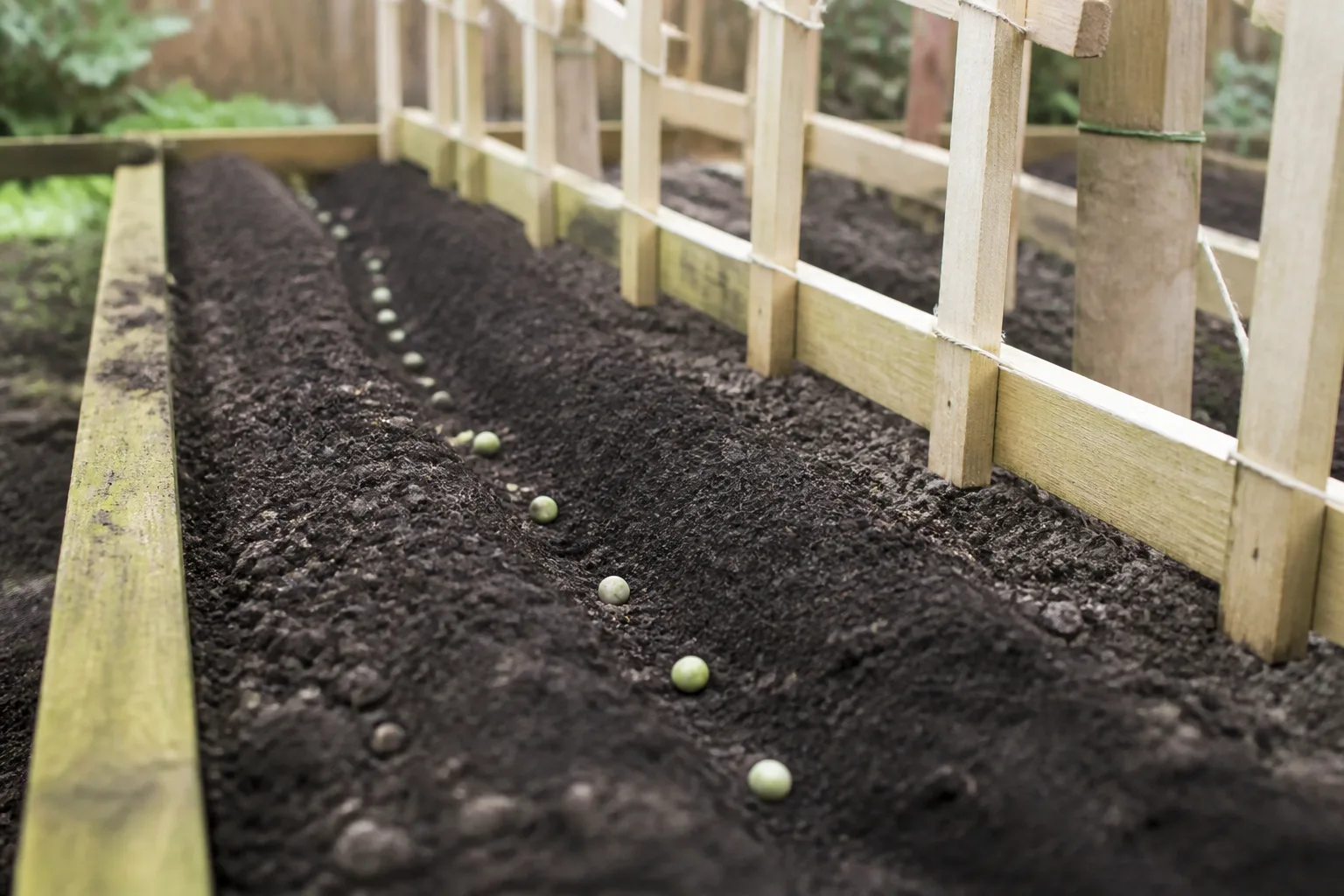
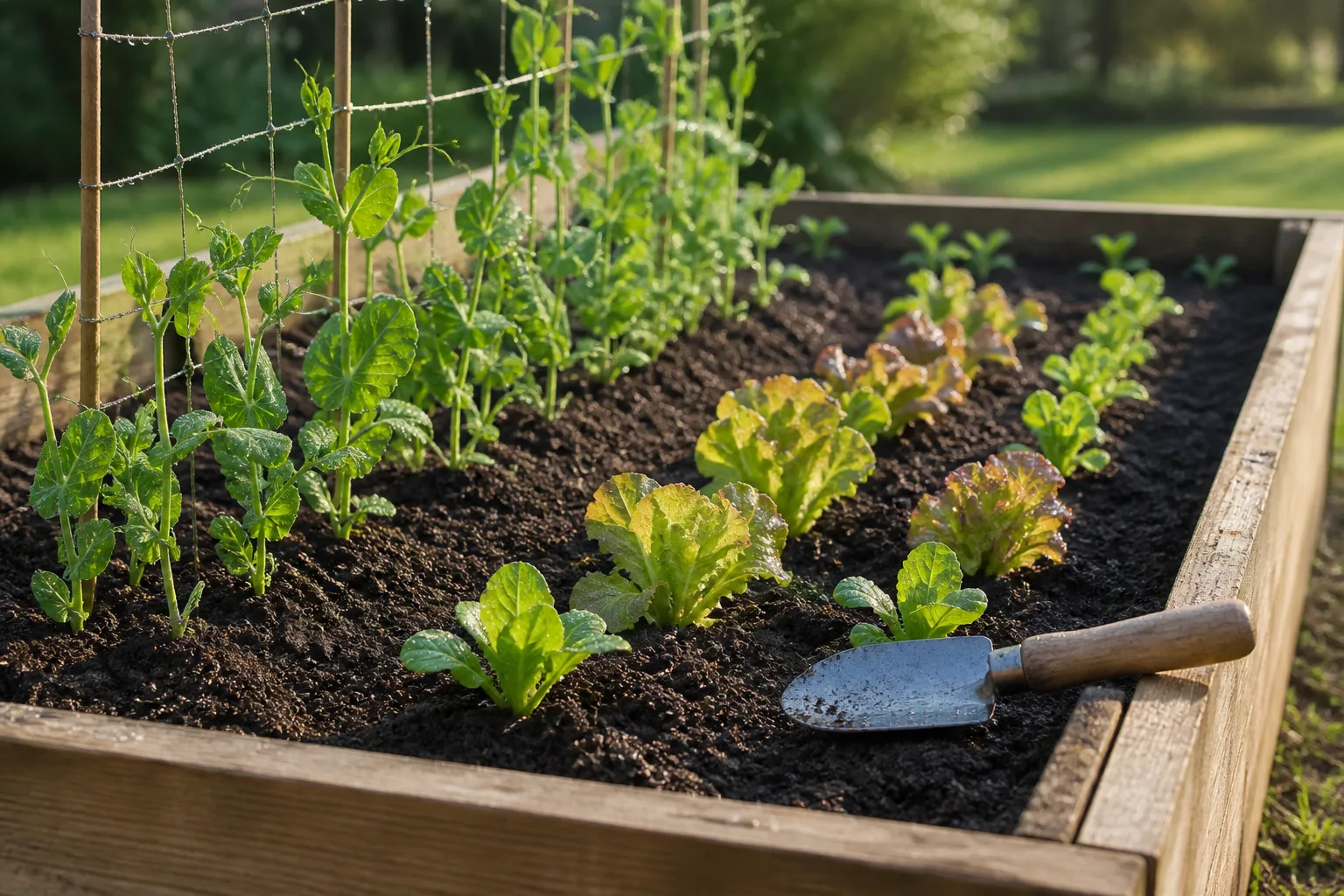
Evening sowing gives a freshly watered seedbed several cooler hours before sun and wind pull moisture from the surface. It is a useful time to direct-sow lettuce, radishes, chard, cilantro, peas, or other crops suited to the season, but timing on the calendar and the seed packet matters more than the hour on the clock.
The RHS advises planning sowings by crop and season, using prepared soil and consistent moisture rather than treating every seed alike. Some seeds need light to germinate, some need darkness, and some tender crops require warmth that an evening outdoors cannot provide. (RHS vegetable seed-sowing guide)
Protect the seedbed before you leave it
Prepare the bed before opening the packet. Break up clods, remove roots, firm the surface lightly, and make a shallow drill at the depth listed on the packet. Water the drill before sowing if the soil is dry, place seeds with enough spacing to reduce later thinning, cover lightly, and water with a gentle rose so seeds are not washed into a corner.
The overnight risk is not only drying. Heavy rain can crust the surface or expose seed, birds can feed on freshly disturbed soil, and slugs may find tender seedlings in a damp bed. Use fine mesh, fleece, or a temporary cover when appropriate, but keep it ventilated and anchored so it does not press onto emerging plants.
Do not sow into a bed that will be flooded overnight or into cold soil simply because you have a free hour. If a storm is due, prepare the bed and wait. If the forecast is dry and warm, sowing at dusk may help moisture last, but you still need to check the surface the next day and water consistently until germination.
6. Transplant and divide when recovery can begin
Moving a seedling or dividing a perennial in the evening can reduce the shock of immediate sun, wind, and heat. The plant has time to re-establish contact between its root ball and the surrounding soil before the next bright period. A cloudy day is even better when available, and a calm, mild evening is better than a hot, dry one.
Even so, evening cannot make an unready seedling ready. The RHS advises transplanting before young plants become difficult to keep watered and keeping them watered until roots move into surrounding soil. Gardening Know How recommends looking for several true leaves and hardening seedlings off for about 7–10 days, while also working from local frost dates. (RHS transplanting advice; Gardening Know How transplant guide)
Four checks before planting at dusk
Check 1: The seedling is acclimated. A plant raised indoors needs gradual exposure to outdoor light, wind, and temperature. Do not move a soft, indoor-grown seedling straight into full sun simply because evening looks gentle; the following day may be harsh.
Check 2: The forecast is cooperative. Avoid planting before frost, a heat spike, strong wind, or severe rain. A mild cloudy day or a night followed by gentle weather gives the roots a better chance to settle.
Check 3: The soil is workable and watered. Water the seedling and planting site ahead of time, then make a hole large enough for the root ball. Keep roots covered while you work and do not leave them exposed on a warm bench.
Check 4: Aftercare is ready. Set the plant at the same depth it occupied in its container unless the species requires otherwise, firm the soil without crushing it, water at the base, and prepare shade or wind protection if the next day demands it. Keep the soil evenly moist while roots establish; do not compensate for transplanting with permanently soggy soil.
The same rules apply to dividing perennials: lift a well-hydrated plant, keep divisions from drying, replant promptly, and give them enough space. If the plant is already wilted from drought or the soil is waterlogged, correct that problem before adding root disturbance.
7. Harvest leafy greens and tender herbs for dinner
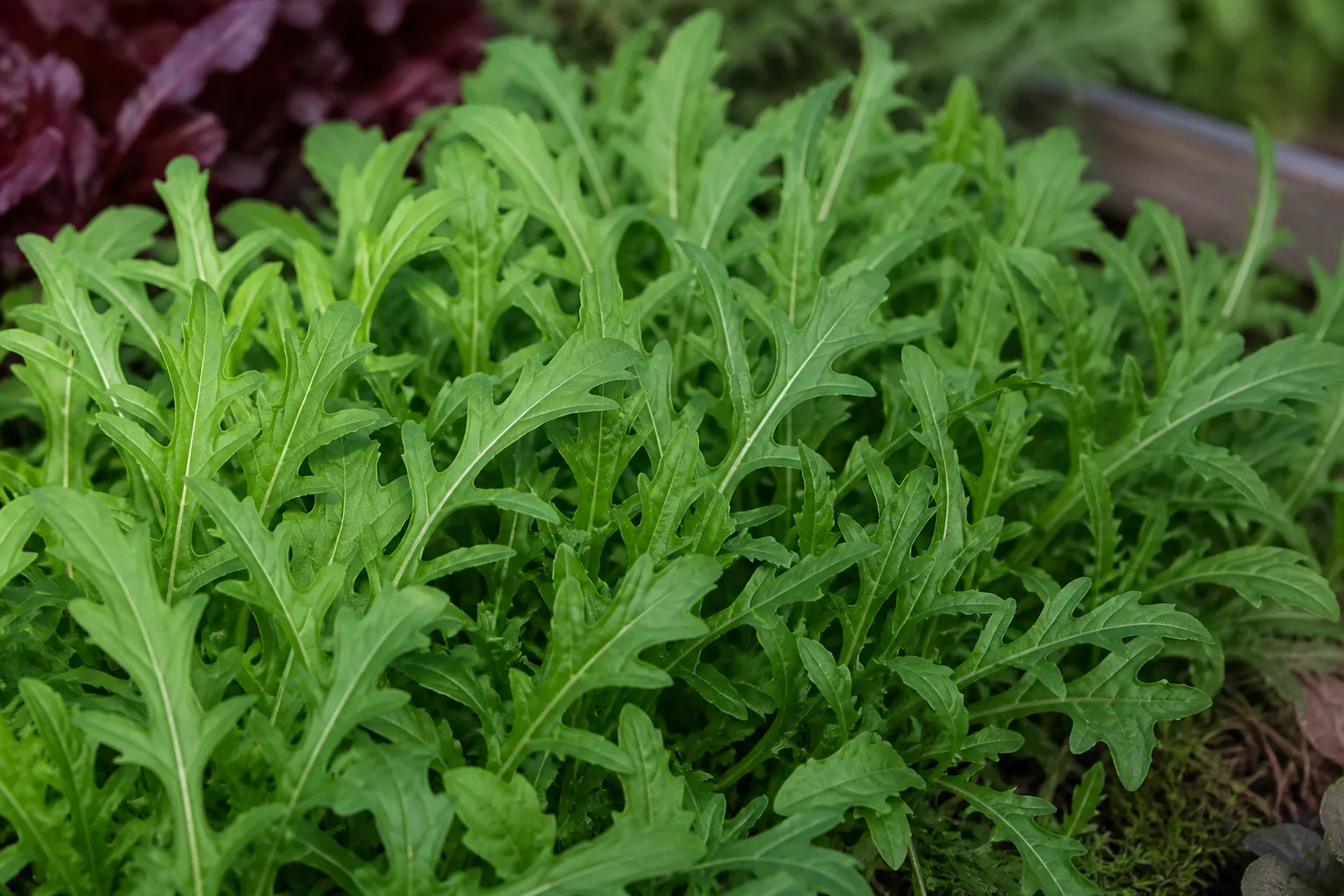
Lettuce, spinach, arugula, kale, chard, basil, mint, and similar crops can lose firmness during a hot afternoon. An evening harvest lets you pick after the crop has recovered from the day’s heat, and it puts fresh leaves on the table when you are already preparing dinner. In hot climates, early morning may produce an even crisper harvest because the crop has not warmed at all.
Harvest only healthy, dry-enough tissue. If leaves are wet from rain or irrigation, handle them gently and dry them promptly; wet foliage bruises more easily and stores poorly. Pick outer leaves first when the plant is designed for cut-and-come-again harvesting, or use a clean knife above the crown when harvesting a whole head.
Do not wait until evening if a crop is overmature, bolting, or at risk of a frost. Harvest quality depends on variety, maturity, temperature, and moisture—not just time of day. A slightly bitter mature leaf will not become sweet because it was cut after sunset.
Cool the crop immediately
Bring greens indoors rather than leaving them in a warm basket while you finish the rest of the garden. Remove damaged leaves, shake off loose soil, and chill the crop. Wash immediately only if you can dry it well; otherwise, store clean and dry, then wash just before eating. Keep herbs loosely wrapped or standing in a suitable container, depending on the type.
For food safety, use clean hands, a clean knife, and clean storage containers. Do not harvest from a plant that was recently sprayed unless the product label’s pre-harvest interval has passed. This is one reason a convenient evening harvest still requires a written record when crop-protection products are used.
Build a 20-minute evening garden round
An evening routine is most useful when it prevents tomorrow’s emergency. Set a timer for 20 minutes and walk the same route each day during hot or busy weeks.
- Minute 1–4: Scan. Look for wilt, broken stems, new pest damage, standing water, and containers that feel unusually light.
- Minute 5–10: Water only what needs it. Check below the surface, then give priority to new plantings, seedlings, containers, and the most stressed root zones. Keep the foliage dry.
- Minute 11–14: Remove small problems. Deadhead, pull a few weeds, pick visible pests, or remove fallen diseased leaves. Stop before a “small tidy-up” becomes major pruning in poor light.
- Minute 15–17: Check tomorrow’s weather. Decide whether to cover seedlings, pause irrigation, postpone spraying, or harvest tender crops before a heat spike or frost.
- Minute 18–20: Reset. Rinse soil from tools, return hoses, close gates, and write down any job that needs daylight.
For spraying, transplanting, or dividing, make the decision before you start. If the job requires plant identification, measuring a product, climbing, or cutting a large limb, schedule it for daylight rather than forcing it into a relaxing evening round. The best routine is the one that leaves the garden safer and gives you a clear first action tomorrow.
Conclusion
The best gardening tasks to do in the evening are the ones that benefit from cooler air and a slower pace: root-zone watering during heat, carefully timed foliar applications, small pruning jobs, workable-soil weeding, protected seed sowing, prepared transplanting, and harvesting leafy greens for the table.
Use morning when foliage needs time to dry or when you can water before the heat arrives. Wait when wind, rain, frost, saturated soil, open flowers, an unready seedling, or a pesticide label makes evening unsafe. Once you match the task to the conditions, an evening garden visit stops being a race against daylight and becomes a practical way to catch problems early.



