7 Ways to Get Rid of Roaches Naturally
Seven natural roach control methods that beat sprays: deep cleaning, sticky monitors, diatomaceous earth, boric acid, citrus repellents, exclusion, and gel baits when needed.
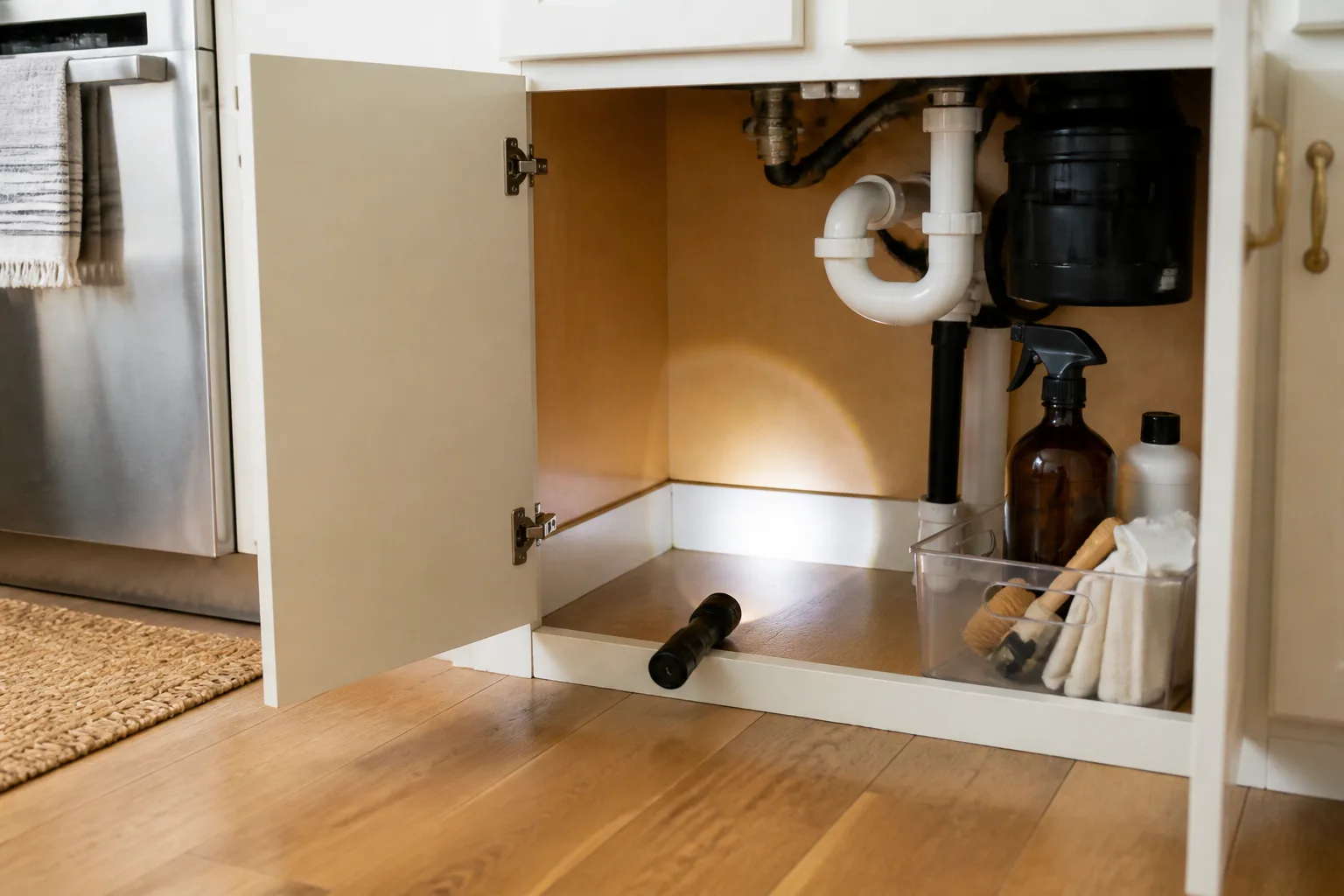
You flipped on the kitchen light and a roach vanished under the stove. One bug does not always mean an infestation—but if you are seeing droppings, a musty smell, or multiple roaches in a week, natural control can work, but only if you treat it like integrated pest management (IPM), not a single magic spray. That means removing food and water, finding harborages, using the right low-toxicity tools in the right places, and knowing which “home remedies” actually kill versus only make your kitchen smell like a salad.
The seven methods below are the sequence extension services recommend when you want to avoid broad indoor sprays: deep sanitation, vacuuming, sticky monitors, diatomaceous earth, boric acid, scent-based repellents where appropriate, sealing entry points, and gel baits when populations need faster knockdown. None of them replaces the others. Pesticides alone do not solve cockroach problems, according to UC IPM—and lemon juice alone will not either.
What Attracts Cockroaches (Even When You Think Your Home Is Clean)
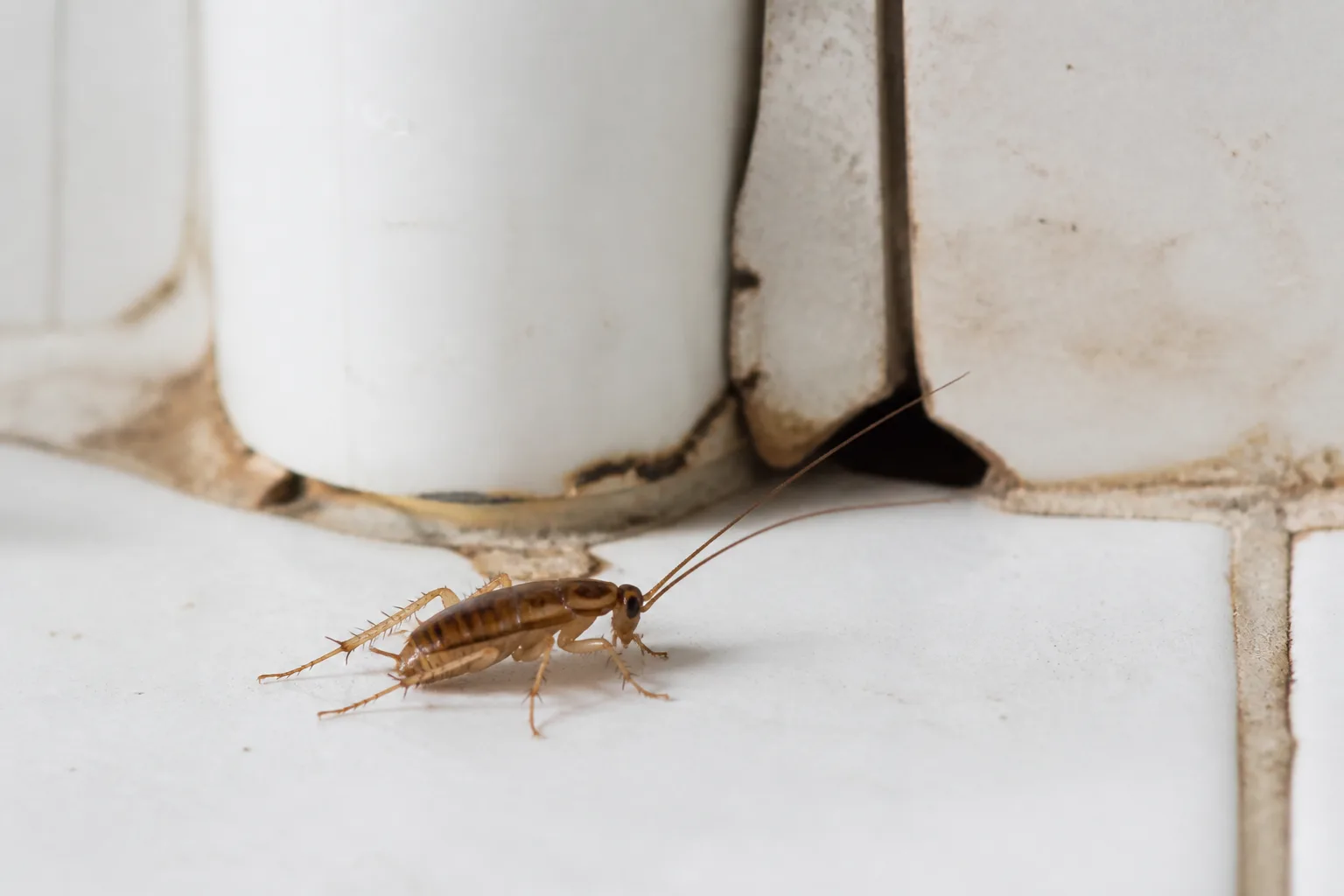
Cockroaches need food, water, warmth, and tight hiding places. They thrive in dark, humid spots and come out at night to feed. Even tiny crumbs between a cabinet and wall, grease under a drip tray, or condensation under a sink can support a population. Multi-unit buildings add another layer: roaches travel along utility lines, garbage chutes, and gaps around pipes between apartments.
Common conducive conditions include:
- Food debris on counters, floors, and inside appliances (toasters, microwaves, stove drip pans)
- Grease buildup behind and under the refrigerator, stove, and dishwasher
- Water leaks under sinks, around tub/shower surrounds, and near water heaters
- Clutter and cardboard in pantries, garages, and storage closets (German roaches are often introduced on boxes)
- Exterior harborages near foundations in warm climates (American and Oriental roaches)
If you only dust boric acid along baseboards while leaving a drip pan full of old grease, you are feeding the problem you are trying to kill.
Signs You Have a Roach Problem—not Just a Stray Visitor
Roaches are nocturnal. Daytime sightings often mean harborage pressure—too many roaches competing for hiding spots. Look for these clues:
- Droppings that look like coffee grounds or black pepper, often in corners, cabinet hinges, and along wall edges
- Smear marks on floors where droppings were dragged through moisture
- Musty odor from pheromones in feces and shed skins; odor can attract more roaches to the same area
- Shed skins—light brown oval casings left as nymphs grow
- Egg cases (oothecae)—purse-shaped capsules glued in hidden spots or, for German roaches, carried by females until just before hatch
- Dead roaches in the same areas night after night
German cockroaches are the primary indoor breeders in most U.S. homes and apartments. UC IPM notes they contaminate food, damage paper and fabric, and are believed capable of transmitting organisms such as Staphylococcus, Streptococcus, hepatitis virus, and coliform bacteria. Roaches are not blood feeders and rarely bite humans; bites usually happen only in severe infestations when food is scarce.
Start With Sanitation Before Any Powder or Spray
Sanitation is Method Zero. Penn State Extension puts prevention and nonchemical tools first in IPM because roaches cannot sustain large populations without accessible food and water. Natural cockroach control is mostly about removing and monitoring conducive conditions—which takes elbow grease and detail work.
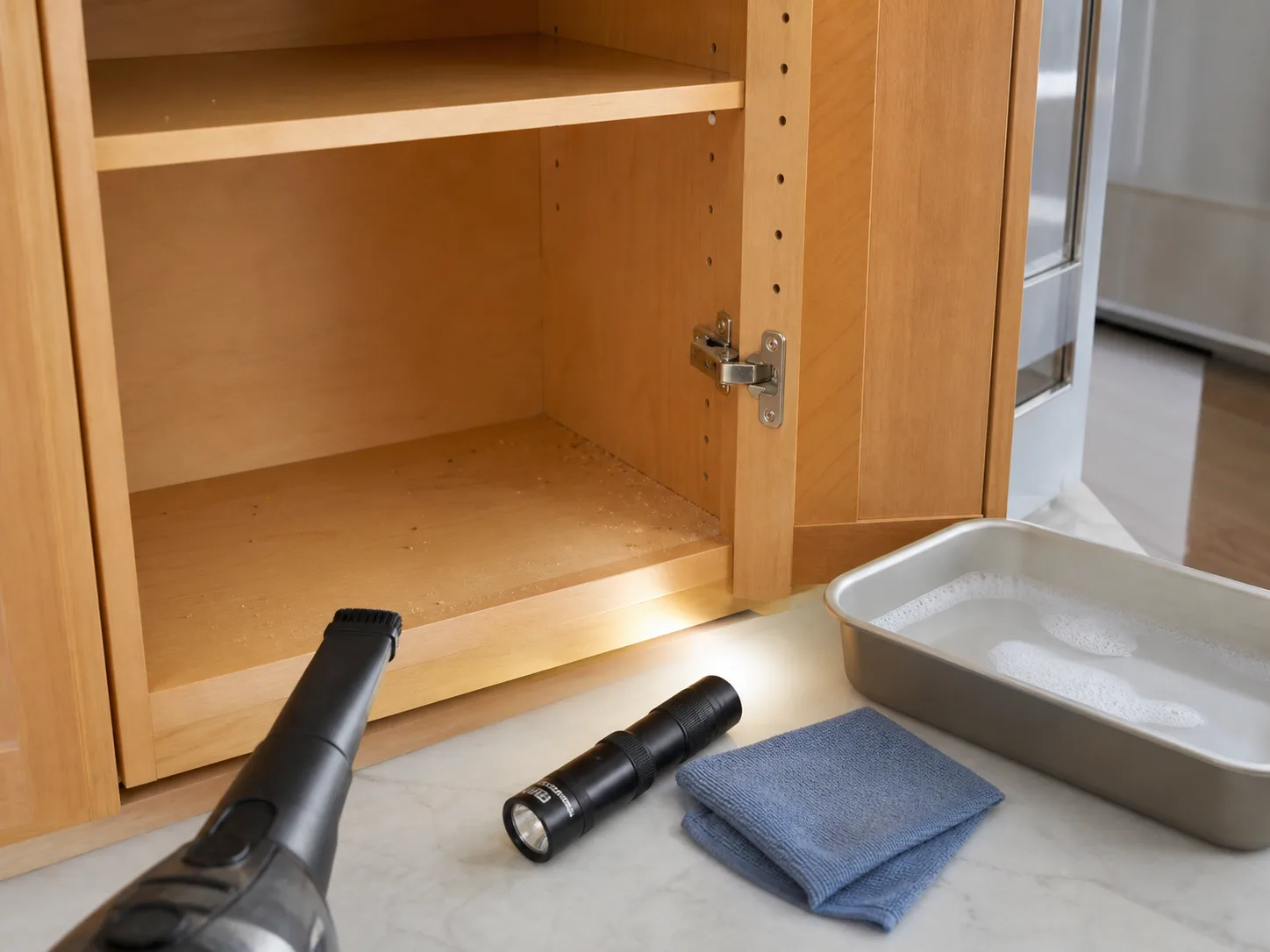
Wear clothes you can stain, grab a flashlight, and plan on more than a quick wipe-down.
Kitchen and Pantry Deep-Clean Targets
Focus on kitchens, bathrooms, and trash areas first:
- Pull the refrigerator and stove out; vacuum and degrease the floor and wall behind them
- Clean inside, under, and behind the dishwasher and microwave
- Scrub sink cabinets, paying attention to the crack where the cabinet back meets the wall—a classic German roach highway
- Empty and wipe pantry shelves; transfer dry goods to sealed containers
- Rinse recyclables and take trash out nightly; use bins with tight lids
- Wipe counters and dining surfaces daily; sweep hard floors daily in active infestations
Even tiny amounts of crumbs or liquid in cracks can feed roaches. Clean spills immediately.
Fix Moisture and Leaks First
Roaches prefer warm, moist harborages. Repair leaking faucets, loose sink traps, and tub caulking. Dry the area under sinks after use. In humid basements, reduce moisture with ventilation or a dehumidifier where Oriental or American roaches are active. Desiccant dusts like diatomaceous earth fail when surfaces stay wet, so drying the environment matters as much as applying powder.
Method 1: Vacuum Harborages, Droppings, and Egg Cases
Vacuuming is one of the fastest nonchemical population cuts you can make—especially for German cockroaches, whose females carry egg cases on their backs until just before hatch. Vacuuming adults (including egg-bearing females), nymphs, droppings, and shed skins removes allergens and reduces reproduction immediately.
How to vacuum effectively:
- Use a crevice tool along baseboards, cabinet backs, appliance edges, and door frames
- Target visible droppings and egg cases; scrape glued oothecae off surfaces with a putty knife if needed, then vacuum
- Flush tight cracks with compressed air only if you are ready to vacuum whatever runs out
- Empty the vacuum bag or canister outside into a sealed bag after each heavy session
UC IPM recommends a vacuum with a HEPA filter or triple filters because cockroach debris can trigger allergies and asthma when aerosolized. This is not optional in homes with sensitive occupants.
Vacuuming does not replace baits or dusts—it lowers numbers so other tools work faster and gives you cleaner monitor readings.
Method 2: Sticky Traps to Map Where Roaches Actually Live
Insect monitors—folded glue boards or sticky traps—are not just for catching roaches. In IPM they are monitoring tools that show where populations concentrate so you dust, bait, and clean intelligently.
UC IPM calls sticky traps the best way to detect and monitor cockroach populations. Place traps where roaches travel: junctions of floors and walls, not the center of the room.
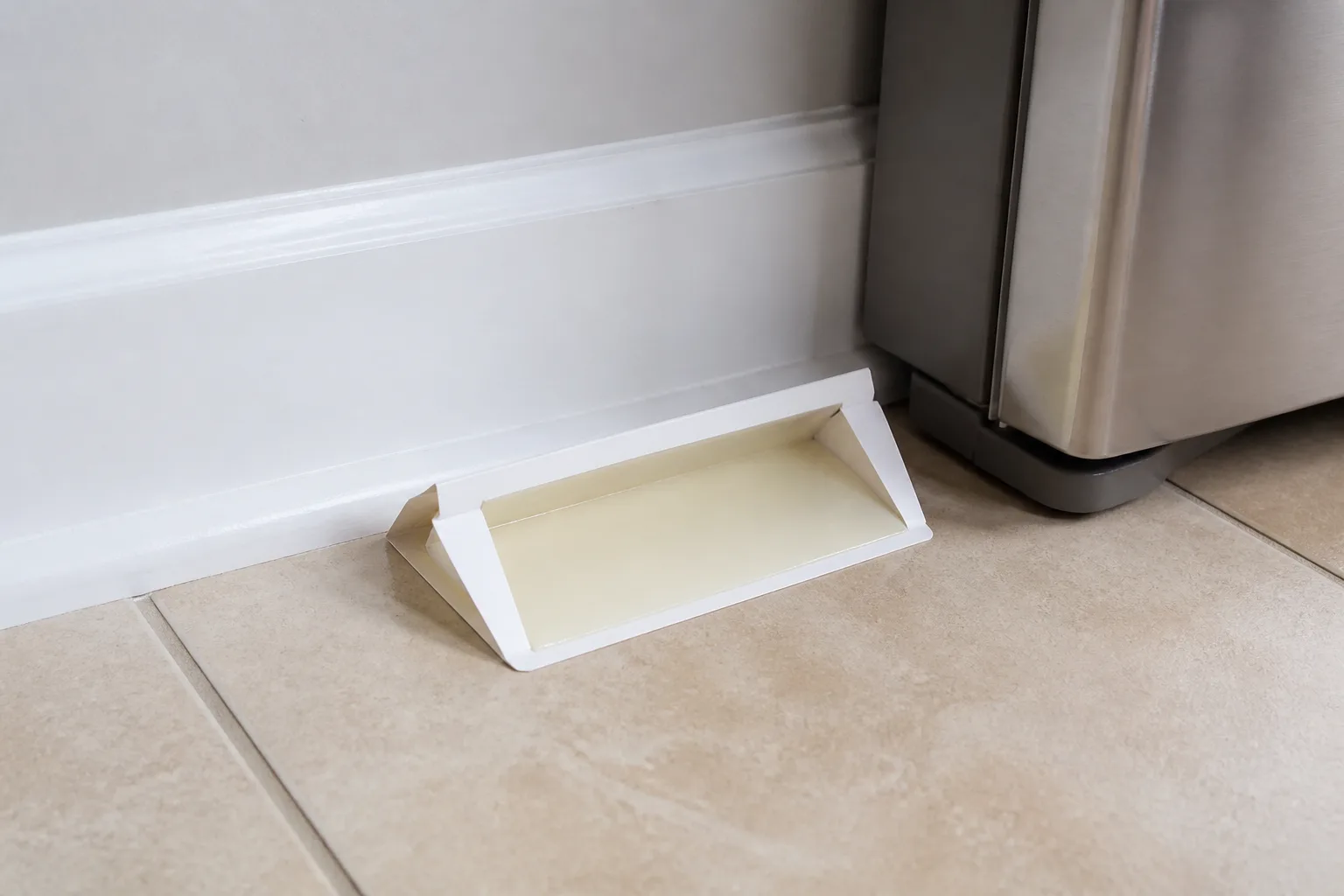
Best Monitor Placement Spots
- Behind the refrigerator and stove
- Under sink cabinets and near the water heater
- Along baseboards beside dishwasher and pantry
- Near floor drains in basements (American/Oriental species)
- Along garage or utility-room walls if you see outdoor invaders
Check traps daily for the first few days. Many catches happen within 24 hours of placement. The trap with the most roaches tells you where to concentrate cleaning, vacuuming, and dust. Discard used traps in a sealed bag.
Sticky traps alone rarely end a large infestation, but without them you are guessing—and guessing wastes weeks.
Method 3: Diatomaceous Earth in Roach Travel Lanes
Diatomaceous earth (DE) is a natural desiccant dust. Roaches do not eat it—they die when dry powder damages the waxy cuticle on their exoskeleton and causes dehydration. NPIC describes this as absorption of protective oils plus abrasive action from microscopic silica particles.
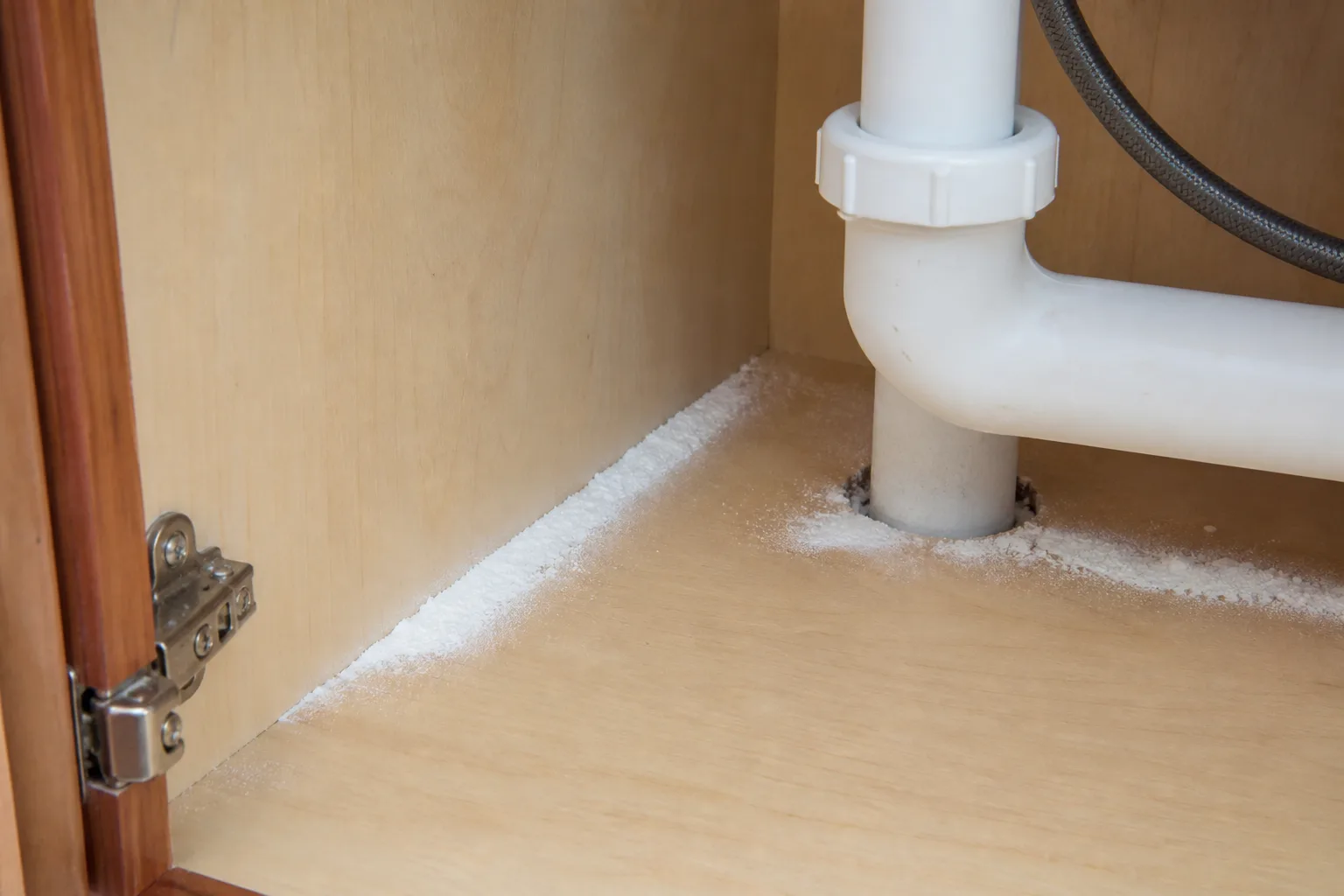
DE is low toxicity to people and pets when used correctly, but it is a fine dust—avoid breathing it. Use food-grade or pest-label DE, not pool-filter grade.
Application rules:
- Apply a thin, barely visible film along cracks, baseboard edges, cabinet voids, and behind appliances—where roaches crawl, not where you walk barefoot
- Keep DE dry; wet DE does not desiccate insects
- Expect days per individual roach, not instant knockdown; population decline with DE alone often takes several weeks if egg cases keep hatching
- DE does not kill eggs inside oothecae
DE works best as a supplement after sanitation and alongside boric acid or baits in dry voids. For a full placement guide, see our article on whether diatomaceous earth kills roaches.
Method 4: Boric Acid—the Natural Dust That Usually Outperforms DE Indoors
If you want one natural dust for indoor German roaches, boric acid is usually the better primary tool. UC IPM lists boric acid among effective cockroach baits and dusts; it clings to roach bodies and is ingested during grooming, acting as a stomach poison rather than a simple desiccant.
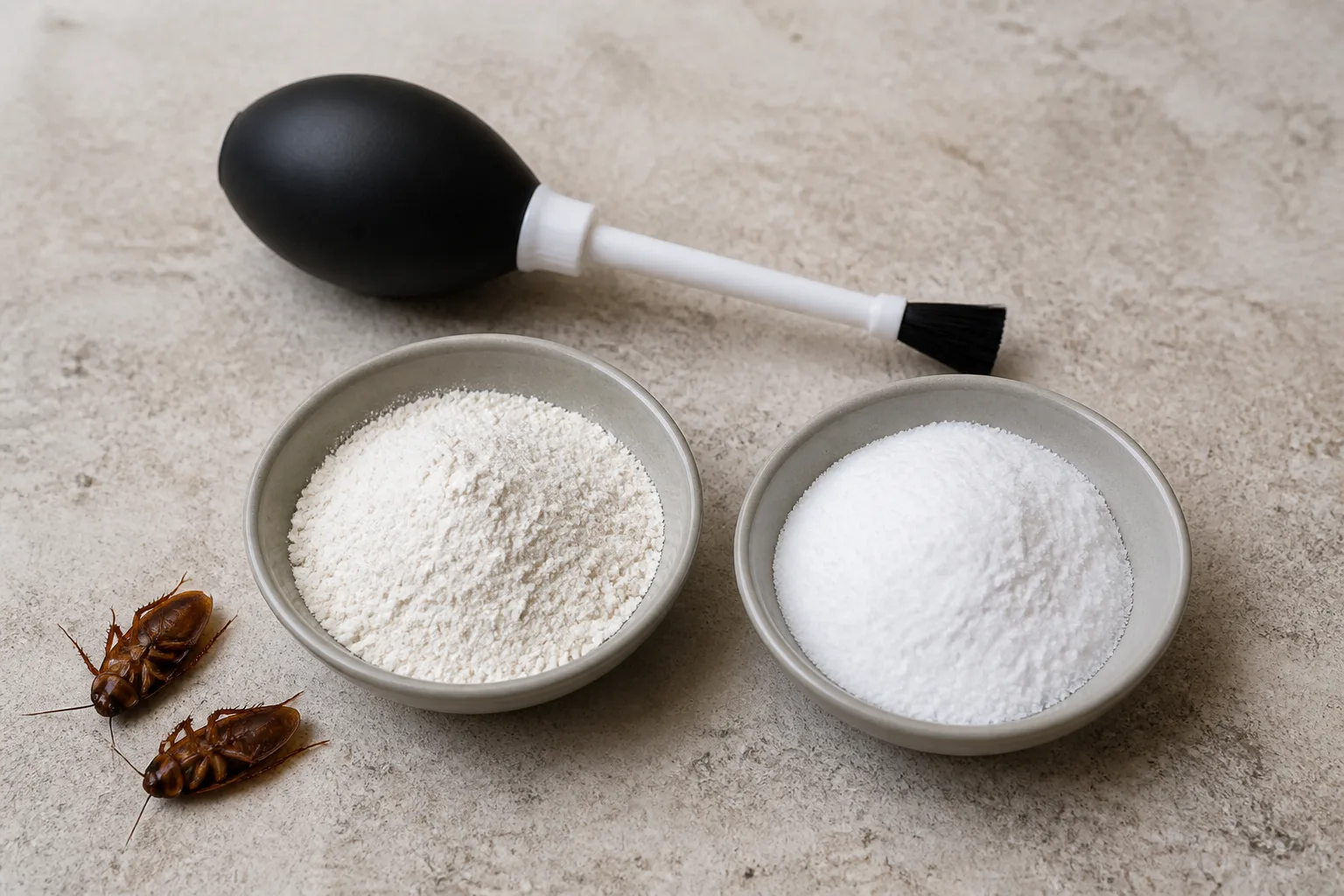
How to apply boric acid safely:
- Dust a thin layer in cracks, under appliances, and in wall voids accessed through cabinet gaps—not open countertops or food prep surfaces
- More is not better; thick piles can repel roaches
- Wear gloves; avoid inhaling dust; keep children and pets away during application
- NPIC notes boric acid is low toxicity if eaten in small amounts but is still a pesticide—treat it seriously
Population effects often take seven days or longer, similar to baits, but boric acid generally outperforms DE on established indoor infestations when placed in travel lanes.
Optional DIY Boric Acid Bait Mix
Some homeowners use a boric acid + flour + sugar mixture (equal parts) placed in tiny cracks behind appliances. The flour and sugar attract roaches to pick up poison. Use pea-sized amounts in hidden spots only, monitor daily, and refresh if consumed. This is messier than pure dust but can help in cabinet voids where pure dust blows away.
Never use boric acid and DE in the same thick layer—they can compete physically. Pick primary lanes for each product or use boric acid in kitchen voids and DE in dry garage perimeter cracks for outdoor species.
Method 5: Citrus, Garlic, and Essential Oil Repellents
Scent-based methods belong in a natural roach plan—but only with realistic expectations. Peppermint oil, lemon juice, garlic cloves, and other strong odors may repel roaches from a treated surface, not eliminate a hidden population in a wall void.
Lemon or citrus spray: Mix lemon juice with water in a spray bottle and apply along baseboards, entry points, and cabinet hinges. Cockroaches dislike citrus volatiles. Reapply every few days after cleaning. Best used as a short-term barrier on surfaces you have already cleaned and sealed—not as a substitute for removing food sources.
Garlic: Crushing cloves and placing them near suspected harborages releases sulfur compounds that roaches avoid. Replace cloves as they dry out. Works similarly to citrus: local repellent, not colony control.
Peppermint and other essential oils: Entomologists quoted in editorial home coverage note peppermint’s strong scent can deter roaches from treated areas, but roaches may simply relocate to another room. Dilute a few drops in water, spray harborage edges, and reapply regularly.
Use scent methods after sanitation and alongside killing tools (boric acid, baits). They are excellent for discouraging roaches from crossing a threshold you have already cleaned—but they will not reach females carrying egg cases deep in a motor housing.
Method 6: Seal Cracks and Block Entry Points
Exclusion stops new roaches from entering and limits how fast populations rebound after you clean and treat. This matters everywhere, but it is critical in apartments and warm climates where outdoor species invade seasonally.
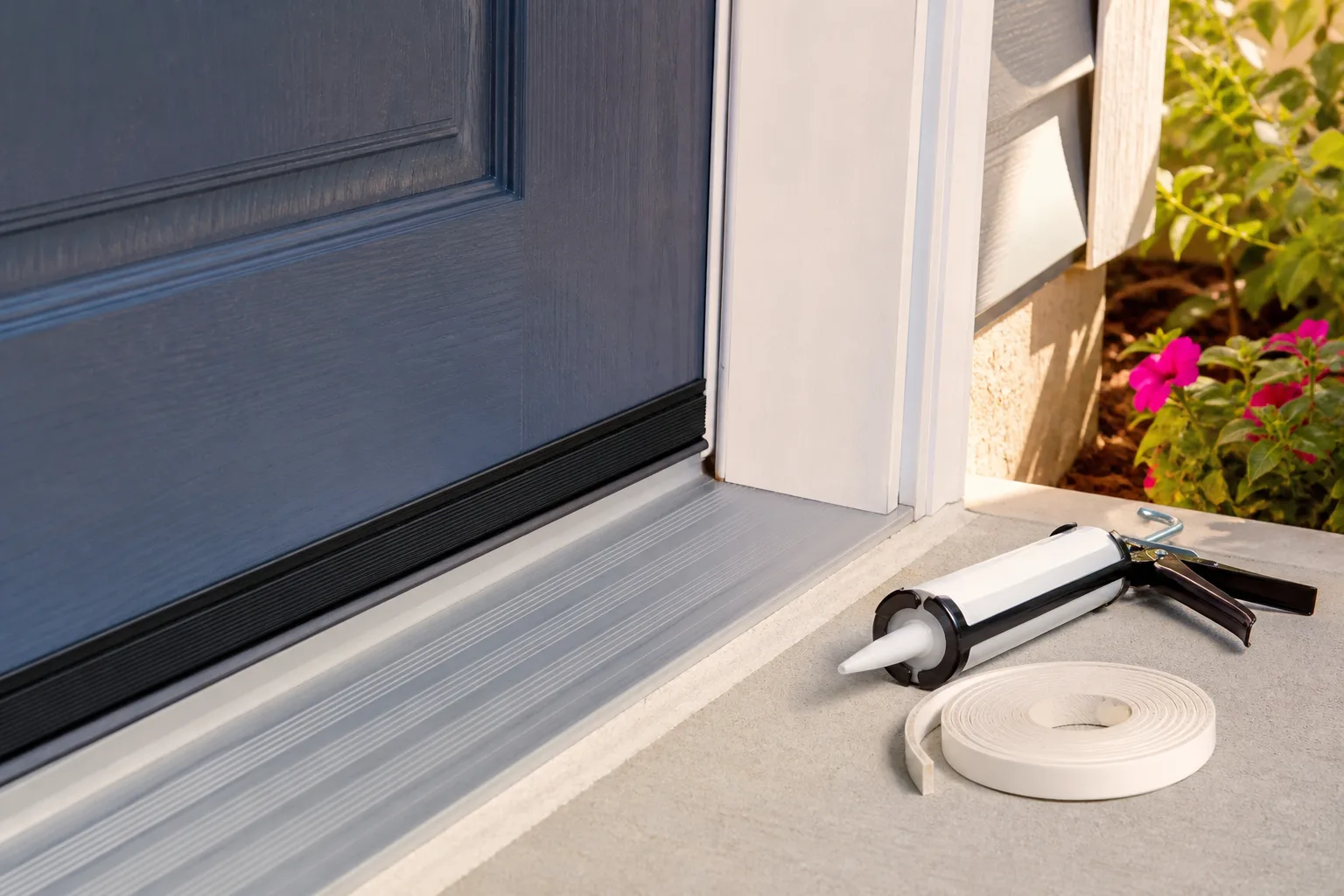
Interior sealing checklist:
- Caulk gaps around pipes under sinks and behind toilets
- Install or replace escutcheon plates on wall pipe penetrations and caulk around them—roaches use utility chases to move between units
- Add door sweeps to exterior doors; repair damaged sweeps and weatherstripping
- Seal cracks around window frames and where baseboards meet floors
- Close gaps around electrical outlets and switch plates on shared walls
Exterior and yard habits:
- Keep mulch and foundation plantings pulled back from the house
- Stack firewood away from exterior walls
- Screen floor drains and repair damaged vent covers in basements
Sealing alone does not evict roaches already inside, but it prevents the infestation you just cleared from refilling overnight from next door.
Method 7: Low-Toxicity Gel Baits When Dusts Alone Fall Short
Gel baits are not always marketed as “natural,” but they are the low-toxicity backbone of modern professional roach control—and they fit a natural-minded plan when boric acid and DE are not moving the needle. UC IPM recommends baits over broad sprays because baits work slowly, let roaches share poison in harborages you cannot reach, and avoid dispersing insects.
Why baits belong in a natural sequence:
- Active ingredients in consumer gel baits (such as abamectin, indoxacarb, or fipronil) are applied in tiny doses in cracks—not broadcast across countertops
- Baits target feeding roaches; removing competing food via sanitation makes baits far more effective
- Effects are not instant; expect seven days or longer before catch counts on monitors drop noticeably
- Baits do not kill egg cases; you must continue through at least one hatching cycle
Apply pea-sized gel dots with a syringe or bait gun inside cracks under sinks, behind drawer guides, and in cabinet corners—where roaches touch gel but kids and pets do not. Do not spray cleaners or DE on top of bait placements.
If you are philosophically opposed to synthetic actives, lean harder on boric acid, sanitation, and vacuuming—but accept that severe German roach infestations may not clear without baits or professional help.
Match Your Strategy to the Roach Species in Your Home
Not every roach in your kitchen is the same species—and species changes the game plan.
| Species | Typical habitat | Natural control emphasis |
|---|---|---|
| German | Kitchens, bathrooms, warm dry cracks | Sanitation, vacuuming, boric acid, gel baits, monitors |
| Brownbanded | Warmer rooms, furniture, electronics | Baits (harder species for baits), DE in voids, reduce clutter |
| American | Basements, sewers, floor drains | Exclusion, drain maintenance, perimeter sealing, outdoor sanitation |
| Oriental | Cool damp basements, crawlspaces | Moisture reduction, basement traps, exterior sealing |
| Turkestan | Similar to Oriental; outdoor-heavy | Yard sanitation, exclusion, perimeter monitoring |
German cockroaches reproduce fastest: a single female and offspring can produce tens of thousands per year, with females dropping egg cases containing about 30 young every few weeks (UC IPM). That is why one “natural” powder stripe is never enough—you need a system.
What to Expect Week by Week
Natural roach control rewards patience and consistency. Rough timeline if you follow the full sequence:
- Days 1–3: Deep clean, vacuum, place monitors, apply thin boric acid/DE in mapped lanes, seal obvious gaps
- Days 4–7: Monitor traps daily; re-vacuum hot spots; refresh scent barriers if used; add gel bait if catches remain high
- Week 2: Monitor counts should start dropping in the worst traps; continue sanitation; empty vacuum outdoors; replace baits if eaten
- Weeks 3–4: Fewer live roaches and fresh droppings; keep monitors in place to confirm decline; touch up dust only where dry
- Month 2+: If monitors still catch multiple roaches weekly, escalate—larger bait program, boric acid bait mix in voids, or professional IPM
If you see no improvement after two weeks of diligent cleaning, baiting, and dusting in a German roach kitchen, assume hidden harborages (appliance motors, shared wall voids) or neighboring units are resupplying insects.
Prevention Habits That Keep Roaches From Coming Back
Prevention is the same sanitation and exclusion work, done on maintenance mode:
- Inspect grocery bags and cardboard boxes before they enter—German roaches hide in corrugated cardboard and produce boxes
- Store dry food in airtight containers; wipe pantry shelves monthly
- Take trash out nightly; rinse recyclables
- Fix leaks immediately; do not leave pet water bowls as overnight water sources in infested kitchens
- Vacuum weekly along baseboards and under appliances even when you do not see roaches
- Keep monitors deployed in kitchens year-round in multi-unit housing—a single catch is an early warning
- Declutter storage closets and garage shelves to reduce hiding spots
Good hygiene alone does not guarantee zero roaches in an apartment building, but it keeps populations from exploding when a few wander in.
When to Call a Pest Professional
Natural and low-toxicity methods work for light to moderate infestations when you own the space and can access harborages. Call a licensed pest professional when:
- Monitors still catch multiple roaches weekly after 2–3 weeks of thorough IPM
- You live in multi-family housing and neighbors refuse treatment—populations will rebound through wall voids
- You see roaches in many rooms or during the day repeatedly
- Asthma or severe allergies make DIY dust application risky without professional containment
- You need fast clearance for a rental inspection, sale, or health department notice
- Previous broad spray treatments failed—misapplied sprays can scatter roaches and contribute to resistance; pros use targeted bait programs
Modern professional roach programs emphasize gel baits and IPM, not foggers. Improper fogging or repellent sprays in apartments can make future control harder for everyone in the building.
Conclusion
Getting rid of roaches naturally is not about choosing lemon juice over boric acid—it is about running a sequence: starve and dry them out, vacuum and monitor to find them, kill slow with boric acid or DE in travel lanes, repel only where it helps, seal them out, and add gel baits when populations demand faster knockdown. The seven methods work together; none is a solo hero.
Start tonight with sanitation and monitors before you buy another random “natural” spray. Map the infestation, match tools to the species—especially German roaches in kitchens—and measure progress with trap counts, not wishful thinking. If counts do not fall within a few weeks, escalate calmly: more bait, coordinated building treatment, or a pro who bait-programs instead of fogging. You can clear roaches without harsh indoor sprays—but only if you treat the job like pest management, not a single pantry ingredient.