How to Grow and Care for Cardinal Flower
Grow cardinal flower (Lobelia cardinalis) in moist soil with the right sun, watering, division, and seed-starting steps for hummingbird-rich late-summer bloom.
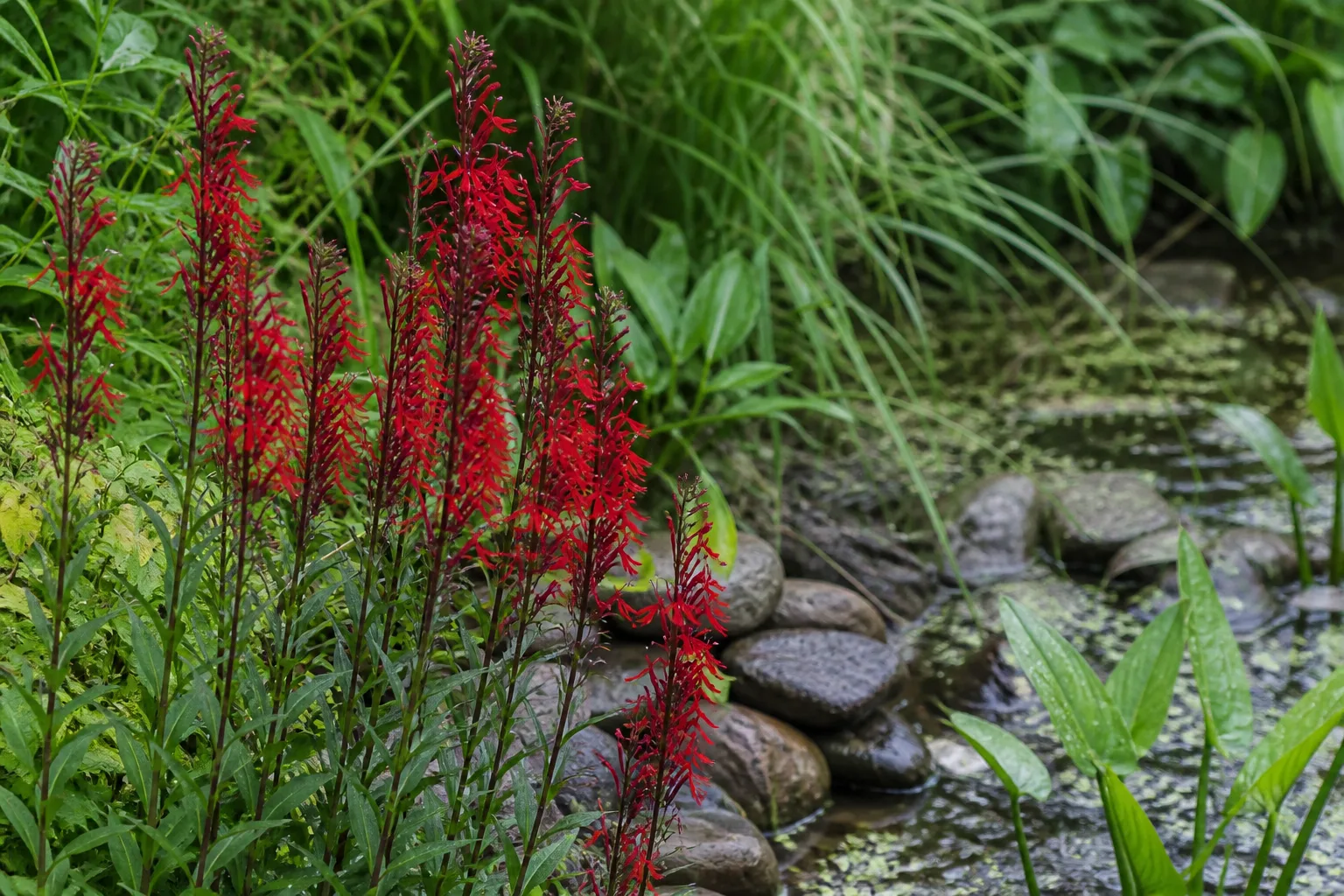
Cardinal flower (Lobelia cardinalis) is the perennial that finally makes sense of the soggy corner every other plant rotted in. Scarlet tubular spikes rise above lance-shaped leaves from midsummer into fall, and the hummingbirds show up like clockwork. The catch—and it is a real one—is that this eastern native treats constant moisture as non-negotiable. Stick it in a dry foundation bed because the color looked good on a tag, and you will watch it wilt, yellow, and disappear before Labor Day.
Get the site right, though, and cardinal flower becomes one of the most useful late-summer bloomers in a rain garden, pond edge, or moist woodland border. Missouri Botanical Garden describes it as easily grown in rich, medium-to-wet soils with full sun to part shade, tolerating brief flooding as long as the soil never dries out. (Missouri Botanical Garden) NC State Extension notes individual plants are somewhat short-lived, but colonies persist through self-seeding and rosette offshoots—a life cycle that confuses gardeners who expect one clump to behave like a decade-old hosta.
Cardinal Flower Quick Reference
Use this table as a placement checklist before you buy pots or dig holes. If your site fails the moisture row, choose a different plant rather than fighting cardinal flower with extra hose time in baked clay.
| Factor | Target | Notes |
|---|---|---|
| Botanical name | Lobelia cardinalis | Campanulaceae (bellflower family) |
| Type | Herbaceous perennial | Native to eastern North America |
| Height / spread | 2–4 ft tall; 1–2 ft wide | Can reach 5 ft in ideal wet sites |
| Light | Full sun to part shade | Afternoon shade in hot climates |
| Soil | Rich, high organic matter | Medium to wet; occasionally flooded |
| Water | Evenly moist always | Dry soil is the primary failure mode |
| Bloom | July–September (to October) | Often flowers first year from seed |
| Hardiness | USDA zones 3–9 | Mulch crowns in cold, borderline zones |
| Wildlife | Hummingbirds, butterflies | Tubular red nectar flowers |
| Deer / rabbits | Generally resistant | May browse when food is scarce |
| Pets / humans | Toxic if ingested | Lobeline alkaloids—see safety section |
| Best uses | Rain gardens, stream banks, wet borders | Not for dry beds or pet chew zones |
For other perennials that peak when summer heat wilts the rest of the border, see our guide to late-summer blooming flowers—cardinal flower is often the red anchor in that mix.
Why Cardinal Flower Belongs in a Wet-Site Garden
Most garden advice assumes you are trying to improve drainage. Cardinal flower flips that script. It evolved along streams, in swamps, and in low wooded areas where soil stays damp or briefly underwater. NC State Extension lists riparian edges, rain gardens, water gardens, and moist woodland shade gardens as prime landscape locations. (NC State Extension) That wet-soil tolerance is exactly why it excels in problem zones—downspout rain gardens, pond margins, and low spots where turf stays mushy after storms.
Hummingbirds, Butterflies, and Late-Summer Bloom
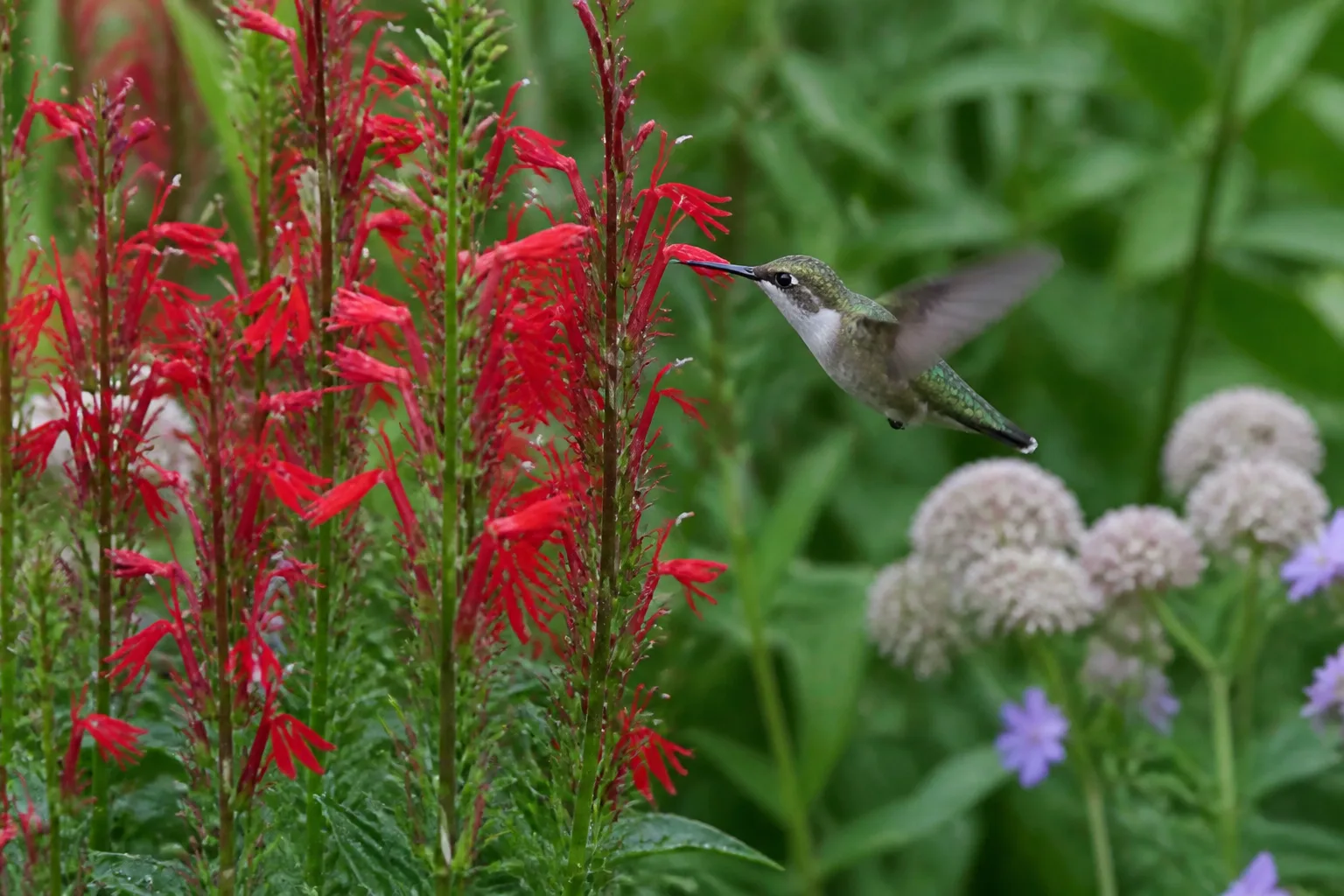
The flowers are built for long-tongued pollinators: erect racemes of two-lipped, tubular blossoms open from the bottom of the spike upward, staying showy for weeks. NC State Extension notes blooms from July through October in its region, with strong appeal to hummingbirds and butterflies. (NC State Extension) Missouri Botanical Garden adds that the scarlet color attracts hummingbirds and butterflies—but not cardinals the bird, despite the shared name. (Missouri Botanical Garden)
That late-summer window matters. When early-summer perennials look tired, cardinal flower still delivers vertical red drama and live pollinator action. It was named a North Carolina Wildflower of the Year in 1982, 1983, and 2001—partly because it combines native status, ornamental punch, and ecological value in one package.
Short-Lived Stems, Long-Lived Colonies
Here is the mental model that prevents unnecessary panic: each flowering stem is not a 20-year investment. Individual cardinal flower plants often die back after a strong bloom cycle, but the colony survives through basal rosettes, creeping offshoots, and generous self-seeding. Missouri Botanical Garden calls it “somewhat short-lived” and clump-forming—accurate wording that Spruce-style articles often gloss over. (Missouri Botanical Garden)
If your patch looks sparse after three or four years, the fix is usually division and tighter replanting, not more fertilizer. Dig, split healthy crowns with roots attached, and reset pieces about 12 inches apart in moist soil every two to three years. Allow some seed to fall if you want the colony to fill gaps on its own.
Light Requirements by Climate
Cardinal flower is flexible on light only when soil moisture stays perfect. In cool northern gardens (zones 3–6), full sun produces the sturdiest stems and heaviest bloom, and Missouri Botanical Garden notes it will tolerate full sun in cool climates. (Missouri Botanical Garden) In hot southern or western summers, give it morning sun and afternoon shade—especially where reflected heat off pavement dries the root zone by midafternoon.
Partial shade is workable in woodland edges if the soil remains consistently moist. Deep dry shade is a poor match: stems stretch toward light, flop in wind, and bloom lightly. Leggy toppling stalks are often a light-and-moisture combo problem, not a mysterious disease. Move the clump closer to a brighter edge of the wet zone, or stake only after you have corrected soil dryness first.
Soil, Moisture, and Best Planting Spots
Think rich and spongy, not sandy and fast-draining. NC State Extension recommends high-organic, moist to occasionally wet soil and warns that barren, dry soils cause collapse. (NC State Extension) Before planting, fork in compost or leaf mold in the root zone. In heavy clay that puddles, a raised berm at the rain-garden edge can still work if the bottom of the root mass stays in the infiltrating wet tier—not on a dry hilltop.
Cardinal flower tolerates brief seasonal flooding, which makes it a strong candidate for the lowest, wettest zone of a rain garden. It is a poor candidate for the upper, fast-draining berm where drought-tolerant natives belong. If you are sizing a basin, moisture-tier planning matters as much as plant choice—our rain garden calculator guide walks through drainage checks and depth before you commit holes.
Rain Gardens, Pond Edges, and Stream Banks
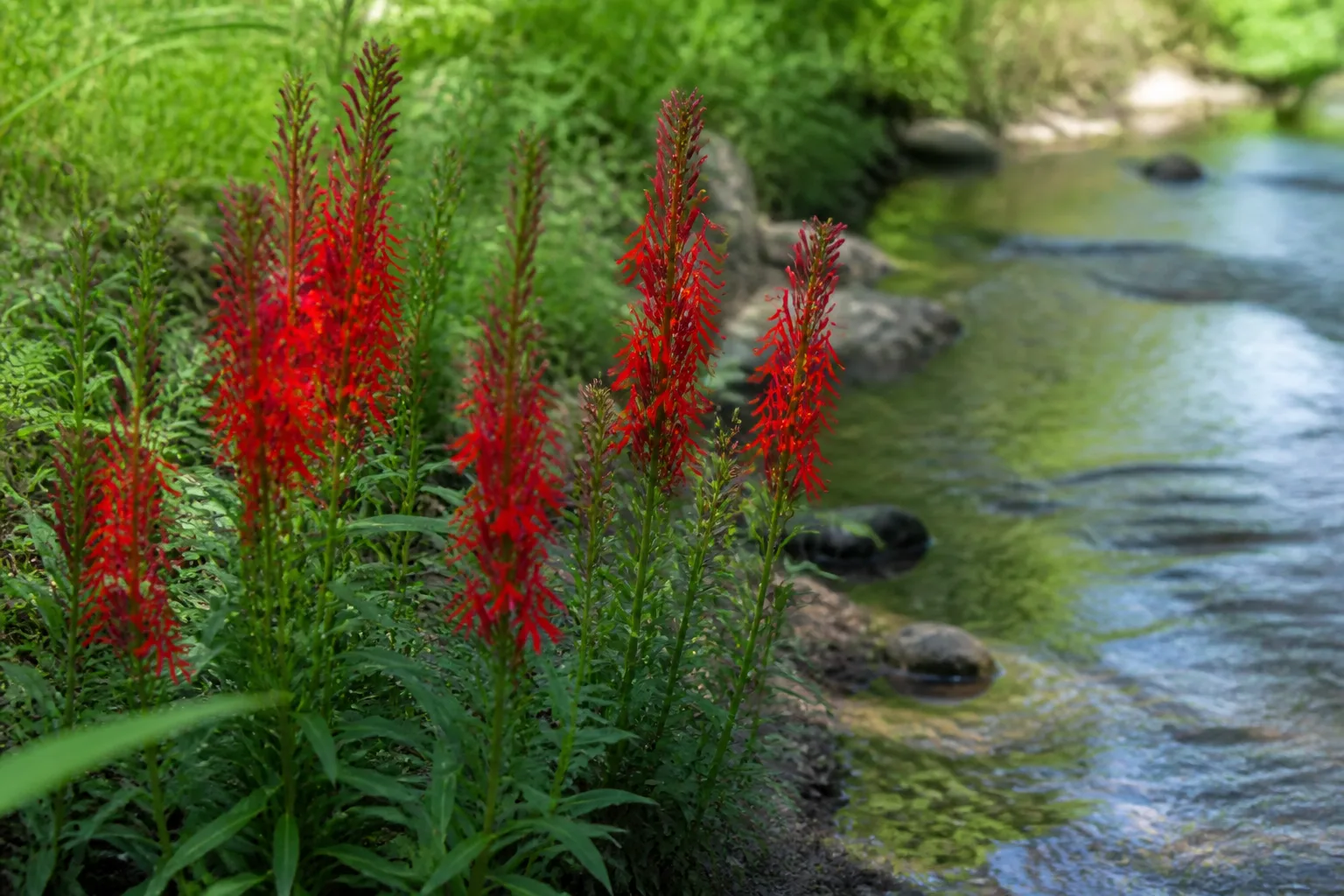
Place cardinal flower in the inflow or center pool of a rain garden where water collects after storms, not on the dry lip near the sidewalk. Along naturalistic ponds and streams, set plants at the normal waterline or just above it so roots access consistent moisture without being submerged year-round. Fibrous roots help stabilize soft banks—a reason native-landscape designers pair it with sedges and rushes on slopes subject to runoff.
When not to plant: dry foundation beds, sandy raised planters that drain in hours, rock gardens, and areas pets treat as salad bars. Cardinal flower is the wrong plant for “set and forget” dry drought-tolerant perennial borders, no matter how much you love the red.
Watering, Mulch, and Fertilizer
Established in-ground plants in true wet sites may need little supplemental water except during drought. Everywhere else, treat even moisture as the job description. Check the top inch of soil during heat waves; if it dries, soak deeply rather than sprinkling daily. Container-grown cardinal flower is possible but demands near-daily watering in summer—large pots, quality potting mix, and zero saucers sitting in stagnant water for days.
Organic mulch (shredded leaves, bark, or compost) helps retain moisture and protects crowns from freeze-thaw heaving in zone 3 and 4 winters. Missouri Botanical Garden specifically recommends root mulch in cold climates to prevent heaving and moisture loss. (Missouri Botanical Garden)
Fertilizer is optional. A single compost top-dressing in late winter or early spring usually supplies enough nutrition for the season, matching NC State Extension’s low-maintenance profile. (NC State Extension) If bloom seems weak on very sandy soil, a diluted balanced liquid feed once or twice in early summer is enough—heavy nitrogen pushes foliage at the expense of flowers and can soften stems. Skip aggressive bloom boosters unless you have confirmed moisture and light are already correct.
Hardiness, Heat, and Overwintering
Cardinal flower is hardy in USDA zones 3 through 9 according to Missouri Botanical Garden and NC State Extension. (Missouri Botanical Garden) Some gardeners report success in zone 2 with heavy mulch, but repeated freeze-thaw cycles without snow cover kill crowns more often than absolute cold does. In borderline regions, leave dead stems standing through winter as light insulation, then cut back in spring when new rosette growth appears.
Named cultivars and hybrids may be slightly less cold-hardy than straight species seed strains—worth remembering if you are trialing dark-leaved selections far north. High heat plus dry soil is the bigger enemy in zones 8–9: afternoon shade and a reliable water source matter more than hardiness zone alone.
NC State Extension assigns cardinal flower a medium flammability rating. Keep that in mind if you plant near wooden structures in wildfire-prone regions; moist riparian placement is safer than dry meadow edges that cure in August.
Cultivars, Hybrids, and Color Forms
The wild species is scarlet red, but breeding expanded the palette:
- ‘Queen Victoria’ — intense red flowers on bronze-purple foliage; classic garden-center selection NC State lists among popular cultivars. (NC State Extension)
- ‘Black Truffle’ — crimson blooms above near-black foliage; dramatic in moist borders, possibly less cold-tolerant than species.
- ‘Rosea’ / ‘Pink Flame’ / ‘Pink Flamingo’ — pink tones for softer palettes; still need wet feet.
- ‘Alba’ — white flowers; glows in evening shade gardens.
- ‘Angel Song’ — cream and salmon tones; use where pure red clashes with neighboring hues.
Hybrids such as Lobelia × speciosa (including selections like ‘Vedrariensis’ with violet flowers) blend cardinal flower with great blue lobelia (L. siphilitica). They can be showy but Missouri Botanical Garden notes some hybrid lobelias have underperformed in their St. Louis trials for unclear reasons—species plants remain the most predictable in tough wet sites. (Missouri Botanical Garden)
Propagation: Division, Volunteers, and Seed
You have three practical paths, and most successful colonies use more than one.
Division (fall preferred): Dig the entire clump after bloom slows, shake off mud, and split sections with healthy roots and crown tissue. Replant immediately at the same depth, 12–18 inches apart if you want a dense drift. Fall division lets roots settle before spring surge; spring division works if you water religiously.
Volunteer transplants: Self-sown seedlings and rosette offshoots appear around parent plants. Lift small volunteers in fall with a trowel, keeping root hairs intact, and move them to new moist pockets. This is the lowest-effort way to expand a patch once seed is allowed to ripen.
Seed: Cardinal flower self-seeds freely if you skip aggressive deadheading. For deliberate sowing, collect capsules when they begin to open, sow fresh on the soil surface outdoors in fall, or store dry seed chilled for spring indoor starts.
Starting Seeds Indoors
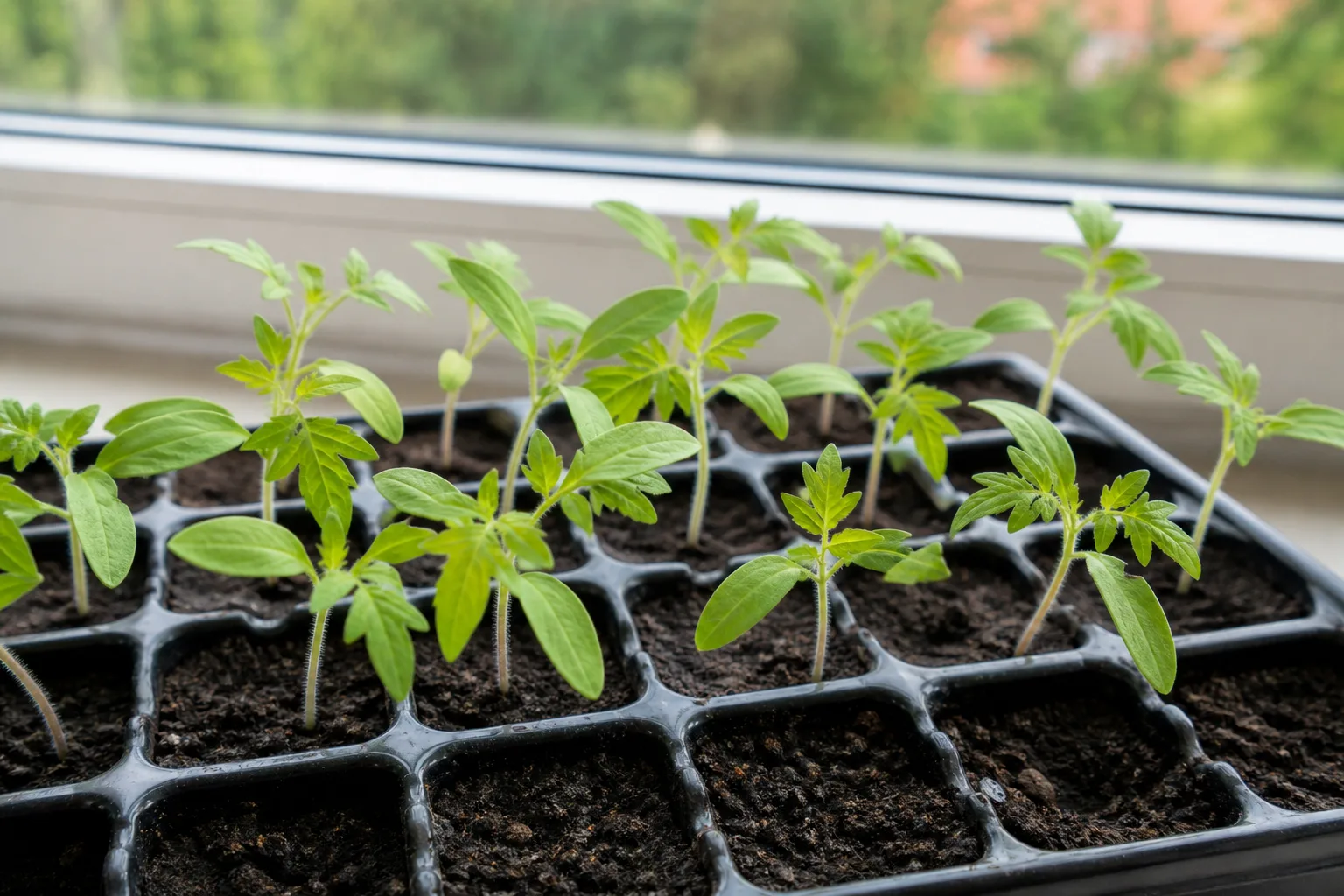
Seeds need light to germinate—press them onto moist potting mix, do not bury them. Many strains benefit from cold stratification: seal moist seed in the refrigerator for four to eight weeks, then move trays to bright light at about 70°F. Keep mix constantly moist with a spray bottle, not flood irrigation. Transplant seedlings into individual pots after two sets of true leaves, harden off for a week after frost danger passes, and plant out where soil will stay damp all season.
First-year flowering is common, which makes seed a budget-friendly way to fill a new rain-garden zone—just plan on thinning extras so airflow stays good.
Pruning, Deadheading, and Colony Renewal
Remove spent flower spikes if you want a tidier look and sometimes encourage side branching—but know the trade-off. Deadheading every spike prevents seed from forming, which reduces free volunteers next year. Many native-garden designers deadhead only the front-facing spikes and leave rear stems to ripen seed for birds and self-sowing.
If plants grow floppy midseason, cut stems back by one-third to force bushier regrowth; moisture must stay high for a second flush. In spring, cut last year’s dead stalks to the ground once new basal growth shows. Do not scalp crowns in fall; standing stems protect buds in cold zones.
When a colony spreads outward and looks thin in the center, dig, divide, and replant tighter rather than waiting for self-repair. That renewal cycle every two to three years keeps bloom dense at the height hummingbirds can reach.
Pests, Diseases, and Troubleshooting
Cardinal flower is not pest-free—it’s pest-light. Slugs and snails chew holes in low leaves, especially in shady, wet beds. Handpick at dusk, use iron-phosphate baits labeled for food gardens if needed, and reduce hiding spots (flat stones, soggy leaf piles). NC State Extension links slug damage as the primary insect issue. (NC State Extension)
Fungal leaf spots and rust appear when clumps are overcrowded and air stagnates. Improve spacing, avoid overhead irrigation late in the day, and remove badly infected foliage. Severe cases may warrant cutting plants to the ground; healthy crowns often resprout clean in moist soil.
| Symptom | Likely cause | First fix |
|---|---|---|
| Wilting in afternoon | Dry soil or root heaving | Soak deeply; mulch crowns |
| Yellow leaves | Nutrient-poor and wet-dry swings | Compost mulch; stabilize moisture |
| Leggy, toppling stems | Too much shade or drought stress | More light at moist edge; stake last |
| Sparse center, spread-out ring | Age without division | Dig, split, replant closer |
| Holes in lower leaves | Slugs / snails | Night checks; iron phosphate bait |
| No hummingbirds | Wrong season or dry flowers | Bloom is July–fall; keep soil moist |
Landscape Design and Companion Plants
Design around moisture first, color second. Scarlet cardinal red is intense—it can clash with orange-red daylilies but sings next to gold rudbeckia, blue great blue lobelia (L. siphilitica), purple ironweed, and silver-blue moisture-tolerant grasses. Vertical spikes also pair well with flat-topped Joe Pye weed and native sedges that share wet feet.
Use cardinal flower on slopes receiving runoff to slow water and add late-season nectar. In mixed borders that are not naturally wet, sink a moisture-retentive planting pocket or run soaker hose on a timer—pretending a dry border is a rain garden guarantees disappointment.
Deer and rabbits usually avoid the foliage, though Missouri Botanical Garden notes they may browse when starving. (Missouri Botanical Garden) That resistance makes cardinal flower safer near woodland edges than many tender hostas—unless pets, not deer, are the concern.
Pet and Human Safety
Cardinal flower is toxic to dogs, cats, and horses if ingested. ASPCA lists the toxic principle as lobeline, with clinical signs including vomiting, diarrhea, excessive salivation, abdominal pain, depression, and heart rhythm disturbances. (ASPCA) NC State Extension rates poison severity as medium when large quantities are eaten, noting alkaloids in leaves, stems, flowers, seeds, and roots. (NC State Extension)
This is not alarmism—it is placement logic. Do not use cardinal flower in beds puppies excavate, cat runs, or horse pasture edges. Wash hands after handling if you are sensitive, and call ASPCA Poison Control at (888) 426-4435 or your veterinarian if a pet eats plant material. The showy red flowers attract human toddlers’ eyes too; treat it like any ornamental poison plant in family yards.
Conclusion
Cardinal flower rewards gardeners who stop fighting their site and start planting where water already wants to go. Give it rich, constantly moist soil, match sun to your climate, renew colonies by division every few years, and decide intentionally whether deadheading or self-seeding fits your design. Do that, and Lobelia cardinalis delivers hummingbird traffic and late-summer color in places most perennials refuse to grow—without pretending a dry patio pot or pet playground is the right home for a wetland native.



