How to Grow and Care for Jacob's Ladder
Learn how to grow and care for Jacob's Ladder, including light, soil, watering, propagation, pruning, bloom timing, and common problems.
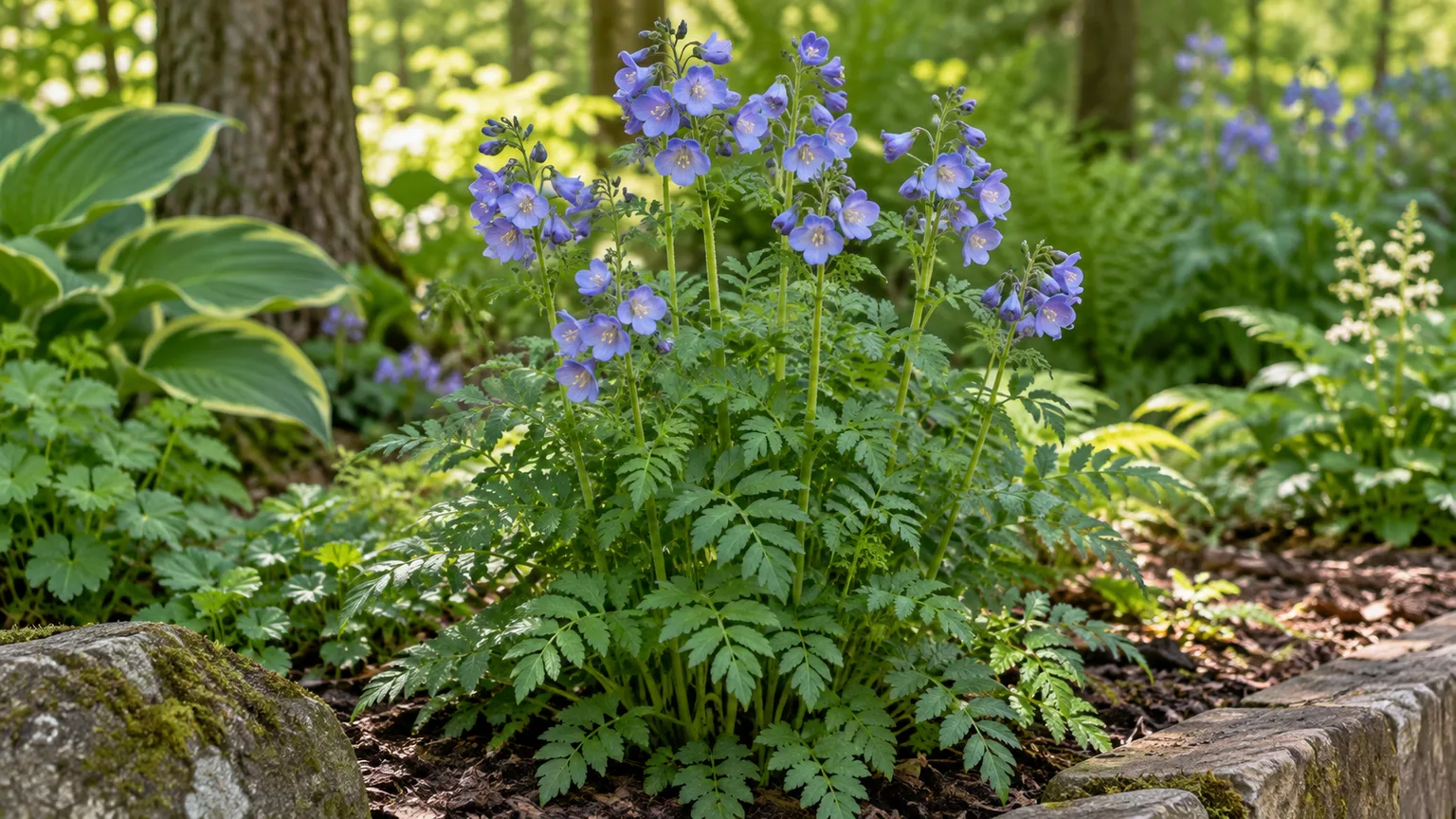
Jacob’s Ladder (Polemonium caeruleum), also called Greek valerian, is a cool-season perennial valued for its ladder-like leaflets and loose clusters of blue, lavender, white, or pink flowers. It is at its best in a garden that feels like a woodland edge: bright but not scorching, evenly moist but never stagnant, and rich enough to support growth without being overloaded with fertilizer.
The plant is not difficult when its site is right. Most disappointments come from treating it like a drought-tolerant sun perennial, planting it in a waterlogged hollow, or expecting its spring foliage to remain equally full through a hot summer. Give it the right rhythm and it can return for years, often making seedlings around the original clump.
What Jacob’s Ladder Is and What It Needs
Jacob’s Ladder is a herbaceous perennial in the Polemoniaceae family. Its compound leaves are arranged in pairs along a central stem, creating the visual impression of rungs. Flower stems rise above the foliage in spring and early summer, usually reaching about 1 to 2.5 feet tall, with a similar but sometimes wider spread as the clump matures.
The plant’s basic needs are simple: partial shade or dappled sun, soil that stays moderately moist, free drainage around the crown, and relief from prolonged high heat. It generally fits USDA Zones 4 through 9, but a plant at the warm edge of that range needs more shade and more dependable moisture than one grown in a cool northern garden.
Choose a Site by Light, Moisture, and Summer Heat
Aim for morning sun and afternoon shade, bright open shade, or filtered light beneath deciduous trees. Dark-leaved forms can tolerate more sun if their roots stay cool and moist. Variegated cultivars usually scorch sooner, so give them protection from intense afternoon rays and reflected heat from walls or paving.
The best soil is moist enough that a handful feels cool and cohesive, yet crumbly enough that water does not sit around the crown after a storm. Loam is ideal, but amended clay or moisture-retentive sandy soil can work. Avoid a site that alternates between flooded and bone-dry. That swing is harder on Jacob’s Ladder than either condition in isolation.
Match the Soil to the Root Zone
Before planting, dig a hole about twice as wide as the container and fill it with water. If it drains within a few hours, the site is promising; if water remains the next day, move uphill or build a modest raised planting area. A soil test can confirm pH and fertility, but drainage and moisture consistency matter more than chasing a precise number.
Mixing a little finished compost through the planting area can improve structure. Do not create a small pocket of rich potting soil surrounded by compacted ground, because roots may circle inside the pocket while the surrounding bed remains hostile. Improve the whole root zone modestly instead.
Plant Nursery Jacob’s Ladder Without Root Stress
Plant in spring after the ground can be worked or in early fall while the soil is still warm. Set the crown at the same level it occupied in its pot. Planting too deeply traps moisture against the crown; planting too high leaves roots exposed and makes the plant dry quickly.
After backfilling, water slowly until the entire root ball is wet. Add 1 to 2 inches of leaf mold or composted bark, keeping mulch a few inches away from the crown. During the first month, check the soil beside the root ball rather than relying on a fixed schedule. The surrounding soil should not become powder-dry, but watering a wet root ball again can be just as damaging as missing one day.
Watering for Establishment and Long Bloom
New plants need consistent moisture while roots move into the surrounding soil. Water deeply when the upper inch or two begins to dry, then adjust for rain, temperature, and soil texture. In a heat wave, a small plant in sandy soil may need water every few days; in cool clay soil, the same interval could leave roots airless.
Established plants are more forgiving, especially in shade, but they still bloom and hold attractive foliage longer when they do not experience repeated drought. Water at the soil line in the morning. Soaker hoses or a low-flow wand are useful because wet foliage that stays damp overnight is more likely to develop spotting or mildew.
Feed Lightly and Mulch With Restraint
Jacob’s Ladder rarely needs a heavy feeding program. If the bed is fertile, top-dress with a thin layer of finished compost in spring. If growth is weak in genuinely poor soil, use a balanced, slow-release fertilizer at the label rate as new growth begins. Excess nitrogen tends to produce floppy foliage and can make the plant more attractive to sap-feeding pests.
Mulch helps hold moisture and moderate the root zone, but a thick, wet blanket around the crown creates the exact conditions that cause rot. Renew a thin layer when it breaks down, and pull it back if stems look soft or the soil remains wet for too long.
Understand the Spring-to-Summer Growth Cycle
The plant’s strongest display usually arrives in mid- to late spring. Flowering may continue into early summer, especially where the soil stays evenly moist. After flowering, the foliage can lose its freshness, and the plant may go partly dormant in a hot climate. That seasonal retreat is normal; it does not automatically mean the crown has died.
Plan around the retreat by placing Jacob’s Ladder beside ferns, hostas, heucheras, or later-blooming woodland plants that can occupy the space after the spring show. In a small bed, avoid putting it in the most visible focal position if you need that area to look dense in August.
Keep Flowers Coming With Smart Deadheading
Remove individual spent clusters if you want a tidier display. For a possible second flush, cut the finished flower stalk down to a healthy leaf cluster or to the base once most flowers on that stem have faded. Keep the plant watered while it regrows; deadheading cannot compensate for drought stress.
Leave some stems if you want seedlings or prefer a looser, wildlife-friendly look. Self-sowing is usually manageable rather than aggressive, but seedlings can appear where you did not plan them. The easiest control is selective deadheading: remove seed-bearing stems in pathways and keep a few in the back of the planting.
Select a Species or Cultivar
The species P. caeruleum is the common garden Jacob’s Ladder, with blue to violet flowers and green foliage. ‘Album’ offers white flowers. Variegated selections can brighten shade, but they are less tolerant of hot sun and dry soil. Choose a plain green form when your garden is warm, exposed, or difficult to irrigate.
Jacob’s Ladder Versus Creeping Jacob’s Ladder
Do not confuse P. caeruleum with Polemonium reptans, often called creeping Jacob’s Ladder. The latter is a shorter North American woodland plant with a lower habit and a different ecological history. Names overlap in nurseries, so check the botanical name and mature height before buying. Both appreciate cool, moist conditions, but a cultivar sold for a compact front-of-border spot may disappoint if it is actually the taller species.
Propagate by Division
Division is the most predictable way to make more plants. Divide in early spring as shoots emerge or in early fall, avoiding the hottest part of summer. Dig the clump widely enough to preserve roots, then separate it into sections with several healthy shoots and a substantial portion of crown.
Replant divisions immediately at their original depth and water them in. Keep them evenly moist until new growth shows. A division that has only a thin slice of crown may survive, but it will establish slowly; generous sections recover faster and are less likely to wilt.
Division also gives you a chance to correct a declining center. If the middle of an older clump is bare while the outside is vigorous, lift it, discard dead tissue, and replant the healthy outer sections in refreshed soil.
Grow Jacob’s Ladder From Seed
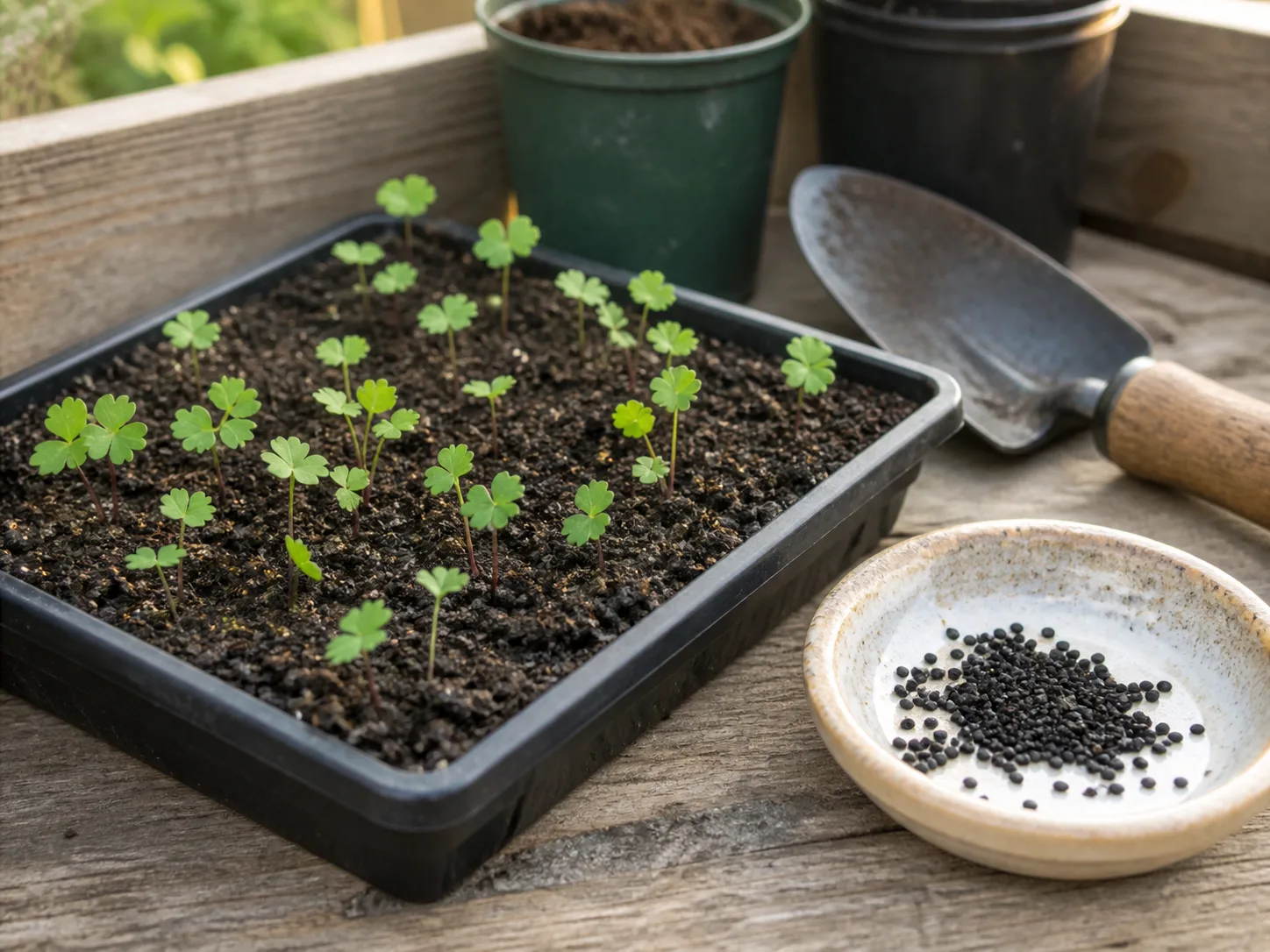
Fresh seed can be sown outdoors in fall or very early spring. Press it onto prepared soil and cover it only lightly, because deep burial delays or prevents emergence. Mark the spot; tiny seedlings are easy to mistake for weeds, especially in a mulched woodland bed.
For indoor sowing, use a clean seed-starting mix and keep it evenly moist, not saturated. Germination can be slow and uneven, and a period of cold, moist conditions may improve results. Start seedlings early enough to develop roots before outdoor planting, then harden them off gradually.
Seed-grown plants may vary in flower color and foliage. That is an advantage if you enjoy natural variation, but division is better when you need an exact cultivar. Young seedlings are also more vulnerable to drying than established plants, so do not let their small containers become completely dry.
Grow It in a Container
Jacob’s Ladder can grow in a pot if the container has a drainage hole, the mix holds moisture without becoming airless, and the pot receives bright indirect light or gentle morning sun. Choose a container wider than the current root ball, but do not overpot a small division in a huge vessel that stays wet for days.
Containers dry faster than beds, particularly in wind and summer heat. Check the mix with a finger or moisture meter and water thoroughly when the upper layer begins to dry. Move the pot out of hot afternoon exposure during heat waves. Because the plant benefits from winter dormancy, a cool protected outdoor location is usually better than a warm indoor room.
Prune and Prepare It for Winter
Pruning is mostly cleanup. Remove damaged leaves during the growing season and cut flower stems after bloom. Once the foliage collapses naturally in fall, cut it back if the bed needs to look tidy, or leave some stems until late winter to shelter insects and catch snow.
Protect the crown with a light compost mulch after the ground cools. Do not pile wet material over the center. In containers, protect roots from repeated freeze-thaw cycles by moving the pot against a sheltered wall or sinking it into the ground, while still allowing drainage.
Diagnose Brown Leaves, Flopping, and Sparse Bloom
Brown leaf tips usually point first to water stress, hot sun, wind, or salt buildup in a container. Check the soil several inches down and inspect the light pattern before adding fertilizer. If the soil is wet and the leaves are browning from the base, improve drainage and examine the crown rather than watering more.
Flopping can follow excessive nitrogen, insufficient light, or fast growth in rich wet soil. A support ring helps temporarily, but correcting the site is the durable fix. Sparse bloom may result from deep shade, a young plant still establishing, or a dry spring. Give the plant one full season in suitable conditions before judging a new division.
Prevent Pests and Fungal Problems
Slugs may chew tender spring foliage, especially in damp mulch. Reduce hiding places, water in the morning, and hand-pick or use an appropriate labeled control if damage is persistent. Leafminers create winding trails inside leaves; remove badly affected leaves and avoid broad-spectrum spraying that harms beneficial insects.
Leaf spot and powdery mildew are more likely when foliage stays wet, plants are crowded, or air movement is poor. Space plants so leaves can dry, irrigate the soil rather than the canopy, and remove fallen diseased leaves. A fungicide is not the first response to every spot; identify the pattern and correct the environment first.
Use Jacob’s Ladder in a Planting Design
Use it as a middle-height spring accent in a shade border, woodland edge, rain-garden shoulder, or pollinator planting. Pair blue-flowered forms with silver foliage, ferns, or pale spring bulbs. White cultivars can brighten deep shade, while variegated foliage works best where the background is dark and the soil does not dry quickly.
Leave enough room for air movement and for the plant’s natural seasonal change. A small group of three or five plants usually reads more clearly than a single isolated specimen, and a few retained seed heads can soften the transition to later perennials.
Conclusion
The reliable formula for Jacob’s Ladder is cool roots, filtered light, steady but not stagnant moisture, and restrained feeding. Plant it at the correct depth, watch the root zone during establishment, deadhead according to whether you want repeat flowers or seedlings, and accept that summer decline is part of its rhythm.
When the site is too hot, too wet, or too dry, more fertilizer and more pruning will not solve the problem. Move the plant or change the moisture and light conditions. In a suitable woodland-style setting, Greek valerian rewards that small amount of planning with dependable spring flowers, distinctive foliage, and a soft, natural presence that returns year after year.