How to Get Rid of Crickets Inside Your House
Hear chirping at night? Identify house, field, or camel crickets, then use molasses traps, DE, vacuuming, and sealing to evict them and keep them out.
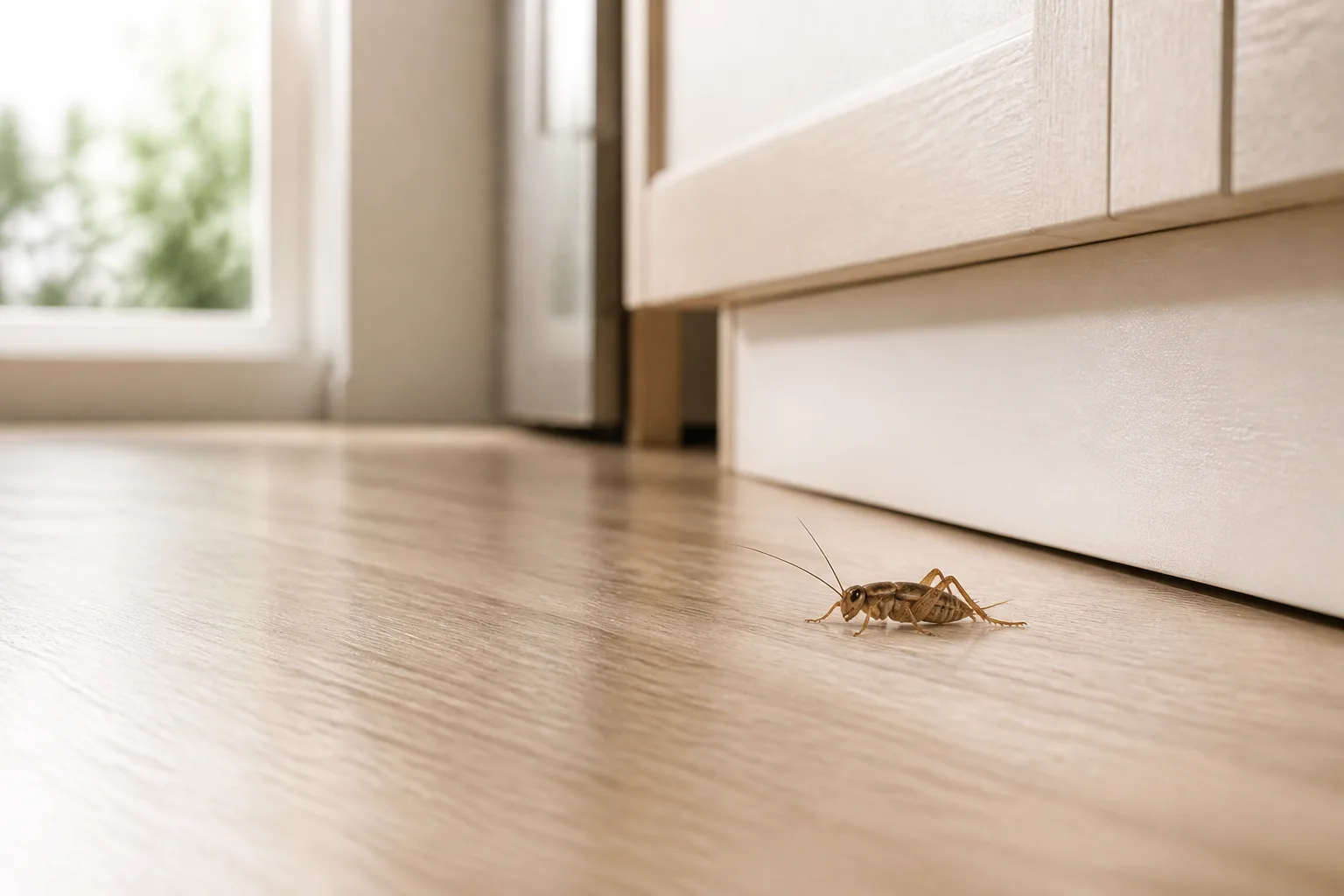
A cricket chirping behind the dishwasher at 2 a.m. is not a plumbing problem—it is a male cricket advertising for a mate in the one room of your house where he feels safe. The good news: most indoor cricket problems are manageable without an exterminator if you identify the species, remove the ones inside tonight, and fix the moisture and entry points that invited them in. The bad news: ignoring chirping for a week can turn one stray field cricket into a basement full of camel crickets that never chirp at all.
This guide walks through seven practical removal methods, a first-night action plan, and the exclusion habits that keep crickets from coming back after the first cold snap.
Why Crickets End Up Indoors (and When to Worry)
Crickets are nocturnal and need shelter during the day (UC IPM). Outdoors, that means tall grass, mulch, wood piles, and foundation plantings. Indoors, they trade those for basements, crawl spaces, utility closets, and the gap under your kitchen sink.
Most invasions follow a predictable pattern:
- Cool nights in fall push field and house crickets toward warm foundations and lighted doorways.
- Moisture draws camel crickets into damp basements year-round—not only in autumn.
- Food debris (crumbs, pet kibble left out overnight, fruit on the counter) keeps house crickets alive once they are inside.
- Bright white outdoor lights concentrate crickets on porches; open doors and worn weatherstripping do the rest.
Crickets are nuisance pests, not public-health threats. They do not spread disease. House and field crickets can nibble fabrics and paper if populations grow large, but the real damage is sleep disruption and the creep factor of something hopping out of a shoe. Camel crickets look alarming but do not chirp and rarely damage belongings—their presence usually signals excess humidity you should fix anyway.
How to Confirm You Have Crickets—Not Just a Noisy Appliance
Before you buy traps, confirm the sound and the insect. Chirping from a smoke detector battery, a dripping faucet, or an HVAC expansion joint has sent many homeowners on a wild goose chase.
Listen for chirping after dark
Male house and field crickets chirp by rubbing their wings together to attract females. The sound is rhythmic, metallic, and loudest after lights-out. Walk the room slowly; chirping often stops when you get close, then resumes when you back away. Mark the wall or cabinet where volume peaks—that is your search zone tomorrow.
Camel crickets do not chirp. If you see hopping insects in a damp basement but hear silence, you are not imagining things—you have a different cricket.
Check moist hiding spots first
Adult crickets are shiny black or brown, about 0.6 to 1 inch long, with long antennae and powerful back legs built for jumping (UC IPM). Start inspections in:
- Under sinks and behind the dishwasher
- Basement corners, sump pits, and cardboard storage
- Closets on slab foundations
- Garages and mudrooms with poor seals
- Laundry rooms and water-heater closets
Turn on your phone flashlight and look for shed skins, pepper-like droppings, and oval eggs in cracks—not just live insects.
Know Your Cricket: House, Field, or Camel?
Treatment is similar, but identification changes where you search and how urgent exclusion is.
House and field crickets
House crickets (Acheta domesticus) are yellowish-brown with dark bands and can breed indoors year-round if food and moisture are available—unlike most outdoor insects that die off inside. Field crickets are larger, darker, and usually wander in seasonally; they chirp loudly and die faster in dry indoor air.
Both are attracted to pet food, pantry crumbs, and warm cracks near exterior doors. You will hear them before you see them.
Camel crickets (the silent basement jumper)
Camel crickets (also called cave or spider crickets) have arched backs, long antennae, and no wings—so no chirping. They love cool, damp basements and can exist in groups of dozens. Control here is less about traps and more about dehumidifying, removing cardboard on concrete, and sealing ground-level gaps.
| Trait | House/field cricket | Camel cricket |
|---|---|---|
| Sound | Loud chirping at night | Silent |
| Body shape | Flat, winged | Humped back, wingless |
| Favorite room | Kitchen, living areas near doors | Damp basement, crawl space |
| Can breed indoors? | House cricket: yes | Rarely; usually moisture issue |
| Top fix | Traps + food cleanup | Dehumidify + seal + sticky traps |
If you are also fighting tiny flying pests, our overnight gnat removal guide covers a different insect with a different trap strategy—do not assume one jar of apple cider vinegar solves crickets.
Your First-Night Action Plan
When chirping is keeping you awake, run this sequence before shopping for sprays:
- Turn off competing noise and mark the loudest wall or cabinet.
- Remove pet food and water bowls from the floor overnight; wipe counters and sweep crumbs.
- Set one molasses trap (recipe below) near the chirping zone—not in the center of the room.
- Place a sticky trap along the baseboard path to the suspected hiding spot.
- Do not spray repellent around the trap sites; peppermint and pyrethrin can repel crickets away from bait.
- In the morning, vacuum the area, empty the canister outdoors, and inspect weatherstripping on the nearest exterior door.
This buys quiet within one to two nights for most single-cricket invasions while you work on longer-term sealing.
Method 1: Hunt by Sound and Cut Hiding Spots
Crickets survive indoors by wedging into clutter and tight gaps. Before traps work well, reduce real estate:
- Pull furniture 6 inches from the suspect wall and check behind it at night.
- Move stacked boxes, bags, and magazines off basement floors—cardboard directly on concrete is camel-cricket habitat.
- Shake out shoes and gloves stored in mudrooms; crickets love dark cavities.
- Run a declutter pass in the room where chirping peaks. Fewer objects mean fewer ambush sites and better trap placement.
This method is not glamorous, but it is the step most quick-fix articles skip. A molasses trap in a cluttered utility room catches far fewer crickets than the same trap in a cleared corner where travel routes converge.
Method 2: Molasses Jar Traps That Actually Work
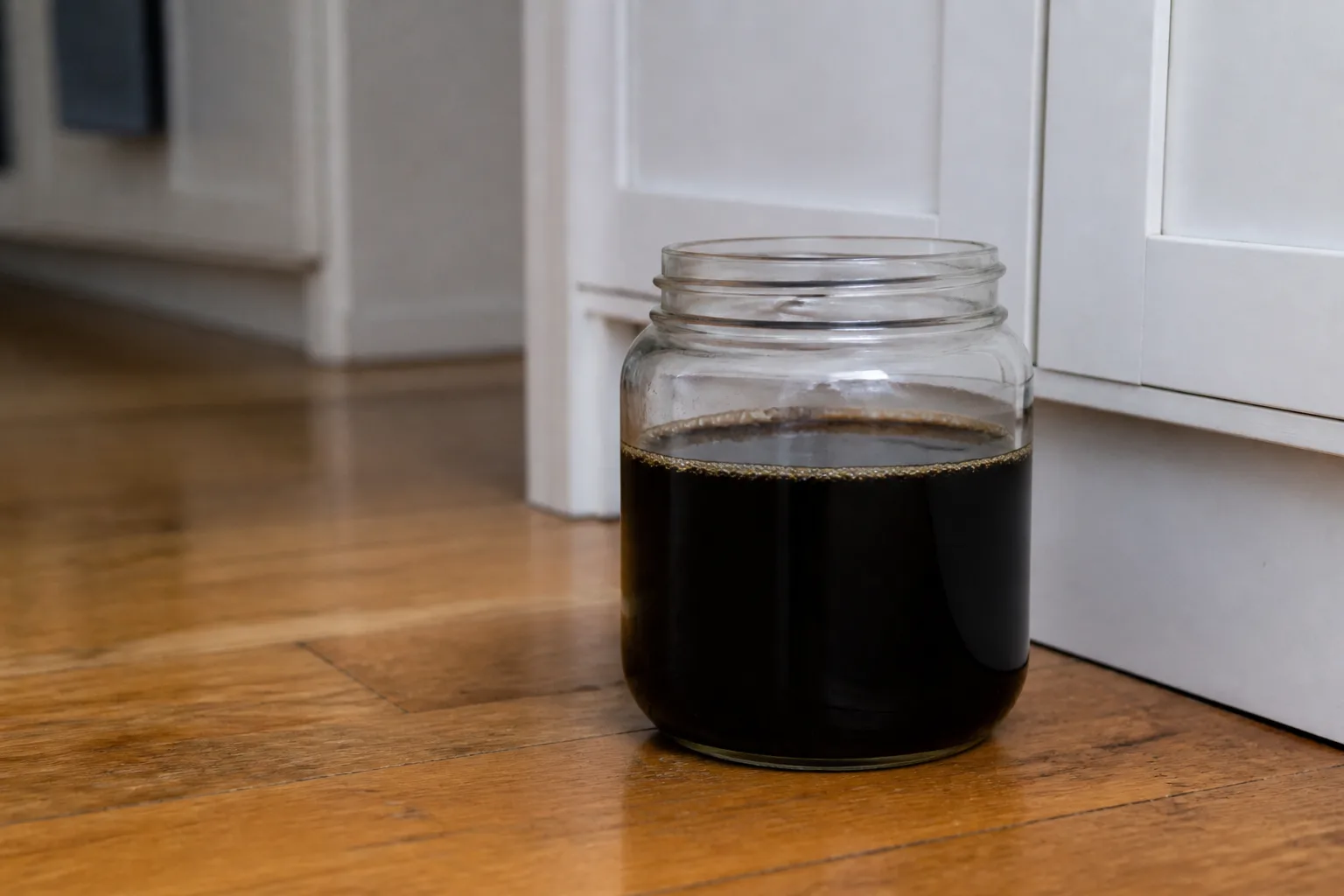
Molasses exploits a cricket’s sense of smell. The sweet fermenting odor draws them in; the sticky liquid drowns them.
Indoor jar trap recipe:
- Mix 3 tablespoons of molasses into 2 cups of water in a wide-mouth jar or shallow bowl.
- Add one drop of dish soap to break surface tension so crickets sink instead of skating.
- Set the trap against the baseboard where you heard chirping—not in the middle of the floor.
- For outdoor perimeter trapping, use a 1:10 molasses-to-water ratio in shallow dishes near foundation gaps.
Refresh every 48 hours; fermented bait loses pull and can smell sour. Keep traps away from pets and toddlers—sticky, sugary messes are not toxic, but they are unpleasant to clean.
Molasses traps excel for one or two chirping crickets you cannot see. They are less efficient against large camel-cricket populations; pair them with sticky boards and moisture control for basement outbreaks.
Method 3: Sticky Traps Along Travel Routes
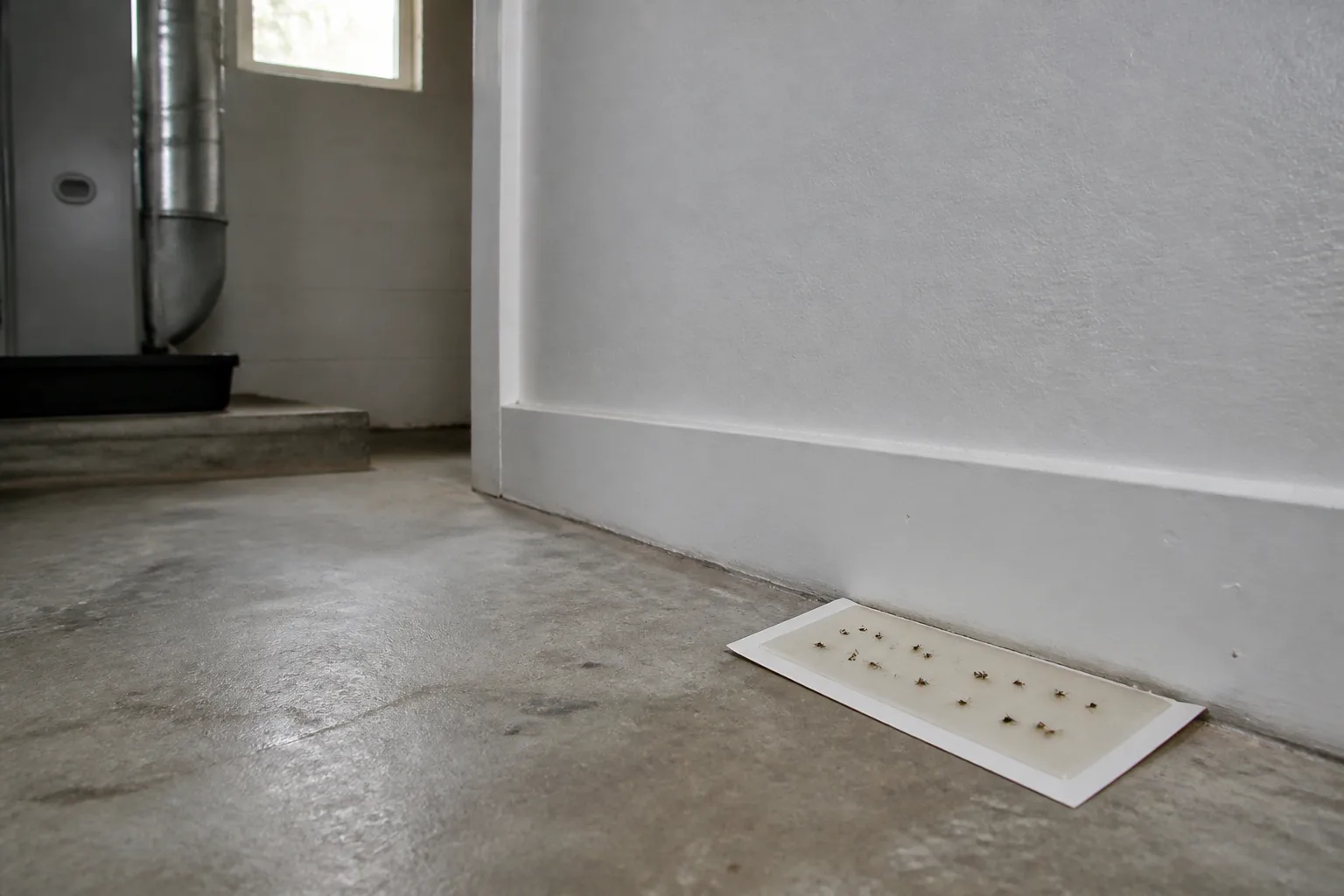
Glue boards and insect sticky traps catch crickets that walk—not fly—so placement matters more than brand. Slide traps:
- Flat against baseboards near exterior doors
- Behind the washer, water heater, and furnace
- In basement corners where walls meet concrete
- Along garage thresholds
Check traps every few days. A full board tells you traffic is heavy; move additional traps to parallel paths. Sticky traps are non-toxic and disposable—ideal when you want zero pesticide dust in a pantry or child’s room.
Do not rely on traps alone in a heavy camel-cricket basement; you will catch dozens while hundreds remain in wall voids until humidity drops.
Method 4: Vacuum Adults, Eggs, and Droppings
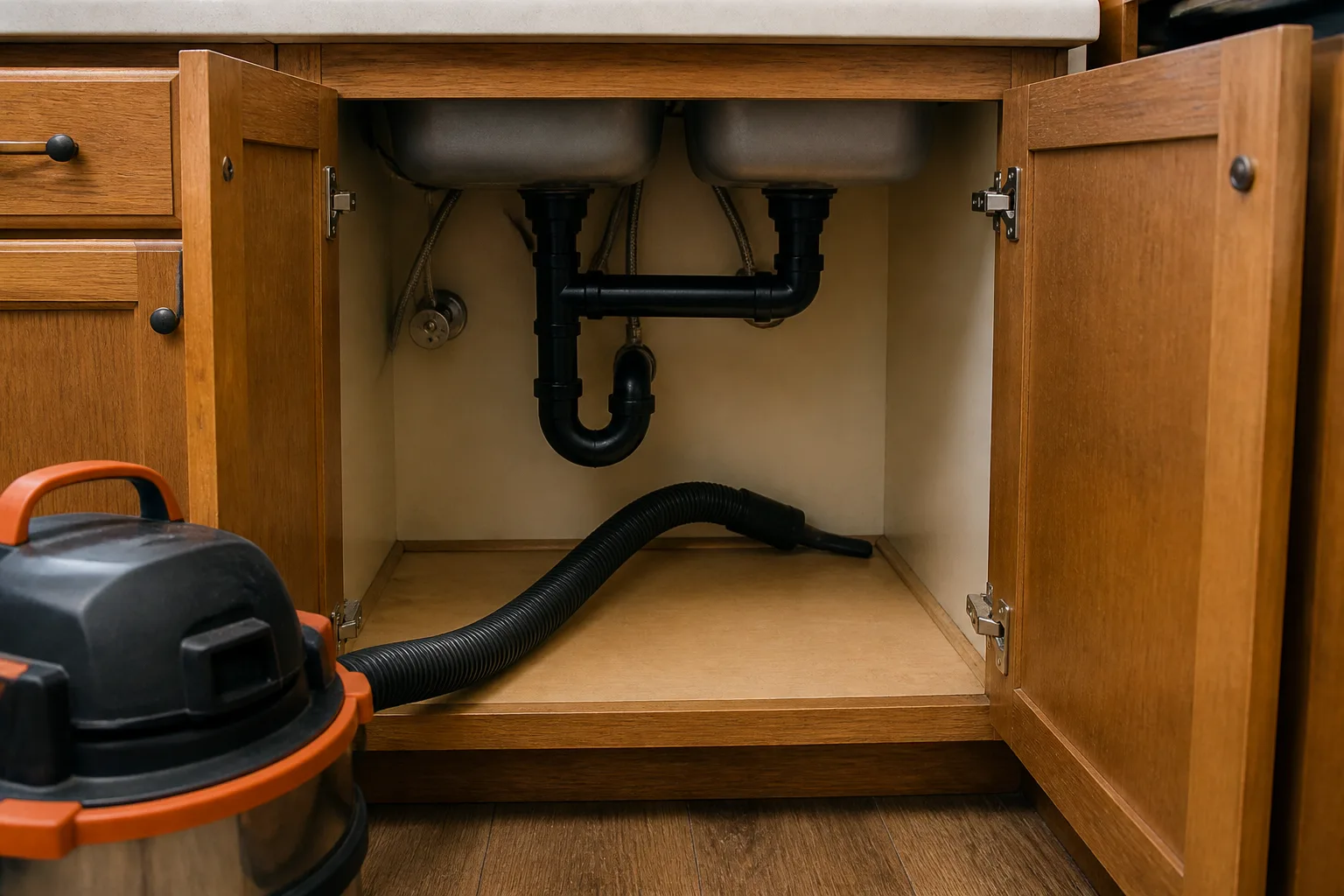
Vacuuming is the fastest way to remove a cricket you can see, and the only DIY method that reliably picks up eggs and frass in cracks.
- Use a hose attachment along baseboards, behind appliances, and in closet corners.
- Immediately empty the canister or bag outdoors into a sealed trash bin—live crickets can crawl back out of indoor vacuums.
- Wipe the vacuum head if you vacuumed droppings; cricket waste can stain and smell.
Vacuuming does not replace sealing. It resets the room so traps and DE work on new arrivals instead of a growing population. If you are already vacuuming for other pests, see our ant identification and control guide for why bait placement and vacuum timing differ by species.
Method 5: Food-Grade Diatomaceous Earth in Dry Cracks
Diatomaceous earth (DE) is a powder made from fossilized algae. It is not a poison—it kills insects by absorbing oils from the exoskeleton and abrading the cuticle, causing dehydration (NPIC). DE remains effective only while dry; damp basements need dehumidification first or the powder clumps useless.
How to apply indoors:
- Buy food-grade DE labeled for pest use—not pool-filter grade.
- Lightly dust a thin visible line along dry baseboards, behind the stove, and in utility closets where crickets travel.
- Use a squeeze bottle or paintbrush; a snowdrift of powder is unnecessary and becomes an inhalation hazard.
- Keep children and pets away until dust settles; NPIC notes DE can irritate lungs and eyes if airborne (NPIC).
Reapply after vacuuming or mopping. DE pairs well with sticky traps: crickets that avoid glue may still crawl through dust lines.
Reality check: DE is slow. Expect several days for visible reduction. It is a perimeter tool, not a chirp-stopping emergency fix.
Method 6: Peppermint and Scent Barriers (With Limits)
Crickets avoid strong odors—peppermint, citrus, chili, cedar, and vinegar are common DIY repellents. Mix 10–15 drops of peppermint essential oil per cup of water in a spray bottle; mist baseboards, door thresholds, and window sills after traps are placed where you want crickets to go, not where you want them to leave.
Chili spray (chili powder, water, a drop of dish soap) can repel crickets on outdoor foundation planting beds but stains indoors and irritates eyes—use cautiously.
Scent barriers are short-term and partial. They do not kill crickets already hiding in wall voids, and they lose strength within days. Treat them as a supplement to traps and sealing, not a replacement. If peppermint worked permanently, professional pest control would smell like a candy cane.
Method 7: Let Predators Help—Carefully
Cats and dogs often chase hopping crickets—and occasionally catch them. That is fine for one visible intruder, not a control plan. Indoor hunting does not reach eggs in cracks, and encouraging pets to eat unknown insects is unnecessary risk.
Outdoors, birds and lizards reduce cricket pressure near your foundation. A bird feeder 15–20 feet from the house (not under the porch light) supports predators without drawing crickets to your door. Trim foundation shrubs so birds can see ground insects.
Do not introduce predators indoors. Fix entry points instead.
Stop the Attractants: Moisture, Food, and Clutter
Every cricket method fails if your house still looks like a snack bar in a sauna.
Moisture fixes (especially for camel crickets):
- Repair leaky sink traps, dishwasher hoses, and basement window wells.
- Run a dehumidifier below 50% relative humidity in basements spring through fall.
- Extend downspouts away from the foundation; clean gutters so water does not pool near walls.
- Store firewood at least 15–20 feet from the house, elevated off soil.
Food and clutter:
- Store pet food in sealed bins; pick up bowls overnight.
- Sweep kitchen floors before bed; do not leave fruit bowls open on counters.
- Take indoor trash out when it holds food packaging; rinse recyclables if crickets are recurring.
- Replace cardboard basement storage with plastic totes on shelves—not directly on concrete.
Crickets are omnivores; they eat organic debris you would not call dinner. Cleaner, drier rooms are less inviting whether the cricket chirps or not.
Seal Entry Points Before the Next Cold Snap
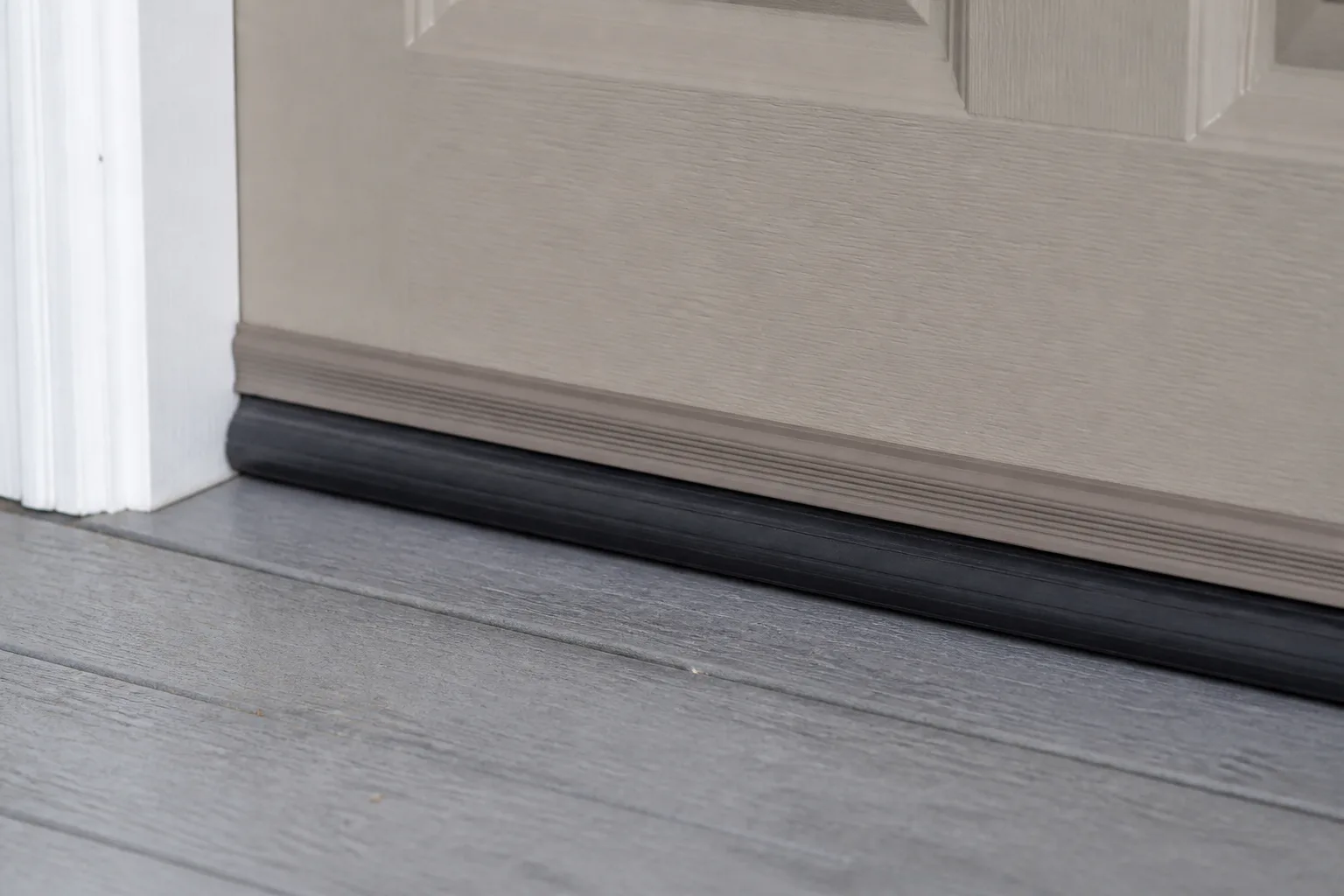
Exclusion is the only permanent fix. Crickets slip through gaps far smaller than you would guess.
Priority seals:
- Install door sweeps and replace crushed weatherstripping on exterior doors.
- Caulk cracks where siding meets the foundation, around pipe penetrations, and along window frames.
- Repair torn window screens; add screen doors where porch lights burn all evening.
- Stuff copper mesh or steel wool temporarily in weep holes only where local code allows—never block required masonry drainage without checking building rules.
- Close garage doors at dusk during peak cricket season.
Do this work in early fall before the first cold nights drive field crickets inside. A weekend of caulking beats a month of midnight chirping.
Outdoor Lighting and Yard Cleanup
Crickets—and many other insects—fly and hop toward bright white lights on porches and security fixtures. Swapping to yellow or amber LED bulbs (often marketed as “bug lights”) reduces congregation at your doors while still lighting walkways.
Yard habits that lower indoor pressure:
- Mow regularly and edge along the foundation; tall grass shelters crickets.
- Rake leaf litter away from basement window wells.
- Move compost bins and trash cans away from entries; keep lids tight.
- Reduce mulch depth directly against the house; leave a 6–12 inch gravel or stone strip at the foundation if your landscape allows.
Outdoor cleanup pairs with indoor traps the same way it does for spiders that follow flying insects indoors—remove habitat outside, seal inside.
When DIY Is Not Enough
Call a licensed pest professional when:
- Chirping or sightings continue nightly for two weeks despite traps, vacuuming, and sealing the obvious gaps.
- You find dozens of camel crickets weekly in a finished basement—likely a moisture or structural void issue.
- Crickets are entering through inaccessible crawl spaces or damaged foundation vents you cannot safely repair.
- You rent and the landlord has not addressed documented moisture or exclusion problems.
Pros can apply targeted perimeter treatments and inspect voids DIY tools cannot reach. Bring photos of the insect and note where chirping peaks—that shortens the visit.
Conclusion
Getting rid of crickets inside your house is a three-part job: identify whether you are hearing house/field crickets or dealing with silent camel crickets in damp basements, remove the ones inside with molasses traps, sticky boards, vacuuming, and dry DE lines, and stop repeat invasions by drying out moisture, cleaning food sources, sealing gaps, and swapping harsh white porch lights for amber bulbs.
Run the first-night plan when chirping steals your sleep, then spend the weekend on exclusion—that combination beats spraying random essential oils at a wall and hoping for silence. Most homes see relief within days; persistent basement populations almost always mean humidity or entry points still need work, not a seventh bottle of peppermint oil.



