How to Grow and Care for Eucalyptus
Learn how to grow eucalyptus indoors or outdoors with practical light, watering, pruning, potting, propagation, harvesting, and toxicity guidance.
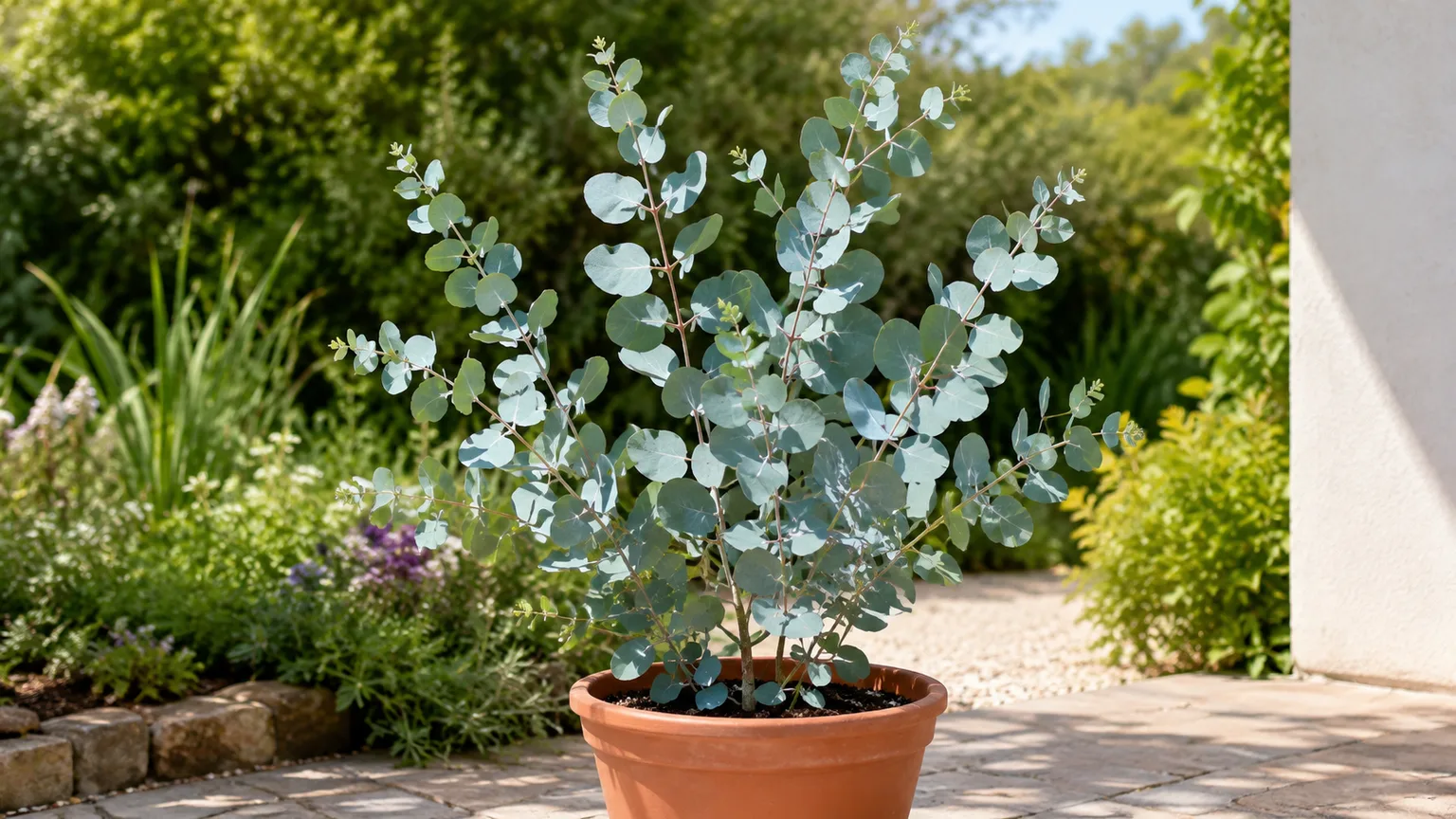
Eucalyptus is easy to admire and easy to underestimate. A young Eucalyptus cinerea, often sold as silver dollar tree or argyle apple, may look like a tidy silver-leaved accent; in a warm garden it can add 6 to 8 feet in a season. That speed is useful when you want fragrant foliage for arrangements, but it also means the planting site, pot size, and pruning plan matter from the first day.
The best care is not a rigid calendar. Give eucalyptus intense light, fast drainage, steady moisture while it establishes, and enough room—or a container you can move—to manage its eventual size. The genus contains shrubs and very large trees, so use the plant label and local climate rather than assuming every eucalyptus behaves like the silver dollar tree described here. NC State Extension lists silver dollar tree as a rapidly growing evergreen from Australia that is drought-tolerant once established but not reliably cold-hardy.
Is eucalyptus right for your space?
Start with the honest version: eucalyptus is a good choice when you have bright sun, excellent drainage, and a plan for fast growth. It is a poor fit for a dim apartment, a waterlogged bed, a narrow strip beside a foundation, or a home where a pet or child can chew the leaves. Indoors, it is best treated as a sun-loving woody plant on a temporary or carefully managed basis, not as a low-light houseplant.
Its appeal is substantial. The juvenile leaves of silver dollar tree are round, blue-gray, and aromatic when bruised; mature plants develop peeling bark and may produce small flowers and woody capsules. The trade-off is that a plant bought for a small patio can eventually become difficult to move, prune, or protect from cold. Decide whether you want a cut-foliage shrub, a container specimen, or a landscape tree before you buy.
Identify the plant and choose a species
“Eucalyptus” is a genus, not one care profile. Eucalyptus cinerea is prized for its coin-shaped juvenile foliage and is commonly sold for dried arrangements. Eucalyptus gunnii, or cider gum, is often chosen where somewhat better cold tolerance is useful. Eucalyptus globulus can become a large blue gum, while Eucalyptus platypus is noted for tolerating tougher conditions than some relatives. Those differences affect mature size, leaf shape, cold response, and whether a plant is sensible in a pot.
Look for a label with the botanical name, not only “eucalyptus.” Check the expected height and width for that exact species or cultivar, and ask whether the nursery has maintained juvenile foliage intentionally. NC State describes silver dollar tree as having opposite, round, sessile juvenile leaves; adult foliage becomes more elongated and alternately arranged. A change in leaf shape is not automatically a care problem—it can be part of the plant’s development.
Choose ground or container before planting
A sunny, frost-free garden with room for a woody plant is the simplest home for eucalyptus. A container is the safer choice when your winters are colder than the plant can handle, when you want a compact foliage source, or when the label suggests a size that would overwhelm your yard. It is not a permanent promise that the tree will stay small: a pot slows roots and gives you mobility, but vigorous stems still need pruning and bright light.
| Choose the ground when… | Choose a container when… |
|---|---|
| Your local climate suits the named species and the bed drains quickly. | Frost or hard freezes make winter protection necessary. |
| You can allow generous clearance from buildings, paths, wires, and other plants. | You want to move the plant, harvest stems, or limit root volume. |
| You can water deeply during the establishment period. | You have a sunny patio, balcony, or window and can monitor drying. |
Check hardiness, mature size, and hazards
Do not plant by a generic “zones 8–11” label alone. NC State places Eucalyptus cinerea in warm zones but also cautions that it is not reliably cold-hardy; in colder areas it is commonly grown as a container plant or seasonal shrub and moved before frost. A sheltered microclimate may help, but it does not turn a freeze-sensitive plant into a hardy one.
Also plan for branch weight and access. Do not put a fast-growing tree where falling limbs would block a doorway or sit over a roof, play area, or utility line. If a mature tree has a large damaged or high branch, use an arborist rather than attempting a ladder repair. Finally, eucalyptus is toxic if eaten, and its oils can irritate skin. The ASPCA plant database lists eucalyptus as toxic to dogs, cats, and horses, with eucalyptol as the toxic principle and salivation, vomiting, diarrhea, depression, and weakness among the clinical signs.
Plant eucalyptus in the right site
Plant in spring after the danger of frost has passed and the soil can be worked, or use a mild fall window in a climate where roots can establish before cold weather. Water the nursery root ball thoroughly before planting. Dig a hole only as deep as the root ball and several times wider; loosen surrounding soil rather than creating a rich, wet pocket.
Set the plant so the top of the root ball is level with, or slightly above, the surrounding soil. Backfill with the soil you removed, water slowly to settle air pockets, and add a thin mulch layer over the root zone. Keep mulch away from the trunk. If the root ball is tightly circling, tease only the outermost roots that are easy to free; eucalyptus roots dislike rough disturbance, and aggressive root manipulation can delay establishment.
Light and airflow
Give eucalyptus at least six hours of direct sun. More light usually produces a sturdier, denser plant than a bright-but-shaded location. Outdoors, choose a site with moving air but some protection from the strongest wind while the plant is young. Wind can increase water loss and make a tall, recently planted stem rock in loose soil.
Indoors, place the pot immediately beside the brightest unobstructed window available. A few feet back from glass can be dramatically darker than it appears to your eyes. If new growth stretches, leaves become sparse, or the plant leans hard toward the window, improve light before adding fertilizer. Rotate the pot a quarter turn every week or two so growth does not permanently bias toward one side.
Soil and drainage
Eucalyptus tolerates a range of soil textures, but it needs oxygen around its roots. Aim for well-drained loam, sandy loam, or a container mix that drains freely after a thorough watering. Slightly acidic to neutral soil is generally suitable. If your garden soil stays puddled for hours, do not solve the problem by digging a small hole and filling it with fluffy potting mix; that can create a basin that holds water around the root ball.
Improve a persistently wet site with a raised bed, a different planting location, or a species better suited to the conditions. For a pot, use a quality mix with coarse aerating material such as perlite or bark, and make sure the container has an open drainage hole. Never place the nursery pot inside a decorative cachepot where drained water can remain against the roots.
Water for establishment, then let roots breathe
Water a newly planted eucalyptus deeply enough to moisten the whole root ball and the surrounding soil, then allow the surface to begin drying before watering again. The exact interval depends on soil, temperature, wind, and rainfall. During the first growing season, check more often than you water: a dry surface with moist soil below does not need another soaking, while a dry root ball in hot weather needs prompt attention.
Once established, many eucalyptus tolerate periods of drought. That does not mean a mature tree should be abandoned during prolonged heat. Deeply water the root zone during exceptional dry spells, and keep mulch light enough that the soil can still breathe. Container plants dry faster and have less root reserve; water thoroughly when the upper portion of the mix is dry, let excess drain, and empty the saucer.
Use the plant as your second signal. Curling, crispy leaves and dry mix point toward water stress. Yellow leaves, a sour smell, mushy stems, or constantly wet mix point toward excess moisture and root damage. A fixed “once a week” schedule can cause both problems as seasons change. The practical method from Planet Natural is to check the soil rather than water by the calendar; keep that check, but adjust the depth and frequency to the pot and weather.
Feed lightly, if at all
An outdoor eucalyptus in reasonably fertile soil usually does not need routine fertilizer. Excess nitrogen can produce soft, fast growth that is harder to support and may not improve the silvery foliage you wanted. If a soil test identifies a deficiency, correct that specific issue according to local recommendations rather than adding a general feed by guesswork.
Container plants have a smaller nutrient supply. During active growth, use a complete fertilizer at the label rate and interval, choosing a restrained formula rather than repeatedly pushing lush growth. Do not fertilize a drought-stressed, recently repotted, frost-damaged, or root-rotting plant; stabilize the roots first. Skip feeding during the low-light part of winter when an indoor plant is barely growing.
Prune for a useful shape and regular harvests
Prune with a goal, not because eucalyptus is “supposed” to be cut. Remove dead, broken, rubbing, or badly crossing stems first. For a container plant, shorten overly long shoots just above a healthy node or side shoot, leaving enough foliage for the plant to keep making energy. Make clean cuts with sharp pruners and avoid stripping every leaf from a young stem at once.
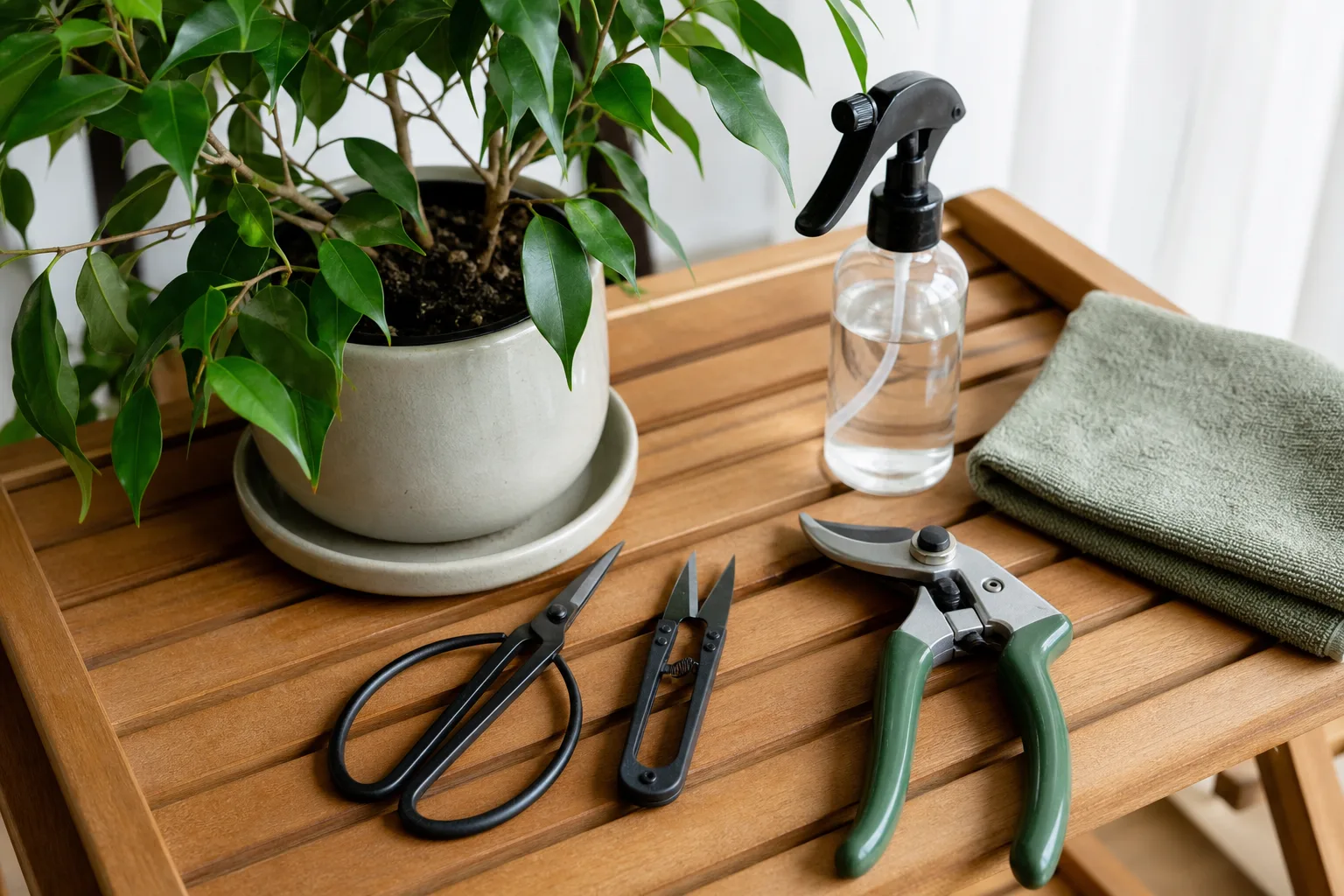
The best pruning window depends on climate and species, but active growth gives a plant more capacity to respond. Avoid major cuts immediately before frost, during extreme heat, or when prolonged wet weather will keep wounds slow to dry. Never top a landscape tree to force a uniform height; heading large limbs creates weak regrowth and a maintenance problem. If the plant has outgrown its site, relocation or replacement is often safer than repeated severe pruning.
Coppicing versus tree form
Coppicing means cutting a woody plant back hard so it produces a flush of juvenile shoots. Some eucalyptus respond well and are managed this way for foliage, but the method is not interchangeable with ordinary shaping and not appropriate for every species, cultivar, climate, or landscape location. Epic Gardening describes coppicing as a way to encourage fresh foliage, while also noting that eucalyptus roots and mature plants do not appreciate being moved.
For a small container specimen, a conservative annual trim is easier to control than a dramatic cut. For an outdoor foliage shrub, coppice only when you know the plant’s response, have a plan for the resulting shoots, and can protect the new growth from cold and drought. Keep a tree form when trunk structure, shade, or long-term height is part of the design.
Grow eucalyptus indoors without treating it like a tropical houseplant
Indoor eucalyptus succeeds when you can supply direct light, drainage, and airflow, not when you create a humid jungle. Average household humidity is usually acceptable; misting leaves does not compensate for a dark window or saturated soil. Keep the plant away from hot radiators, cold drafts, and air-conditioning blasts, but do not hide it in a still corner.
Choose a pot with drainage and enough weight to prevent a top-heavy plant from tipping. Start with a container only modestly larger than the root ball. A huge pot holds wet mix around a small root system for too long; a very small pot dries rapidly and may make the plant unstable. Repot only when roots have filled the mix or water is racing through because the container is crowded, and disturb the root ball as little as possible.
Acclimate container plants to seasonal moves
Moving a eucalyptus from a dim indoor room straight into intense outdoor sun can scorch leaves even though full sun is the long-term goal. Begin outside in bright shade or gentle morning light for a few days, then increase direct exposure gradually while checking moisture and wind. Reverse the process before cold nights arrive: bring the plant inside ahead of frost, inspect the leaves and stems for pests, and place it in the brightest available room.
Expect some adjustment after a move. A small amount of leaf drop can follow a change in light, temperature, or airflow; widespread drop means the plant is losing the balance between water use and root function. Do not respond by keeping the pot permanently wet. Check light, root-zone moisture, temperature, and pests in that order.
Propagate eucalyptus from seed
Seed is useful when you want several plants or cannot find the cultivar you want, but it takes patience and the offspring may not exactly match a named parent. Seed capsules are not always produced on a small indoor plant, and some nursery plants are sold for juvenile foliage rather than seed production.
For many eucalyptus seeds, a period of cold, moist stratification improves germination. Epic Gardening describes chilling seed in a moist medium for roughly six to eight weeks, while practical timing varies by species and seed supplier. Follow the packet if it gives species-specific directions. After chilling, sow in a clean, fine-textured seed mix, cover lightly, and keep the medium evenly moist—not waterlogged—in a warm spot with bright indirect light.
When seedlings emerge, give them progressively stronger light and good airflow. Transplant before roots become badly tangled, lifting the root system gently. Harden young plants outdoors over several days before planting them permanently. Seedlings can look fragile at first but may accelerate quickly once warmth and sunlight arrive, so move them into adequate space rather than waiting until they are crowded.
Propagate eucalyptus from cuttings
Cuttings are possible but less dependable from mature, woody branches. Juvenile material from a young plant is the better starting point. Take several cuttings so one failure does not end the project; eucalyptus can root unevenly even when every cutting receives the same care.
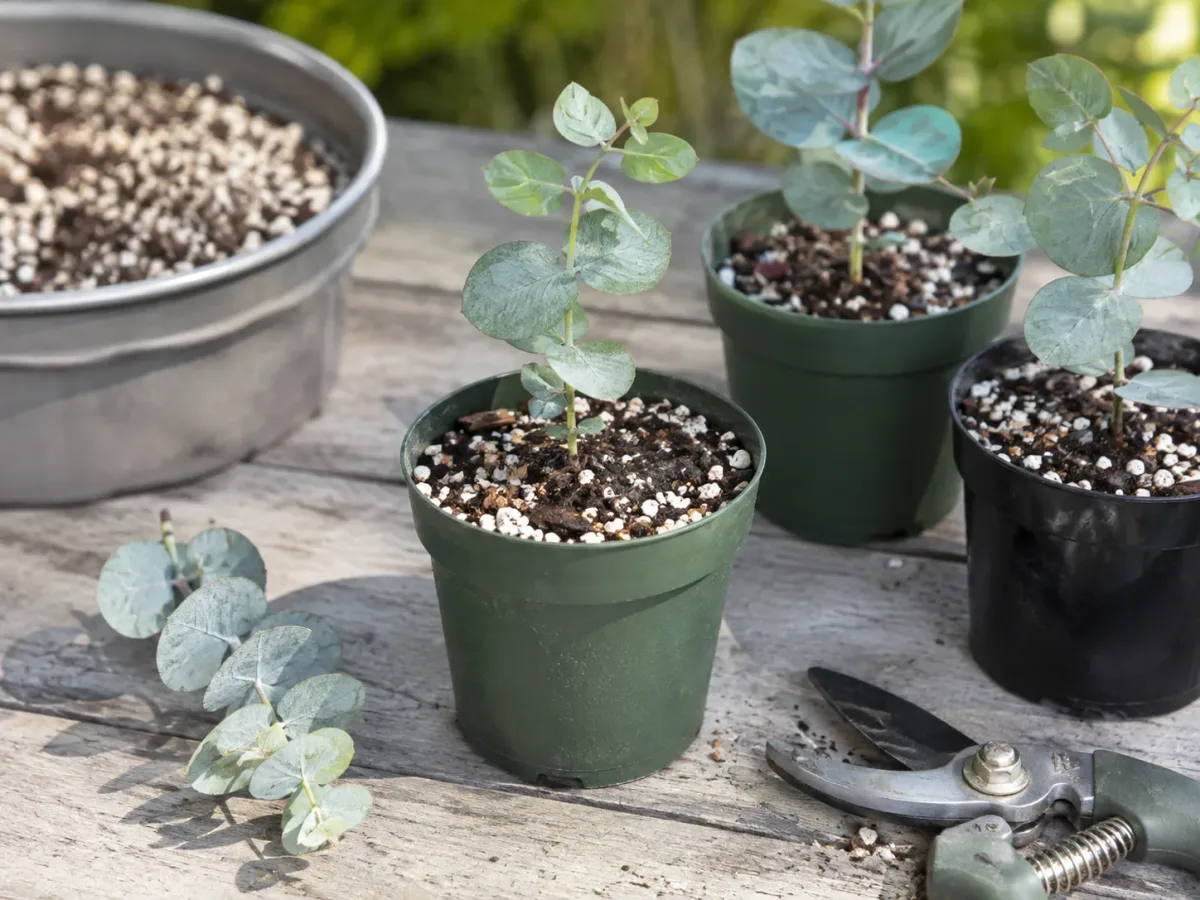
Use clean pruners to take a roughly 4- to 5-inch tip with several leaves. Make the lower cut near a node, remove leaves from the lower half, and place the stem in a moist, airy rooting medium such as perlite mixed with composted bark. Rooting hormone can be used according to its label, but it is not a substitute for clean tools, warmth, and oxygen around the stem.
Set the pot in bright indirect light at warm room temperature. Keep the medium lightly and consistently moist, never soupy, and cover it only if you can provide ventilation so condensation does not encourage rot. After about a month, test for resistance with a very gentle tug rather than pulling up the cutting. Once roots and new growth are evident, gradually increase light and reduce watering intervals before potting up.
Harvest and dry foliage safely
Harvest eucalyptus for arrangements when stems are mature enough to hold their shape and the plant has enough growth left to recover. Use sharp, clean pruners and cut above a node, taking a few well-placed stems rather than stripping one side of the plant. Morning harvest after the foliage is dry can reduce the amount of surface moisture you carry into the drying area.
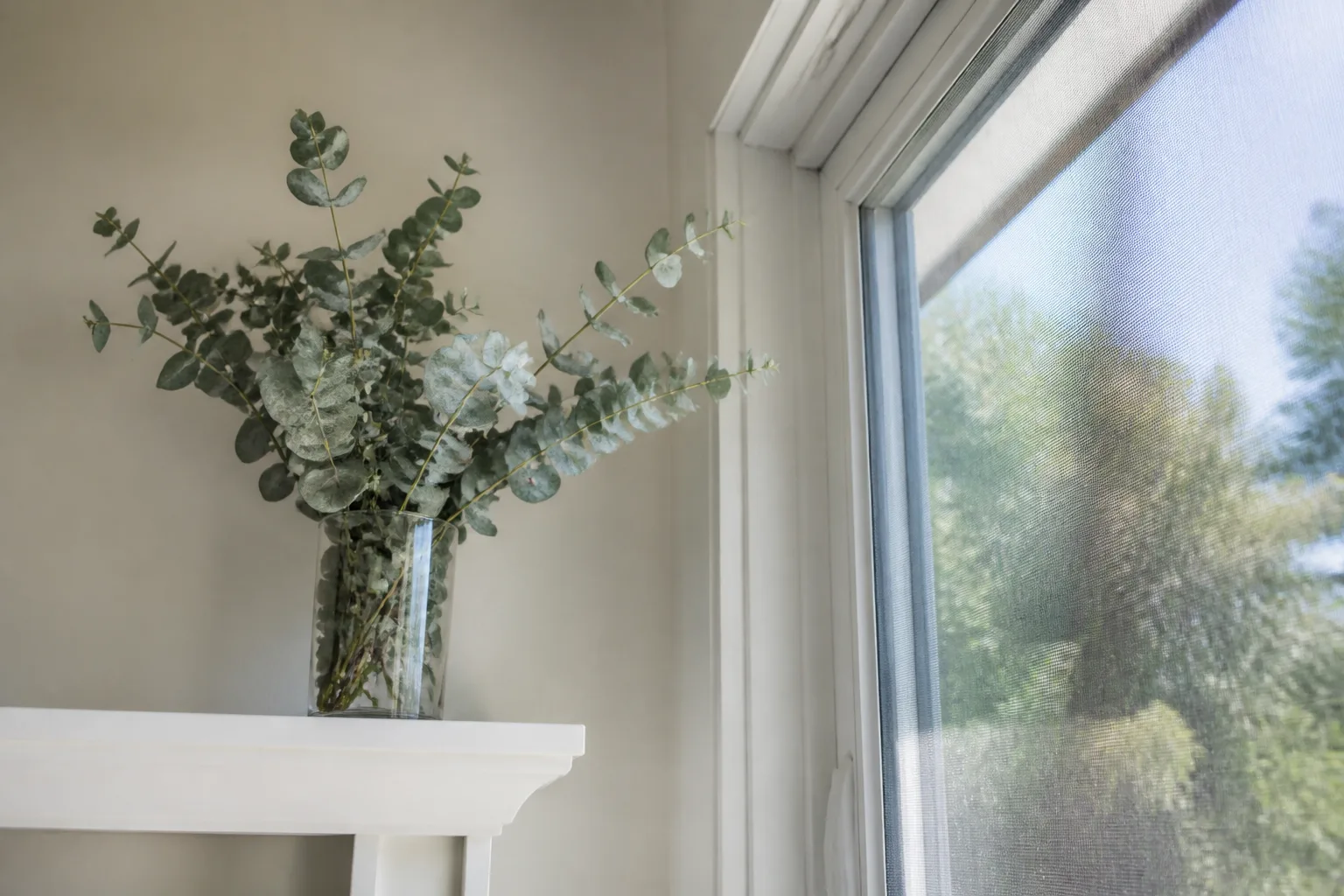
For air-drying, remove damaged leaves, tie small bundles loosely, and hang them in a cool, dry, well-ventilated place away from direct sun. A crowded, humid closet can turn a useful harvest moldy. When the leaves feel leathery or crisp, store the stems or leaves out of direct moisture in a sealed container. Treat dried eucalyptus as decorative material, not food: do not brew the leaves, extract oil at home, or let pets chew the arrangement.
Diagnose brown leaves, leaf drop, pests, and cankers
Start with the root zone and recent changes rather than cutting everything brown immediately. Crispy brown edges with dry mix often mean the plant is losing water faster than roots can supply it. Brown or yellow foliage with wet mix, soft stems, or a sour smell suggests overwatering and root trouble. Leaves that drop soon after a move may reflect cold, low light, wind, or a sudden change in watering. Correct the cause, then remove tissue that is fully dead.
Small spots can have several causes, including leaf-spot diseases, scorch, or physical damage. Improve airflow, keep foliage dry when possible, remove heavily affected leaves, and sanitize tools between plants. A spreading canker, oozing stem, sudden branch dieback, or persistent decline deserves local extension or arborist guidance because the remedy depends on the exact organism and on whether the affected tissue is structural.
Inspect the undersides of leaves and the stems for whiteflies, psyllids, lerps, scale-like insects, sticky honeydew, holes, and sawdust-like material. Stressed trees are more vulnerable to borers. Isolate a potted plant, physically remove accessible pests, and identify the problem before choosing any treatment. For a large outdoor eucalyptus, do not assume a household spray can reach or protect the canopy; use a qualified professional when structural branches or extensive borer damage are involved.
Overwinter and protect from wind and frost
Eucalyptus in a container should come indoors before frost, not after a freeze has already blackened the leaves. Bring it to the brightest window you have, keep it away from cold glass and heating vents, and reduce watering as growth slows. Do not fertilize while light and growth are limited. Check for pests again after the move because protected indoor conditions can let a small infestation expand.
In the ground, cold protection is limited by the species and the plant’s size. Mulch can buffer the root zone, and a temporary cover may help a small plant during a brief cold event, but neither changes a fundamentally poor climate match. Avoid planting in a wind tunnel or a low frost pocket. If the site repeatedly kills the top growth, grow a more suitable species in a pot or choose a different plant rather than forcing eucalyptus to survive every winter.
Conclusion
To grow eucalyptus well, make the difficult decision first: give a named species enough sunny, well-drained space in the ground, or keep it in a movable container that you can prune and protect. Water deeply while roots establish, let the mix begin to dry between waterings, fertilize sparingly, and prune toward a clear shape instead of topping fast growth.
Bright light is the indoor non-negotiable. When leaves brown or fall, inspect moisture, roots, temperature, light, and pests before reaching for fertilizer. Propagate from juvenile cuttings or properly prepared seed when you want more plants, harvest only what the plant can spare, and keep fresh or dried foliage away from children and animals. That combination of planning and restraint is what turns eucalyptus from a short-lived impulse purchase into a useful, manageable foliage plant.