9 Popular Invasive Plants to Avoid Planting
Learn which nine popular plants can spread beyond the garden, how to spot the risk, what to plant instead, and how to manage existing invaders safely.
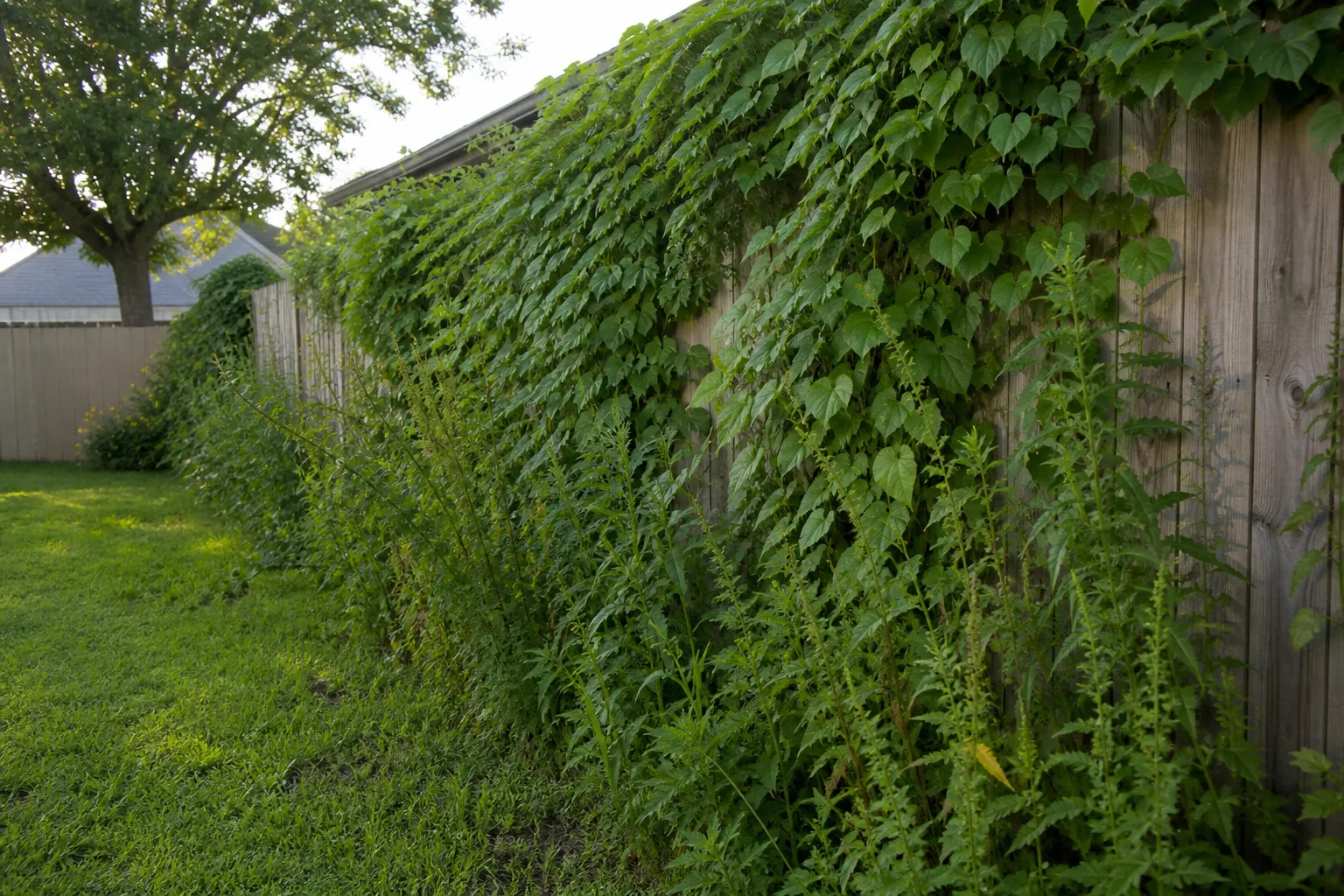
The prettiest plant in the nursery can become the most persistent job in your yard if it spreads by runners, roots, seed, or woody vines. The risk is not limited to wild-looking weeds: several familiar ornamentals and even a favorite culinary herb can move beyond the space where you intended to grow them.
Use this list as a screening tool, not a universal blacklist. Invasive status depends on the species, cultivar, climate, and region, so check your state, county, or local extension list before buying. A plant that stays contained in one climate can escape into natural areas in another, and a sterile cultivar may behave differently from the straight species.
What “invasive” means in a garden
“Nonnative” and “invasive” are not interchangeable. A nonnative plant comes from somewhere else; an invasive plant is a nonnative that establishes, spreads, and causes ecological, economic, or other harm. The Forsyth Audubon Society’s invasive-plant guidance makes the useful distinction that some nonnative plants remain contained while others displace native plants and the wildlife that depends on them.
That distinction matters because “fast-growing” is not automatically bad, and “native” is not a guarantee that a plant will fit every site. The practical question is whether the plant can leave your bed, whether you can realistically contain it, and what happens if birds, water, discarded clippings, or neighboring yards carry it somewhere you cannot monitor.
Why regional lists matter
There is no single nine-plant list that applies identically from Maine to Arizona. Temperature, rainfall, soil disturbance, wildlife, and the presence of nearby forests or waterways all change a plant’s ability to escape. State rules can also change what is legal to sell, move, or propagate.
Before you buy, search the scientific name plus your state or province and look for an extension service, botanical garden, state agency, or invasive-plant council. Treat a nursery label as a starting point rather than proof of safety; common names can cover multiple species, and a “dwarf” or “improved” tag does not always describe how a plant reproduces.
A quick screening rule before you buy
You can catch many risky purchases in a minute by asking five questions:
- How does it spread? Look for runners, rhizomes, suckers, wind-dispersed seed, bird-dispersed fruit, or vines that root where they touch soil.
- Where will the pieces go? A plant beside a creek, woodland edge, fence, vacant lot, or storm drain has more escape routes than a raised bed in the middle of a paved patio.
- Can I contain it for its entire life? “I can prune it” is not the same as “I can prevent seed, root, or runner spread.”
- Is the name precise? Write down the scientific name and cultivar, then check its status locally.
- What is the replacement? If you need a vine, screen, fall color, or pollinator flowers, shop for that function rather than choosing the first attractive plant.
If the answer to the first three questions is uncomfortable, skip the purchase. A slower, clumping plant is usually cheaper than years of cutting, digging, hauling, and watching for regrowth.
1. English ivy
English ivy (Hedera helix) is often sold as an easy groundcover or elegant climber, but those two growth habits are exactly what make it hard to contain. North Carolina State University’s Plant Toolbox profile describes a vine that can climb high, spread across the ground, root from stems, and produce berries once it reaches its adult stage.
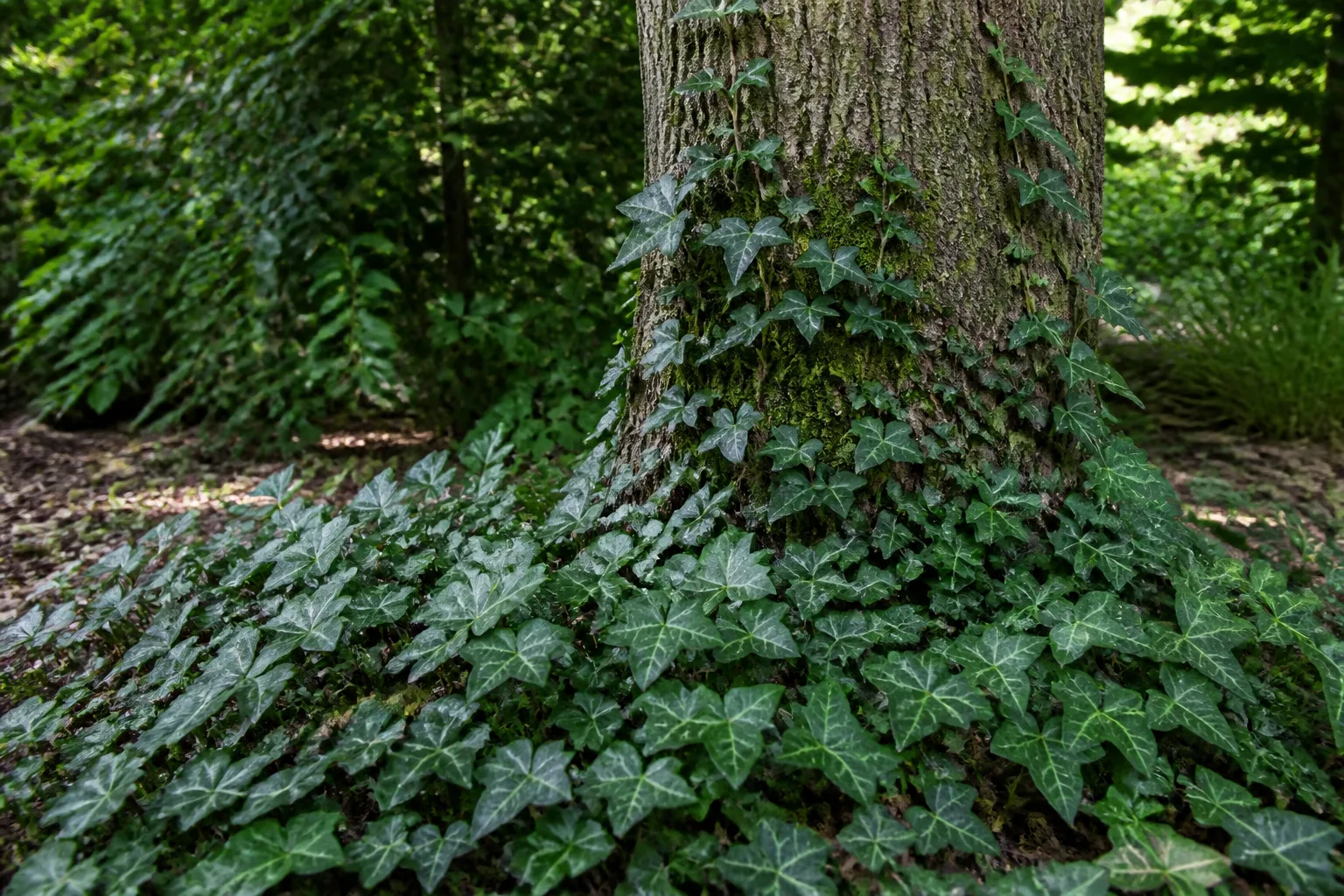
The immediate garden problem is not simply that ivy grows quickly. Its juvenile vines can cover soil, climb trunks, enter gutters, and cling to masonry; in a wooded setting, a dense mat can shade out seedlings and wildflowers. The NC State profile also notes that mature plants produce blue-black berries and that the plant is invasive in North Carolina, which is a reminder to check regional status rather than treat the container as a permanent safety barrier.
If you already have English ivy, do not pull a heavy vine from a tree canopy. Cut every stem at the base first, let the upper growth die in place, then remove the lower vines and roots from the soil when you can do so without tearing bark or disturbing the tree’s roots. For a shade-friendly replacement, look for a locally appropriate clumping fern, sedge, wild ginger, or native vine recommended by your extension service.
2. Chinese wisteria
Chinese wisteria (Wisteria sinensis) earns its place in this list because a spectacular spring display can hide a formidable woody structure. NC State describes it as a rapid-growing invasive vine that can form dense thickets, twine around supports, and grow into a large, heavy plant that needs regular pruning.
The risk is a poor match between the plant’s adult size and the support gardeners give it. A lightweight trellis, fence, young tree, or porch rail may not tolerate years of thickening stems, and seed pods can add another route for spread. Pruning keeps a wisteria in bounds for a while, but it does not turn an aggressive vine into a low-maintenance one.
If you want a purple-flowering climber, compare native or locally noninvasive options such as coral honeysuckle, crossvine, or a regionally appropriate clematis. Choose by mature size and attachment method, not just bloom color; a vine that twines gently around a strong arbor is a different maintenance commitment from one that can climb into nearby trees.
3. Mint in an open bed
Mint is not a sinister plant, and it is a useful herb. The trouble starts when a vigorous Mentha plant is put directly into a garden bed where its stems can run and root beyond the original clump.
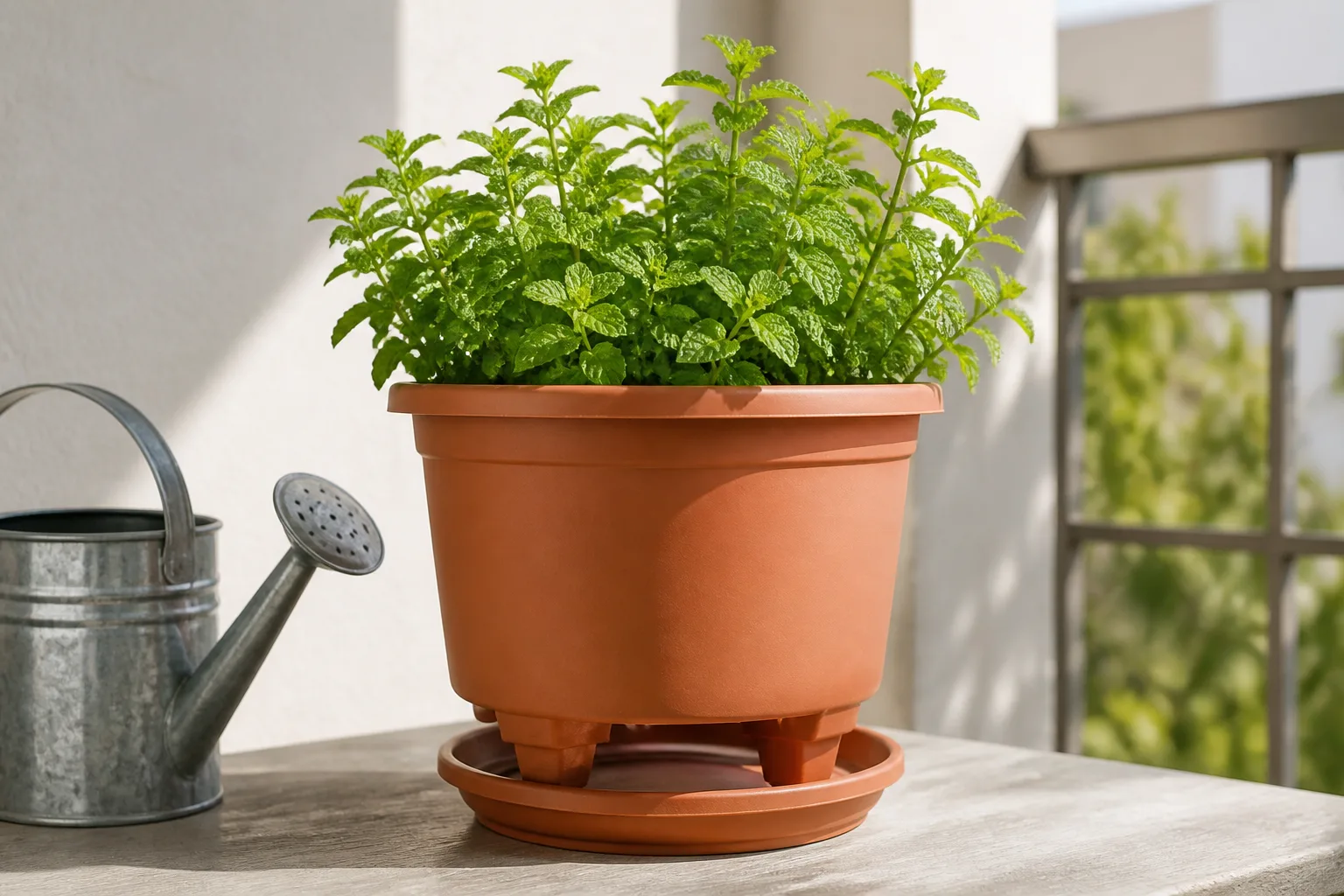
The low-regret solution is a container with drainage, placed on a patio or another hard surface rather than sunk into the soil. Check the pot’s drainage holes and the ground beneath it occasionally because stems that touch moist soil can root; trim flowering stems before they set seed if you want a tidier plant, and remove pruned pieces from the bed.
Mint in a pot still needs water and occasional division, but those chores are visible and bounded. In an open bed, the plant can become tangled with vegetables, hide under mulch, and force you to distinguish wanted mint from every new shoot. If you want an herb that stays more naturally clumped, consider rosemary, thyme, or lavender where your climate and soil suit them.
4. Butterfly bush
Butterfly bush (Buddleja spp.) is complicated rather than universally forbidden. It attracts adult butterflies with nectar, but it is not a host plant for the caterpillars of most butterflies, and some forms can spread or be invasive in parts of the United States. The Forsyth Audubon Society includes butterfly bush among the ornamentals it asks Piedmont North Carolina property owners to remove or control, while other regions and cultivars may present a different risk.
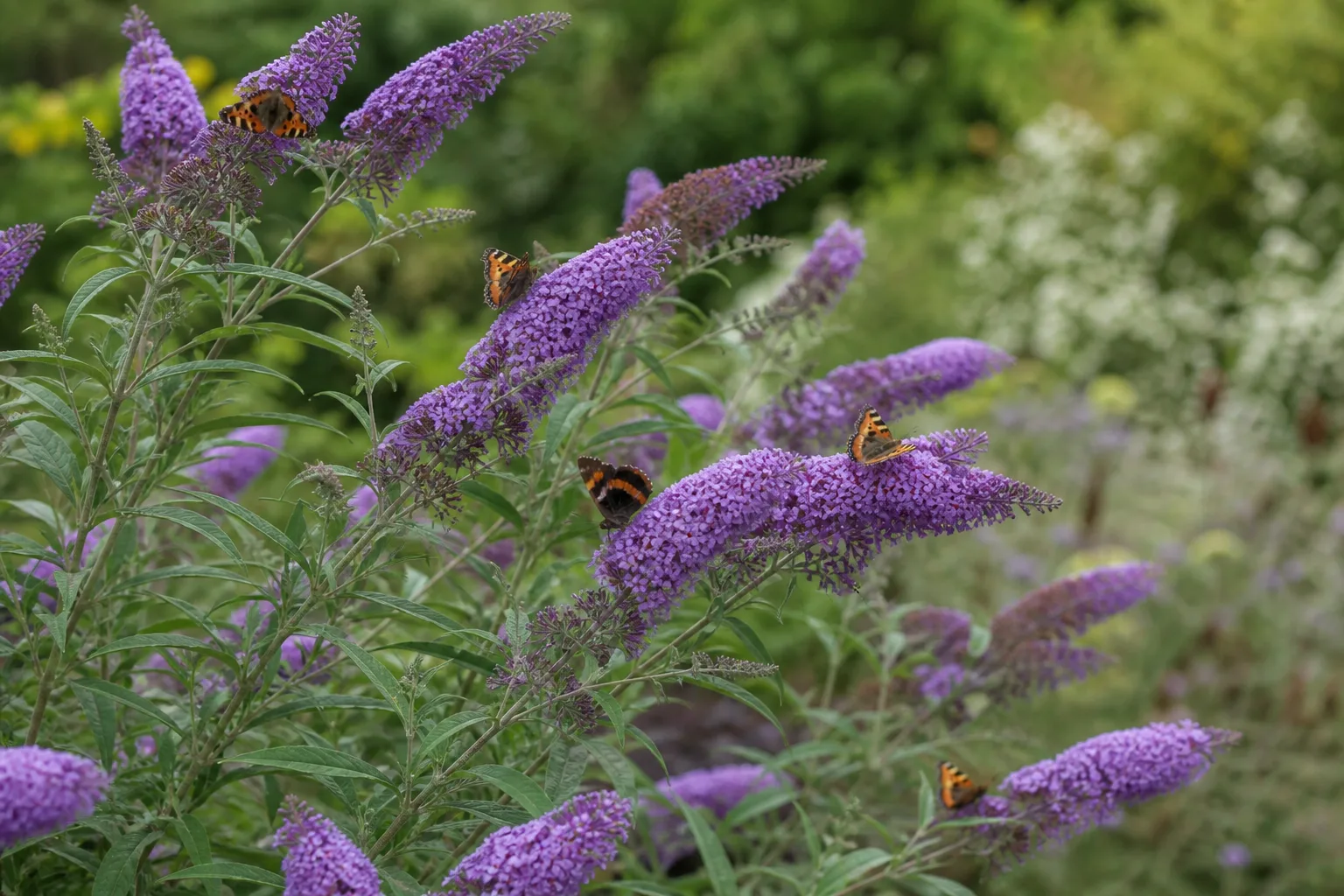
That regional difference is why “butterfly” in a plant name should not be the end of the pollinator conversation. A garden that supports butterflies needs host plants for caterpillars, nectar plants for adults, and flowers that bloom across the season. Native milkweed, asters, goldenrod, and locally native coneflowers often do more ecological work than one nectar-heavy shrub, although the right choices depend on your region.
If you are considering a butterfly bush, check the exact cultivar and local status before planting. A sterile or low-seed cultivar may reduce one risk, but it is not a universal clearance; you still need to verify the plant’s behavior where you live and place it where you can monitor its spread.
5. Nandina (heavenly bamboo)
Nandina (Nandina domestica) is not bamboo, but its narrow stems and feathery leaves make it a popular substitute for bamboo-like structure. The Invasive Plant Atlas of the United States describes nandina invading forests throughout the Southeast, where shade tolerance, bird-attractive red fruit, and old landscape plantings help it move beyond yards.
The red berries create a second reason to pause when pets share the garden. The ASPCA lists nandina as toxic to dogs, cats, and horses, with cyanogenic glycosides among its toxic principles. If you suspect a pet has eaten nandina, contact a veterinarian or an animal poison-control service promptly; do not wait for symptoms to become severe.
Nandina’s risk is not identical in every region or cultivar. Before buying, ask whether the plant produces fruit and whether it spreads by suckers or rhizomes in your area. For red berries and structure, compare native holly, winterberry where suitable, serviceberry, or sumac with a local nursery or extension specialist.
6. Morning glory
“Morning glory” can refer to several Ipomoea species, so the label deserves a closer look. Some annual forms are grown for flowers and can be manageable with diligent deadheading, while perennial or weedy forms can reseed heavily, climb through other plants, and return from persistent roots.
The decision is less about whether the flowers are pretty and more about whether you can prevent seed and keep the vine off living shrubs. Do not let a vigorous morning glory run through a hedge or into a naturalized edge where fallen seed will be hard to find. A trellis beside a paved patio is easier to supervise than a fence line next to unmanaged vegetation.
For a seasonal climber with a clearer endpoint, use a locally recommended annual vine, climbing bean, nasturtium, or sweet-pea type where the species is appropriate. Remove spent flowers before seed capsules mature, and never put mature seed heads in a casual compost pile that may be spread around the garden later.
7. Winged burning bush
Winged burning bush (Euonymus alatus) is prized for intense red fall color, but its bright display can help a shrub spread unnoticed. NC State’s profile identifies the plant’s corky wings along the stems, red capsules that expose orange-red seeds, and bird-assisted seed dispersal; it also lists the species as invasive and poisonous.
The wings are the most useful buying clue. Do not assume that a compact label or a dwarf habit means the plant is sterile, and do not confuse a cultivar claim with proof that the entire species is safe in your county. Look at the scientific name, the cultivar name, and your local invasive list before bringing the shrub home.
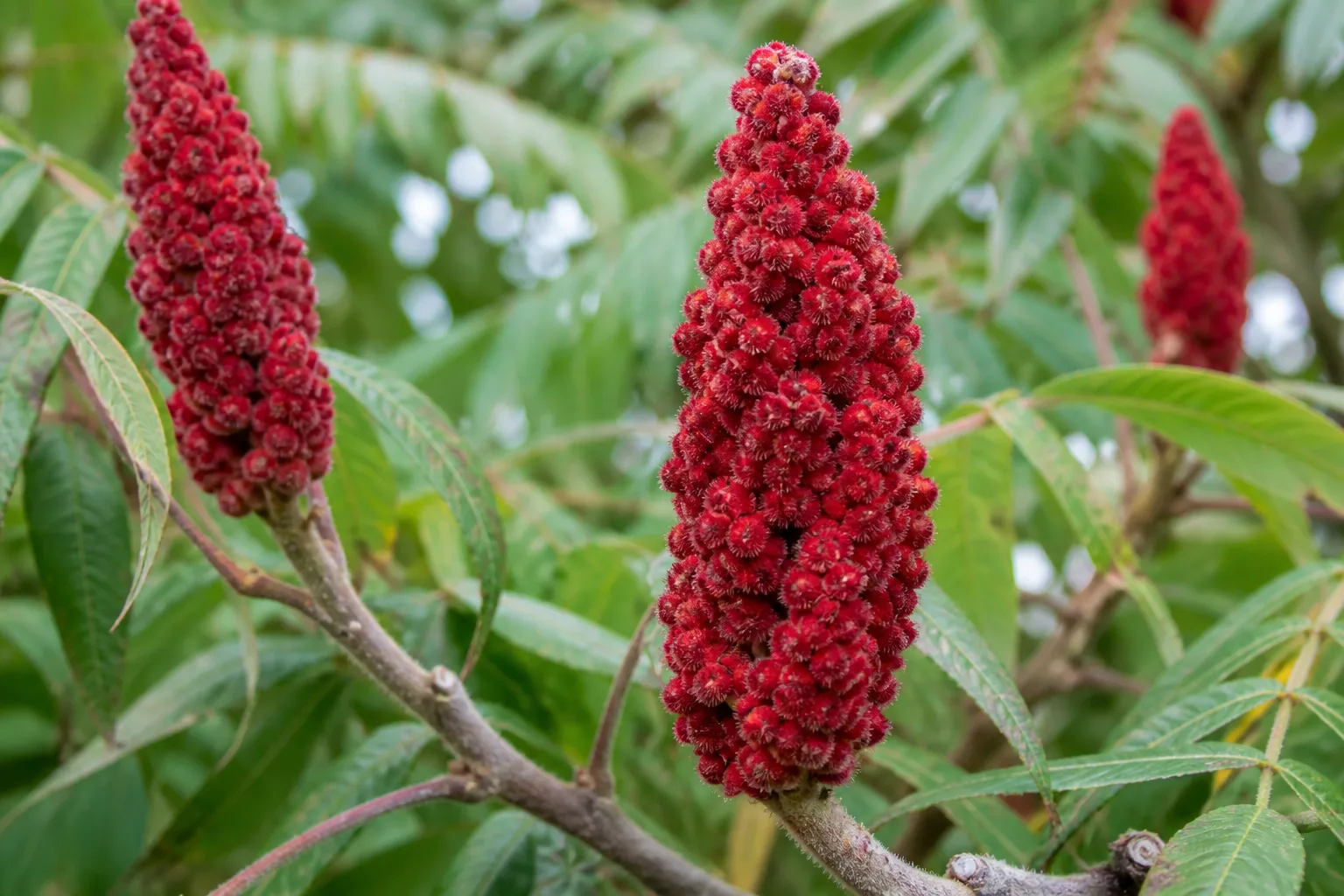
For fall color, ask about native sumac, serviceberry, ninebark, or oakleaf hydrangea suited to your site. A replacement should offer the desired season of interest without creating a new seed bank under the shrubs and along the fence.
8. Poison hemlock
Poison hemlock (Conium maculatum) is different from the ornamental plants above: it is a toxic weed that may appear without anyone choosing it. Learning to recognize it is worthwhile, but do not handle an uncertain plant just to confirm the identification.
Penn State Extension’s poison-hemlock identification transcript describes a two-year life cycle, white flowers on second-year plants, and red or purple spots on smooth stems. It also warns that wild carrot can look similar, which is why a photograph and local extension confirmation are safer than guessing from a leaf shape.
If you think poison hemlock is growing near a path, play area, or vegetable bed, keep children and pets away and wear gloves and clothing that prevents skin contact if you must work nearby. For an uncertain identification, a large patch, or a flowering plant with seed, contact your local extension or weed-management authority for the correct removal and disposal method; do not compost or burn a plant you have not safely identified.
9. Japanese spirea
Japanese spirea (Spiraea japonica) has a tidy shrub shape and pink flower clusters, but it can spread into disturbed ground and form dense stands. Gardening Know How’s Japanese spirea control guide notes that one plant can produce hundreds of small seeds, that those seeds may remain viable for years, and that repeated cutting slows spread without necessarily eradicating the shrub.
This is a good example of why pruning alone is not a containment plan. If you already have the shrub, remove flower heads before seed develops, watch the edges for seedlings, and decide whether the site is isolated enough for continued monitoring. If it is near a stream, woodland, or unmanaged slope, replacement is usually a lower-regret choice than trying to keep a seed-producing shrub forever.
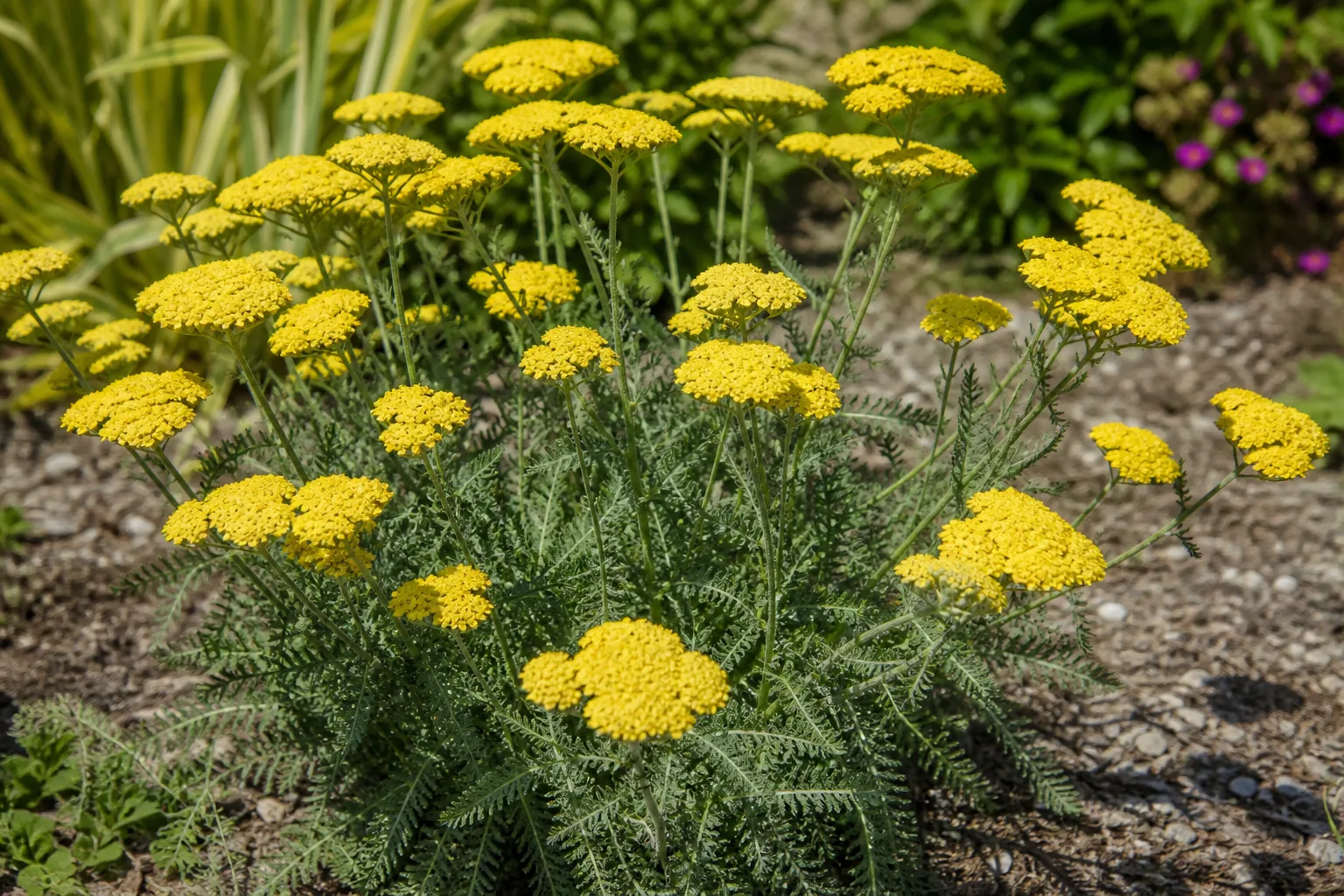
Yarrow, native ninebark, summersweet, or another locally recommended flowering shrub can provide color without copying the same spread pattern. The best substitute depends on light, soil moisture, winter temperatures, and the mature height you actually have room for.
How to choose an alternative that will stay put
Start with the job the plant needs to do: cover soil, climb an arbor, create a screen, provide fall color, feed adult pollinators, host caterpillars, or supply an edible herb. Then set a maximum mature size and a spread limit before you compare flowers or foliage.
Look for plants described as clumping, slow-spreading, seed-sterile, or locally native only when those terms are confirmed for the exact species and cultivar. “Vigorous” is a marketing word that can mean healthy establishment, but it can also mean a plant that will need constant edging, deadheading, or digging.
Match the job, not just the look
For a vine, compare attachment and pruning needs; for a shrub, compare fruiting, suckering, and mature width; for a groundcover, compare runner behavior and what happens at the bed edge. For a pollinator planting, include host plants and bloom succession rather than choosing a nectar-rich plant by name alone.
If you do not know which native plants fit your area, use a state or regional native-plant database, ask an extension office, or visit a nursery that labels plants by scientific name. A regional recommendation is more useful than a national “best alternative” list because it accounts for local climate, wildlife, and invasive-plant rules.
What to do if one is already growing
Do not panic and do not start by spraying everything. First identify the plant, photograph the whole plant and its fruit or seed structures, note how far it has spread, and check local guidance before you choose a removal method.
The safest first action depends on the spread mechanism. Cut vines at their base before trying to pull them from a tree; dig rhizomatous plants when the soil is workable and keep searching for regrowth; remove shrubs before seed ripens; and isolate or seek expert help for toxic plants. If the plant is a regulated noxious weed, follow the disposal and reporting instructions for your area.
Remove without spreading fragments or seed
Work from the outside edge toward the center so you can see where the plant ends and desirable plants begin. Bag seed-bearing stems, keep roots and runners out of ordinary mulch, clean soil from tools, and mark the site for follow-up inspections instead of assuming one pass finished the job.
For a large woody shrub, a mature vine in a canopy, or an infestation on a slope, hire a qualified professional or ask your extension service about the least damaging control sequence. Herbicides may be appropriate in some situations, but the label, weather, nearby plants, water, protective equipment, and local rules determine whether a product is legal and responsible; a homemade recipe is not a substitute for that assessment.
Expect regrowth. The goal is to prevent flowers and seed, reduce the root or runner system, protect nearby plants, and return repeatedly until the site is stable. Replant with a chosen alternative only after you know the old plant is no longer sending shoots through the bed.
A low-regret planting checklist
Keep this short checklist on your phone before visiting a nursery:
- Record the plant’s scientific name and cultivar, not just the common name.
- Check your state, county, or regional invasive-plant list.
- Ask how the plant reproduces: seed, fruit, runners, rhizomes, suckers, or rooted stems.
- Look at the mature height, width, and support requirements rather than the pot size.
- Consider what is downhill, downwind, or beyond the fence.
- Check toxicity if children, dogs, cats, horses, or grazing wildlife can reach it.
- Decide whether you can monitor it during flowering, fruiting, and the next growing season.
- Choose a substitute before you buy, so “it looks great” does not become the only criterion.
The best plant is not necessarily the slowest or most native option. It is the plant whose mature behavior matches your site, your maintenance time, and the surrounding habitat.
Conclusion: check the plant before you plant it
English ivy, Chinese wisteria, open-bed mint, butterfly bush, nandina, morning glory, winged burning bush, poison hemlock, and Japanese spirea do not all pose the same problem, and they are not invasive in every region. What they share is a reason to pause: they can spread, reseed, damage nearby plants or structures, create safety concerns, or demand more control than their nursery label suggests.
Check the scientific name and local status before buying. If you already own one, identify it, prevent seed, remove it in a way that matches its growth habit, monitor the site, and replace it with a plant chosen for the same job but a more predictable adult behavior.



