Is Artificial Turf Worth It? Pros and Cons
Compare artificial turf costs, heat, water savings, pet use, environmental trade-offs, and install quality so you can decide if synthetic grass beats natural lawn for your yard.
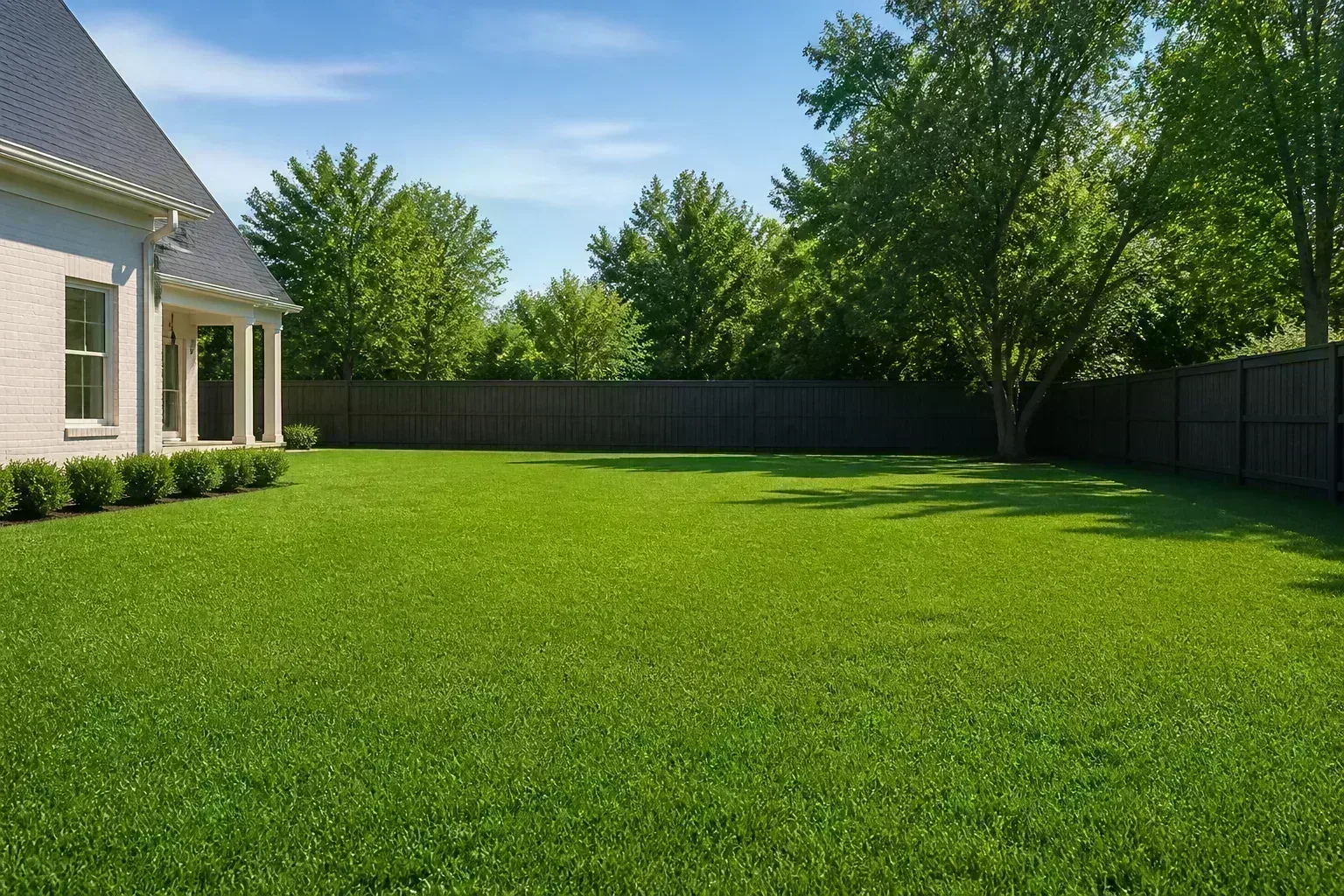
Artificial turf can give you a green lawn without weekly mowing, but it is not a living plant—and that difference shows up in heat, smell, replacement cost, and how buyers react at resale. The honest answer to “is it worth it?” is conditional: synthetic grass can be an excellent tool for a small, high-traffic, water-stressed zone, and a poor choice for a large, sunny backyard where you want to walk barefoot and support soil life.
Before you rip out living turf, compare installed cost, climate, foot traffic, drainage, pets, and how much “real grass” matters to you. The sections below walk through each trade-off with numbers, failure modes, and a decision path you can use this weekend.
What artificial turf is—and what a real install includes
Modern synthetic grass is a carpet of polyethylene or polypropylene blades stitched into a perforated backing, then stretched over a compacted aggregate base. Quality varies enormously by pile height, face weight, UV stabilizers, and drainage holes per square foot. Cheap big-box turf pinned over dirt is not the same product as a pro install with graded base, seam tape, and proper infill.
Most residential jobs also include infill—sand, crumb rubber from recycled tires, or newer plant-based options—that weighs the blades upright and cushions footfall. Infill choice affects heat, odor, bounce, and the health questions neighbors will ask. Turf without infill exists for some decorative installs, but play areas and dog runs usually need it.
A complete quote should list sod removal, grading, weed barrier (where appropriate), compacted base depth, edging, seaming, infill delivery, and haul-away of old turf. If a contractor only prices “materials per square foot,” ask what is missing. A weak base is the most common reason synthetic lawns puddle, wrinkle, or grow weeds along seams within two seasons.
Where synthetic grass clearly wins
Maintenance is the headline advantage. You do not mow, edge, aerate, or fertilize synthetic turf. Colorado State University Extension notes reduced mower emissions as a secondary benefit—one hour with a gas mower can produce pollution comparable to a long car trip (Colorado State Pueblo Extension on artificial turf). Brushing, rinsing, and occasional infill top-up still matter, but the weekly calendar is lighter than cool-season turf in a wet spring.
Water savings are real where irrigation is expensive or restricted. Synthetic lawns need occasional rinsing to flush dust and pet waste, not the 10,000–30,000 gallons many living lawns use annually in dry climates. In regions with regular summer rain, the water argument weakens because established grass may need far less supplemental irrigation than desert marketing implies.
Adaptability is another win. Deep shade, heavy dog traffic, rooftop decks, and rental properties where nobody will mow are places living turf often fails. Shade-tolerant grass species still need several hours of sun; synthetic turf does not photosynthesize, so it stays green where grass thins out—at the cost of heat and ecology trade-offs covered below.
Appearance consistency matters for absentee owners, STR hosts, and front yards visible from the street year-round. You will not come home from vacation to brown patches or weed explosions in a properly installed synthetic lawn—though seams and edges still need attention.
Installed cost and 15-year ownership math
Sticker shock is real. Colorado State Pueblo Extension cites an average installed cost around $12.33 per square foot, with quotes commonly ranging from about $5.50 to $18.75 depending on access, base repair, and product tier (Colorado State Pueblo Extension). A modest 1,000-square-foot backyard can land between $8,000 and $15,000 before optional extras like pet deodorizing layers or premium cooling infill.
Seed or sod is cheaper upfront—often $1–$2 per square foot for sod in many markets, far less for seed—but living lawns carry ongoing mower, water, fertilizer, and weed-control costs. High-input turf can run $1,500–$5,000 per year in time and supplies on larger yards. Synthetic turf’s annual cash cost is lower once installed, typically brush, rinse, enzyme treatments for pets, and minor infill.
The comparison flips when you amortize replacement. Quality residential turf often lasts 12–20 years with care, then the entire carpet—including non-recyclable plastic—must be removed and landfilled. A living lawn, managed at a modest level, does not have a hard end-of-life bill. If you hate yard work and would otherwise pay a crew, synthetic turf’s math improves. If you are comfortable with a low-input natural lawn—clover, occasional mowing, tolerating a few weeds—the cost gap widens in favor of living ground cover.
Run your own worksheet: (install cost) + (15 × annual maintenance) + (estimated replacement at year 15) versus (sod/seed) + (15 × your realistic lawn budget). There is no universal winner—only your yard size, labor preference, and climate.
Water savings: real in drought zones, weaker in rainy climates
In the Southwest and other mandatory restriction markets, synthetic turf is often sold primarily as a drought tool. That logic holds when you are replacing a thirsty cool-season lawn irrigated all summer. It holds less when you are replacing buffalo grass, fine fescue, or a clover blend that already sips water, or when your region gets reliable rainfall.
Remember that synthetic turf still needs water for cleaning, especially with pets, pollen-heavy trees, and dusty lots. The savings are about eliminating routine irrigation, not turning the hose off forever. Municipal turf-replacement rebates may favor living xeriscape or native plant conversions over plastic grass—check your water district before assuming synthetic qualifies.
If water is your main driver, compare synthetic turf against living lawn alternatives such as microclover, sedges, or regional ground covers. You may get most of the irrigation reduction without trading soil habitat for plastic.
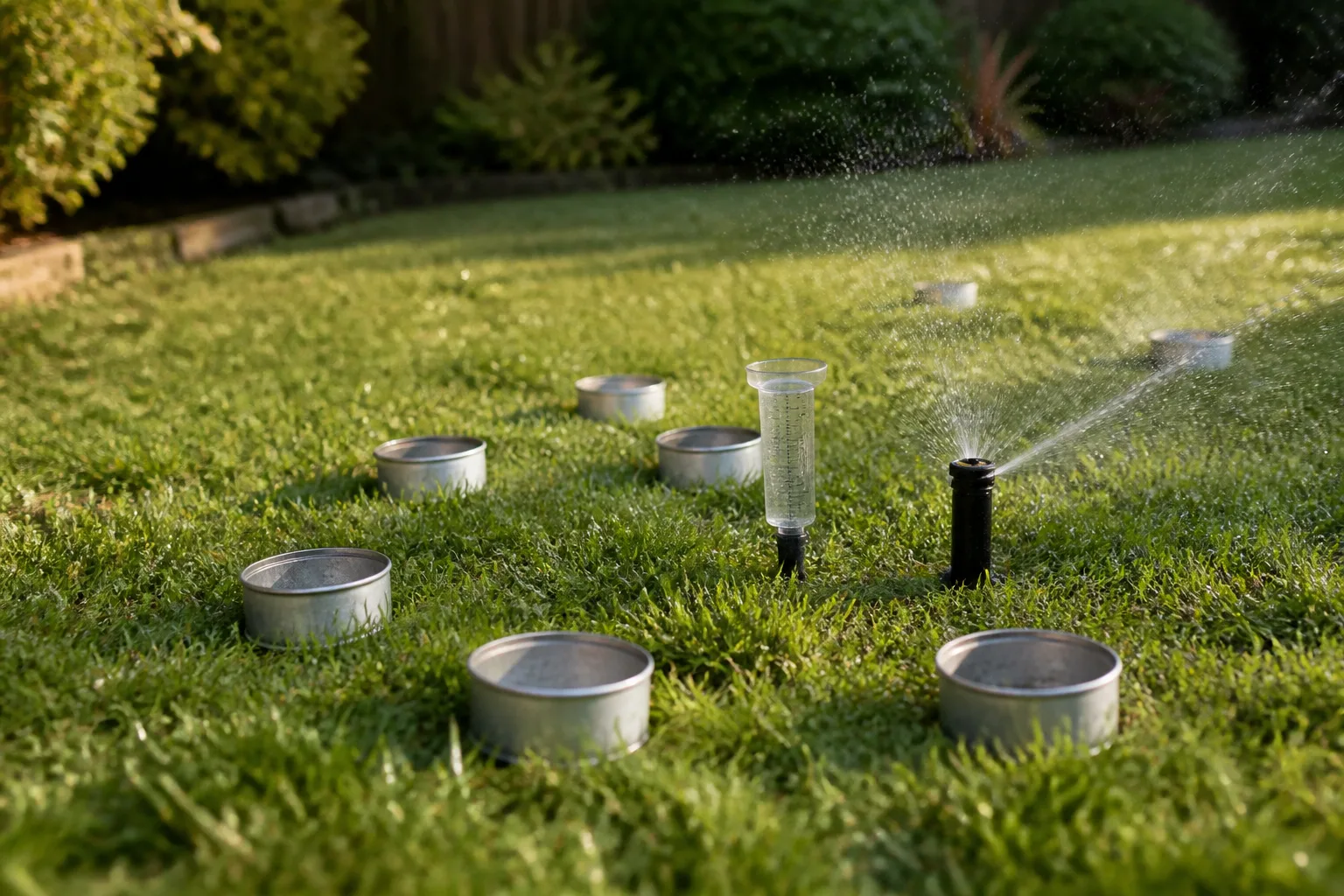
Heat, comfort, and barefoot safety
This is the single biggest post-install complaint in sunny climates. Synthetic surfaces absorb and reradiate heat. On hot days, turf can run dozens of degrees hotter than adjacent natural grass, which cools through evapotranspiration. Extension guidance and field-safety tips consistently warn against barefoot play, lounging, or picnics on sun-baked turf (Colorado State Pueblo Extension).
Mitigation helps but does not erase physics: lighter-colored blades, hydrochilled infill, shade sails, pergolas, and limiting synthetic area to morning-shade zones. If your yard is open south-facing concrete adjacent to turf, expect an oven effect. For families who live outside barefoot in summer, a full synthetic backyard is often the wrong product.
Environmental trade-offs versus a living lawn
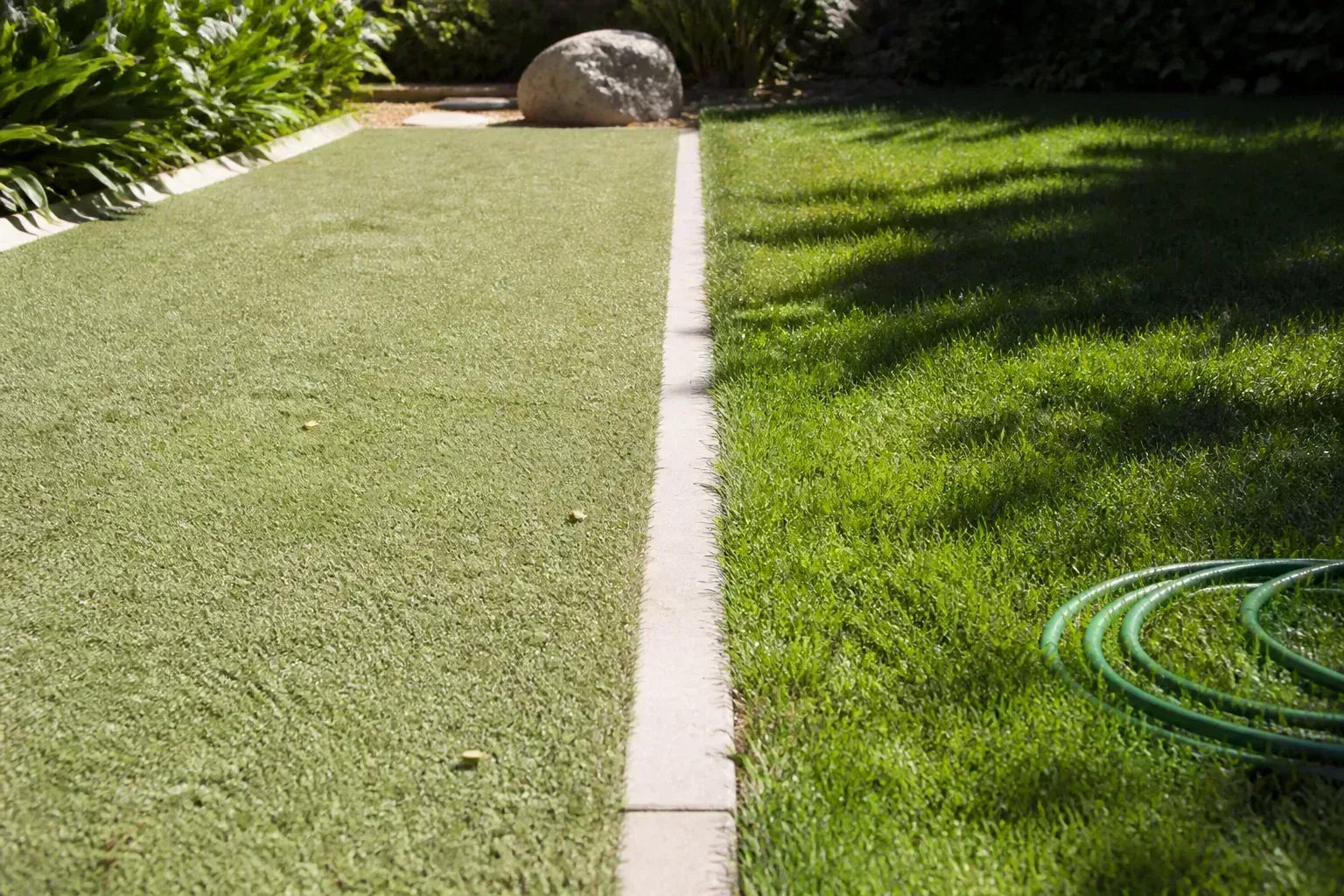
Marketing slides love “eco-friendly turf” because it skips fertilizer and mower emissions. That is only part of the ledger. Living turfgrass supports soil microbes, insects, and birds; captures carbon in biomass; and absorbs rainfall when soil is healthy. Penn State Extension frames traditional lawn alternatives—meadows, sedges, clover, native beds—as ways to cut chemical runoff while improving biodiversity (Penn State Extension turfgrass alternatives).
Synthetic turf is petroleum-based plastic. At end of life it is largely not recyclable in municipal streams; a 1,000-square-foot removal can mean well over a ton of waste. Microplastic shedding from blades and infill is an active research concern. A 2022 review in Environmental Pollution notes chemicals associated with artificial turf—including PAHs, phthalates, and PFAS—and calls for more direct health-outcome studies while documenting ecotoxicity risks from crumb rubber in sensitive habitats (Environmental Pollution review on artificial turf health impacts).
Runoff behavior differs too. Properly installed permeable bases drain pet areas well, but poor installs can sheet water like pavement. Natural turf, when not over-fertilized, can filter runoff; heavily treated lawns have their own pollution problems. Neither option is automatically “green.” Your best environmental choice may be less lawn overall—native beds, paths, and ground covers—rather than plastic carpet.
Health questions around infill and legacy products
Most backyard fear centers on crumb rubber infill made from shredded tires. Lab studies identify concerning compounds; human epidemiology specific to residential lawns is still limited, which is why cautious guidance focuses on exposure reduction rather than absolute guarantees. Colorado State Pueblo Extension summarizes practical precautions for play surfaces: avoid hot days, wear shoes, clean cuts promptly, shower after play, and vacuum tracked infill indoors (Colorado State Pueblo Extension).
If kids or pets use the space daily, ask installers about alternative infills—washed silica sand, coated sand, cork, or coconut husk products—and whether the turf itself is PFAS-free by third-party testing. Newer fields are not identical to 2000s-era products, but “newer” does not mean “risk-free.” Match product claims to written spec sheets, not showroom photos.
Sports injury literature adds another angle: synthetic playing surfaces change traction and heat stress compared with natural grass, relevant if you are building a practice lane (Sports Health review of synthetic turf). Residential use is lower impact, but the surface is still harder than a well-maintained lawn.
Drainage, base prep, and why cheap installs fail
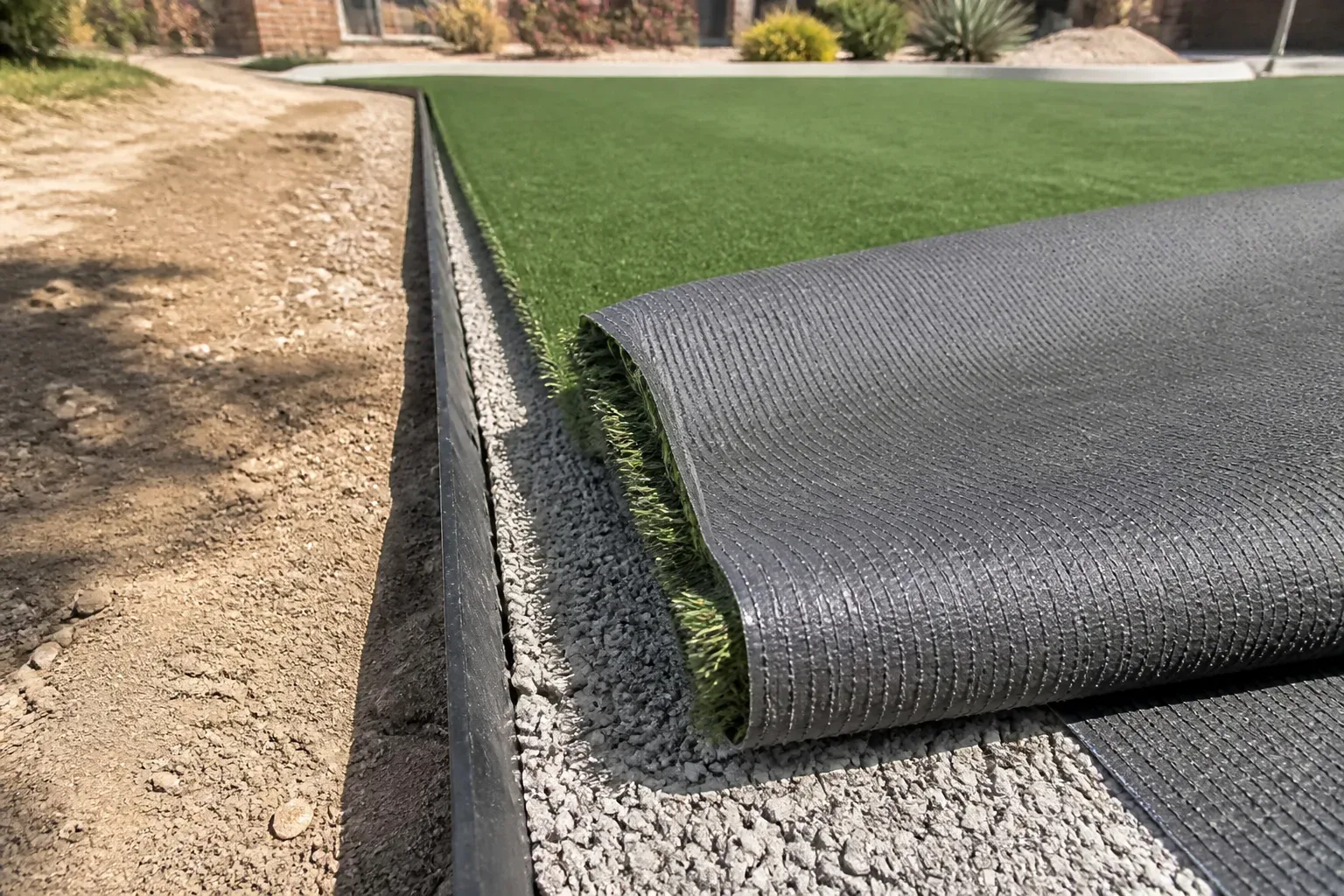
Synthetic grass is only as good as what is underneath. Pros remove organic topsoil that would settle, install 3–4 inches of compacted aggregate, shape crown for drainage, and anchor edges so pets cannot peel seams. Skipping steps saves money until the first heavy rain leaves spongy pockets or standing water that breeds odor.
Weeds appear at perimeters and seams, not usually through the backing if it is intact. A weed barrier helps during install but is not permanent armor. Plan for annual seam inspection, especially if ground freezes and heaves. On slopes, hydroseeding beats synthetic turf unless the slope is short and fully contained with proper edging—runoff can undercut mats.
Quality of life: feel, smell, pets, and resale
Synthetic turf looks tidy year-round, but you always know it is plastic. Some homeowners love the uniformity; others miss the cool softness and scent of real grass after rain. Pet urine is manageable with drainage and enzyme rinses, yet neglect in summer heat produces memorable odor. Solid waste still gets picked up; residue must be hosed.
Resale reactions are mixed. Drought-region buyers may view synthetic as a feature; elsewhere buyers often picture replacement cost and heat. If you plan to sell within five years, ask a local agent how synthetic lawns are priced in your micro-market before treating it as an upgrade.
When artificial turf is worth the investment
Synthetic grass tends to earn its keep when several of these are true:
- Water cost or restrictions make irrigated cool-season turf unsustainable, and rebates or HOA rules allow synthetic in your zone.
- The area is small and high-traffic: side yard, putting strip, play zone under a swing set, or dog run where living grass dies every winter.
- Shade or access prevents grass establishment, and ground covers will not survive dog wear.
- You own a remote rental or second home and will not hire monthly lawn service.
- Household members have severe grass pollen allergy and still want a green visual from the kitchen window.
- You are building a hybrid plan (covered below) rather than carpeting an entire half-acre.
If four or more bullets match, get three written bids and spec sheets. If only one matches, start with a living alternative or a low-input lawn strategy.
When natural grass or living alternatives win
Choose living ground when barefoot summer use, ecology, upfront budget, or lot size dominates. Converting a large suburban lawn entirely to premium synthetic turf can exceed tens of thousands of dollars for marginal benefit over zoned solutions.
Low-input natural lawns that change the math
You do not need golf-course turf to have a functional yard. Allowing white clover, mowing higher and less often, skipping broadleaf herbicides, and accepting some diversity cuts cost and irrigation while keeping living roots in the soil. Penn State Extension notes many “lawn weeds” are nitrogen-fixing companions that feed pollinators (Penn State Extension). That path is often the best financial and ecological answer for families who do not need putting-green perfection.
Living lawn alternatives worth comparing first
Before plastic, scan grass alternatives matched to your site: microclover for sunny moderate traffic, Pennsylvania sedge for shade, buffalo grass for dry sunny lawns, sedum mats for hot low-traffic pockets, or gravel with permeable paths where you never walk anyway. Each solves a different problem; synthetic turf is one item on that menu, not the default.
The hybrid yard plan that often beats all-or-nothing turf
The smartest residential installs are frequently zoned. Keep natural grass or clover in the main yard where kids picnic and you walk barefoot. Use synthetic turf in the dog run, side passage, or under play equipment where mud and wear destroyed living plants. Border synthetic areas with planting beds or gravel strips so the plastic does not read as a swimming pool of green.
This approach captures maintenance savings where traffic kills grass, preserves cooling and ecology where you actually live, and limits replacement cost when the synthetic section eventually ages out.
Local rules, rebates, and HOA limits to check first
Cities, water districts, and HOAs increasingly regulate artificial turf—some encourage it during drought, others ban it for heat, plastic waste, or aesthetic uniformity. California and other states have seen legislative shifts both promoting and discouraging synthetic lawns as water and health politics evolve (Colorado State Pueblo Extension). Verify front-yard visibility, drainage onto sidewalks, fire-defensible space rules, and rebate eligibility in writing.
How to vet turf products and installers
Ask every bidder for the same spec packet:
- Face weight and pile height appropriate to use (shorter, denser piles for dogs; slightly taller for lounge aesthetics).
- UV warranty length and what “proration” means at year 12.
- Permeability rate and base cross-section drawing for your soil type.
- Infill type, depth, and MSDS or third-party testing for PFAS and heavy metals.
- Seam method, edge anchoring, and who hauls away old turf and plastic at replacement.
Visit two installed jobs that are at least three years old in your climate—not showroom strips. If the reference lawn smells on a warm afternoon with dogs, believe your nose.
Conclusion
Artificial turf is worth it when it solves a specific problem you have already failed to fix with living plants or low-input lawn care—usually water stress, impossible shade, destructive dog traffic, or absentee ownership—and when you accept heat, periodic cleaning, and a large replacement bill down the road. It is not worth it as a default “forever lawn” for large, sunny family yards where cool grass underfoot and soil life matter.
Run the 15-year math, check local rules, compare at least one living alternative from our lawn alternatives guide, and consider a hybrid layout before you sign. The best yard is not the greenest plastic; it is the one that matches how you actually use the space without surprises at month six or year fifteen.



