Joanna Gaines's Magnolia Seed Bar: What to Buy and Grow
Explore Joanna Gaines's Magnolia Seed Bar, compare zinnias, sunflowers, wildflowers, and tomatoes, and learn how to plant each one successfully.
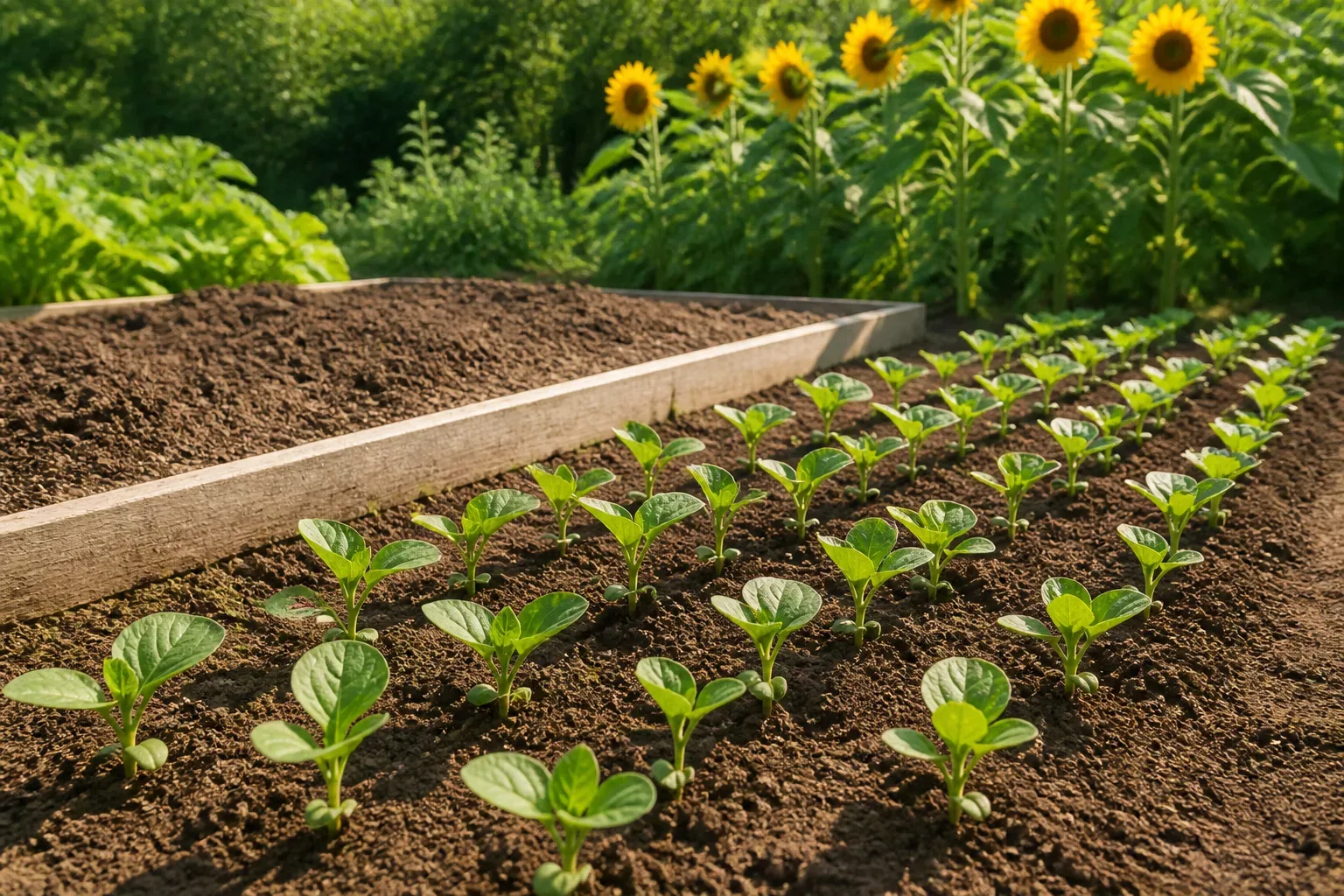
Joanna Gaines is making one of the most satisfying parts of her garden available to everyone: the seed stage. Magnolia’s Seed Bar brings together packets associated with the flowers and food crops grown at Gaines’s garden farm and around the Silos, along with a small set of garden tools that make the project feel ready to begin.
The important detail is that a packet cannot reproduce a garden by itself. The look comes from matching each seed to the right season, light, soil, spacing, and harvest habit. Zinnias and sunflowers want warmth and sun; a wildflower blend needs an open, prepared patch; cherry tomatoes need a generous root zone and reliable water. Buy for those conditions first, then choose the packet that fits.
What the Magnolia Seed Bar Actually Offers
Magnolia’s collection includes several seed choices—zinnia, annual wildflower, sunflower, and cherry tomato—as well as practical accessories such as a watering can, pruning shears, and a hand rake. The collection is a useful starting point for a garden with both ornamental and edible elements, rather than a single “celebrity plant” sold as a shortcut to a finished landscape.
The best way to read the collection is as a menu. Pick one flower for bouquets, one option that supports pollinators or fills open ground, and one edible crop if you have the sun and watering time. A small, intentional combination usually performs better than buying every packet and scattering seed wherever a gap appears.
Product names, prices, stock, and packet details can change, so use the current Magnolia Seed Bar collection and each packet’s label for the final purchase information. The garden advice below is about how to use the crop types successfully, not a guarantee that every packet will be available in every season.
Choose Seeds by Garden Goal, Not Celebrity Appeal
Start with the result you want. If you want armfuls of flowers, choose zinnias and sunflowers, then plan for regular cutting. If your priority is a softer, more varied planting with visiting bees and butterflies, an annual wildflower mix may be the better fit. If you want something you can eat, cherry tomatoes deliver a more frequent harvest than a single large sunflower bloom.
Best for cut flowers
Zinnias are the most forgiving choice for a first cutting patch. They germinate quickly in warm soil, tolerate being cut repeatedly, and come in colors that make a mixed bouquet look abundant even when the planting is small. The University of Minnesota Extension’s zinnia guidance also emphasizes warm conditions, sun, and good air movement. Sunflowers add height and a strong focal point, but they occupy more vertical space and can shade shorter flowers if planted in front of them.
Best for pollinators and a looser look
The annual wildflower mix is the most flexible visually and the least predictable in detail. A blend can produce different heights, colors, and bloom times, but the exact result depends on the mixture, your soil, and which species suit your climate. Treat the packet as a seasonal experiment, not as a promise of a specific meadow.
Best for edible harvests
Cherry tomatoes are a good choice for a sunny bed, raised bed, or large container. They are productive, but the plant needs more ongoing support than a flower: a cage or trellis, steady moisture, pruning or training according to the variety, and frequent harvesting once fruit begins to ripen.
Compare the Featured Seeds at a Glance
| Seed choice | Best garden job | Main requirement | Common mistake |
|---|---|---|---|
| Zinnia mix | Repeated cut flowers and bright summer color | Warm soil, full sun, regular cutting | Sowing too early or crowding seedlings |
| Annual wildflower mix | A loose pollinator-friendly patch | Open ground, good seed-to-soil contact, modest fertility | Burying tiny seeds or sowing into dense grass |
| Sunflower | Height, drama, and cut stems | Full sun, deep soil, shelter from strong wind | Planting tall types where they shade everything |
| Cherry tomato | Edible harvest in beds or containers | Warmth, root space, support, steady water | Using a small pot or letting ripe fruit linger |
This table also explains why one universal care plan fails. A wildflower mix should not be fertilized like a tomato, and a sunflower should not be watered with the same shallow routine used for a newly sown seed tray. The packet is the starting point; the crop’s growth habit determines the follow-through.
How to Grow Magnolia Zinnias
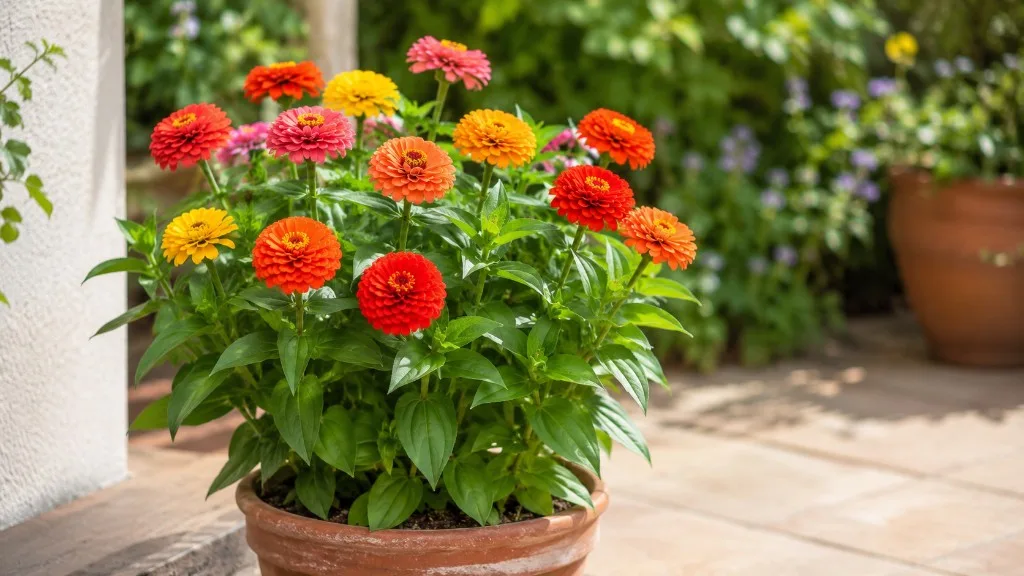
Zinnias prefer full sun and warm conditions. Direct sow them after the danger of frost has passed and the soil has warmed, or start them indoors only if you can provide strong light and transplant them without disturbing the roots. Small seeds should be covered lightly rather than buried deeply; a heavy layer of soil can delay or prevent emergence.
Prepare a bed that drains well and has been cleared of competing weeds. Sow in a short row or block, keep the surface evenly moist until seedlings emerge, and thin them according to the packet spacing. Thinning feels wasteful, but crowded zinnias make weak stems and a humid canopy; the strongest plants need room for air movement and branching.
The most useful zinnia habit is frequent cutting. Harvest stems when the flower is open and the stem is firm, preferably in the cool part of the day. Removing mature flowers encourages the plant to keep branching, while leaving every bloom in place shifts more of the plant’s energy toward seed production.
If zinnias look leafy but produce few flowers, check light before adding fertilizer. Too much nitrogen can create large foliage without the flowering you wanted. In a container, also check whether the pot is drying completely between waterings; repeated stress can shorten the display even when the plant eventually recovers.
How to Use an Annual Wildflower Mix
A wildflower mix works best in an open, sunny patch where seedlings can be seen and watered. Remove existing grass and perennial weeds, rake the surface smooth, and avoid making a deeply cultivated, fluffy seedbed. Many wildflower seeds are tiny and need contact with the surface rather than a thick blanket of soil. The Xerces Society’s pollinator-conservation resources are a useful reminder to match a seed mix to local habitat goals rather than choosing by the word “wildflower” alone.
Scatter the seed as evenly as possible. Mixing it with a small amount of clean, dry sand can make distribution easier, but do not use so much filler that you lose track of the amount sown. Press the seed into the surface with a board or the back of a rake, then water gently with a fine spray.
Keep the surface damp during germination, especially during the first dry week. Once seedlings are established, water deeply when the root zone begins to dry instead of spraying the bed lightly every day. Do not feed automatically: rich soil can favor fast foliage and aggressive weeds over a balanced display.
Read the packet for the mix’s regional contents. “Wildflower” describes the product format, not whether every included species is native to your location. If your goal is habitat, check the plant list and choose a locally appropriate mix; remove any species that your local extension service or invasive-plant authority identifies as a problem.
How to Grow Sunflowers Without a Floppy Stand
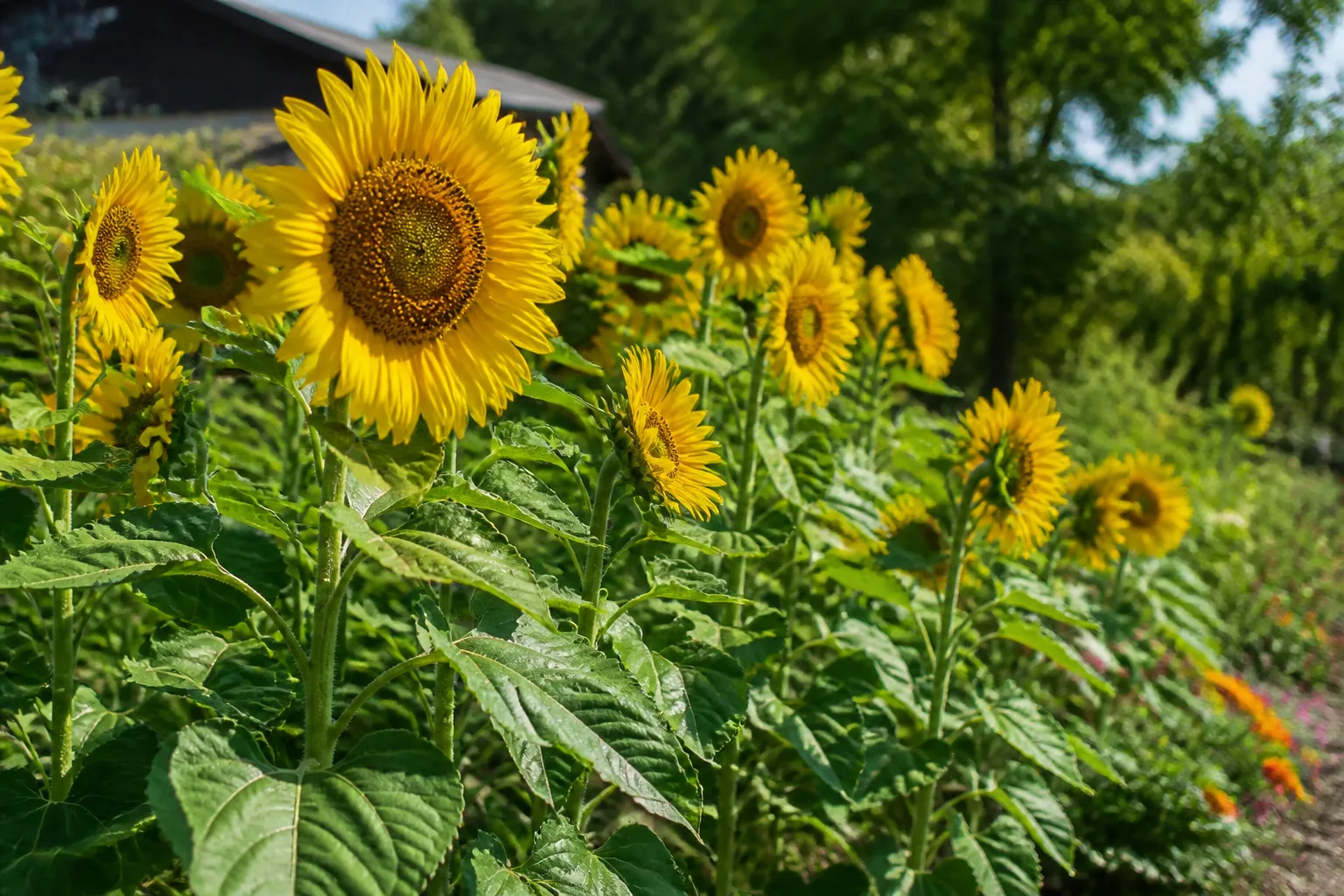
Sunflowers need full sun and warm soil. Direct sowing is usually the simplest approach because sunflowers develop a root system that dislikes repeated disturbance. The University of Minnesota Extension’s sunflower guide supports the same basic approach: give plants sun, room, and a stable start. Plant after frost when the soil is workable, follow the packet’s spacing, and thin seedlings while they are small so that the remaining plants do not compete for light.
Choose the variety before choosing the location. A tall sunflower belongs at the back of a bed or where it will not shade vegetables and shorter flowers. A branching type may produce several usable stems, while a single-stem type can be better when you want one strong focal flower or a coordinated cutting row.
Water deeply during establishment and during extended dry weather. A tall plant with a broad head catches wind, so shelter and firm soil matter. If a plant is likely to lean, install a stake early and tie the stem loosely; trying to straighten a fully bent sunflower later often damages the roots or stem.
Harvest sunflowers when the petals have opened and the back of the head is beginning to change color, before the seeds become fully attractive to birds if you want a vase display. Leave a few heads in the garden for birds and seed collection, but remember that some hybrids do not come true from saved seed.
How to Grow Cherry Tomatoes in Beds or Containers
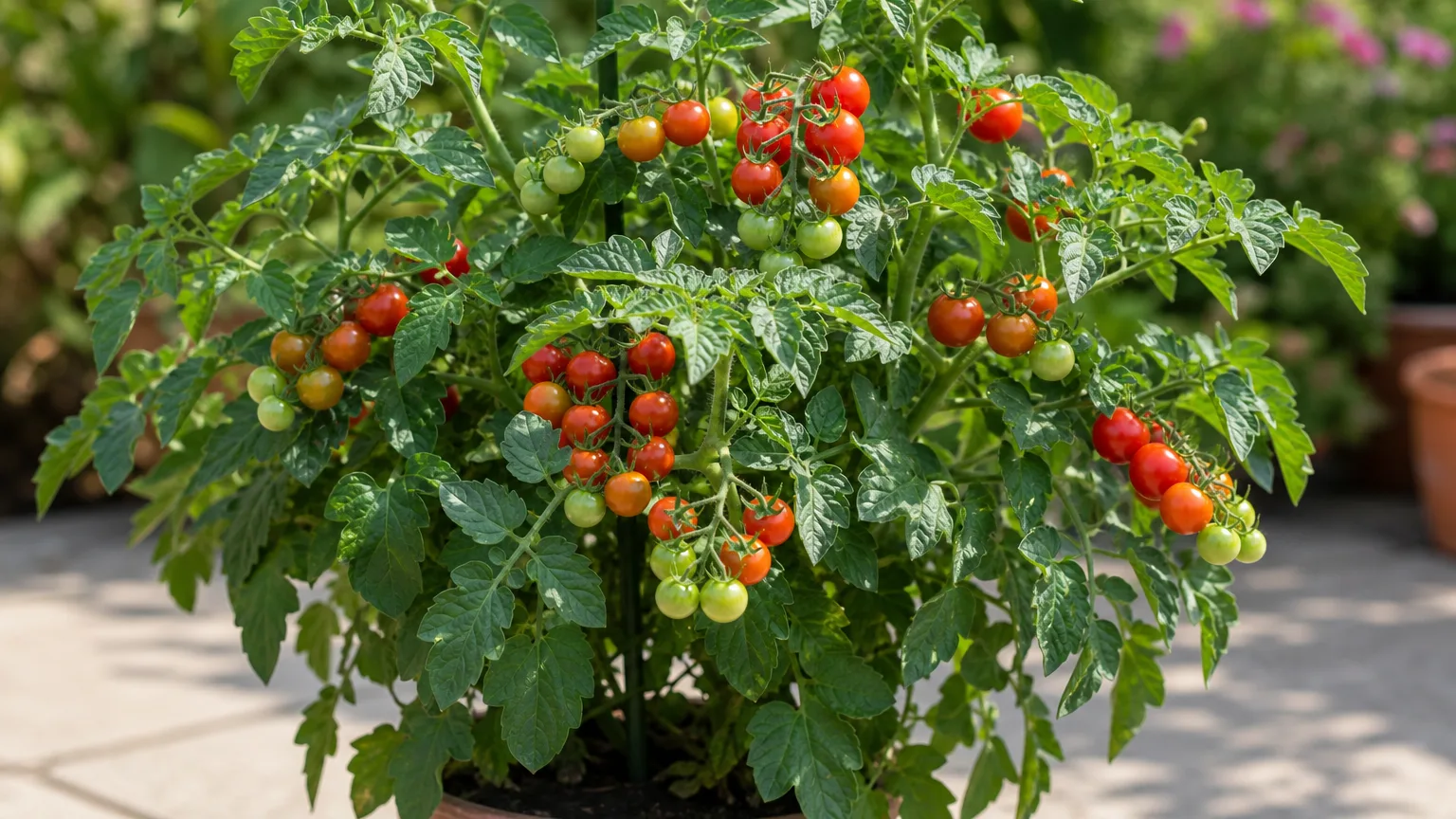
Cherry tomatoes need at least six hours of direct sun, warm soil, regular moisture, and support. The University of Minnesota Extension’s tomato guidance explains why site, spacing, watering, and support should be planned together. In a garden bed, give each plant the spacing on its packet and install the cage or trellis at planting time. In a container, choose a large, stable pot with drainage holes and use potting mix rather than straight garden soil.
A small container is the quickest route to a stressed tomato. As roots fill the pot, the mix dries and loses nutrients more rapidly, and a plant that looked fine in May may wilt every afternoon in July. A large grow bag or pot is more forgiving; place it where you can water thoroughly and where the mature plant will not block a walkway.
Water at the soil line and aim for consistency. A tomato that swings from bone-dry soil to a flood is more likely to show cracked fruit, blossom-end problems, or uneven growth than one kept on a steady rhythm. Mulch the bed after the soil has warmed, leaving a small gap around the stem, to reduce evaporation and soil splash.
Harvest cherry tomatoes as soon as they reach full color and detach easily. Frequent picking keeps the plant’s fruit load manageable and encourages it to keep flowering. If fruit set is poor, look for high heat, a lack of pollinator movement, excessive nitrogen, or an overly dense plant before assuming the seed was bad.
The Three Tools That Earn Their Place
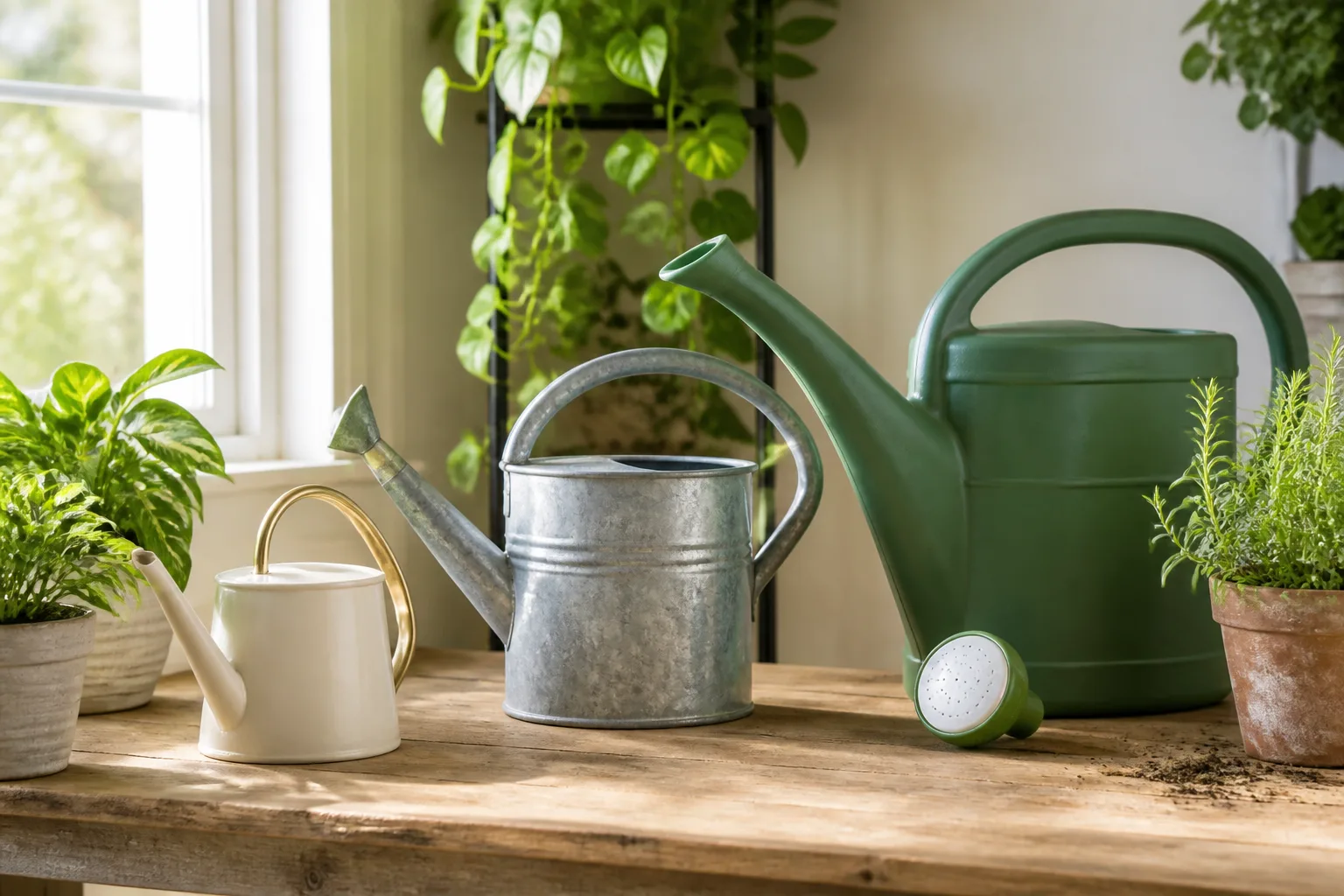
The green enamel watering can is a pleasant choice when you water a few containers or a small bed by hand, but its useful feature is control: a gentle flow that does not wash seed away. For a larger garden, a hose with a soft wand or a drip line will be more efficient. Choose the tool that matches the size of your planting, not the photograph of the collection.
Pruning shears are useful for cutting zinnias, harvesting tomatoes, removing damaged stems, and trimming sunflower leaves that are dragging on the soil. Keep the blades clean and sharp, and make a clean cut rather than crushing the stem. A small hand rake helps level a seedbed, press seed into contact with soil, and remove surface debris without disturbing established roots.
You do not need a matching set to begin. A clean tray, a reliable way to water gently, a packet of labels, and a sharp pair of snips can matter more than decorative accessories. Buy the tools that solve the next physical task in your garden.
Start Seeds at the Right Time
Use your local last-frost information as the starting point, then adjust for the crop. Zinnias, sunflowers, and tomatoes are warm-season plants and should not be planted outdoors into cold, wet soil simply because a calendar says spring has arrived. In a short season, start tomatoes indoors early enough to make a sturdy transplant, but give seedlings strong light and airflow so they do not become thin and fragile.
Direct sowing is usually best for sunflowers and zinnias when the soil is warm. A wildflower mix can also be sown directly, although the best season may be spring or fall depending on the species in the packet and your climate. Keep the packet in a dry, cool place until planting and write the purchase year on it; old seed can still germinate, but germination may be less even.
Succession sowing makes a small garden feel fuller for longer. Instead of putting every zinnia seed into the ground on one date, sow a second small row a few weeks later if your season is long enough. This protects you from one bad storm, one slug-heavy week, or one early planting that fails before you know what happened.
Build the Soil and Site Before Sowing
Sun is the first filter. Six or more hours of direct light is a practical target for zinnias, sunflowers, and tomatoes; a wildflower patch may tolerate variation, but most flowering species still need enough light to bloom well. Watch the site for a full day before planting if nearby fences or buildings cast seasonal shade.
Drainage is the second filter. Improve compacted soil with organic matter, use a raised bed where water sits, and never assume that adding more fertilizer will solve a root problem. Containers need drainage holes and a porous potting mix; garden soil in a pot can compact and hold too much water.
Compost can improve structure, but more is not always better. Flowers grown in over-rich soil may become floppy and leafy, while tomatoes need fertility but still benefit from a balanced program rather than repeated handfuls of high-nitrogen fertilizer. A soil test is the sensible next step when a bed repeatedly performs poorly.
Water, Thin, and Harden Off Seedlings
Newly sown beds need a different routine from established plants. Keep the top layer damp enough for germination, but use a fine spray so you do not uncover seed or create channels. Once roots are established, water more deeply and less mechanically, checking the soil instead of following a fixed daily schedule.
Thin seedlings when they are easy to identify. The strongest plant is not always the first one to emerge, and leaving every seedling in place creates competition that shows up later as thin stems, small flowers, or tomatoes that stall. Snip extras at soil level rather than pulling them and disturbing the roots you want to keep.
Harden off indoor tomato seedlings over about a week. Increase outdoor exposure gradually, starting in a sheltered spot and avoiding a sudden move from warm indoor air to strong sun and wind. A healthy transplant with a compact stem will usually recover from a small amount of transplant shock; a stretched seedling needs more careful handling and stronger light before planting.
Design a Full Garden Without Crowding It
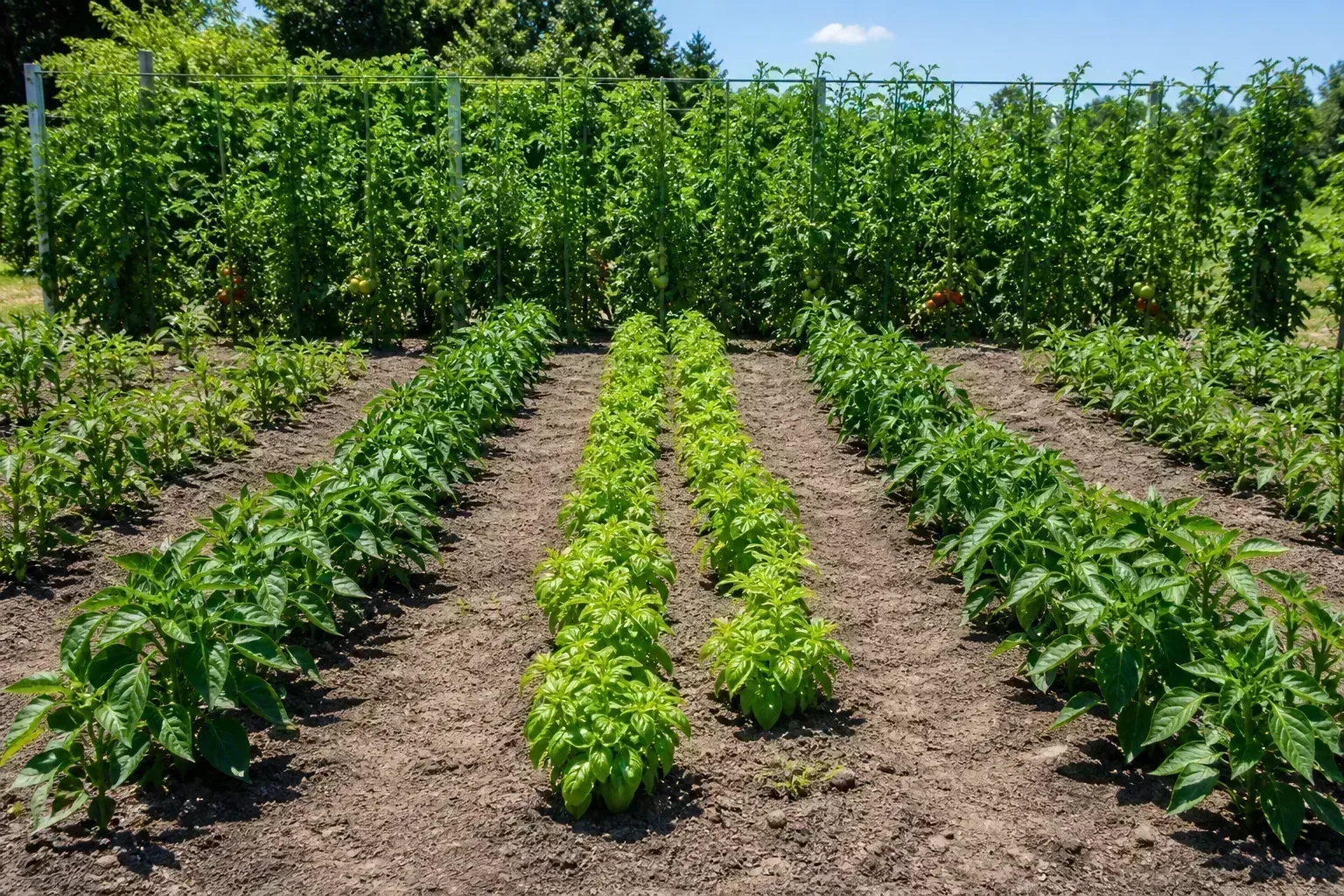
The Magnolia look is less about owning a long list of products and more about repeating a few shapes and colors. Put tall sunflowers behind lower zinnias, allow tomatoes to occupy a separate support structure, and use the wildflower patch where its informal edges are an advantage rather than forcing it into a precise border.
Group plants by care needs. Flowers that need regular cutting can share a path or bed edge, while tomatoes belong where watering and harvesting are easy. A small cluster of one crop reads as intentional; scattered single plants are harder to water and often disappear under neighboring growth.
Leave access paths from the beginning. You should be able to reach the soil, inspect leaf undersides, pick ripe fruit, and cut flowers without stepping into the bed. The prettiest planting becomes work when every harvest requires leaning across a crowded border.
Common Seed-Bar Mistakes and Their Fixes
Buying a tall crop for the wrong space: Check mature height and spread before opening the packet. Move sunflowers to the back of the bed, choose compact tomatoes for containers, and give zinnias enough room to branch.
Sowing too early: Cold soil slows germination and encourages rot. Wait for the packet’s temperature guidance and your local frost window, even when a warm afternoon makes spring feel closer than it is.
Burying small seed: Zinnias and mixed wildflower packets often need shallow sowing. Press seed into prepared soil and cover only as deeply as the label directs.
Watering every plant the same way: Seedlings need surface moisture; established plants need a deeper root-zone soak. Tomatoes in a container may need checking daily in hot weather, while a mulched bed may hold moisture longer.
Skipping the thinning step: Crowding is not abundance. Remove extras early so the plants you keep have light, airflow, root room, and enough nutrition to mature.
Treating a wildflower mix as automatically native: Read the species list and check local guidance. A colorful mix is not a substitute for regional habitat planning.
Waiting too long to harvest: Cut zinnias and pick cherry tomatoes regularly. Leaving mature produce or flowers on the plant can slow the next flush and turn a productive garden into an overgrown one.
Conclusion
Joanna Gaines’s Magnolia Seed Bar is most useful when you treat it as a set of garden possibilities rather than a ready-made landscape in a packet. Zinnias are the approachable cutting flower, sunflowers supply height, wildflowers create a looser seasonal patch, and cherry tomatoes turn a sunny corner into a harvest.
Choose one or two crops that fit your light, space, and watering routine. Prepare the site before sowing, plant warm-season seeds at the right time, thin without apology, and use the packet label for variety-specific spacing and timing. The result will not be an exact replica of Gaines’s garden—and that is the point. It will be a garden that belongs to your climate, your schedule, and the way you actually want to use it.