How to Grow and Care for Lemon Trees
Learn how to grow lemon trees in the ground or pots with practical advice on light, soil, watering, feeding, pruning, fruiting, pests, and winter care.
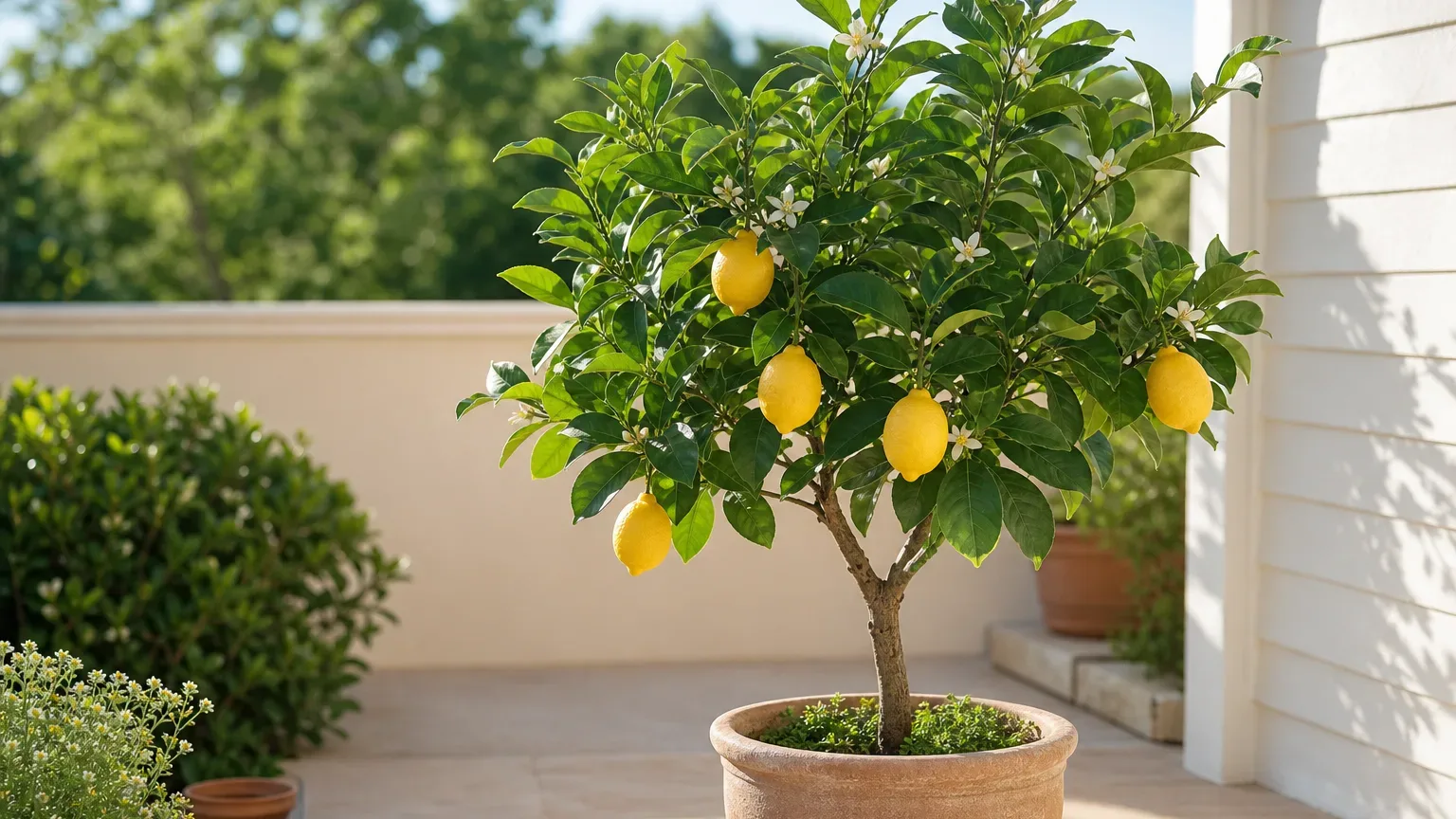
A lemon tree is easiest to grow when you treat it as a fruit tree with specific limits, not as a decorative evergreen that happens to make lemons. It needs strong light, fast drainage, steady moisture, regular nutrition, and protection from damaging cold; a tree can survive a mediocre setup while still refusing to flower or dropping every young fruit.
The best first decision is where the tree will live in winter. In a warm, frost-free garden, a lemon can become a small landscape tree. In a cold climate, grow it in a container from the start so you can move it under cover before freezing weather. The care is manageable in either situation, but the root volume, watering rhythm, and harvest size will differ.
Before you plant: match the tree to your climate
Lemons are evergreen citrus adapted to subtropical and Mediterranean conditions. They enjoy warm growing weather, but they are not frost-proof: UF/IFAS reports that flowers and young fruit can be damaged around 29°F, mature fruit around 28–31°F, and the tree itself can suffer severe injury at still lower temperatures. Treat those figures as damage thresholds, not as a safe temperature target, because wind, exposure, tree age, and how long the cold lasts all matter.
If your garden regularly freezes, a movable pot is usually the most reliable solution. A sheltered wall may buy an in-ground tree a little protection, but it does not turn a cold site into a citrus climate. A container also gives you a way to isolate the tree when a local disease alert, storm, or unusual cold spell changes the plan.
Choose a lemon variety for fruit and space
Meyer lemon is a compact hybrid valued for fragrant flowers and fruit that is usually less sharply acidic than a true lemon. It is a strong choice for a large patio pot or a gardener who wants a manageable tree, but it still needs excellent light and winter protection. Its compact habit is helpful; it is not permission to keep the root ball permanently cramped.
Eureka is a classic true lemon with an open, spreading habit and relatively few thorns. It is useful when you want familiar tart fruit and live in a mild climate, but its canopy and cold sensitivity make it less forgiving in a small, exposed pot.
Lisbon is vigorous, productive, and more densely foliated. That can be an advantage in a warm, windy site, but it also means you must leave more room around the tree and be willing to manage a thornier canopy. UF/IFAS describes Lisbon as more tolerant of wind and temperature extremes than Eureka, while still treating lemon as a cold-sensitive crop.
Nursery labels may also list Bearss, Ponderosa, or other lemon-like hybrids. Compare the mature size, rootstock, thorniness, fruit use, and winter needs instead of choosing only by the name on the tag. A tree that fits your light and winter plan will outperform a supposedly “best” variety planted in the wrong place.
Buy a grafted tree when you want fruit sooner
Look for a healthy, grafted nursery tree from a reputable source, with the graft union visible and intact above the soil line. The union is the swollen or slightly angled junction where the desired lemon variety was joined to a rootstock. Growth below that point belongs to the rootstock, not the fruiting variety, and should be removed when it appears.
Seed-grown lemons are fun experiments but poor shortcuts to a predictable crop. A seedling may take years to fruit, may grow much larger than expected, and may not produce fruit that matches the lemon it came from. The RHS citrus guide notes that most commercially sold citrus plants are grafted for earlier fruiting and that ungrafted plants can take much longer to crop. Choose seed if the project is the point; choose a grafted tree if harvest is the point.
Choose an in-ground site or container setup
The site should make the tree’s basic needs easy to meet. Full sun, moving air, and drainage are more important than a decorative location beside a shaded doorway. Do not plant citrus in a low spot that stays wet after rain, under a tree that competes for light, or so close to a wall that the canopy cannot expand.
Get the light, airflow, and soil right
Give a lemon tree at least six hours of direct sun, with more bright light generally improving growth and fruiting. A south- or southwest-facing position is useful in a cooler climate, especially when a wall reflects warmth, but avoid a pocket where hot reflected surfaces scorch leaves or where roof runoff floods the root zone.
Lemons tolerate a range of well-drained soils and generally prefer a slightly acidic root zone. UF/IFAS gives a preferred soil pH of about 5.5 to 6.5. Test difficult soil rather than guessing, especially if it is heavy clay, very alkaline, shallow over rock, or already saturated. Improving a whole planting area is safer than filling a small hole with a pocket of rich material that drains differently from the surrounding soil.
For a container, use a commercial citrus, palm, or similarly airy potting mix rather than garden soil. A pot with several drainage holes is non-negotiable. Practical container guidance from Simply Trees also recommends a free-draining mix and a container only modestly wider than the current root ball; that reduces the soggy “small tree in a giant pot” problem.
Plant the root ball without burying the trunk
Plant in late winter or spring after the risk of frost has passed, or during another mild period in a reliably warm climate. Water a container-grown tree before planting so the root ball holds together, then inspect the trunk and canopy for wounds, pests, and disease before it joins your garden.
For an in-ground tree, follow this sequence:
- Clear grass and weeds from a broad circle around the planting site so the young tree does not compete for water.
- Dig a hole at least twice the root ball’s width and no deeper than the root ball’s height. The surrounding soil, not a loose compost pocket, should support the tree.
- Slide the tree out and loosen only circling or matted outer roots. Do not shred a healthy root ball.
- Set the tree so the top of the root ball is level with or slightly above the surrounding soil. Keep the graft union well above the soil line.
- Backfill with the native soil, water slowly to settle air pockets, and add a thin layer of mulch well away from the trunk if your climate needs it.
- Stake only if wind or a weak stem makes support necessary. Use a flexible tie and remove it when the tree can stand on its own.
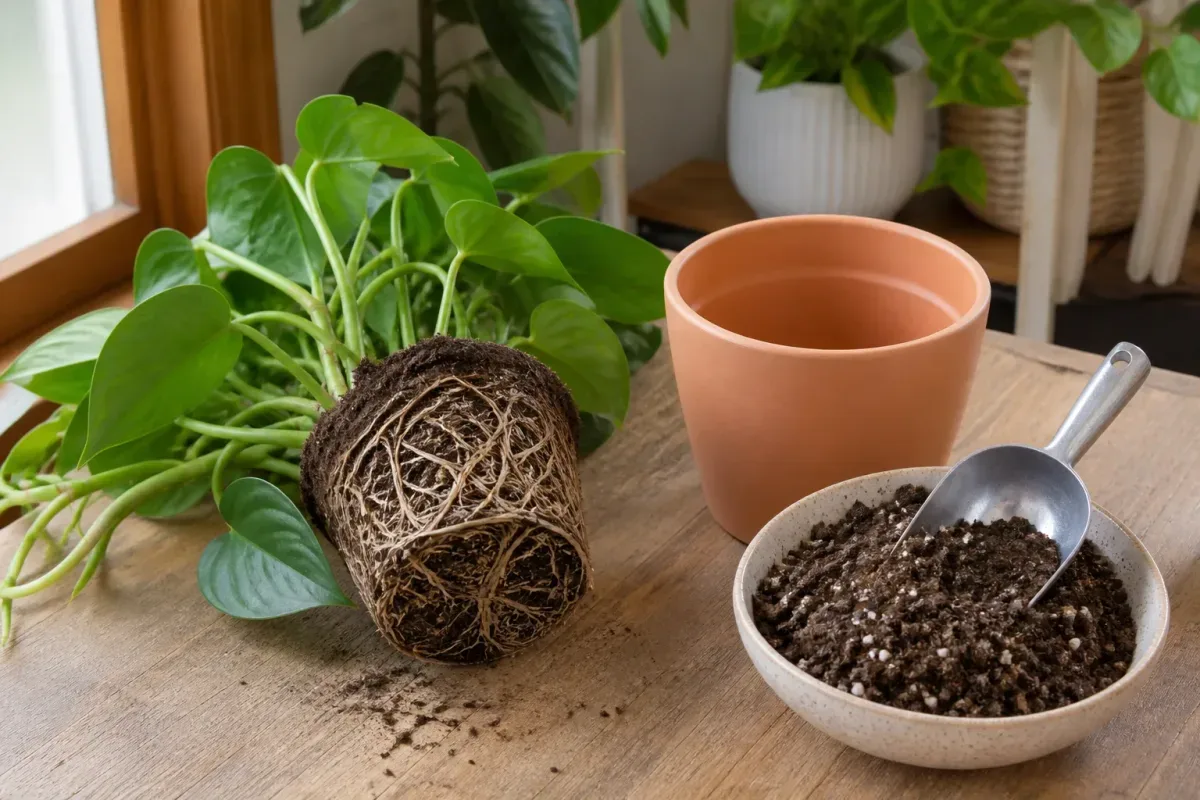
For a container, choose a pot just one or two sizes larger than the current root ball, not the largest pot you can lift. A very large volume of wet mix dries slowly and leaves less air around the roots. Set the tree at the same depth it was growing before, keep the graft union exposed, water until excess drains, and empty any saucer that holds water.
Water lemon trees by root-zone need
Water newly planted trees more often while roots establish, then taper the schedule as the root system expands. UF/IFAS recommends watering at planting and frequently during the first week, followed by roughly one or two deep waterings a week for the first couple of months, with adjustments for rainfall and soil. Mature in-ground trees usually need supplemental irrigation mainly during prolonged dry periods, while a pot may dry in days during hot weather.
Do not water by the calendar when the weather and root zone are telling you something else. Check several inches below the surface, lift a small pot if possible, and notice whether the tree is sitting in a heavy mix that stays cool and wet. When it is time to water, soak the root zone thoroughly and let excess drain; repeated shallow sips encourage a shallow, easily stressed root system.
Water at the soil line instead of routinely wetting leaves, flowers, and fruit. UF/IFAS warns that wet foliage and fruit can increase disease problems. In winter, a container indoors often needs much less water because growth and evaporation slow; the RHS recommends allowing the surface to partially dry, then watering thoroughly without leaving the pot standing in water.
Feed for growth without sacrificing fruit
Lemon trees are hungry plants, but more fertilizer is not the same as more lemons. Use a citrus fertilizer that supplies nitrogen and the minor elements your product label lists, and time applications to active growth. Container trees lose nutrients through repeated drainage, while in-ground trees may need a soil test before you add anything beyond a normal citrus program.
Apply the label rate around the root zone rather than against the trunk. Too much nitrogen can produce lush shoots and leaves at the expense of flowers and fruit, and fertilizer salts can damage roots in a container. Water after applying a granular product if the label directs it, and never combine several fertilizers because the tree looks pale without first checking light, moisture, pH, and the underside of leaves.
Yellow leaves with green veins can point to iron availability rather than a simple lack of fertilizer, particularly in high-pH soil. UF/IFAS provides different iron recommendations for acid-to-neutral and alkaline soils; that is a reason to test the root zone and follow a local extension or product-label recommendation, not to guess at a concentrated treatment.
Manage flowers, fruit set, and harvest timing
One lemon tree can make fruit on its own. Lemon flowers are self-fertile, and insects often visit them outdoors, so buying a second tree is not required. A container tree indoors can still benefit from gentle air movement or a soft brush across open flowers, but hand pollination cannot rescue a tree that is growing in low light or cycling between drought and saturation.
Flowering is not a promise that every tiny lemon will reach maturity. Citrus naturally sheds some flowers and young fruit, and a tree under cold stress, heat, root damage, low light, or an excessive crop load may shed more. Keep the root zone evenly but not constantly wet, avoid moving the tree repeatedly while fruit is setting, and thin a crowded crop on a small tree rather than asking a thin canopy to carry every fruit.
Fruit can take many months to mature. UF/IFAS gives a broad four- to twelve-month window from flowering to harvest depending on cultivar, crop load, temperature, and care; the RHS similarly describes citrus as slow ripeners that may take nine to twelve months. That range is more useful than a single promise because a lemon flowering in a cool container room and one growing in a warm outdoor climate are on different clocks.
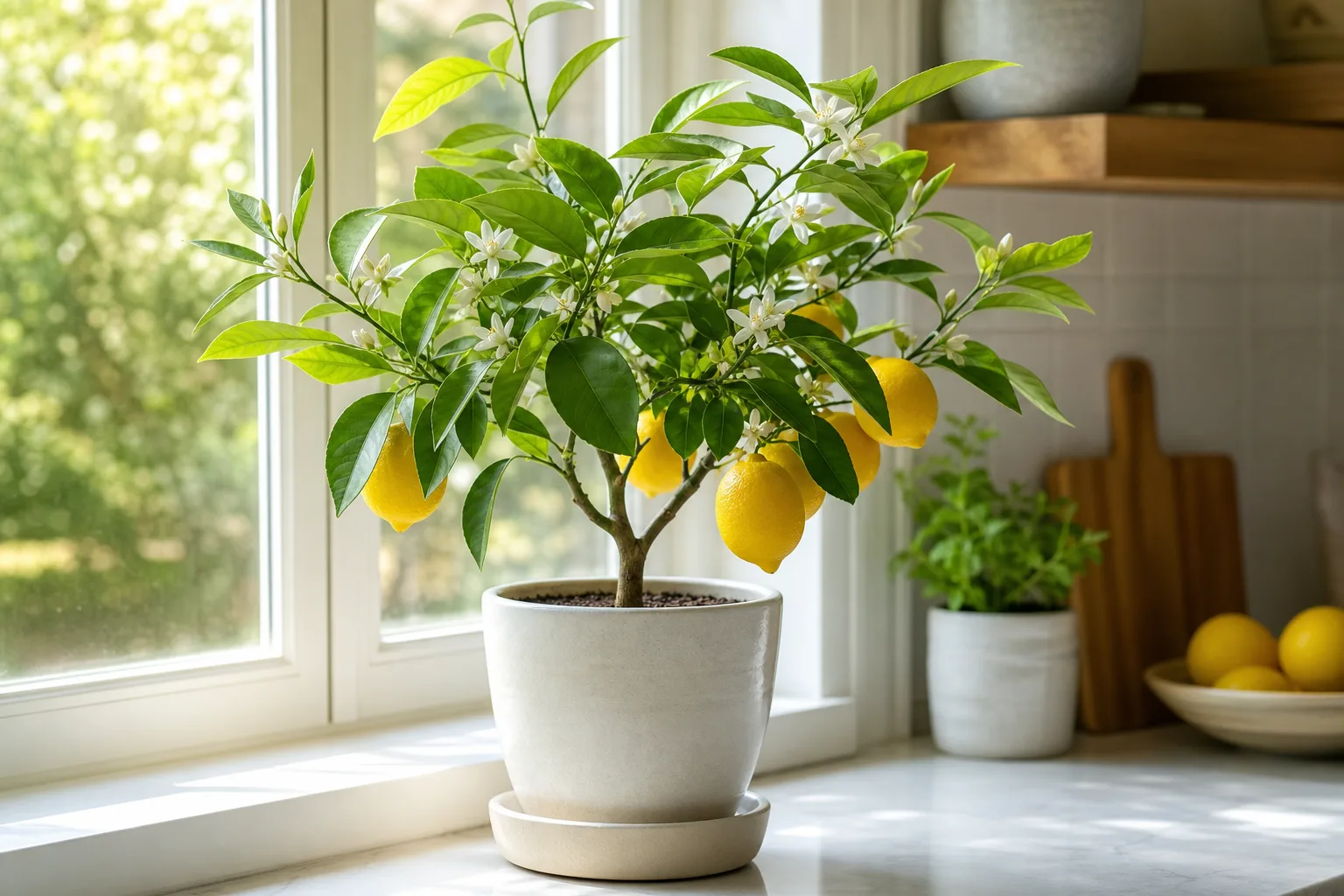
Pick lemons when they are mature, not merely yellow
Harvest when the fruit has reached its expected size and develops the mature color and feel for its variety. A partly green lemon may still be usable, but it may have less developed flavor. Because citrus does not sweeten in the same way as a peach after picking, leaving fruit on a healthy tree until it is mature usually gives a better result.
Use clean hand pruners to cut the stem instead of yanking the fruit. Pulling can tear the branch or damage the peel. Store sound lemons in a cool, well-ventilated place for short-term use, and remove overripe or damaged fruit so it does not become a pest attractant.
Prune lightly and propagate with a clear goal
Pruning should solve a structural or access problem, not turn a fruit tree into a geometric ball. Remove dead, broken, crossing, or inward-growing branches, thin crowded growth to improve airflow, and shorten a long shoot just above a healthy outward-facing bud. Wear thick gloves because many lemon trees carry thorns.
Remove shoots that emerge below the graft union as soon as you notice them. They can grow vigorously and steal energy from the named lemon variety. Avoid heavy pruning just before a cold spell or during a period when the tree is already recovering from repotting, a freeze, or a major move.
Choose cuttings over seed when the parent matters
Semi-ripe cuttings taken during active growth can produce a clone of the parent, but rooting citrus is slower and less predictable than buying a grafted nursery tree. The RHS recommends semi-ripe cuttings for cloning a citrus plant and cautions that seed-grown trees can take years to fruit, may produce inferior fruit, and can introduce biosecurity concerns when seeds come from purchased fruit.
If you still want to try a seed, clean it immediately, sow it in a sterile, well-drained medium, keep it warm and lightly moist, and treat the result as an experiment. A seedling is not a reliable replacement for the grafted tree that produced the fruit.
Protect a lemon tree through winter
Move a container before a freeze, not after the leaves have blackened. Inspect the leaves, stems, pot rim, and drainage holes for scale, aphids, mites, and ants before bringing the tree indoors. Clean up fallen leaves and isolate the tree from houseplants for a short observation period if you find pests.
Choose the brightest place available, ideally a sunny window supplemented by a grow light when winter daylight is weak. Keep the tree away from heating vents, fireplaces, and cold drafts. A cool, bright room is usually easier than a hot, dry room, and the RHS notes that sudden changes in temperature, dry air, and poor light can lead to leaf drop or failed flowering.
Reduce watering as the pot dries more slowly, but do not let a fruiting tree become bone-dry. Stop pushing soft new growth late in the season by following a seasonal fertilizer plan rather than feeding every time a leaf turns yellow. In spring, move the tree back outdoors gradually over about a week or more, starting in bright shade before returning it to full sun.
Troubleshoot yellow leaves, leaf drop, and poor fruiting
Start with the root zone and the environment before reaching for a spray. A yellow leaf is a symptom, not a diagnosis, and the same color can follow overwatering, drought, poor drainage, nutrient unavailability, cold, pests, or old leaves being shed naturally.
Watch for pests and diseases before treating
Inspect new growth and the undersides of leaves for aphids, scale, mites, and citrus leafminer trails. UF/IFAS describes leafminers as winding tunnels in young leaves and notes that established trees can often tolerate some damage better than young trees. Improve plant vigor, remove badly damaged leaves when appropriate, and use only a treatment labeled for citrus and the pest you have identified.
Citrus canker can produce raised spots with yellow halos on leaves, stems, and fruit. Citrus greening, spread by the Asian citrus psyllid, can cause blotchy yellow leaves, poor fruit, decline, and eventual tree death. Greasy spot is associated with yellow spots that develop into darker, blister-like lesions in wet, humid conditions; UF/IFAS discusses its field identification and management.
These diseases are not interchangeable with a minor nutrient problem. Avoid moving a suspect tree, disinfect tools between cuts, do not compost clearly diseased material, and contact your local cooperative extension or plant clinic for current, region-specific recommendations before applying copper, oil, sulfur, or another pesticide. Product labels, legal use, weather, and the disease stage all matter.
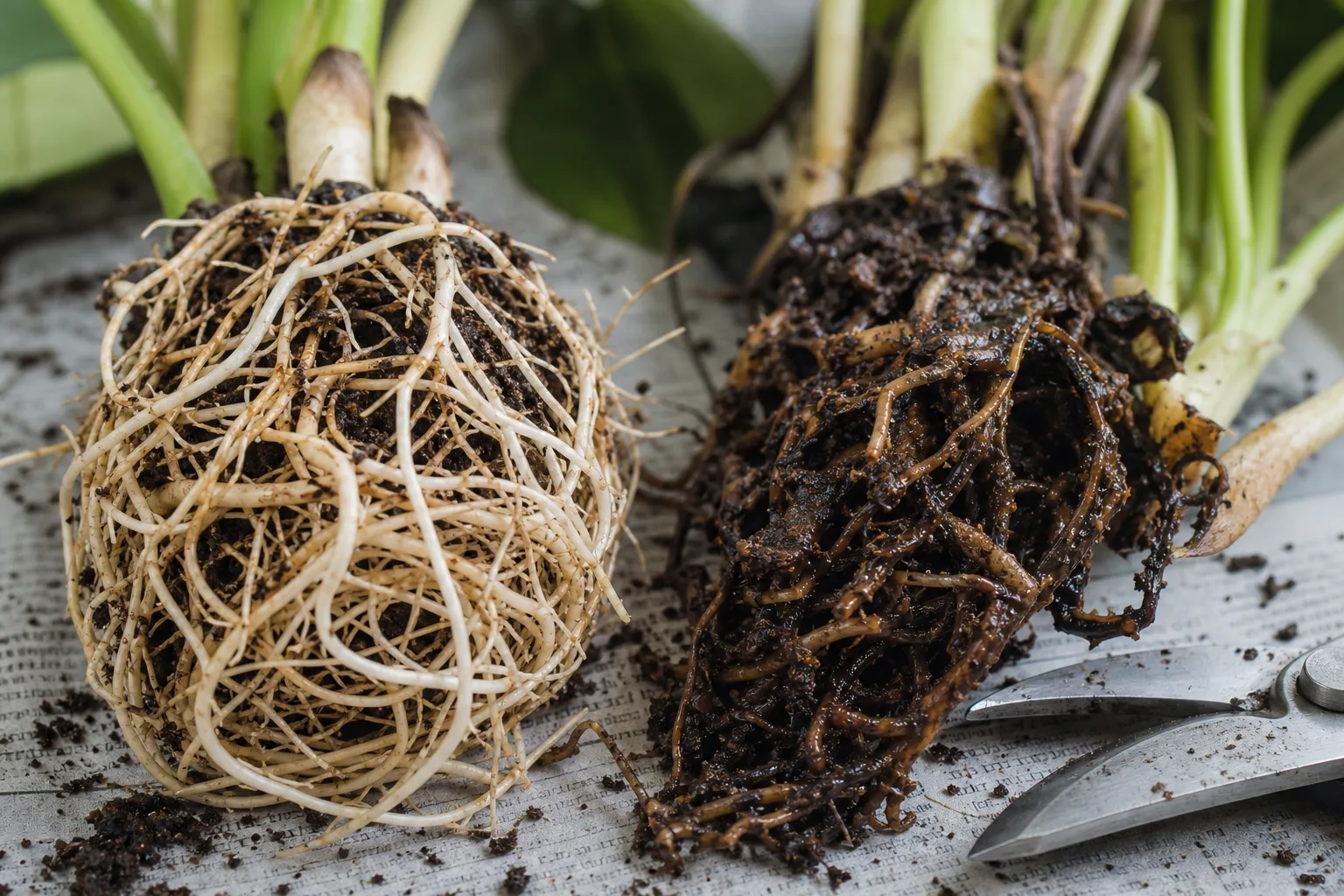
Match the symptom to the first check
| What you see | First check | Practical next move |
|---|---|---|
| Yellow leaves and soil that stays wet | Drainage, pot size, saucer, and root condition | Pause watering until the mix partly dries, improve drainage, and inspect roots if decline continues. |
| Limp leaves and a very light pot | Moisture several inches down | Water deeply, then adjust the interval so the tree does not swing from bone-dry to saturated. |
| Pale new leaves with greener veins | Soil pH and iron availability | Test the soil or mix before choosing an iron product; follow a local recommendation or label. |
| Flowers but no expanding fruit | Light, cold nights, water swings, and crop load | Stabilize conditions, improve light, and give the tree time; one plant is enough for pollination. |
| Curled young leaves or winding trails | Aphids, psyllids, or citrus leafminer | Inspect new growth closely and identify the pest before treatment. |
| Brown or raised leaf and fruit spots | Wet foliage, airflow, and disease pattern | Keep irrigation off the canopy and seek a regional diagnosis if spots spread. |
Keep lemon trees safe around pets
The ASPCA lists lemon as toxic to dogs, cats, and horses because of essential oils and psoralens. The page notes that the fruit is edible but that skins and plant material can cause problems, including vomiting, diarrhea, depression, and possible dermatitis. Keep fallen fruit, prunings, leaves, and concentrated citrus products away from pets, and contact a veterinarian or animal poison-control service promptly after suspected ingestion.
Conclusion
To grow a productive lemon tree, give it the brightest practical site, fast-draining soil, and a watering routine based on the root zone rather than a fixed calendar. Choose a grafted variety that fits your climate, keep the graft union above the soil, feed during active growth without overdoing nitrogen, prune only for structure, and expect fruit to mature slowly.
If winter freezes are part of your normal weather, a container is not a compromise—it is the tool that makes lemon growing possible. Move it before cold damage, bring it back outdoors gradually, and treat yellow leaves, fruit drop, and leaf spots as clues to investigate rather than automatic instructions to water or fertilize more.



