Natural Ways to Repel Mice at Home
Natural mouse repellents work when you pair scent deterrents with steel-wool exclusion and sanitation. Learn the pro spray recipe, inspection checklist, and when traps are still needed.

Cold weather sends house mice (Mus musculus) hunting for warmth, crumbs, and quiet wall voids—and a single pair can turn into a breeding problem fast if entry stays open. The natural approach pest professionals actually recommend is less about one magic scent and more about a layered plan: seal gaps mice cannot chew through, remove food smells that invite them to stay, then apply a peppermint-rosemary-citronella spray along the travel lanes where their whiskers already guide them. Done in that order, natural repellents become a useful, humane supplement—not a substitute—for real mouse proofing.
The Quick Answer: Natural Repellents Work Best as Part of a Bigger Plan
The most effective natural mouse program pairs structural exclusion with a refreshed essential-oil spray applied along baseboards and entry zones—not sprayed randomly like air freshener. Associate certified entomologists and IPM-trained technicians routinely describe potent mint-family oils as short-term irritants that discourage rodents from lingering on treated routes. University guidance is equally blunt about limits: scent deterrents may discourage exploration, but they will not evict an established nest behind a wall if food and entry remain available (University of Minnesota Extension).
Why a Spray Alone Is Rarely Enough
Mice navigate by smell and touch. A strong menthol cloud along a baseboard can make that lane feel unsafe—but only if the mouse has nowhere easier to go. Leave a ¼-inch gap under the garage door, a bowl of pet kibble on the floor, and a pantry box of pasta with a chewed corner, and the best spray in the world becomes background noise. Public-health rodent programs emphasize the same hierarchy: sanitize, seal, trap, then monitor (CDC). Natural repellents belong after you start sealing and cleaning, not instead of those steps.
Why Mice Move Indoors in Fall and Winter
As outdoor temperatures drop and daylight shrinks, mice shift from fields and mulch beds toward structures that leak heat. Kitchens, attics, crawl spaces, and garages offer stable temperatures, hidden runways, and concentrated food odors from stored dry goods, birdseed, and pet food. You do not need a dirty house—mice are opportunists. A few crumbs under a stove and a dime-sized gap around a pipe are enough invitation.
Activity often spikes in late fall when the first hard frosts push populations toward foundations. Scratching sounds at night, rice-grain droppings along walls, and greasy rub marks on baseboards are classic signs the problem is already indoors—not merely passing through the yard. If you store firewood against the siding or let ornamental grasses flop against the foundation, you are also building a covered highway to those gaps.
How Small an Opening Mice Actually Need
A house mouse can enter through any gap wider than about ¼ inch—roughly the diameter of a pencil or a dime. That is not folklore; it is why exclusion standards focus on quarter-inch rules rather than obvious holes. Mice compress ribs and skull plates to slip through pipe chases, weep holes, warped door bottoms, and cable penetrations that look impossibly tight.
Deer mice (Peromyscus species) follow the same structural logic but carry different health concerns in some regions, including hantavirus in the western United States. UC IPM guidance treats deer mice seriously: exclude them from sleeping areas, disinfect droppings carefully, and avoid live-catch setups that contaminate quickly (UC IPM). Identification matters when choosing cleanup PPE—even if your repellent recipe stays the same.
The Pro-Recommended Natural Repellent Spray
Pest professionals who favor low-toxicity options often recommend a combined essential-oil spray rather than a single note. Peppermint brings high menthol concentration that overwhelms rodent olfactory receptors. Rosemary adds a sharp herbal layer mice tend to avoid. Citronella contributes a citrus-camphene edge that helps the blend linger on porous surfaces without turning your home into a candle shop.
The goal is not to perfume a room for humans. It is to mark lanes mice already use with an odor that reads as “unsafe” long after your nose stops noticing it. Mice reportedly detect many volatile compounds at concentrations far below human perception—a reason wall-hugging application beats misting the center of a floor.
Peppermint, Rosemary, and Citronella Blend
For a one-quart spray bottle of repellent, use this field-tested starting ratio:
- 2 teaspoons pure peppermint essential oil (look for Mentha piperita on the label, not “fragrance oil”)
- 1 teaspoon rosemary essential oil
- 1 teaspoon citronella essential oil
- 1 quart cool water
- Optional: 1 teaspoon mild liquid castile soap to help oils disperse (shake before each use)
Some technicians report four to eight weeks of lane-level deterrence on porous trim before a full refresh, though high-traffic zones and dry winter air shorten that window. Treat 30–45 days as a realistic reapplication schedule, then adjust based on droppings or noises—not the calendar alone.
Pet and child caution: Concentrated essential oils can irritate skin and airways and are toxic to cats at high concentrations. Keep soaked cotton balls in ventilated mesh containers, not loose where pets can ingest them. Never spray directly on pet bedding, food bowls, or children’s toys.
How to Mix and Apply the Spray
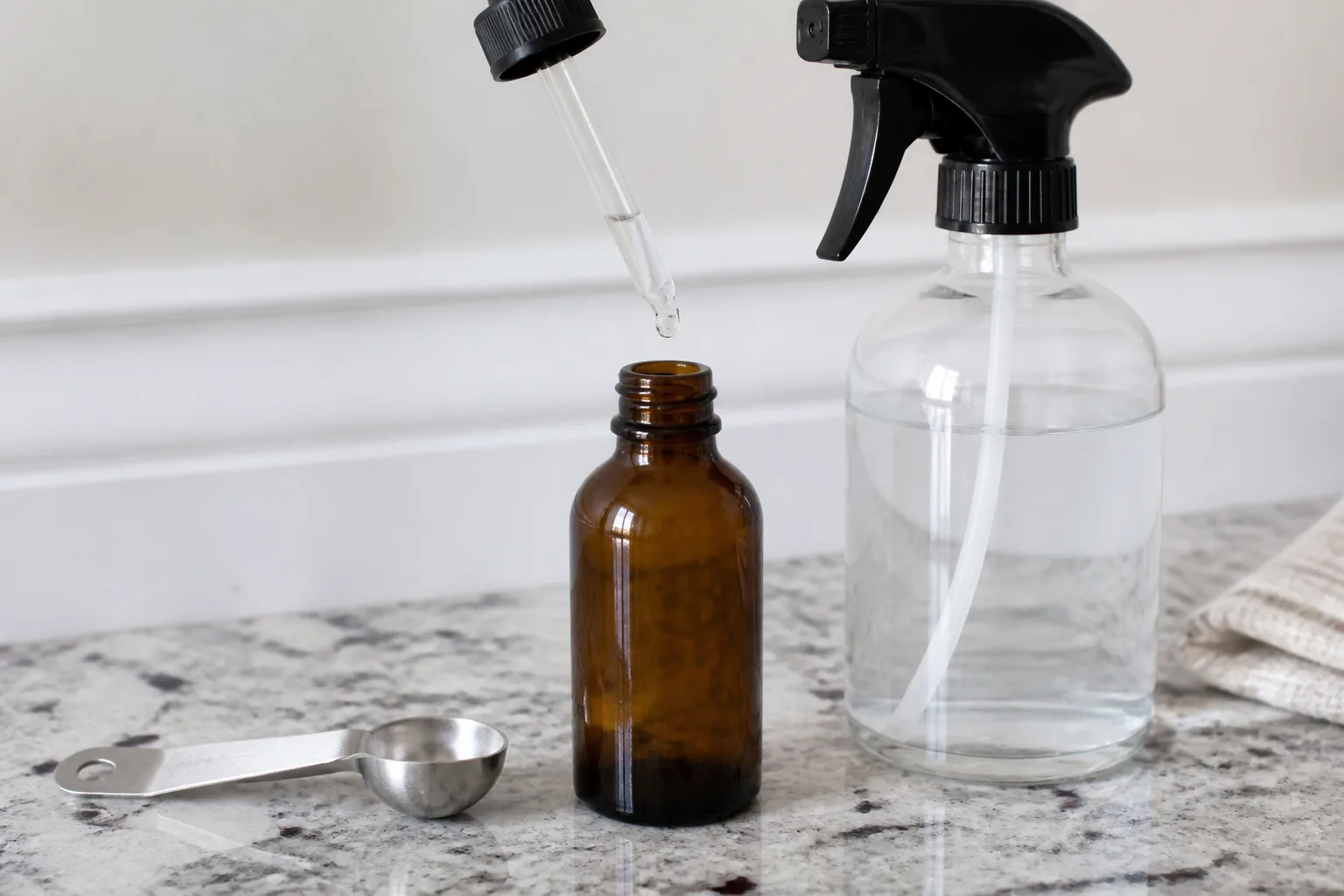
Add oils to the bottle first, then water, then soap if using. Cap tightly and shake vigorously—oil and water separate within minutes. Label the bottle clearly and store it away from food prep zones.
Apply a light, even mist along surfaces mice contact, not a soaking puddle that stains trim or risks slip hazards. Work in a ventilated room, wear gloves if you have sensitive skin, and wash hands after handling concentrate. Refresh after heavy cleaning, painting, or HVAC changes that strip volatile compounds from treated zones.
Where to Spray So Mice Actually Encounter It
Random floor-center spraying wastes oil. Mice prefer perimeter travel: whiskers brushing baseboards, noses low, bodies tight to walls. Pest field notes describe this as “thigmotactic” movement—touch-guided running that keeps them under cover.
Think Like a Mouse Along Walls and Entry Zones
Prioritize these targets on your first pass:
- Interior baseboards in kitchens, pantries, utility rooms, and garages—especially behind appliances where crumbs collect
- Door thresholds and garage-to-house transitions, including the bottom corners where weatherstripping gaps form
- Pipe and cable penetrations under sinks, behind toilets, and where HVAC lines pass through drywall
- Rear of cabinets and toe-kick voids adjacent to droppings or chew marks
- Attic hatch frames and top plates where wires enter living space—only if you can reach safely without disturbing insulation blindly
Skip upholstered furniture, pet beds, food prep counters, and open pantry shelves. You want irritant lanes on structural paths, not on surfaces you touch daily. Pair spray with snap traps set perpendicular to the same walls if you already have indoor activity—repellents push; traps remove.
Exclusion: The Long-Term Fix Pest Pros Prioritize
If you remember one sentence from integrated pest management for rodents, make it this: openings larger than ¼ inch should be sealed, because mice gnaw to enlarge softer materials (UC IPM). Repellents buy time; metal and rigid fillers buy years.
Steel Wool and Caulk at Gaps and Weep Holes
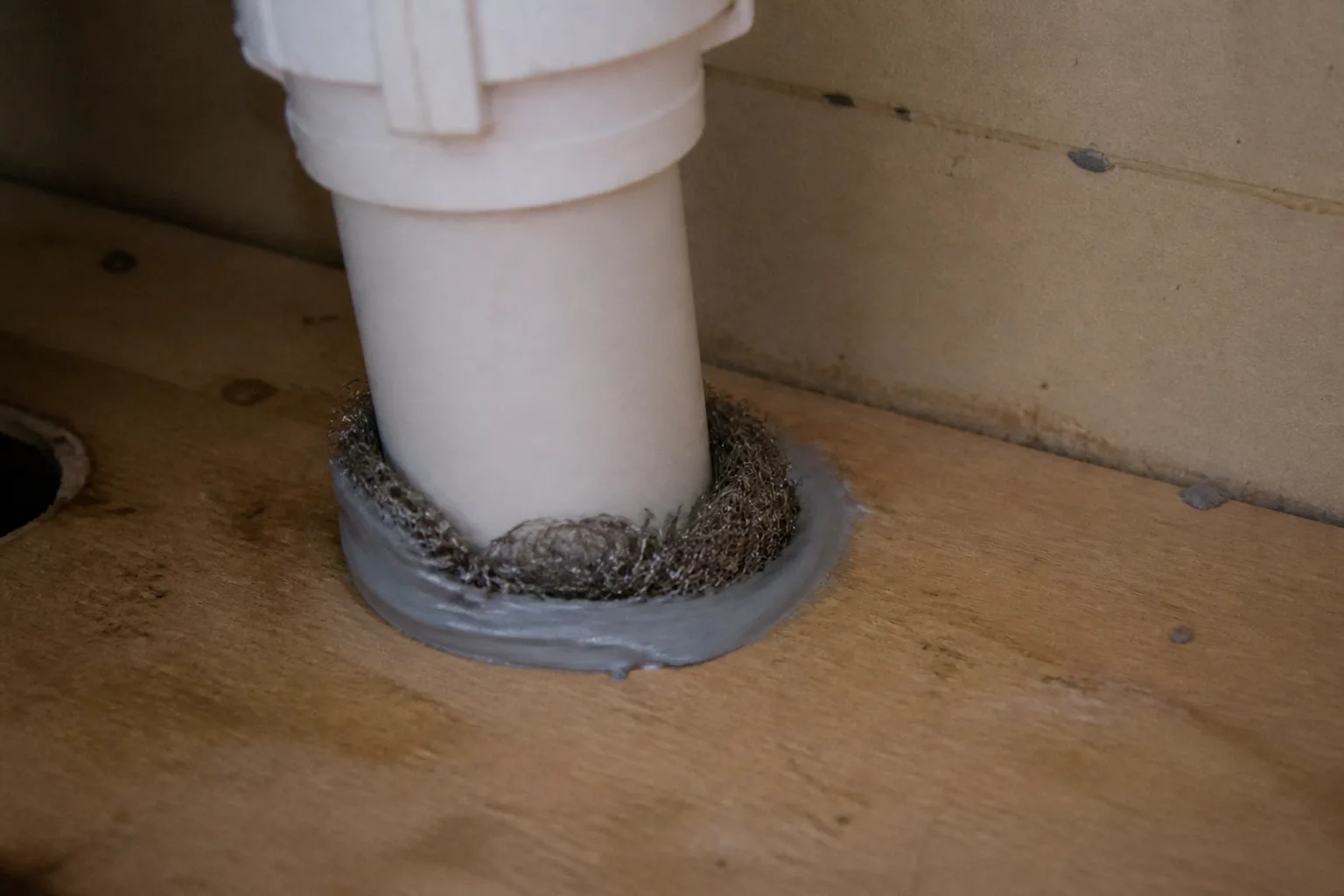
Steel wool is the classic exclusion filler because fine metal fibers abrade rodent teeth and resist quick chewing—unlike foam, rubber, or plastic alone. UC IPM notes steel wool works well as a tight plug, but should be integrated into durable repairs rather than left exposed where it rusts or pulls loose.
Step-by-step patch:
- Clear debris and old nesting material from the gap (wear a dust mask; mist droppings with disinfectant first per CDC cleanup guidance).
- Pull off a tuft of medium-grade steel wool slightly larger than the opening.
- Pack wool firmly until no daylight shows through the gap.
- Cover with silicone caulk indoors or urethane sealant / metal flashing outdoors so mice cannot simply pull the plug out.
- For larger holes, use ¼-inch hardware cloth screwed over the opening, then seal edges.
Weep holes in brick veneer need stainless steel wool or commercial weep-hole screens—not plain caulk that traps moisture. Dryer vents deserve self-closing flaps; crawl-space vents need intact screening. Replace warped door sweeps before you buy another bottle of peppermint oil.
Finding Every Entry Point Before You Trust Repellents
Exclusion fails when one missed gap becomes the nightly highway. Block an hour of daylight, grab a flashlight, mirror, and notepad, and walk the entire exterior footprint before you celebrate interior spraying.
Exterior and Interior Inspection Checklist
Outside, slow down at:
- Foundation cracks wider than a pencil point
- Gaps where siding meets brick, stone, or trim
- Utility penetrations for water, gas, AC lines, and fiber internet
- Garage door side seals and rotted bottom rubber
- Chimney and roofline intersections, soffit vents, and damaged screens
- Firewood, compost, and dense shrubs within 18 inches of the foundation
Inside, confirm:
- Under-kitchen-sink cabinets and dishwasher voids
- Behind the stove and refrigerator toe spaces
- Laundry chases and bathroom vanity pipes
- Basement rim joists and sill plates
- Attic entries, dropped-ceiling grids, and gaps around recessed lights
Mark each find on a simple sketch. Seal before you declare victory—mice often use multiple routes, and closing one can temporarily increase activity on another until the population declines.
Sanitation and Storage Habits That Make Repellents Matter

Mice do not need a feast—crumbs, pet food left overnight, and paper nesting material are enough. Store dry goods in hard-sided containers with tight lids, not clipped chip bags. Sweep under appliances weekly, wipe grease splatter behind ranges, and pick up outdoor birdseed spillage under feeders.
Garbage cans need locking lids if stored in the garage. Cardboard boxes on concrete basement floors double as shelter—switch to plastic totes elevated on shelves. If you compost, use a rodent-resistant bin placed away from the house. Sanitation does not sound as exciting as essential oils, but it decides whether mice stay after they smell your spray.
For a deeper look at why pantry powders and social-media baits disappoint compared with sealing and trapping, see our guide on does baking soda get rid of mice—the IPM logic is the same even when the DIY ingredient changes.
When Natural Repellents Are Not Enough
Scent deterrents discourage; they do not depopulate. If you find fresh droppings daily, hear vocalizations in walls, or smell urine in closed cabinets, add population reduction tools while you continue sealing.
Snap Traps on Travel Lanes
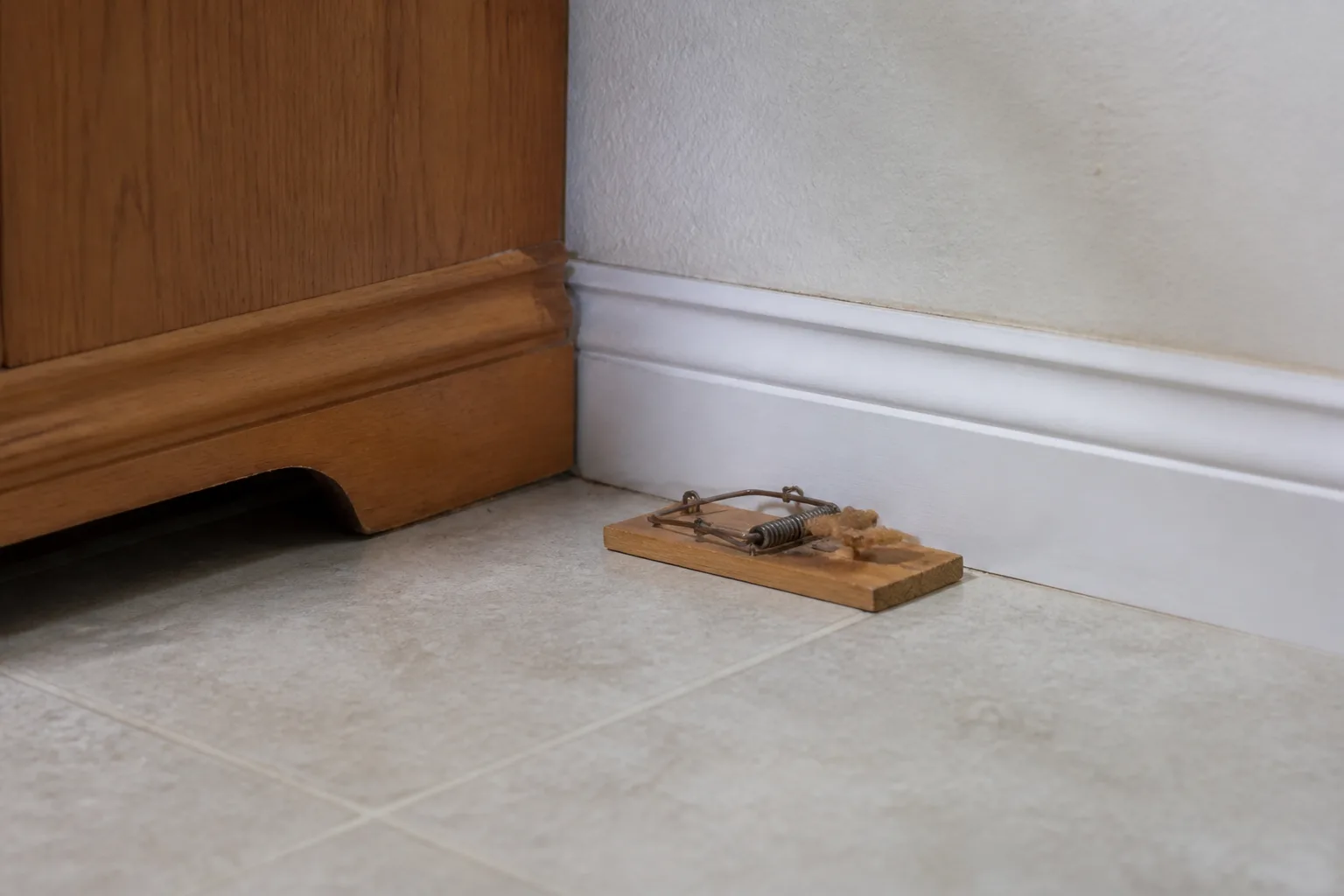
Snap traps remain the most reliable non-poison option for indoor house mice when placed correctly. Bait with peanut butter or a smear of hazelnut spread, set perpendicular to the wall with the trigger toward the baseboard, and space traps no more than 10 feet apart in active zones (UC IPM). Check traps daily, wear gloves when disposing of catches, and reset until you have zero activity for two weeks.
Avoid glue boards for indoor humane and hygiene reasons—they often immobilize without quick kill and create contaminated surfaces. Poison baits introduce secondary poisoning risks for pets and wildlife and are regulated products that belong behind professional judgment (EPA). Live traps seem gentle but quickly foul with urine and feces; many public-health guides discourage them for deer mice specifically.
Call a licensed pest operator if traps plateau while noises spread to multiple floors, if you cannot safely access attic or crawl spaces, or if you suspect deer mice in sleeping areas. Pros bring inspection cameras, metal flashing, and follow-up schedules DIY plans often skip.
What Usually Fails or Wastes Money
Ultrasonic plug-in devices show mixed, short-lived results in research summaries; mice habituate when food and entry remain easy (University of Minnesota Extension). Rotating gadgets every month turns pest control into a subscription with weak evidence.
Mothballs are not a legal or safe rodent repellent indoors—they are pesticides labeled for specific moth pests and release harmful vapors in living spaces. Ammonia bowls irritate human lungs and corrode finishes without reliable rodent exclusion data. Kitty litter “predator scent” tricks sometimes appear on blogs; they are messy, inconsistent, and unpleasant in kitchens.
Peppermint-only sachets in drawers help only if mice were already using those drawers as lanes—and even then, habituation arrives within weeks unless you vary placement and maintain sanitation. Budget energy toward steel wool, caulk, and a handful of quality traps before buying novelty repellent gadgets.
A Simple Seasonal Prevention Routine
Rodent proofing is a calendar habit, not a one-time panic after the first scratching sound.
Late summer / early fall: Trim vegetation off the foundation, move firewood outward, inspect door sweeps, and refresh exterior screens.
Mid-fall: Full perimeter walk, seal new gaps after summer expansion, deploy peppermint-rosemary-citronella spray on interior travel lanes, set precautionary traps in garages if you store seed or pet food there.
Winter: Monthly interior baseboard checks for droppings, refresh oil spray on schedule, keep pet food picked up overnight.
Spring: Reinspect seals after freeze-thaw movement, clean storage areas, and monitor attic vents before warm-weather nesting peaks.
Pair this calendar with our best rat traps overview if you also see larger rodents or burrows outdoors—mice and rats share exclusion principles even when trap sizes differ.
Conclusion
Natural mouse control works when you respect what scent can and cannot do. Seal quarter-inch gaps with steel wool and durable sealant, remove food and nesting clutter, then maintain a peppermint-rosemary-citronella spray on the wall lanes mice already travel. Refresh oils on a schedule tied to evidence, not hope, and add snap traps when droppings prove a population—not a lone wanderer.
The “easy” part is not spraying once and walking away. It is following a clear order: exclusion and sanitation first, repellents second, traps when needed, monitoring always. Do that before deep winter sets in and you turn a seasonal nuisance into a year-round quiet house—without defaulting to poison baits or gimmicks that fail the moment a crumb appears.



