Does Baking Soda Get Rid of Mice? What Works
Baking soda for mice sounds safe and cheap—but pest pros say it rarely works. Learn why, what to do instead, and when to call for help.
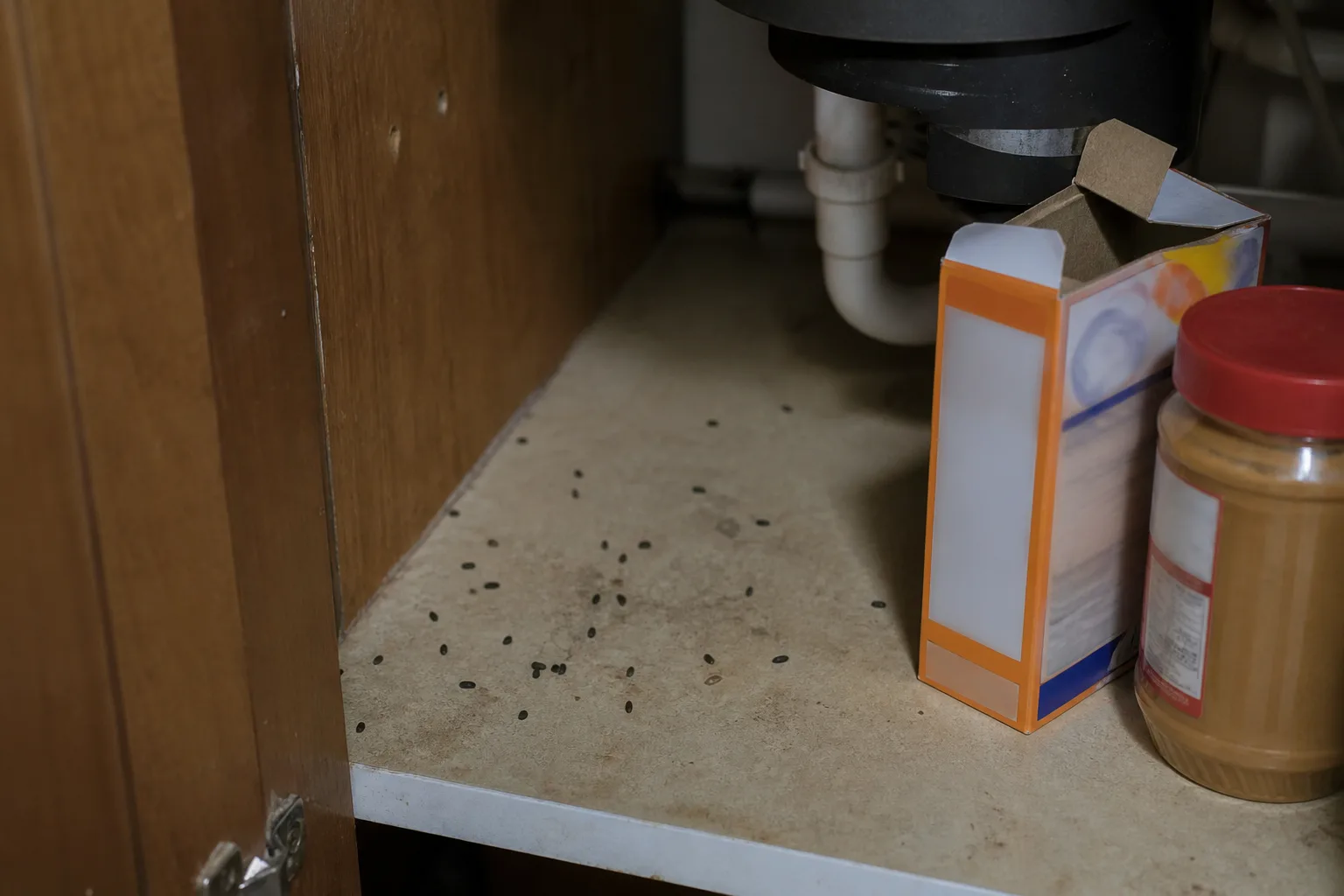
You hear scratching behind the dishwasher, find rice-grain droppings in a drawer, and someone on social media swears a bowl of baking soda mixed with peanut butter will fix everything without calling an exterminator. Baking soda is cheap, already in your pantry, and feels safer than poison around kids and pets. That appeal is real. The problem is that baking soda is not a reliable way to get rid of mice in a typical home infestation—and leaning on it can give rodents weeks to breed while you wait for a pantry remedy that rarely delivers a lethal dose.
The Quick Answer: Baking Soda Is Not a Reliable Mouse Control Method
No—baking soda should not be your primary mouse control strategy. The theory that sodium bicarbonate reacts with stomach acid to produce carbon dioxide gas is chemically plausible, but house mice (Mus musculus) usually will not eat enough plain or baited baking soda to die, especially when crumbs, pet food, and pantry goods offer easier meals. Even when a mouse ingests some, outcomes are unpredictable and often slow, which raises humane concerns compared with well-placed snap traps or professional exclusion work.
What works better follows the same integrated pest management (IPM) sequence public-health agencies recommend for rodents: remove food and shelter, seal entry points, trap actively, then monitor (CDC). Baking soda can remain a low-risk experiment for a single curious mouse—but not a substitute for sealing a gap the width of a pencil or stopping nightly kitchen activity.
Why People Reach for Baking Soda First
Baking soda wins clicks because it sounds like the best of both worlds: effective enough to skip a service call, yet gentler than anticoagulant baits that can harm pets, wildlife, and non-target animals. Homeowners picture sprinkling powder, walking away, and solving the problem while the kids sleep. That narrative breaks the moment you understand how mice actually feed, nest, and enter structures.
Pantry Staple Myth vs Real Infestations
A single mouse exploring a garage may disappear after you clean up birdseed and seal one gap. An infestation—droppings in multiple rooms, gnaw marks on baseboards, noises in walls—means a breeding population with established travel lanes and hidden nest sites. Pantry powders do not address entry points, reproduction, or disease risks from urine and droppings in enclosed spaces. The CDC notes rodents can spread hantavirus, leptospirosis, salmonellosis, and other illnesses through direct contact, contaminated air, and bites (CDC). Waiting on an unproven bait while mice contaminate cabinets is a poor trade.
The Chemistry Behind the Baking Soda Theory
Blog posts often explain mouse control like a middle-school volcano project: baking soda plus acid equals gas. That story is only half the battle.
Sodium Bicarbonate and Carbon Dioxide
Sodium bicarbonate (NaHCO₃) reacts with hydrochloric acid in the stomach to produce carbon dioxide, water, and salts. Advocates argue mice cannot burp effectively, so gas pressure builds until fatal internal injury occurs. One gram of baking soda can yield a few hundred milliliters of CO₂ at body temperature—enough to illustrate why the idea persists online.
Why Lab Chemistry Rarely Becomes a Field Kill
Chemistry on paper ignores dose, palatability, and behavior. A lethal outcome requires the mouse to consume a large fraction of its body weight in baking soda, usually hidden inside an attractive bait. Mice are nibblers with bait neophobia—they sample tiny amounts of new foods and stop if something tastes off. Powdery or salty notes in peanut butter mixes tip many mice off before they ingest a meaningful dose. Reviews of DIY rodenticide claims consistently find no peer-reviewed field trials demonstrating reliable household kills with baking soda baits—a gap that matters because EPA-registered rodenticides must meet efficacy and safety standards baking soda has never met (EPA).
Why Baking Soda Fails Against Mice in Real Homes
If baking soda ever works, it works under conditions almost no messy kitchen provides: hungry mice, no competing food, and enough bait consumed in one sitting.
Mice Avoid Unfamiliar Baits and Need Massive Doses
Professionals who field-test home remedies report the same pattern: mice touch baking-soda baits, eat a little, and walk away. Some sources note rodents may regurgitate or otherwise relieve gastric pressure, weakening the gas-bloat theory in practice. A dead mouse near a bait station might be coincidence—an animal that died from stress, disease, or another control measure you forgot about—while the population keeps breeding in the wall void.
Competing Food Sources Win Every Time
Real homes are buffet lines. Pet kibble left out overnight, birdseed in the garage, crumbs under the stove, and open pantry bags beat any homemade poison on taste alone. The CDC’s prevention guidance centers on removing food, water, and nesting materials before rodents establish (CDC). Until you tighten storage and cleanup, mice have little reason to gamble on a strange peanut butter ball.
Common DIY Recipes and What Actually Happens
Pinterest and forum threads recycle the same formulas. Knowing why each fails saves wasted weekends.
Peanut Butter, Cornmeal, and Sugar Mixes
The usual recipes blend baking soda with peanut butter, cornmeal, or sugar to mask bitterness and slow powder separation. Placement advice—“put it where you see droppings”—ignores that mice establish routes along walls and often feed in hidden spots you cannot reach. Open bowls also attract pets, children, and non-target wildlife. If a dog eats a peanut butter–baking soda mix, toxicity is usually low, but trap and bait placement still belong out of reach—the same reason you would not leave snap traps in a toddler’s play area.
None of these recipes fix structural access. Mice squeeze through gaps about ¼ inch (6 mm) wide—roughly a pencil width (CDC). Kill one mouse with soda while leaving that gap open and replacements arrive within days.
Humane and Practical Problems With the Method
Even proponents rarely claim baking soda is fast. Internal gas buildup, when it occurs, can mean prolonged distress compared with a properly set snap trap that kills in seconds. Pest professionals increasingly weigh welfare and certainty when recommending control tools: slow, unreliable methods fail both tests.
Practically, homeowners who fixate on baking soda often skip inspection. They never identify active droppings vs old signs, never map entry points, and never sanitize contaminated drawers using safe rodent cleanup steps. That delays real progress and can spread contaminated dust if you vacuum mouse droppings dry—a mistake the CDC explicitly warns against (CDC).
What Pest Pros Recommend Instead
Effective mouse control is boring on purpose: exclude, sanitize, trap, monitor. It beats viral pantry hacks because it attacks the infestation cycle—not a single stomach.
Snap Traps and Instant-Kill Options
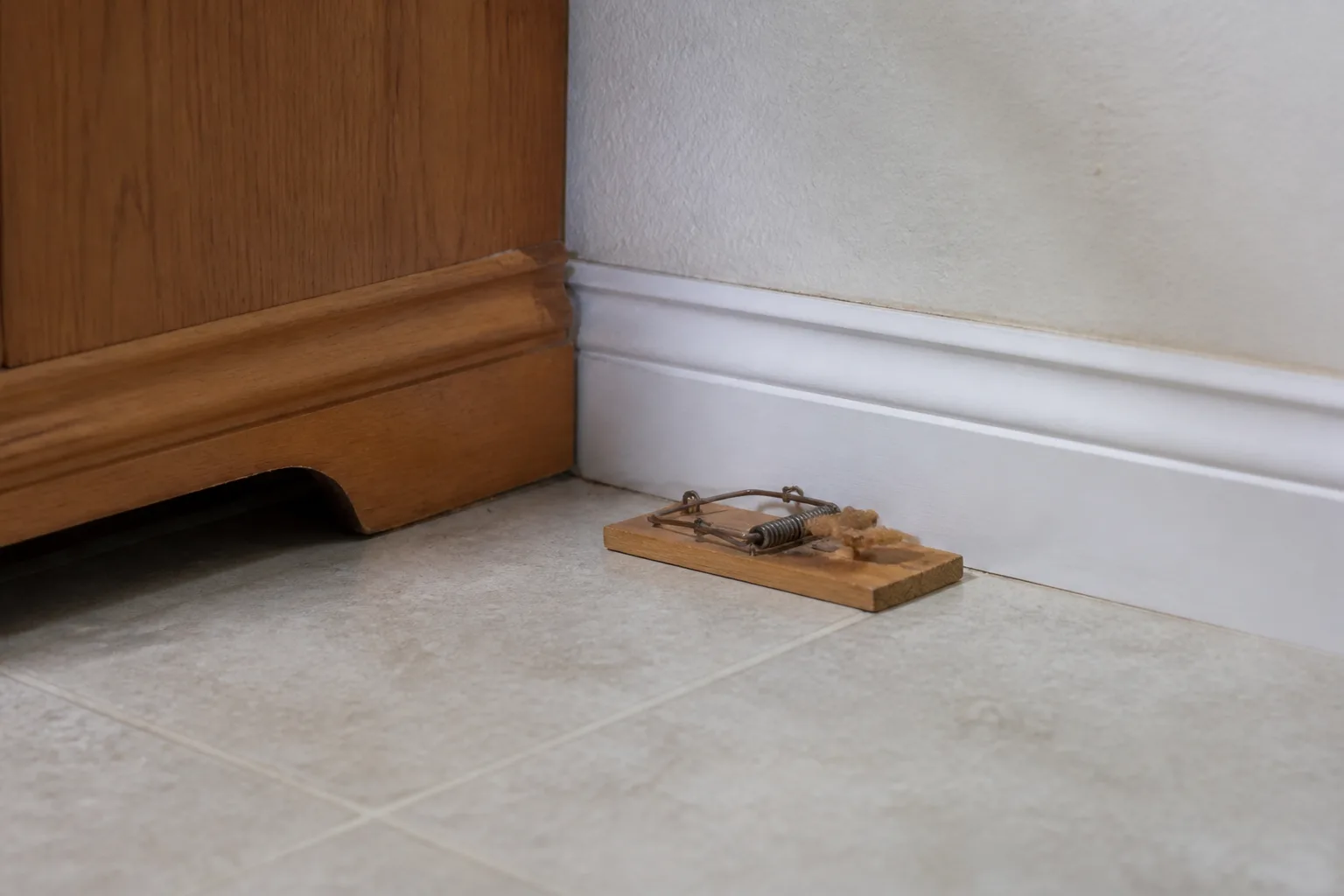
Snap traps remain the standard for small indoor populations when set perpendicular to the wall with the trigger end facing the baseboard—right in the travel lane, not the middle of the floor. Check traps daily, wear gloves when handling, and dispose of dead rodents in sealed bags. Electric traps deliver instant kills in enclosed tunnels—useful if you dislike visible snap mechanisms—but still require correct placement and ongoing monitoring (CDC).
Avoid outdoor rat poisons indoors; block-form anticoagulants pose secondary poisoning risks to pets and predators. If you use EPA-registered mouse baits, follow label directions in tamper-resistant stations only where label allows—never loose pellets in living spaces with children or free-roaming pets (EPA).
Exclusion and Sealing Entry Points
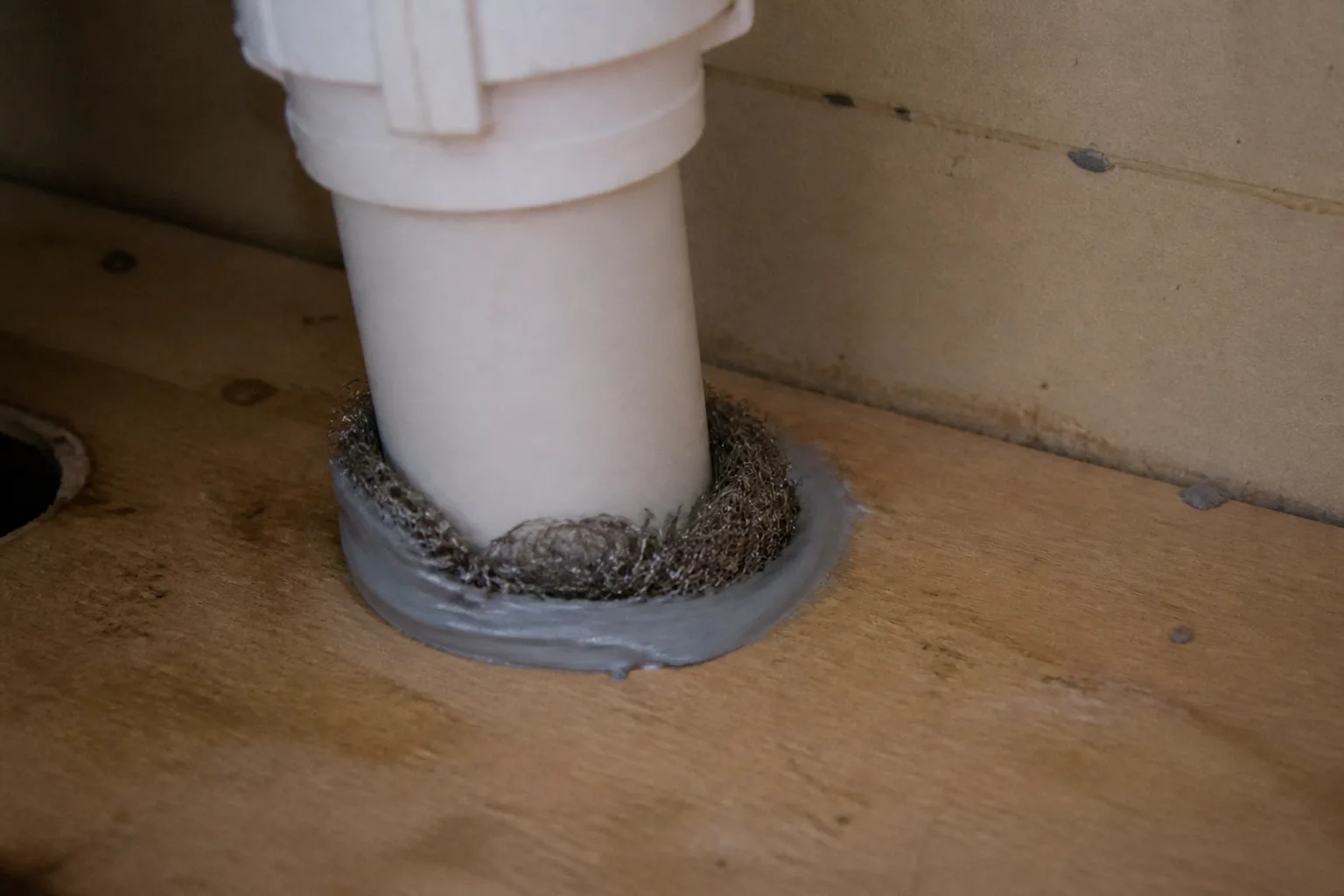
Exclusion is the highest-leverage step most DIY posts skip. Inspect inside and out for gaps around pipes, dryer vents, doors, foundations, and soffits. Pack small holes with steel wool and seal with caulk or foam; cover larger openings with hardware cloth, lath screen, or metal flashing (CDC). Add door sweeps where light shines under exterior doors. NIH facility guidance likewise prioritizes sealing gaps with stainless steel or mesh and maintaining door sweeps on ground-floor entries (NIH ORS).
Sanitation That Removes Mouse Food
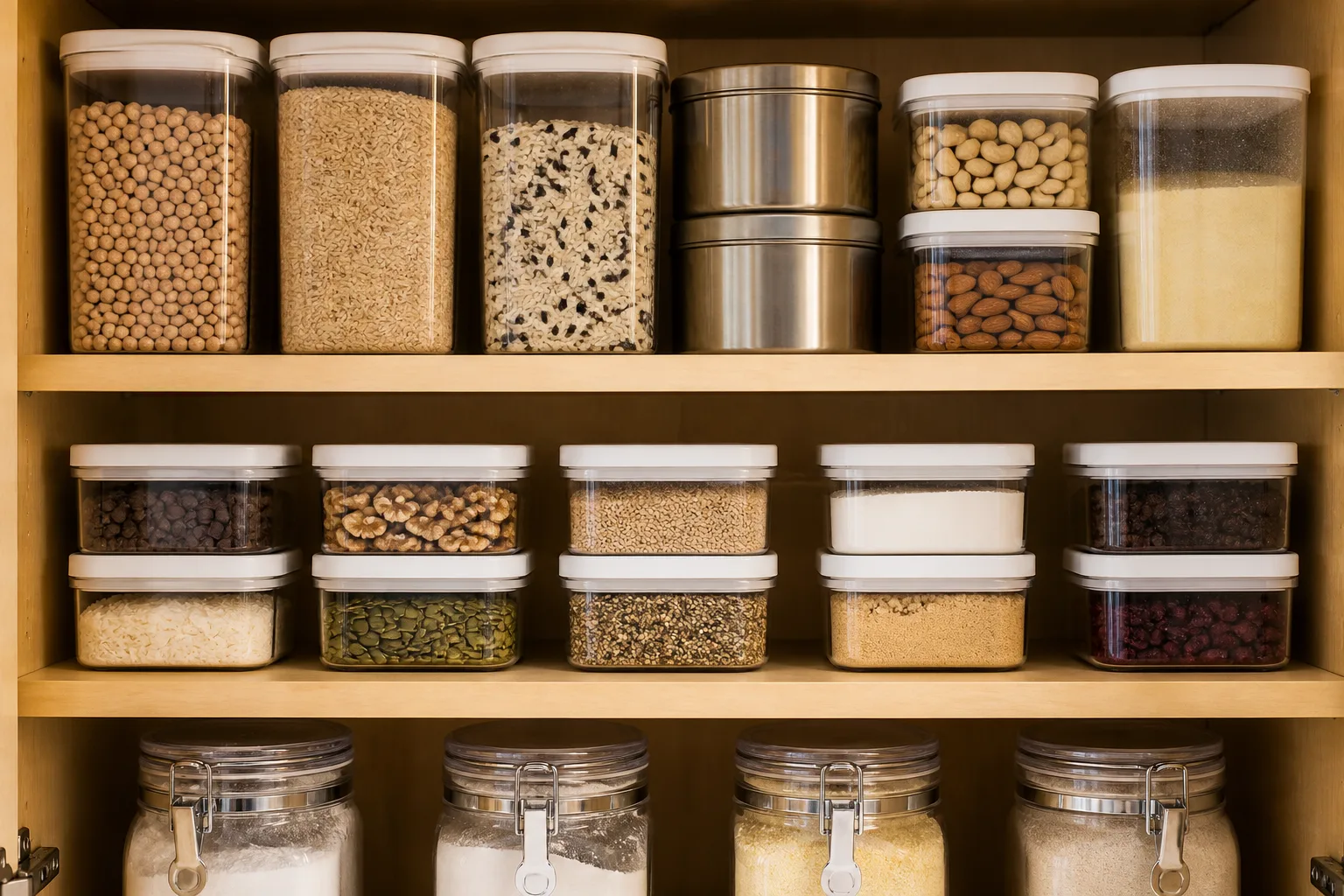
Store pantry goods in thick plastic, metal, or glass containers with tight lids. Pick up pet food after meals, rinse dishes promptly, and use lidded trash cans indoors and out. Move compost bins, woodpiles, and bird feeders away from the house—the CDC recommends keeping compost and woodpiles 100 feet from structures when possible (CDC). If mice were in your garbage area, see our guide on fast maggot cleanup in trash cans—rotating organic waste attracts rodents and flies together.
Repellents Like Peppermint Oil (With Limits)
Peppermint, citronella, and other strong essential oils may irritate mice and temporarily discourage travel through a treated gap. They do not eliminate nesting females or young in wall voids. Think of repellents as supplemental nudges after sealing and trapping—not replacements. The same limitation applies to many “natural” pest fixes; compare with how diatomaceous earth works slowly on roaches or why natural ant remedies fail when food sources stay available.
A Step-by-Step IPM Plan That Beats Pantry Remedies
Use this sequence instead of baking soda baits when you want measurable progress within a week.
Weekend 1 — Inspect and remove attractants. Walk the kitchen, pantry, garage, and basement with a flashlight. Note fresh droppings (pointed ends, often with hairs), gnaw marks, and grease rub marks along walls. Clean food spills, containerize pantry items, and pull pet bowls overnight. Safely clean contaminated sites following CDC rodent cleanup guidance—spray droppings with disinfectant, let soak, then pick up with paper towels; do not dry-vacuum (CDC).
Weekend 1 — Seal obvious entry points. Start where pipes enter under sinks, where dryer vents meet siding, and where garage doors fail to meet the floor. Steel wool plus caulk for pinholes; metal mesh for larger breaches.
Week 2 — Trap travel lanes. Set six to eight snap traps in a typical kitchen/garage problem zone—more if activity is heavy. Bait with peanut butter or hazelnut spread (without baking soda). Reset daily until 48 hours pass with zero catches and no new droppings after cleanup.
Week 3 — Monitor and adjust. If droppings reappear, you missed an entry point or food source. Re-inspect upper cabinets, stove voids, and attic hatches. Sticky monitors along baseboards help map traffic—similar to the monitoring step in our silverfish IPM guide.
Ongoing — Yard and storage hygiene. Trim vegetation within 100 feet of the foundation, elevate firewood, and secure compost. Mice outdoors eventually become mice indoors when cold weather hits.
| Method | Reliability | Speed | Best for |
|---|---|---|---|
| Baking soda baits | Very low | Days to never | Not recommended as primary control |
| Snap traps | High (when placed correctly) | Immediate kill | Small indoor populations |
| Exclusion + sanitation | High | Prevents re-entry over days | Every home, every season |
| EPA-registered baits in stations | High | Days to weeks | Heavy infestations; pro-supervised use |
| Essential-oil repellents | Low alone | Temporary | Supplement after sealing |
When to Call a Professional
Call a licensed pest control operator when you see droppings in multiple rooms, hear persistent wall activity, smell urine odor in voids you cannot access, or catch multiple mice nightly despite two weeks of sealing and trapping. Multi-unit buildings, restaurants, and homes with immunocompromised residents deserve faster escalation because of disease risk. Professionals bring inspection tools, tamper-resistant bait stations, and warranty follow-ups—and they document entry points you may miss in crawl spaces or flat roofs.
Renters should photograph evidence and notify landlords when structural gaps or shared-wall voids require building-level repairs. Document trap counts and dates; good operators align with EPA IPM principles—least-toxic effective tools first, not automatic whole-house fogging (EPA).
Conclusion
Baking soda is a workhorse for cleaning and deodorizing, but it does not reliably get rid of mice the way sealing, sanitation, and trapping do. The gas-bloat theory makes sense in a textbook and fails in a kitchen full of easier food, wary nibblers, and pencil-width holes you have not closed yet. Treat baking soda as an unproven sidebar, not your plan A.
Your better move is straightforward: remove food, seal gaps with steel wool and durable materials, set snap traps on wall lanes, and monitor for two weeks. If activity persists, call a pro before rodents settle deeper into walls. That is what pest pros actually use—and it works far more often than any pantry poison myth.